Can MSM Powder Relieve Joint Pain and Inflammation in Long COVID and MCAS?
March 5, 2026
MSM PowderLong COVIDME/CFS
Share:
Disclaimer: The information provided here is for educational purposes only and is not intended as medical advice. It should not be used to diagnose, treat, cure, or prevent any medical condition. Instead, use it as a starting point for discussion with your healthcare provider. Always consult with a qualified healthcare provider before starting any new medication, supplement, device, or making changes to your health regimen.
For individuals living with complex chronic illnesses like Long COVID, myalgic encephalomyelitis/chronic fatigue syndrome (ME/CFS), and mast cell activation syndrome (MCAS), the search for relief often feels like navigating a labyrinth. You may be dealing with debilitating joint pain that flares unpredictably, profound muscle soreness after minimal exertion, or a cascade of allergic-type reactions that leave you exhausted. When your body is locked in a cycle of chronic inflammation and oxidative stress, finding foundational support that addresses these core mechanisms is crucial. One such supportive compound that has garnered significant attention in both clinical research and functional medicine is methylsulfonylmethane, commonly known as MSM.
MSM is often pigeonholed simply as a "joint supplement" found alongside glucosamine on pharmacy shelves. However, this naturally occurring organosulfur compound is far more than a simple building block for cartilage. At the cellular level, MSM acts as a potent biological modifier, orchestrating a systemic defense against oxidative damage, downregulating inflammatory transcription factors, and providing the crucial sulfur needed for deep cellular detoxification. In this comprehensive guide, we will explore the intricate biochemistry of MSM, how it interacts with the specific pathophysiological mechanisms of conditions like Long COVID and MCAS, and how integrating a high-quality MSM powder into your daily regimen may help you reclaim your quality of life.
What is MSM (Methylsulfonylmethane)?
Methylsulfonylmethane (MSM), chemically known as dimethyl sulfone (DMSO₂), is a naturally occurring, highly stable organosulfur compound. It is found in trace amounts in the human body, as well as in various foods such as cruciferous vegetables, garlic, onions, and certain grains. Structurally, MSM is the simplest of the sulfones and is a major metabolite of dimethyl sulfoxide (DMSO), a well-known therapeutic agent. However, unlike DMSO, MSM is more polar, highly stable, and less reactive, making it an ideal dietary supplement for long-term use. In the human body, MSM is detectable in the blood and cerebrospinal fluid, originating from a combination of dietary intake, the metabolic activity of intestinal bacteria, and the endogenous metabolism of methanethiol.
At its core, MSM is composed of 34% elemental sulfur by weight. Sulfur is the third most abundant mineral in the human body and is absolutely essential for the maintenance of healthy connective tissues, including cartilage, tendons, and ligaments. It is a critical component of the sulfur-containing amino acids methionine and cysteine, which are the building blocks for numerous structural proteins and enzymes. Furthermore, sulfur is required for the proper cross-linking of collagen and keratin, the primary proteins that give strength and elasticity to the skin, hair, and nails. Without adequate bioavailable sulfur, the structural integrity of these tissues can become compromised, leading to accelerated wear and tear.
However, the role of MSM extends far beyond simply donating sulfur for tissue construction. Recent consensus meta-analyses have revealed that MSM operates as a sophisticated signaling molecule that modulates fundamental cellular pathways. It does not act as a direct chemical neutralizer of free radicals; rather, it alters the cellular redox architecture by interacting with genetic transcription factors. This means that MSM helps "reprogram" the cell to better defend itself against stress, making it a highly valuable tool in the management of chronic, systemic inflammation.
One of the most remarkable physical properties of MSM is its exceptionally low molecular weight and high cellular permeability. Because it is a small, uncharged, and water-soluble molecule, MSM can easily pass through biological membranes without disrupting the delicate lipid bilayer of the cell. This passive diffusion allows MSM to rapidly enter the bloodstream and distribute homogeneously throughout the body's tissues. It is so effective at crossing cellular barriers that pharmacological studies have even investigated its use as a "permeability enhancer" to help other therapeutic molecules, such as EDTA chelators, cross tissue membranes more efficiently.
Crucially for patients dealing with neurological symptoms like brain fog or neuroinflammation, MSM is capable of crossing the blood-brain barrier. Magnetic resonance spectroscopy studies have successfully detected MSM in human cerebrospinal fluid, confirming its ability to reach the central nervous system. Once inside the brain, MSM can exert its neuroprotective effects by downregulating microglial activation and reducing the localized oxidative stress that often drives cognitive dysfunction in post-viral syndromes. This universal distribution ensures that MSM can deliver its anti-inflammatory and antioxidant benefits to virtually every organ system in the body.
The high permeability of MSM also means that it is highly bioavailable when taken orally. Unlike some complex joint supplements that are poorly absorbed in the gastrointestinal tract, MSM is rapidly taken up in the upper small intestine. This efficient absorption profile ensures that a high percentage of the ingested dose actually reaches the systemic circulation, where it can begin modulating cellular pathways and providing the elemental sulfur necessary for tissue repair and enzymatic function.
In addition to its structural and signaling roles, the sulfur provided by MSM is absolutely vital for the body's natural detoxification processes, particularly within the liver. The liver relies heavily on sulfur-containing compounds to execute Phase II detoxification, the process by which fat-soluble toxins, metabolic waste products, and heavy metals are conjugated (bound) to water-soluble molecules so they can be safely excreted from the body. Without adequate sulfur, these Phase II pathways can become sluggish, leading to a buildup of toxic byproducts that exacerbate fatigue and systemic inflammation.
One of the most critical Phase II pathways is sulfation, which is driven by the sulfotransferase (SULT) family of enzymes. These enzymes require a steady supply of sulfate donors to function properly. By providing a highly bioavailable source of organic sulfur, MSM supports the optimal activity of these SULT enzymes. This is particularly relevant for the clearance of neurotransmitters, steroid hormones, and, crucially, histamine. When sulfation is impaired due to sulfur depletion, histamine can accumulate in the tissues, triggering the widespread allergic-type reactions seen in mast cell disorders.
Furthermore, MSM plays a supporting role in the synthesis of glutathione, the body's "master antioxidant." Glutathione is a tripeptide composed of glutamate, glycine, and cysteine. Because cysteine is a sulfur-containing amino acid, its availability is often the rate-limiting factor in glutathione production. By contributing to the body's sulfur pool, MSM indirectly supports the continuous regeneration of glutathione, ensuring that the liver and other tissues have the antioxidant capacity required to neutralize reactive oxygen species and manage the heavy oxidative burden associated with chronic illness.
How Chronic Illness Impacts Connective Tissue and Inflammation
To understand why MSM is so relevant for chronic illness, we must first examine the specific pathophysiological mechanisms that drive these conditions. In Long COVID, the initial SARS-CoV-2 infection triggers a massive immune response that, in many patients, fails to properly resolve. This leads to a state of persistent, low-grade systemic inflammation. The virus and its lingering spike proteins can continuously stimulate the immune system, causing an overproduction of pro-inflammatory cytokines such as interleukin-1 beta (IL-1β), interleukin-6 (IL-6), and tumor necrosis factor-alpha (TNF-α). This relentless inflammatory signaling damages endothelial cells, disrupts the blood-brain barrier, and degrades connective tissues, leading to the widespread joint pain, muscle aches, and neurological symptoms characteristic of Long COVID.
This chronic inflammation is intimately linked to severe oxidative stress. As the immune system battles the perceived threat, immune cells like macrophages and neutrophils release large amounts of reactive oxygen species (ROS) as a defense mechanism. While ROS are necessary for destroying pathogens in the short term, a prolonged excess of these highly reactive molecules causes extensive damage to cellular lipids, proteins, and DNA. Recent reviews on Long COVID pathophysiology highlight that this sustained oxidative stress rapidly depletes the body's endogenous antioxidant reserves, particularly glutathione. When glutathione levels plummet, the body loses its primary defense mechanism, allowing oxidative damage to run rampant and further fueling the inflammatory fire in a devastating vicious cycle.
Furthermore, this post-viral oxidative stress directly targets the mitochondria, the energy-producing powerhouses of the cell. The accumulation of mitochondrial ROS (mtROS) damages the delicate mitochondrial membranes and impairs the electron transport chain, drastically reducing the production of adenosine triphosphate (ATP). This mitochondrial dysfunction is a primary driver of the profound, unyielding fatigue that Long COVID patients experience, as their cells literally lack the energy currency required to function normally.
Myalgic encephalomyelitis/chronic fatigue syndrome (ME/CFS) shares significant pathophysiological overlap with Long COVID, particularly regarding mitochondrial impairment and oxidative stress. Comprehensive analyses of ME/CFS biology have repeatedly demonstrated that patients exhibit excessive production of ROS following even minimal physical exertion, alongside altered resting blood oxidant-to-antioxidant ratios. This systemic redox imbalance is a core feature of the disease, driving the debilitating symptom of post-exertional malaise (PEM), where physical or cognitive exertion leads to a disproportionate and prolonged exacerbation of symptoms.
In a healthy body, the stress of exercise triggers a transient increase in ROS, which is quickly neutralized by a robust antioxidant response. However, in ME/CFS, this antioxidant response is blunted or overwhelmed. The resulting oxidative damage to skeletal muscle tissues leads to prolonged intramuscular acidosis, slowed proton efflux, and an overreliance on inefficient anaerobic metabolism. This bioenergetic failure explains why ME/CFS patients experience severe muscle burning, heaviness, and delayed-onset muscle soreness after activities that would be considered trivial for a healthy individual. The structural integrity of the muscle and connective tissue is compromised by the relentless oxidative assault.
Additionally, the chronic pain experienced by many ME/CFS and fibromyalgia patients is heavily influenced by this localized oxidative stress and inflammation. High levels of pro-inflammatory cytokines sensitize the peripheral and central nervous systems, lowering the pain threshold and causing hyperalgesia (an increased sensitivity to pain). Without an intervention to break the cycle of oxidative stress and downregulate these inflammatory pathways, the nervous system remains in a constant state of high alert, perpetuating the sensation of widespread body pain.
Mast cell activation syndrome (MCAS) is a condition where mast cells—key players in the immune system's allergic response—become hyper-responsive and inappropriately release massive amounts of chemical mediators, including histamine, heparin, and various cytokines. This degranulation can be triggered by seemingly benign stimuli, such as certain foods, temperature changes, stress, or even odors. The resulting "histamine dump" causes a wide array of multi-systemic symptoms, ranging from hives and flushing to gastrointestinal distress, tachycardia, and severe brain fog. MCAS frequently co-occurs with Long COVID, ME/CFS, and dysautonomia, complicating the clinical picture.
The pathophysiology of MCAS is heavily influenced by the cellular environment. High levels of oxidative stress and the presence of pro-inflammatory cytokines lower the activation threshold of mast cells, making them more twitchy and prone to degranulation. Specifically, the overproduction of nitric oxide (NO), driven by the enzyme inducible nitric oxide synthase (iNOS), plays a significant role in regulating mast cell activity. When iNOS is upregulated by chronic inflammation, the excess NO creates an environment that encourages mast cell instability and continuous mediator release.
Compounding the problem is the issue of histamine clearance. Once histamine is released into the bloodstream, it must be rapidly broken down and excreted to prevent prolonged symptoms. This clearance relies heavily on the SULT (sulfotransferase) enzymes in the liver and gut, which require a steady supply of sulfate to function. In many patients with chronic illness, sulfur metabolism is impaired, or the body's sulfur reserves are depleted by the constant demand for glutathione production. This leaves the SULT enzymes without the necessary cofactors, leading to a bottleneck in histamine degradation. The resulting histamine overload perpetuates the inflammatory cycle, further irritating the mast cells and exacerbating the patient's symptoms.
MSM: Supporting Cellular Defense and Tissue Repair
MSM offers a multi-targeted approach to dismantling the vicious cycles of chronic illness, beginning with its profound impact on cellular inflammation. At the molecular level, MSM acts as a powerful inhibitor of Nuclear Factor-kappa B (NF-κB). NF-κB is a primary protein complex that controls the transcription of DNA, cytokine production, and cell survival. In conditions like Long COVID and ME/CFS, NF-κB is chronically activated, acting as the "master switch" that turns on the production of inflammatory mediators. By blocking the activation and nuclear translocation of NF-κB, MSM effectively flips this switch to the off position.
When NF-κB is suppressed, the downstream expression of highly destructive pro-inflammatory cytokines—specifically IL-1β, IL-6, and TNF-α—is drastically downregulated. Research on MSM's cellular mechanisms has demonstrated that this suppression directly limits the inflammatory cascade that damages joint cartilage, muscle tissue, and the endothelial lining of blood vessels. For patients experiencing the relentless, migratory joint pain and deep muscle aching associated with post-viral syndromes, this mechanism provides a foundational level of relief by addressing the root cause of the pain signaling, rather than merely masking the symptoms.
Furthermore, MSM limits the activation of the NLRP3 inflammasome, a multiprotein intracellular complex that detects pathogenic microorganisms and sterile stressors. The NLRP3 inflammasome is responsible for the maturation and secretion of IL-1β. By inhibiting this complex, MSM provides a secondary, highly specific blockade against the inflammatory processes that drive neuroinflammation and systemic fatigue. This dual-action suppression of both NF-κB and the NLRP3 inflammasome makes MSM an exceptionally potent tool for cooling the inflammatory fires of complex chronic illness.
While MSM's anti-inflammatory properties are impressive, its ability to modulate the body's antioxidant defenses is equally critical. Interestingly, in vitro studies indicate that MSM does not chemically neutralize free radicals on its own. Instead, it acts as an epigenetic modulator by promoting the nuclear translocation of Nuclear factor erythroid 2-related factor 2 (Nrf2). Nrf2 is a transcription factor that binds to the Antioxidant Response Element (ARE) in the DNA. When MSM activates Nrf2, it triggers a massive upregulation in the transcription of the body's native, endogenous antioxidant enzymes.
This Nrf2 activation leads to significantly increased synthesis and activity of Superoxide Dismutase (SOD), Catalase (CAT), and Glutathione Peroxidase (GPx). These enzymes are the heavy lifters of the cellular defense system, capable of neutralizing millions of reactive oxygen species per second. By boosting these primary defenses, MSM suppresses the mitochondrial generation of highly damaging molecules like superoxide radicals and hydrogen peroxide. This protection is vital for preserving the integrity of the mitochondrial electron transport chain, thereby supporting more efficient ATP energy production and combatting the profound cellular fatigue seen in ME/CFS.
Moreover, MSM plays a pivotal role in restoring the cellular glutathione cycle. By providing a highly bioavailable source of organic sulfur, MSM supports the synthesis of new glutathione molecules. More importantly, studies evaluating oxidative stress markers show that MSM increases the levels of reduced (active) glutathione (GSH) while decreasing the levels of oxidized (spent) glutathione (GSSG). This drastically improves the GSH:GSSG ratio, which is the ultimate clinical indicator of a healthy cellular redox state. By fortifying this cycle, MSM ensures that the body has the sustained antioxidant capacity required to heal from post-viral oxidative damage.
For patients battling MCAS and histamine intolerance, MSM offers a unique and highly beneficial mechanism of action. In functional medicine, MSM is widely regarded as an endogenous stabilizer of mast cells. It achieves this primarily by diminishing the expression of inducible nitric oxide synthase (iNOS) and cyclooxygenase-2 (COX-2). By downregulating iNOS, MSM directly reduces the production of excess nitric oxide (NO). Because high levels of NO create an environment that triggers mast cell degranulation, reducing NO helps to calm these hyperactive cells, raising their activation threshold and halting the inflammatory cascade without the sedative side effects associated with traditional H1 or H2 antihistamines.
Beyond stabilizing the mast cells themselves, MSM directly addresses the bottleneck in histamine clearance. As a highly usable sulfate donor, MSM provides the essential substrate required by the SULT (sulfotransferase) enzymes in the liver and gastrointestinal tract. When these enzymes have adequate sulfate, their activity increases, allowing them to efficiently conjugate and break down excess circulating histamine. This enhanced Phase II detoxification pathway helps clear the "histamine dump" from the bloodstream more rapidly, reducing the duration and severity of MCAS flares.
Crucially, the way MSM delivers this sulfur is highly advantageous for patients with gut dysbiosis, a common comorbidity in chronic illness. Unlike some sulfur-heavy foods (like garlic or broccoli) or complex sulfate supplements that must be broken down by gut bacteria, MSM is a small, highly permeable molecule that bypasses the gut's bacterial sulfur-reduction process. It diffuses passively across the intestinal membranes into the bloodstream. This means it provides the necessary sulfur for histamine clearance without feeding sulfate-reducing gut bacteria (such as Desulfovibrio), which can produce toxic hydrogen sulfide gas and cause severe gastrointestinal distress in sensitive patients.

Symptoms MSM May Help Manage
Post-Exertional Muscle Soreness: By blunting the post-exercise spikes in oxidative damage markers (like malondialdehyde and protein carbonyls), MSM helps protect skeletal muscle from the severe oxidative assault that contributes to post-exertional malaise (PEM) and delayed-onset muscle soreness.
Brain Fog and Cognitive Fatigue: Because MSM easily crosses the blood-brain barrier, it can help downregulate microglial activation and reduce localized neuroinflammation, which are primary drivers of the cognitive dysfunction and "brain fog" experienced in Long COVID and ME/CFS.
Histamine Intolerance Symptoms: By providing the essential sulfate needed to activate the SULT enzymes in the liver, MSM accelerates the breakdown and clearance of circulating histamine, helping to alleviate flushing, hives, and gastrointestinal distress associated with MCAS.
Systemic Fatigue: By activating the Nrf2 pathway and boosting endogenous antioxidant enzymes (like SOD and Catalase), MSM protects the mitochondrial electron transport chain from oxidative damage, supporting more efficient ATP energy production at the cellular level.
Osteoarthritis and Joint Pain: MSM provides the elemental sulfur required for the maintenance and repair of articular cartilage. By suppressing the NF-κB inflammatory pathway, it also halts the enzymatic degradation of joint tissues, significantly reducing daily joint ache and stiffness.
Widespread Body Pain (Hyperalgesia): By reducing the systemic load of pro-inflammatory cytokines (IL-1β, IL-6, TNF-α), MSM helps desensitize the peripheral nervous system, raising the pain threshold and providing relief for the widespread, migratory pain often seen in fibromyalgia and ME/CFS.
Hair, Skin, and Nail Integrity: Sulfur is essential for the proper cross-linking of collagen and keratin. MSM supplementation provides the building blocks necessary to restore the strength and elasticity of connective tissues that may become brittle or degraded during prolonged chronic illness.
Exercise Recovery: Clinical studies show that MSM preserves a robust immune response following physical exertion, preventing the stress-induced immunosuppression that often leads to symptom relapses or "crashes" in patients with compromised energy envelopes.
Practical Considerations: Forms, Dosing, and Absorption
When integrating a new supplement into a complex chronic illness protocol, understanding its pharmacokinetic profile—how the body absorbs, distributes, and eliminates the compound—is essential. MSM is distinct among dietary supplements for having an exceedingly high oral bioavailability. Because it is a small, water-soluble molecule, it does not require complex digestive processes or specific cofactors for absorption. After oral ingestion, MSM is rapidly and passively absorbed in the upper small intestine. Pharmacokinetic studies in humans have demonstrated that it typically takes only 1 to 2 hours for MSM to reach its peak concentration in the blood serum (Tmax).
This rapid absorption is highly dose-dependent and linear. For example, a 1-gram dose reaches peak concentration in about 68 minutes, while a larger 3-gram dose peaks in roughly 115 minutes. Once absorbed, MSM distributes homogeneously throughout the body's tissues, including crossing the blood-brain barrier to exert neuroprotective effects. Because it is unflavored and unsweetened, a pure MSM powder can be easily dissolved in water, juice, or a smoothie, making it highly accessible even for patients who struggle with swallowing large capsules or who have severe gastrointestinal sensitivities.
However, because MSM is a small, water-soluble molecule, it does not permanently build up or store in the body's tissues. It has a relatively short biological half-life, generally reported to be between 8 and 12 hours. It is overwhelmingly excreted from the body unchanged via the urine. This short half-life has important implications for dosing: a single daily dose of MSM will be continually flushed from the system by the end of the day. Therefore, to maintain steady therapeutic levels of MSM in the bloodstream and ensure continuous suppression of inflammatory pathways, most clinical protocols recommend splitting the total daily amount into two separate doses (e.g., one in the morning and one in the evening).
Determining the optimal dosage of MSM depends heavily on the severity of your symptoms and your specific clinical goals. Based on the latest clinical trials and meta-analyses, the effective dosage of MSM ranges significantly. For individuals seeking maintenance support, mild joint discomfort relief, or general antioxidant benefits, a dosage of 1.5 to 3 grams daily is typically recommended. Recent clinical trials have proven that exactly 2 grams per day is highly effective for improving joint quality of life and reducing mild, daily knee pain.
For patients dealing with more severe, systemic issues—such as moderate to severe osteoarthritis, pronounced post-exertional malaise, or significant MCAS flares—higher doses are often utilized. Foundational trials show that patients with diagnosed osteoarthritis or severe oxidative stress benefit most from 3 to 6 grams daily, usually split into two doses (e.g., 1.5 to 3 grams twice a day). When using a pure powder form, this typically equates to 1 to 2 scoops daily, depending on the specific product's scoop size. It is important to note that clinical benefits from MSM are cumulative; while some patients notice improvements in energy or pain within a few weeks, maximum therapeutic benefits are typically observed after 8 to 12 weeks of consistent daily supplementation.
If you are integrating MSM as part of a combination therapy—for instance, taking it alongside glucosamine, chondroitin, or hydrolyzed collagen—lower doses of MSM (such as 500 mg to 1 gram daily) are often sufficient. The synergistic effect of these compounds working together allows for a lower daily dose of MSM while still achieving significant pain reduction and connective tissue support. As always, it is recommended to start with a lower dose to assess your individual tolerance before gradually titrating up to the full therapeutic amount.
MSM is exceptionally well-tolerated and is classified by the US Food and Drug Administration (FDA) as "Generally Recognized As Safe" (GRAS) at dosages up to 4.8 grams per day. Acute and subchronic toxicity studies reveal practically no toxicity, even at massive doses in animal models. Because it is a naturally occurring compound that the body easily excretes, the risk of dangerous accumulation is virtually nonexistent. Furthermore, in vitro research has demonstrated that MSM does not inhibit the cytochrome P450 (CYP) enzymes in the liver. This is a crucial safety feature, as it means MSM is highly unlikely to interfere with the metabolism of standard prescription medications, making it a safe adjunctive therapy for patients on complex pharmaceutical regimens.
While side effects are rare, they can occasionally occur, particularly when initiating supplementation at higher doses. The most frequently reported adverse effects are mild gastrointestinal issues, such as bloating, flatulence, mild diarrhea, or general digestive discomfort. In isolated cases, individuals have reported mild fatigue, headache, or poor concentration as their body adjusts to the increased detoxification capacity. If you experience these symptoms, simply reducing the dose and taking the supplement with food can often mitigate the discomfort.
There are a few precautions to keep in mind. Because there is currently insufficient human data regarding the safety of high-dose MSM during pregnancy and lactation, cautious use or avoidance is advised for pregnant and breastfeeding women unless explicitly directed by a physician. Additionally, while MSM is an excellent source of organic sulfur, patients with severe genetic mutations in their sulfur metabolism pathways (such as certain CBS or SUOX gene mutations) should consult with a functional medicine practitioner before starting high-dose sulfur protocols, as they may need to support their downstream pathways to handle the increased sulfur load effectively.

Follow the Science
The clinical efficacy of MSM is supported by a robust and growing body of scientific literature, particularly in the realm of joint health and osteoarthritis management. A landmark randomized, double-blind, placebo-controlled trial published in the journal Nutrients in June 2023 provided compelling evidence for MSM's use in managing mild joint discomfort. The study evaluated 88 healthy Japanese adults experiencing mild knee pain. Participants were given 2,000 mg (2 grams) of MSM daily for 12 weeks. At the conclusion of the trial, the MSM group demonstrated significantly better overall health condition scores compared to the placebo group, with specific, statistically significant reductions in morning pain upon waking, nocturnal pain, and pain while standing. This trial was pivotal in demonstrating that relatively low doses of MSM can serve as an effective preventative and maintenance therapy for connective tissue health.
Further supporting its use in more advanced joint degeneration, a multicenter observational study published in the Turkish Journal of Physical Medicine and Rehabilitation in January 2024 investigated MSM as part of a combination nutraceutical therapy. The study followed 98 patients with clinically diagnosed Grade 1–3 knee osteoarthritis over an 8-week period. Patients received a daily combination of 750 mg of MSM, alongside hydrolyzed Type II collagen, glucosamine sulfate, and chondroitin sulfate. The results showed highly significant improvements (p < 0.001) in Visual Analog Scale (VAS) pain scores and overall physical function. This data highlights the powerful synergistic effects of MSM when combined with other structural building blocks, allowing for profound pain relief even at lower dosages.
Beyond joint health, MSM has been extensively studied for its ability to mitigate exercise-induced oxidative stress and muscle damage, mechanisms that are highly relevant for patients dealing with post-exertional malaise (PEM). In a placebo-controlled study of healthy men, participants supplemented with 3.0 grams of MSM daily for up to 28 days prior to an acute bout of strenuous exercise (a 14 km run). The results were striking: MSM completely blunted the expected post-exercise spikes in serum malondialdehyde (MDA) and protein carbonyls (PC), which are primary markers of lipid and protein oxidative damage. Furthermore, it prevented the depletion of active glutathione, maintaining a healthy cellular redox state.
Similarly, a study evaluating runners participating in a half-marathon found that those taking 3.0 grams per day of MSM exhibited clinically significant reductions in Delayed Onset Muscle Soreness (DOMS) and joint pain compared to the placebo group. The MSM group also showed lower levels of creatine kinase, a marker of severe muscle tissue breakdown. For patients with ME/CFS or Long COVID, whose baseline oxidative stress is already elevated, this ability to shield skeletal muscle from exertion-induced damage is a critical component of expanding their energy envelope and preventing severe symptom crashes.
Emerging pre-clinical research is also shedding light on MSM's potential neuroprotective benefits, which holds promise for addressing the cognitive and neurological symptoms of post-viral syndromes. In models analyzing neurotoxicity, such as exposure to viral proteins or radiation, MSM has proven capable of penetrating the central nervous system and mitigating damage. It achieves this by downregulating specific microglial activation pathways (like the TREM-2/DAP-12/Syk pathway), which are heavily implicated in driving neuroinflammation.
By aggressively rebalancing the cellular glutathione cycle within the brain, MSM successfully lowers neuronal reactive oxygen species and excess nitric oxide. While these findings are currently based on in vitro and animal models, they provide a strong mechanistic rationale for why many patients report subjective improvements in "brain fog" and cognitive stamina when incorporating MSM into their comprehensive treatment protocols. As research continues to evolve, the pleiotropic (multi-pathway) effects of MSM position it as a highly versatile therapeutic agent at the intersection of inflammation, oxidative stress, and chronic illness.
The Path Forward
Living with a complex chronic illness like Long COVID, ME/CFS, or MCAS requires a multifaceted approach to management. There is rarely a single "magic bullet" that will resolve all symptoms overnight. Instead, healing is about consistently providing your body with the molecular tools it needs to repair cellular damage, lower systemic inflammation, and restore metabolic balance. By supplying a highly bioavailable source of organic sulfur, downregulating the NF-κB inflammatory pathway, and boosting your endogenous antioxidant defenses, MSM serves as a powerful foundational element in this restorative process.
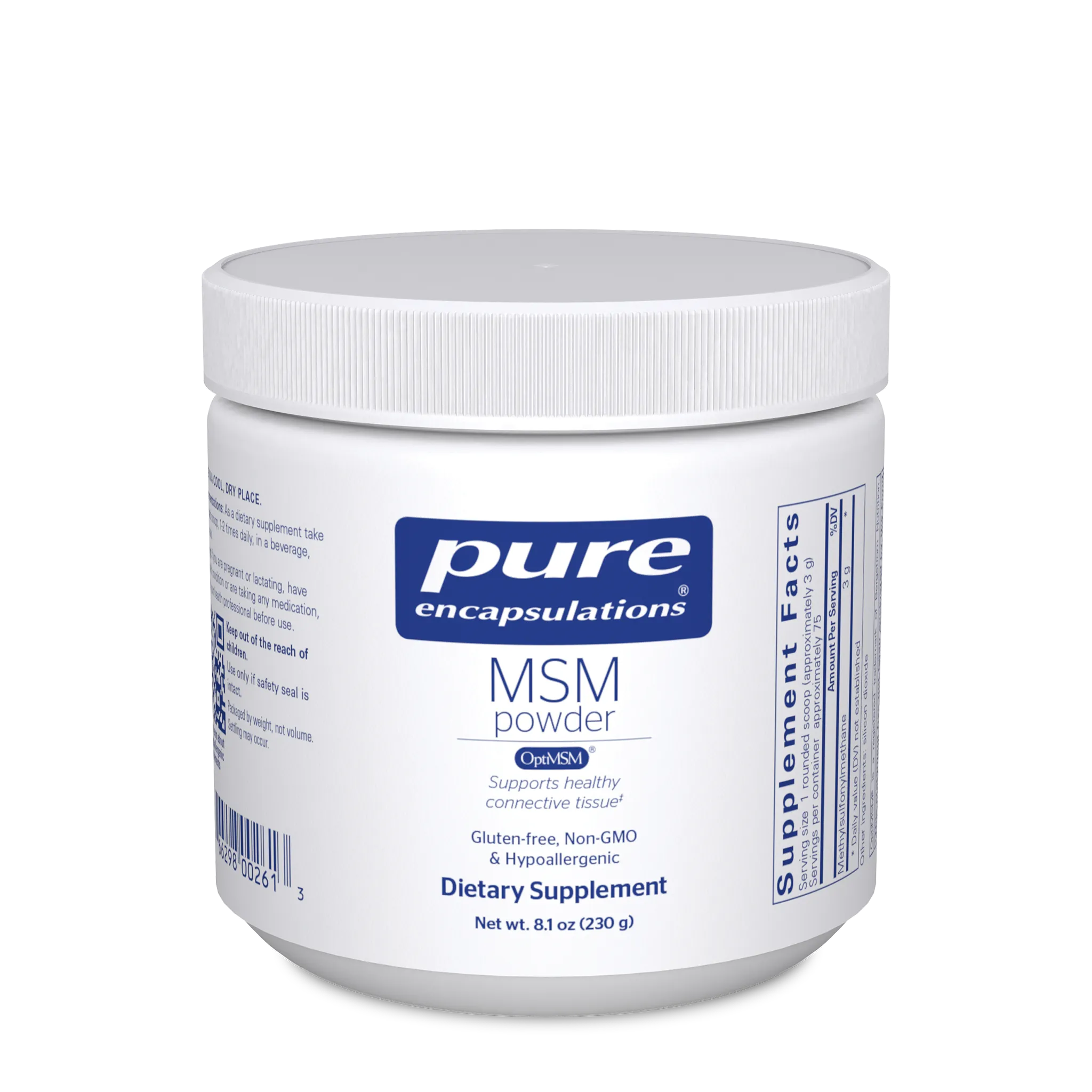
Because it is a pure, unflavored powder, Pure Encapsulations' MSM is incredibly easy to integrate into your daily routine. It can be seamlessly added to water, herbal teas, or a daily smoothie without altering the taste. This flexibility is particularly beneficial for patients managing severe fatigue or gastrointestinal sensitivities who may struggle with complex pill regimens. When combined with other foundational strategies—such as strict symptom tracking, aggressive rest, and learning how to maintain your independence with chronic illness—MSM can help you build a more resilient physiological baseline.
It is important to approach supplementation with realistic expectations. MSM is not a cure for Long COVID or dysautonomia, but rather a scientifically backed tool designed to support your body's innate healing mechanisms. The clinical benefits of MSM, particularly regarding joint pain, muscle recovery, and mast cell stabilization, are cumulative. It requires consistent, daily use over a period of 8 to 12 weeks to fully alter the cellular redox environment and achieve maximum therapeutic relief. Patience and consistency are key components of any successful chronic illness protocol.
As you navigate the ups and downs of chronic illness, especially during high-stress periods, having reliable tools at your disposal is essential. Whether you are managing daily joint stiffness or looking for tips for surviving the holidays with a chronic illness, supporting your body at the cellular level can make a profound difference in your overall quality of life. Always remember to listen to your body, pace your activities, and celebrate the small victories along the way.
If you are ready to explore how targeted sulfur supplementation can support your joint, immune, and respiratory health, consider discussing MSM with your healthcare provider. They can help you determine the optimal dosage for your specific clinical needs and ensure it fits safely within your broader treatment plan.
Explore MSM Powder