Can M/R/S Mushroom Formula Support Immune Balance in Long COVID and ME/CFS?
March 5, 2026
M/R/S Mushroom FormulaLong COVIDImmune Support
Share:
Disclaimer: The information provided here is for educational purposes only and is not intended as medical advice. It should not be used to diagnose, treat, cure, or prevent any medical condition. Instead, use it as a starting point for discussion with your healthcare provider. Always consult with a qualified healthcare provider before starting any new medication, supplement, device, or making changes to your health regimen.
Months or even years after an initial viral infection, many individuals find themselves trapped in a bewildering maze of debilitating symptoms. Whether diagnosed with Long COVID, myalgic encephalomyelitis/chronic fatigue syndrome (ME/CFS), or mast cell activation syndrome (MCAS), the underlying theme is often the same: a profound disruption of the body's immune and metabolic systems. Patients frequently describe a reality where their immune system feels simultaneously exhausted and hyperactive, leaving them vulnerable to frequent infections while simultaneously battling relentless, systemic inflammation. It is a frustrating, invisible battle that can make even the simplest daily tasks feel like climbing a mountain.
In the search for validating, science-backed management strategies, medicinal mushrooms have emerged as a compelling area of clinical research. Specifically, the synergistic combination found in the M/R/S Mushroom Formula—a precise blend of Maitake, Reishi, and Shiitake mushrooms—offers a fascinating approach to cellular health. These are not just culinary ingredients; they are complex biological response modifiers capable of interacting directly with our immune receptors. By exploring the deep biochemistry of how these fungi modulate immune responses, support metabolic function, and promote cellular resilience, we can better understand their potential role in a comprehensive recovery protocol.
What is M/R/S Mushroom Formula?
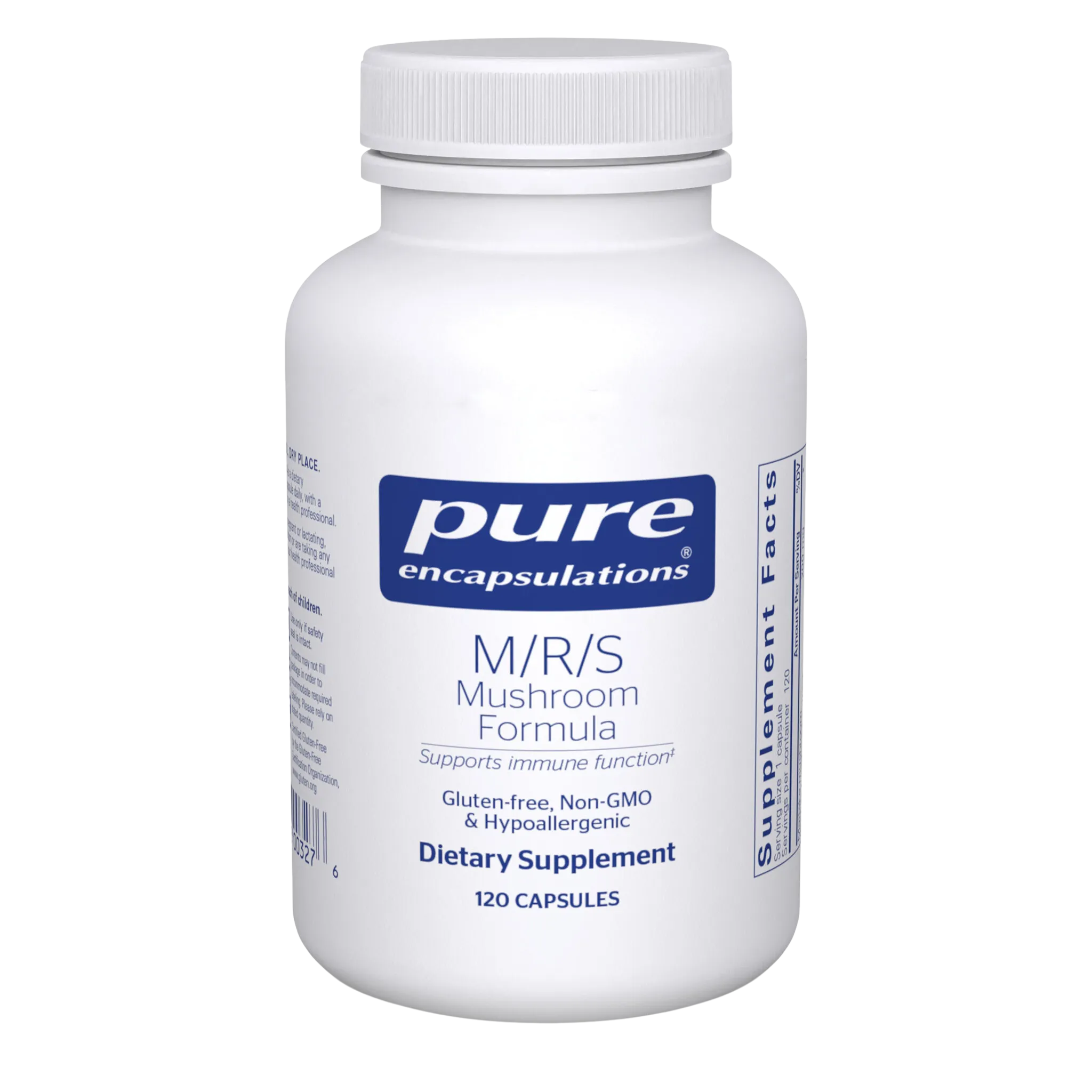
The M/R/S Mushroom Formula is a targeted nutritional supplement that combines the fruiting body extracts of three of the most extensively researched medicinal mushrooms in the world: Maitake (Grifola frondosa), Reishi (Ganoderma lucidum), and Shiitake (Lentinus edodes). For thousands of years, traditional Eastern medicine has revered these fungi for their ability to promote vitality and longevity. Today, modern pharmacological science has begun to unravel the precise molecular mechanisms that make these mushrooms so biologically active. At their core, these fungi act as biological response modifiers (BRMs), meaning they possess the unique ability to upregulate a weakened immune system or downregulate an overactive one, depending on the body's current physiological state.
The therapeutic power of these mushrooms lies in their complex biochemical composition. Unlike simple vitamins or minerals, medicinal mushrooms contain a vast array of bioactive compounds, including polysaccharides, triterpenoids, sterols, and fungal immunomodulatory proteins (FIPs). When these compounds enter the human digestive tract, they do not simply provide passive nutrition; they actively communicate with the immune cells lining the gut-associated lymphoid tissue (GALT). This interaction sets off a cascade of intracellular signaling that can influence systemic inflammation, cellular energy production, and even how our DNA is transcribed.
By combining Maitake, Reishi, and Shiitake into a single formula, the goal is to achieve a synergistic effect. Each mushroom species has evolved slightly different molecular structures, meaning they bind to different receptors and trigger different pathways. When taken together, they provide a broad-spectrum stimulus that is far more comprehensive than taking any single mushroom extract alone. This multi-targeted approach is particularly relevant for individuals dealing with complex, multi-systemic conditions where a single mechanism of action is rarely sufficient to drive meaningful clinical improvement.
The most critical and well-studied constituents within the M/R/S Mushroom Formula are a specific class of complex carbohydrates known as beta-glucans. Beta-glucans are naturally occurring structural polysaccharides found in the cell walls of fungi. Specifically, mushroom-derived beta-glucans feature a unique molecular architecture consisting of a β-(1,3)-D-glucan backbone with β-(1,6) side branches. Because human cells do not naturally synthesize beta-glucans, our immune system has evolved to recognize these specific molecular patterns as "non-self." In immunology, these are known as Pathogen-Associated Molecular Patterns (PAMPs).
However, unlike an actual bacterial or viral pathogen that causes an infection and subsequent tissue damage, beta-glucans act as safe, non-pathogenic training agents for the immune system. When ingested, these complex sugars pass through the stomach and reach the intestines, where they encounter specialized immune cells such as macrophages, dendritic cells, and Natural Killer (NK) cells. These immune cells possess specific surface receptors designed to detect beta-glucans, most notably Dectin-1, Toll-Like Receptors (TLR-2, TLR-4, TLR-6), and Complement Receptor 3 (CR3). The binding of beta-glucans to these receptors is the critical first step in immune modulation.
Once a beta-glucan molecule binds to a receptor like Dectin-1, it triggers a profound intracellular signaling cascade. This involves complex biochemical pathways, including the Syk-PKC, MAPK, and NF-κB pathways. The activation of these pathways "wakes up" the immune cell, enhancing its ability to perform phagocytosis (the process of engulfing and destroying cellular debris or pathogens). Furthermore, it prompts the immune cells to secrete vital communication molecules known as cytokines, such as Interleukin-1β (IL-1β), IL-6, IL-12, and Interferon-gamma (IFN-γ). This orchestrated release of cytokines helps to coordinate a balanced, effective immune response without pushing the body into a state of dangerous hyper-inflammation.
While the immune-modulating properties of the M/R/S Mushroom Formula are its primary claim to fame, the benefits of these fungi extend deeply into metabolic and cellular health. The interconnectedness of the immune system and the metabolic system is a rapidly growing field of study known as immunometabolism. Chronic immune activation, as seen in many post-viral syndromes, requires massive amounts of cellular energy. If the metabolic pathways that produce this energy become dysfunctional, the immune system cannot operate efficiently, leading to a vicious cycle of fatigue and persistent illness.
The bioactive compounds in Maitake, Reishi, and Shiitake have been shown to interact with key metabolic regulators. For instance, certain fractions of these mushrooms can activate the AMP-activated protein kinase (AMPK) pathway. AMPK is often referred to as the "master metabolic switch" of the cell; when activated, it stimulates glucose uptake, enhances mitochondrial function, and promotes the burning of fatty acids for fuel. By supporting these fundamental metabolic processes, medicinal mushrooms help ensure that immune cells have the energy they need to function, while simultaneously supporting overall systemic vitality.
Furthermore, these mushrooms provide robust antioxidant support. Chronic illness is frequently characterized by high levels of oxidative stress, where unstable molecules called free radicals damage cellular membranes, proteins, and DNA. The triterpenes and phenolic compounds found in Reishi and Maitake act as potent free radical scavengers. By neutralizing these damaging molecules, the M/R/S Mushroom Formula helps protect cellular integrity, particularly in highly metabolic organs like the liver and the heart. This dual action of immune modulation and metabolic/antioxidant support makes this formula a highly versatile tool in the management of complex chronic conditions.
How Immune Dysregulation Impacts the Body
To understand why the M/R/S Mushroom Formula is so relevant, we must first examine What Causes Long COVID? and similar post-viral syndromes. In a healthy acute immune response, the body detects a pathogen, mounts a targeted attack to clear it, and then returns to a state of peaceful homeostasis. However, in conditions like Long COVID and ME/CFS, this process goes awry. Emerging research suggests that viral reservoirs or viral debris (such as the SARS-CoV-2 spike protein) may persist in tissues long after the initial infection has passed. This persistent presence acts as a constant, low-grade irritant to the immune system.
Faced with this relentless provocation, the immune system can enter a state of profound exhaustion. Key defenders, particularly Natural Killer (NK) cells and cytotoxic T-cells, become depleted or functionally impaired. NK cells are the body's primary mechanism for identifying and destroying virally infected cells. When NK cell function drops—a hallmark finding in many ME/CFS patients—the body loses its ability to effectively clear the lingering viral threat. This leads to a frustrating paradox where the patient feels constantly "sick" and vulnerable to secondary infections, yet standard blood tests may appear frustratingly normal.
This state of immune exhaustion is deeply intertwined with the debilitating fatigue that characterizes these conditions. The immune system requires massive amounts of ATP (cellular energy) to maintain its constant state of high alert. As the immune cells struggle to function, they drain the body's overall energy reserves, contributing to the profound, crushing exhaustion and post-exertional malaise (PEM) that patients experience. Can Long COVID Trigger ME/CFS? Unraveling the Connection is a critical question, and the shared mechanism of NK cell exhaustion provides a compelling biological link between the two.
While some parts of the immune system become exhausted, other parts can become dangerously hyperactive. This is often characterized by an imbalance in the Th1/Th2 immune response and the chronic overproduction of pro-inflammatory cytokines. Cytokines are signaling proteins that tell the body to initiate inflammation to fight an invader. In Long COVID and dysautonomia, macrophages and other innate immune cells can become locked in a pro-inflammatory state, continuously pumping out cytokines like Tumor Necrosis Factor-alpha (TNF-α) and Interleukin-6 (IL-6).
This systemic, low-grade "cytokine storm" wreaks havoc on the body. High levels of TNF-α and IL-6 can cross the blood-brain barrier, leading to neuroinflammation, which patients experience clinically as severe brain fog, cognitive impairment, and mood disturbances. Furthermore, chronic inflammation damages the endothelial cells lining the blood vessels, contributing to the microclotting and vascular dysfunction frequently observed in Long COVID. This widespread inflammation is a primary driver of the widespread pain, myalgia, and autonomic nervous system dysfunction (dysautonomia) that make these conditions so difficult to manage.
For individuals with mast cell activation syndrome (MCAS), this inflammatory loop is even more volatile. Mast cells, which are packed with histamine and other inflammatory mediators, become hyper-sensitized and degranulate inappropriately in response to minor triggers. The constant presence of pro-inflammatory cytokines further destabilizes these mast cells, creating a vicious cycle of allergic-type reactions, gastrointestinal distress, and systemic inflammation. Understanding this Autoimmunity and Immune Dysregulation in Long COVID is essential for recognizing why targeted immunomodulation, rather than simple immune stimulation, is required.
The impact of chronic immune dysregulation extends far beyond the immune system itself; it takes a severe toll on the body's metabolic pathways. Chronic inflammation induces a state of oxidative stress, where the production of reactive oxygen species (ROS) outpaces the body's antioxidant defenses. This oxidative stress damages the mitochondria—the powerhouses of the cells. When mitochondrial function is impaired, the cells cannot produce sufficient ATP, leading to a profound metabolic energy crisis.
This metabolic dysfunction often manifests clinically as dysregulated blood sugar and insulin resistance. Inflammatory cytokines can interfere with insulin signaling pathways in skeletal muscle and liver tissue, making it difficult for cells to absorb glucose from the bloodstream. As a result, patients may experience wild swings in blood sugar, intense carbohydrate cravings, and sudden energy crashes that further exacerbate their fatigue. The liver, which is responsible for filtering toxins and managing glucose metabolism, can also become sluggish and overburdened by the constant demands of chronic inflammation.
Ultimately, the pathophysiology of Long COVID, ME/CFS, and related conditions is a complex web of viral persistence, immune exhaustion, chronic inflammation, and metabolic dysfunction. Breaking this cycle requires therapeutic interventions that can address multiple pathways simultaneously. This is precisely where the complex, multi-targeted biochemistry of the M/R/S Mushroom Formula comes into play, offering a way to gently modulate the immune response while supporting the underlying metabolic infrastructure.
M/R/S Mushroom Formula: Supporting Immune & Metabolic Health
Maitake (Grifola frondosa) is renowned in the scientific community for a highly active, standardized extract known as the D-Fraction. The D-Fraction is composed primarily of protein-bound beta-1,3 and beta-1,6 glucans, and it is a potent stimulator of cellular immunity. When Maitake beta-glucans bind to Dectin-1 receptors on macrophages, they activate the autocrine pathway of Granulocyte-Macrophage Colony-Stimulating Factor (GM-CSF). This specific biochemical trigger forces the rapid proliferation and maturation of macrophages and Natural Killer (NK) cells, effectively replenishing the immune cells that become exhausted in chronic viral syndromes.
Beyond its immune-activating properties, Maitake plays a crucial role in metabolic regulation, which is vital for patients experiencing the profound energy crashes of ME/CFS. Maitake extracts have been shown to activate the AMP-activated protein kinase (AMPK) pathway in liver and skeletal muscle cells. AMPK is a critical cellular energy sensor; when activated, it signals the cell to increase glucose uptake and boost mitochondrial ATP production, while simultaneously inhibiting gluconeogenesis (excess glucose production) in the liver. Maitake compounds have also been described as acting as agonists for PPAR-delta, a receptor that regulates fatty acid oxidation and improves insulin sensitivity.
By improving insulin signaling and cellular glucose uptake, Maitake helps stabilize the erratic blood sugar swings that often accompany chronic inflammation. This metabolic stabilization provides a more consistent, reliable energy supply to both the brain and the muscles, helping to mitigate the severity of brain fog and physical fatigue. Furthermore, by supporting healthy liver function and lipid metabolism, Maitake helps the body efficiently process and clear the metabolic waste products generated during chronic immune activation.
If Maitake is the accelerator for cellular immunity, Reishi (Ganoderma lucidum) acts as the intelligent steering wheel and brakes. Reishi is widely classified as a potent adaptogen, meaning it helps the body adapt to stress and restores homeostasis without pushing physiological functions out of balance. The magic of Reishi lies in its unique combination of beta-glucans and triterpenoids (such as ganoderic acids). These compounds work together to exert a biphasic, immunomodulatory effect. Rather than simply stimulating the immune system, Reishi can actively suppress the overproduction of pro-inflammatory cytokines that drive the symptoms of Long COVID and MCAS.
At the molecular level, Reishi polysaccharides interact heavily with TLR4 and TLR2 receptors. A key mechanism is their ability to induce the transcription factor Blimp-1, which regulates B-cell and T-cell differentiation. More importantly for chronic inflammation, specific fungal immunomodulatory proteins (FIPs) found in Reishi, such as GMI, have been shown to inhibit the MAPK and NF-κB signaling pathways, suppressing the production of pro-inflammatory mediators like TNF-α, IL-6, and nitric oxide (NO) in macrophages. By halting this cytokine storm, Reishi helps protect tissues from inflammatory damage.
Reishi's adaptogenic properties also extend to the central nervous system and the adrenal glands. Chronic illness places immense stress on the HPA (hypothalamic-pituitary-adrenal) axis, often leading to hypocortisolism (low cortisol) and profound exhaustion. Clinical studies on Reishi in patients with chronic fatigue have shown that it can help gently elevate and stabilize serum cortisol levels, providing a natural, sustained improvement in energy and well-being without the jittery side effects of stimulants. Additionally, its triterpenes possess mild sedative properties that can support restorative sleep, a critical component of the healing process.
Shiitake (Lentinus edodes) contributes a highly specialized, high-molecular-weight beta-glucan known as Lentinan. Lentinan features a unique triple-helix molecular structure that is crucial for its biological efficacy. When Lentinan interacts with the immune system, it demonstrates a remarkable ability to selectively modulate inflammasome activity, attenuating the activation of the AIM2 inflammasome while simultaneously stimulating TLR4 signaling to induce the production of protective, rather than destructive, cytokines. This targeted action helps boost immune defense against persistent pathogens while preventing runaway inflammatory responses.
Furthermore, Shiitake is the source of AHCC (Active Hexose Correlated Compound), a proprietary extract rich in low-molecular-weight alpha-1,4-glucans. AHCC is arguably one of the most clinically researched mushroom compounds for viral clearance. It acts as a profound biological response modifier, specifically targeting the proliferation and activation of Natural Killer (NK) cells and dendritic cells. By enhancing the cytotoxic activity of NK cells, Shiitake compounds equip the immune system with the tools it needs to identify and destroy cells harboring persistent viral reservoirs, a critical step in overcoming post-viral syndromes.
Shiitake also provides robust cardiovascular and hematological support. Chronic inflammation often leads to vascular damage and abnormalities in blood cell counts. In vivo studies on Shiitake extracts have demonstrated their ability to protect red blood cells, hemoglobin, and platelets from the damaging effects of acute physiological stress and lipopolysaccharide (LPS) exposure. By maintaining healthy blood parameters and supporting vascular integrity, Shiitake helps ensure that oxygen and vital nutrients are efficiently delivered to oxygen-starved tissues throughout the body.
While Maitake, Reishi, and Shiitake each possess profound individual benefits, the true power of the M/R/S Mushroom Formula lies in their synergy. Because each mushroom features slightly different beta-glucan branching structures (e.g., Lentinan's triple helix versus Maitake's highly branched D-fractions), they bind to a broader array of Pattern Recognition Receptors (PRRs) simultaneously. This multi-receptor engagement creates a compounded, synergistic signaling cascade within the immune cells that is far more robust than what any single extract can achieve.
A triple-blend combination of Reishi, Shiitake, and Maitake has been evaluated on human macrophages in vitro, with researchers finding that the combined formulation triggered synergistic increases in the expression of immune-regulating cytokines exceeding the simple sum of their individual effects. This "stacking" effect ensures that the immune system receives a comprehensive, balanced stimulus, activating cellular defenses (NK cells and macrophages) while simultaneously deploying the anti-inflammatory triterpenes of Reishi to keep the response tightly controlled and safe for patients with complex chronic conditions.

Symptoms M/R/S Mushroom Formula May Help Manage
Debilitating Fatigue and PEM: By activating the AMPK metabolic pathway and supporting mitochondrial ATP production, Maitake and Reishi help stabilize cellular energy levels. Reishi's adaptogenic properties also help regulate the HPA axis, potentially improving the profound exhaustion and post-exertional malaise (PEM) associated with ME/CFS.
Brain Fog and Cognitive Impairment: Reishi's ability to inhibit pro-inflammatory cytokines like TNF-α and IL-6 helps reduce neuroinflammation. By calming the inflammatory storm that crosses the blood-brain barrier, the formula supports clearer thinking and improved cognitive stamina.
Frequent or Lingering Infections: The beta-glucans in Maitake (D-Fraction) and Shiitake (Lentinan/AHCC) directly stimulate the proliferation and cytotoxic activity of Natural Killer (NK) cells and macrophages. This enhances the body's innate ability to clear persistent viral reservoirs and fight off secondary infections.
Blood Sugar Dysregulation and Energy Crashes: Maitake extracts act as PPAR-delta agonists and AMPK activators, improving cellular insulin sensitivity and glucose uptake. This helps prevent the wild blood sugar swings and subsequent energy crashes that plague many patients with metabolic dysfunction.
Systemic Inflammation and Joint Pain: The triterpenoids in Reishi act as potent natural anti-inflammatories, suppressing the NF-κB signaling pathway. This widespread reduction in systemic inflammation can help alleviate the diffuse myalgia, joint pain, and tissue tenderness common in Long COVID.
Cardiovascular and Endothelial Dysfunction: Shiitake extracts have been shown to protect hematological parameters (red blood cells and platelets) during physiological stress, while the antioxidant properties of all three mushrooms protect the delicate endothelial cells lining the blood vessels from oxidative damage.
Practical Considerations: Forms, Dosing, and Absorption
When considering medicinal mushrooms, the form and extraction method are just as critical as the species itself. Fungal cells are protected by tough cell walls made of chitin, a fibrous substance that the human digestive tract cannot easily break down. If you simply consume raw or dried mushroom powder, the vast majority of the therapeutic beta-glucans remain locked inside the chitin and pass through the body unabsorbed. To achieve clinical efficacy, the bioactive compounds must be properly extracted.
The M/R/S Mushroom Formula utilizes advanced extraction techniques to ensure maximum bioavailability. Hot water extraction is the gold standard for isolating water-soluble beta-glucans and polysaccharides from the fruiting bodies of Maitake, Reishi, and Shiitake. This process melts away the indigestible chitin, leaving behind a highly concentrated, bioavailable powder. Furthermore, dual-extraction methods (using both water and alcohol) are often employed for mushrooms like Reishi to capture the lipid-soluble triterpenes, which are essential for its anti-inflammatory and adaptogenic properties. When choosing a supplement, ensuring it is a standardized extract from the fruiting body guarantees you are receiving a therapeutic dose of the active molecular compounds.
Absorption of these complex polysaccharides occurs primarily in the small intestine, where they interact with the gut-associated lymphoid tissue (GALT). Because beta-glucans are water-soluble, they do not necessarily need to be taken with a high-fat meal for absorption, unlike fat-soluble vitamins. However, taking the capsule with a balanced meal can help prevent any mild gastrointestinal upset and ensures a steady, slow release of the compounds into the digestive tract, maximizing their interaction with the immune receptors lining the gut.
The suggested use for the M/R/S Mushroom Formula is typically 1 capsule daily with a meal, or as directed by a healthcare professional. Each capsule provides a balanced 200 mg dose of each mushroom extract (Maitake, Reishi, and Shiitake). This synergistic 600 mg total dose is designed for daily, long-term immune modulation and metabolic maintenance. Because medicinal mushrooms act as biological response modifiers rather than acute stimulants, consistency is key. It typically takes several weeks of daily supplementation for the beta-glucans to fully engage the immune receptors and for the downstream effects on cytokine balance and NK cell proliferation to become clinically noticeable.
Timing can be adjusted based on individual symptom presentation. Because Reishi has mild adaptogenic and central nervous system-calming properties, some patients prefer taking the formula in the late afternoon or evening to help wind down and support restorative sleep. Conversely, patients utilizing the formula primarily for the metabolic and blood-sugar-stabilizing effects of Maitake may benefit from taking it with their largest meal of the day to help blunt post-prandial (post-meal) glucose spikes. As with any supplement in a complex chronic illness protocol, it is wise to start with a standard dose and monitor your body's response over a 4-to-8-week period.
While medicinal mushrooms are generally safe and well-tolerated, their potent biological activity means they must be used with respect, particularly by patients with complex conditions. The most critical contraindication involves immunosuppressant medications. Because the M/R/S formula actively stimulates immune function (via NK cells and macrophages), it can directly counteract the effects of drugs like Tacrolimus, Cyclosporine, or high-dose Prednisone used to prevent organ rejection or manage severe autoimmune flares. Patients on systemic immunosuppressants should strictly avoid medicinal mushrooms unless explicitly directed by their immunologist.
Additionally, Reishi and Shiitake possess mild natural anticoagulant (blood-thinning) properties. While beneficial for general cardiovascular health, combining these extracts with pharmaceutical blood thinners like Warfarin, Aspirin, or DOACs (e.g., Eliquis) can increase the risk of bruising or bleeding. Furthermore, because Maitake effectively lowers blood glucose, patients taking anti-diabetic medications (like insulin or Metformin) should monitor their blood sugar closely to prevent hypoglycemia.
For patients with Mast Cell Activation Syndrome (MCAS), mushrooms require careful navigation. Whole, dietary mushrooms can sometimes act as histamine liberators, triggering allergic reactions. However, highly purified, filler-free extracts of medicinal mushrooms are often much better tolerated. In fact, certain compounds in Reishi may help stabilize mast cells by suppressing the NF-κB pathway. Nevertheless, because MCAS is highly individualized, patients should consult their provider and consider introducing the supplement slowly to monitor for any hypersensitivity reactions. For more on managing mast cell issues, explore Ketotifen: Unveiling Relief for the Hidden Battles of MCAS, Long COVID, ME/CFS, and Dysautonomia.

Follow the Science
The scientific literature surrounding medicinal mushrooms has grown exponentially, moving from traditional folklore to rigorous, double-blind, placebo-controlled clinical trials. Reishi (Ganoderma lucidum), in particular, has been heavily investigated for its impact on chronic fatigue syndromes. A landmark randomized, placebo-controlled trial published in the Journal of Asian Association of Schools of Pharmacy evaluated patients formally diagnosed with CFS. The intervention group took a standardized Reishi extract for 12 weeks. By week 4, the Reishi group exhibited a statistically significant improvement in their quality of life and a profound reduction in fatigue levels compared to the placebo.
Crucially, this clinical trial on Reishi and CFS also tracked objective biomarkers. After 12 weeks, the patients taking Reishi showed increased serum cortisol levels. Because ME/CFS patients frequently exhibit hypocortisolism (abnormally low circulating cortisol) which drives their exhaustion, this finding provided a clear physiological mechanism for the reported symptom relief. Another highly cited double-blind trial on 132 patients with neurasthenia (a functional diagnosis overlapping heavily with ME/CFS) found that two months of Reishi polysaccharide supplementation resulted in a significantly higher rate of clinical improvement in well-being and physical fatigue compared to a placebo.
Maitake (Grifola frondosa) has been the subject of extensive research regarding its dual impact on immunity and metabolism, including studies suggesting that supplementation with Maitake Fraction D in healthy volunteers can increase CD4+ T cells, NK cell activity, and Interferon-gamma (IFN-γ) levels. This data points to Maitake's potential to safely support the body's primary antiviral defense mechanisms without triggering systemic inflammation.
On the metabolic front, a robust 12-week study involving 90 patients with Type 2 Diabetes found that supplementing with Maitake extract significantly lowered fasting blood glucose and HbA1c levels. Furthermore, it profoundly improved lipid profiles by lowering total cholesterol and triglycerides while raising healthy HDL cholesterol by 20%. These findings validate the mechanistic preclinical data showing that Maitake activates the AMPK pathway, offering a powerful, natural tool for patients struggling with the metabolic dysregulation that often accompanies chronic inflammatory conditions.
Shiitake (Lentinus edodes), particularly its proprietary extract AHCC, has produced some of the most compelling clinical data regarding viral clearance. A landmark Phase II, randomized, double-blind, placebo-controlled trial led by researchers at UTHealth Houston and published in Frontiers in Oncology evaluated women with persistent, high-risk Human Papillomavirus (HPV) infections. Patients were given 3 grams of AHCC daily for 6 months. The results were striking: 63.6% of the patients in the AHCC arm successfully cleared the persistent viral infection, compared to only 10.5% in the placebo group.
This pivotal HPV trial highlighted a specific mechanism: the clearance of the virus correlated heavily with an increase in T-lymphocytes and IFN-γ, driven by the alpha-glucans in the Shiitake extract. While this study focused on HPV, the underlying mechanism—upregulating NK cells and T-cells to identify and destroy virally infected cells—is highly relevant to the ongoing research into viral persistence in Long COVID. Additionally, Phase I safety trials have confirmed that even at exceptionally high doses, these Shiitake extracts are remarkably well-tolerated, causing no significant abnormalities in laboratory blood parameters and proving their safety for long-term daily use.
The Path Forward
Living with a complex chronic illness like Long COVID, ME/CFS, or dysautonomia often feels like navigating a ship through a relentless storm. The symptoms are unpredictable, the fatigue is profound, and the search for answers can be exhausting. It is entirely valid to feel overwhelmed by the sheer complexity of your own biology. However, as modern science continues to unravel the deep mechanisms of these conditions, we are discovering that nature has provided us with incredibly sophisticated tools to help restore balance.
The M/R/S Mushroom Formula represents a targeted, multi-pathway approach to healing. By harnessing the synergistic power of Maitake, Reishi, and Shiitake, this formula goes beyond simple symptom suppression. It works at the cellular level to modulate the immune system, activate vital metabolic pathways, and protect tissues from oxidative stress. Whether you are looking to support your body's ability to clear persistent viral debris, stabilize erratic blood sugar, or calm a hyperactive inflammatory response, these medicinal fungi offer a science-backed foundation for cellular resilience.
It is important to remember that no single supplement is a magic cure for complex chronic conditions. The M/R/S Mushroom Formula is designed to be one powerful piece of a comprehensive, holistic management strategy. True healing requires a multifaceted approach that includes aggressive pacing to manage post-exertional malaise, meticulous symptom tracking, dietary modifications, and ongoing collaboration with a medical team that truly understands the nuances of post-viral syndromes. If you are wondering How Does a Doctor Diagnose Long COVID?, finding a knowledgeable provider is your first critical step.
Always consult with your healthcare provider before introducing a new supplement, especially if you are taking prescription medications, immunosuppressants, or managing Mast Cell Activation Syndrome. Your medical team can help you determine the optimal dosing and ensure it safely complements your current treatment plan. By combining the ancient wisdom of medicinal mushrooms with cutting-edge clinical science, you can take a proactive, empowered step toward reclaiming your health and improving your daily quality of life.