Can Mood-Stasis™ Support Mental Health and Stress Resilience in Long COVID?
March 6, 2026
Mood-StasisLong COVIDMental Health
Share:
Disclaimer: The information provided here is for educational purposes only and is not intended as medical advice. It should not be used to diagnose, treat, cure, or prevent any medical condition. Instead, use it as a starting point for discussion with your healthcare provider. Always consult with a qualified healthcare provider before starting any new medication, supplement, device, or making changes to your health regimen.
Months or even years after recovering from the initial acute phase of a SARS-CoV-2 infection, many individuals find themselves battling an entirely new, invisible, and deeply frustrating set of symptoms. While the physical exhaustion and autonomic dysfunction of Long COVID are well-documented, the profound impact on mental health—manifesting as severe anxiety, sudden depression, emotional blunting, and an inability to handle stress—is often minimized or misunderstood. If you are experiencing these emotional shifts, it is crucial to understand that they are not simply a psychological reaction to being chronically ill; they are the direct result of physiological, neuro-inflammatory changes occurring within your brain.
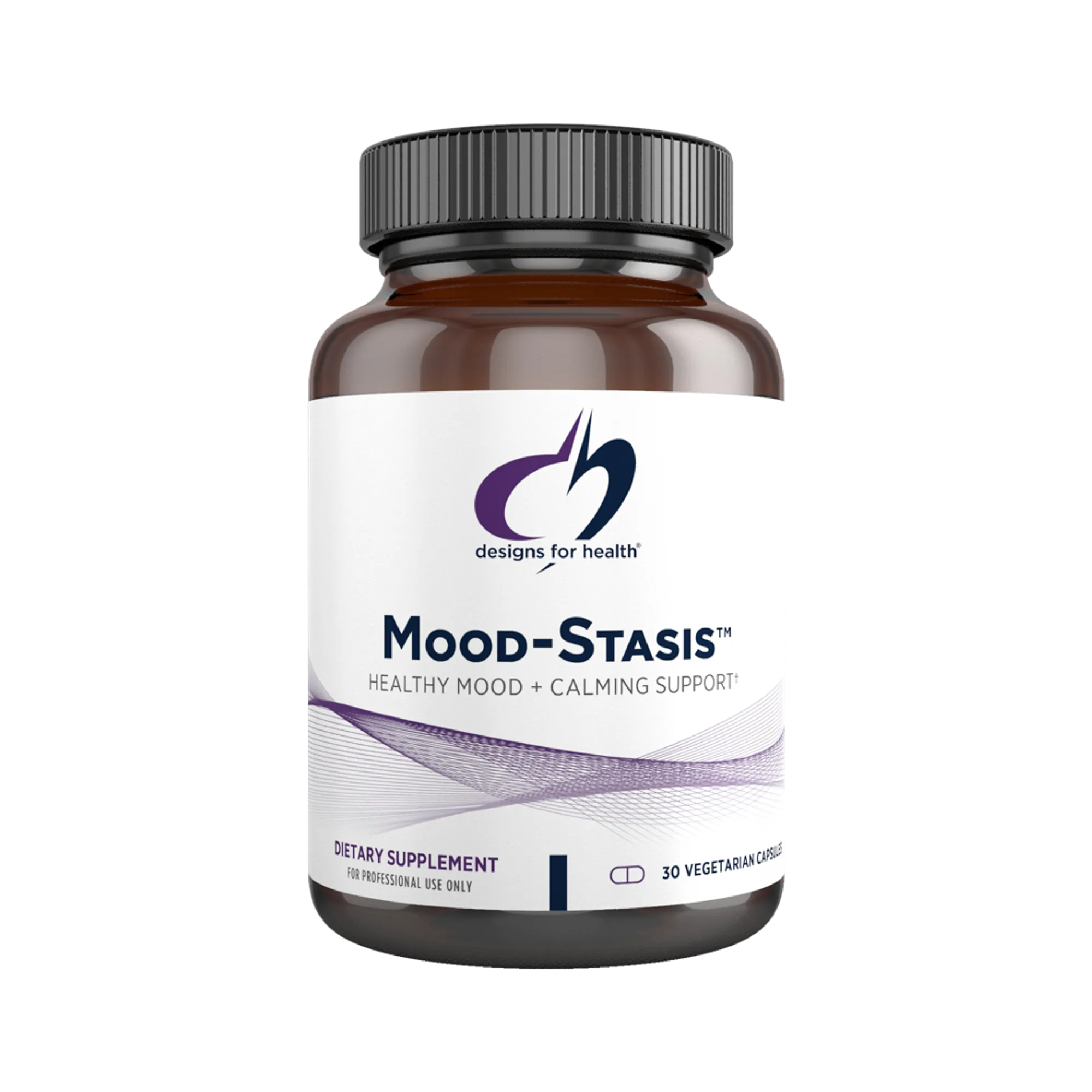
In the search for validating, science-backed interventions, Mood-Stasis™ by Designs for Health has emerged as a compelling option. This unique formula synergizes traditional botanical extracts—specifically saffron and Sceletium tortuosum (Zembrin®)—with highly bioavailable, methylated forms of vitamin B12 and folate. But how exactly do these specific compounds interact with a nervous system inflamed by Long COVID, myalgic encephalomyelitis/chronic fatigue syndrome (ME/CFS), or dysautonomia? In this comprehensive guide, we will explore the intricate biochemistry behind Mood-Stasis™, detailing how it supports neurotransmitter synthesis, modulates the brain's stress circuitry, and promotes a more resilient mental outlook.
What is Mood-Stasis™?
The Methylation Cycle and Brain Chemistry
To understand how the ingredients in Mood-Stasis™ function, we must first look at the natural biochemical processes that govern mood and cognition in a healthy body. At the foundation of neurological health is the methylation cycle, a continuous biochemical pathway occurring in every cell. Methylation involves the transfer of a single carbon atom and three hydrogen atoms (a methyl group) from one molecule to another. This seemingly simple exchange acts as the biological "on/off" switch for DNA transcription, detoxification, and, crucially, the synthesis of neurotransmitters.
Two of the most vital nutrients driving this cycle are folate (Vitamin B9) and cobalamin (Vitamin B12). In their active, methylated forms—such as the Quatrefolic® and methylcobalamin found in Mood-Stasis™—these vitamins work in tandem to convert the potentially toxic amino acid homocysteine into methionine. Methionine is then transformed into S-adenosylmethionine (SAMe), often referred to as the brain's "master methyl donor." SAMe is an absolute requirement for the production of myelin (the protective sheath around nerves) and the synthesis of serotonin, dopamine, and norepinephrine—the chemical messengers that regulate our happiness, motivation, and stress responses.
Furthermore, active methylfolate is required to recycle a delicate enzyme cofactor known as tetrahydrobiopterin (BH4). BH4 is the mandatory "spark plug" for the rate-limiting enzymes tryptophan hydroxylase and tyrosine hydroxylase. Without adequate BH4, your brain physically cannot convert the amino acids from your diet into serotonin or dopamine, no matter how well you eat. In a healthy system, methylfolate continuously rescues oxidized, inactive BH2 and converts it back into active BH4, ensuring a steady, uninterrupted flow of mood-stabilizing neurotransmitters.
The Botanical Powerhouses: Saffron and Sceletium
Beyond fundamental vitamins, Mood-Stasis™ incorporates two highly researched botanical extracts that have been utilized for centuries to support emotional well-being. The first is saffron (Crocus sativus), a precious spice derived from the stigma of the crocus flower. While famous in culinary applications, saffron contains potent bioactive compounds known as crocins (water-soluble carotenoids) and safranal. In a healthy nervous system, these compounds interact directly with the synaptic clefts between neurons, helping to regulate the flow and reuptake of monoamine neurotransmitters, thereby maintaining emotional equilibrium.
The second botanical is Sceletium tortuosum, a succulent plant native to South Africa, standardized in this formula as Zembrin®. For hundreds of years, indigenous populations have utilized this plant to relieve thirst, elevate mood, and reduce tension. The active components of Sceletium are a unique family of mesembrine alkaloids. These alkaloids possess a fascinating dual mechanism of action: they interact with the brain's serotonin transporters while simultaneously modulating an enzyme called Phosphodiesterase-4 (PDE4).
In a balanced brain, PDE4 is responsible for breaking down cyclic adenosine monophosphate (cAMP), a crucial intracellular messenger molecule. By gently inhibiting PDE4, the alkaloids in Sceletium allow cAMP levels to rise. Elevated cAMP triggers a signaling cascade that enhances cellular communication, supports neuroplasticity (the brain's ability to adapt and form new connections), and promotes a state of calm focus. Together, these vitamins and botanicals provide a comprehensive toolkit for maintaining neurological harmony.
How Long COVID and Chronic Illness Impact Mental Health
The BH4 Depletion Hypothesis and Neurotransmitter Collapse
When a patient develops Long COVID, ME/CFS, or severe dysautonomia, the elegant biochemical pathways described above are thrown into chaos. One of the primary drivers of the profound depression, anxiety, and cognitive dysfunction (often described as "brain fog") seen in these conditions is systemic neuroinflammation. The initial viral infection triggers a massive immune response, flooding the body with pro-inflammatory cytokines and generating severe oxidative stress (Reactive Oxygen Species, or ROS).
This oxidative storm is devastating to the brain's neurotransmitter factories. Recent clinical research has highlighted that the crucial enzyme cofactor BH4 is highly sensitive to oxidative stress. The hyper-inflammation associated with Long COVID rapidly oxidizes active BH4 into inactive BH2, or destroys it entirely. Because BH4 is the mandatory cofactor for synthesizing serotonin and dopamine, this depletion causes the brain's neurotransmitter production to crash. Patients are left feeling emotionally blunted, profoundly fatigued, and unable to experience pleasure (anhedonia)—not because they are simply "sad" about being sick, but because they lack the chemical raw materials to feel otherwise.
Furthermore, BH4 is also required for the function of endothelial nitric oxide synthase (eNOS), the enzyme that dilates blood vessels in the brain. When BH4 is depleted, eNOS becomes "uncoupled" and produces destructive free radicals instead of healthy nitric oxide. This restricts cerebral blood flow, directly contributing to the debilitating cognitive impairments and brain fog that plague Long COVID patients.
The Kynurenine Shunt and Neurotoxicity
The inflammatory cascade of chronic illness creates another vicious cycle known as the kynurenine shunt. Normally, the amino acid tryptophan is converted into serotonin to support mood and sleep. However, when the immune system detects chronic inflammation or viral persistence, it releases an enzyme called IDO (indoleamine 2,3-dioxygenase). IDO essentially hijacks tryptophan, pulling it away from the serotonin pathway and forcing it down the kynurenine pathway instead.
This "tryptophan steal" has a devastating two-fold effect. First, it further starves the brain of serotonin, exacerbating depression and anxiety. Second, the kynurenine pathway produces downstream metabolites like quinolinic acid, which are highly neurotoxic. Quinolinic acid overstimulates NMDA receptors in the brain, leading to excitotoxicity, increased anxiety, and the death of neurons. This neurotoxic environment is a hallmark of the neuroimmune pathophysiology of Long COVID, making it incredibly difficult for patients to maintain emotional stability.
HPA Axis Dysregulation and the Threat Circuit
Finally, the relentless physical stress of living with conditions like ME/CFS, POTS, and mast cell activation syndrome (MCAS) severely dysregulates the hypothalamic-pituitary-adrenal (HPA) axis. The brain's threat center, the amygdala, becomes hyper-reactive, constantly signaling the body that it is in danger. This leads to an overproduction of stress hormones like cortisol and adrenaline, keeping the nervous system locked in a state of "fight or flight" (sympathetic dominance).
Over time, this chronic overstimulation exhausts the adrenal glands and downregulates the brain's calming (GABAergic) pathways. Patients experience this as a paradoxical state of "tired but wired"—profoundly exhausted, yet unable to relax, sleep, or calm their racing thoughts. The brain's allostatic load becomes too high, forcing it to triage energy away from higher-level cognitive functions and into basic survival mechanisms, a phenomenon increasingly recognized in models of stress-induced psychopathology.
Mood-Stasis™: Supporting Neurotransmitter Synthesis and Stress Resilience
Methylated B-Vitamins: Restoring the BH4 Pathway
Mood-Stasis™ is designed to intervene directly in these disrupted biochemical pathways, offering a multi-targeted approach to restoring neurological balance. The foundation of this intervention lies in the inclusion of methylfolate (Quatrefolic®) and methylcobalamin. By providing these vitamins in their already-active, methylated forms, the supplement bypasses common genetic bottlenecks (such as the MTHFR gene mutation, which affects up to 60% of the population) and immediately supplies the raw materials needed to restart the methylation cycle.
As we established, chronic inflammation depletes BH4, halting neurotransmitter production. High-dose methylfolate acts as the critical rescue molecule for this pathway. By stepping in to recycle inactive BH2 back into active BH4, methylfolate effectively re-opens the bottleneck, allowing the enzymes tryptophan hydroxylase and tyrosine hydroxylase to resume the synthesis of serotonin, dopamine, and norepinephrine. Furthermore, by lowering toxic homocysteine levels, these B vitamins help reduce overall neuroinflammation and protect the delicate endothelial cells lining the brain's blood vessels, supporting improved cerebral blood flow and cognitive clarity.
Saffron's Multi-Targeted Neurotransmitter Support
The Safr'Inside™ saffron extract in Mood-Stasis™ (standardized to 3% crocins) provides a powerful, complementary mechanism for mood support. Extensive clinical research has demonstrated that the crocins in saffron act as natural monoamine reuptake inhibitors. Similar to how certain prescription medications function, crocins prevent the rapid reabsorption of dopamine, norepinephrine, and serotonin in the brain. By keeping these neurotransmitters in the synaptic cleft for longer periods, saffron enhances neural communication and helps lift the heavy veil of depression and anhedonia.
But saffron's benefits extend beyond reuptake inhibition. Crocins have been shown to act as antagonists at the NMDA receptor. This is particularly crucial for Long COVID patients suffering from the neurotoxic effects of the kynurenine shunt. By blocking the NMDA receptor, saffron helps protect neurons from the excitotoxicity caused by quinolinic acid. Additionally, saffron upregulates Brain-Derived Neurotrophic Factor (BDNF), a protein that acts like fertilizer for the brain, promoting the growth of new neurons and repairing the synaptic damage caused by chronic neuroinflammation.
Zembrin® and the Amygdala Threat Circuit
Perhaps the most unique component of Mood-Stasis™ is Zembrin®, the standardized extract of Sceletium tortuosum. For patients stuck in the relentless "fight or flight" of dysautonomia, Zembrin offers a targeted mechanism to calm the hyperactive nervous system. The mesembrine alkaloids in Zembrin act as dual inhibitors: they act as Serotonin Reuptake Inhibitors (SRIs) to elevate mood, while simultaneously inhibiting the PDE4 enzyme.
The inhibition of PDE4 is a profound therapeutic target. By preventing the breakdown of cAMP, Zembrin enhances intracellular signaling cascades that promote neuroplasticity and exert strong anti-inflammatory effects within the central nervous system. More importantly, advanced neuroimaging (fMRI) studies have shown that Zembrin directly attenuates the reactivity of the amygdala. Within just two hours of administration, Zembrin has been shown to "decouple" the amygdala from the hypothalamus, effectively turning down the brain's threat circuitry. This helps blunt the physiological stress response, reducing the sudden spikes in heart rate and anticipatory anxiety that so often accompany chronic, unpredictable illnesses.
Symptoms Mood-Stasis™ May Help Manage
Cognitive and Emotional Symptoms
Depression and Low Mood: By providing the BH4-recycling power of methylfolate and the dopamine/serotonin reuptake inhibition of saffron crocins, the formula helps restore the chemical messengers required for a positive outlook.
Anhedonia (Inability to Feel Pleasure): Saffron specifically targets the dopaminergic pathways, which govern motivation and reward, helping to lift the emotional blunting often seen in post-viral syndromes.
Brain Fog and Cognitive Fatigue: Methylcobalamin and methylfolate support the reduction of neurotoxic homocysteine and promote healthy cerebral blood flow via eNOS coupling, while Zembrin's PDE4 inhibition enhances intracellular signaling for clearer thinking.
Emotional Lability (Mood Swings): By stabilizing the availability of serotonin in the synaptic cleft, the synergistic blend helps create a more consistent and resilient emotional baseline.
Stress and Nervous System Symptoms
Anticipatory Anxiety and Panic: Zembrin® directly downregulates the reactivity of the amygdala (the brain's fear center), helping to decouple the threat circuitry that drives sudden panic responses.
"Tired but Wired" Sensation: By modulating the HPA axis and blunting the physiological stress response, the formula helps shift the nervous system out of chronic sympathetic dominance (fight-or-flight) and into a more relaxed state.
Stress-Induced Heart Rate Spikes: Clinical studies on Zembrin have shown its ability to ameliorate the autonomic nervous system's physical reaction to stress, which is particularly beneficial for those managing dysautonomia or POTS.
Neuro-excitability: Saffron's role as an NMDA receptor antagonist helps protect the brain from the excitotoxic effects of inflammation-driven quinolinic acid, promoting a calmer neurological environment.

Practical Considerations: Forms, Dosing, and Absorption
The Importance of Standardized Extracts
When utilizing botanical medicines for complex chronic conditions, the consistency and potency of the active ingredients are paramount. Mood-Stasis™ distinguishes itself by using highly researched, patented extracts. The Safr'Inside™ saffron extract is meticulously standardized to contain 3% crocins. This standardization is critical because crocins are the specific bioactive compounds responsible for the monoamine reuptake inhibition and neuroprotective effects observed in clinical trials. Without standardization, the potency of saffron can vary wildly depending on soil quality, harvest time, and processing methods.
Similarly, the Sceletium tortuosum in this formula is provided as Zembrin®, which is standardized to a minimum of 0.38% total alkaloids. Zembrin is the exact extract utilized in the majority of modern clinical and neuroimaging studies on Sceletium. It ensures a precise, consistent ratio of the four key mesembrine alkaloids (mesembrine, mesembrenone, mesembrenol, and mesembranol) required to achieve the dual action of PDE4 inhibition and serotonin reuptake inhibition, guaranteeing predictable physiological effects.
Bioavailable Methylation Support
The forms of B vitamins used in a supplement dictate whether your body can actually use them. Synthetic folic acid, found in many cheap supplements, must undergo a complex, multi-step enzymatic conversion process in the liver before it can cross the blood-brain barrier and participate in the methylation cycle. For the estimated 40-60% of the population with an MTHFR gene mutation, this conversion process is severely impaired, leading to a buildup of unmetabolized folic acid and a persistent deficiency in active folate.
Mood-Stasis™ utilizes Quatrefolic®, a patented glucosamine salt of [6S]-5-methyltetrahydrofolate. This is the biologically active, body-ready form of folate that can immediately bypass the MTHFR bottleneck, cross the blood-brain barrier, and begin recycling BH4. Paired with 2000 mcg of methylcobalamin (the active, methylated form of B12), this ensures optimal absorption and utilization, particularly for patients whose digestive and metabolic systems are already compromised by Long COVID or ME/CFS.
Dosing, Timing, and Safety Considerations
The suggested use for Mood-Stasis™ is one capsule per day, or as directed by your healthcare practitioner. Because the ingredients actively modulate neurotransmitters and promote a calm, relaxed state, many patients prefer to take it in the afternoon or evening to help wind down from the day's stressors, though it can be taken in the morning if daytime anxiety is the primary concern. It is generally well-tolerated and can be taken with or without food.
However, because Mood-Stasis™ influences serotonin pathways (via saffron and Zembrin), it is crucial to exercise caution if you are already taking prescription psychiatric medications, particularly Selective Serotonin Reuptake Inhibitors (SSRIs), Serotonin-Norepinephrine Reuptake Inhibitors (SNRIs), or Monoamine Oxidase Inhibitors (MAOIs). Combining multiple serotonin-modulating agents can increase the risk of serotonin syndrome. Always consult with your prescribing physician or a knowledgeable practitioner before adding Mood-Stasis™ to your regimen if you are on drugs used for COVID long haulers or traditional antidepressants.
Follow the Science
Clinical Trials on Saffron and Mood
The clinical efficacy of saffron for mood disorders is supported by a robust and growing body of evidence. A comprehensive meta-analysis of randomized clinical trials published in 2013 evaluated the effects of saffron supplementation on depression. The researchers found a large effect size when comparing saffron to a placebo. More impressively, when saffron was compared head-to-head with conventional antidepressant medications (such as fluoxetine and imipramine), the researchers found no statistically significant difference in efficacy, concluding that saffron is equally as effective as these standard pharmaceutical drugs for managing depressive symptoms.
Furthermore, a 2021 double-blind, randomized study by Jackson et al. investigated the effects of saffron extract on healthy adults experiencing subclinical low mood and anxiety. Participants taking a standardized saffron extract reported significantly reduced depression scores. Crucially, physiological testing revealed that saffron attenuated the stress-induced drop in Heart Rate Variability (HRV) during a psychosocial stressor, demonstrating its ability to protect the autonomic nervous system from the physical impacts of stress.
fMRI Studies on Zembrin® and the Amygdala
The mechanism of action for Zembrin® has been beautifully illustrated through advanced neuroimaging. In a landmark double-blind, placebo-controlled crossover pharmaco-fMRI study by Terburg et al., researchers administered a single 25 mg dose of Zembrin to healthy volunteers and measured their brain's response to fearful faces. Within just two hours, Zembrin significantly attenuated the reactivity of the amygdala. Functional connectivity analysis proved that Zembrin directly downregulated the subcortical threat-responsivity circuitry, providing hard, visual evidence of its anxiolytic (anti-anxiety) properties.
Additional research, such as a 2020 study by Reay et al., evaluated Zembrin's impact on experimentally induced anxiety using a simulated public speaking task. The 25 mg dose successfully ameliorated anticipatory anxiety and prevented the stress-induced heart rate spike seen in the placebo group, further validating its dual PDE4 and SRI mechanisms.
The Role of B-Vitamins in Post-Viral Recovery
The critical need for methylated B-vitamins in post-viral syndromes is becoming increasingly clear. Clinical data on Long COVID indicates that the massive oxidative stress of the infection severely depletes vitamin reserves. Studies have shown that up to 60% of severely affected post-COVID patients are functionally deficient in Vitamin B12. This deficiency leads to elevated homocysteine levels, which correlate with worse disease progression and heavier systemic inflammation. Supplementing with active methylfolate and methylcobalamin is a biologically plausible and clinically supported strategy to repair the methylation cycle, restore BH4 levels, and support the neurological recovery of patients wondering if their symptoms will ever resolve.
The Path Forward
A Comprehensive Approach to Mental Well-being
Living with a complex, invisible illness like Long COVID, ME/CFS, or dysautonomia is an immense burden that taxes both the body and the mind. If you are struggling with sudden anxiety, profound depression, or an inability to handle stress, it is vital to recognize that these are not personal failings or purely psychological reactions. They are the physiological consequences of neuroinflammation, BH4 depletion, and an overactive threat circuitry. Validating the biological root of these symptoms is the first step toward effective management.
While no single supplement is a cure for complex chronic conditions, Mood-Stasis™ offers a highly targeted, scientifically grounded approach to supporting your brain's delicate chemistry. By providing the essential building blocks for neurotransmitter synthesis (methylfolate and methylcobalamin) alongside potent botanical modulators (saffron and Zembrin®), this formula addresses the neurochemical deficits of chronic illness from multiple angles. It is designed to help quiet the amygdala, restore the flow of serotonin and dopamine, and promote a more resilient, calm mental state.
Next Steps in Your Journey
Supplements are most effective when utilized as part of a comprehensive, multi-disciplinary management strategy. We encourage you to combine targeted nutritional support with aggressive pacing, autonomic nervous system regulation techniques, and the guidance of a medical professional who understands the nuances of how a doctor diagnoses and manages Long COVID. Always consult your healthcare provider before beginning any new supplement regimen, especially if you are taking prescription medications.