Can Monolaurin and Vitamin C Support Immune Recovery in Long COVID?
March 6, 2026
MonolaurinLong COVIDImmune Support
Share:
Disclaimer: The information provided here is for educational purposes only and is not intended as medical advice. It should not be used to diagnose, treat, cure, or prevent any medical condition. Instead, use it as a starting point for discussion with your healthcare provider. Always consult with a qualified healthcare provider before starting any new medication, supplement, device, or making changes to your health regimen.
Months after recovering from the initial SARS-CoV-2 infection, many people still fight debilitating symptoms with what we call Long COVID. But what is it that allows some people to recover within a couple of weeks while others suffer from long-term symptoms for months or even years? For individuals living with complex, chronic conditions like Long COVID, myalgic encephalomyelitis/chronic fatigue syndrome (ME/CFS), dysautonomia, and mast cell activation syndrome (MCAS), the search for answers can be incredibly frustrating. You may be dealing with unpredictable crashes, severe brain fog, and a profound exhaustion that no amount of sleep seems to cure. It is a deeply validating truth that these symptoms are not in your head; they are rooted in complex physiological disruptions, including persistent inflammation, oxidative stress, and the reactivation of dormant viruses.
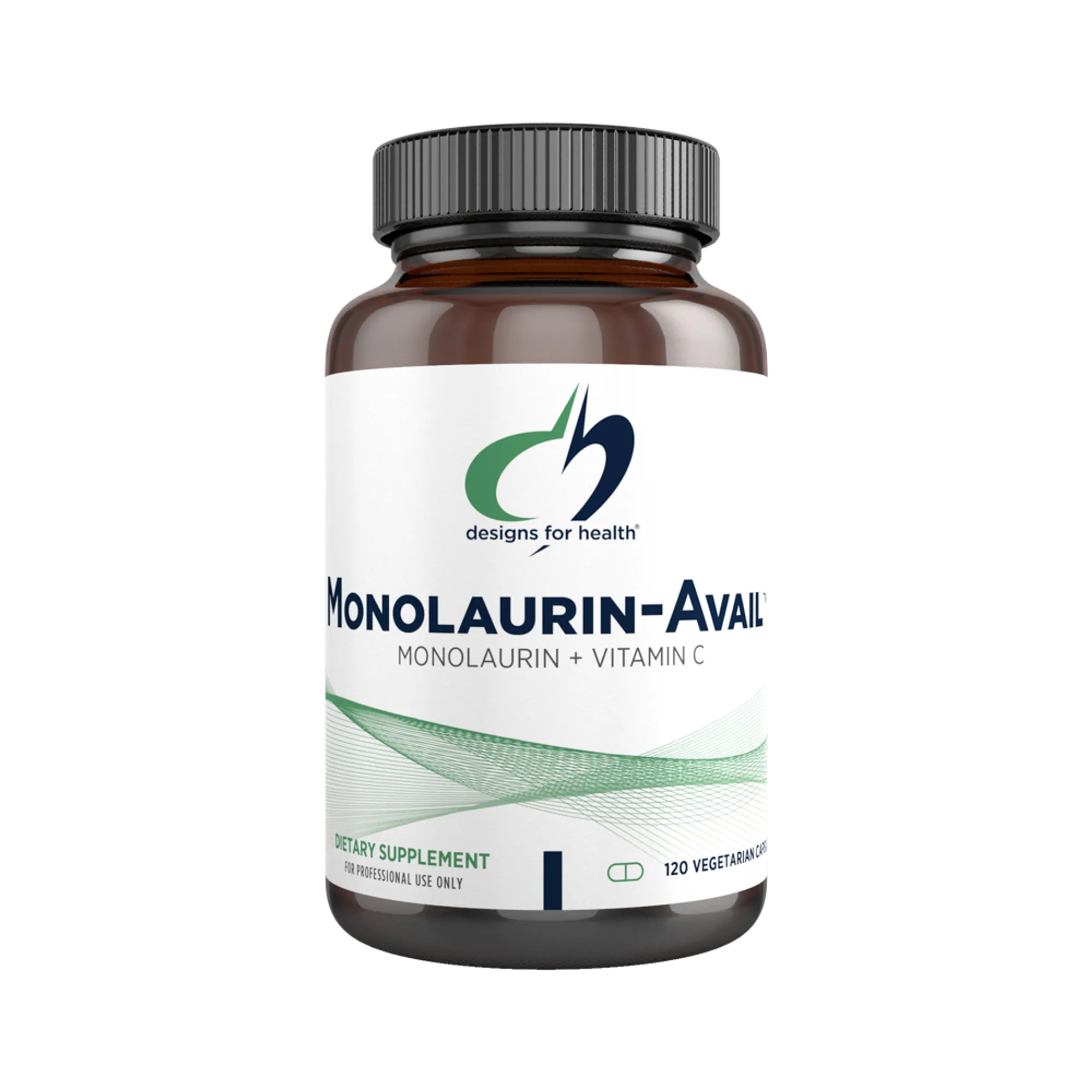
In the wake of the COVID-19 pandemic, researchers have increasingly focused on the role of the immune system and the microbiome in driving these chronic symptoms. When the body's natural defense mechanisms become exhausted or dysregulated, opportunistic pathogens can thrive, leading to a vicious cycle of systemic dysfunction. This is where targeted nutritional support can play a vital role in a comprehensive management strategy. One such tool is Monolaurin-Avail™, a specialized supplement designed to support immune health and promote a balanced microbial environment. By combining the unique properties of glycerol monolaurate with the antioxidant power of Vitamin C, this formula offers a scientifically grounded approach to supporting the body's cellular defenses. In this article, we will explore the intricate biochemistry of monolaurin, how viral reactivation impacts complex chronic illness, and how this supplement may help you manage your symptoms and improve your quality of life.
What is Monolaurin-Avail™?
The Power of Glycerol Monolaurate (GML)
Designs for Health’s Monolaurin-Avail™ is an encapsulated formula featuring monolaurin, chemically known as glycerol monolaurate (GML). GML is a naturally occurring monoester formed from the esterification of glycerol and lauric acid, a 12-carbon medium-chain fatty acid. In nature, lauric acid is predominantly found in high concentrations within coconut oil, palm kernel oil, and human breast milk. In a healthy body, these medium-chain fatty acids play a crucial, foundational role in maintaining a balanced microbial environment and supporting early immune system development in infants.
At the molecular level, monolaurin is highly lipophilic, meaning it has a profound chemical affinity for lipids, or fats. This specific biochemical property is the absolute foundation of its biological activity and therapeutic potential. When introduced into the human body, monolaurin interacts directly with the lipid bilayers that make up the cell membranes of various microorganisms. Unlike traditional immune-boosting compounds that merely stimulate white blood cell production or upregulate cytokine signaling, monolaurin acts as a direct physicochemical agent. It fluidizes and destabilizes the protective outer lipid layers of certain pathogens, rendering them vulnerable to the body's natural immune defense mechanisms and disrupting their lifecycle.
The United States Food and Drug Administration (FDA) classifies monolaurin as Generally Recognized As Safe (GRAS), and it has been utilized safely for decades in both food preservation and dietary supplementation. In the context of complex chronic illnesses, monolaurin is highly prized by functional medicine practitioners for its broad-spectrum ability to promote a healthy microbial environment without indiscriminately wiping out the beneficial flora of the gut microbiome. This targeted, membrane-specific action makes it a uniquely valuable tool for individuals whose immune systems are already overburdened by chronic inflammation and who cannot tolerate harsh, broad-spectrum antimicrobial interventions.
The Synergistic Role of Vitamin C
While monolaurin addresses the structural integrity of microbial pathogens, Monolaurin-Avail™ pairs it with 170 mg of Vitamin C (as ascorbic acid) to provide comprehensive, synergistic immune and antioxidant support. Vitamin C is an essential water-soluble vitamin that is absolutely critical for the survival, proliferation, and optimal function of the human immune system. At a biochemical level, ascorbic acid acts as a potent electron donor. This makes it one of the body's primary circulating antioxidants, capable of neutralizing harmful reactive oxygen species (ROS) and free radicals before they can inflict oxidative damage on cellular DNA, structural proteins, and delicate lipid membranes.
Beyond its baseline antioxidant capacity, Vitamin C is deeply and intricately involved in the cellular mechanics of the innate and adaptive immune responses. It actively accumulates in phagocytic cells, such as neutrophils and macrophages, and significantly enhances their ability to engulf and destroy foreign invaders—a vital biological process known as phagocytosis. Furthermore, Vitamin C is strictly required for the apoptosis (programmed cellular death) of spent neutrophils and their subsequent clearance by macrophages. This clearance process is essential because it prevents the excessive release of inflammatory cytokines and protects host tissues from the collateral damage associated with prolonged immune activation.
In the context of chronic illness, where the body is often locked in a relentless state of persistent oxidative stress and immune hyperactivation, the natural physiological reserves of Vitamin C are rapidly and severely depleted. By including a targeted dose of ascorbic acid in this formulation, Monolaurin-Avail™ ensures that the immune system has the foundational molecular building blocks it needs to sustain a prolonged defense. This synergistic combination helps to simultaneously mitigate the systemic inflammation that drives many debilitating symptoms while supporting the direct antimicrobial actions of the glycerol monolaurate.
Enhanced Absorption with Sunflower Lecithin
One of the primary physiological challenges with lipid-based nutritional supplements like monolaurin is ensuring adequate absorption and bioavailability within the complex environment of the human gastrointestinal tract. Because monolaurin is a fat-soluble compound, it requires proper emulsification to be effectively absorbed through the watery, mucin-rich environment of the intestinal lining. To solve this critical pharmacokinetic hurdle, Monolaurin-Avail™ intelligently includes sunflower lecithin, a natural and highly effective source of dietary phospholipids.
Sunflower lecithin acts as a crucial emulsifying agent, breaking down the larger monolaurin molecules into much smaller, more easily absorbed spherical structures known as micelles. These microscopic micelles can seamlessly navigate the mucosal layer of the gut barrier and transport the active glycerol monolaurate directly into the bloodstream. This enhanced, phospholipid-driven delivery system ensures that the monolaurin reaches systemic circulation, where it can exert its therapeutic effects throughout the entire body, rather than simply passing through the digestive tract unabsorbed and excreted as waste.
Importantly for the chronic illness community, the sunflower lecithin used in this formulation is extracted without the use of harsh chemical solvents and is naturally free of common, highly reactive allergens like soy. This makes it an ideal, hypoallergenic carrier mechanism for patients living with mast cell activation syndrome (MCAS) or severe food sensitivities, who often struggle to tolerate standard, mass-market supplement formulations. The inclusion of this specialized lecithin transforms Monolaurin-Avail™ from a simple botanical extract into a highly bioavailable, clinically useful therapeutic tool for complex patients.
How Long COVID and Viral Reactivation Impact the Immune System
The Threat of Viral Reactivation and EBV
To understand why a supplement like Monolaurin-Avail™ is so relevant to chronic illness, we must first examine What Causes Long COVID? and how viral infections disrupt the immune system. One of the leading hypotheses in Long COVID research is the concept of viral reactivation. When a healthy individual is infected with a virus like the Epstein-Barr Virus (EBV)—the virus responsible for mononucleosis—the immune system eventually forces the virus into a dormant, latent state. The virus hides quietly within memory B cells, kept in check by a robust and vigilant immune response.
However, when the body experiences a massive physiological trauma, such as a severe SARS-CoV-2 infection, the immune system becomes deeply exhausted and distracted. This phenomenon, often referred to as acquired immunodeficiency or immune exhaustion, creates an opportunistic window. Research indicates that the incidence of EBV reactivation is significantly elevated in COVID-19 patients, with dormant viruses waking up and beginning to replicate once again. This reactivation triggers a massive, secondary wave of systemic inflammation that can persist long after the initial COVID-19 infection has cleared.
The continuous replication of reactivated viruses places an immense, unrelenting burden on the immune system. It drives the production of autoantibodies, disrupts healthy cellular metabolism, and contributes directly to the profound, crushing fatigue seen in both Long COVID and ME/CFS. In fact, many researchers are currently investigating Can Long COVID Trigger ME/CFS? Unraveling the Connection by looking closely at these exact viral reactivation pathways. When the immune system is locked in this endless battle, it desperately needs targeted support to regain control of the microbial environment.
Oxidative Stress and Endothelial Dysfunction
Alongside viral reactivation, chronic illnesses like Long COVID and dysautonomia are heavily driven by profound, unyielding oxidative stress. When viruses replicate, they hijack the host cell's machinery, generating massive amounts of Reactive Oxygen Species (ROS) as a toxic byproduct. In a healthy state, the body’s natural antioxidant defenses—including Vitamin C and glutathione—neutralize these free radicals. But in a chronic post-viral state, these antioxidant reserves are rapidly depleted, leading to a condition known as hypovitaminosis C.
This unchecked oxidative stress wreaks havoc on the endothelium, the delicate inner lining of our blood vessels. The endothelium is responsible for regulating blood flow, maintaining vascular tone, and preventing abnormal blood clotting. When ROS damage the endothelial cells, it leads to widespread endothelial dysfunction. This damage impairs the production of nitric oxide (NO), a crucial signaling molecule that tells blood vessels to dilate and relax. Without sufficient nitric oxide, blood vessels constrict, severely impairing microcirculation and starving tissues of vital oxygen and nutrients.
This vascular compromise is a primary driver of dysautonomia and Postural Orthostatic Tachycardia Syndrome (POTS). When blood cannot efficiently circulate against gravity to reach the brain, the autonomic nervous system panics, triggering tachycardia (an abnormally fast heart rate) and severe dizziness. Studies have shown that oxidative stress and reduced nitric oxide bioavailability directly contribute to the circulatory deficits seen in POTS patients. Breaking this cycle of oxidative damage is essential for restoring autonomic balance and vascular health.
The Vicious Cycle of Immune Exhaustion
The combination of active viral replication, severe oxidative stress, and endothelial damage creates a vicious, self-perpetuating cycle of immune exhaustion. The immune system is constantly sounding the alarm, deploying inflammatory cytokines like Interleukin-6 (IL-6) and Tumor Necrosis Factor-alpha (TNF-alpha) to fight off the reactivated viruses. However, because the structural integrity of the blood vessels is compromised, these immune cells struggle to reach their intended targets efficiently, leading to widespread, systemic inflammation rather than a localized, effective defense.
This chronic inflammatory state deeply impacts the mitochondria, the powerhouses of our cells. Inflammatory cytokines directly inhibit mitochondrial respiration, drastically reducing the production of adenosine triphosphate (ATP), the cellular currency of energy. This mitochondrial suppression is the biochemical root of post-exertional malaise (PEM), the hallmark symptom of ME/CFS where even minor physical or cognitive exertion leads to a debilitating crash. The body simply cannot produce enough energy to meet the demands of both daily living and a hyperactive immune response.
To break this cycle, patients require interventions that can simultaneously address multiple points of failure. They need compounds that can directly inhibit viral replication, neutralize the overwhelming oxidative stress, and support the restoration of healthy endothelial function. Understanding What Are the Symptoms of Long COVID? requires looking at this entire interconnected web of dysfunction. This is precisely why multi-targeted approaches, combining antiviral lipids like monolaurin with potent antioxidants like Vitamin C, are becoming a cornerstone of functional recovery protocols.
Monolaurin-Avail™: Supporting Immune Function and Cellular Defense
Shredding the Viral Lipid Envelope
To understand how Monolaurin-Avail™ supports the body, we must look at its primary mechanism of action: the physicochemical destruction of viral lipid envelopes. Many of the most problematic viruses implicated in chronic illness—including Epstein-Barr Virus (EBV), Cytomegalovirus (CMV), and SARS-CoV-2—are classified as "enveloped" viruses. This means their genetic material is encased in a protective outer membrane made of a lipid (fat) bilayer, which they steal from the host cell during replication. This envelope is essential for the virus's survival and its ability to infect new cells.
Monolaurin, as a highly lipophilic monoglyceride, is uniquely equipped to target this specific structural vulnerability. When monolaurin encounters an enveloped virus in the bloodstream or tissues, it seamlessly incorporates itself into the viral lipid bilayer. Because monolaurin has a different molecular shape and surface tension than the virus's native lipids, its insertion causes massive structural instability. Research published by the American Society for Microbiology demonstrates that glycerol monolaurate fluidizes the viral membrane, causing it to literally tear apart and disintegrate.
This process is highly dependent on achieving a specific concentration, known in biophysics as the Critical Micelle Concentration (CMC). Once the concentration of monolaurin reaches this threshold, it forms microscopic micelles that induce catastrophic and irreparable disruptions to the viral envelope. Without this protective lipid layer, the virus is instantly neutralized. It can no longer attach to human cells, it cannot replicate, and its exposed internal proteins are quickly recognized and cleared by the host's scavenging macrophages.
Blocking Viral Entry and Replication
Even in scenarios where the viral envelope is not entirely destroyed, monolaurin exerts profound inhibitory effects on the virus's ability to infect host cells. For a virus to successfully hijack a human cell, it must first bind to specific receptor proteins on the cell's surface. This lock-and-key mechanism is highly precise and relies on the structural integrity of the viral envelope proteins. Monolaurin physically alters the micro-environment of these viral surface proteins, effectively changing the shape of the "key" so it no longer fits into the cellular "lock."
Furthermore, monolaurin has been shown to interfere with the late stages of the viral replication cycle. When a virus does manage to infect a cell, it turns that cell into a factory, assembling new viral RNA and packaging it into new lipid envelopes to be released into the body. Studies investigating monolaurin's effects on severe viral pathogens have found that it heavily disrupts the assembly and maturation of these new, infectious viral particles inside the host cell. By halting replication at the assembly stage, monolaurin helps to drastically lower the overall viral load in the body.
This dual-action mechanism—both destroying free-floating virions and blocking the replication of intracellular viruses—makes monolaurin a formidable tool against viral reactivation. By keeping opportunistic viruses like EBV in check, monolaurin relieves a massive burden from the adaptive immune system. This allows the body's exhausted T-cells and B-cells to rest, recover, and begin repairing the systemic tissue damage caused by months or years of chronic inflammation.
Vitamin C's Role in Quenching Oxidative Stress
While monolaurin directly attacks the structural integrity of pathogens, the Vitamin C in Monolaurin-Avail™ plays an equally vital role in managing the biochemical fallout of chronic infection. As discussed earlier, viral replication generates a storm of Reactive Oxygen Species (ROS) that devastate host tissues. Vitamin C acts as a molecular sponge for these free radicals. By donating electrons to unstable ROS molecules, ascorbic acid neutralizes their destructive potential, effectively quenching the fire of oxidative stress before it can damage cellular DNA and mitochondrial membranes.
This antioxidant quenching is particularly crucial for protecting the delicate immune cells themselves. Neutrophils and macrophages, the frontline soldiers of the immune system, utilize highly toxic bursts of ROS to destroy engulfed pathogens. However, without sufficient intracellular Vitamin C to protect them from their own chemical weapons, these immune cells quickly suffer from oxidative suicide, leading to immune depletion. Clinical reviews have highlighted that targeted Vitamin C supplementation is essential for maintaining the viability and function of these critical immune cells during prolonged post-viral states.
Moreover, Vitamin C actively modulates the inflammatory signaling cascade. It has been shown to attenuate the activation of NF-κB, a master protein complex that controls the transcription of DNA and orchestrates the production of pro-inflammatory cytokines. By dampening NF-κB signaling, Vitamin C helps prevent the localized "cytokine storms" that drive the severe, unpredictable symptom flares commonly experienced by patients with Long COVID and MCAS. It promotes a balanced, measured immune response rather than a chaotic, hyperactive one.
Restoring Nitric Oxide and Endothelial Health
Perhaps one of the most significant, yet often overlooked, benefits of Vitamin C in the context of chronic illness is its profound impact on endothelial function and vascular health. The endothelium relies on an enzyme called endothelial nitric oxide synthase (eNOS) to produce nitric oxide, the molecule responsible for keeping blood vessels relaxed and open. In states of high oxidative stress, ROS react with nitric oxide to form peroxynitrite, a highly toxic compound. This not only destroys the available nitric oxide but also "uncouples" the eNOS enzyme, causing it to produce even more free radicals instead of nitric oxide.
Vitamin C directly intervenes in this destructive biochemical loop. It scavenges the ROS before they can interact with nitric oxide, preserving the bioavailability of this crucial signaling molecule. Furthermore, Vitamin C stabilizes tetrahydrobiopterin (BH4), a vital co-factor required for the proper function of the eNOS enzyme. By protecting BH4 from oxidation, Vitamin C effectively "recouples" the enzyme, restoring its ability to produce healthy, vasodilating nitric oxide.
This restoration of endothelial health has direct, tangible benefits for patients suffering from autonomic nervous system dysfunction. A landmark study demonstrated that ascorbate (Vitamin C) significantly improves circulation in patients with postural tachycardia syndrome (POTS) by enhancing nitric oxide bioavailability and alleviating severe vasoconstriction. By repairing the vascular lining and improving microcirculation, the Vitamin C in Monolaurin-Avail™ helps ensure that oxygen-rich blood can successfully reach the brain and peripheral tissues, directly combating the dizziness, tachycardia, and cognitive fatigue associated with dysautonomia.
Symptoms Monolaurin-Avail™ May Help Manage
Targeting the Root Causes of Chronic Symptoms
When dealing with complex chronic conditions, it is crucial to understand that symptoms are rarely isolated events; they are interconnected manifestations of systemic dysfunction. Because Monolaurin-Avail™ targets foundational physiological processes—specifically viral load management, oxidative stress reduction, and endothelial repair—it has the potential to positively influence a wide array of debilitating symptoms.
It is important to remember that supplements are not cures, and individual responses can vary significantly based on your unique biochemical makeup and the specific root causes of your illness. However, by supporting the body's natural defense mechanisms and promoting a balanced microbial environment, many patients find that targeted nutritional support can significantly improve their daily quality of life. If you are wondering How Can You Live with Long-Term COVID, managing these specific symptom clusters is often the first step toward regaining functional capacity.
Below is a detailed breakdown of the specific symptoms that the synergistic combination of glycerol monolaurate and Vitamin C may help manage, along with the underlying physiological reasons why this formulation can be beneficial.
Key Symptom Management Areas
Severe Fatigue and Post-Exertional Malaise (PEM): By neutralizing reactive oxygen species and reducing the overall viral burden (such as reactivated EBV), Monolaurin-Avail™ helps lower systemic inflammation. This reduction in inflammatory cytokines relieves the suppressive burden on cellular mitochondria, allowing them to resume normal ATP (energy) production and potentially reducing the severity and duration of PEM crashes.
Brain Fog and Cognitive Dysfunction: Cognitive impairment in Long COVID is heavily linked to neuroinflammation and poor microcirculation in the brain. The Vitamin C in this formula supports endothelial health and nitric oxide production, which helps dilate the tiny blood vessels in the brain, improving cerebral blood flow and oxygen delivery to oxygen-starved neurons.
Dysautonomia and POTS Symptoms (Dizziness, Tachycardia): Orthostatic intolerance is driven by the body's inability to properly regulate blood vessel constriction and dilation against gravity. By protecting the eNOS enzyme and restoring nitric oxide bioavailability, Vitamin C helps repair the vascular dysfunction that forces the heart to race abnormally upon standing.
Frequent Infections and Immune Dysregulation: Patients with acquired immune exhaustion often catch every passing cold or flu. Monolaurin provides direct, broad-spectrum physicochemical support against lipid-enveloped viruses and bacteria, acting as a secondary defense shield while the body's native immune cells utilize the provided Vitamin C to rebuild their phagocytic capabilities.
Unpredictable Inflammatory Flares: For those with MCAS or generalized immune hyperactivation, the body is constantly overreacting to minor triggers. Vitamin C helps attenuate the NF-κB signaling pathway, which dampens the excessive production of pro-inflammatory cytokines and promotes a more measured, appropriate inflammatory response.
Practical Considerations: Forms, Dosing, and Absorption
The Importance of Bioavailability and Lecithin
When evaluating any nutritional supplement, the raw milligram count on the back of the bottle is only half the story; the true measure of a supplement's efficacy is its bioavailability—how much of the active ingredient actually makes it into your systemic circulation. Glycerol monolaurate, by its very chemical nature, is a highly fat-soluble (lipophilic) compound. If taken in a raw, un-emulsified powder form, a significant portion of the monolaurin will simply clump together in the watery environment of the digestive tract, resulting in poor absorption and potential gastrointestinal distress.
This is why the specific formulation of Monolaurin-Avail™ is so critical. By integrating sunflower lecithin into the capsule, Designs for Health has engineered a self-emulsifying delivery system. The phospholipids in the lecithin surround the monolaurin molecules, creating tiny, water-soluble spheres called micelles. These micelles easily pass through the intestinal mucosa and enter the bloodstream. This advanced delivery mechanism ensures that you are actually absorbing the 1 gram of monolaurin provided in each serving, maximizing the therapeutic potential of the supplement while minimizing waste.
Furthermore, taking this supplement with a meal that contains healthy fats (such as avocado, olive oil, or nuts) can further enhance the absorption of the monolaurin. The presence of dietary fat triggers the release of bile salts from the gallbladder, which act as natural emulsifiers in the gut, working synergistically with the sunflower lecithin to ensure optimal uptake of the active ingredients into the lymphatic system and bloodstream.
Dosing Strategies and the Herxheimer Reaction
The suggested use for Monolaurin-Avail™ is typically two capsules per day with a meal, or as directed by your healthcare practitioner. However, for individuals dealing with high viral loads, chronic EBV, or severe Long COVID, functional medicine doctors often recommend a highly individualized dosing strategy known as "titration." Titration involves starting with a very low dose—sometimes just half a capsule a day—and slowly increasing the amount over several weeks. This cautious approach is essential for managing how the body responds to the sudden die-off of pathogens.
Because monolaurin is so effective at destroying the lipid envelopes of viruses and bacteria, introducing a high dose too quickly can cause a massive release of viral proteins and intracellular toxins into the bloodstream. The immune system reacts to this sudden flood of debris with a sharp spike in inflammation, leading to a temporary but severe worsening of symptoms—a phenomenon known as a Herxheimer reaction, or "die-off" flare. Symptoms of a Herxheimer reaction can include intense fatigue, muscle aches, chills, and exacerbated brain fog.
To avoid this uncomfortable and counterproductive flare, slow titration is key. It allows the body's detoxification pathways—specifically the liver and lymphatic system—adequate time to clear out the neutralized viral debris safely. If you experience a sudden increase in symptoms after starting monolaurin, it is often a sign to temporarily reduce the dose, increase your water intake, and allow your body time to process the metabolic waste before slowly increasing the dose again.
Safety, Tolerability, and Interactions
Monolaurin has an excellent safety profile and is classified as GRAS by the FDA. Because it is naturally derived from lauric acid (found in coconut oil), it is generally very well tolerated by the human body. Unlike prescription antibiotics, which indiscriminately destroy both harmful pathogens and beneficial gut bacteria, monolaurin has been shown to have a minimal impact on the healthy, commensal flora of the gastrointestinal tract. This makes it a much safer option for long-term immune support, particularly for patients who already suffer from gut dysbiosis or irritable bowel syndrome (IBS).
The Vitamin C in this formulation is provided as ascorbic acid. While generally safe, high doses of ascorbic acid can occasionally cause mild gastrointestinal upset or loose stools in sensitive individuals. However, the 170 mg dose included in Monolaurin-Avail™ is highly physiological and well below the threshold that typically triggers bowel intolerance. The inclusion of sunflower lecithin, which is naturally soy-free and hypoallergenic, further ensures that this supplement is safe for individuals with severe mast cell activation syndrome (MCAS) or complex food allergies.
As with any targeted therapeutic intervention, it is crucial to discuss Monolaurin-Avail™ with your medical team before adding it to your regimen. While monolaurin does not have widespread, severe drug interactions, its ability to modulate the immune system and alter lipid dynamics means it should be used thoughtfully. If you are wondering What Drugs Are Used for COVID Long Haulers? and are currently taking prescription antivirals, immunosuppressants, or targeted biologics, your healthcare provider can help you determine the safest and most effective way to integrate this supplement into your comprehensive care plan.

Follow the Science
Monolaurin's Antiviral Mechanisms in Research
The scientific understanding of monolaurin's antiviral properties has expanded significantly over the past decade. A pivotal study published in mBio by the American Society for Microbiology provided definitive biophysical evidence that glycerol monolaurate is potently virucidal against enveloped viruses. The researchers utilized electron microscopy to observe the direct physicochemical destruction of viral lipid membranes, confirming that monolaurin fluidizes and shreds the protective envelopes of severe pathogens, neutralizing their infectivity entirely.
More recent investigations have continued to validate these findings across a broad spectrum of viral families. A 2023 study published in the journal Viruses investigated the effects of glycerol monolaurate on highly virulent strains of the African Swine Fever Virus (ASFV) using an in vitro macrophage model. The data was striking: once the dosage of monolaurin crossed the critical micelle concentration threshold, it caused a greater than 99% decrease in viral infectivity while maintaining over 80% viability of the host's own immune cells, highlighting a strong and safe therapeutic window.
Furthermore, research published in Frontiers in Veterinary Science demonstrated both in vitro and in vivo antiviral activity of monolaurin against complex viral pathogens. The study found that monolaurin not only blocked viral entry but also significantly suppressed systemic inflammation and reduced clinical manifestations in infected subjects. These robust preclinical findings provide a strong, biologically plausible foundation for the use of monolaurin in managing chronic viral burdens in human patients.
Vitamin C Clinical Trials for Long COVID and POTS
The clinical evidence supporting the use of Vitamin C for post-viral syndromes and dysautonomia is equally compelling. A landmark nationwide multicenter study published in the American Heart Association's Circulation journal investigated the use of Vitamin C and L-Arginine in adults suffering from Long COVID. The trial, which enrolled over 1,500 patients, found that the targeted antioxidant therapy resulted in a highly significant reduction in overall Long COVID symptoms, particularly improving respiratory tolerance and reducing the subjective perception of physical effort.
This aligns perfectly with our understanding of oxidative stress as a primary driver of Long COVID pathology. A comprehensive review published in Frontiers in Pharmacology detailed how oxidative stress and hyper-inflammation are the major drivers of severe COVID-19 and its long-term sequelae. The authors concluded that targeted Vitamin C therapy is essential for neutralizing reactive oxygen species, restoring endothelial barrier integrity, and supporting the survival and function of exhausted immune cells during the prolonged post-viral recovery phase.
For patients dealing with dysautonomia, the vascular benefits of Vitamin C are particularly relevant. Research published in the American Journal of Physiology specifically investigated the effects of ascorbate on patients with Postural Tachycardia Syndrome (POTS). The study demonstrated that Vitamin C improved circulation by enhancing nitric oxide bioavailability, which directly alleviated the severe vasoconstriction and venoconstriction linked to oxidative stress in POTS patients. This provides clear, mechanistic proof that antioxidant support can directly improve autonomic circulatory function.
Ongoing Research into Viral Reactivation
The medical community is increasingly recognizing that Long COVID is not simply a lingering respiratory issue, but a complex, multi-system disorder deeply intertwined with viral reactivation. A comprehensive review published in Cell outlined the mechanisms of Long COVID, highlighting persistent virus, systemic inflammation, and the reactivation of dormant viruses like Epstein-Barr as central pillars of the disease's pathophysiology. This shifting paradigm underscores the urgent need for therapeutics that can effectively target and suppress these reactivated viral reservoirs.
The link between acute COVID-19 and EBV reactivation is becoming undeniable. A recent study found that the incidence of Epstein-Barr virus reactivation is significantly elevated in COVID-19 patients, suggesting that the initial SARS-CoV-2 infection acts as a profound immunological trigger that wakes up dormant pathogens. This secondary viral replication contributes heavily to the severity and duration of post-COVID symptoms, making antiviral and immune-supporting compounds like monolaurin highly relevant to current treatment protocols.
Furthermore, researchers are drawing direct parallels between the immune dysfunction seen in Long COVID and the established pathology of ME/CFS. A detailed paper published in the Journal of Translational Medicine proposed a unifying model in which EBV-acquired immunodeficiency drives chronic innate inflammation, immune exhaustion, and the formation of microclots—mechanisms that underlie both ME/CFS and Long COVID. As research continues to unravel these complex connections, therapies that combine direct antiviral action with potent antioxidant support will remain at the forefront of functional recovery strategies.
The Path Forward
A Comprehensive Approach to Recovery
Living with a complex chronic illness like Long COVID, ME/CFS, or dysautonomia is an incredibly challenging journey that requires immense resilience and patience. It is vital to remember that there is no single magic pill or overnight cure for conditions rooted in deep systemic dysfunction. Supplements like Monolaurin-Avail™ are powerful tools, but they are most effective when utilized as part of a comprehensive, multi-disciplinary management strategy. True recovery requires addressing the body's needs from multiple angles simultaneously.
This comprehensive approach includes aggressive pacing to manage your energy envelope and prevent post-exertional malaise (PEM) crashes. It involves meticulous symptom tracking to identify your unique triggers, optimizing your sleep hygiene to support neurological repair, and working closely with a medical team to address underlying issues like dysautonomia, mast cell activation, and microclotting. Nutritional support provides the biochemical foundation, but lifestyle modifications provide the structural framework for long-term healing.
By targeting the root causes of immune exhaustion—specifically viral reactivation, oxidative stress, and endothelial dysfunction—Monolaurin-Avail™ offers a scientifically grounded way to support your body's natural defense mechanisms. It provides your exhausted immune system with the specific molecular tools it needs to shred viral envelopes, neutralize damaging free radicals, and begin the slow, steady process of repairing systemic tissue damage.
Listening to Your Body
As you navigate your treatment options, the most important skill you can develop is the ability to listen deeply to your own body. Chronic illness makes the nervous system highly sensitive and unpredictable. What works perfectly for one patient may cause a flare in another. This is why the concept of slow titration—starting with a very low dose of any new supplement and slowly increasing it over time—is so absolutely critical. You must give your body the time and space it needs to adapt to new biochemical inputs.
Pay close attention to how you feel in the days and weeks after introducing a new therapy. If you experience a sudden increase in fatigue, muscle aches, or brain fog, recognize that this may be a Herxheimer "die-off" reaction rather than a simple side effect. Be prepared to adjust your dosage, increase your hydration, and lean heavily into your pacing strategies. Your healing journey will not be perfectly linear; there will be setbacks and flares, but learning to interpret your body's signals will empower you to make informed decisions about your care.
Above all, validate your own experience. The exhaustion, the cognitive dysfunction, the unpredictable heart rate—these are real, physiological symptoms driven by complex biology, not anxiety or deconditioning. By educating yourself on the mechanisms of your illness and the science behind targeted therapeutics, you become an active, empowered participant in your own recovery process.
Next Steps
If you are struggling with the lingering effects of viral infections, profound fatigue, or signs of immune exhaustion, targeted nutritional support may be a valuable addition to your management plan. Monolaurin-Avail™ combines the unique, membrane-disrupting power of glycerol monolaurate with the essential antioxidant protection of Vitamin C, all delivered in a highly bioavailable sunflower lecithin matrix.
Always consult with your primary care physician or a functional medicine specialist before beginning any new supplement regimen, especially if you are currently taking prescription medications or managing multiple overlapping chronic conditions. They can help you determine the appropriate dosage, monitor your progress, and ensure that this intervention aligns safely with your overall health goals.