Can Mitochondrial NRG™ Support Cellular Energy and Combat Long COVID Fatigue?
March 6, 2026
Mitochondrial NRGLong COVIDME/CFS
Share:
Disclaimer: The information provided here is for educational purposes only and is not intended as medical advice. It should not be used to diagnose, treat, cure, or prevent any medical condition. Instead, use it as a starting point for discussion with your healthcare provider. Always consult with a qualified healthcare provider before starting any new medication, supplement, device, or making changes to your health regimen.
Months or even years after recovering from an initial viral infection, many individuals find themselves fighting a daily, exhausting battle against debilitating symptoms. Conditions like Long COVID, myalgic encephalomyelitis/chronic fatigue syndrome (ME/CFS), and dysautonomia often leave patients feeling as though their internal batteries have been permanently drained. Simple tasks that once required no thought—like walking to the mailbox, taking a shower, or reading a book—can suddenly trigger profound exhaustion and cognitive dysfunction. This phenomenon is not merely "tiredness"; it is a complex, physiological energy crisis occurring at the deepest cellular level. For many patients, the search for validating, science-backed answers leads directly to the mitochondria, the microscopic powerhouses responsible for generating nearly all the energy our bodies need to survive and thrive.
When the mitochondria become damaged or dysfunctional due to viral hijacking, chronic inflammation, or severe oxidative stress, the entire body suffers the consequences. This cellular energy deficit is a hallmark of complex chronic illnesses, driving the unpredictable and often severe symptoms of post-exertional malaise (PEM), brain fog, and muscle pain. In response to this profound metabolic disruption, targeted nutritional interventions have emerged as a critical component of comprehensive management strategies. One such intervention is Mitochondrial NRG™ by Designs for Health, a clinical-grade supplement formulated to provide the exact biochemical substrates, antioxidants, and enzymatic cofactors required to support mitochondrial repair and optimize cellular energy production. In this comprehensive guide, we will explore the intricate mechanisms of mitochondrial function, how chronic illness disrupts these pathways, and the scientific evidence supporting the ingredients in Mitochondrial NRG™.
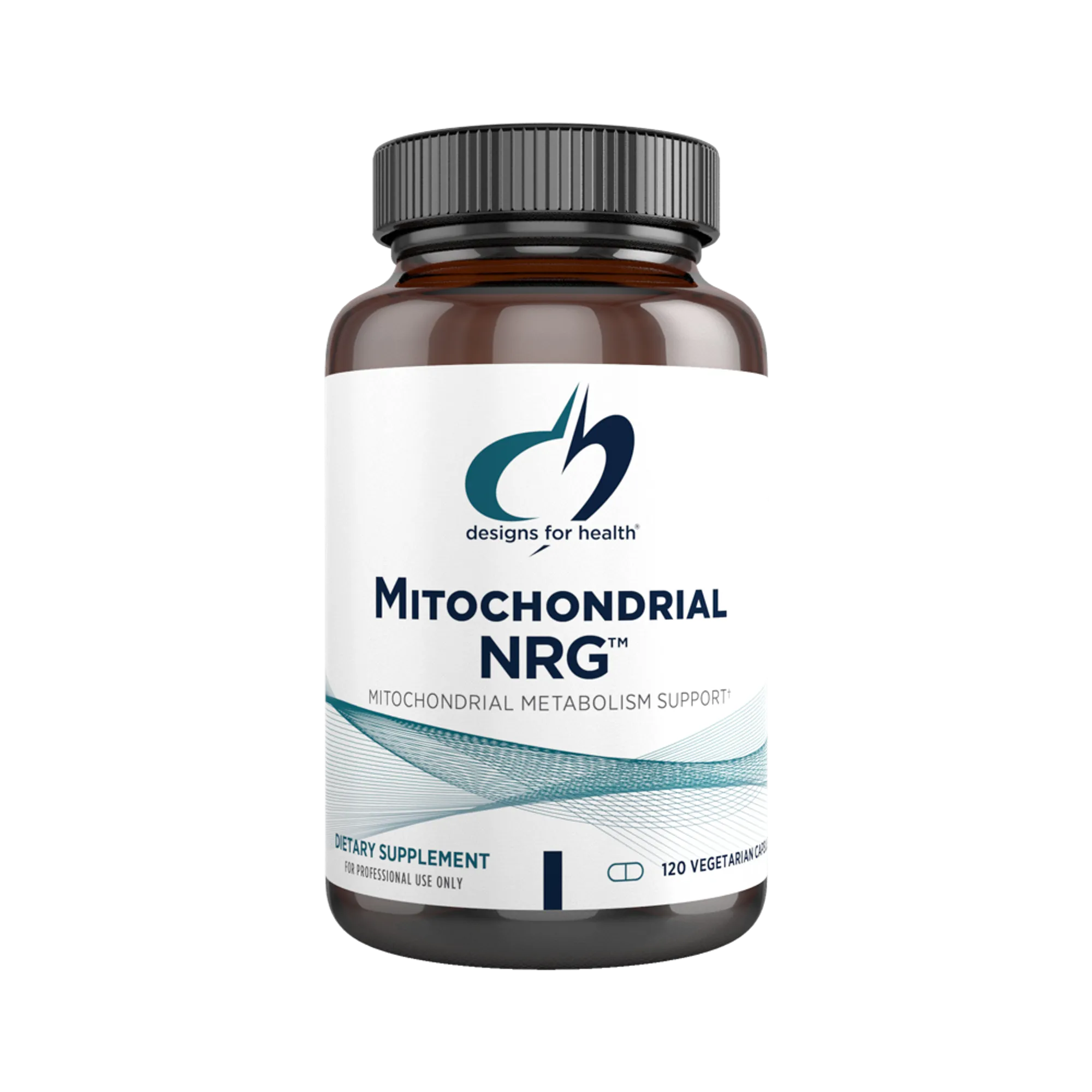
What is Mitochondrial NRG™?
The Concept of Cellular Energy and ATP
To understand how a supplement like Mitochondrial NRG™ works, we must first look at the fundamental biology of human energy. Every action your body performs—from the beating of your heart to the firing of neurons in your brain—requires energy. This energy is not derived directly from the food you eat; rather, the macronutrients in your diet must be converted into a microscopic, high-energy molecule called adenosine triphosphate (ATP). ATP is the universal energy currency of the cell. When a cell needs to perform work, it breaks a phosphate bond in the ATP molecule, releasing a burst of usable energy. Because the body cannot store large amounts of ATP, it must be continuously synthesized, recycled, and replenished every single second of the day.
The primary site of this relentless ATP production is the mitochondrion. Mitochondria are double-membraned organelles found in almost every cell in the human body, with particularly high concentrations in energy-demanding tissues like the heart, brain, and skeletal muscles. Inside the mitochondria, a complex series of biochemical reactions takes place, most notably the Krebs cycle (or citric acid cycle) and the electron transport chain (ETC). Through a process called oxidative phosphorylation, the mitochondria strip electrons from the breakdown products of carbohydrates and fats, passing them down the ETC to ultimately generate massive amounts of ATP. When these pathways are functioning optimally, the body enjoys robust energy levels, clear cognitive function, and healthy cellular resilience.
However, this intricate system is highly vulnerable to disruption. The enzymes and transport proteins involved in mitochondrial respiration require a constant supply of specific vitamins, minerals, and cofactors to operate efficiently. If the body is depleted of these essential nutrients—whether due to aging, chronic stress, or illness—the entire ATP production line slows down. This metabolic bottleneck not only reduces the total amount of energy available to the cells but also increases the production of harmful metabolic byproducts, leading to cellular damage and profound fatigue.
The Synergistic Approach to Mitochondrial Health
Mitochondrial NRG™ is not a single-ingredient supplement; it is a meticulously designed, synergistic blend of bioactive compounds intended to support multiple stages of the mitochondrial energy cascade simultaneously. Formulated by Designs for Health, this supplement recognizes that cellular energy production is a multi-step assembly line. Providing just one nutrient is often insufficient if there is a bottleneck further down the line. By combining specific amino acids, specialized sugars, and potent antioxidants, the formula aims to provide comprehensive support for the entire bioenergetic infrastructure of the cell.
At the core of this formulation are ingredients like Coenzyme Q10 (CoQ10), L-Carnitine, and D-Ribose. Each of these compounds plays a distinct, non-redundant role in ATP synthesis. For instance, while L-Carnitine is responsible for transporting fuel into the mitochondria, CoQ10 is required to process that fuel within the electron transport chain, and D-Ribose provides the actual structural backbone for the newly minted ATP molecules. This multi-targeted approach ensures that the mitochondria have both the raw materials and the functional machinery necessary to optimize energy output.
Furthermore, the formula incorporates powerful botanical extracts, specifically Trans Resveratrol and Curcuminoids (from Curcuma longa). These ingredients do not directly build ATP; instead, they act as cellular signaling agents and master antioxidants. They help to neutralize the oxidative exhaust produced during energy metabolism and stimulate the genetic pathways responsible for creating brand-new mitochondria, a process known as mitochondrial biogenesis. This combination of direct metabolic substrates and genetic signaling molecules makes Mitochondrial NRG™ a uniquely comprehensive tool for cellular support.
Bridging Nutritional Gaps with Active Ingredients
In addition to its primary metabolic drivers, Mitochondrial NRG™ includes a robust profile of essential cofactors, particularly activated B-vitamins and Krebs cycle intermediates. The supplement provides Thiamin (Vitamin B-1), Riboflavin (Vitamin B-2), Niacinamide, and active forms of B-6 (Pyridoxal-5-Phosphate) and B-12 (Methylcobalamin). These vitamins are absolute prerequisites for the enzymes that drive the Krebs cycle. By providing them in their pre-methylated or active forms, the supplement ensures that the body can utilize them immediately, without needing to expend additional energy converting them into usable states.
The inclusion of specific organic acids—namely Malic Acid and Succinic Acid—further bridges the nutritional gaps in cellular respiration. These compounds are direct intermediates of the Krebs cycle. By supplementing them directly, Mitochondrial NRG™ effectively "force-feeds" the cycle, helping to bypass sluggish enzymatic steps and accelerate the overall rate of ATP production. This is particularly crucial for individuals who are stuck in a state of metabolic dysfunction, where the natural flow of the Krebs cycle has been severely compromised.
Ultimately, the goal of this comprehensive formulation is to restore the delicate balance of cellular bioenergetics. By addressing the structural, enzymatic, and antioxidant needs of the mitochondria all at once, Mitochondrial NRG™ provides a foundational support system for individuals seeking to reclaim their vitality, improve their body composition, and support healthy aging at the most fundamental, microscopic level.
How Long COVID & ME/CFS Impact Mitochondrial Function
Viral Hijacking and the Cellular Energy Crisis
To comprehend why mitochondrial support is so vital, we must examine how complex chronic illnesses like Long COVID and ME/CFS fundamentally alter cellular biology. When a pathogen like the SARS-CoV-2 virus enters the body, it does not merely cause localized damage; it actively hijacks the host's cellular machinery to replicate. Recent research into Long COVID has demonstrated that the virus can directly infect mitochondria, altering their dynamics and causing structural abnormalities such as swollen membranes and disrupted cristae. This viral interference forces the mitochondria to abandon their primary job of producing ATP, plunging the cell into an immediate and severe energy crisis.
In response to this mitochondrial hijacking, the cells often undergo a metabolic shift known as the Warburg effect. Instead of relying on the highly efficient process of oxidative phosphorylation—which requires healthy mitochondria and oxygen—the cells revert to a primitive, inefficient form of energy production called aerobic glycolysis. While glycolysis can produce energy quickly, it yields only a fraction of the ATP that the mitochondria normally provide. This metabolic failure explains the profound, crushing fatigue experienced by patients; their cells are quite literally starving for energy. For a deeper understanding of these viral mechanisms, you can explore our detailed guide on What Causes Long COVID?.
Furthermore, this energy crisis is not limited to skeletal muscles; it affects the brain, the heart, and the autonomic nervous system. When the neurons in the brain lack sufficient ATP, patients experience severe cognitive dysfunction, commonly referred to as "brain fog." When the autonomic nervous system is deprived of energy, it struggles to regulate heart rate and blood pressure, leading to conditions like dysautonomia and Postural Orthostatic Tachycardia Syndrome (POTS). The systemic nature of mitochondrial dysfunction perfectly mirrors the widespread, multi-system symptoms seen in these patient populations.
The Vicious Cycle of Oxidative Stress and ROS
The damage to the mitochondria does not stop at reduced energy output; it also creates a highly toxic intracellular environment. Under normal conditions, the electron transport chain is tightly controlled, but when the mitochondria are damaged by viral infection or chronic inflammation, electrons begin to "leak" out of the chain. These rogue electrons bind with oxygen to form highly reactive, unstable molecules known as Reactive Oxygen Species (ROS) or free radicals. While a small amount of ROS is normal, the massive electron leakage seen in ME/CFS and Long COVID results in overwhelming oxidative stress.
This oxidative stress triggers a destructive chain reaction. The excessive free radicals attack the delicate lipid membranes of the mitochondria, causing lipid peroxidation and further degrading the organelle's ability to function. They also damage mitochondrial DNA (mtDNA), which lacks the robust repair mechanisms found in nuclear DNA. As the mitochondria become more damaged, they leak even more electrons, creating a vicious, self-perpetuating cycle of oxidative destruction and energy failure. This ongoing cellular damage is a primary driver of the chronic neuroinflammation and systemic pain that patients endure daily.
The immune system's response to this damage further complicates the clinical picture. As mitochondria rupture and die, they release their damaged mtDNA into the bloodstream. The immune system recognizes this circulating cell-free mtDNA as a danger signal, triggering chronic, low-grade inflammation. This sustained inflammatory state continuously suppresses mitochondrial function, making spontaneous recovery incredibly difficult. Understanding this interconnected web of inflammation and energy failure is crucial, as discussed in our article, Can Long COVID Trigger ME/CFS? Unraveling the Connection.
The Hypometabolic State and Post-Exertional Malaise (PEM)
The culmination of this mitochondrial dysfunction is a clinical phenomenon known as post-exertional malaise (PEM), the defining hallmark of ME/CFS and many cases of Long COVID. PEM is a severe, delayed exacerbation of symptoms following even minor physical, cognitive, or emotional exertion. Because the mitochondria are structurally damaged and trapped in an inefficient metabolic state, they simply cannot scale up ATP production to meet the demands of exertion. When a patient attempts to push through their fatigue, their cells are forced to rely entirely on anaerobic metabolism.
Anaerobic metabolism rapidly depletes the cell's remaining energy reserves and produces large amounts of lactic acid as a toxic byproduct. In a healthy body, this lactic acid is quickly cleared, but in a state of mitochondrial dysfunction, it accumulates in the tissues, causing severe muscle pain, heaviness, and burning sensations. This metabolic crash forces the body into a defensive, hypometabolic state—essentially a cellular hibernation—to prevent total energetic collapse. During a crash, patients may be entirely bedbound, unable to tolerate light or sound, as their brain and body desperately attempt to conserve whatever minimal ATP is left.
This is why traditional exercise therapy or "pushing through" the fatigue is actively harmful for individuals with these conditions; it directly damages the already fragile mitochondrial infrastructure. Recognizing PEM as a physiological metabolic crisis, rather than mere deconditioning, is the first step toward effective management. Patients must learn to pace their activities to stay within their broken energy envelope. For more information on identifying these specific symptom patterns, read our comprehensive overview on What Are the Symptoms of Long COVID?.
Mitochondrial NRG™: Supporting Energy Production
Rebuilding the ATP Pool with D-Ribose
When the body is trapped in a chronic energy deficit, simply providing more food or calories will not solve the problem; the cells need the specific biochemical substrates to rebuild their energy currency. This is where D-Ribose plays a paramount role in the Mitochondrial NRG™ formula. D-Ribose is a naturally occurring five-carbon sugar (an aldopentose) that serves as the fundamental structural backbone for every single molecule of ATP, as well as for vital coenzymes like NADH and FADH2. Without D-Ribose, the cell physically cannot construct ATP, regardless of how much fuel is available.
In a healthy state, the body synthesizes its own D-Ribose from glucose via a metabolic route called the Pentose Phosphate Pathway (PPP). However, in energy-demanding tissues like the heart and skeletal muscles, the enzymes required for this pathway are notoriously slow and limited. During the severe metabolic crashes seen in ME/CFS and Long COVID, the cellular pool of ATP is rapidly degraded and washed out of the cell. Because the PPP is a rate-limiting bottleneck, the cells cannot synthesize new D-Ribose fast enough to replace the lost ATP, leading to prolonged recovery times that can last for days or weeks.
Supplementing with exogenous D-Ribose directly bypasses this enzymatic bottleneck. By providing the pre-formed structural backbone, D-Ribose accelerates the de novo (new) synthesis of ATP and supercharges the salvage pathways, allowing cells to rapidly rebuild their depleted energy pools. Clinical studies led by researchers like Dr. Jacob Teitelbaum have shown that D-Ribose supplementation can significantly increase energy levels and improve overall well-being in patients with chronic fatigue conditions by directly addressing this structural deficit.
Fueling the Krebs Cycle with Malic Acid, Succinic Acid, and R-Lipoic Acid
Once the structural backbone of ATP is secured, the mitochondria need the proper intermediates to run the Krebs cycle efficiently. Mitochondrial NRG™ includes Malic Acid and Succinic Acid, two vital dicarboxylic acids that act as direct metabolic intermediates in this cycle. Malic acid is particularly important because it participates in the malate-aspartate shuttle, a crucial mechanism that transports high-energy electrons from the cytosol into the mitochondria. Furthermore, malic acid helps to clear the toxic buildup of lactic acid in the muscles, which is a primary cause of the deep tissue pain experienced during post-exertional malaise.
Succinic acid plays an even more specialized role. In the Krebs cycle, succinate is oxidized by the enzyme succinate dehydrogenase. Remarkably, this enzyme is the only protein that participates in both the Krebs cycle and the electron transport chain (where it functions as Complex II). By providing direct supplemental succinic acid, the formula effectively "force-starts" Complex II, bypassing potential dysfunctions in Complex I and providing a rapid, alternative route for electron flow and ATP generation. This makes succinic acid a powerful "mitochondrial resuscitant" for severely fatigued cells.
To ensure these Krebs cycle enzymes function properly, the formula includes R-Lipoic Acid, the highly bioavailable, naturally occurring isomer of alpha-lipoic acid. R-Lipoic acid acts as an obligate coenzyme for critical metabolic gatekeepers, specifically pyruvate dehydrogenase and alpha-ketoglutarate dehydrogenase. Without R-Lipoic acid, the breakdown products of glucose cannot enter the Krebs cycle, causing metabolism to stall. Additionally, R-Lipoic acid is a potent "universal antioxidant" that functions in both water and fat-soluble environments, directly neutralizing the free radicals generated during energy production and regenerating other vital antioxidants like glutathione inside the mitochondria.
The Electron Transport Chain, CoQ10, and L-Carnitine
The final and most crucial stage of ATP production is the electron transport chain (ETC), which relies heavily on L-Carnitine and Coenzyme Q10 (CoQ10). L-Carnitine acts as a specialized cellular shuttle. The inner mitochondrial membrane is highly impermeable to long-chain fatty acids, which are a massive source of potential energy. L-Carnitine binds to these fatty acids in the cytosol and actively transports them across the membrane into the mitochondrial matrix. Once inside, these fats undergo beta-oxidation to generate acetyl-CoA, providing a massive influx of fuel for the Krebs cycle. Without sufficient L-Carnitine, fats cannot be burned for energy, leading to severe cellular starvation and fatigue.
As the Krebs cycle breaks down this fuel, it strips away high-energy electrons. These electrons must be transported down the ETC to ultimately power the ATP synthase enzyme. This is the precise role of CoQ10. CoQ10 is a lipid-soluble, mobile electron carrier that lives directly inside the inner mitochondrial membrane. It acts as a ferry, accepting electrons from Complex I and Complex II and safely transporting them to Complex III. Internal research studies on ME/CFS have demonstrated that patients often have significantly decreased levels of intracellular CoQ10 and ATP compared to healthy controls, leading to a stalled ETC and massive electron leakage.
By supplementing with clinical doses of CoQ10, Mitochondrial NRG™ helps to plug these electron leaks, restoring the smooth flow of the electron transport chain. This not only dramatically increases the final yield of ATP but also prevents the rogue electrons from binding with oxygen to form destructive superoxide radicals. In this way, CoQ10 serves a dual purpose: it is both an indispensable mechanical component of energy production and a powerful lipid-soluble antioxidant that protects the mitochondrial membrane from lipid peroxidation and structural collapse.
Triggering Mitochondrial Biogenesis with Resveratrol and Curcumin
While providing substrates and cofactors is essential, repairing chronic cellular damage also requires genetic signaling to build new, healthy mitochondria. Mitochondrial NRG™ achieves this through the inclusion of botanical polyphenols: Trans Resveratrol and Curcuminoids. Trans Resveratrol is a potent signaling molecule that activates the AMPK pathway and upregulates SIRT1, a longevity-associated protein. This cascade ultimately activates PGC-1α, the master genetic regulator of mitochondrial biogenesis. By stimulating PGC-1α, Resveratrol literally signals the cell's DNA to manufacture brand-new, highly efficient mitochondria to replace the ones damaged by viral infection or oxidative stress.
Complementing this biogenesis is the profound anti-inflammatory action of Curcumin. The highly standardized Curcumin C3 Complex® in this formula works by inhibiting NF-κB, a primary protein complex that drives systemic inflammation and cytokine storms. More importantly for cellular energy, Curcumin is a powerful activator of the Nrf2 signaling pathway. Nrf2 is considered the "master switch" of the body's endogenous antioxidant defense system. When activated, it commands the cell to produce its own protective enzymes, such as superoxide dismutase and catalase, which aggressively neutralize mitochondrial oxidative stress.
Together, Resveratrol and Curcumin help to clear out dead, dysfunctional mitochondria (a process called mitophagy) while simultaneously stimulating the growth of a fresh, healthy mitochondrial network. This ensures that the newly synthesized ATP, facilitated by the D-Ribose, L-Carnitine, and CoQ10, is being produced in a clean, efficient, and highly protected cellular environment. This multi-layered approach—addressing substrates, enzymes, electron transport, and genetic signaling—is what makes this formulation a comprehensive tool for metabolic recovery.

Symptoms Mitochondrial NRG™ May Help Manage
Targeting Core Energy Deficits
The symptoms of complex chronic illnesses are notoriously diverse, often affecting multiple organ systems simultaneously. However, when we view these conditions through the lens of mitochondrial dysfunction, the seemingly disparate symptoms begin to make profound clinical sense. If the fundamental ability to produce ATP is compromised, the tissues that demand the most energy—the brain, the heart, the muscles, and the immune system—will inevitably be the first to fail. By providing targeted support to the bioenergetic pathways, Mitochondrial NRG™ aims to address the root physiological deficits driving these systemic manifestations.
It is important to understand that mitochondrial repair is not an overnight process. Patients often experience a waxing and waning of symptoms as their cellular infrastructure slowly rebuilds. Because the mitochondria must first clear out accumulated oxidative damage before they can efficiently synthesize new ATP, the initial improvements may be subtle. Tracking your symptoms carefully can help you identify these gradual shifts in your baseline energy levels and cognitive endurance. For more insight into the fluctuating nature of chronic illness, you can read our article, Do Long COVID Symptoms Come and Go?.
While supplements are not a cure for conditions like Long COVID or ME/CFS, clinical experience and emerging research suggest that optimizing mitochondrial function can significantly improve a patient's quality of life. By addressing the specific metabolic bottlenecks discussed in the previous sections, the synergistic ingredients in Mitochondrial NRG™ may help manage several debilitating symptoms associated with cellular energy failure.
Addressing Cognitive and Muscular Dysfunction
Post-Exertional Malaise (PEM) and Crushing Fatigue: By supplying D-Ribose to rebuild the ATP pool and L-Carnitine to transport fatty acid fuel, the formula helps raise the cellular energy ceiling. This may reduce the severity of metabolic crashes and shorten recovery times following physical or cognitive exertion.
Brain Fog and Cognitive Dysfunction: The brain consumes roughly 20% of the body's total ATP. CoQ10 and R-Lipoic Acid help restore the electron transport chain in neurons, while Resveratrol promotes healthy blood flow and mitochondrial biogenesis in the brain, potentially improving focus, memory, and mental clarity.
Muscle Pain and Heaviness: When mitochondria fail, cells rely on anaerobic glycolysis, leading to toxic lactic acid buildup. Malic acid and Succinic acid help force the cells back into aerobic respiration and facilitate the clearance of lactic acid, which may alleviate the deep, burning muscle pain characteristic of fibromyalgia and ME/CFS.
Dysautonomia and Palpitations: The autonomic nervous system requires immense energy to regulate heart rate and blood pressure continuously. By supporting overall ATP production and protecting endothelial cells from oxidative stress, mitochondrial support can help stabilize autonomic function and reduce the severity of POTS-related symptoms.
Exercise Intolerance: By bypassing the rate-limiting steps of the Pentose Phosphate Pathway, D-Ribose allows for rapid salvage and de novo synthesis of ATP in skeletal muscle. This helps prevent the total energetic depletion that makes even mild physical activity intolerable for chronic illness patients.
Practical Considerations: Forms, Dosing, and Absorption
Understanding Bioavailability and Supplement Forms
When dealing with compromised digestive and metabolic systems, the specific forms of the nutrients you consume are just as important as the dosages. Mitochondrial NRG™ is formulated with highly bioavailable, active forms of its key ingredients to ensure maximum cellular absorption. For example, the B-vitamins in this formula are provided in their pre-methylated or active states, such as Pyridoxal-5-Phosphate (B-6) and Methylcobalamin (B-12). Many patients with chronic illness have genetic mutations (like MTHFR) that prevent them from converting standard, synthetic B-vitamins into usable forms. By providing the active forms directly, the supplement bypasses these genetic bottlenecks, allowing the vitamins to immediately enter the Krebs cycle.
Similarly, the formula utilizes R-Lipoic Acid rather than the standard, cheaper alpha-lipoic acid (which is typically a 50/50 mix of the natural R-isomer and the synthetic S-isomer). The R-isomer is the exact form naturally synthesized inside human mitochondria and is significantly more bioavailable and biologically active. The CoQ10 provided is in the form of ubiquinone; while some practitioners prefer ubiquinol (the reduced form), high-quality ubiquinone is readily converted by the body and highly effective for supporting the electron transport chain, especially when paired with synergistic antioxidants like resveratrol and curcumin.
The botanical extracts also require special consideration. Curcumin is notoriously difficult for the body to absorb on its own. The Mitochondrial NRG™ formula utilizes Curcumin C3 Complex®, a highly standardized extract containing three specific curcuminoids that have been clinically studied for their stability and efficacy. When taken alongside a meal containing healthy fats, the absorption of these lipid-soluble compounds (including CoQ10 and Curcumin) is significantly enhanced, allowing them to effectively cross the mitochondrial membranes where they are needed most.
Optimal Dosing Strategies and Timing
The suggested use for Mitochondrial NRG™ is 4 capsules per day, but how and when you take them can greatly influence their effectiveness. Because this formula is designed to stimulate cellular energy production, it is highly recommended to practice divided dosing. Taking 2 capsules in the morning with breakfast and 2 capsules in the early afternoon with lunch ensures a steady, sustained supply of ATP substrates and Krebs cycle intermediates throughout the most active parts of your day. This prevents the "boom and bust" energy fluctuations that often plague patients with dysautonomia and ME/CFS.
Timing is also critical regarding sleep hygiene. Because ingredients like CoQ10, L-Carnitine, and D-Ribose actively upregulate mitochondrial respiration and increase cellular alertness, taking this supplement late in the afternoon or evening can cause overstimulation and insomnia. Patients with chronic fatigue often suffer from "tired but wired" states, and stimulating the mitochondria too close to bedtime can exacerbate this issue. It is generally best to consume your final dose no later than 2:00 PM or 3:00 PM.
Furthermore, because several of the key ingredients—specifically CoQ10, R-Lipoic Acid, and Curcumin—are fat-soluble, they must be taken with a meal that contains healthy fats (such as avocado, olive oil, or nuts) to ensure proper absorption through the intestinal wall. Taking these specific compounds on an empty stomach drastically reduces their bioavailability, meaning the nutrients will simply pass through the digestive tract without ever reaching the cellular mitochondria.
Potential Interactions and Safety Profiles
While the ingredients in Mitochondrial NRG™ are naturally occurring and generally well-tolerated, their potent metabolic effects require careful consideration, particularly for patients on complex medication regimens. D-Ribose and R-Lipoic Acid both have well-documented blood sugar-lowering effects. They increase cellular insulin sensitivity and drive glucose into the cells to be metabolized. While this is beneficial for cellular energy, it can cause hypoglycemia (low blood sugar) in susceptible individuals, particularly those taking medications for diabetes or those who suffer from reactive hypoglycemia as part of their dysautonomia.
Additionally, CoQ10 and Curcumin have mild blood-thinning properties and can interact with anticoagulant medications like Warfarin or antiplatelet drugs. CoQ10 is structurally similar to Vitamin K and can alter the effectiveness of certain blood thinners. Furthermore, because this formula aggressively supports cellular detoxification and metabolic rate, some patients may experience a temporary "Herxheimer" or detox reaction—such as mild headaches or transient fatigue—when first initiating the supplement as the body begins to clear out accumulated cellular waste.
It is absolutely critical to consult with your healthcare provider before introducing a comprehensive, multi-ingredient formula like Mitochondrial NRG™ into your protocol. Your doctor can help you navigate potential drug interactions, adjust dosages based on your specific lab markers, and ensure the supplement aligns with your broader treatment goals. For more information on navigating pharmaceutical treatments alongside supplements, review our guide on What Drugs Are Used for COVID Long Haulers?.

Follow the Science
Clinical Trials on CoQ10 and L-Carnitine
The scientific community has increasingly focused on mitochondrial interventions for post-viral syndromes, yielding compelling clinical data in recent years.
L-Carnitine has also been the subject of rigorous recent investigation.
These recent findings build upon foundational research regarding mitochondrial depletion in chronic illness. An internal review of ME/CFS biomarkers highlighted a landmark 2013 study by Castro-Marrero et al., which demonstrated that peripheral blood mononuclear cells (PBMCs) in ME/CFS patients had significantly decreased levels of both Coenzyme Q10 and intracellular ATP compared to healthy controls (p < 0.001). Furthermore, these cells showed severe signs of oxidative stress-induced damage, validating the necessity of replenishing CoQ10 to restore the electron transport chain and neutralize lipid peroxidation.
The Evidence for D-Ribose and Krebs Intermediates
The clinical application of D-Ribose for chronic fatigue conditions is heavily rooted in the foundational work of researchers like Dr. Jacob Teitelbaum. In a widely recognized multicenter trial, 257 patients diagnosed with Fibromyalgia and ME/CFS were given D-Ribose for three weeks. The results were striking: patients experienced a statistically significant 61.3% average increase in energy, a 37% improvement in overall well-being, and notable reductions in muscle pain and sleep disturbances. This data strongly supports the mechanism that bypassing the Pentose Phosphate Pathway to directly supply the ATP backbone is a highly effective strategy for metabolic recovery.
The inclusion of Krebs cycle intermediates like Malic Acid and Succinic Acid is also backed by targeted metabolic research. A landmark 1995 randomized, double-blind crossover study by Russell et al. demonstrated that high, sustained doses of malic acid (paired with magnesium) significantly reduced the severity of pain and muscle tenderness in fibromyalgia patients. By clearing lactic acid and driving the malate-aspartate shuttle, malic acid directly addresses the localized tissue hypoxia that causes chronic muscle pain.
More recently, advanced metabolomic profiling has validated the role of Succinic Acid in these conditions. A 2017 diagnostic biomarker study found that fibromyalgia and ME/CFS patients have heavily altered energy metabolisms, featuring significant elevations in urinary succinic acid and lactic acid. This indicates a severe bottleneck at Complex II of the electron transport chain. By supplementing with succinic acid directly, clinical formulas aim to "force-start" this stalled enzymatic pathway, providing a rapid bypass to restore aerobic ATP synthesis.
Recent Breakthroughs in Long COVID and Mitochondrial Dysfunction
As research into post-viral syndromes accelerates, the connection between Long COVID and mitochondrial failure has become undeniable. A 2025 study published in Tandfonline comprehensively demonstrated that Long COVID patients exhibit profoundly impaired mitochondrial function. The researchers identified increased baseline oxygen consumption rates coupled with significant changes in ATP synthase activity, indicating a unique and severe bioenergetic inefficiency. The mitochondria in these patients are working overtime but failing to produce usable energy, perfectly explaining the systemic fatigue and autonomic dysfunction.
Furthermore, a detailed 2023 review in the International Journal of Molecular Sciences synthesized evidence showing that both ME/CFS and Long COVID are driven by a failure to resolve acute inflammatory responses, leading directly to mitochondrial energy defects and neuroinflammation. The authors concluded that targeting these redox and mitochondrial pathways with comprehensive nutritional support is one of the most promising therapeutic avenues available today.
These scientific breakthroughs underscore the importance of a targeted, biologically plausible approach to treatment. Rather than chasing individual symptoms, modern clinical paradigms are shifting toward repairing the underlying cellular engines. For a deeper dive into how specialized clinics identify and measure these complex metabolic dysfunctions, you can explore our detailed guide on How Does a Doctor Diagnose Long COVID?.
The Path Forward
Validating Your Experience with Chronic Illness
Living with a complex, invisible illness like Long COVID, ME/CFS, or dysautonomia is an incredibly isolating and frustrating experience. When routine blood work comes back "normal," it is easy to feel dismissed by the traditional medical system. However, the profound exhaustion, brain fog, and post-exertional malaise you experience are not in your head; they are the direct result of a microscopic energy crisis occurring deep within your cells. The emerging science surrounding mitochondrial dysfunction validates the severity of your symptoms and provides a clear, physiological explanation for why your body feels like it is constantly running on an empty battery. For more support on navigating the daily realities of this journey, read our insights on How Can You Live with Long-Term COVID.
Integrating Supplements into a Comprehensive Plan
While the science behind Mitochondrial NRG™ is compelling, it is important to maintain realistic expectations. Supplements are a powerful tool for providing the structural and enzymatic building blocks your cells desperately need, but they are not a standalone cure. Repairing damaged mitochondria, clearing out oxidative stress, and stimulating the biogenesis of new cellular powerhouses takes time, consistency, and patience. You may not notice drastic changes overnight, but over weeks and months, providing targeted bioenergetic support can help slowly raise your energy ceiling and improve your baseline quality of life.
To maximize the benefits of mitochondrial support, it must be integrated into a comprehensive, holistic management strategy. This means aggressively practicing pacing to avoid triggering post-exertional malaise, tracking your symptoms to identify hidden metabolic triggers, prioritizing restorative sleep, and working closely with a knowledgeable healthcare provider. By combining targeted nutritional interventions with careful energy management, you can create an environment that allows your cells to finally begin the hard work of healing and recovery.
Taking the Next Step in Your Health Journey
If you are struggling with the debilitating fatigue and systemic symptoms of a post-viral or chronic fatigue condition, addressing your foundational cellular health is a logical and scientifically supported next step. By supplying your mitochondria with the precise synergistic blend of CoQ10, L-Carnitine, D-Ribose, and potent botanical antioxidants, you can help restore the bioenergetic pathways necessary for true vitality. Always remember to consult with your healthcare practitioner before starting any new supplement regimen to ensure it is safe and appropriate for your unique medical history.