Can Mito-PQQ™ Support Energy Levels for Long COVID and ME/CFS Patients?
March 6, 2026
Mito-PQQPQQRhodiola rosea
Share:
Disclaimer: The information provided here is for educational purposes only and is not intended as medical advice. It should not be used to diagnose, treat, cure, or prevent any medical condition. Instead, use it as a starting point for discussion with your healthcare provider. Always consult with a qualified healthcare provider before starting any new medication, supplement, device, or making changes to your health regimen.
For individuals living with complex, chronic conditions like Long COVID, myalgic encephalomyelitis/chronic fatigue syndrome (ME/CFS), and dysautonomia, the word "fatigue" often feels like a profound understatement. What patients actually experience is a debilitating, systemic energy crisis—a state where the body’s fundamental ability to generate and sustain energy at a cellular level has been compromised. Simple tasks like taking a shower, reading a book, or even standing up can trigger severe post-exertional malaise (PEM), leaving patients bedbound and searching for validating, science-backed answers. While there is no single miracle cure for these intricate illnesses, emerging research is shining a spotlight on the critical role of mitochondrial health and the body's stress response systems in managing these symptoms.
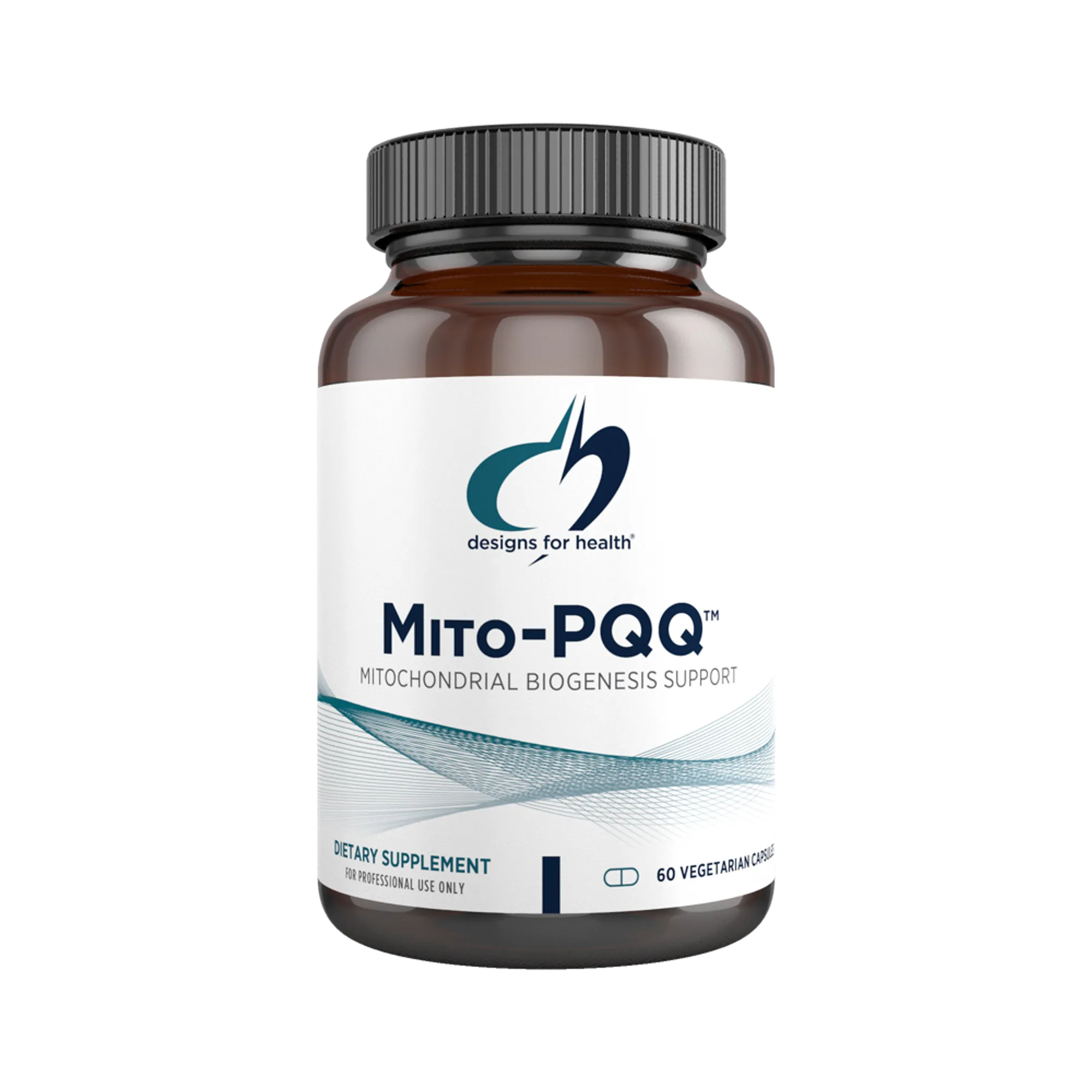
This is where targeted nutritional support comes into play. Mito-PQQ™ by Designs for Health is a specialized supplement formulated to address these exact physiological bottlenecks. By combining pyrroloquinoline quinone (PQQ)—a potent compound known for stimulating the creation of new mitochondria—with the adaptogenic power of Rhodiola rosea, this formulation aims to support cellular energy production, enhance antioxidant status, and promote a healthy response to physiological stress. In this comprehensive guide, we will explore the deep biochemical mechanisms behind Mito-PQQ™, how chronic illness disrupts these pathways, and how this synergistic blend may help patients reclaim a better quality of life.
What is Mito-PQQ™?
The Power of Pyrroloquinoline Quinone (PQQ)
Pyrroloquinoline quinone, commonly known as PQQ, is a naturally occurring, water-soluble, vitamin-like compound found in trace amounts in various plant foods, including kiwi, spinach, and green peppers. Originally discovered as a coenzyme in bacteria, PQQ is now recognized as an essential micronutrient in mammals. At the molecular level, PQQ functions as a highly efficient redox (reduction-oxidation) cofactor. This means it has the unique ability to repeatedly accept and donate electrons, facilitating crucial enzymatic reactions within the cell. Because it can carry out thousands of continuous oxidation-reduction cycles without breaking down, PQQ is an exceptionally potent antioxidant, capable of neutralizing harmful free radicals far more effectively than standard antioxidants like vitamin C.
However, PQQ's most remarkable biological function extends far beyond simple antioxidant defense. It is one of the few known natural substances capable of stimulating mitochondrial biogenesis—the physiological process by which cells grow entirely new, healthy mitochondria. Mitochondria are the microscopic "powerhouses" of our cells, responsible for converting the food we eat and the oxygen we breathe into adenosine triphosphate (ATP), the universal currency of cellular energy. By interacting with specific genetic pathways, PQQ signals the cell to increase its mitochondrial mass, thereby expanding the cell's overall capacity to generate energy, which is a critical factor for energy-demanding tissues like the brain, heart, and skeletal muscles.
The Adaptogenic Strength of Rhodiola Rosea
The second key ingredient in Mito-PQQ™ is Rhodiola rosea, a highly respected medicinal plant traditionally known as "golden root" or "Arctic root." Rhodiola rosea belongs to a unique class of botanical medicines known as adaptogens. An adaptogen is a substance that non-specifically enhances the body's resistance to a wide range of physical, emotional, and environmental stressors, helping the organism maintain or quickly return to a state of physiological homeostasis. Unlike chemical stimulants such as caffeine, which force an artificial energy spike that inevitably leads to a crash, adaptogens work by modulating the body's natural stress response systems, building sustainable energy and preventing physiological exhaustion.
The therapeutic efficacy of Rhodiola rosea is primarily attributed to two distinct classes of bioactive phenylpropanoid compounds: rosavins (including rosavin, rosin, and rosarin) and salidroside (also known as rhodioloside). High-quality clinical extracts, such as the one used in Mito-PQQ™, are typically standardized to contain 3% rosavins and 1% salidroside, mirroring the natural ratio found in the plant's root. Research indicates that while rosavins are crucial for normalizing the stress response, salidroside is highly biologically active and responsible for the plant's potent neuroprotective, antioxidant, and fatigue-fighting properties. Together, these compounds work synergistically to protect cells from oxidative damage and regulate the release of stress hormones.
A Synergistic Approach to Cellular Health
The formulation of Mito-PQQ™ is intentionally designed to address cellular health from two complementary angles. While PQQ focuses on the structural and metabolic foundation of the cell—building new mitochondria and optimizing the biochemical machinery required for ATP production—Rhodiola rosea acts as a protective shield and regulatory governor. It defends these newly formed mitochondria from the damaging effects of chronic stress and prevents the systemic burnout that often accompanies energy deficits.
This synergistic combination is particularly relevant for individuals managing complex chronic illnesses. When the body is trapped in a cycle of chronic inflammation and energy depletion, simply providing raw nutrients is rarely enough. The body needs a signal to rebuild its energy infrastructure (provided by PQQ) alongside a mechanism to calm the hyperactive nervous and endocrine systems that are draining that energy (provided by Rhodiola). By pairing a mitochondrial biogenesis stimulator with a regenerative adaptogen, Mito-PQQ™ offers a comprehensive approach to supporting overall wellness, cognitive health, and healthy aging.
How Long COVID and ME/CFS Impact Mitochondrial Function
The Cellular Energy Crisis
To understand why Mito-PQQ™ is relevant for conditions like Long COVID and ME/CFS, we must first examine how these illnesses disrupt the body at a microscopic level. A growing body of clinical evidence points to mitochondrial dysfunction as a central driver of the profound fatigue and post-exertional malaise (PEM) experienced by patients. In a healthy body, mitochondria efficiently process electrons through the electron transport chain (ETC) to produce ATP. However, in patients with ME/CFS, researchers have documented profoundly depressed oxidative phosphorylation and inefficient electron transport, meaning the cells are literally starving for energy.
In the context of Long COVID, the situation is similarly dire. Recent studies have identified significant mitochondrial structural abnormalities in Long COVID patients, including swollen mitochondria with disrupted cristae (the inner folds where energy production occurs). Furthermore, research suggests that the SARS-CoV-2 virus can physically bind to host mitochondrial proteins, inducing a state of "mitochondriopathy" that inhibits the first steps of energy production. This viral interference reduces the cells' ability to utilize oxygen effectively, leading to the persistent muscle abnormalities, severe fatigue, and symptoms of Long COVID that patients battle daily.
Oxidative Stress and the Vicious Cycle
When mitochondria become damaged or dysfunctional, they don't just stop producing energy; they actively become sources of cellular harm. Dysfunctional mitochondria leak excessive amounts of free radicals, specifically Reactive Oxygen Species (ROS), into the surrounding cellular environment. While a small amount of ROS is normal and used for cellular signaling, massive ROS leakage causes severe oxidative stress. This oxidative stress damages cellular membranes, proteins, and crucially, mitochondrial DNA (mtDNA). Because mtDNA lacks the robust repair mechanisms found in nuclear DNA, it is highly susceptible to this damage.
This creates a devastating vicious cycle: viral infection or chronic illness damages the mitochondria, which then leak ROS, which further damages the remaining healthy mitochondria, leading to even less energy production and more systemic inflammation. Novel biomarkers in Long COVID patients have shown reduced levels of circulating cell-free mitochondrial DNA (ccf-mtDNA), indicating impaired mitochondrial recycling and clearance. This ongoing oxidative stress loop traps patients in a state of systemic fatigue, making standard recovery through rest alone nearly impossible.
HPA Axis Dysregulation and Burnout
Beyond the cellular level, complex chronic illnesses severely impact the body's macro-level stress management systems, particularly the Hypothalamic-Pituitary-Adrenal (HPA) axis. The HPA axis is a complex set of direct influences and feedback interactions among the hypothalamus, the pituitary gland, and the adrenal glands. It controls our reaction to stress and regulates many body processes, including digestion, the immune system, mood, and energy storage. In conditions like ME/CFS and dysautonomia, the constant physiological stress of chronic inflammation, pain, and autonomic nervous system dysfunction keeps the HPA axis in a state of chronic hyperactivation.
Over time, this chronic activation leads to HPA axis dysregulation or "burnout." The body loses its ability to appropriately modulate the release of cortisol and other stress hormones. Patients may experience blunted morning cortisol levels (making it incredibly difficult to wake up and start the day) alongside inappropriate spikes of adrenaline in response to minor physical or emotional stressors. This dysregulation exacerbates the causes of Long COVID symptoms, leading to severe stress intolerance, unrefreshing sleep, and the classic "wired but tired" feeling that many patients report.
Mito-PQQ™: Supporting Mitochondrial Biogenesis and Stress Resilience
Triggering Mitochondrial Biogenesis with PQQ
The primary mechanism by which PQQ supports patients with chronic fatigue is through the activation of mitochondrial biogenesis. Instead of merely trying to force damaged, post-viral mitochondria to work harder—which often just produces more damaging free radicals—PQQ stimulates the body to grow entirely new, healthy mitochondria. Seminal research has elucidated the exact molecular cascade PQQ uses to achieve this. It begins with PQQ's redox cycling, which oxidizes NADH to generate NAD+. This increased cellular NAD+/NADH ratio activates SIRT1 (Sirtuin 1), a crucial NAD-dependent deacetylase enzyme.
Once activated, SIRT1 deacetylates and activates a protein called PGC-1α (Peroxisome proliferator-activated receptor-gamma coactivator 1-alpha), which is widely considered the "master regulator" of mitochondrial biogenesis. Simultaneously, PQQ exposure triggers the phosphorylation of CREB (cAMP response element-binding protein). Phosphorylated CREB directly binds to the promoter region of the PGC-1α gene, greatly increasing its expression. PGC-1α then translocates into the cell nucleus, where it co-activates nuclear respiratory factors (NRF-1 and NRF-2).
Finally, these factors upregulate the expression of TFAM (Mitochondrial Transcription Factor A). TFAM directly binds to mitochondrial DNA to initiate its replication and transcription. The end result of this complex biochemical domino effect is the creation of fresh, highly efficient mitochondria that can produce ATP without leaking excessive ROS. By increasing mitochondrial density, PQQ directly addresses the cellular energy deficit at the core of ME/CFS and Long COVID.
Modulating the Stress Response with Rhodiola
While PQQ rebuilds the cellular engine, Rhodiola rosea works to repair the body's stress response via the HPA axis. The bioactive compound salidroside has been shown to directly modulate the hypothalamus. Specifically, it reduces the expression of c-Fos in the paraventricular nucleus (PVN) of the hypothalamus. c-Fos is a marker of neuronal activation that triggers the release of corticotropin-releasing hormone (CRH), which ultimately leads to cortisol spikes. By dampening this hyperactive response, Rhodiola helps prevent the excessive cortisol surges that contribute to autonomic crashes and stress intolerance in dysautonomia patients.
Furthermore, Rhodiola rosea acts as a mild, natural inhibitor of monoamine oxidase (MAO) enzymes, specifically MAO-A and MAO-B. These enzymes are responsible for breaking down crucial neurotransmitters in the brain, including serotonin, dopamine, and norepinephrine. By gently inhibiting their breakdown, Rhodiola helps maintain higher, more stable levels of these "feel-good" and "focus" neurotransmitters. This mechanism is particularly beneficial for combating the severe brain fog, cognitive fatigue, and mood dysregulation frequently reported by Long COVID long-haulers.
Antioxidant Defense and Neuroprotection
Both PQQ and Rhodiola offer profound antioxidant and neuroprotective benefits, which are vital for calming the neuroinflammation suspected in complex chronic illnesses. Because PQQ is situated directly inside the mitochondria, it is perfectly positioned to neutralize superoxide and hydroxyl radicals at their source, before they can damage the fragile mitochondrial DNA. This aggressive clearing of ROS helps lower systemic inflammatory markers, such as C-reactive protein (CRP) and Interleukin-6 (IL-6), which are often elevated in post-viral syndromes.
Additionally, PQQ has been shown to stimulate the production of Nerve Growth Factor (NGF), a protein essential for the growth, maintenance, and survival of neurons. This neurotrophic support helps protect the brain from oxidative damage and supports the repair of peripheral nerves. Concurrently, salidroside from Rhodiola stabilizes HIF-1α (Hypoxia-inducible factor 1-alpha) proteins, which are crucial for cellular adaptation to low-oxygen environments—a common issue in Long COVID due to microvascular clotting. Together, they provide a robust defense against the neurological and systemic damage caused by chronic illness.

Symptoms Mito-PQQ™ May Help Manage
Based on the pharmacological mechanisms of PQQ and Rhodiola rosea, Mito-PQQ™ may offer targeted support for several debilitating symptoms associated with complex chronic conditions:
Profound Fatigue and Post-Exertional Malaise (PEM): By stimulating the PGC-1α pathway and creating new, healthy mitochondria, PQQ increases the body's overall capacity to generate ATP. This directly counteracts the cellular energy deficit that causes severe physical exhaustion and helps raise the threshold at which exertion triggers a PEM crash.
Brain Fog and Cognitive Impairment: Rhodiola's ability to inhibit MAO enzymes helps sustain levels of dopamine and serotonin, improving focus and mental clarity. Simultaneously, PQQ stimulates Nerve Growth Factor (NGF) production, protecting neurons from oxidative stress and supporting memory and attention.
Stress Intolerance and "Wired but Tired" Sensations: The adaptogenic properties of salidroside and rosavins modulate the HPA axis, dampening hyperactive cortisol responses. This helps calm the autonomic nervous system, reducing the severe physical reactions patients often have to minor emotional or environmental stressors.
Muscle Weakness and Poor Endurance: Dysfunctional mitochondria in skeletal muscle lead to rapid lactic acid buildup and weakness. By replacing damaged mitochondria with efficient new ones, PQQ improves oxygen utilization and energy substrate storage within muscle tissue, supporting better physical endurance.
Systemic Inflammation and Joint Pain: Both ingredients are potent antioxidants. By neutralizing the excessive Reactive Oxygen Species (ROS) leaking from damaged mitochondria, Mito-PQQ™ helps break the cycle of oxidative stress, which can lead to reductions in systemic inflammatory markers and associated body pain.
Practical Considerations: Forms, Dosing, and Absorption
Bioavailability of PQQ and Rhodiola
When considering any supplement, understanding how well the body absorbs and utilizes the ingredients (bioavailability) is just as important as the ingredients themselves. The PQQ used in clinical-grade supplements like Mito-PQQ™ is typically formulated as PQQ disodium salt. This form is considered the gold standard because it is highly water-soluble (>50 mg/mL) compared to the raw free acid form, leading to significantly higher plasma concentrations. Following oral ingestion, PQQ is readily absorbed in the lower intestinal tract, reaching peak serum concentrations roughly 2 to 3 hours after administration.
The bioactive compounds in Rhodiola rosea, particularly salidroside, are also water-soluble and rapidly absorbed in the intestines via the Sodium-dependent Glucose Transporter (SGLT1). Pharmacokinetic studies show that salidroside acts quickly, with peak blood plasma concentrations generally reached within 30 minutes to 2 hours after oral ingestion. Because both compounds are relatively fast-acting but have relatively short half-lives, consistent daily dosing is required to maintain their therapeutic effects on mitochondrial and HPA axis function.
Optimal Dosing and Timing
Mito-PQQ™ provides 20 mg of Pyrroloquinoline Quinone Disodium Salt and 300 mg of Rhodiola Extract (standardized to 3% rosavins and 1% salidroside) per two-capsule serving. This aligns perfectly with the standard clinical doses used in human trials. For PQQ, the vast majority of studies demonstrating cognitive and fatigue benefits utilize doses between 10 mg and 20 mg per day. For Rhodiola, effective human doses for combating daily stress and fatigue typically range from 200 mg to 600 mg per day.
Regarding timing, it is highly recommended to take Mito-PQQ™ in the morning or early afternoon. Because Rhodiola rosea is a mildly stimulating adaptogen that enhances cellular energy and modulates neurotransmitters, taking it late in the day or in the evening can lead to overstimulation and insomnia. Taking the supplement on an empty stomach (about 30 minutes before a meal) may help maximize the intestinal absorption of both the PQQ and the Rhodiola extract.
Safety, Precautions, and Interactions
While both PQQ and Rhodiola are generally well-tolerated with high safety margins, there are critical drug interactions and contraindications that patients must be aware of. Crucially, Rhodiola rosea is a potent inhibitor of several Cytochrome P450 (CYP450) liver enzymes, particularly CYP3A4, CYP2C9, and CYP2D6. Because these enzymes metabolize a vast majority of pharmaceutical drugs, Rhodiola can significantly alter the blood levels of medications like antihypertensives (e.g., Losartan) and blood thinners. Furthermore, due to its mild MAO-inhibiting properties, combining Rhodiola with Selective Serotonin Reuptake Inhibitors (SSRIs) or other serotonergic antidepressants carries a risk of serotonin syndrome, a potentially dangerous condition caused by excess serotonin in the brain.
PQQ also carries a highly specific, absolute contraindication for patients with end-stage kidney disease who are on dialysis. This is due to the use of GDH-PQQ (glucose dehydrogenase pyrroloquinoline quinone) blood glucose monitoring systems in some medical settings. The supplemental PQQ can interfere with the test methodology, yielding falsely elevated blood glucose readings that could prompt dangerous overtreatment with insulin. As always, patients managing complex conditions with multiple prescription medications must consult their healthcare provider before introducing Mito-PQQ™ into their regimen.

Follow the Science
Clinical Evidence for PQQ in Chronic Fatigue
The therapeutic potential of PQQ for complex fatigue syndromes is moving rapidly from theoretical biochemistry into structured clinical trials. A notable 2023 targeted nutritional trial evaluated a mitochondrial protocol in 180 patients suffering from chronic fatigue. The treatment group received a daily combination of 40 mg PQQ, 200 mg CoQ10, and an NAD+ precursor for 6 months. The results were highly statistically significant: the treatment group demonstrated a 3.2-point improvement in fatigue scores compared to just 0.8 in the placebo group. Furthermore, researchers measured a 35% increase in mitochondrial respiratory capacity and a 30% reduction in oxidative stress markers, proving that PQQ can successfully rescue cellular energy systems in vivo.
Other open-label clinical studies investigating nutraceutical blends containing PQQ have shown similar promise. Reductions in physical, mental, and mood-related fatigue (measured by validated tools like the Piper Fatigue Scale) have been observed as early as one week into supplementation. In specialized Long COVID clinics, PQQ is increasingly being utilized in "tissue repair" protocols, introduced after viral persistence and microclots are addressed, to reverse the metabolic abnormalities that mirror ME/CFS and restore baseline energy production.
Rhodiola Rosea Trials for Post-Viral Fatigue
Rhodiola rosea has a robust history of clinical validation for stress-related fatigue, and recent trials have specifically targeted post-viral conditions. A landmark 2022 randomized, quadruple-blind, placebo-controlled trial published in Pharmaceuticals investigated the use of an adaptogenic blend containing Rhodiola rosea in 100 Long COVID patients over 14 days. The adaptogen group saw a remarkable doubling of their physical performance, with average walking time increasing from 18 minutes to 36 minutes. Furthermore, the treatment significantly decreased the duration of fatigue and chronic pain, and lowered blood creatinine levels, suggesting protective effects on organ function.
Similarly, a widely cited 2017 open-label clinical trial investigated a standardized Rhodiola extract in 100 subjects with prolonged or chronic fatigue symptoms. Patients received 400 mg daily for 8 weeks. By the end of the trial, researchers recorded a 41.8% reduction in total stress scores and a 38.8% reduction in fatigue scores, with significant improvements noted in hallmark ME/CFS symptoms like unrefreshing sleep and short-term memory impairment. Remarkably, 83% of the participants reported feeling "very much" or "much" improved overall.
The Future of Mitochondrial Research
The scientific community is finally recognizing that the profound exhaustion seen in Long COVID and ME/CFS is a physiological, measurable phenomenon, not a psychological one. As research advances, we are seeing the development of novel diagnostics, such as measuring circulating cell-free mitochondrial DNA (ccf-mtDNA) to quantify mitochondrial damage. As our understanding of these biomarkers grows, targeted interventions like PQQ and Rhodiola that directly address mitochondrial biogenesis and oxidative stress will likely become foundational components of standardized post-viral recovery protocols.
The Path Forward
Integrating Supplements into Your Care Plan
Living with an invisible, unpredictable, and deeply complex chronic illness is an exhausting journey. It is completely valid to feel frustrated by the lack of definitive answers and the daily struggle to manage debilitating symptoms. While Mito-PQQ™ offers a scientifically grounded approach to supporting mitochondrial health and stress resilience, it is important to view it as one piece of a comprehensive, holistic management strategy. Supplements work best when they are integrated into a broader care plan that includes aggressive rest, meticulous symptom tracking, and strict pacing to avoid triggering post-exertional malaise.
Healing at the cellular level takes time. Because Mito-PQQ™ works by stimulating the biological creation of new mitochondria and modulating deep-seated endocrine pathways, it is not a quick fix. Patients should typically allow several weeks of consistent use to evaluate its impact on their baseline energy levels, cognitive clarity, and stress tolerance. Always work closely with a dysautonomia or ME/CFS-literate healthcare provider who can help monitor your progress, manage potential medication interactions, and tailor your treatment to your unique physiological needs.
Exploring Your Options
If you and your healthcare provider believe that targeted mitochondrial and adaptogenic support could benefit your recovery journey, you can learn more about this specific formulation below.