Can Migranol™ Support Brain Health and Relieve Migraines in Long COVID?
March 6, 2026
MigranolLong COVIDMigraines
Share:
Disclaimer: The information provided here is for educational purposes only and is not intended as medical advice. It should not be used to diagnose, treat, cure, or prevent any medical condition. Instead, use it as a starting point for discussion with your healthcare provider. Always consult with a qualified healthcare provider before starting any new medication, supplement, device, or making changes to your health regimen.
For individuals living with complex chronic conditions like Long COVID, myalgic encephalomyelitis/chronic fatigue syndrome (ME/CFS), and dysautonomia, the daily reality often involves a relentless battle against invisible symptoms. Among the most debilitating of these are severe migraines, profound brain fog, and a nervous system that feels constantly overstimulated. When your brain feels like it is on fire and your muscles refuse to relax, finding targeted, science-backed relief becomes a top priority. Many patients find themselves frustrated by conventional treatments that only mask the pain without addressing the underlying cellular dysfunction and neuroinflammation driving their symptoms.
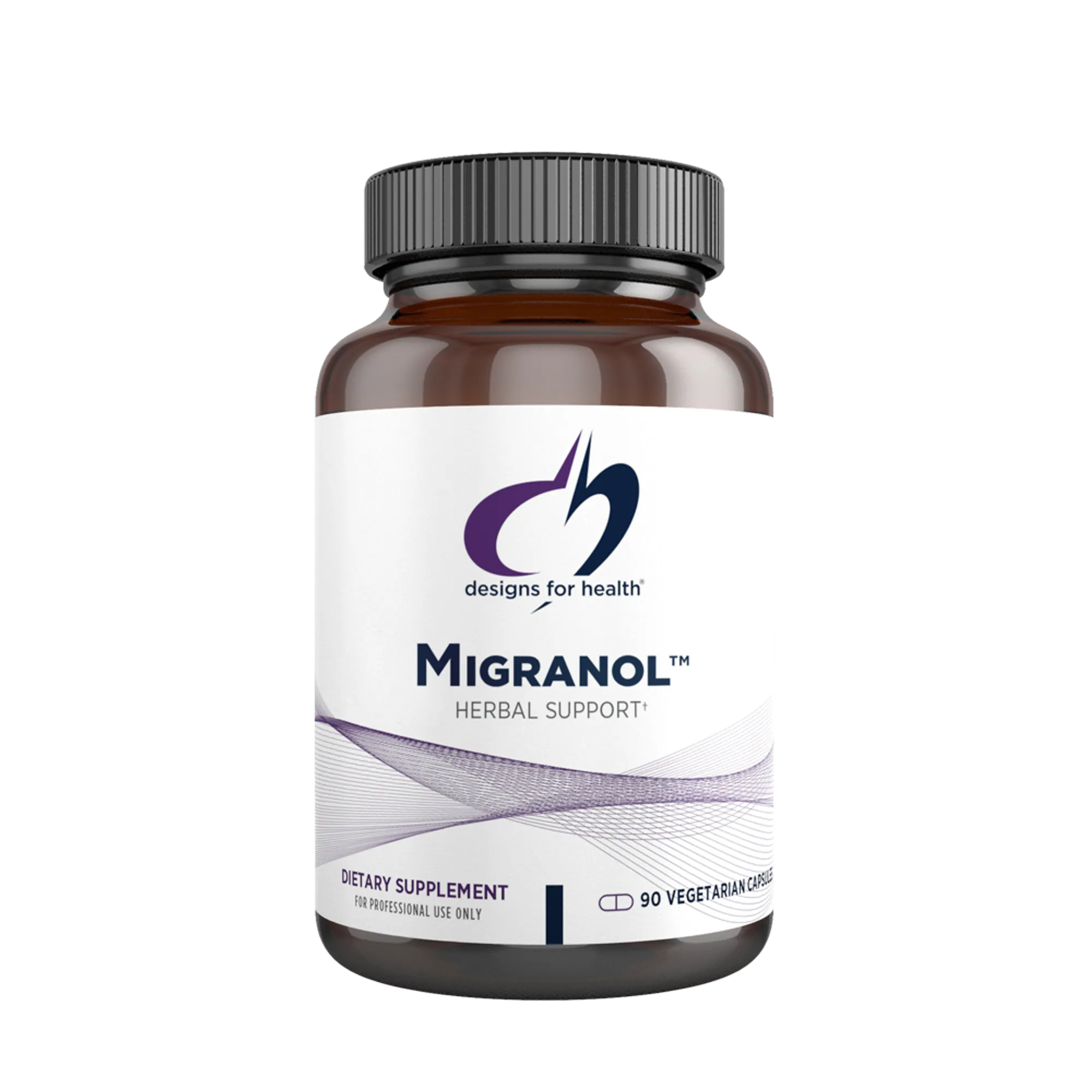
This is where specialized, multi-pathway nutraceuticals come into play. Migranol™, formulated by Designs for Health, is a targeted supplement designed to support brain health, promote a healthy inflammatory response, and encourage muscle relaxation. By combining highly bioavailable essential nutrients like magnesium and riboflavin with potent botanical extracts such as feverfew, curcumin, and rosemary, Migranol addresses the root mechanisms of neurological stress. In this comprehensive guide, we will explore the intricate biochemistry behind Migranol's ingredients, how chronic illness disrupts these pathways, and how this synergistic blend may help you reclaim your cognitive clarity and neurological stability.
TL;DR
Migranol™ combines magnesium, riboflavin, and botanicals to support brain health and neurological stability.
The supplement targets neuroinflammation and cellular energy deficits common in Long COVID and ME/CFS.
It may help manage chronic migraines, brain fog, and muscle tension.
Always consult your healthcare provider before adding new supplements to your treatment plan.
What is Migranol™?
A Multi-Pathway Approach to Neurological Health
Migranol™ is a comprehensive nutraceutical formulation engineered by Designs for Health to provide targeted support for the central nervous system, vascular tone, and cellular energy production. Unlike single-ingredient supplements, Migranol utilizes a multi-pathway approach, combining essential vitamins, vital minerals, and standardized botanical extracts. In a healthy body, the nervous system relies on a delicate balance of neurotransmitters, efficient mitochondrial energy output, and a tightly regulated inflammatory response to function optimally. When these systems are in harmony, the brain can process information clearly, blood vessels maintain appropriate tone without spasming, and muscles contract and relax smoothly.
At the core of Migranol's formula are two foundational nutrients: riboflavin (Vitamin B2) and magnesium. Riboflavin is an essential water-soluble vitamin that acts as a crucial precursor to two major coenzymes: flavin mononucleotide (FMN) and flavin adenine dinucleotide (FAD). These coenzymes are absolute requirements for the mitochondrial electron transport chain, specifically within Complex I and Complex II. Without adequate riboflavin, the mitochondria cannot efficiently transfer electrons, leading to a drop in adenosine triphosphate (ATP) production—the primary energy currency of the cell. In the brain, which consumes roughly 20% of the body's total energy despite being only 2% of its weight, robust ATP production is critical for maintaining the electrical gradients necessary for nerve transmission.
Magnesium, included in Migranol as Di-Magnesium Malate, is the fourth most abundant mineral in the human body and acts as a cofactor in over 300 enzymatic reactions. At the molecular level, magnesium is essential for stabilizing the ATP molecule itself; ATP must bind to a magnesium ion to become biologically active. Furthermore, in the central nervous system, magnesium serves as a natural blocker of the N-methyl-D-aspartate (NMDA) receptor. By sitting inside the calcium channel of the NMDA receptor, magnesium prevents the excessive influx of calcium into the neuron, thereby protecting the brain from glutamate-induced excitotoxicity and maintaining a calm, balanced nervous system.
The Power of Standardized Botanical Extracts
Beyond foundational nutrients, Migranol incorporates three potent botanical extracts specifically chosen for their ability to modulate inflammation and vascular health. The first is Feverfew (Tanacetum parthenium), an herb with a centuries-long history of traditional use for head tension. The primary bioactive compound in feverfew is a sesquiterpene lactone called parthenolide. Parthenolide interacts directly with the transient receptor potential ankyrin 1 (TRPA1) channels located on sensory nerve endings. By initially stimulating and then rapidly desensitizing these channels, feverfew is thought to help manage head tension.
The formula also features Curcumin C3 Complex®, a highly standardized extract derived from turmeric (Curcuma longa) rhizomes. Curcumin is a lipophilic polyphenol renowned for its profound antioxidant and anti-inflammatory properties. At the cellular level, curcumin exerts its effects by inhibiting the activation of nuclear factor kappa B (NF-κB), a master transcription factor that regulates the expression of numerous pro-inflammatory genes. By downregulating NF-κB, curcumin effectively suppresses the production of inflammatory cytokines such as interleukin-6 (IL-6) and tumor necrosis factor-alpha (TNF-α), helping to maintain a healthy inflammatory response throughout the body and the brain.
Finally, Migranol includes Rosemary Extract (Rosmarinus officinalis), standardized to contain 7% carnosic acid. Carnosic acid is a unique, fat-soluble antioxidant that has the remarkable ability to cross the blood-brain barrier. Once inside the brain, it activates the Nrf2 pathway, a cellular defense mechanism that upregulates the production of endogenous antioxidant enzymes like glutathione peroxidase and superoxide dismutase. This provides robust protection for delicate neural tissues against oxidative stress and lipid peroxidation, working synergistically with curcumin to support overall brain health and resilience.
How Chronic Illness Impacts the Nervous System and Brain
The Vicious Cycle of Neuroinflammation
To understand why a supplement like Migranol is so relevant, we must first examine how complex chronic illnesses disrupt the body's natural equilibrium. In conditions such as Long COVID and myalgic encephalomyelitis/chronic fatigue syndrome (ME/CFS), the initial viral infection often triggers a cascade of immune dysregulation that persists long after the acute virus has been cleared. One of the most significant consequences of this persistent immune activation is neuroinflammation. When the immune system remains locked in a hyperactive state, it continuously pumps out pro-inflammatory cytokines. These inflammatory molecules can compromise the integrity of the blood-brain barrier, allowing them to infiltrate the central nervous system.
Once inside the brain, these cytokines activate microglia and astrocytes—the resident immune cells of the central nervous system. Instead of performing their normal maintenance duties, these glial cells become reactive, releasing their own localized inflammatory mediators and generating massive amounts of reactive oxygen species (ROS). This chronic state of neuroinflammation creates a highly toxic environment for neurons, leading to the severe cognitive impairment commonly referred to as "brain fog," as well as heightened pain sensitivity and central sensitization. This is a primary reason why Long COVID symptoms come and go in waves, often correlating with spikes in systemic inflammation.
Mitochondrial Dysfunction and Energy Deficits
Another hallmark of these chronic conditions is profound mitochondrial dysfunction. Research indicates that the SARS-CoV-2 spike protein, as well as the chronic oxidative stress seen in ME/CFS, can directly damage mitochondrial membranes and disrupt the electron transport chain. When mitochondria fail to produce adequate ATP, the cells are left starved for energy. In the brain, this energy deficit is catastrophic. Neurons require massive amounts of ATP to maintain their resting membrane potentials and to clear out excitatory neurotransmitters like glutamate from the synaptic cleft.
When energy levels drop, glutamate lingers in the synapse, repeatedly stimulating NMDA receptors and causing an influx of calcium into the postsynaptic neuron. This excitotoxicity not only damages the neuron but also rapidly depletes intracellular magnesium stores, as the body desperately tries to plug the NMDA receptors and halt the calcium flood. This creates a vicious cycle: mitochondrial dysfunction leads to excitotoxicity, which depletes magnesium, which in turn further impairs ATP production (since ATP requires magnesium to function), ultimately worsening the patient's fatigue, muscle tension, and neurological symptoms.
Cortical Spreading Depression and Migraines
The combination of neuroinflammation, mitochondrial energy deficits, and magnesium depletion sets the perfect stage for severe neurological events, particularly migraines. In patients with Long COVID and dysautonomia, the threshold for triggering a migraine is drastically lowered. The underlying mechanism of a migraine attack often begins with a phenomenon known as Cortical Spreading Depression (CSD)—a slow-moving wave of intense electrical depolarization that sweeps across the cerebral cortex, followed by a prolonged period of suppressed brain activity.
This wave of depolarization causes a massive release of potassium, glutamate, and ATP into the extracellular space, which in turn activates the trigeminal nerve. Once activated, the trigeminal nerve releases potent vasodilators, most notably calcitonin gene-related peptide (CGRP) and Substance P. These neuropeptides cause the blood vessels in the meninges (the membranes surrounding the brain) to rapidly dilate and become inflamed, resulting in the throbbing, agonizing pain characteristic of a migraine. In patients with mast cell activation syndrome (MCAS), this process is further exacerbated by the inappropriate degranulation of mast cells near these blood vessels, releasing histamine and driving even more inflammation and vasodilation.
Migranol™: Supporting Brain Health and Inflammatory Response
Stabilizing Neural Pathways and Vascular Tone
Migranol™ is specifically formulated to intervene in these destructive cycles by supplying the exact nutrients and botanical compounds needed to restore neurological stability. One of the primary ways it achieves this is through the inclusion of Di-Magnesium Malate. By providing a highly bioavailable source of magnesium, Migranol helps to replenish the intracellular stores that are so rapidly depleted during chronic illness. Once restored, this magnesium acts as a crucial physiological brake on the nervous system. It binds to the magnesium site on the NMDA receptors, effectively blocking the excessive influx of calcium and halting the excitotoxic damage caused by lingering glutamate.
Furthermore, magnesium acts as a natural calcium-channel blocker in the smooth muscle cells lining the blood vessels. During a migraine attack, blood vessels undergo erratic spasms of constriction followed by painful dilation. Magnesium helps to stabilize vascular tone, preventing these extreme fluctuations and promoting a healthy, steady flow of blood to the brain. This vascular stabilization is particularly beneficial for patients dealing with dysautonomia and postural orthostatic tachycardia syndrome (POTS), where blood flow regulation to the brain is frequently compromised.
Restoring Cellular Energy Production
To address the profound energy deficits seen in ME/CFS and Long COVID, Migranol delivers a targeted 150 mg dose of riboflavin (Vitamin B2). By supplying the raw material needed to synthesize FMN and FAD, riboflavin directly supports the function of Complex I and Complex II in the mitochondrial electron transport chain. StatPearls research on Migraine with Aura discusses the complex pathophysiology of migraines, moving beyond outdated theories of simple vasodilation and vasoconstriction.
The addition of malate (from the Di-Magnesium Malate) provides a secondary boost to cellular energy. Malate is a key intermediate in the Krebs cycle (citric acid cycle), the metabolic pathway that generates the electrons needed to fuel the electron transport chain. By providing both riboflavin to support the electron carriers and malate to fuel the cycle itself, Migranol offers comprehensive support for ATP production, helping to clear brain fog and reduce the profound post-exertional malaise (PEM) that characterizes these chronic conditions.
Modulating the Inflammatory Cascade
To combat the persistent neuroinflammation driven by microglial activation, Migranol leverages the synergistic power of its botanical extracts. The Curcumin C3 Complex® works systemically to inhibit the NF-κB pathway, effectively lowering the production of pro-inflammatory cytokines like IL-6 and TNF-α. This helps to quiet the overall immune response and reduce the inflammatory burden on the blood-brain barrier. Because curcumin is a large, lipophilic molecule, its effects are beautifully complemented by the smaller carnosic acid molecules found in the rosemary extract.
Carnosic acid easily crosses the blood-brain barrier, where it acts as a highly targeted neuroprotective agent. By activating the Nrf2 pathway, it stimulates the brain's own endogenous antioxidant defenses, neutralizing the reactive oxygen species generated by overactive glial cells. Meanwhile, the feverfew extract works directly on the trigeminovascular system. The parthenolide in feverfew desensitizes the TRPA1 channels, directly inhibiting the release of CGRP. By blocking CGRP, feverfew prevents the painful vasodilation and neurogenic inflammation that cause the throbbing pain of a migraine, providing a multi-tiered defense against neurological distress.

Symptoms Migranol™ May Help Manage
Neurological and Cognitive Symptoms
Migraines and Chronic Headaches: By combining magnesium to stabilize vascular tone, feverfew to inhibit CGRP-driven vasodilation, and riboflavin to support mitochondrial energy, Migranol targets the root mechanisms of migraine generation, potentially reducing their frequency and severity.
Brain Fog and Cognitive Dysfunction: The neuroprotective antioxidant effects of carnosic acid (from rosemary) and curcumin help to neutralize the oxidative stress and neuroinflammation that impair cognitive processing and memory retrieval in Long COVID and ME/CFS.
Sensory Overload and Light/Sound Sensitivity: Magnesium's role as an NMDA receptor antagonist helps calm an overexcited central nervous system, raising the threshold for sensory stimuli and reducing the overwhelming feeling of sensory overload common in dysautonomia.
Physical and Muscular Symptoms
Muscle Tension and Cramping: Di-Magnesium Malate provides highly bioavailable magnesium to the muscle tissues, where it competes with calcium to promote muscle fiber relaxation, easing the chronic neck and shoulder tension that often accompanies or precedes migraines.
Fatigue and Low Cellular Energy: The synergistic combination of riboflavin (supporting the electron transport chain) and malate (fueling the Krebs cycle) provides essential substrates for mitochondrial ATP production, helping to combat the profound cellular exhaustion seen in post-viral syndromes.
Systemic Inflammation: The standardized Curcumin C3 Complex® helps modulate the body's overall inflammatory response by downregulating key inflammatory pathways, which may help alleviate the generalized aches and pains associated with chronic immune activation.
Practical Considerations: Forms, Dosing, and Absorption
The Importance of Bioavailable Forms
When selecting a supplement for complex chronic illness, the specific forms of the ingredients are just as important as the ingredients themselves. Patients with Long COVID, ME/CFS, and MCAS often suffer from compromised gastrointestinal function, including gut dysbiosis and impaired absorption. Migranol™ addresses this by utilizing highly bioavailable and standardized forms of its active compounds. For instance, many over-the-counter magnesium supplements use magnesium oxide, a cheap form with very poor absorption rates that frequently causes osmotic diarrhea and gastrointestinal distress. Migranol, however, uses Di-Magnesium Malate, a chelated form where magnesium is bound to malic acid. This chelation process significantly enhances intestinal absorption and is exceptionally gentle on the stomach, ensuring the mineral actually reaches the tissues where it is needed.
Similarly, the botanical extracts in Migranol are rigorously standardized. The Curcumin C3 Complex® is standardized to contain 95% curcuminoids (curcumin, bisdemethoxycurcumin, and demethoxycurcumin), ensuring a consistent, potent dose in every capsule. The rosemary extract is standardized to 7% carnosic acid, guaranteeing the delivery of the specific active compound responsible for its neuroprotective effects. This level of standardization is crucial for achieving predictable, therapeutic outcomes, as non-standardized herbal powders can vary wildly in their active constituent levels from batch to batch.
Optimal Dosing and Absorption Tips
The suggested use for Migranol is three capsules per day, or as directed by a healthcare practitioner. Because curcumin is a fat-soluble compound, its absorption is significantly enhanced when taken alongside a meal that contains healthy fats, such as avocado, olive oil, or nuts. Taking the supplement with food can also help minimize any potential mild stomach upset from the botanical extracts. For patients using Migranol to support migraine management, consistency is key. The natural compounds in this formula, particularly riboflavin and feverfew, often require several weeks of daily use to build up in the tissues and modulate the underlying biochemical pathways effectively.
Safety and Potential Interactions
While Migranol is formulated with natural ingredients, it is important to consider potential interactions, especially for patients managing complex medication regimens. Feverfew and curcumin both possess mild anti-platelet properties, meaning they can naturally thin the blood. Therefore, patients taking prescription blood thinners (anticoagulants) or anti-platelet medications should consult their doctor before starting Migranol to avoid an increased risk of bruising or bleeding. Additionally, because magnesium can bind to certain medications in the digestive tract, it is generally recommended to take magnesium-containing supplements at least two hours apart from antibiotics (like tetracyclines or fluoroquinolones) and thyroid medications. Always discuss new supplements with your healthcare provider to ensure they fit safely into your overall treatment plan for Long COVID or other chronic conditions.

Follow the Science
Clinical Trials on Botanical Extracts
Botanical approaches like feverfew are traditionally used for headache management, and understanding diverse therapeutic mechanisms remains essential to comprehensive migraine care.
A recent narrative review explores mitochondrial reactive oxygen species as a unifying mechanism in Long COVID and spike protein-associated injury. In the context of Long COVID, where persistent immune activation is a primary driver of symptoms, addressing neuroinflammatory burden and oxidative stress is highly valuable for managing brain fog and chronic pain.
The Evidence for Magnesium and Riboflavin
Clinical resources like StatPearls emphasize the importance of understanding migraine pathophysiology to improve diagnosis and evidence-based management. Studies indicate that up to 50% of migraine patients have lowered levels of ionized magnesium during an attack. Clinical trials have consistently shown that daily magnesium supplementation can significantly reduce the frequency of attacks, particularly in patients with aura or menstrually-related migraines, by raising the threshold for Cortical Spreading Depression.
Similarly, riboflavin has been shown to be highly effective in addressing the mitochondrial dysfunction associated with migraines. While many monotherapy trials utilize a high dose of 400 mg per day, current literature emphasizes that understanding the phases of migraine attacks—prodrome, aura, headache, and postdrome—is crucial for effective management. A synergistic approach allows for comprehensive mitochondrial and vascular support.
The Path Forward
A Comprehensive Approach to Healing
Living with the unpredictable and often debilitating symptoms of Long COVID, ME/CFS, dysautonomia, or MCAS is an incredibly challenging journey. When your days are dictated by severe migraines, crushing fatigue, and relentless brain fog, it is entirely valid to feel overwhelmed and frustrated by the lack of simple answers. It is important to remember that these symptoms are not in your head—they are the result of measurable physiological disruptions, including neuroinflammation, mitochondrial dysfunction, and vascular instability. While there is no single magic pill that can instantly cure these complex conditions, understanding the underlying mechanisms empowers you to make targeted, science-based decisions about your care.
Supplements like Migranol™ represent a crucial piece of a much larger management puzzle. By providing your body with the specific nutrients and botanical compounds it needs to stabilize neural pathways, boost cellular energy, and calm inflammation, you can begin to raise your threshold for symptom flares. However, this nutritional support is most effective when combined with a comprehensive, holistic approach. This includes meticulous symptom tracking, strict adherence to pacing to avoid post-exertional malaise, identifying and avoiding specific dietary or environmental triggers, and working closely with a knowledgeable medical team to explore all available options for living with long-term COVID.
Taking the Next Step
If you are struggling with chronic migraines, brain fog, or persistent muscle tension as part of your complex chronic illness, Migranol may offer the multi-pathway support your nervous system needs to find balance. Always consult with your healthcare provider before introducing new supplements, especially if you are currently taking prescription medications or managing multiple overlapping conditions. With patience, targeted nutritional support, and compassionate medical care, it is possible to reduce the frequency and severity of your symptoms and improve your overall quality of life.