Can Methylcobalamin (Vitamin B12) Support Energy and Brain Fog in Long COVID and ME/CFS?
March 5, 2026
MethylcobalaminVitamin B12Long COVID
Share:
Disclaimer: The information provided here is for educational purposes only and is not intended as medical advice. It should not be used to diagnose, treat, cure, or prevent any medical condition. Instead, use it as a starting point for discussion with your healthcare provider. Always consult with a qualified healthcare provider before starting any new medication, supplement, device, or making changes to your health regimen.
Months or even years after recovering from an initial viral infection, many people find themselves fighting a daily battle against debilitating symptoms. The profound exhaustion, the unpredictable cognitive dysfunction often described as "brain fog," and the painful tingling of neuropathy are hallmarks of complex chronic conditions like Long COVID and myalgic encephalomyelitis/chronic fatigue syndrome (ME/CFS). When standard blood panels come back "normal," patients are often left searching for answers, wondering why their bodies are struggling to produce basic cellular energy or maintain clear neurological function. One critical piece of this complex biological puzzle lies in a fundamental nutrient: Vitamin B12.
However, not all forms of Vitamin B12 are created equal. While synthetic forms are common in standard multivitamins, the body requires a highly specific, biologically active coenzyme known as methylcobalamin to perform its most vital tasks. From repairing the protective myelin sheaths around damaged nerves to fueling the mitochondrial engines that power our cells, methylcobalamin is a non-negotiable requirement for human biochemistry. For individuals living with post-viral syndromes, dysautonomia, and mast cell activation syndrome (MCAS), understanding how viral infections deplete this essential nutrient—and how targeted supplementation can help restore disrupted cellular pathways—can be a transformative step in managing chronic symptoms and improving daily quality of life.
What is Methylcobalamin?
The Active Coenzyme Form of Vitamin B12
Vitamin B12, scientifically known as cobalamin, is a complex, water-soluble vitamin characterized by a rare biochemical structure: it contains a central cobalt atom. In human biology, Vitamin B12 exists in two biologically active coenzyme forms, one of which is methylcobalamin. Unlike synthetic versions of the vitamin that must undergo extensive biotransformation in the liver, methylcobalamin is already fully active and ready to be utilized by the body's cells. It is the primary form of Vitamin B12 found circulating in blood plasma and within the cytosol (the fluid inside cells), making it immediately available to cross the blood-brain barrier and support the central nervous system.
To understand the profound importance of methylcobalamin, we must look at its role as a molecular catalyst. In human biochemistry, methylcobalamin is the specific and exclusive cofactor required for the function of an enzyme called methionine synthase. This zinc-dependent enzyme acts as the critical bridge between two of the body's most important biochemical loops: the folate cycle and the methionine cycle. Without methylcobalamin, these cycles grind to a halt, leading to a cascade of cellular failures that affect everything from DNA synthesis to energy metabolism.
The Methionine Synthase Pathway
The mechanism of action for methionine synthase is a marvel of cellular engineering. The enzyme relies on methylcobalamin to act as an intermediate carrier of a methyl group (a carbon atom attached to three hydrogen atoms). The process begins when the central cobalt atom of methylcobalamin enters a highly reactive, "supernucleophilic" state known as cob(I)alamin. In this state, it strips a methyl group away from 5-methyltetrahydrofolate (the active form of folate). This heterolytic cleavage forms a temporary methylcobalamin complex.
Once the methyl group is secured, methylcobalamin performs its most crucial task: it transfers this methyl group to a toxic, inflammatory amino acid called homocysteine. By donating the methyl group, methylcobalamin neutralizes the toxic homocysteine, converting it into the essential, beneficial amino acid methionine. This elegant biochemical transaction not only clears a dangerous metabolic byproduct from the bloodstream but also generates the raw materials needed for the body's next critical phase of cellular maintenance.
The SAMe Cycle and Universal Methylation
The methionine created by this B12-dependent reaction does not sit idle. It immediately enters the methionine cycle, where it is converted into S-adenosylmethionine, commonly known as SAMe. SAMe is the body's universal "methyl donor." It travels throughout the central nervous system, the liver, and the cardiovascular system, handing out methyl groups to facilitate hundreds of essential biochemical reactions. This process, known as methylation, is how the body turns genes on and off, builds neurotransmitters, and repairs tissues.
In the brain and nervous system, SAMe is absolutely required to synthesize myelin—the protective fatty sheath that insulates nerve fibers and allows electrical signals to travel efficiently. It is also required to produce vital neurotransmitters like dopamine, serotonin, and melatonin, which regulate mood, cognitive focus, and sleep cycles. Furthermore, SAMe is necessary for the endogenous production of Coenzyme Q10 and carnitine, molecules that are essential for mitochondrial energy production. Therefore, the entire foundation of neurological health and cellular energy rests heavily on the continuous, uninterrupted supply of methylcobalamin.
How Long COVID and ME/CFS Impact B12 Pathways
Viral Depletion and Functional Deficiency
When a patient contracts a severe viral infection, such as SARS-CoV-2, the immune system mounts a massive, energy-intensive defense. This acute immune response rapidly consumes the body's cellular stores of essential nutrients, particularly B-vitamins, which are required to fuel the proliferation of immune cells. Research has shown that viral infections can drastically deplete these stores, leading to profound deficiencies that persist long after the acute virus has been cleared. In fact, a 2022 retrospective study of 408 Long COVID patients revealed that 60% were clinically deficient in Vitamin B12, with these patients exhibiting significantly higher inflammatory markers and worse clinical progression.
However, in conditions like ME/CFS and Long COVID, patients often experience what is known as a "functional" or "paradoxical" B12 deficiency. This means that while standard serum blood tests might show normal or even elevated levels of Vitamin B12 circulating in the blood, the vitamin is not effectively penetrating the cells or crossing the blood-brain barrier. Chronic systemic inflammation and oxidative stress can damage the transport proteins (like transcobalamin) required to carry B12 into the central nervous system. As a result, the brain and mitochondria are starved of methylcobalamin, even if blood levels appear adequate on paper.
The Homocysteine and Micro-Clotting Connection
When methylcobalamin is depleted or unable to enter the cells, the methionine synthase enzyme stalls. This creates a dangerous bottleneck in the biochemical pathways, leading to a rapid accumulation of homocysteine in the bloodstream. Elevated homocysteine (hyperhomocysteinemia) is highly toxic to the vascular endothelium—the delicate inner lining of blood vessels. It induces severe oxidative stress, triggering a state of chronic vascular inflammation that is a hallmark of Long COVID and dysautonomia.
Crucially, elevated homocysteine promotes a hypercoagulable state, meaning it increases the blood's tendency to clot. This is particularly relevant for Long COVID patients, as researchers have identified the presence of persistent, inflammatory "micro-clots" (amyloid fibrin micro-clots) as a primary driver of symptoms. These micro-clots block the tiny capillaries that deliver oxygen to the muscles and brain, directly causing the severe fatigue, post-exertional malaise (PEM), and cognitive dysfunction patients experience. By stalling the homocysteine clearance pathway, a lack of methylcobalamin actively fuels this vicious cycle of vascular damage and micro-clotting.
Neuroinflammation and Demyelination
The central nervous system is uniquely vulnerable to methylcobalamin deficiency. Unlike the liver, the brain cannot easily clear toxic homocysteine through alternative pathways; it relies almost entirely on methylcobalamin to recycle homocysteine back into methionine and SAMe. When this process fails due to viral-induced nutrient depletion, the brain is deprived of SAMe, the universal methyl donor required for myelin maintenance.
Without adequate SAMe, the protective myelin sheaths surrounding the nerves begin to degrade, a process known as demyelination. This leaves the raw nerve fibers exposed and highly susceptible to damage from circulating inflammatory cytokines. This neuro-inflammatory state manifests clinically as small fiber neuropathy (painful tingling, burning, or numbness in the extremities), profound brain fog, memory deficits, and the dysregulation of the autonomic nervous system seen in POTS and dysautonomia. The nervous system essentially loses its insulation, causing neurological signals to misfire or slow down dramatically.
Methylcobalamin: Supporting Energy and Neurological Health
Rescuing the Methionine Cycle
Supplementing with methylcobalamin offers a direct, mechanistic intervention to restore the disrupted biochemical pathways seen in complex chronic illnesses. Because methylcobalamin is already in its biologically active, methylated state, it bypasses the need for liver conversion. Once absorbed, it immediately binds to the stalled methionine synthase enzymes, acting as the necessary spark to restart the engine. This process, known as "rescuing" the methionine cycle, rapidly clears toxic homocysteine from the bloodstream and the central nervous system, converting it back into beneficial methionine.
By lowering systemic homocysteine levels, methylcobalamin directly addresses one of the root causes of vascular inflammation and hypercoagulability. Clinical studies suggest that reducing homocysteine helps to soothe the inflamed vascular endothelium, potentially reducing the formation of the inflammatory micro-clots that restrict oxygen delivery in Long COVID patients. This improvement in microvascular blood flow is essential for alleviating the heavy, leaden feeling in the limbs and the generalized tissue hypoxia that drives chronic fatigue.
Myelin Repair and Neuroprotection
At the cellular level, restoring the methionine cycle means restoring the production of SAMe. With an abundant supply of SAMe, the brain and peripheral nervous system can resume the critical work of methylation. Methylcobalamin provides the raw materials necessary to upregulate gene transcription for protein synthesis, specifically targeting the repair and regeneration of the myelin sheath. This neuroregenerative property is why methylcobalamin is heavily utilized in clinical settings to treat peripheral neuropathy and nerve damage.
Furthermore, recent breakthrough research has identified Vitamin B12 as an "epidrug"—an epigenetic modifier that can alter how genes are expressed in the presence of neuroinflammation. A 2025 study demonstrated that introducing Vitamin B12 to the blood cultures of Long COVID patients normalized the mRNA levels of CCL11, a biomarker linked to age-related neurodegeneration. Simultaneously, it upregulated Hepatocyte Growth Factor (HGF), a powerful neuroprotective agent. This dual action—suppressing neuro-inflammatory markers while boosting neuro-regenerative factors—provides a robust mechanism for how methylcobalamin helps clear post-viral brain fog and cognitive deficits.
Mitochondrial ATP Production and Energy
Beyond its role in the nervous system, methylcobalamin is a vital cofactor for cellular energy metabolism. The mitochondria, the powerhouses of the cells, rely on the downstream products of the B12 pathways to function optimally. The SAMe generated by methylcobalamin is required for the endogenous synthesis of Coenzyme Q10 (CoQ10) and L-carnitine. L-carnitine acts as a shuttle, transporting long-chain fatty acids into the mitochondria to be burned for fuel, while CoQ10 is a crucial electron carrier in the mitochondrial electron transport chain, the system responsible for producing ATP (adenosine triphosphate), the body's primary energy currency.
When patients with ME/CFS or Long COVID experience a crash or post-exertional malaise, it is often due to a failure in this mitochondrial ATP production line. The cells simply cannot generate enough energy to meet the demands of physical or cognitive exertion. By ensuring the continuous production of SAMe, methylcobalamin indirectly supports the structural integrity and functional capacity of the mitochondria, helping to raise the patient's baseline energy envelope and reduce the severity and frequency of debilitating energy crashes.

Symptoms Methylcobalamin May Help Manage
Based on its mechanisms of action in the nervous system, vascular endothelium, and mitochondria, methylcobalamin supplementation may help manage several debilitating symptoms associated with post-viral syndromes and complex chronic illnesses:
Brain Fog and Cognitive Dysfunction: By restoring SAMe production, lowering neurotoxic homocysteine, and acting as an epigenetic modifier to reduce neuroinflammation, methylcobalamin supports clear thinking, memory retention, and focus.
Profound Fatigue and Energy Crashes: Methylcobalamin supports the synthesis of CoQ10 and carnitine, which are essential for mitochondrial ATP production, helping to improve baseline cellular energy and mitigate the severity of post-exertional malaise (PEM).
Neuropathy, Tingling, and Numbness: As a critical component in the synthesis and repair of the myelin sheath, methylcobalamin helps regenerate damaged peripheral nerves, reducing the painful burning, tingling, and numbness associated with small fiber neuropathy.
Mood Changes and Emotional Wellness: The methylation pathways supported by methylcobalamin are required for the synthesis of key neurotransmitters, including serotonin, dopamine, and melatonin, which help stabilize mood and support healthy sleep cycles.
Poor Circulation and Vascular Symptoms: By neutralizing elevated homocysteine levels, methylcobalamin helps reduce vascular inflammation and oxidative stress, supporting healthier blood flow and potentially mitigating the micro-vascular issues seen in dysautonomia.
Practical Considerations: Forms, Dosing, and Absorption
Methylcobalamin vs. Cyanocobalamin
When considering Vitamin B12 supplementation, the form you choose is critically important. The most common and inexpensive form found on pharmacy shelves is cyanocobalamin, a synthetic compound stabilized with a cyanide molecule. Because it is a "pro-drug," the body must expend energy and utilize specific enzymes in the liver to cleave the cyanide molecule and convert the vitamin into an active form before it can be used. For healthy individuals, this conversion is usually sufficient. However, for patients with chronic illness, liver strain, or genetic variations like the MTHFR mutation, this conversion process is often highly inefficient, rendering the synthetic supplement largely useless.
Methylcobalamin, on the other hand, is the naturally occurring, biologically active coenzyme form. Because it is already fully methylated, it completely bypasses the need for hepatic biotransformation. It is immediately recognized by the body, ready to cross the blood-brain barrier, and available to rescue the stalled methionine synthase enzymes. For patients with Long COVID or ME/CFS who are dealing with metabolic dysfunction and functional nutrient deficiencies, providing the body with the pre-converted, active form is essential for achieving therapeutic results.
Bioavailability and Tissue Retention
While initial gastrointestinal absorption rates between the two forms are relatively similar, methylcobalamin boasts vastly superior tissue retention and direct bioavailability. Pharmacokinetic studies reveal that cyanocobalamin is flushed from the body much faster; one comparative study noted that roughly three times as much cyanocobalamin was excreted in the urine compared to methylcobalamin. Because methylcobalamin is retained longer within the body's tissues and the central nervous system, it provides a sustained therapeutic effect, ensuring that the brain and nerves have a continuous supply of the nutrient for repair and maintenance.
Dosing, Timing, and Co-factors
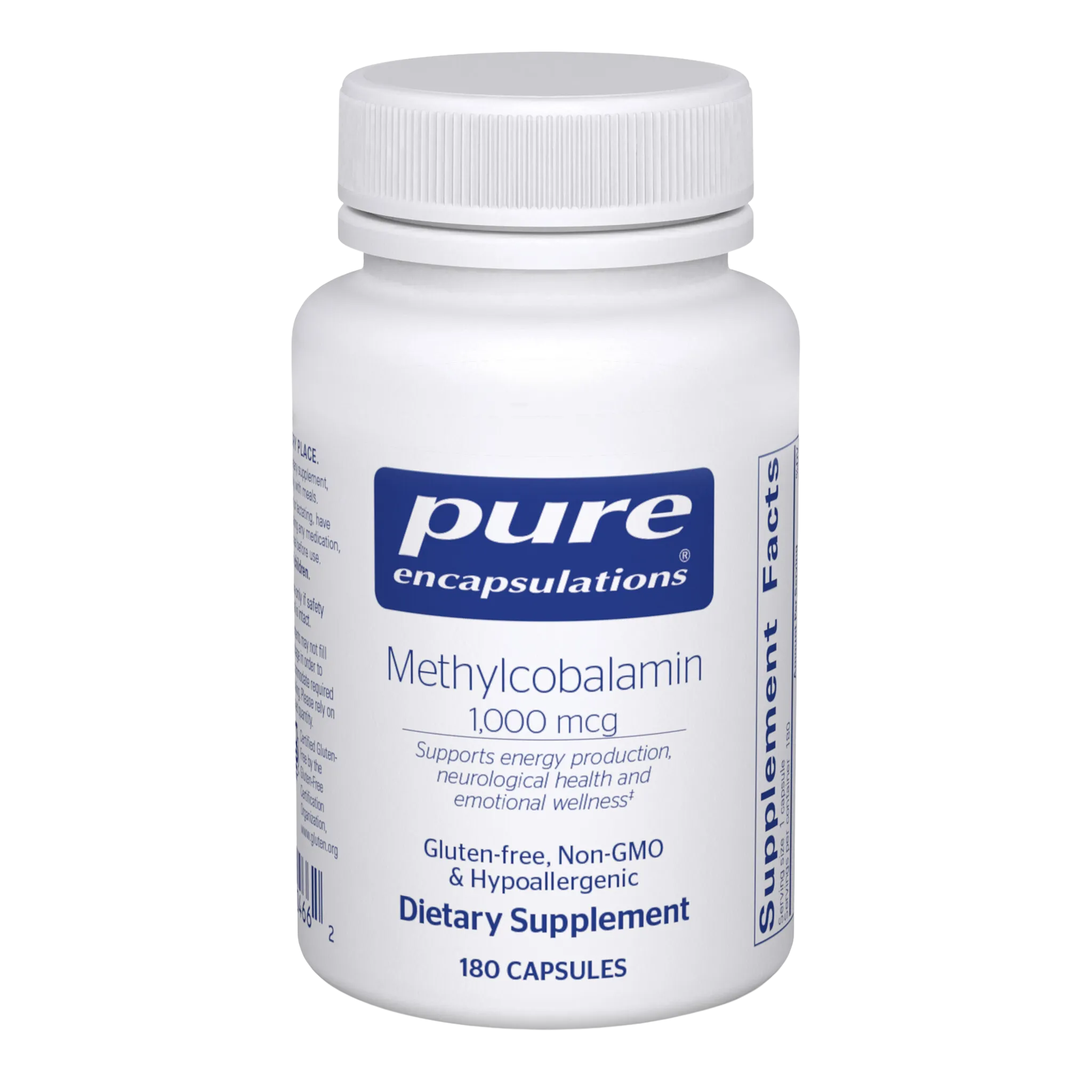
For general health maintenance, standard doses of Vitamin B12 range from 2.4 to 100 mcg per day. However, for addressing neurological symptoms and chronic fatigue, clinical trials often utilize much higher, therapeutic doses. Oral doses of 1,000 to 1,500 mcg per day of methylcobalamin are commonly used in studies targeting peripheral neuropathy and cognitive impairment. Because Vitamin B12 is water-soluble, it has an exceptionally strong safety profile, and excess amounts are safely excreted by the body, making toxicity exceedingly rare even at high doses.
To maximize absorption and efficacy, methylcobalamin is best taken with meals. Furthermore, biochemical pathways do not operate in isolation. Methylcobalamin relies heavily on synergistic co-factors to function optimally. It works in tandem with folate (preferably in its active form, 5-MTHF) to drive the methionine cycle. Ensuring adequate intake of other B-vitamins, particularly Vitamin B6 and Vitamin B1 (thiamine or benfotiamine), can amplify the neuroprotective and energy-boosting benefits of methylcobalamin, providing a comprehensive approach to managing long-term symptoms.

Follow the Science
The TREATME Survey and Post-Viral Fatigue
The clinical evidence supporting the use of Vitamin B12 for post-viral syndromes has grown substantially in recent years. In July 2025, the prestigious journal PNAS published the results of the TREATME Survey, one of the largest studies of its kind, which analyzed patient-reported treatment outcomes in 3,925 patients suffering from Long COVID or ME/CFS. Assessing over 150 different treatments, the researchers identified Vitamin B12 as one of the most effective therapies for core symptoms. Over 47% of patients responded positively to B12 interventions, experiencing significant, measurable improvements in profound fatigue, brain fog, and post-exertional malaise (PEM), with an exceptionally low rate of adverse side effects.
Reversing Brain Fog and Cognitive Decline
Recent clinical trials have also highlighted methylcobalamin's specific efficacy in treating cognitive dysfunction. A 2024 case series and literature review published by the European Society of Medicine evaluated patients suffering from severe Long COVID-induced "brain fog," memory loss, and concentration deficits. The patients were treated with a combination of oral methylcobalamin and benfotiamine (a lipid-soluble derivative of Vitamin B1). The researchers reported a "significant reduction or complete disappearance" of neurocognitive symptoms within exactly one month of daily supplementation. Notably, when patients discontinued the supplements, their brain fog relapsed, only to resolve again upon resuming the methylcobalamin regimen, strongly indicating a direct therapeutic mechanism.
Neuropathy and Nerve Repair
In the realm of peripheral neuropathy, methylcobalamin remains a gold-standard intervention. A 2024 systematic review and meta-analysis published in Frontiers in Endocrinology evaluated the combination of the drug dapagliflozin with methylcobalamin for treating diabetic peripheral neuropathy. The pooled data from multiple randomized controlled trials showed that the combination proved highly effective in improving both neuropathic pain symptoms and objective nerve function. Specifically, patients experienced significant improvements in motor nerve conduction velocity, proving that methylcobalamin actively aids in the structural repair and functional restoration of damaged nerve fibers, a finding highly relevant for Long COVID patients experiencing neuropathic pain.
The Path Forward
A Piece of the Chronic Illness Puzzle
Living with the unpredictable, invisible symptoms of Long COVID, ME/CFS, or dysautonomia can be an incredibly frustrating and isolating experience. When your body struggles to produce basic energy or maintain clear cognitive function, it is easy to feel overwhelmed by the lack of definitive medical answers. However, understanding the underlying biochemistry—such as the critical role of the methionine cycle and the impact of functional nutrient deficiencies—provides a validating framework for your symptoms. Your exhaustion and brain fog are not in your head; they are rooted in complex, measurable physiological disruptions that can be supported and managed.
Next Steps for Your Health
While there is no single miracle cure for complex chronic conditions, targeted nutritional support is a powerful tool in a comprehensive management strategy. By providing your body with methylcobalamin, the active, bioavailable form of Vitamin B12, you are directly supporting the cellular pathways responsible for energy production, neurological repair, and homocysteine clearance. Alongside careful symptom tracking, pacing to avoid PEM, and ongoing medical care, high-quality supplementation can help raise your baseline and improve your daily quality of life. Always consult with your healthcare provider before starting any new supplement regimen to ensure it aligns with your specific medical needs and current medications.