Can MethylAssist Support Nerve Repair and Energy in Long COVID and ME/CFS?
March 5, 2026
MethylAssistLong COVIDME/CFS
Share:
Disclaimer: The information provided here is for educational purposes only and is not intended as medical advice. It should not be used to diagnose, treat, cure, or prevent any medical condition. Instead, use it as a starting point for discussion with your healthcare provider. Always consult with a qualified healthcare provider before starting any new medication, supplement, device, or making changes to your health regimen.
Months or even years after a mild viral infection, many patients find themselves trapped in a bewildering maze of debilitating symptoms. From the crushing weight of post-exertional malaise (PEM) to the terrifying unpredictability of a racing heart upon standing, living with complex chronic conditions like Long COVID, myalgic encephalomyelitis/chronic fatigue syndrome (ME/CFS), and dysautonomia often feels like a full-time job. You might be told your lab results are "normal," yet you know your body is fundamentally misfiring. This profound disconnect between standard diagnostics and the lived reality of chronic illness leaves many patients searching for answers at the cellular level.
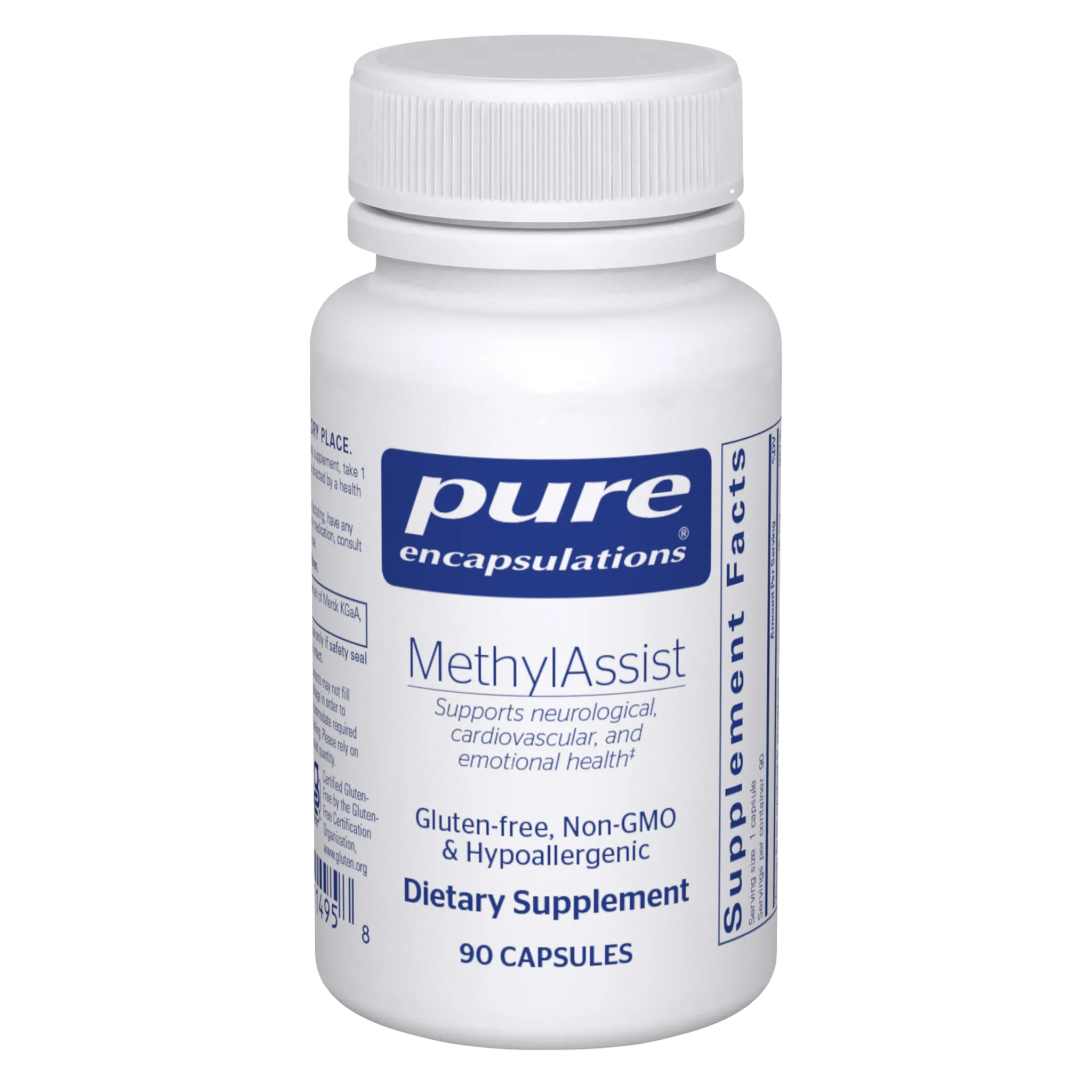
One of the most critical, yet frequently overlooked, cellular processes in these conditions is methylation—a biochemical cycle that dictates everything from how your DNA is expressed to how your nerves communicate. When viral persistence, chronic inflammation, or genetic variations disrupt this cycle, the downstream effects can manifest as severe brain fog, neuropathy, and profound fatigue. MethylAssist by Pure Encapsulations is a targeted formulation designed to bypass these metabolic roadblocks. By providing fully activated, tissue-ready forms of folate, vitamin B12, vitamin B6, alongside the potent thiamine derivative benfotiamine, this supplement aims to support healthy endothelial function, repair damaged nerves, and restore the vital methylation processes that chronic illness so often derails.
What is MethylAssist?
The Foundation of the Biochemical Methylation Cycle
Methylation is one of the most fundamental biochemical processes occurring in every cell of your body, happening billions of times per second. At its core, methylation involves the transfer of a tiny molecule called a methyl group (one carbon atom attached to three hydrogen atoms, or CH3) from one substance to another. This simple transfer acts as a biological switch, turning genes on or off, synthesizing vital neurotransmitters like serotonin and dopamine, and clearing out toxic metabolic byproducts. When your body is healthy, this cycle spins seamlessly, ensuring that your cardiovascular system remains flexible, your nerves are properly insulated, and your mitochondria can produce adequate adenosine triphosphate (ATP) for cellular energy. However, this cycle is highly dependent on a continuous supply of specific micronutrients acting as cofactors and methyl donors. MethylAssist is formulated specifically to provide these essential components in their most bioavailable forms, ensuring the cycle can continue even when genetic or environmental factors attempt to slow it down.
The Role of Active B Vitamins: L-5-MTHF, Methylcobalamin, and P5P
The primary engines of the methylation cycle are vitamins B9, B12, and B6. In MethylAssist, these are provided not as standard, inactive vitamins, but as their fully activated, coenzyme forms. Folate is included as Metafolin® (L-5-MTHF), which is the naturally occurring, universally metabolized form of vitamin B9. Unlike synthetic folic acid, which requires multiple enzymatic conversions—often hindered by common genetic mutations—L-5-MTHF is immediately ready to cross the blood-brain barrier and donate its methyl group. Vitamin B12 is provided as methylcobalamin, the specific neurological form of B12 that works directly alongside L-5-MTHF to convert the toxic amino acid homocysteine into beneficial methionine. Methionine is then used to create S-adenosylmethionine (SAMe), the body's universal methyl donor. Finally, vitamin B6 is included as pyridoxal 5'-phosphate (P5P). P5P is the active coenzyme required for over 140 different enzymatic reactions, including the transsulfuration pathway that creates glutathione, the body's master antioxidant. Together, this triad of activated B vitamins ensures that the methylation gears do not grind to a halt.
Benfotiamine and Intracellular Energy Metabolism
Beyond the classic methylation vitamins, MethylAssist includes a highly specialized ingredient known as BenfoPure® benfotiamine. Benfotiamine is a synthetic, fat-soluble (lipid-soluble) derivative of vitamin B1 (thiamine). Standard thiamine is water-soluble, meaning it has poor absorption rates and struggles to penetrate lipid-rich cell membranes and nerve tissues. Because benfotiamine is lipid-soluble, it boasts a significantly higher bioavailability and tissue penetration rate, allowing it to build up within the cells where it is needed most. Once inside the cell, benfotiamine is converted into active thiamine diphosphate. Here, it plays a crucial role in activating an enzyme called transketolase. Transketolase acts as a metabolic traffic cop, shunting toxic glucose metabolites away from pathways that cause cellular damage and redirecting them into the harmless pentose phosphate pathway. This mechanism is absolutely vital for protecting the delicate inner lining of blood vessels (the endothelium) and the peripheral nerves from oxidative stress and metabolic damage, making it a cornerstone of neurological and cardiovascular support.
How Long COVID and ME/CFS Impact Methylation and Nerve Health
Viral Disruption of the Epigenetic Landscape
Recent breakthrough research has revealed that complex chronic illnesses like Long COVID and ME/CFS are not just a collection of lingering symptoms, but profound disruptions of the body's biological and epigenetic systems. Epigenetics refers to how behaviors and environment can cause changes that affect the way your genes work, primarily through DNA methylation. An August 2024 study led by Albany Medical College mapped the whole-genome methylation of Long COVID patients and found a distinct blood DNA methylation profile that differs entirely from healthy individuals. Furthermore, longitudinal studies on ME/CFS patients have shown that during symptom relapses or "crashes," massive methylation changes occur in regulatory regions linked to immune, inflammatory, metabolic, and mitochondrial pathways. Viruses like SARS-CoV-2 and Epstein-Barr Virus (EBV) appear to hijack the host's methylation machinery to replicate, leaving the patient's epigenetic landscape altered. This viral interference drains the body's methyl donor reserves, leading to a state of hypomethylation where inflammatory genes are left "turned on" and energy-producing genes are suppressed.
Homocysteine, Microclots, and Endothelial Dysfunction
When the methylation cycle is impaired by viral infection or chronic oxidative stress, a toxic amino acid called homocysteine begins to accumulate in the bloodstream. Elevated homocysteine is a major hallmark in both acute COVID-19 and Long COVID, and it acts as a potent vascular toxin. It directly damages the endothelial lining of blood vessels, stripping away the protective glycocalyx and triggering a hypercoagulable state. This endothelial damage is a primary driver of the microclots frequently observed in Long COVID patients. These microscopic blood clots trap inflammatory molecules and block the tiny capillaries responsible for delivering oxygen to tissues and nerves. As homocysteine levels rise, patients often experience worsening cognitive decline. A 2023 study of COVID-19 long-haulers found a high negative correlation between homocysteine levels and cognitive function, theorizing that homocysteine triggers severe neuroinflammation by activating microglia in the brain, resulting in the debilitating symptom known as brain fog. You can learn more about the complexities of this condition in our post on What Causes Long COVID?.
Oxidative Stress and Small Fiber Neuropathy
The breakdown of the methylation cycle also paralyzes the transsulfuration pathway, which is normally responsible for synthesizing glutathione, the body's most powerful intracellular antioxidant. Without adequate glutathione, the nervous system is left defenseless against the massive oxidative stress generated by chronic inflammation. This unchecked oxidative stress damages the mitochondria within the nerve cells, leading to a condition known as small fiber neuropathy (SFN). SFN is incredibly common in patients with dysautonomia, Postural Orthostatic Tachycardia Syndrome (POTS), and Long COVID. It manifests as burning pain, tingling, numbness, and severe autonomic dysfunction, as the small nerve fibers responsible for regulating heart rate and blood pressure begin to degenerate. The combination of oxygen starvation (due to endothelial dysfunction and microclots) and direct oxidative damage creates a vicious cycle of nerve death and chronic pain that standard painkillers cannot resolve.
MethylAssist: Supporting Cardiovascular and Neurological Recovery
Restoring Endothelial Function and Nitric Oxide Production
MethylAssist intervenes directly in the vicious cycle of vascular damage by supplying the exact cofactors needed to heal the endothelium. The L-5-MTHF in this formula has a profound, direct effect on the inner lining of blood vessels. It works by improving the bioavailability of tetrahydrobiopterin (BH4), a critical cofactor for an enzyme called endothelial nitric oxide synthase (eNOS). In a state of chronic illness, eNOS becomes "uncoupled" and produces harmful superoxide radicals instead of beneficial nitric oxide. Research published in Circulation demonstrates that L-5-MTHF "recouples" this enzyme, resulting in a rapid increase in nitric oxide production. Nitric oxide is a potent vasodilator; it relaxes blood vessels, improves blood flow, and helps dissolve the conditions that lead to microclotting. Simultaneously, the benfotiamine in MethylAssist has been shown to protect the endothelium from acute oxidative stress. Clinical crossover studies reveal that pretreatment with benfotiamine completely prevents the vascular impairment and flow-mediated dilatation (FMD) decreases caused by high-AGE meals and smoking, buffering the vascular system against incoming damage.
Rebuilding the Myelin Sheath and Enhancing Nerve Conduction
To address the widespread nerve damage seen in dysautonomia and ME/CFS, MethylAssist provides a therapeutic dose of methylcobalamin and P5P. Methylcobalamin acts as a direct neuroregenerative agent. It donates the methyl groups explicitly required for the synthesis of myelin basic protein, the structural foundation of the protective myelin sheath that insulates peripheral nerves. By rebuilding this insulation, methylcobalamin improves nerve conduction velocity (the speed at which electrical signals travel) and decreases the ectopic nerve firing that causes the sensation of neuropathic pain. A 1-year randomized, double-blind trial demonstrated that high-dose oral methylcobalamin significantly improved sural nerve conduction velocity, vibration perception, and sudomotor (sweat gland) function in patients with neuropathy. Meanwhile, P5P regulates sphingosine-1-phosphate (S1P) metabolism, which acts as a gatekeeper for the permeability of the endothelial barrier, ensuring that the newly repaired nerves are protected from circulating inflammatory cytokines.
Benfotiamine’s Role in Autonomic Nervous System Repair
One of the most exciting applications of the ingredients in MethylAssist is the use of lipid-soluble thiamine (benfotiamine) for autonomic nervous system repair. Postural Orthostatic Tachycardia Syndrome (POTS) and general dysautonomia are characterized by a failure of the autonomic nervous system to regulate heart rate and blood pressure upon standing. Emerging clinical data suggests that a localized, cellular thiamine deficiency in the brainstem and vagus nerve severely disrupts oxidative metabolism, triggering these autonomic misfires. A 2021 patient outcomes survey evaluating patients with ME/CFS and POTS found that high-dose thiamine therapy resulted in a "large improvement" in symptoms for 65.5% of participants, primarily by eliminating brain fog and reducing post-exertional malaise. By activating transketolase and restoring ATP production in the autonomic nervous system, benfotiamine helps stabilize the erratic heart rates and dizziness that plague patients with dysautonomia.
Bypassing the MTHFR Genetic Bottleneck
Finally, MethylAssist is uniquely designed to bypass common genetic bottlenecks that exacerbate chronic illness. Over 50% of the US population carries a polymorphism in the MTHFR gene, with 10-15% being homozygous for the severe 677TT variant. This mutation severely compromises the body's ability to convert dietary folate or synthetic folic acid into its active form, inherently driving up homocysteine and impairing methylation. Pathologists now suggest that post-viral syndromes like Long COVID are significantly more severe in patients with these underlying MTHFR mutations, as their bodies cannot mount the necessary methylation response to clear the viral debris and repair tissue. By providing folate exclusively as L-5-MTHF, MethylAssist entirely bypasses the defective MTHFR enzyme, delivering the active methyl donor directly to the cells. This ensures that the homocysteine-to-methionine conversion can proceed unimpeded, lowering systemic inflammation and supporting deep cellular recovery regardless of your genetic predispositions. For more on navigating the complexities of post-viral recovery, see our guide on How Can You Live with Long-Term COVID.

Symptoms MethylAssist May Help Manage
Neurological and Cognitive Symptoms
The active B vitamins and benfotiamine in MethylAssist target the root causes of neuroinflammation and nerve damage, offering potential relief for several debilitating neurological symptoms:
Brain Fog and Cognitive Dysfunction: By lowering homocysteine levels, which are highly correlated with cognitive decline in Long COVID, MethylAssist helps reduce microglial activation and neuroinflammation, supporting clearer thinking and better memory recall.
Peripheral Neuropathy (Tingling and Numbness): Methylcobalamin and benfotiamine work synergistically to rebuild the myelin sheath and protect nerves from advanced glycation end-products (AGEs), alleviating the burning, tingling, and numbness often felt in the hands and feet.
Nerve Pain and Discomfort: By improving nerve conduction velocity and reducing ectopic nerve firing, the ingredients in this formula help calm the hyperactive pain signals associated with small fiber neuropathy.
Cardiovascular and Autonomic Symptoms
Endothelial dysfunction is a primary driver of cardiovascular and autonomic instability in chronic illness. MethylAssist supports vascular health through several mechanisms:
POTS and Racing Heart Rate: Benfotiamine supports ATP production in the vagus nerve and brainstem, helping to stabilize the autonomic nervous system and potentially reducing the erratic heart rate spikes seen in Postural Orthostatic Tachycardia Syndrome.
Dizziness and Blood Pooling: By recoupling the eNOS enzyme and boosting nitric oxide production, L-5-MTHF promotes healthy vasodilation and endothelial function, which can improve blood flow to the brain and reduce orthostatic intolerance.
Cold Hands and Feet (Poor Perfusion): Enhanced nitric oxide status helps dilate the micro-capillaries, improving peripheral blood flow and oxygen delivery to the extremities, which are often starved of oxygen due to microclotting.
Energy and Systemic Symptoms
At the cellular level, methylation is intimately tied to energy production and antioxidant defense:
Post-Exertional Malaise (PEM) and Severe Fatigue: By clearing the toxic metabolic roadblocks in the methylation cycle and supporting mitochondrial ATP production via transketolase activation, this formula helps raise the cellular energy baseline, potentially reducing the severity of crashes.
Histamine Intolerance and MCAS: The methylation cycle is required to produce the enzyme HNMT (histamine N-methyltransferase), which breaks down intracellular histamine. Supporting methylation can therefore help the body clear excess histamine, easing the systemic allergic-type reactions seen in Mast Cell Activation Syndrome.
Practical Considerations: Forms, Dosing, and Absorption
The Crucial Importance of Activated Vitamin Forms
When dealing with complex chronic illnesses like ME/CFS or Long COVID, the specific form of a supplement is just as important as the dosage. Many over-the-counter B-complexes use cheap, synthetic forms like folic acid, cyanocobalamin, and pyridoxine hydrochloride. For a healthy individual, the liver can usually convert these into usable forms. However, in a body burdened by viral persistence, oxidative stress, and potential MTHFR mutations, these conversion pathways are severely compromised. In fact, taking high doses of inactive pyridoxine (vitamin B6) can actually be neurotoxic. It competitively inhibits the enzymes needed to create the active form, effectively starving the nerves and causing sensory neuropathy. MethylAssist avoids this toxicity paradox entirely by utilizing pyridoxal 5'-phosphate (P5P), the fully active coenzyme form of B6. Similarly, it uses L-5-MTHF instead of folic acid, and methylcobalamin instead of cyanocobalamin (which requires the body to expend a methyl group just to detoxify the cyanide molecule attached to it).
Bioavailability and Lipid Solubility of Benfotiamine
The inclusion of benfotiamine is a major differentiator for this formula. Standard thiamine (vitamin B1) is water-soluble, meaning it is poorly absorbed in the intestines and rapidly excreted in the urine. It also struggles to cross the lipid-rich membranes of nerve cells and the blood-brain barrier. Benfotiamine, however, is a lipid-soluble derivative. This unique chemical structure allows it to easily pass through cell membranes, resulting in intracellular thiamine levels that are significantly higher than what can be achieved with standard thiamine supplements. Because it builds up in the tissues, benfotiamine provides sustained activation of the transketolase enzyme, offering continuous protection against endothelial damage and nerve toxicity throughout the day. To maximize the absorption of this fat-soluble compound, it is highly recommended to take MethylAssist with a meal that contains healthy fats, such as avocado, olive oil, or nuts.
Dosing, Timing, and Safety Considerations
The suggested use for MethylAssist is one capsule daily with a meal, or as directed by your healthcare provider. Because B vitamins are heavily involved in cellular energy production and neurotransmitter synthesis, taking them late in the day can sometimes cause overstimulation or insomnia in sensitive individuals. Therefore, it is generally best to take this supplement in the morning or early afternoon. While the activated forms in MethylAssist are generally very well tolerated, some patients with severe ME/CFS or Long COVID may experience a temporary exacerbation of symptoms when first initiating methylation support. This phenomenon, sometimes referred to as "overmethylation" or a detox reaction, occurs as the body suddenly begins clearing out accumulated metabolic waste and upregulating viral defense pathways. If you experience increased anxiety, irritability, or fatigue, it is crucial to consult your healthcare provider, who may suggest titrating the dose slowly. Always discuss new supplements with your doctor, especially if you are taking medications that affect blood clotting or neurotransmitter levels. If you are wondering how to track these changes with your doctor, read our article on How Does a Doctor Diagnose Long COVID?.

Follow the Science
Epigenetic Discoveries in Long COVID and ME/CFS
The scientific understanding of post-viral syndromes has advanced rapidly, moving away from psychological explanations and firmly into the realm of molecular biology and epigenetics. An August 2024 study published in eBioMedicine provided undeniable proof that Long COVID is a distinct physiological disease characterized by a unique whole-genome methylation profile. The researchers found profound hypermethylation in gene promoter regions related to immune activation and metabolic signaling. Similarly, researchers analyzing ME/CFS patients discovered 118 identical Differentially Methylated Fragments (DMFs) shared with Long COVID patients, confirming the deep biological overlap between these conditions. These studies validate the "Methylation Cycle Hypothesis," demonstrating that restoring proper methyl donor status is a critical component of addressing the root cause of these illnesses. You can explore more about this overlap in our blog, Can Long COVID Trigger ME/CFS? Unraveling the Connection.
Clinical Trials on Benfotiamine and Neuropathy
The efficacy of benfotiamine in treating nerve damage and vascular dysfunction is supported by decades of rigorous clinical trials, primarily in the context of diabetic neuropathy. Crossover studies on endothelial function have shown that benfotiamine pretreatment completely abolishes the spike in serum markers of oxidative stress and prevents the flow-mediated dilatation impairment caused by acute vascular stressors. More recently, clinical case reports have detailed how high-dose thiamine derivatives, including benfotiamine, can rapidly resolve severe fatigue and autonomic symptoms in patients with Long COVID-induced POTS, highlighting its role in restoring brainstem ATP production.
The Synergistic Effects of Methylated B Vitamins
The medical community increasingly recognizes that isolated nutrient deficiencies rarely occur in a vacuum; rather, complex biochemical pathways fail as a unit. A real-world patient experience trial tracking 544 patients with neuropathy evaluated the exact combination found in MethylAssist: L-methylfolate, methylcobalamin, and pyridoxal-5'-phosphate. The results were striking. Patients reported a 32% decrease in overall pain ratings, and those previously treated with standard prescription pain medications reported a 52% improvement in medication satisfaction due to the disease-modifying nature of the vitamins. By working synergistically to lower homocysteine, recouple the eNOS enzyme, and rebuild the myelin sheath, this triad of activated vitamins offers a comprehensive, evidence-based approach to neurovascular repair.
The Path Forward
Validating the Invisible Struggle
Living with a complex chronic condition often means navigating a medical system that is ill-equipped to handle invisible, multi-systemic illnesses. The exhaustion, the cognitive impairment, and the unpredictable autonomic flares are not in your head—they are rooted in measurable, physiological disruptions at the cellular level. Discoveries surrounding DNA methylation, homocysteine toxicity, and endothelial dysfunction provide powerful validation that your symptoms have a distinct biological origin. Acknowledging this reality is the first step toward reclaiming your quality of life, shifting the focus from simply masking symptoms to actively supporting the body's fundamental biochemical pathways.
A Comprehensive Approach to Healing
While targeted supplements like MethylAssist offer potent support for the methylation cycle and nerve health, they are not a standalone cure. True management of conditions like Long COVID, ME/CFS, and dysautonomia requires a holistic, multifaceted approach. This includes aggressive pacing to prevent post-exertional malaise, dietary modifications to lower systemic inflammation, and careful symptom tracking to identify your unique triggers. Rebuilding a damaged endothelium and repairing demyelinated nerves takes time, patience, and consistency. Supplements provide the necessary building blocks, but your daily lifestyle choices create the environment in which healing can occur. For more insights on managing symptom fluctuations, read our article on Do Long COVID Symptoms Come and Go?.
Next Steps in Your Management Strategy
If you are struggling with brain fog, neuropathy, or autonomic instability, supporting your methylation pathways may be a critical missing piece of your recovery puzzle. By supplying fully activated B vitamins and highly bioavailable benfotiamine, MethylAssist is designed to bypass genetic bottlenecks and deliver targeted neurovascular support. As always, it is essential to consult with your healthcare provider before beginning any new supplement regimen, especially to ensure it aligns with your specific lab results and current medications.