Can Methyl CpG Support Energy and Brain Fog in Long COVID and ME/CFS?
March 6, 2026
Methyl CpGLong COVIDME/CFS
Share:
Disclaimer: The information provided here is for educational purposes only and is not intended as medical advice. It should not be used to diagnose, treat, cure, or prevent any medical condition. Instead, use it as a starting point for discussion with your healthcare provider. Always consult with a qualified healthcare provider before starting any new medication, supplement, device, or making changes to your health regimen.
Months or even years after an acute viral infection, millions of individuals find themselves battling the debilitating, unpredictable symptoms of Long COVID and Myalgic Encephalomyelitis/Chronic Fatigue Syndrome (ME/CFS). Among the most frustrating of these symptoms is the profound cognitive impairment often described as "brain fog"—a heavy, suffocating inability to focus, recall words, or process basic information. When standard blood tests come back "normal," patients are often left without answers, struggling to explain to their doctors and loved ones just how fundamentally their bodies have changed. However, emerging clinical research is pointing toward a critical, microscopic process that may hold the key to these systemic dysfunctions: the methylation cycle.
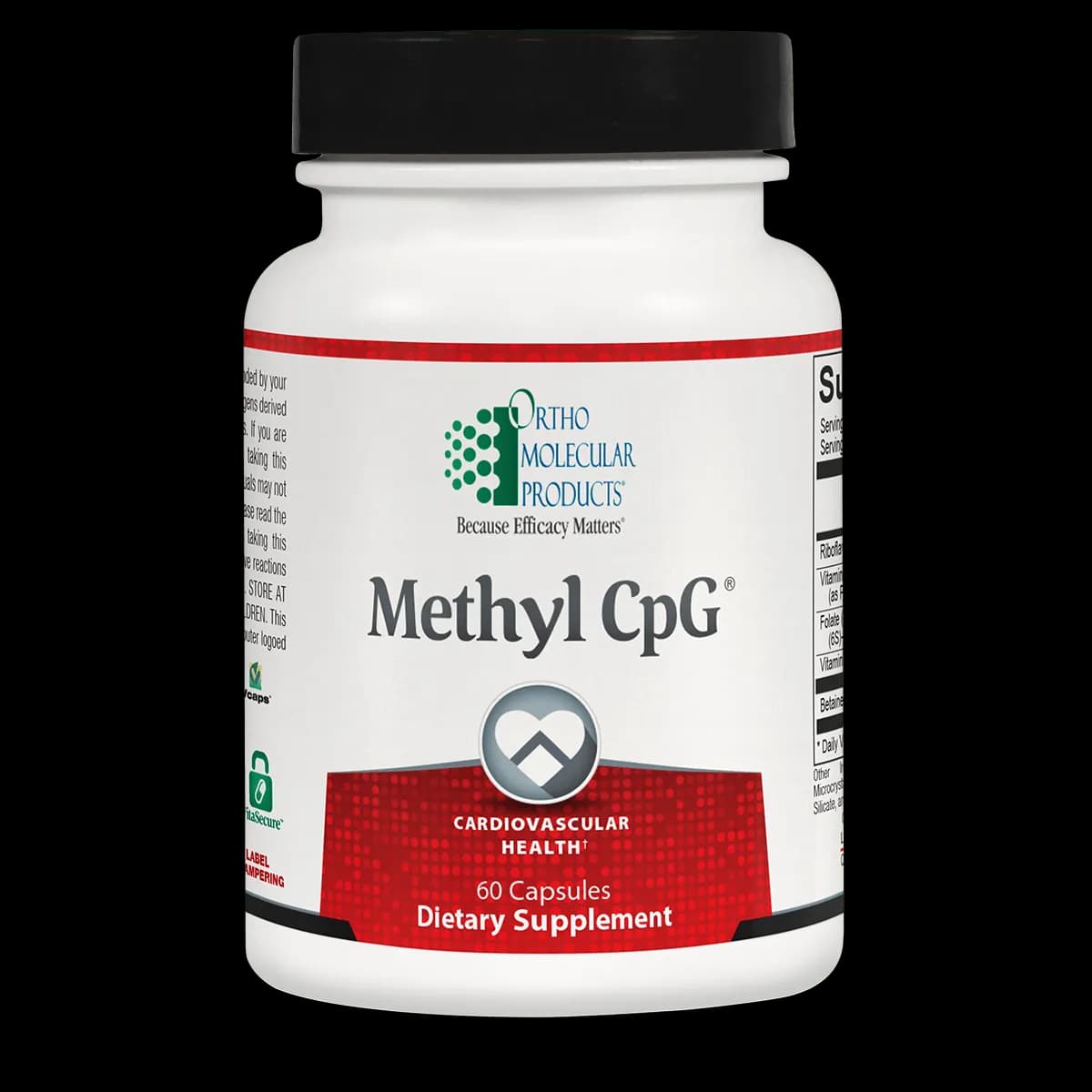
Methylation is a fundamental biochemical process that occurs billions of times every second in a healthy body. It is the molecular mechanism responsible for repairing damaged DNA, producing essential neurotransmitters, clearing out cellular toxins, and regulating the immune system's inflammatory response. When this delicate cycle is disrupted—whether by the trauma of a viral infection, chronic systemic inflammation, or common genetic mutations like MTHFR—the downstream physiological effects are catastrophic. This disruption leads to a dangerous buildup of toxic homocysteine in the blood and a severe depletion of cellular energy. Methyl CpG® by Ortho Molecular is a highly targeted, comprehensive nutritional formula designed to aggressively support this exact biochemical pathway. By delivering biologically active B vitamins and potent methyl donors, this supplement aims to bypass genetic bottlenecks, lower neurotoxic homocysteine levels, and help restore the metabolic balance necessary for chronic illness recovery.
TL;DR
Methylation cycle disruptions in Long COVID and ME/CFS can lead to toxic homocysteine buildup and severe fatigue.
Methyl CpG provides active B vitamins and methyl donors to support methylation and bypass genetic bottlenecks like MTHFR.
Supporting the methylation cycle may help manage brain fog, post-exertional malaise, and cardiovascular symptoms.
Always consult your healthcare provider before starting high-dose methyl donors, especially if you have severe sensitivities.
What is Methyl CpG?
The Fundamentals of the Methylation Cycle
To understand how Methyl CpG works, we must first dive into the microscopic world of the methylation cycle. Methylation is a biochemical process that involves the transfer of a methyl group—a simple molecule consisting of one carbon atom and three hydrogen atoms (CH3)—from one substance to another. This simple transaction acts like a biological master switch. When a methyl group is attached to a gene, it can turn that gene "on" or "off," a process known as epigenetic regulation. When attached to a protein or enzyme, it alters its function, allowing the body to synthesize crucial neurotransmitters like serotonin and dopamine, repair broken DNA strands, and process environmental toxins for elimination. The body's primary universal methyl donor is a compound called S-adenosylmethionine (SAMe). Once SAMe successfully drops off its methyl group to a target molecule, it is chemically transformed into S-adenosylhomocysteine (SAH), which is then rapidly converted into the amino acid homocysteine.
While homocysteine is a naturally occurring byproduct of this cycle, it is highly toxic to the body in elevated amounts. A healthy body must constantly and efficiently recycle this homocysteine to prevent it from accumulating in the bloodstream. It does this through two main pathways. The first pathway remethylates homocysteine back into methionine, allowing the body to create fresh SAMe and keep the methylation cycle spinning. The second pathway, known as the transsulfuration pathway, permanently removes homocysteine by converting it into cystathionine and eventually into glutathione, which is the body's master intracellular antioxidant. Both of these critical recycling pathways require a highly coordinated, synergistic team of specific nutritional cofactors to function. If any of these nutrients are missing or depleted, the entire cycle grinds to a halt, leading to a dangerous buildup of homocysteine and a state of severe oxidative stress.
The Homocysteine Crossroads and Cellular Health
The efficient clearing of homocysteine is arguably one of the most important biochemical markers of cardiovascular and neurological health. When the methylation cycle is blocked, elevated homocysteine (a condition known as hyperhomocysteinemia) begins to wreak havoc on the body's vascular system. Homocysteine acts as a chemical abrasive, damaging the delicate endothelial lining of blood vessels and promoting a pro-thrombotic (clot-forming) state. This vascular damage forces the immune system to constantly deploy inflammatory cytokines to repair the micro-tears in the blood vessels, trapping the body in a vicious cycle of chronic inflammation. Furthermore, elevated homocysteine is highly neurotoxic. Because it can cross the blood-brain barrier, it directly contributes to neuroinflammation, oxidative damage to brain tissue, and the accelerated breakdown of essential neurotransmitters, leading to severe mood instability and cognitive decline.
To keep homocysteine levels in a safe, healthy range, the body relies heavily on a specific group of B vitamins and methyl donors. Folate (Vitamin B9) and Vitamin B12 are the primary drivers of the remethylation pathway, working together to power the methionine synthase enzyme. Vitamin B6 (Pyridoxine) is the absolute prerequisite for the transsulfuration pathway, acting as the key that unlocks the production of glutathione. Riboflavin (Vitamin B2) is required to recycle the folate enzymes, and Trimethylglycine (TMG) acts as an alternative, powerful methyl donor in the liver and kidneys. In a perfectly healthy individual with a pristine diet and no genetic mutations, these nutrients are extracted from food and seamlessly integrated into the cycle. However, for individuals battling complex, multi-systemic chronic illnesses, this natural extraction and conversion process is often severely compromised, necessitating highly targeted, bioavailable supplementation.
The Ortho Molecular Methyl CpG Advantage
Methyl CpG® by Ortho Molecular is not a standard, over-the-counter B-complex vitamin; it is a clinical-grade, comprehensive formula engineered specifically to aggressively support methylation and homocysteine balance. Many standard supplements rely on cheap, synthetic forms of vitamins—like folic acid and cyanocobalamin—that the body must expend significant energy to convert into usable forms. For patients with compromised metabolic function, these synthetic forms are often useless and can even be detrimental. Methyl CpG circumvents this problem by providing high-concentration, biologically active nutrients that are immediately recognized and utilized by the body's cells.
The formulation is meticulously balanced to support every angle of the methylation cycle. It delivers a potent 3,400 mcg DFE of Quatrefolic® (100% 5-MTHF), which is the fully active, methylated form of folate. This is paired with 1,000 mcg of Methylcobalamin, the bioactive form of Vitamin B12 that works directly alongside 5-MTHF. To ensure the transsulfuration pathway is equally supported, the formula includes 50 mg of Vitamin B6 and 25 mg of Riboflavin (Vitamin B2). Finally, it incorporates 500 mg of Betaine (Trimethylglycine or TMG) to provide a robust, alternative pathway for homocysteine clearance. This specific, synergistic blend of methyl donors is designed to promote continuous DNA repair, balance homocysteine levels for cardiovascular health, support optimal neurotransmitter production, and facilitate the deep cellular detoxification required for recovery from chronic illness.
How Long COVID and ME/CFS Impact Methylation
Shared Epigenetic Shifts and DNA Hypermethylation
Recent, groundbreaking research has uncovered profound overlaps in the underlying molecular biology of Long COVID and ME/CFS, particularly concerning how these conditions impact the body's methylation processes. A major area of focus is epigenetics—the study of how behaviors and environment can cause changes that affect the way your genes work. A landmark 2025 epigenome-wide association study by Peppercorn et al. analyzed the global DNA methylomes of Long COVID and ME/CFS patients. The researchers discovered that both patient cohorts exhibited a distinct, pathological shift toward hypermethylation in gene promoter regions compared to healthy controls. This means that the viral trauma effectively forced the body to attach too many methyl groups to specific genes, silencing them inappropriately.
Strikingly, the study identified that 118 of these epigenetic changes were identical in both the Long COVID and ME/CFS groups. These shared methylation patterns largely affected genes responsible for cellular signaling, ion channel function, and immune and metabolic regulation. This viral-induced hypermethylation effectively "turns off" crucial genetic pathways needed for energy production and immune homeostasis. Furthermore, research by Helliwell et al. (2020) demonstrated widespread differences in DNA methylation in ME/CFS patients, particularly in pathways related to immune regulation and mitochondrial energy metabolism. When the body's methylation machinery is hijacked by a post-viral response, the entire system becomes dysregulated, leading to the profound, multi-systemic symptoms experienced by patients.
The Homocysteine Bottleneck and Long COVID Brain Fog
When the methylation cycle is impaired by viral infection, chronic inflammation, or genetic bottlenecks, the body loses its ability to clear homocysteine effectively. In Long COVID, elevated homocysteine has emerged as a major biomarker and a significant red flag. High homocysteine contributes heavily to a sustained prothrombotic state, damaging the endothelial glycocalyx (the protective lining of the blood vessels) and increasing the risk of the microscopic blood clots (microclots) frequently observed in Long COVID patients. This vascular damage restricts oxygen and nutrient delivery to tissues, exacerbating the profound physical fatigue and muscle pain that patients experience on a daily basis.
Beyond its cardiovascular impact, homocysteine is highly neurotoxic, and its accumulation is directly linked to the cognitive impairment characteristic of these conditions. A 2023 long-term study by Oner et al. evaluated patients who had recovered from acute COVID-19 but developed lingering cognitive issues. The researchers found a strong, highly negative correlation between homocysteine levels and Montreal Cognitive Assessment (MoCA) scores. Specifically, for every 1 µmol/L increase in homocysteine, patients experienced a significant decrease in their cognitive scores. This data maps out a direct biological link to the debilitating "brain fog" seen in Long COVID, suggesting that neurotoxic homocysteine freely permeates the brain, triggering neuroinflammation and disrupting the synthesis of crucial neurotransmitters.
The "Methylation Cycle Block" in ME/CFS
In the ME/CFS medical community, the "methylation cycle block" hypothesis has been discussed for decades and is increasingly being validated by modern metabolic profiling. This theory posits that a partial block in the methylation and folate cycles is central to the pathophysiology of the disease. Research analyzing the cerebrospinal fluid (CSF) of patients suffering from ME/CFS and fibromyalgia found that patients exhibited significantly increased homocysteine levels in their central nervous system, which correlated positively with clinical ratings of "fatiguability." Simultaneously, their CSF Vitamin B12 levels were abnormally low, indicating a severe localized deficiency.
Because homocysteine cannot be properly remethylated in these patients, the body fails to produce adequate amounts of S-adenosylmethionine (SAMe) and, crucially, glutathione. Glutathione is the body’s master antioxidant, responsible for neutralizing the reactive oxygen species (ROS) generated during cellular energy production. When glutathione is depleted due to a methylation block, the body is subjected to runaway oxidative stress. This mitochondrial exhaustion and inability to handle oxidative load is a primary driver of post-exertional malaise (PEM), the hallmark symptom of ME/CFS where even minor physical or cognitive exertion leads to a devastating crash in baseline function.
Methyl CpG: Supporting Methylation and Homocysteine Balance
Bypassing the MTHFR Mutation with Quatrefolic
One of the most critical and scientifically advanced features of Methyl CpG is its use of Quatrefolic®, a patented, fourth-generation glucosamine salt of 5-MTHF. To understand why this is so important, we must look at how the body processes standard folate. For synthetic folic acid (found in cheap supplements and fortified foods) to be utilized by the body, it must undergo a complex, multi-step enzymatic conversion process in the liver. The final and most crucial step of this process is facilitated by the methylenetetrahydrofolate reductase (MTHFR) enzyme, which converts the inactive vitamin into 5-MTHF, the biologically active form that circulates in human blood.
However, the MTHFR gene is highly polymorphic. It is estimated that approximately 40% to 50% of the global population carries a genetic mutation in this gene (the most common variants being C677T and A1298C). In individuals with these mutations, the MTHFR enzyme functions at a drastically reduced capacity—sometimes operating at only 30% to 55% of normal efficiency. This creates a massive genetic bottleneck. When these individuals consume synthetic folic acid, it builds up in the bloodstream as Un-Metabolized Folic Acid (UMFA), which can block natural folate receptors and exacerbate immune dysfunction. By providing 3,400 mcg DFE of pure, active 5-MTHF, Methyl CpG completely bypasses the MTHFR enzyme. This ensures that the active folate is immediately available to cross the blood-brain barrier, support DNA repair, and drive the remethylation of homocysteine, regardless of the patient's genetic status.
The BHMT Pathway and Trimethylglycine (TMG)
While the combination of active folate and Vitamin B12 drives one primary pathway of homocysteine recycling (the methionine synthase pathway), the human body has evolved a crucial backup system: the betaine-homocysteine S-methyltransferase (BHMT) pathway. This alternative route is where Trimethylglycine (TMG), also known as betaine, exerts its powerful effects. TMG is a naturally occurring amino acid derivative that acts as a highly potent methyl donor. It directly transfers one of its three methyl groups to a molecule of homocysteine, physically converting it back into the essential amino acid methionine. This reaction primarily occurs in the liver and kidneys, though recent research indicates it also plays a role in other tissues.
Methyl CpG includes a substantial 500 mg dose of Betaine to aggressively support this alternative BHMT pathway. This dual-action approach is what makes the formula so effective for complex chronic illnesses. If a patient's folate pathway is severely compromised by viral interference, severe B12 deficiency, or profound oxidative stress, the TMG provides an immediate, alternative route to clear toxic homocysteine from the blood. A landmark randomized controlled trial by Olthof et al. (2003) demonstrated that betaine supplementation effectively reduces fasting plasma homocysteine by up to 20% in a dose-dependent manner. By supporting both the folate and BHMT pathways simultaneously, Methyl CpG provides a comprehensive strategy for restoring metabolic balance.
Synergistic Support from B2, B6, and B12
The methylation cycle is a highly complex, interdependent gear system; pushing on one gear without supporting the others can lead to further metabolic imbalances. Methyl CpG is meticulously formulated to provide all the necessary cofactors to keep the entire system running smoothly. It includes 1,000 mcg of Methylcobalamin, the active, methylated form of Vitamin B12. Methylcobalamin works intimately alongside 5-MTHF; in fact, the methionine synthase enzyme requires both of these nutrients to successfully convert homocysteine into methionine. Without adequate active B12, even high doses of folate will become trapped and useless, a phenomenon known as the "folate trap."
Furthermore, the formula provides 50 mg of Vitamin B6 (as Pyridoxine Hydrochloride). Vitamin B6 is the absolute, non-negotiable cofactor required for the transsulfuration pathway. When the body has produced enough SAMe and needs to permanently eliminate excess homocysteine, it relies on B6 to convert homocysteine into cystathionine, which is then synthesized into glutathione. By ensuring robust B6 levels, Methyl CpG helps the body restore its primary antioxidant defenses, which is critical for patients battling the severe oxidative stress of ME/CFS and Long COVID. Finally, 25 mg of Riboflavin (Vitamin B2) is included because it is the specific cofactor required to recycle the MTHFR enzyme itself. Together, these nutrients ensure that every step of the methylation and transsulfuration cycles is fully supported, helping to alleviate neuroinflammation and immune dysregulation.

Symptoms Methyl CpG May Help Manage
Targeted Symptom Relief Through Methylation Support
Severe Cognitive Impairment (Brain Fog): By actively lowering neurotoxic homocysteine levels in the bloodstream and cerebrospinal fluid, the 5-MTHF and active B12 in Methyl CpG help reduce neuroinflammation. This protects the delicate tissues of the central nervous system, directly supporting improved cognitive clarity, sustained focus, and faster memory retrieval.
Debilitating Fatigue and Low Energy: The methylation cycle is intimately connected to cellular energy production and mitochondrial health. By restoring the production of S-adenosylmethionine (SAMe) and clearing metabolic bottlenecks, this formula helps combat the profound, unyielding physical fatigue that characterizes both Long COVID and ME/CFS.
Post-Exertional Malaise (PEM) and Crashes: PEM is driven in large part by severe oxidative stress and the rapid depletion of intracellular antioxidants during exertion. By supplying Vitamin B6 to drive the transsulfuration pathway, Methyl CpG supports the body's natural production of glutathione, helping to neutralize the reactive oxygen species (ROS) that trigger devastating post-exertional crashes.
Mood Instability and Depression: The active forms of folate (5-MTHF) and B12 are absolute biochemical prerequisites for the synthesis of key monoamine neurotransmitters, including serotonin, dopamine, and norepinephrine. Supporting these specific pathways can help stabilize mood, improve motivation, and alleviate the depressive symptoms often associated with chronic neuroimmune conditions.
Cardiovascular and Autonomic Symptoms: Elevated homocysteine is a known prothrombotic factor that damages the endothelial lining of blood vessels, contributing to micro-clotting and dysautonomia. By aggressively balancing homocysteine via TMG and active B vitamins, Methyl CpG supports healthy blood flow, vascular integrity, and overall cardiovascular health, which may help alleviate symptoms of POTS and autonomic dysfunction.
Impaired Detoxification: Chronic illness often impairs the liver's ability to process and eliminate environmental toxins and metabolic waste. The methyl donors in this formula provide the raw materials the liver needs to execute Phase II detoxification pathways, ensuring that toxins are safely neutralized and excreted from the body.
Practical Considerations: Forms, Dosing, and Absorption
The Importance of Bioavailability and Active Forms
When dealing with complex chronic illnesses like Long COVID, ME/CFS, or mast cell activation syndrome (MCAS), the form of the supplement you take is just as important as the dosage. Patients with these conditions frequently suffer from compromised digestive systems, intestinal permeability (leaky gut), and impaired enzymatic conversion in the liver. This means that standard, over-the-counter supplements utilizing synthetic folic acid and cyanocobalamin (a cheap form of B12 bound to a cyanide molecule) are often poorly absorbed and highly ineffective. In fact, these synthetic forms can build up in the blood, potentially blocking natural cellular receptors and masking underlying intracellular deficiencies.
Methyl CpG utilizes Quatrefolic®, a specific glucosamine salt of 5-MTHF that represents the pinnacle of folate supplementation. Clinical pharmacokinetic studies have demonstrated that this glucosamine salt is highly water-soluble and significantly more bioavailable than older calcium-salt folates or standard folic acid. Educational resources from Gnosis by Lesaffre highlight that approximately half of the global population may carry some form of MTHFR mutation, making bioavailable forms like Quatrefolic crucial for those who cannot efficiently process standard folic acid. By providing nutrients in their fully active, bioidentical forms, Methyl CpG ensures that the body can utilize them immediately without expending precious, limited cellular energy on conversion processes.
Optimal Dosing and Timing Strategies
The suggested use for Methyl CpG is one capsule per day, or as specifically recommended by your healthcare professional. Because the B vitamins in this formula (particularly B12 and active folate) are heavily involved in energy metabolism and the synthesis of stimulating neurotransmitters like dopamine and norepinephrine, it is generally best to take this supplement in the morning or early afternoon. Taking high-dose methylated B vitamins late in the evening or right before bed may cause overstimulation, racing thoughts, or interfere with sleep architecture in sensitive individuals.
It is also highly recommended to take this supplement with a meal. Taking it alongside food helps to enhance the overall absorption of the nutrients and minimizes any potential gastrointestinal upset. Trimethylglycine (TMG), while incredibly effective at lowering homocysteine, is a potent compound that can occasionally cause mild stomach upset, bloating, or nausea if taken on a completely empty stomach. Pairing the capsule with a balanced meal containing healthy fats and proteins ensures a smoother, more sustained absorption profile throughout the day.
Safety, Contraindications, and Potential Interactions
While Methyl CpG is generally safe and well-tolerated by the majority of patients, the introduction of high-dose methyl donors should always be approached thoughtfully, especially in the context of severe chronic illness. Some patients with severe ME/CFS, MCAS, or profound nervous system dysregulation may experience a temporary "over-methylation" reaction when first starting active B vitamins. This reaction can manifest as increased anxiety, irritability, hyperactivity, or a temporary exacerbation of fatigue as the body's detoxification pathways are suddenly upregulated. For highly sensitive patients, it is often wise to start slowly—perhaps opening the capsule and taking a fraction of the dose initially—under the strict guidance of a knowledgeable practitioner.
Additionally, while TMG is highly effective at clearing homocysteine, very high doses (typically above 4 grams per day, which is much higher than the 500 mg in this formula) have been associated with mild increases in Total Cholesterol and LDL ("bad") cholesterol in some clinical studies. Patients with pre-existing severe hyperlipidemia should monitor their lipid panels when introducing TMG. Finally, patients taking medications that specifically alter folate metabolism—such as methotrexate (often used for autoimmune conditions) or certain anti-seizure medications—must consult their prescribing healthcare provider before starting a high-dose folate supplement, as the active folate can interact with the mechanism of these drugs.

Follow the Science
Epigenetic Overlaps in Chronic Illness
The scientific understanding of methylation's critical role in chronic, post-viral illness is rapidly expanding, moving from theoretical biochemistry to hard clinical data. The 2025 epigenome-wide association study by Peppercorn et al. provided groundbreaking, concrete evidence that Long COVID and ME/CFS share a distinct epigenetic signature characterized by widespread DNA hypermethylation. By analyzing peripheral blood mononuclear cells (PBMCs) from age- and sex-matched cohorts, researchers found 118 identical epigenetic changes across both patient groups. This finding highlights exactly how viral triggers can induce long-lasting, pathological changes in gene expression that persistently disrupt immune and metabolic homeostasis long after the acute infection has cleared.
Furthermore, research by Helliwell et al. (2020) demonstrated widespread, reproducible differences in DNA methylation in ME/CFS patients compared to healthy controls. The study identified hundreds of differentially methylated CpG sites, particularly in pathways related to immune regulation, neurotransmitter signaling, and mitochondrial energy metabolism. These epigenetic signatures of systemic dysfunction provide a biological validation for the complex symptoms patients experience, proving that the illness is rooted in deep, measurable molecular dysregulation rather than psychological factors.
Clinical Efficacy of 5-MTHF and TMG
The superior bioavailability of the Quatrefolic® used in Methyl CpG is supported by robust, peer-reviewed pharmacokinetic data. Educational resources from Gnosis by Lesaffre highlight that approximately half of the global population may carry some form of MTHFR mutation. This underscores the need for active folate supplementation to bypass these common genetic bottlenecks, ensuring the body can access and utilize folate effectively to support the recovery of chronic illness patients.
Regarding homocysteine reduction, the clinical efficacy of Trimethylglycine (betaine) is exceptionally well-documented. A landmark randomized controlled trial by Olthof et al. (2003) showed that betaine supplementation effectively reduced fasting plasma homocysteine by up to 20% in a dose-dependent manner, while also blunting the temporary spike in homocysteine that occurs after a protein-heavy meal. This was further corroborated by a 2013 meta-analysis by McRae, which confirmed that betaine supplementation consistently yields significant absolute reductions in plasma homocysteine. By lowering this toxic biomarker, TMG offers a potent therapeutic tool for mitigating the cardiovascular and neurological risks associated with hyperhomocysteinemia.
Homocysteine's Direct Role in Cognitive Decline
The physiological link between elevated homocysteine and the severe cognitive symptoms of Long COVID is becoming increasingly clear in the medical literature. The 2023 study by Oner et al. evaluated patients who developed lingering cognitive issues post-COVID. The researchers found a strong, highly negative correlation between homocysteine levels and Montreal Cognitive Assessment (MoCA) scores. Their linear regression analysis revealed that for every 1 µmol/L increase in homocysteine, there was a risk for a 0.765-point decrease in MoCA scores, providing a concrete biological mechanism for the phenomenon of brain fog. By aggressively targeting this exact pathway, the combination of 5-MTHF, B12, and TMG in Methyl CpG offers a scientifically grounded approach to supporting cognitive recovery and protecting the brain from ongoing neurotoxic damage.
The Path Forward
A Piece of the Complex Puzzle
Living with the unpredictable, debilitating symptoms of Long COVID, ME/CFS, or dysautonomia can feel incredibly isolating and overwhelming. When your cognitive function is compromised, your energy is entirely depleted, and traditional medical tests fail to capture the reality of your suffering, navigating the complex world of supplements can feel like an impossible task. It is deeply important to remember that your symptoms are real, they are rooted in complex, measurable physiological and biochemical disruptions, and they are absolutely not your fault. While no single supplement is a miracle cure for these multi-systemic conditions, targeted nutritional support like Methyl CpG can be a powerful, validating tool in your overall management toolkit.
Next Steps in Your Management Strategy
Addressing the methylation cycle, bypassing genetic bottlenecks, and lowering toxic homocysteine levels is a foundational step in restoring cellular energy and reducing systemic neuroinflammation. However, supplements should always be viewed as one piece of a much larger puzzle. They must be integrated into a comprehensive, individualized care plan that includes aggressive rest, meticulous pacing to avoid post-exertional malaise, detailed symptom tracking, and ongoing medical supervision. Always consult your healthcare provider before introducing new supplements, especially if you are navigating complex chronic illnesses, dealing with severe sensitivities, or taking prescription medications. With the right support and a science-backed approach, it is possible to improve your quality of life and support your body's innate healing processes.