Can Methyl B12 Support Energy and Brain Fog in Long COVID and ME/CFS?
March 6, 2026
Methyl B12Long COVIDME/CFS
Share:
Disclaimer: The information provided here is for educational purposes only and is not intended as medical advice. It should not be used to diagnose, treat, cure, or prevent any medical condition. Instead, use it as a starting point for discussion with your healthcare provider. Always consult with a qualified healthcare provider before starting any new medication, supplement, device, or making changes to your health regimen.
Months or even years after a viral infection, many individuals find themselves battling an invisible, debilitating exhaustion that sleep cannot fix. If you are living with Long COVID, myalgic encephalomyelitis/chronic fatigue syndrome (ME/CFS), or dysautonomia, you are likely intimately familiar with the profound physical fatigue, cognitive dysfunction (often called "brain fog"), and unpredictable neurological symptoms that define these complex chronic conditions. For many patients, the search for answers leads them down a complex path of cellular biology, eventually arriving at a critical biochemical process known as the methylation cycle.
At the heart of this vital cellular engine are two essential nutrients: Vitamin B12 and folate. However, not all forms of these vitamins are created equal, and for individuals with chronic illness, the specific molecular structure of these nutrients can mean the difference between cellular recovery and continued dysfunction. Methyl B12, a synergistic combination of biologically active methylcobalamin and 5-methyltetrahydrofolate (5-MTHF), has emerged as a cornerstone of nutritional support for those navigating post-viral syndromes. By bypassing genetic bottlenecks and directly supplying the body with tissue-ready coenzymes, this targeted supplementation aims to restore the foundational pathways that govern energy production, nerve health, and cognitive clarity.
What is Methyl B12?
The Foundation of Cellular Health
To understand why Methyl B12 is so critical for individuals with chronic illness, we must first explore the natural function of its two primary components in a healthy body. Vitamin B12 (cobalamin) and Vitamin B9 (folate) are water-soluble vitamins that act as essential coenzymes. This means they are the biological "spark plugs" required to activate specific enzymes that drive life-sustaining chemical reactions. Unlike macronutrients that provide raw caloric fuel, these micronutrients operate at the molecular level to regulate how our cells read our DNA, how our nerves transmit signals, and how our mitochondria generate energy. You can learn more about the complexities of cellular health in our guide on What Causes Long COVID?.
In their biologically active forms—methylcobalamin and 5-methyltetrahydrofolate (5-MTHF)—these nutrients are inextricably linked. They do not operate in isolation; rather, they are the primary drivers of one of the most important biochemical pathways in human physiology: the methylation cycle. This continuous, microscopic cycle occurs in every single cell of your body, billions of times per second. Without adequate supplies of both active B12 and active folate, this cycle grinds to a halt, leading to a cascade of systemic failures that manifest as profound fatigue, cognitive decline, and neurological misfiring.
The Methylation Cycle and One-Carbon Metabolism
The methylation cycle, scientifically known as one-carbon metabolism, is essentially a biochemical assembly line responsible for moving a single carbon atom (attached to three hydrogen atoms, forming a "methyl group") from one molecule to another. This simple transfer of a methyl group is the biological equivalent of flipping a light switch. When a methyl group is attached to DNA, it turns genes on or off (a process called epigenetics). When attached to proteins, it alters their function. When attached to neurotransmitter precursors, it creates the chemical messengers that regulate our mood and cognition. This pathway is the body's primary mechanism for cellular repair and adaptation.
The ultimate goal of the methylation cycle is to produce a compound called S-adenosylmethionine (SAMe). SAMe is the body’s universal "methyl donor." It travels throughout the body, handing out methyl groups to various tissues and molecules, enabling the synthesis of DNA, RNA, the protective myelin sheath around nerves, and crucial neurotransmitters like dopamine, serotonin, and melatonin. However, once SAMe donates its methyl group, it becomes a toxic, inflammatory byproduct called homocysteine. To prevent cellular damage, homocysteine must be rapidly recycled back into the essential amino acid methionine, which then becomes SAMe again. This recycling process is entirely dependent on the synergistic action of methylcobalamin and 5-MTHF.
The "Ping-Pong" Biochemical Reaction
The recycling of toxic homocysteine back into healthy methionine is governed by a specific enzyme called methionine synthase. However, this enzyme cannot perform its job without the precise coordination of both active folate and active B12. The process operates like a microscopic game of ping-pong. First, 5-MTHF (the active form of folate) enters the cycle carrying a fresh methyl group. However, the methionine synthase enzyme cannot take this methyl group directly from folate and give it to homocysteine. It requires an intermediary.
This is where Vitamin B12 steps in. 5-MTHF donates its methyl group to an enzyme-bound cobalamin (B12) molecule, converting it into methylcobalamin. Now armed with the methyl group, methylcobalamin acts as the direct donor, transferring the methyl group to the toxic homocysteine. This elegant ping-pong biochemical reaction successfully neutralizes homocysteine, converting it back into methionine, while simultaneously converting 5-MTHF into tetrahydrofolate (THF), allowing the folate cycle to regenerate and start again. If either 5-MTHF or methylcobalamin is deficient, this entire reaction stalls, leading to a dangerous buildup of homocysteine and a catastrophic drop in the SAMe required for brain and nerve health.
How Long COVID and ME/CFS Impact the Methylation Cycle
The "Methyl-Group Assault" Hypothesis in Viral Illness
For individuals living with Long COVID, ME/CFS, and dysautonomia, the methylation cycle is often under severe, chronic strain. To understand why, we must look at how viral infections and chronic immune activation disrupt cellular metabolism. In 2021, researchers proposed a foundational framework known as the "Methyl-Group Assault" hypothesis. This hypothesis suggests that when a virus like SARS-CoV-2 replicates within the body, it rapidly consumes the host's available methyl groups to build its own viral RNA and proteins. This massive, sudden demand for methyl groups effectively drains the body's reserves of active B12 and folate.
This viral hijacking causes severe disturbances in one-carbon metabolism, mimicking a profound, acute Vitamin B12 deficiency. The clinical presentation of severe B12 deficiency—profound physical exhaustion, peripheral neuropathy (tingling and numbness), autonomic nervous system dysfunction, and severe cognitive impairment—is virtually identical to the hallmark symptoms of Long COVID and ME/CFS. By depleting the body's methyl donors, the virus leaves the host's cells unable to perform basic maintenance, repair damaged tissues, or synthesize the neurotransmitters required for normal brain function. You can explore more about how viral triggers impact the body in our article, Can Long COVID Trigger ME/CFS? Unraveling the Connection.
MTHFR Mutations and Genetic Vulnerability
The impact of this viral assault is heavily compounded by genetic predispositions, most notably variations in the MTHFR (methylenetetrahydrofolate reductase) gene. The MTHFR enzyme is responsible for the final, critical step in converting dietary folate or synthetic folic acid into the active 5-MTHF form required for the methylation cycle. However, an estimated 30% to 60% of the global population carries a genetic polymorphism (such as the C677T variant) that drastically reduces this enzyme's efficiency, sometimes by up to 70%. Under normal, healthy conditions, individuals with this mutation may compensate adequately.
However, when faced with the immense metabolic stress of a viral infection like COVID-19 or Epstein-Barr Virus (a common trigger for ME/CFS), this genetic bottleneck becomes a critical vulnerability. The body desperately needs active 5-MTHF to clear the inflammation and repair the damage, but the faulty MTHFR enzyme cannot produce it fast enough. This genetic hypomethylation is increasingly recognized by researchers as a massive risk factor for developing severe, prolonged post-viral syndromes, as the body simply lacks the biochemical tools to restore cellular homeostasis after the acute infection has passed.
Homocysteine Toxicity and Mitochondrial Burnout
When the methylation cycle fails—whether due to viral depletion, genetic MTHFR bottlenecks, or poor nutritional reserves—the immediate consequence is the toxic accumulation of homocysteine in the bloodstream. Elevated homocysteine (hyperhomocysteinemia) is highly inflammatory and generates massive amounts of Reactive Oxygen Species (ROS), leading to severe systemic oxidative stress. This oxidative stress acts like a corrosive acid within the blood vessels, directly damaging the delicate endothelial cells that line the vascular system, which can exacerbate the vascular issues often seen in Long COVID and POTS.
Furthermore, this unchecked oxidative stress directly assaults the mitochondria, the microscopic powerhouses responsible for generating adenosine triphosphate (ATP), the energy currency of the cell. In ME/CFS and Long COVID, mitochondrial exhaustion is a primary driver of post-exertional malaise (PEM)—the debilitating crash in symptoms following minor physical or cognitive exertion. When homocysteine levels are high and active B12/folate are low, the mitochondria are suffocated by oxidative stress, rendering them unable to produce the ATP required for basic daily functioning, trapping the patient in a vicious cycle of energy depletion and cellular damage.
Methyl B12: Supporting Energy, Brain Health, and Cellular Repair
Rebuilding the Myelin Sheath and Nerve Integrity
Supplementing with a synergistic blend of methylcobalamin and 5-MTHF provides a direct, targeted intervention to bypass genetic bottlenecks and restore the disrupted methylation cycle. One of the most critical functions of Methyl B12 in the context of chronic illness is the protection and repair of the nervous system, specifically the myelin sheath. The myelin sheath is a protective, fatty insulating layer that wraps around the axons of nerve cells, functioning much like the plastic coating on an electrical wire. It allows nerve impulses to travel rapidly and efficiently across the brain and autonomic nervous system.
Vitamin B12 is strictly required for the DNA synthesis of oligodendrocytes, the specialized glial cells responsible for producing myelin in the central nervous system. Furthermore, the SAMe generated by the B12/folate methylation cycle is used to methylate myelin basic protein, a fundamental structural component of the sheath. When B12 is deficient, abnormal fatty acids accumulate and are mistakenly incorporated into the myelin, weakening its structural integrity and leading to demyelination. By supplying high doses of tissue-ready methylcobalamin and 5-MTHF, supplementation supports the structural integrity of the nerves, which may help alleviate the neuropathic pain, tingling, and autonomic misfiring frequently experienced by patients with dysautonomia and Long COVID.
Fueling Neurotransmitter Synthesis for Mood and Cognition
The cognitive dysfunction and mood imbalances associated with complex chronic illnesses are deeply tied to the biochemical outputs of the methylation cycle. The brain relies heavily on the continuous production of SAMe to synthesize monoamine neurotransmitters. Without adequate active folate and B12, the production of dopamine (responsible for motivation and reward), serotonin (responsible for mood stabilization and well-being), and norepinephrine (responsible for focus and alertness) plummets. This biochemical drought contributes significantly to the profound "brain fog," depression, and anxiety that often accompany post-viral syndromes.
By directly supplying the brain with 5-MTHF—which easily crosses the blood-brain barrier—and methylcobalamin, supplementation reignites the production of SAMe. Clinical studies on neuropsychiatric disorders have demonstrated that administering L-methylfolate (5-MTHF) significantly improves clinical response rates in patients with treatment-resistant depression by restoring these critical neurotransmitter pathways. For the chronic illness patient, this means providing the brain with the raw materials it needs to clear the fog, stabilize mood, and improve cognitive processing speed, offering a physiological lifeline for neurological recovery.
Clearing Neurotoxic Homocysteine
Perhaps the most immediate and measurable benefit of Methyl B12 supplementation is its ability to rapidly clear neurotoxic homocysteine from the bloodstream. As previously discussed, elevated homocysteine is a major driver of oxidative stress, vascular damage, and mitochondrial dysfunction. Because the central nervous system lacks the secondary homocysteine-clearing pathways found in the liver, the brain relies entirely on the B12/folate-dependent methionine synthase enzyme to detoxify this inflammatory compound.
When a patient takes a concentrated, bioavailable dose of methylcobalamin and 5-MTHF, it immediately provides the exact substrates needed to restart the "ping-pong" reaction. The methyl groups are transferred, homocysteine is successfully converted back into beneficial methionine, and the oxidative burden on the vascular system and mitochondria is lifted. Targeted B12 and folate supplementation can help lower homocysteine levels, thereby reducing endothelial inflammation and protecting the brain from the accelerated atrophy and neurodegeneration associated with chronic hyperhomocysteinemia. This systemic reduction in oxidative stress is a crucial step in allowing the mitochondria to recover and resume normal ATP energy production.

Symptoms Methyl B12 May Help Manage
Cognitive and Neurological Symptoms
Because the methylation cycle is deeply intertwined with central nervous system function and neurotransmitter synthesis, targeted supplementation with Methyl B12 may help manage a variety of debilitating cognitive and neurological symptoms associated with Long COVID and ME/CFS.
Brain Fog and Cognitive Dysfunction: By lowering neurotoxic homocysteine and supporting the synthesis of SAMe, Methyl B12 provides the necessary biochemical environment for clear neural transmission and improved memory recall.
Neuropathy, Tingling, and Numbness: Methylcobalamin is essential for the maintenance and repair of the myelin sheath. Supporting myelin integrity can help reduce the misfiring of peripheral nerves that causes burning, tingling, or "pins and needles" sensations.
Depression and Mood Instability: 5-MTHF directly fuels the synthesis of serotonin and dopamine. Bypassing MTHFR mutations to supply active folate can help stabilize mood and alleviate the biochemical depression often triggered by chronic neuroinflammation.
Autonomic Dysfunction (Dysautonomia): The autonomic nervous system relies on precise neurotransmitter signaling to regulate heart rate and blood pressure. By supporting overall nerve health and reducing vascular oxidative stress, Methyl B12 may aid in stabilizing autonomic responses.
Physical Energy and Systemic Symptoms
Beyond the brain, the systemic effects of restoring one-carbon metabolism can have a profound impact on physical energy levels, cellular repair, and overall metabolic function, which are critical for managing the physical burden of post-viral syndromes.
Profound Fatigue and Low Energy: By clearing the oxidative stress caused by elevated homocysteine, Methyl B12 helps remove the biochemical "brakes" on the mitochondria, supporting more efficient ATP (cellular energy) production and reducing daily exhaustion.
Post-Exertional Malaise (PEM): While pacing remains the primary management tool for PEM, supporting the methylation cycle ensures that cells have the raw materials (like active B12) needed to repair tissue damage and clear metabolic waste after exertion, potentially reducing the severity of crashes.
Poor Sleep Quality: The methylation cycle is required to convert serotonin into melatonin, the body's primary sleep hormone. Adequate 5-MTHF and methylcobalamin support the natural circadian rhythms necessary for restorative sleep.
Vascular Inflammation: By neutralizing homocysteine, Methyl B12 protects the delicate endothelial cells lining the blood vessels, supporting healthier blood flow and reducing the microvascular inflammation frequently observed in Long COVID.
Practical Considerations: Forms, Dosing, and Absorption
Methylcobalamin vs. Cyanocobalamin
When selecting a B12 supplement, the specific chemical form is of paramount importance, particularly for individuals with compromised metabolic function. Most standard, over-the-counter B12 supplements contain cyanocobalamin. This is a synthetic form created in laboratories that contains a cyanide molecule, which provides excellent chemical stability and a long shelf-life. However, once ingested, the body must expend precious cellular energy to cleave off and detoxify the cyanide molecule before converting the core cobalamin into an active form. For a healthy individual, this is a minor metabolic tax; for someone with ME/CFS or Long COVID, it is an unnecessary burden.
In contrast, methylcobalamin is a naturally occurring, bioactive coenzyme form of B12. It acts as a direct methyl donor in the body, playing a crucial role in DNA synthesis, brain function, and homocysteine detoxification without requiring enzymatic conversion. Pharmacokinetic studies have demonstrated that while both forms are absorbed from the gut, methylcobalamin boasts superior tissue retention. Research shows that significantly more cyanocobalamin is rapidly excreted through the urine, whereas methylcobalamin is more efficiently retained in the cellular cytosol, allowing the body to store and utilize it over a longer period to support continuous methylation.
The Power of Quatrefolic (5-MTHF) over Synthetic Folic Acid
The distinction between folate forms is even more critical. Folic acid is a synthetic compound used in fortified foods and cheap supplements. It is biologically inactive and must undergo a multi-step conversion process in the liver, heavily relying on the MTHFR enzyme, to become the active form (5-MTHF). Because up to 60% of the population has an MTHFR genetic variation that impairs this conversion, taking synthetic folic acid can lead to a buildup of "Unmetabolized Folic Acid" (UMFA) in the bloodstream, which can actually block folate receptors and worsen cellular deficiency.
Quatrefolic® is a patented glucosamine salt of (6S)-5-methyltetrahydrofolate (5-MTHF). It is a highly soluble, bioactive form of folate that is pre-methylated, meaning the body can use it immediately, completely bypassing the MTHFR genetic bottleneck. A 2025 human pharmacokinetic trial evaluated Quatrefolic against standard folic acid and concluded that Quatrefolic was two-fold more bioavailable, yielding significantly higher peak plasma concentrations. In animal models, the overall 8-hour bioavailability for Quatrefolic was nearly 10 times higher than that of synthetic folic acid, making it the undisputed optimal choice for clinical supplementation.
Dosing, Absorption, and the "Folate Trap"
Understanding how the body absorbs these high-dose vitamins is essential for practical application. The human body's active transport receptors for B12 in the gut saturate very quickly. A 2024 study on B12 bioavailability showed that fractional absorption drops dramatically as the dose increases. This is why clinical formulations like Methyl B12 provide a massive 5,000 mcg dose. At these high levels, the body relies on "passive diffusion"—absorbing just 1-2% of the massive dose directly through the mucosal lining of the digestive tract. This passive diffusion is highly effective at bypassing gut-absorption issues and raising serum cobalamin levels to therapeutic ranges.
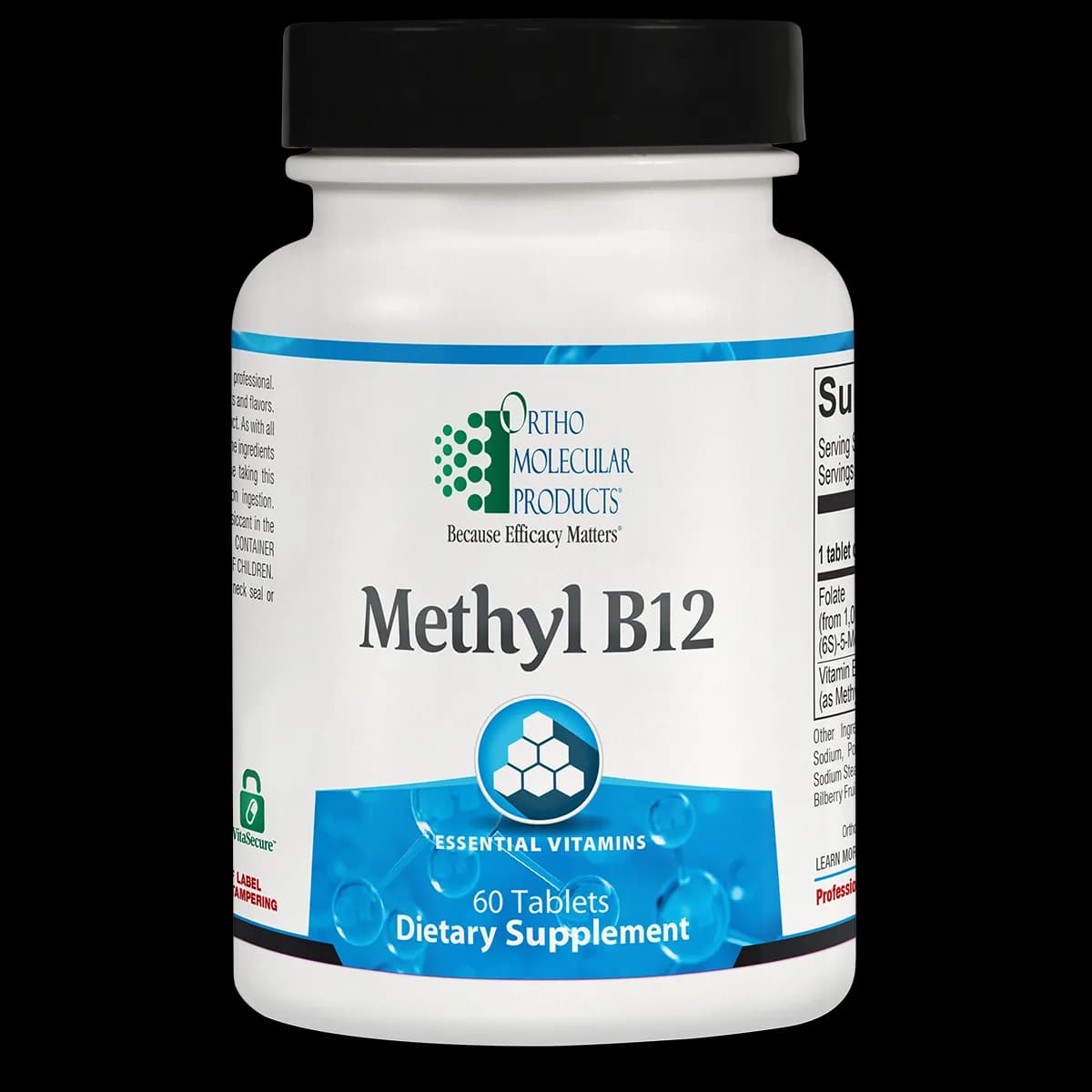
Finally, it is crucial to understand the "folate trap." Because both vitamins are used in DNA synthesis, a deficiency in B12 leads to megaloblastic anemia. If a B12-deficient person consumes high amounts of folate alone, the folate will "mask" the B12 deficiency by curing the anemia, but the demyelination of the nervous system will continue unchecked. This is why Methyl B12 is formulated as a synergistic blend of both 5,000 mcg of methylcobalamin and 1,000 mcg of Quatrefolic. By providing both active coenzymes simultaneously, this formulation ensures that the entire methylation cycle is supported safely and effectively, without the risk of masking a dangerous underlying deficiency.

Follow the Science
High-Dose B12 in ME/CFS and Long COVID Patient Outcomes
The clinical application of high-dose, active B-vitamins for post-viral syndromes is supported by a growing body of robust scientific literature and large-scale patient outcome data. Patient-driven surveys analyzing treatments for ME/CFS and Long COVID have highlighted the potential efficacy of B12 therapies. Patients have reported distinct, measurable improvements in debilitating fatigue, severe brain fog, and the frequency of post-exertional malaise (PEM) crashes when utilizing active forms of B12 alongside mitochondrial supports like Coenzyme Q10.
Furthermore, open-label trials administering high-dose active B12 to ME/CFS patients have demonstrated remarkable symptom reversal. In one such trial, administering high-dose B12 resulted in clinical improvements in roughly two-thirds of the cohort after just three months. These clinical improvements corresponded directly with massive spikes in the patients' intracellular B12 levels, confirming that overcoming the cellular absorption barriers is key to resolving the biochemical drought that drives post-viral exhaustion.
Epigenetic Shifts and Relapse Cycles
Groundbreaking research into the exact molecular mechanisms of ME/CFS has further solidified the importance of the methylation cycle. A longitudinal study titled "Dynamic Epigenetic Changes during a Relapse and Recovery Cycle in ME/CFS" tracked the DNA methylation profiling of patients across severe symptom crashes and subsequent recoveries. The researchers discovered that ME/CFS patients exhibited 10 to 20 times greater methylome variability than healthy controls.
Crucially, the study found that relapse-associated methylation changes occurred in regulatory regions linked to over 150 downstream genes, specifically implicating disturbed immune, inflammatory, metabolic, and mitochondrial pathways. This data strongly suggests that severe symptom relapses in ME/CFS are driven by functionally important, patient-specific epigenetic shifts—shifts that are entirely governed by the availability of methyl donors like 5-MTHF and methylcobalamin. By stabilizing the methylation cycle through targeted supplementation, patients may be able to reduce the epigenetic variability that triggers these devastating relapse cycles.
Cognitive Decline and Brain Atrophy Prevention
The neuroprotective power of the B12/folate synergy is perhaps best documented in the realm of cognitive decline and dementia research. Research following older adults has found that a substantial proportion of those diagnosed with Alzheimer's-type dementia had concurrent low levels of either Vitamin B12 or folate. Researchers have concluded that deficiencies in these vitamins directly increase the risk of neurodegeneration by allowing neurotoxic homocysteine to accumulate and damage the blood-brain barrier.
Moreover, research has shown that individuals with low-normal B12 levels or elevated homocysteine have up to a 5-fold increase in the rate of brain atrophy (shrinkage) compared to those with optimal levels. Meta-analyses of subjects with mild cognitive impairment consistently demonstrate that combining B12 and folate lowers homocysteine and improves cognitive function much more effectively than either nutrient alone. For Long COVID patients experiencing severe neurocognitive symptoms, these findings underscore the critical importance of maintaining optimal methylation status to protect the brain from accelerated inflammatory damage.
The Path Forward
Validating Your Lived Experience
Living with the unpredictable, invisible, and often debilitating symptoms of Long COVID, ME/CFS, or dysautonomia is an incredibly heavy burden. When standard blood tests come back "normal" but you are struggling to find the energy to complete basic daily tasks, it is easy to feel dismissed by the traditional medical system. It is vital to understand that your symptoms are not in your head; they are rooted in complex, microscopic physiological disruptions—like the stalling of the methylation cycle, mitochondrial exhaustion, and neuroinflammation. Understanding the biochemical "why" behind your brain fog and profound fatigue is the first empowering step toward reclaiming your health. You can read more about navigating this journey in our guide, How Can You Live with Long-Term COVID.
A Comprehensive Approach to Healing
While Methyl B12 offers a powerful, targeted intervention to bypass genetic bottlenecks and restore critical cellular pathways, it is not a standalone cure. Healing from complex chronic illness requires a multifaceted, compassionate approach. Supplementation must be paired with aggressive rest, meticulous symptom tracking, and strict adherence to pacing to prevent post-exertional malaise. By supporting your body's foundational biochemistry with active, tissue-ready nutrients like methylcobalamin and Quatrefolic, you are providing your cells with the raw materials they need to repair the myelin sheath, clear toxic homocysteine, and slowly rebuild mitochondrial energy reserves.
Next Steps in Your Journey
As you explore nutritional strategies to support your recovery, always work closely with a dysautonomia-literate or Long COVID-literate healthcare provider who understands the nuances of methylation, MTHFR mutations, and complex chronic illness. They can help you determine the appropriate dosages and monitor your progress safely. If you and your medical team believe that supporting your one-carbon metabolism is the right next step for your neurocognitive and physical fatigue, consider exploring high-quality, bioavailable formulations designed specifically for optimal cellular absorption.
Sources
New findings reveal superior folate bioavailability solution (Gnosis by Lesaffre, 2025)
Oral Bioavailability of Vitamin B12 at Different Doses (MDPI, 2024)
COVID-19: A Methyl-Group Assault? (Medical Hypotheses, 2021)
Comparative Pharmacokinetics of Quatrefolic vs Folic Acid in Rats (Minerva Ginecologica, 2016)