Can Metabolic Xtra Support Energy and Blood Sugar in Long COVID?
March 5, 2026
Metabolic XtraLong COVIDInsulin Resistance
Share:
Disclaimer: The information provided here is for educational purposes only and is not intended as medical advice. It should not be used to diagnose, treat, cure, or prevent any medical condition. Instead, use it as a starting point for discussion with your healthcare provider. Always consult with a qualified healthcare provider before starting any new medication, supplement, device, or making changes to your health regimen.
Months or even years after recovering from an initial SARS-CoV-2 infection, many people find themselves fighting a daily, unpredictable battle against debilitating symptoms. The profound exhaustion, cognitive dysfunction, and autonomic nervous system erraticism that characterize Long COVID and myalgic encephalomyelitis/chronic fatigue syndrome (ME/CFS) can leave patients feeling entirely disconnected from their former lives. While the medical community initially viewed these post-viral conditions as purely respiratory or immunological, a paradigm-shifting realization has emerged: these illnesses are deeply rooted in profound metabolic and mitochondrial dysfunction. When the very powerhouses of your cells cannot produce energy, every system in your body begins to struggle.
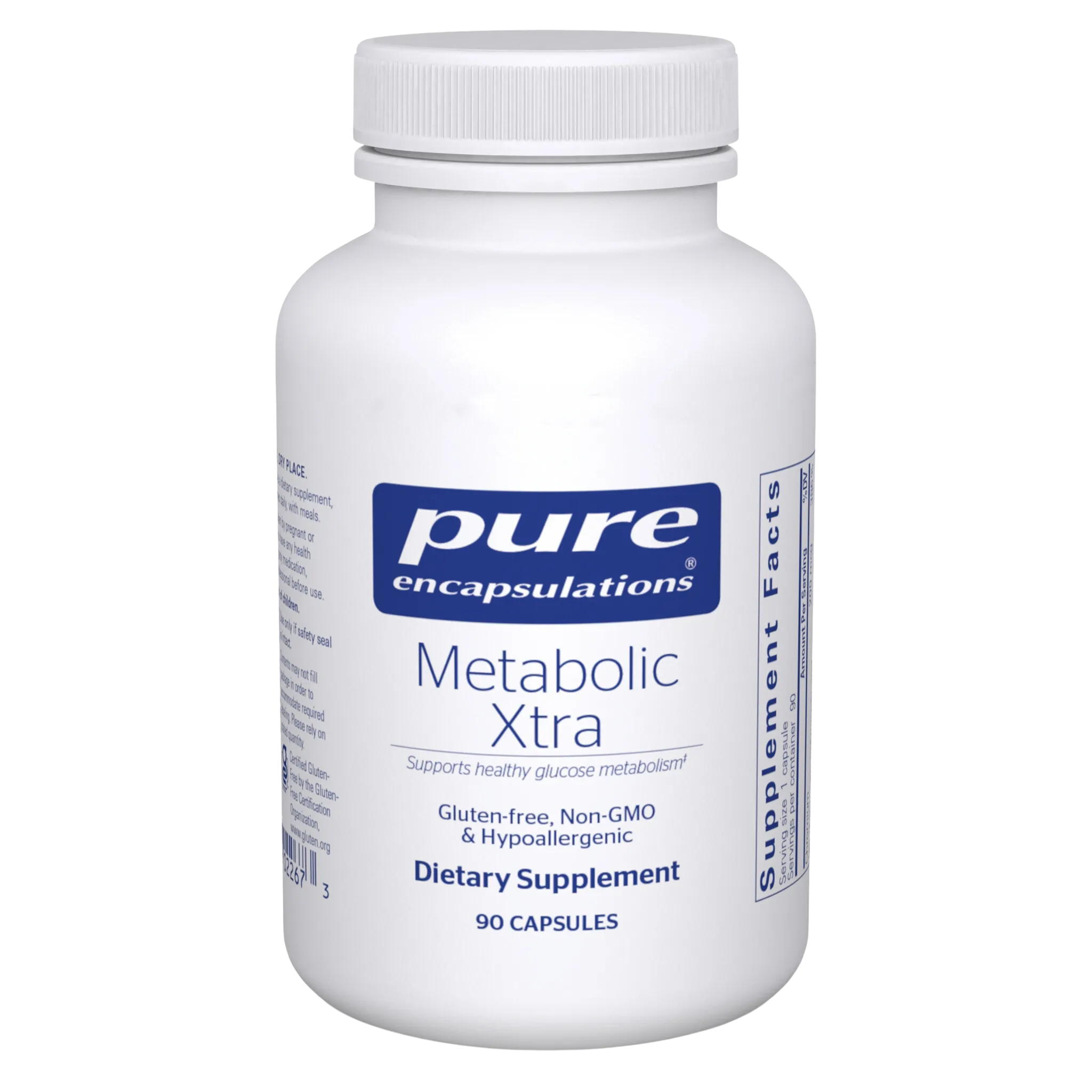
In the search for validating, science-backed interventions, researchers are increasingly looking toward compounds that can fundamentally reboot cellular metabolism. One such targeted approach is Metabolic Xtra, a specialized formulation combining berberine, resveratrol, alpha lipoic acid, and chromium. Rather than simply masking symptoms, these ingredients are designed to interact directly with the body's metabolic master switches—like AMPK and SIRT1—to support insulin sensitivity, enhance mitochondrial biogenesis, and reduce systemic oxidative stress. For individuals navigating the complex web of Long COVID, dysautonomia, and ME/CFS, understanding how these cellular pathways operate is a crucial step in building a comprehensive, biologically grounded management strategy.
What is Metabolic Xtra?
The Metabolic Master Switch: Berberine and AMPK
To understand how a supplement like Metabolic Xtra functions, we must first examine the natural biological roles of its key ingredients within a healthy human body. The flagship ingredient in this formulation is berberine, a highly bioactive plant alkaloid extracted from botanicals like European barberry and goldenseal. In traditional medicine, berberine has been utilized for centuries, but modern biochemistry has revealed its primary mechanism of action: the activation of Adenosine Monophosphate-Activated Protein Kinase (AMPK). Often referred to as the body’s "metabolic master switch," AMPK is a crucial cellular energy sensor. When cellular energy levels (ATP) drop, AMPK is activated to transition the cell from an energy-consuming state to an energy-producing state, stimulating glucose uptake and fatty acid oxidation to restore balance.
Berberine triggers this master switch through a fascinating mechanism. It mildly and temporarily inhibits mitochondrial Complex I, which causes a brief, localized drop in cellular ATP. The cell immediately senses this energy deficit and powerfully upregulates AMPK to compensate. This activation not only forces the cell to burn stored glucose and fat for immediate fuel but also triggers a vital cellular cleanup process known as autophagy and mitophagy. Through mitophagy, the cell identifies and breaks down old, damaged, or dysfunctional mitochondria, clearing the way for fresh, efficient energy-producing organelles to take their place. This continuous cycle of energy sensing and cellular renewal is fundamental to maintaining optimal metabolic health and preventing the accumulation of cellular debris.
Resveratrol, SIRT1, and Cellular Longevity
Working in tandem with berberine is resveratrol, a naturally occurring polyphenolic compound found in the skins of red grapes, berries, and Japanese knotweed. In a healthy body, resveratrol acts as a potent pharmacological activator of SIRT1 (Sirtuin 1), an essential enzyme that serves as a master regulator of metabolic health, cellular longevity, and mitochondrial quality control. SIRT1 is heavily dependent on a coenzyme called NAD+ (Nicotinamide adenine dinucleotide) to function. When SIRT1 is activated by resveratrol, it initiates a cascade of genetic signaling that profoundly impacts how the body ages and manages cellular stress, effectively silencing inflammatory pathways and promoting cellular resilience.
One of the most critical downstream effects of SIRT1 activation is the stimulation of PGC-1α (Peroxisome proliferator-activated receptor-gamma coactivator 1-alpha). PGC-1α is the biological "master switch" that commands the cell to generate entirely new mitochondria, a process scientifically termed mitochondrial biogenesis. While berberine helps clear out the damaged mitochondria, resveratrol-induced SIRT1 activation ensures that new, highly efficient mitochondria are built to replace them. This synergistic relationship is vital for maintaining high levels of cellular ATP production, ensuring that tissues with high energy demands—such as the brain, heart, and skeletal muscles—have the continuous power supply they need to function optimally.
Chromium and Alpha Lipoic Acid: Insulin and Endothelial Support
The formulation also relies on chromium, an essential trace mineral that acts as a potent biological insulin sensitizer. In a healthy metabolic system, insulin is the hormone responsible for unlocking cell membranes to allow circulating blood glucose to enter and be used for energy. Chromium enhances this action by upregulating and stabilizing insulin receptors on the cell surface. When intracellular chromium levels are adequate, the body requires significantly less insulin to shuttle glucose into the cells. This efficient glucose disposal prevents blood sugar spikes, lowers circulating serum insulin, and protects the body from the damaging effects of advanced glycation end-products (AGEs) that form when excess sugar lingers in the bloodstream.
Finally, alpha lipoic acid (ALA) serves as a universal, naturally occurring thiol antioxidant that is uniquely both water- and fat-soluble. This dual solubility allows ALA to cross the blood-brain barrier and operate within virtually any tissue or cellular compartment in the body. ALA plays an indispensable role in the Krebs cycle (TCA cycle), directly participating in mitochondrial ATP production. Furthermore, it aggressively scavenges reactive oxygen species (ROS) and actively recycles other endogenous antioxidants, such as Vitamin C, Vitamin E, and glutathione. By protecting the delicate endothelial cells that line our blood vessels from oxidative lipid peroxidation, ALA ensures proper nitric oxide synthesis, which is required for healthy vasodilation and optimal cardiovascular blood flow.
How Long COVID and Post-Viral Illness Impact Metabolism
Viral-Induced Insulin Resistance and Pancreatic Damage
When an individual develops a complex chronic condition like Long COVID, the elegant metabolic pathways described above are thrown into severe disarray. One of the most alarming discoveries in post-viral research is the profound link between SARS-CoV-2 infection and the development of new-onset metabolic dysfunction. Research indicates that a substantial share of patients hospitalized for COVID-19 experienced glycemic dysregulation that persisted well into the post-acute phase. The virus can directly invade pancreatic beta cells by binding to ACE2 receptors, which are highly expressed in the pancreas. This viral infiltration disrupts normal insulin secretion, causes cellular apoptosis (death), and leaves the patient struggling with erratic blood sugar levels and reactive hypoglycemia, even if they had no prior history of diabetes.
Furthermore, the acute immune response to the virus triggers a massive release of pro-inflammatory cytokines. This lingering "cytokine storm" induces severe peripheral insulin resistance. Because the body's cells become inflamed and resistant to insulin's signaling, glucose cannot efficiently enter the cells to be used for energy. Instead, it remains trapped in the bloodstream, causing systemic oxidative stress and further inflaming the vascular system. This metabolic gridlock is a key reason why so many patients experience profound exhaustion and "blood sugar rollercoasters" after meals. You can learn more about this intersection in our detailed guide on Diabetes and Long COVID: A Pandemic Within a Pandemic.
Mitochondrial Dysfunction and the NAD+ Deficit
Beyond insulin resistance, post-viral syndromes like ME/CFS and Long COVID are characterized by catastrophic mitochondrial failure. During a severe viral infection, the immune system heavily relies on an enzyme called PARP1 to repair viral-induced DNA damage. However, the overactivation of PARP1 drastically drains the cell's reserves of NAD+. Because the SIRT1 longevity pathway requires NAD+ to function, this viral-induced depletion effectively "turns off" SIRT1 activity. Without SIRT1, the PGC-1α pathway is silenced, bringing mitochondrial biogenesis to a grinding halt. The body loses its ability to generate new energy factories, leaving the patient entirely reliant on damaged, fragmented mitochondria that leak inflammatory DNA into the bloodstream.
Endothelial Damage and Autonomic Disruption
The metabolic fallout of Long COVID also heavily impacts the autonomic nervous system, frequently leading to conditions like postural orthostatic tachycardia syndrome (POTS) and dysautonomia. The vascular endothelium—the delicate inner lining of our blood vessels—is highly vulnerable to the oxidative stress caused by circulating viral remnants and high blood sugar. As oxidative damage accumulates, the endothelial cells lose their ability to produce nitric oxide, a molecule essential for regulating vessel wall elasticity and appropriate vasodilation. This phenomenon, known as endothelial dysfunction, prevents the blood vessels from constricting and dilating properly in response to changes in posture or physical demand.
In many POTS patients, this vascular damage is compounded by small-fiber neuropathy, where the tiny C-fiber nerves that tell the blood vessels to constrict become damaged by systemic inflammation. When a patient stands up, their blood vessels fail to tighten, causing blood to pool heavily in the lower extremities. The heart must then beat abnormally fast (tachycardia) to compensate for the lack of venous return to the brain. This autonomic erraticism is deeply intertwined with the metabolic and mitochondrial deficits, creating a vicious cycle where poor blood flow further starves the tissues of the oxygen and glucose they desperately need to heal. Understanding these mechanisms is essential when exploring What Causes Long COVID?.
Metabolic Xtra: Supporting Cellular Energy and Insulin Function
Rebooting the AMPK Metabolic Master Switch
When the body is trapped in a post-viral state of metabolic gridlock, targeted supplementation can help force these stalled pathways back into action. Metabolic Xtra utilizes a high dose of berberine to artificially flip the AMPK metabolic switch that fails to activate in ME/CFS and Long COVID patients. By temporarily inhibiting mitochondrial Complex I, berberine creates a micro-stressor that the cell interprets as an energy crisis. In response, the cell powerfully upregulates AMPK, forcing the clearance of SARS-CoV-2-damaged mitochondria through mitophagy. This pharmacological rescue shifts the cell away from a chronically inflamed, energy-depleted state and back toward efficient glucose and fatty acid oxidation, helping to lift the profound cellular fatigue that characterizes these conditions.
The mechanism of berberine is remarkably similar to that of the pharmaceutical drug metformin, which has gained significant attention in post-viral research. Both compounds activate AMPK and inhibit the mTOR pathway, which suppresses the proliferation of inflammatory cytokines like IL-6 and TNF-α. In fact, recent clinical trials have shown that early administration of metformin can significantly reduce the risk of developing Long COVID. For patients who cannot tolerate pharmaceuticals or prefer a botanical approach, natural AMPK activators like berberine offer a biologically plausible alternative for targeting the exact same metabolic pathways. You can explore the pharmaceutical parallel in our article on Metformin: Long COVID Risk Reduction and Diabetes Management.
Restoring SIRT1 and Mitochondrial Biogenesis
While berberine clears out the damaged cellular debris, the resveratrol in Metabolic Xtra works to rebuild the cellular infrastructure. By acting as a direct pharmacological activator of SIRT1, resveratrol bypasses the viral-induced NAD+ depletion that typically keeps this pathway silenced. Once SIRT1 is switched back "on," it immediately re-establishes the PGC-1α signaling cascade. This commands the cell to synthesize fresh, healthy mitochondria, effectively increasing the mitochondrial DNA copy number and restoring the body's capacity to produce ATP. For patients suffering from the debilitating brain fog and muscle weakness of Long COVID, rebuilding this mitochondrial density is an absolute prerequisite for long-term recovery.
Furthermore, resveratrol's activation of SIRT1 plays a crucial role in dampening systemic neuroinflammation. SIRT1 naturally suppresses the TLR4/NF-κB signaling pathways, which are often hyperactive in post-viral syndromes. By directly limiting the release of inflammatory cytokines and inhibiting the NLRP3 inflammasome, resveratrol helps quiet the chronic immune overactivation that keeps the nervous system in a constant state of "fight or flight." This dual action—boosting energy production while simultaneously cooling inflammation—makes resveratrol a highly targeted intervention for the complex pathophysiology of ME/CFS triggered by Long COVID.
Repairing the Endothelium and Insulin Receptors
To address the vascular and autonomic symptoms of dysautonomia, Metabolic Xtra incorporates alpha lipoic acid (ALA). Because ALA has a high physiological affinity for nerve tissue, it is heavily utilized by functional cardiologists to repair the damaged autonomic C-fiber nerves seen in neuropathic POTS. By increasing intracellular glutathione levels and enhancing the phosphorylation of endothelial nitric oxide synthase (eNOS), ALA restores nitric oxide bioavailability. This allows the blood vessels to regain their elasticity and responsiveness, helping to correct the "sympathetic withdrawal" that causes blood pooling and compensatory tachycardia upon standing. By healing the microvasculature, ALA ensures that the newly produced ATP and oxygen can actually reach the brain and muscles.
Simultaneously, the patent-pending Zychrome® chromium dinicocysteinate works to reverse the viral-induced insulin resistance that plagues so many Long COVID patients. By upregulating insulin receptors on the cell membranes, chromium acts as a biological "key," restoring the sensitivity of the cells to circulating insulin. This allows the trapped blood glucose to finally enter the cells, stabilizing the severe energy crashes and reactive hypoglycemia that often follow meals. Together, this synergistic blend of berberine, resveratrol, ALA, and chromium provides a comprehensive, multi-angle approach to rescuing the body's metabolic and vascular systems from post-viral dysfunction.

Symptoms Metabolic Xtra May Help Manage
Targeted Symptom Relief for Complex Conditions
Because Metabolic Xtra targets the foundational metabolic pathways that govern energy production, vascular health, and inflammation, it may help alleviate a wide range of interconnected symptoms experienced by patients with Long COVID, ME/CFS, and dysautonomia. While supplements are not cures, supporting these underlying biological mechanisms can significantly improve daily quality of life.
Severe Fatigue and Post-Exertional Malaise (PEM): By artificially activating the AMPK pathway with berberine and stimulating mitochondrial biogenesis with resveratrol, the body is supported in generating the cellular ATP required to meet physical and mental demands, potentially raising the threshold for PEM crashes.
Brain Fog and Cognitive Dysfunction: Alpha lipoic acid easily crosses the blood-brain barrier to reduce neuroinflammation, while improved insulin sensitivity from chromium ensures that the brain receives a steady, stable supply of glucose rather than experiencing erratic energy drops.
Blood Sugar Rollercoasters (Reactive Hypoglycemia): The combination of chromium and berberine acts as a potent insulin sensitizer, helping to shuttle glucose efficiently into cells. This prevents the severe post-meal blood sugar spikes and subsequent crashes that leave patients feeling shaky, anxious, and exhausted.
Neuropathic POTS and Blood Pooling: Alpha lipoic acid supports the regeneration of the small autonomic C-fiber nerves and enhances endothelial nitric oxide production, which may help blood vessels constrict properly upon standing, thereby reducing blood pooling and compensatory rapid heart rate.
Chronic Muscle and Joint Pain: Berberine has been shown to suppress the overexpression of TRPV1 and NF-κB inflammatory pathways, which may help alleviate the neuropathic and inflammatory pain frequently reported in post-viral syndromes.
Practical Considerations: Forms, Dosing, and Absorption
Understanding Bioavailability and Absorption
When incorporating a complex metabolic supplement into your routine, understanding how the body absorbs and utilizes these ingredients is critical for achieving therapeutic results. Berberine, while incredibly potent, is known for having relatively poor oral bioavailability—often less than 5% of a standard dose reaches systemic circulation. To maximize its absorption, it is highly recommended to take Metabolic Xtra alongside a meal that contains healthy fats. The presence of food slows down gastrointestinal transit time, giving the intestinal lining more opportunity to absorb the alkaloid. Similarly, resveratrol undergoes extremely rapid metabolism in the liver and intestines (a process called glucuronide conjugation), meaning it is quickly broken down before it can reach the bloodstream. Taking it with food helps protect the compound from immediate degradation.
Alpha lipoic acid presents its own unique absorption dynamics. It exists in two enantiomers: the naturally occurring, biologically active (R)-ALA form, and the synthetic (S)-ALA form. While many generic supplements use a 50/50 racemic mixture that struggles with variable absorption, functional medicine protocols prioritize high-quality formulations that stabilize the compound for better cellular delivery. Because ALA is both water- and fat-soluble, it is highly versatile, but its absorption can compete with other minerals in the gut. Therefore, maintaining consistent daily dosing is more important than perfectly timing it away from other nutrients, though taking it with a balanced meal generally yields the best gastrointestinal tolerance.
Optimal Timing and Dosage Guidelines
The suggested use for Metabolic Xtra is 1 capsule taken 1 to 3 times daily with meals, or as directed by a healthcare professional. Because the primary goal of this supplement is to support healthy glucose metabolism and insulin function, timing your doses just before or during your largest meals is the most biologically logical approach. When you consume carbohydrates, your blood sugar naturally rises; having berberine and chromium already present in your system helps blunt this postprandial (post-meal) spike by immediately sensitizing your cells to the incoming insulin. Spreading the capsules out across three meals ensures a steady, sustained activation of the AMPK and SIRT1 pathways throughout the day, rather than overwhelming the system with a single massive dose.
It is important to note that metabolic adaptations take time. Unlike a stimulant that provides immediate, jittery energy, compounds that trigger mitochondrial biogenesis and repair endothelial tissue require consistent use to manifest noticeable clinical changes. Patients tracking their symptoms and blood glucose levels typically begin to see stabilization in their reactive hypoglycemia within the first few weeks, while improvements in baseline fatigue, brain fog, and orthostatic intolerance may take 8 to 12 weeks of continuous supplementation as new mitochondria are built and integrated into the cellular network.
Potential Interactions and Safety Precautions
Because Metabolic Xtra contains highly bioactive ingredients that directly alter blood sugar and liver metabolism, several safety precautions must be observed. Berberine is a known inhibitor of the CYP3A4 liver enzyme, which is responsible for metabolizing a vast array of prescription medications, including certain statins, immunosuppressants, and cardiovascular drugs. Inhibiting this enzyme can cause these medications to build up in the bloodstream, leading to adverse effects. Furthermore, because berberine, chromium, and ALA are all potent blood-sugar-lowering agents, individuals currently taking pharmaceutical drugs for diabetes (such as metformin, insulin, or sulfonylureas) must consult their healthcare provider before starting this supplement to avoid the dangerous risk of clinical hypoglycemia (dangerously low blood sugar).
Additionally, patients with severe ME/CFS should approach AMPK activators with cautious optimism. Because berberine forces AMPK activation by initially creating a mild mitochondrial stressor (inhibiting Complex I), it could theoretically cause a temporary energy dip in patients whose mitochondria are already profoundly compromised. It is always recommended to start with the lowest possible dose (e.g., 1 capsule per day) to assess your body's tolerance before titrating up to the full recommended dosage. As always, this supplement is not to be taken by pregnant or lactating women, and should only be incorporated into your protocol under the guidance of a dysautonomia or Long COVID literate physician. You can learn more about navigating the medical system in our guide on How Does a Doctor Diagnose Long COVID?.

Follow the Science
Clinical Evidence for Berberine and Resveratrol
The individual ingredients in Metabolic Xtra are supported by a robust and rapidly expanding body of clinical literature, particularly in the realms of metabolic syndrome and post-viral recovery. Berberine has been studied for its ability to lower fasting blood glucose and HbA1c levels, with research suggesting an efficacy that rivals standard pharmaceutical interventions, helping to correct systemic metabolic dysregulation. In the context of Long COVID, researchers are increasingly drawing parallels between berberine's AMPK-activating properties and the success of the COVID-OUT trial, which demonstrated that early AMPK activation via metformin could reduce the risk of Long COVID by over 40%.
Alpha Lipoic Acid in Dysautonomia Research
Chromium's Impact on Post-Viral Blood Sugar
Finally, the role of chromium in combating viral-induced insulin resistance is backed by extensive endocrinology research. Meta-analyses published in journals like Diabetes Care demonstrate that chromium supplementation significantly improves glycemic control, reducing fasting blood glucose (Standard Mean Difference = -0.34) and fasting insulin (SMD = -0.72) in metabolically compromised patients. In the context of Long COVID, research suggests that insulin resistance prior to or during acute infection may be an independent predictor of developing Long COVID, independent of age or baseline obesity. By utilizing chromium to restore insulin receptor sensitivity, clinicians aim to break the cycle of metabolic inflammation that keeps patients trapped in a state of chronic post-viral illness.
The Path Forward
A Comprehensive Approach to Recovery
Living with the unpredictable, invisible symptoms of Long COVID, ME/CFS, and dysautonomia is an exhausting daily reality. When your cellular batteries are fundamentally drained, even the simplest tasks can feel like insurmountable mountains. It is entirely valid to feel frustrated by a medical system that often overlooks the deep metabolic and mitochondrial roots of these conditions. However, the rapidly evolving science surrounding AMPK activation, SIRT1 pathways, and endothelial repair offers a biologically grounded reason for hope. By targeting the exact mechanisms that have been disrupted by the virus, we can begin to rebuild the body's energy infrastructure from the inside out.
Next Steps in Your Healing Journey
It is crucial to remember that no single supplement is a magic cure for complex chronic illness. Metabolic Xtra should be viewed as one powerful tool within a comprehensive, multi-disciplinary management strategy. True recovery requires a holistic approach that includes aggressive pacing to avoid PEM crashes, meticulous symptom tracking, autonomic rehabilitation, and ongoing guidance from a dysautonomia-literate healthcare provider. By combining targeted metabolic support with compassionate, individualized medical care, you can take proactive steps toward stabilizing your energy levels and reclaiming your quality of life.