Can Memory Pro Help Lift Brain Fog in Long COVID and ME/CFS?
March 5, 2026
Memory ProLong COVIDBrain Fog
Share:
Disclaimer: The information provided here is for educational purposes only and is not intended as medical advice. It should not be used to diagnose, treat, cure, or prevent any medical condition. Instead, use it as a starting point for discussion with your healthcare provider. Always consult with a qualified healthcare provider before starting any new medication, supplement, device, or making changes to your health regimen.
Months or even years after recovering from an acute viral infection, many individuals find themselves fighting a daily, invisible battle against debilitating cognitive dysfunction. Often dismissed as mere "brain fog," this symptom is a profound neurological impairment that can make reading a simple email, recalling a familiar word, or tracking a conversation feel like an insurmountable task. For patients living with Long COVID, myalgic encephalomyelitis/chronic fatigue syndrome (ME/CFS), dysautonomia, and mast cell activation syndrome (MCAS), this cognitive slowing is not a psychological failing; it is a direct result of physiological disruptions in the brain. Scientist Resia Pretorius and other leading researchers have demonstrated that post-viral neuroinflammation, microvascular damage, and cellular energy failure fundamentally alter how our neurons communicate and survive.
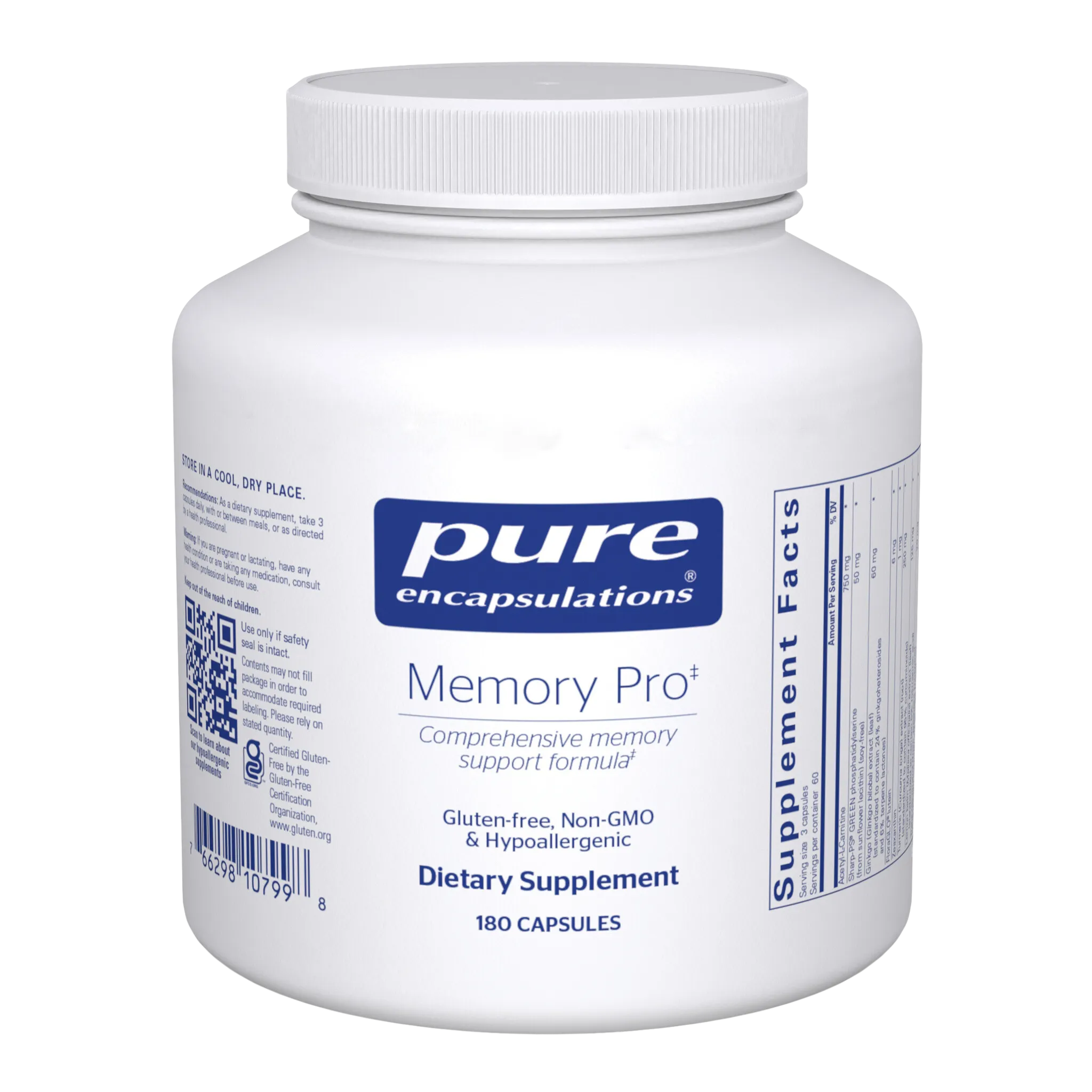
When standard medical appointments offer few answers and accessible blood tests fail to capture the severity of these neurological symptoms, finding targeted, science-backed support becomes crucial. Memory Pro by Pure Encapsulations is a comprehensive formula designed to address the multifaceted nature of cognitive decline. By combining cellular energy precursors like acetyl-l-carnitine, structural phospholipids like phosphatidylserine, and heavily researched botanical extracts like Ginkgo biloba and Bacopa monnieri, this supplement targets the root mechanisms of neural health. In this article, we will explore the intricate biochemistry of these ingredients, how chronic illness disrupts brain function, and how targeted nutritional support may help lift the fog and improve your quality of life.
TL;DR
Targeted nutritional support may help manage cognitive dysfunction in chronic conditions like Long COVID and ME/CFS.
Ingredients like ALCAR and phosphatidylserine support cellular energy and neuronal membrane health.
Botanicals like Ginkgo biloba and Bacopa monnieri may promote cerebral blood flow and cognitive processing.
Always consult a healthcare provider before starting new supplements, especially if taking medications.
What is Memory Pro and Its Key Nutrients?
The Foundation of Neural Health
To understand how a comprehensive supplement like Memory Pro works, we must first look at the natural function of its individual nutrients within a healthy human brain. The brain is an incredibly energy-demanding organ, consuming approximately 20% of the body's total metabolic energy despite accounting for only 2% of its mass. This immense energy requirement is necessary to maintain the electrical gradients across neuronal membranes, synthesize neurotransmitters, and clear out metabolic waste. When we talk about "neural health," we are referring to the optimal functioning of these interconnected systems: the mitochondria that produce cellular energy, the lipid membranes that protect the cells, and the vascular network that delivers oxygen and nutrients.
Memory Pro is formulated to support each of these pillars simultaneously. Rather than relying on a single mechanism, it provides a synergistic blend of compounds that naturally occur in the body alongside highly researched herbal extracts. This multi-target approach is particularly relevant for complex chronic conditions, where cognitive dysfunction rarely stems from a single nutritional deficiency. Instead, it is the result of a cascade of systemic failures—from oxidative stress to impaired blood flow—that require a broad-spectrum defense.
By supplying the brain with the precise raw materials it needs for repair and maintenance, we can support neuroplasticity—the brain's ability to form new neural connections and adapt to injury. This is not about artificially stimulating the nervous system with caffeine or synthetic stimulants, which can often trigger crashes in patients with post-exertional malaise (PEM). Instead, it is about restoring the fundamental biochemical pathways that allow neurons to generate their own sustainable energy and communicate efficiently.
The Role of Phospholipids and Amino Acids
At the core of Memory Pro's formula are two critical structural and energetic components: acetyl-l-carnitine (ALCAR) and phosphatidylserine (PS). Acetyl-l-carnitine is an acetylated derivative of the amino acid L-carnitine. In a healthy body, L-carnitine is primarily synthesized in the liver and kidneys and is responsible for transporting long-chain fatty acids into the mitochondria, where they are oxidized to produce adenosine triphosphate (ATP)—the primary energy currency of the cell. The acetylated form, ALCAR, is particularly vital because it easily crosses the highly selective blood-brain barrier. Once inside the brain, it not only fuels mitochondrial energy production but also donates its acetyl group to synthesize acetylcholine, a master neurotransmitter essential for learning, memory, and executive function.
Phosphatidylserine, on the other hand, is a naturally occurring phospholipid that is highly enriched in the neural tissue, making up about 15% of the total phospholipid pool in the human cerebral cortex. It is a primary structural component of the neuronal cell membrane. Under normal physiological conditions, PS is exclusively localized to the inner (cytoplasmic) leaflet of the plasma membrane. This strict asymmetry is maintained by specialized enzymes called aminophospholipid flippases, which utilize ATP to continuously transport PS to the inside of the cell. This specific positioning is crucial because PS acts as a docking site for key intracellular signaling proteins, facilitating everything from nutrient transport to the release of neurotransmitters.
Together, these two compounds form the bedrock of cellular resilience. ALCAR ensures that the neurons have the ATP required to power the flippase enzymes, while PS ensures that the cellular membranes remain fluid and capable of transmitting the signals generated by ALCAR-derived acetylcholine. Research published in Progress in Lipid Research highlights that the degradation of this delicate balance is a primary driver of age-associated memory impairment and cognitive decline.
Botanical Antioxidants and Cerebral Blood Flow
Beyond structural and energetic support, the brain requires robust protection against oxidative stress and a steady supply of oxygenated blood. Memory Pro incorporates a suite of botanical extracts specifically chosen for their neuroprotective and vascular properties. Ginkgo biloba, one of the oldest living tree species, provides standardized extracts rich in terpenoids (ginkgolides) and flavonoids. These compounds naturally promote vasodilation—the widening of blood vessels—and reduce blood viscosity, ensuring that the delicate microvasculature of the brain remains open and highly perfused.
The formula also includes Bacopa monnieri, a staple of traditional Ayurvedic medicine known as a "medhya rasayana" or neural tonic. The active compounds in Bacopa, known as bacosides, have been shown to modulate the cholinergic system and promote the repair of damaged synapses. To combat the inevitable byproduct of high cellular metabolism—free radicals—Memory Pro utilizes potent plant-based antioxidants like curcumin (from turmeric), trans-resveratrol, and lemon balm extract. These polyphenols neutralize reactive oxygen species before they can damage the delicate lipid membranes of the neurons.
Finally, the inclusion of lutein and zeaxanthin represents a cutting-edge approach to cognitive health. While traditionally known for their role in protecting the macula of the eye from UV damage, recent studies have identified these carotenoids as the dominant antioxidants in the human brain. They cross the blood-retina and blood-brain barriers to physically embed themselves in neural tissue, providing localized antioxidant defense and promoting cytokine balance. This comprehensive botanical profile ensures that the brain is not only fueled but actively protected from the inflammatory insults that drive chronic cognitive dysfunction.
How Chronic Illness Impacts Cognitive Function
Neuroinflammation and the Cytokine Storm
To comprehend why supplements like Memory Pro are utilized in chronic illness management, we must examine exactly how conditions like Long COVID and ME/CFS physically alter the brain. The cognitive dysfunction experienced by these patients is not a mood disorder; it is the result of profound, measurable neuroinflammation. When the body is exposed to a severe viral infection like SARS-CoV-2, or when it is locked in a state of chronic immune activation as seen in ME/CFS and MCAS, the immune system releases a flood of pro-inflammatory cytokines, including Interleukin-6 (IL-6) and Tumor Necrosis Factor-alpha (TNF-α).
These inflammatory molecules can compromise the integrity of the blood-brain barrier, making it "leaky." Once this barrier is breached, systemic inflammation spills over into the central nervous system. This triggers the activation of microglia—the brain's resident immune cells. Normally, microglia act as the brain's cleanup crew, gently pruning synapses and clearing debris. However, when chronically activated by a cytokine storm, they become hyper-reactive, releasing their own neurotoxic chemicals and reactive oxygen species (ROS). A 2025 review in BMC Neurology notes that this microglial activation is a hallmark of Long COVID, directly causing the neuronal damage and synaptic loss that patients experience as "brain fog."
This state of chronic neuroinflammation fundamentally disrupts neurotransmitter homeostasis. For example, the synthesis of acetylcholine and dopamine is heavily impaired in an inflamed brain, leading to slowed processing speeds, memory lapses, and an inability to concentrate. Furthermore, research on post-COVID brain fog has identified the overexpression of Kv1.3 potassium channels in brain leukocytes, which locks the brain in a perpetual state of immune hyper-vigilance. Until this inflammatory fire is extinguished, the neurons cannot function optimally.
Mitochondrial Dysfunction and the Brain-Muscle Axis
Another critical pathophysiological mechanism shared by Long COVID and ME/CFS is severe mitochondrial dysfunction. Mitochondria are the powerhouses of our cells, responsible for generating ATP through a complex process called the electron transport chain. In post-viral syndromes, viral proteins, oxidative stress, and chronic inflammation physically damage the mitochondrial membranes and disrupt the enzymes required for ATP production. This results in a catastrophic cellular energy failure.
In the brain, which demands constant, high-level energy, this mitochondrial failure manifests as profound mental fatigue and cognitive slowing. When neurons lack ATP, they cannot maintain their electrical resting potentials or efficiently fire action potentials. This is why patients often report that thinking too hard or trying to read a complex document triggers a severe exacerbation of their symptoms. This phenomenon is deeply tied to post-exertional malaise (PEM), a hallmark symptom of ME/CFS where physical or cognitive exertion leads to a disproportionate and debilitating crash.
Fascinatingly, emerging research highlights a direct "brain-muscle axis" in these conditions. Recent literature reviews on ME/CFS and Long COVID suggest that neuroinflammation alone—specifically elevated IL-6 in the central nervous system—can trigger severe systemic muscle fatigue and mitochondrial shutdown without the need for physical exercise. This means that the oxidative stress occurring inside the brain directly dictates the profound physical exhaustion felt throughout the entire body, making targeted neurological support a critical component of systemic recovery.
Cerebral Hypoperfusion in Dysautonomia and POTS
For many patients with Long COVID and ME/CFS, brain fog is inextricably linked to dysautonomia, particularly Postural Orthostatic Tachycardia Syndrome (POTS). Dysautonomia is a dysfunction of the autonomic nervous system, which controls involuntary bodily functions like heart rate, blood pressure, and digestion. In a healthy individual, standing up triggers an immediate, coordinated constriction of blood vessels in the lower body to push blood upward against gravity, ensuring the brain receives a steady supply of oxygen.
In POTS and related autonomic disorders, this mechanism fails. The blood vessels do not constrict properly, causing blood to pool in the abdomen and lower extremities. To compensate for the sudden drop in blood pressure, the heart rate skyrockets (tachycardia). Despite this rapid heart rate, the brain is left starved of oxygenated blood—a state known as cerebral hypoperfusion. Studies have shown that POTS patients can experience a significant reduction in cerebral blood flow velocity when upright.
This chronic lack of oxygen and nutrients to the brain is a primary driver of upright cognitive impairment. Patients often describe feeling dizzy, lightheaded, and entirely unable to focus or form coherent thoughts while standing or sitting upright for prolonged periods. The microvascular damage caused by the SARS-CoV-2 virus further exacerbates this issue by damaging the endothelial cells that line the blood vessels, making them less responsive and more prone to micro-clotting. Addressing this vascular component is essential for lifting the cognitive fog.
Memory Pro: Supporting Cognitive Function and Brain Fog
Acetyl-L-Carnitine and Mitochondrial ATP Production
Memory Pro provides a multi-targeted approach to combatting the complex pathophysiology of chronic cognitive dysfunction. The first major mechanism involves restoring cellular energy through acetyl-l-carnitine (ALCAR). As discussed, Long COVID and ME/CFS are characterized by severe mitochondrial impairment. ALCAR acts as a critical "biological shuttle bus" within the cellular matrix. It binds to long-chain fatty acids in the cytosol and transports them across the inner mitochondrial membrane via the carnitine shuttle system. Once inside, these fatty acids undergo beta-oxidation to fuel the electron transport chain, directly resulting in the production of ATP.
By bypassing the damaged metabolic pathways and directly feeding the mitochondria, ALCAR helps reverse the cellular energy failure that causes post-exertional mental fatigue. Furthermore, the acetyl group attached to ALCAR is highly neuroactive. Once it crosses the blood-brain barrier, this acetyl group is donated to choline to synthesize acetylcholine, facilitated by the enzyme choline acetyltransferase. A massive 2025 study published in PNAS tracking nearly 4,000 patients with Long COVID and ME/CFS found that ALCAR supplementation resulted in significant improvements in brain fog and fatigue in over 41% of users, highlighting its profound impact on neuro-metabolic recovery.
Additionally, ALCAR exhibits potent neuroprotective properties. It has been shown to modulate the glutamatergic system, preventing the excitotoxicity that occurs when excess glutamate floods the inflamed brain. By stabilizing these receptors and reducing oxidative stress, ALCAR physically lowers the neuroinflammation that drives the sensation of brain fog, making it a cornerstone ingredient in this comprehensive formula.
Phosphatidylserine and Neuronal Membrane Integrity
The next critical mechanism addresses the structural damage caused by chronic inflammation. Phosphatidylserine (PS) is vital for repairing and maintaining the neuronal plasma membrane. When the brain is subjected to the cytokine storms of Long COVID or MCAS, the lipid bilayers of the neurons undergo lipid peroxidation—essentially, the fats in the membrane go rancid due to oxidative stress. This causes the membranes to become rigid, impairing the function of embedded receptors and ion channels.
Supplementing with PS provides the exact raw material needed to replace these damaged lipids. By restoring PS to the inner leaflet of the cell membrane, the formula helps re-establish proper membrane fluidity. This fluidity is essential for the activation of crucial signal transduction pathways, such as the Akt and Protein Kinase C (PKC) pathways, which promote neuronal survival and synaptic plasticity. Clinical meta-analyses, such as a 2022 systematic review, suggest that PS supplementation may offer potential benefits for memory and slight cognitive improvements by supporting these foundational cellular structures.
Furthermore, PS has a unique ability to modulate the body's stress response. In states of chronic illness, the hypothalamo-pituitary-adrenal (HPA) axis is often dysregulated, leading to inappropriate cortisol spikes that further damage the hippocampus (the brain's memory center). PS has been shown to blunt this stress-induced HPA axis activation, lowering perceived stress levels and protecting the brain from the neurotoxic effects of chronic cortisol exposure.
Ginkgo Biloba and Microvascular Perfusion
To address the cerebral hypoperfusion seen in dysautonomia and POTS, Memory Pro utilizes a standardized extract of Ginkgo biloba. The active terpenoids in Ginkgo, specifically ginkgolides, act as potent platelet-activating factor (PAF) inhibitors. In the context of Long COVID, where micro-clotting and endothelial damage are prevalent, inhibiting PAF reduces blood viscosity and prevents platelets from sticking together. This "blood-thinning" effect allows blood to flow more smoothly through the damaged microvasculature of the brain.
Simultaneously, Ginkgo's flavonoids promote the release of nitric oxide from the endothelial cells, causing vasodilation. By widening the blood vessels and reducing resistance, Ginkgo directly counteracts the upright hypoperfusion that causes dizziness and brain fog in POTS patients. Naturopathic approaches to conditions like POTS often emphasize comprehensive strategies to manage orthostatic symptoms and support overall wellness.
By restoring adequate blood flow, Ginkgo ensures that the mitochondria have the oxygen they need to utilize the ALCAR provided in the formula, creating a highly synergistic environment for cellular energy production and neurological recovery.
Bacopa Monnieri and Cholinergic Modulation
Bacopa monnieri targets the speed at which the brain processes information. The active bacosides in this Ayurvedic herb work by heavily modulating the cholinergic system. While ALCAR provides the raw materials to build acetylcholine, Bacopa ensures that this vital neurotransmitter remains active in the synaptic cleft for longer periods. It achieves this by inhibiting acetylcholinesterase (AChE), the enzyme responsible for breaking down acetylcholine.
This sustained presence of acetylcholine drastically enhances memory acquisition, retention, and cognitive processing speed. A clinical study evaluating Bacopa monnieri reported improvements in attention, cognitive processing, and working memory in healthy elderly volunteers who consumed the extract. Furthermore, bacosides upregulate the expression of the NMDA receptor subunit GluN2B, a critical component for Long-Term Potentiation (LTP)—the primary cellular mechanism behind learning and memory formation.
Bacopa also acts as an adaptogen, modulating dopamine and serotonin levels to reduce the anxiety and central nervous system hyper-arousal often seen in ME/CFS and MCAS. By calming the nervous system, it frees up cognitive bandwidth, allowing patients to process information more efficiently without triggering a sympathetic "fight or flight" response.
Lutein, Zeaxanthin, and Macular Pigment Density
The inclusion of lutein and zeaxanthin provides a highly specialized form of antioxidant defense. These xanthophyll carotenoids are unique because they cross the blood-brain barrier and selectively accumulate in neural tissue. The concentration of these compounds in the eye is measured as Macular Pigment Optical Density (MPOD), which serves as a highly accurate, validated biomarker for their concentration in the cerebral cortex.
Once embedded in the brain, lutein and zeaxanthin neutralize free radicals and prevent the peroxidation of brain lipids, preserving the integrity of the white matter tracts that connect different regions of the brain. A 2017 double-masked, randomized controlled trial demonstrated that supplementing with lutein and zeaxanthin significantly increased MPOD, which directly correlated with statistically significant improvements in spatial memory, reasoning ability, and complex attention.
These carotenoids also elevate levels of brain-derived neurotrophic factor (BDNF), a crucial protein that stimulates neurogenesis (the growth of new neurons) and supports the survival of existing ones. By buffering the brain against oxidative decline, they provide long-term structural support for cognitive longevity.
Curcumin and Resveratrol: The Nrf2 and SIRT1 Pathways
Finally, Memory Pro utilizes curcumin and trans-resveratrol to directly attack the root causes of neuroinflammation. Curcumin is a potent activator of the Nrf2 pathway, the master regulator of the cellular antioxidant response. By activating Nrf2, curcumin prompts the cells to produce their own endogenous antioxidants, such as superoxide dismutase and glutathione, effectively neutralizing the oxidative stress caused by viral infections and immune dysregulation.
Simultaneously, curcumin blocks the NF-κB inflammatory cascade, lowering the exact pro-inflammatory cytokines (IL-6, TNF-α) responsible for the cytokine storms in Long COVID. Emerging research into ME/CFS continues to bring new insights into mitochondrial dysfunction and potential novel approaches for supporting cellular energy.
Resveratrol complements this by activating SIRT1, a longevity protein that regulates cellular health, reduces inflammation, and promotes mitochondrial biogenesis (the creation of new, healthy mitochondria). Together, these polyphenols work synergistically to interrupt the inflammatory feedback loop, soothe the brain's hyper-reactive immune system, and support the recovery of the brain-muscle axis. The addition of lemon balm extract further supports this by modulating GABA receptors, promoting a state of calm relaxation that is essential for cognitive healing in an overstimulated nervous system.

Symptoms This Comprehensive Formula May Help Manage
Cognitive Dysfunction and Processing Speed
Slowed Processing Speed: Bacopa monnieri inhibits acetylcholinesterase, keeping acetylcholine active in the synapses longer, which directly enhances the speed at which the brain can process and react to new information.
Poor Memory Recall and Word-Finding Difficulty: Phosphatidylserine repairs the neuronal membranes required for signal transduction, while lutein and zeaxanthin increase BDNF levels, supporting the structural neuroplasticity needed for memory retrieval.
Inability to Concentrate or Focus: Acetyl-l-carnitine provides the direct acetyl groups needed to synthesize acetylcholine, the primary neurotransmitter responsible for sustained attention and executive function.
Post-Exertional Mental Fatigue
Mental Crashes After Cognitive Exertion: ALCAR acts as a biological shuttle, transporting fatty acids directly into the mitochondria to produce ATP, reversing the cellular energy failure that triggers post-exertional malaise (PEM) after reading or working.
General Neurological Fatigue: Curcumin and resveratrol activate the Nrf2 and SIRT1 pathways, promoting mitochondrial biogenesis and neutralizing the severe oxidative stress that drains the brain's energy reserves.
Overstimulation and Sensory Overload: Lemon balm extract and Bacopa monnieri modulate GABA and monoaminergic receptors, providing an adaptogenic effect that calms the central nervous system and reduces hyper-arousal.
Upright Cognitive Impairment
Brain Fog When Standing (Orthostatic Intolerance): Ginkgo biloba acts as a potent vasodilator and platelet-activating factor inhibitor, improving cerebral blood flow and counteracting the hypoperfusion seen in POTS and dysautonomia.
Neuroinflammatory "Heavy Head" Sensation: Curcumin blocks the NF-κB inflammatory cascade, preventing pro-inflammatory cytokines from crossing the blood-brain barrier and activating the neurotoxic microglial response.
Practical Considerations: Forms, Dosing, and Absorption
Bioavailability and Fat Solubility
When integrating a complex formula like Memory Pro into your management strategy, understanding how to maximize its absorption is crucial. Many of the key ingredients in this formula, particularly phosphatidylserine, curcumin, lutein, and zeaxanthin, are highly lipophilic (fat-soluble). This means they require the presence of dietary fats to be properly emulsified by bile salts in the digestive tract and absorbed across the intestinal lining. Taking this supplement on an empty stomach will significantly reduce the bioavailability of these critical neuroprotective compounds.
To ensure optimal absorption, it is highly recommended to take Memory Pro alongside a meal that contains healthy fats. Examples include avocados, nuts, olive oil, eggs, or fatty fish. The acetyl-l-carnitine and botanical extracts like Bacopa and Ginkgo are generally well-absorbed, but taking them with food also helps mitigate any potential gastrointestinal upset, which is a common sensitivity in patients with ME/CFS and MCAS.
It is also important to set realistic expectations regarding the timeline for noticeable benefits. While some ingredients, like Ginkgo biloba, may provide mild improvements in cerebral blood flow within a few hours, compounds like Bacopa monnieri and lutein require time to physically accumulate in the brain tissue and modulate receptor density. Clinical trials consistently show that the peak cognitive benefits of these nutrients are typically observed after 8 to 12 weeks of continuous, daily supplementation.
Optimal Timing and Synergistic Stacking
The suggested use for Memory Pro is 3 capsules daily. Because this formula contains acetyl-l-carnitine, which actively increases cellular ATP production and acetylcholine synthesis, it can have a mild, naturally stimulating effect on the brain. For this reason, it is generally best to take the capsules in the morning or early afternoon. Taking them late in the evening may lead to overstimulation or insomnia, particularly in patients with dysautonomia who already struggle with sleep disturbances and hyper-arousal.
Many functional medicine practitioners recommend stacking Memory Pro with other targeted supplements to create a highly synergistic neuro-metabolic protocol. For example, pairing it with Coenzyme Q10 (Ubiquinol) can further enhance the electron transport chain, as ALCAR shuttles the fuel into the mitochondria while CoQ10 helps process that fuel into ATP. Additionally, combining it with Omega-3 fatty acids (DHA/EPA) provides the exact lipid building blocks that phosphatidylserine and lutein use to repair the neuronal membranes.
For patients dealing with severe neuroinflammation, stacking this formula with N-acetylcysteine (NAC) can provide profound relief. While curcumin activates the Nrf2 pathway to signal the production of antioxidants, NAC provides the direct raw materials needed to synthesize glutathione, the brain's master antioxidant, creating a powerful defense against post-viral oxidative stress.
Safety, Contraindications, and Blood Thinners
While the ingredients in Memory Pro are generally recognized as safe and well-tolerated, the inclusion of Ginkgo biloba requires specific medical precautions. Because Ginkgo is a potent platelet-activating factor inhibitor and vasodilator, it naturally reduces blood viscosity. Therefore, this supplement has a strict contraindication with prescription blood thinners and anticoagulants (such as Warfarin, Eliquis, Plavix, or daily Aspirin). Combining Ginkgo with these medications can significantly increase the risk of severe bleeding.
Additionally, patients taking SSRI or MAOI antidepressants should consult their healthcare provider before using formulas containing ALCAR and Bacopa, as these compounds can modulate serotonin and dopamine levels, carrying a theoretical risk of serotonin syndrome if dosages are not properly managed. Patients with dysautonomia should also monitor their blood pressure when initiating Ginkgo, as its vasodilating effects can occasionally exacerbate orthostatic hypotension in a small subset of individuals. Always consult your primary care physician or a specialist familiar with complex chronic illness before introducing a new multi-ingredient supplement into your regimen.

Follow the Science: Clinical Evidence for Brain Health
ALCAR in Long COVID and ME/CFS
The scientific community is increasingly validating the use of targeted nutritional compounds for post-viral cognitive dysfunction. One of the most compelling pieces of evidence comes from a massive 2025 patient-reported outcomes study published in the Proceedings of the National Academy of Sciences (PNAS). This landmark survey tracked the treatment outcomes of nearly 4,000 patients suffering from Long COVID and ME/CFS. The researchers found that acetyl-l-carnitine (ALCAR) exhibited significant positive effects, with over 41.7% of patients reporting noticeable improvements in their symptoms, particularly fatigue and brain fog. Notably, ALCAR ranked highly in efficacy compared to many prescription neuropsychiatric medications, which frequently caused negative side effects in this sensitive patient cohort.
Earlier foundational research supports these findings. A heavily cited randomized, open-label study by Vermeulen et al. compared different forms of carnitine in CFS patients over 24 weeks. The study found that ALCAR significantly improved mental fatigue, and attention and concentration improved across treatment groups. Clinical global impression scores showed considerable improvement in 59% of the ALCAR group, highlighting its potential as a neuro-metabolic support.
Ginkgo Biloba for Post-Viral Cognitive Impairment
The vascular components of post-viral brain fog are also gaining clinical attention. Clinical resources, such as naturopathic approaches to POTS, highlight the importance of comprehensive symptom management for orthostatic intolerance and fatigue, though specific large-scale trials on Ginkgo for post-COVID cognitive impairment are still needed.
Furthermore, extensive reviews in academic journals like Pharmaceutics have concluded that Ginkgo biloba's multi-target mechanisms—specifically its vascular repair capabilities and oxidative stress reduction—make it a highly promising therapeutic agent for the post-acute sequelae of SARS-CoV-2, particularly for patients whose brain fog is exacerbated by orthostatic intolerance and dysautonomia.
Macular Pigment Density and Cognitive Trials
The inclusion of lutein and zeaxanthin in cognitive formulas is backed by robust clinical trials evaluating Macular Pigment Optical Density (MPOD). A 2017 double-masked, randomized, placebo-controlled trial by Renzi-Hammond et al. followed healthy adults for one year, supplementing them with lutein and zeaxanthin. The supplemented group saw a highly significant increase in MPOD compared to the placebo group. Crucially, these increases in brain antioxidant density directly resulted in statistically significant improvements in spatial memory, reasoning ability, and complex attention.
Similarly, a 2018 functional magnetic resonance imaging (fMRI) study on older adults taking lutein and zeaxanthin found that the supplements successfully buffered cognitive decline on verbal learning tasks. The fMRI imaging showed that the carotenoids enhanced cerebral perfusion and neural efficiency, specifically increasing activation in the left prefrontal cortex during memory recall. This provides objective, visual proof that these specific antioxidants physically alter and improve how the brain processes information under stress.
The Path Forward
Validating the Invisible Struggle
Living with the cognitive dysfunction of Long COVID, ME/CFS, dysautonomia, or MCAS is an incredibly isolating experience. When your intellect, memory, and personality feel trapped behind an impenetrable wall of neuroinflammation, it is easy to feel hopeless. We want to validate that your symptoms are real, they are physiological, and they are not your fault. The severe mental fatigue, the word-finding difficulties, and the orthostatic brain fog are the direct results of mitochondrial failure and microvascular damage—not a lack of effort or resilience.
While there is currently no single cure for these complex neuro-immune conditions, the science of cellular recovery is rapidly advancing. By understanding the exact biochemical pathways that have been disrupted—from the electron transport chain to the cholinergic system—we can begin to target them with precise, evidence-based interventions. Supplements like Memory Pro offer a way to provide your brain with the structural and energetic building blocks it desperately needs to begin the repair process.
Integrating Supplements into a Broader Strategy
It is crucial to remember that no single supplement is a magic bullet. Memory Pro is designed to be one powerful tool within a comprehensive, multidisciplinary management strategy. True cognitive recovery requires a holistic approach that includes aggressive pacing to prevent post-exertional malaise, radical rest, nervous system regulation, and targeted medical care to address underlying viral persistence or immune dysregulation. Learn more about managing brain fog and cognitive dysfunction in Long COVID through our related resources.
By combining the mitochondrial support of ALCAR, the structural repair of phosphatidylserine, and the vascular enhancement of Ginkgo biloba, you can create a highly supportive environment for neuroplasticity. Always work closely with a dysautonomia or chronic illness specialist to tailor your supplement regimen to your specific lab results and symptom profile. With patience, pacing, and the right cellular support, it is possible to lift the fog and reclaim your cognitive clarity.