Can Membrin Help Clear the Brain Fog of Long COVID and ME/CFS?
March 6, 2026
MembrinBrain FogLong COVID
Share:
Disclaimer: The information provided here is for educational purposes only and is not intended as medical advice. It should not be used to diagnose, treat, cure, or prevent any medical condition. Instead, use it as a starting point for discussion with your healthcare provider. Always consult with a qualified healthcare provider before starting any new medication, supplement, device, or making changes to your health regimen.
For individuals living with complex chronic conditions like Long COVID, myalgic encephalomyelitis/chronic fatigue syndrome (ME/CFS), and dysautonomia, cognitive dysfunction is rarely just a minor inconvenience. Often described by patients as "brain fog," this symptom can be profoundly debilitating, stripping away the ability to recall simple words, organize thoughts, or maintain focus on daily tasks. It is a terrifying and frustrating experience when your brain, once sharp and reliable, suddenly feels as though it is wading through thick mud. If you are struggling to read a single page of a book or find yourself exhausted after a short conversation, your experience is entirely valid, and it is rooted in measurable physiological changes.
Historically, these cognitive symptoms were frequently dismissed or misattributed to anxiety or depression by medical professionals unfamiliar with post-viral illnesses. However, a surge of recent clinical research has illuminated the true biological drivers of brain fog: severe reductions in cerebral blood flow, persistent neuroinflammation, and microscopic vascular damage. As we begin to understand the complex mechanisms starving the brain of oxygen and vital neurotransmitters, we can better identify targeted ways to support cognitive health. One such targeted approach is the use of specialized nutraceuticals designed to promote cerebral circulation and protect neuronal integrity. In this article, we will explore the science behind Membrin, a multidimensional cognitive support supplement formulated with Ginkgo biloba, vinpocetine, and huperzine A, and examine how its mechanisms may help manage the cognitive challenges of Long COVID and ME/CFS.
TL;DR
Brain fog in Long COVID and ME/CFS is linked to reduced cerebral blood flow and neuroinflammation.
Membrin combines Ginkgo biloba, vinpocetine, and Huperzine A to support cognitive health and cerebral circulation.
These ingredients may help promote blood flow, support neurotransmitter levels, and provide antioxidant defense.
Always consult a healthcare provider before starting new supplements due to potential medication interactions.
What is Membrin and Its Key Ingredients?
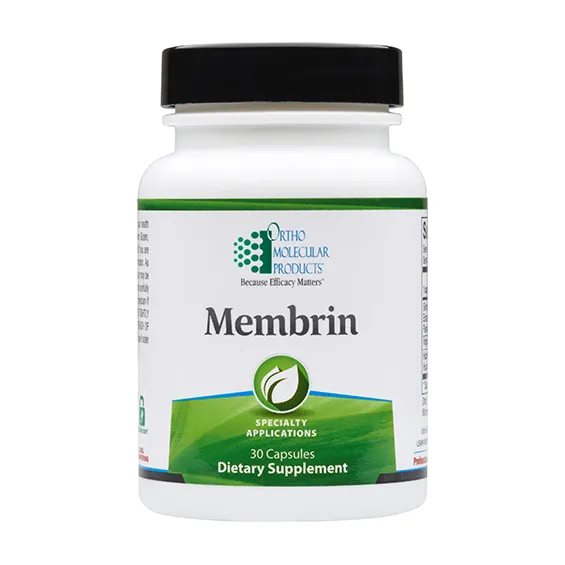
Membrin is a targeted dietary supplement formulated by Ortho Molecular Products to provide multidimensional support for aging brains and those experiencing cognitive decline. Rather than relying on a single mechanism of action, Membrin combines three of the most rigorously studied botanical and synthetic compounds in neuropharmacology: Ginkgo biloba, vinpocetine, and huperzine A. In a healthy body, optimal cognitive function relies on a delicate, continuous balance of robust blood flow, efficient neurotransmitter signaling, and rigorous antioxidant defense. The brain, while only accounting for about 2% of total body weight, consumes roughly 20% of the body's oxygen and energy supplies. When this energy supply chain is disrupted, cognitive function rapidly deteriorates. Membrin's formulation is specifically designed to address these foundational pillars of brain health simultaneously.
Each ingredient in Membrin targets a different aspect of neuronal communication and vascular health. By combining these compounds, the supplement aims to create a synergistic effect—enhancing cerebral blood circulation, decreasing excitotoxicity (the overstimulation and subsequent death of nerve cells), and scavenging damaging free radicals that degrade cellular membranes. To truly understand how this formulation supports cognitive function, we must break down the specific molecular and cellular mechanisms of its three primary ingredients.
Ginkgo biloba, provided in Membrin as a standardized extract (120 mg), is one of the most widely researched herbal therapeutics for cognitive impairment and cerebrovascular disease. The standardized extract is strictly formulated to contain approximately 24% flavonol glycosides and 5.4% terpene lactones. These two classes of compounds work together to exert complex, multi-target effects on the brain and vascular system. The flavonoids act as powerful free radical scavengers, neutralizing reactive oxygen species (ROS) and inhibiting membrane lipid peroxidation. This antioxidant activity is crucial for protecting cellular DNA and the delicate lipid bilayers of brain cells from oxidative stress, a primary driver of neurodegeneration.
Beyond its antioxidant properties, Ginkgo biloba is a potent modulator of cerebral blood flow. The terpene lactones in the extract—specifically compounds known as ginkgolides—are highly selective antagonists of Platelet-Activating Factor (PAF). By inhibiting PAF, Ginkgo biloba helps reduce abnormal platelet aggregation, reduces blood viscosity, and may help mitigate the risk of microthrombi (microscopic blood clots). This leads to smoother, more efficient blood flow through the brain's intricate network of capillaries. Furthermore, studies on Ginkgo biloba demonstrate that it promotes the dilation of blood vessels by stimulating the release of endothelial nitric oxide (NO), helping to restore optimal tissue perfusion in oxygen-starved brain regions.
Ginkgo biloba also provides profound neuroprotection at the mitochondrial level. A specific terpene lactone called bilobalide increases the expression of cytochrome oxidase subunits within the mitochondria, protecting against the uncoupling of oxidative phosphorylation. This stabilizes the mitochondrial membrane potential and increases the production of adenosine triphosphate (ATP), the primary energy currency of brain cells. Additionally, research published in Stroke has shown that Ginkgo extract may support neuronal health during ischemic events (oxygen deprivation) by inducing the expression of Heme Oxygenase 1 (HO-1), an essential antioxidant enzyme that defends against reperfusion injury.
Vinpocetine (30 mg in Membrin) is a synthetically derived compound based on vincamine, an alkaloid found naturally in the leaves of the lesser periwinkle plant. In neuropharmacology, vinpocetine is best known as a selective inhibitor of Phosphodiesterase type 1 (PDE1). Phosphodiesterases are enzymes responsible for degrading cyclic nucleotides, which are crucial intracellular signaling molecules. By inhibiting PDE1, vinpocetine helps slow the breakdown of cyclic adenosine monophosphate (cAMP) and cyclic guanosine monophosphate (cGMP), leading to a beneficial accumulation of these molecules inside brain cells.
This accumulation of cAMP and cGMP triggers a vital biochemical cascade. These molecules activate protein kinase A (PKA) and protein kinase G (PKG), which then enter the cell nucleus to phosphorylate transcription factors like CREB (cAMP response element-binding protein). The activation of CREB triggers the expression of plasticity-related genes, fundamentally supporting Long-Term Potentiation (LTP)—the cellular mechanism underlying learning, memory consolidation, and neuroplasticity. By enhancing these signaling pathways, vinpocetine helps neurons adapt, form new connections, and retain information more effectively.
In addition to its role in memory formation, vinpocetine exhibits significant anti-inflammatory and vasodilatory properties. It directly inhibits the IκB kinase (IKK) complex independently of its PDE blockade. This helps inhibit the activation of NF-κB, a master regulator of inflammation, thereby potently reducing neuroinflammation. Furthermore, vinpocetine acts as a cerebral vasodilator, enhancing the brain's utilization of oxygen and glucose. It also modulates sodium and calcium ion channels, inhibiting the excessive release of excitatory neurotransmitters like glutamate, which provides a neuroprotective shield against cellular toxicity.
Huperzine A (100 mcg in Membrin) is a naturally occurring alkaloid extracted from the Chinese club moss Huperzia serrata. It is highly regarded in clinical research for its dual therapeutic profile: it acts as an exceptionally potent acetylcholinesterase inhibitor (AChEI) and exhibits extensive non-cholinergic neuroprotective effects. Acetylcholine (ACh) is a primary neurotransmitter vital for learning, memory, and executive function. In many neurodegenerative and neuroinflammatory states, cholinergic neurons are damaged, leading to a severe deficit in acetylcholine.
Huperzine A works by reversibly and specifically inhibiting acetylcholinesterase, the enzyme responsible for breaking down acetylcholine in the synaptic cleft. By preventing this breakdown, Huperzine A effectively increases the availability and lifespan of acetylcholine between neurons, enhancing cholinergic transmission. Studies have demonstrated that Huperzine A has neuroprotective effects beyond AChE inhibition, including reducing oxidative stress and regulating nerve growth factor, making it a highly effective agent for symptomatic cognitive relief.
Beyond its effects on acetylcholine, Huperzine A provides broad-spectrum neuroprotection. It acts as a non-competitive antagonist at NMDA receptors, effectively supporting neurons against glutamate-induced excitotoxicity—a process where excess calcium floods into the cell, causing cell death. It also upregulates anti-apoptotic proteins (like Bcl-2) to support neuronal survival and promotes the secretion of Nerve Growth Factor (NGF), which is essential for the survival and regeneration of damaged neural pathways.
How Long COVID and ME/CFS Impact Cerebral Blood Flow and Cognition
To understand why supplements like Membrin are relevant to complex chronic illnesses, we must first understand the physiological origins of the cognitive dysfunction seen in these conditions. In ME/CFS and dysautonomia (such as Postural Orthostatic Tachycardia Syndrome, or POTS), brain fog is intrinsically linked to a phenomenon called cerebral hypoperfusion—a dramatic and abnormal reduction in blood flow to the brain. When blood flow is compromised, the brain is starved of the oxygen and glucose it requires to produce ATP, leading to immediate and profound cognitive impairment, slowed processing speed, and memory deficits.
Groundbreaking tilt-table studies utilizing Extracranial Doppler ultrasound have confirmed that ME/CFS patients experience an abnormal reduction in cerebral blood flow during orthostatic testing. Alarmingly, a 2024/2025 review in the Journal of the American Heart Association highlighted that impaired regulation of cerebral blood flow in the upright posture is a key feature of orthostatic intolerance, noting that heart rate and blood pressure are often used as proxies because CBF is difficult to measure. This persistent hypoperfusion is a primary driver of orthostatic intolerance and the devastating cognitive crashes associated with post-exertional malaise (PEM).
Furthermore, advanced imaging reveals that this lack of blood flow is not limited to standing upright. Studies using Arterial Spin Labeling (ASL) MRI have demonstrated significant resting baseline hypoperfusion in the limbic system and anterior cingulate cortex of ME/CFS patients—areas heavily responsible for memory, emotional regulation, and cognitive processing. If you are interested in learning more about how autonomic dysfunction impacts the brain, you can explore our detailed guide on Brain Fog, Fast Heart Rate, and Fatigue.
In the context of Long COVID, the mechanisms driving brain fog share similarities with ME/CFS but are heavily influenced by the specific vascular damage caused by the SARS-CoV-2 virus. The virus triggers systemic inflammation that damages the endothelial cells lining the blood vessels. This endothelial dysfunction creates a pro-thrombotic (hypercoagulable) state, leading to the formation of microscopic blood clots, or microthrombi, throughout the body's vascular network. These microclots physically obstruct the tiny capillaries in the brain, severely restricting blood flow to highly metabolically active regions like the frontal and temporal lobes.
This vascular obstruction leads to chronic localized hypoxia (oxygen starvation). Because standard MRIs often fail to detect these functional blood flow deficits, many patients are incorrectly told their brain scans are "normal," despite experiencing debilitating cognitive symptoms.
The combination of microclots and impaired vasodilation means that the brain's blood vessels fail to open up and draw in more blood when needed. This absence of compensatory vasodilation traps the brain in a state of chronic energy depletion. To understand more about the intersection of viral infection and cognitive health, read our comprehensive overview of What Is "Brain Fog" and Cognitive Dysfunction in Long COVID?.
The final piece of the cognitive dysfunction puzzle is neuroinflammation and the breakdown of the blood-brain barrier (BBB). The blood-brain barrier is a highly selective semipermeable border of endothelial cells that prevents solutes in the circulating blood from non-selectively crossing into the extracellular fluid of the central nervous system. However, the chronic systemic inflammation and endothelial damage seen in Long COVID and ME/CFS can cause these blood vessels to become "leaky," compromising this critical defense mechanism.
A landmark study published in Nature Neuroscience in 2024 reported that Long COVID patients with brain fog had disruptions in the blood-brain barrier, alongside a hyperactive immune system. When the BBB is compromised, systemic inflammatory cytokines and immune cells infiltrate the brain, activating the brain's resident immune cells (microglia).
Once activated, microglia release a storm of pro-inflammatory cytokines, creating a state of chronic low-grade neuroinflammation. This inflammation damages synaptic connections, disrupts neurotransmitter synthesis, and alters receptor densities. For example, recent PET imaging studies have shown widespread increases in the density of AMPA receptors in the brains of Long COVID patients, directly correlating with the severity of their cognitive impairment. This neuroinflammatory cascade is a primary reason why patients struggle with memory recall and executive function.
Membrin: Supporting Cerebral Perfusion and Neuroprotection
Given that cerebral hypoperfusion and microvascular obstruction are central drivers of cognitive dysfunction in Long COVID and ME/CFS, interventions that support blood flow are of paramount interest. Membrin's combination of Ginkgo biloba and vinpocetine directly targets these vascular deficits. Ginkgo biloba's terpene lactones act as potent Platelet-Activating Factor (PAF) antagonists. By inhibiting PAF, Ginkgo helps reduce the abnormal platelet aggregation that contributes to the formation of microclots. This reduction in blood viscosity allows blood to flow more freely through the brain's compromised capillary networks, helping to alleviate the localized hypoxia that drives brain fog.
Simultaneously, vinpocetine acts as a powerful cerebral vasodilator. By inhibiting Phosphodiesterase type 1 (PDE1) and modulating intracellular calcium levels, vinpocetine helps relax the smooth muscle cells lining the blood vessels in the brain. This vasodilation enhances the cerebral utilization of oxygen and glucose, directly counteracting the "absence of compensatory vasodilation" observed in ME/CFS patients. Together, these two ingredients work synergistically to improve microcirculation, supporting the delivery of oxygen and vital nutrients to the metabolically demanding areas of the frontal and temporal lobes.
By supporting robust cerebral blood flow, Membrin may help mitigate the severe drops in perfusion that occur upon standing in patients with dysautonomia and POTS. Improved blood flow not only provides immediate energy to neurons but also supports the brain's glymphatic system—the waste clearance network that relies on adequate vascular pressure to flush out neurotoxic byproducts during sleep. For more insights into supporting cellular energy, consider reading about Acetyl-L-Carnitine for Long COVID and ME/CFS.
Addressing the neuroinflammatory cascade and the leaky blood-brain barrier is another critical step in managing cognitive dysfunction. Membrin provides multidimensional neuroprotection through the combined actions of vinpocetine and Huperzine A. Vinpocetine directly inhibits the IκB kinase (IKK) complex, which helps inhibit the activation of NF-κB. Because NF-κB is a master transcription factor that regulates the expression of pro-inflammatory cytokines, its inhibition by vinpocetine potently suppresses neuroinflammation at the cellular level, helping to calm the activated microglia that damage synaptic connections in Long COVID.
Meanwhile, Huperzine A provides a crucial defense against excitotoxicity. In states of chronic neuroinflammation and hypoxia, neurons often release excessive amounts of glutamate, an excitatory neurotransmitter. This excess glutamate overstimulates NMDA receptors, causing a massive, toxic influx of calcium into the neurons that ultimately leads to cell death. Huperzine A acts as a non-competitive NMDA receptor antagonist, effectively blocking this toxic calcium influx and supporting neurons against glutamate-induced stress.
This dual approach—suppressing the inflammatory cytokine storm with vinpocetine while physically blocking excitotoxic damage with Huperzine A—creates a robust neuroprotective environment. By stabilizing the neuronal environment, these ingredients help preserve the structural integrity of the brain's neural networks, which is essential for recovering cognitive clarity and processing speed.
The structural damage and inflammation caused by Long COVID and ME/CFS inevitably disrupt the synthesis and transmission of vital neurotransmitters. Membrin specifically targets these deficits to support memory consolidation and executive function. Huperzine A is the primary driver of this benefit, acting as a highly potent acetylcholinesterase inhibitor. By preventing the breakdown of acetylcholine, Huperzine A helps maintain higher concentrations of this critical neurotransmitter available in the synaptic cleft. This enhanced cholinergic transmission is directly responsible for improvements in short-term memory, attention span, and learning capacity.
Complementing the cholinergic boost, vinpocetine supports the structural formation of memories through the enhancement of Long-Term Potentiation (LTP). By inhibiting PDE1, vinpocetine increases intracellular levels of cAMP and cGMP, which activate the CREB transcription factor. This pathway stimulates the expression of plasticity-related genes, allowing neurons to form new, stronger connections. This neuroplasticity is vital for patients trying to overcome the cognitive rigidity and memory recall issues associated with severe brain fog.
Furthermore, Ginkgo biloba acts as a reversible monoamine oxidase (MAO) inhibitor, which mildly decreases the breakdown of serotonin, dopamine, and norepinephrine. By supporting the availability of these mood-regulating neurotransmitters, Ginkgo may help address the overlapping symptoms of mental fatigue, low motivation, and mood disturbances that frequently accompany chronic cognitive dysfunction. For more information on neurotransmitter support, explore our article on 5-HTP for Long COVID Sleep and Brain Fog.
Finally, the ingredients in Membrin provide essential support for mitochondrial function and antioxidant defense. Chronic illness places the brain under immense oxidative stress, generating high levels of reactive oxygen species (ROS) that damage cellular membranes and DNA. The high concentration of flavonol glycosides in Ginkgo biloba acts as a systemic scavenger, helping to neutralize these free radicals before they may cause widespread lipid peroxidation.
At the core of cellular energy production, the bilobalide compound in Ginkgo biloba supports mitochondrial function. It stabilizes the mitochondrial membrane potential and supports the efficient flow of electrons through the electron transport chain, maximizing ATP production. This is particularly important for ME/CFS patients, whose cells often struggle to produce adequate energy. By defending the mitochondria and upregulating antioxidant enzymes like Heme Oxygenase 1 (HO-1), Membrin helps restore the cellular energy required for sustained cognitive effort.
Additionally, Huperzine A has been shown to combat oxidative stress by reducing brain iron accumulation, a known catalyst for the production of highly toxic hydroxyl radicals. By chelating excess iron and boosting endogenous antioxidant enzymes, Huperzine A further fortifies the brain's defenses against the chronic oxidative burden imposed by post-viral syndromes.
Symptoms Membrin May Help Manage
Based on the mechanisms of its key ingredients, Membrin is formulated to target a specific range of cognitive and neurological symptoms. While individual responses vary, the synergistic action of Ginkgo biloba, vinpocetine, and Huperzine A addresses the root causes of many common complaints in chronic illness.
Poor Short-Term Memory: Huperzine A's potent inhibition of acetylcholinesterase increases acetylcholine levels, directly supporting the brain's ability to encode and retrieve short-term memories.
Difficulty Finding Words (Aphasia): By enhancing cerebral blood flow to the temporal and frontal lobes via Ginkgo biloba and vinpocetine, the brain receives the oxygen required to process language and retrieve vocabulary more efficiently.
Slowed Processing Speed: The enhancement of Long-Term Potentiation (LTP) through vinpocetine's PDE1 inhibition helps neurons communicate more rapidly, reducing the feeling of cognitive sluggishness.
Inability to Concentrate: Increased cholinergic transmission from Huperzine A supports sustained attention and focus, making it easier to complete complex or multi-step tasks.
Because cognitive dysfunction in Long COVID and ME/CFS is deeply tied to vascular health and autonomic nervous system function, Membrin's ingredients also target symptoms related to poor blood flow and neuro-fatigue.
Orthostatic Brain Fog: The vasodilatory effects of vinpocetine and the blood-thinning properties of Ginkgo biloba help counteract the severe drops in cerebral perfusion that occur when standing up, potentially reducing orthostatic lightheadedness.
Mental Fatigue (Cognitive PEM): By protecting mitochondrial function and increasing ATP production via bilobalide, the brain has a larger energy reserve, which may help delay the onset of cognitive exhaustion after mental exertion.
Sensory Overload: Huperzine A's ability to block NMDA receptors helps mitigate glutamate excitotoxicity, which can help calm an overstimulated nervous system and reduce hypersensitivity to light and sound.
Headaches and Head Pressure: Improved microcirculation and the reduction of microthrombi via Ginkgo's PAF antagonism can relieve the localized hypoxia and vascular tension that often cause chronic daily headaches.
Practical Considerations: Forms, Dosing, and Absorption
When considering a multidimensional supplement like Membrin, understanding the specific dosages and how they align with clinical research is crucial. Membrin provides 120 mg of Ginkgo biloba extract per capsule. This aligns perfectly with the standard clinical dosages used in neurological trials, which typically range from 120 to 240 mg daily. The extract is standardized to contain 22% flavonol glycosides and 5.4% terpene lactones, ensuring a consistent and potent delivery of the active antioxidant and vasodilatory compounds.
The supplement also includes 30 mg of vinpocetine and 100 mcg of Huperzine A per capsule. In clinical studies evaluating cognitive decline, vinpocetine is generally utilized at doses of 15 to 60 mg per day, placing Membrin's dosage right in the optimal therapeutic window for supporting cerebral blood flow and PDE1 inhibition. Similarly, clinical trials for Huperzine A typically use doses ranging from 200 mcg to 400 mcg daily, often split into multiple doses. The 100 mcg provided in a single capsule of Membrin offers a conservative, highly tolerable starting dose that can be adjusted under medical supervision.
The suggested use for Membrin is 1 capsule per day, or as recommended by your healthcare professional. Because the ingredients have varying half-lives—for instance, Huperzine A has a relatively long half-life and remains active in the brain for an extended period—a single daily dose is often sufficient for baseline cognitive support, though providers may recommend splitting doses for sustained coverage throughout the day.
To maximize the efficacy of Membrin, it is important to consider how its ingredients are absorbed by the body. Ginkgo biloba extract and vinpocetine both exhibit improved bioavailability when taken with food. Vinpocetine, in particular, is highly lipophilic (fat-soluble). Studies have shown that taking vinpocetine with a meal that contains healthy fats can increase its absorption by up to 60-100% compared to taking it on an empty stomach. Therefore, it is highly recommended to take Membrin alongside a meal, such as breakfast or lunch, to ensure maximum uptake into the bloodstream.
Timing is also an important consideration. Because Membrin is designed to increase cerebral blood flow, boost acetylcholine, and enhance mental alertness, taking it late in the evening or right before bed may cause mild overstimulation or interfere with sleep in sensitive individuals. For most patients, taking the supplement in the morning or early afternoon aligns best with the body's natural cognitive demands and circadian rhythms.
It is also worth noting that the neuroprotective and neuroplasticity benefits of these ingredients—such as the induction of Heme Oxygenase 1 and the enhancement of Long-Term Potentiation—are cumulative. While some patients may notice subtle improvements in mental clarity or reduced brain fog within a few days due to increased blood flow, the structural and anti-inflammatory benefits typically require consistent, daily use over several weeks to months to fully manifest.
While the ingredients in Membrin are generally well-tolerated, their potent physiological effects necessitate careful consideration of safety and potential drug interactions. The most significant precaution involves Ginkgo biloba's mechanism as a Platelet-Activating Factor (PAF) antagonist. Because it inhibits platelet aggregation, Ginkgo can prolong bleeding time. It should be used with extreme caution, or avoided entirely, by individuals taking prescription blood thinners (anticoagulants like Warfarin or Eliquis), antiplatelet drugs (like Plavix), or high doses of NSAIDs (like aspirin or ibuprofen), as the combination significantly increases the risk of bleeding. Current medical guidelines also strictly advise discontinuing Ginkgo biloba at least two weeks prior to any scheduled surgery.
Additionally, the FDA has issued a stark safety warning regarding vinpocetine for women of childbearing age. Toxicological studies conducted by the National Institutes of Health found that vinpocetine exposure in pregnant animals caused dose-dependent increases in miscarriages and severe fetal malformations. Therefore, Membrin is strictly contraindicated for women who are pregnant, planning to become pregnant, or breastfeeding.
Finally, because Huperzine A increases acetylcholine levels, it may interact with other cholinergic medications (such as prescription Alzheimer's drugs like donepezil) or anticholinergic drugs (like certain antihistamines or tricyclic antidepressants). Patients with a history of seizures, severe cardiac arrhythmias, or active peptic ulcers should consult their healthcare provider before initiating therapy, as increased cholinergic activity can occasionally exacerbate these conditions. Always discuss new supplements with your medical team to ensure they fit safely within your comprehensive treatment plan.
Follow the Science: Clinical Evidence for Membrin's Ingredients
The scientific literature surrounding the ingredients in Membrin is extensive, particularly regarding their effects on cerebral blood flow and cognitive impairment. Ginkgo biloba (specifically the standardized extract EGb 761) has been the subject of numerous rigorous clinical trials. Furthermore, a 2023 systematic review published in Pharmaceuticals evaluated 15 clinical trials involving patients suffering from mild to moderate Alzheimer's disease or Vascular Dementia. The review concluded that EGb 761 significantly improved Mini-Mental State Examination (MMSE) scores, neuropsychiatric symptoms, and overall functional abilities compared to placebo. While large-scale preventative trials (like the GEM study) showed it does not prevent dementia in healthy individuals, the data strongly supports its efficacy in improving symptoms in brains already experiencing vascular or neurodegenerative stress.
In the context of ischemia and oxygen deprivation, research published by the American Heart Association demonstrated that EGb 761 protects neurons from ischemic injury by inducing the expression of Heme Oxygenase 1 (HO-1). In animal models of transient ischemia, pretreatment with the extract reduced neurological dysfunction by over 50% and decreased brain infarct volumes by 48.2% compared to controls, highlighting its profound neuroprotective capabilities during hypoxic events.
Huperzine A has also garnered significant scientific validation, particularly in human trials conducted in China for Vascular Dementia and Alzheimer's disease. A rigorous systematic review and meta-analysis published in PLOS One evaluated 20 Randomized Clinical Trials (RCTs) encompassing 1,823 participants. The meta-analysis found that compared to a placebo, Huperzine A showed statistically significant beneficial effects on cognitive function, consistently improving MMSE scores at 8, 12, and 16-week intervals.
Beyond symptomatic relief, preclinical data strongly supports Huperzine A's role as a disease-modifying neuroprotectant. These multi-target effects make it a highly promising agent for protecting the brain against the chronic inflammatory cascades seen in post-viral syndromes.
Phase II clinical trials in the United States have tested doses of 200 mcg to 400 mcg twice daily, confirming its safety and tolerability profile. Unlike early synthetic acetylcholinesterase inhibitors, Huperzine A completely lacks dose-limiting hepatotoxicity (liver damage), making it a safer option for long-term cognitive support, though mild cholinergic side effects like nausea or dizziness can occasionally occur.
The clinical evidence for vinpocetine presents a complex but intriguing picture. In preclinical rodent models, vinpocetine has proven highly effective at facilitating Long-Term Potentiation (LTP) and improving spatial memory by inhibiting PDE1 and increasing cAMP/cGMP levels. It has also demonstrated robust anti-inflammatory effects by inhibiting the IKK complex and preventing NF-κB activation, which is crucial for mitigating neuroinflammation.
In human trials, the data is more nuanced. A safety review highlighted by the FDA emphasizes the need for caution, particularly regarding fetal safety risks, rather than focusing on dementia efficacy. However, more recent research has explored its use in specific neurological deficits. For example, a 2014 study of 112 subjects found that 12 weeks of vinpocetine therapy significantly improved memory and concentration in patients with epilepsy-associated cognitive impairment.
While vinpocetine may not act as a "limitless" memory booster for entirely healthy individuals, its proven biological mechanisms—vasodilation, PDE1 inhibition, and anti-inflammatory action—make it a highly rational inclusion in a synergistic formula like Membrin, specifically designed to support brains suffering from vascular and inflammatory stress.
The Path Forward: Managing Cognitive Dysfunction
If you are navigating the daily realities of Long COVID, ME/CFS, or dysautonomia, it is crucial to recognize that your cognitive symptoms are not a personal failing, nor are they simply "in your head." The profound brain fog, memory lapses, and mental exhaustion you experience are the direct results of measurable physiological crises: cerebral hypoperfusion, microvascular clotting, and persistent neuroinflammation. Your brain is actively fighting to function in an environment starved of optimal blood flow and oxygen. Validating this reality is the first and most important step toward finding effective management strategies.
Living with an invisible illness that strips away your cognitive clarity can be deeply isolating. It impacts your ability to work, socialize, and advocate for your own health. However, as medical science continues to uncover the specific vascular and inflammatory mechanisms driving these symptoms, the landscape of available interventions is rapidly expanding. We are moving away from the era of dismissing brain fog and entering an era of targeted, biologically grounded therapies.
While supplements like Membrin offer powerful, multidimensional support by enhancing cerebral blood flow, boosting acetylcholine, and defending against oxidative stress, they are most effective when integrated into a comprehensive management plan. There is no single magic pill for complex chronic illness. Recovering cognitive function requires a holistic approach that addresses the body's systemic needs.
This includes strict adherence to cognitive pacing—learning to recognize your mental energy envelope and resting before you crash into post-exertional malaise. It also involves managing orthostatic stress through adequate hydration, electrolyte balancing, and positional awareness to maximize blood flow to the brain. Combining these lifestyle strategies with targeted nutraceuticals like Membrin can create a synergistic environment that allows your neural networks the best possible chance to heal and adapt. For more strategies on supporting your brain, consider reading about Guanfacine for Brain Fog.
If you are struggling with persistent cognitive dysfunction, memory loss, or mental fatigue, Membrin may be a valuable addition to your neuro-supportive toolkit. Its synergistic blend of Ginkgo biloba, vinpocetine, and Huperzine A is specifically designed to address the vascular and neurotransmitter deficits common in chronic illness. However, because of its potent effects on blood flow and potential interactions with other medications, it is imperative to discuss this supplement with your medical team before starting.
Your healthcare provider can help you determine if Membrin is safe and appropriate for your specific clinical picture, ensuring it complements your broader treatment strategy. By taking a proactive, science-backed approach to your cognitive health, you can begin to clear the fog and reclaim your mental clarity.
Sources
FDA Statement on Warning for Women of Childbearing Age Regarding Vinpocetine (FDA, 2019)
Cerebral Blood Flow in Orthostatic Intolerance (Journal of the American Heart Association, 2025)
Limbic Perfusion Is Reduced in Patients with ME/CFS (Tomography, 2021)
New study reveals molecular basis of Long COVID brain fog (Brain Communications, 2025)