Can Melatonin SRT™ Support Restorative Sleep for Long COVID and ME/CFS?
March 6, 2026
MelatoninSleep SupportLong COVID
Share:
Disclaimer: The information provided here is for educational purposes only and is not intended as medical advice. It should not be used to diagnose, treat, cure, or prevent any medical condition. Instead, use it as a starting point for discussion with your healthcare provider. Always consult with a qualified healthcare provider before starting any new medication, supplement, device, or making changes to your health regimen.
For individuals living with complex chronic conditions like Long COVID, myalgic encephalomyelitis/chronic fatigue syndrome (ME/CFS), and dysautonomia, sleep is rarely just about feeling rested. It is a nightly battle against a nervous system that refuses to power down, a brain that feels inflamed, and a body that wakes up more exhausted than when it went to bed. You might find yourself staring at the ceiling at 3 AM, heart racing, trapped in a frustrating cycle of being entirely "wired but tired." Standard sleep aids often leave you feeling groggy, hungover, or completely fail to keep you asleep through the night. This is a common and deeply validating experience for those navigating post-viral illnesses, where the fundamental architecture of sleep has been disrupted at a cellular level.
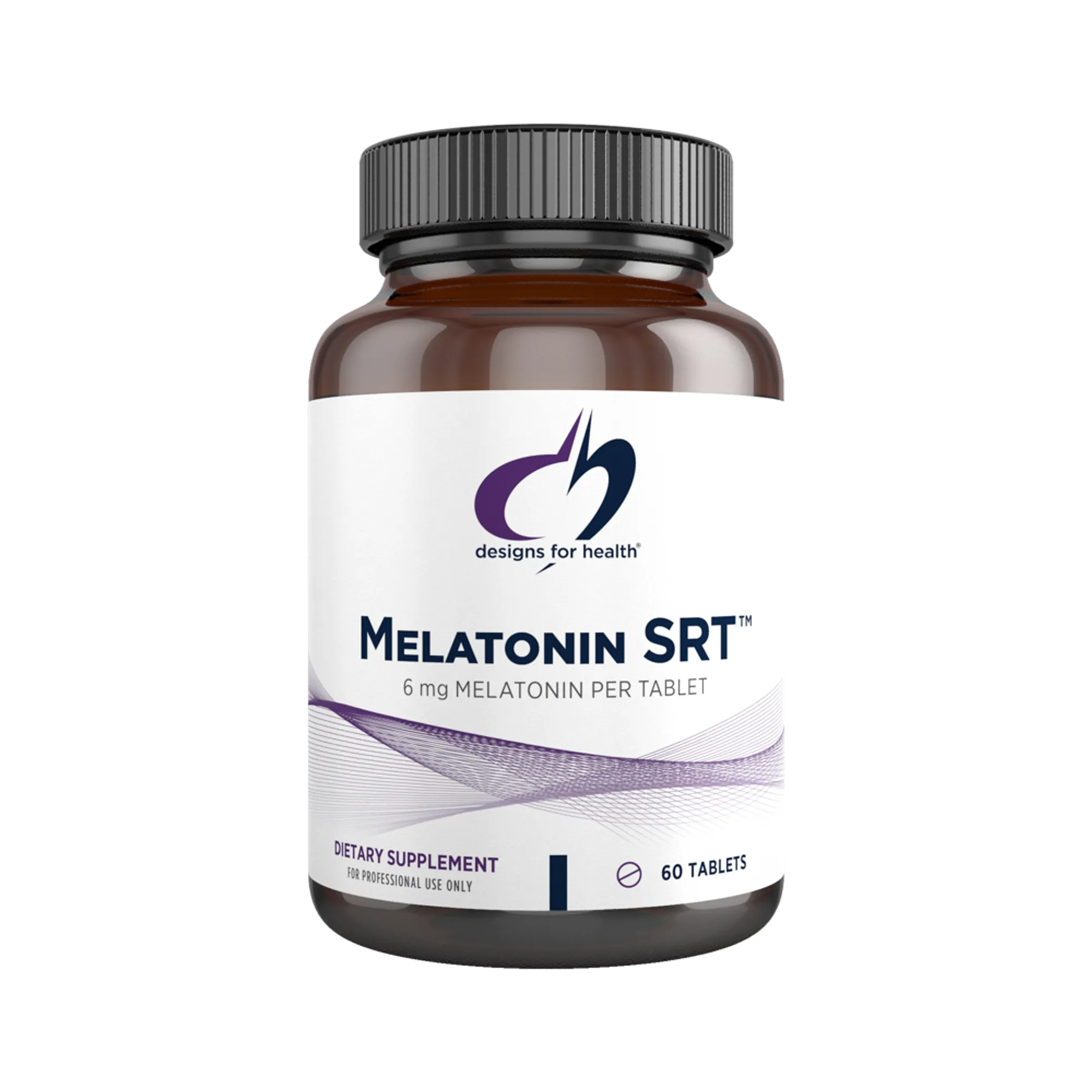
Enter melatonin, a hormone naturally produced by the body that does far more than just induce sleep. In the context of chronic illness, melatonin acts as a potent antioxidant, a neuroprotective agent, and a regulator of the autonomic nervous system. However, because the body clears standard melatonin rapidly, many patients wake up after only a few hours. Melatonin SRT™ by Designs for Health offers a 6 mg sustained-release formulation designed to mimic the body's natural physiological secretion pattern. By slowly releasing melatonin throughout the night, it provides prolonged support for those who struggle with sleep maintenance, frequent awakenings, and the deep, restorative rest required for cellular healing.
TL;DR
Sustained-release melatonin supports restorative sleep and helps reduce early morning awakenings in complex chronic illnesses.
It acts as a potent antioxidant, helping protect mitochondria and manage neuroinflammation in Long COVID.
Melatonin may help calm the nervous system, supporting dysautonomia patients with "wired but tired" symptoms.
Always consult your doctor before starting melatonin, especially if taking SSRIs or beta-blockers.
What is Melatonin SRT™?
The Chemical Expression of Darkness
Melatonin (N-acetyl-5-methoxytryptamine) is a highly conserved hormone synthesized primarily by the pineal gland, a small endocrine gland located deep within the brain. Often referred to by chronobiologists as the "chemical expression of darkness," melatonin serves as the body's primary chronobiotic regulator. Its fundamental role is to translate environmental light and dark cycles into biological signals that every cell in the body can understand. In a healthy system, melatonin levels begin to rise in the evening as daylight fades, peak in the middle of the night, and gradually fall to baseline levels by morning, signaling the body that it is time to wake up.
Beyond its role as a sleep initiator, melatonin is a profound systemic regulator. It is an endogenous antioxidant, meaning it is produced natively within the body to neutralize harmful free radicals and protect cellular structures from oxidative damage. Furthermore, melatonin interacts closely with the immune system and the autonomic nervous system, helping to lower core body temperature, reduce blood pressure, and calm the "fight or flight" sympathetic response to prepare the body for restorative rest.
The Biosynthesis Pathway of Melatonin
The production of melatonin is a fascinating, multi-step biochemical process that relies heavily on the availability of specific precursors and cofactors. The pathway begins with L-tryptophan, an essential amino acid acquired through the diet. Tryptophan is first hydroxylated by the enzyme tryptophan hydroxylase to form 5-hydroxytryptophan (5-HTP). This intermediate is then decarboxylated to become serotonin, a crucial neurotransmitter associated with mood and gastrointestinal motility.
The transformation of serotonin into melatonin is where the magic of the circadian rhythm occurs. The rate-limiting step of this pathway is controlled by an enzyme called arylalkylamine N-acetyltransferase (AANAT). AANAT activity is highly sensitive to light; it rhythmically peaks in the dark and is rapidly degraded when the eyes are exposed to light. AANAT converts serotonin into N-acetylserotonin. Finally, a second enzyme, ASMT, adds a methyl group to create the final melatonin molecule. Because this pathway is so delicate, any disruption in tryptophan availability, serotonin production, or light exposure can severely impair the body's ability to generate adequate melatonin.
The Master Clock and Circadian Rhythm
The timing of melatonin synthesis is governed by the suprachiasmatic nucleus (SCN) of the hypothalamus, which acts as the mammalian "master clock." The SCN receives direct input from intrinsically photosensitive retinal ganglion cells in the eyes via the retinohypothalamic tract. During the day, the bright light detected by these cells prompts the SCN to inhibit the sympathetic nervous system's signals to the pineal gland, effectively halting melatonin production.
When darkness falls, this inhibition is lifted. The SCN triggers the release of norepinephrine, which binds to beta-adrenergic receptors on the pineal gland. This binding activates a cascade of intracellular signaling, ultimately turning on the AANAT enzyme and causing a massive spike in melatonin synthesis. Once released into the cerebrospinal fluid and bloodstream, melatonin feeds back into the SCN, binding to specific receptors to phase-shift and resynchronize the master clock's electrical activity, ensuring that the entire body operates on a cohesive 24-hour schedule.
The Advantage of Sustained-Release Technology
One of the primary challenges with endogenous melatonin is its incredibly short half-life. Once secreted, melatonin is rapidly metabolized by the liver and cleared from the bloodstream in roughly 40 to 60 minutes. For healthy individuals, the pineal gland continuously pumps out melatonin throughout the night to maintain sleep. However, when supplementing with standard, immediate-release melatonin, the body receives a sudden, massive spike of the hormone that clears within a few hours, often leading to early morning awakenings.
Melatonin SRT™ utilizes a sustained-release (SR) matrix to overcome this pharmacokinetic hurdle. By slowly dissolving over several hours, the tablet closely mimics the brain's natural pineal gland secretion pattern. This gradual release ensures that therapeutic plasma levels of melatonin are maintained throughout the critical 4-to-8-hour sleep window. For patients who have no trouble falling asleep but find themselves wide awake at 3 AM, this sustained delivery is essential for bridging the gap and promoting uninterrupted, restorative sleep architecture.
How Long COVID, ME/CFS, and Dysautonomia Impact Sleep and Circadian Rhythms
Neuroinflammation and the Disrupted Sleep-Wake Cycle in Long COVID
In the wake of a SARS-CoV-2 infection, many patients develop Long COVID, characterized by a constellation of debilitating symptoms including severe sleep disturbances. Research indicates that standard insomnia medications often fail for these patients because the root cause is not psychological stress, but profound neuroinflammation. The virus can trigger a persistent state of chronic inflammation, often referred to as "inflammaging," where overactive microglia and astrocytes in the brain continuously release pro-inflammatory cytokines like IL-6, IL-1β, and TNF-α.
This sustained neuroinflammation directly alters the structural and functional integrity of the brain's sleep centers. Studies have shown structural alterations in the thalamus, the brain's central relay station for sleep-wake control, in Long COVID patients. Furthermore, systemic inflammation can impair the hypothalamus, lowering the production of orexin (a neuropeptide that regulates wakefulness) and disrupting GABA signaling, which is necessary for initiating deep sleep. The result is a fragmented sleep architecture where the brain struggles to transition into the restorative deep sleep phases necessary for healing.
The Hyperadrenergic State of Dysautonomia and POTS
For patients with dysautonomia, particularly postural orthostatic tachycardia syndrome (POTS), sleep is frequently disrupted by a hyperadrenergic state. In these conditions, the autonomic nervous system is severely imbalanced, with the sympathetic "fight or flight" branch stuck in overdrive. This leads to an exaggerated release of norepinephrine, causing symptoms like rapid heart rate (tachycardia), palpitations, and profound anxiety, especially upon standing or changing positions.
This autonomic dysfunction does not simply turn off at bedtime. The normal physiological drop in heart rate and core body temperature that facilitates sleep is blunted in POTS patients. They often experience the agonizing sensation of being "wired but tired," where their physical body is exhausted, but their nervous system is flooded with adrenaline. This hyperarousal prevents the onset of sleep and causes frequent, startling awakenings throughout the night, perpetuating a vicious cycle of fatigue and autonomic instability.
Phase-Shifting and Unrefreshing Sleep in ME/CFS
Unrefreshing sleep is a hallmark diagnostic criterion for myalgic encephalomyelitis/chronic fatigue syndrome (ME/CFS). Patients with ME/CFS frequently experience severe circadian rhythm disruptions, often presenting as a "phase-shifted" sleep cycle where they are unable to fall asleep until the early hours of the morning and struggle to wake up during the day. This day-night reversal is not a behavioral choice but a profound neurobiological dysfunction.
In ME/CFS, the body also faces intense oxidative stress and mitochondrial dysfunction. Mitochondria, the cellular powerhouses, become damaged and inefficient, leading to a severe lack of cellular energy (ATP). This bioenergetic crisis contributes to the debilitating post-exertional malaise (PEM) that patients experience after minimal exertion. Because the body lacks the energy to perform basic cellular maintenance, the restorative functions of sleep are severely compromised, leaving patients waking up feeling as though they haven't slept at all.
Melatonin SRT™: Supporting Sleep, Autonomic Balance, and Cellular Health
Receptor Activation: MT1 and MT2 Pathways
Melatonin exerts its primary physiological effects by binding to two high-affinity, G-protein-coupled receptors located in the brain and peripheral tissues: MT1 and MT2. The MT1 receptors are heavily concentrated in the suprachiasmatic nucleus (SCN) and the limbic system. When melatonin binds to MT1 receptors, it inhibits the enzyme adenylate cyclase, which leads to a decrease in intracellular cyclic AMP (cAMP). This reduction in cAMP dampens neuronal firing, effectively lowering core body temperature and inducing the physiological state of sleepiness required to initiate rest.
Conversely, MT2 receptors are heavily involved in the synchronization and phase-shifting of the circadian rhythm. While MT1 initiates sleep onset, MT2 receptor activation selectively increases the duration and quality of non-REM (NREM) sleep, which is the deep, restorative phase of the sleep cycle. By targeting both receptors simultaneously, Melatonin SRT™ helps to not only put the brain to sleep but also to entrain the master clock, correcting the phase-shifted rhythms often seen in ME/CFS and Long COVID patients.
A Potent Antioxidant and Mitochondrial Savior
Beyond its receptor-mediated effects, melatonin is a remarkably potent, direct scavenger of reactive oxygen species (ROS) and reactive nitrogen species (RNS). Unlike many other antioxidants, melatonin is amphiphilic, meaning it can easily cross cell membranes and the blood-brain barrier to reach the mitochondria, where oxidative stress is most severe. Once inside the cell, melatonin neutralizes free radicals and metabolizes into secondary compounds, such as AMK, which possess even stronger antioxidant properties than melatonin itself.
In the context of post-viral fatigue and ME/CFS, researchers have dubbed melatonin a "mitochondrial savior". It helps to restore mitochondrial function by protecting the delicate electron transport chain from oxidative damage, thereby improving cellular bioenergetics and ATP production. Furthermore, melatonin inhibits the NF-κB pathway, a primary driver of inflammation, effectively suppressing the production of the inflammatory cytokines responsible for Long COVID's systemic "cytokine storms." By helping to manage this inflammatory cascade, melatonin addresses the root cellular dysfunction driving chronic fatigue.
Sympatholytic Effects for Autonomic Regulation
For patients with dysautonomia and POTS, melatonin offers a unique therapeutic advantage: it is a sympatholytic agent. This means it actively dampens the overactivity of the sympathetic nervous system. Melatonin has been shown to blunt the exaggerated release of norepinephrine that causes the rapid heart rates and palpitations characteristic of POTS. By interacting with autonomic control centers in the brainstem, melatonin helps shift the body out of its hyperadrenergic "fight or flight" state and into the "rest and digest" parasympathetic state.
This sympatholytic action is crucial for overcoming the "wired but tired" phenomenon. By lowering circulating catecholamines (stress hormones) and reducing standing heart rates, melatonin allows the nervous system to calm down sufficiently to initiate and maintain sleep. This dual action—promoting sleep while simultaneously stabilizing autonomic function—makes it a highly targeted supportive option for complex chronic illnesses that feature both insomnia and dysautonomia.
Clearing "Brain Fog" via the Glymphatic System
During deep, restorative sleep, the brain activates the glymphatic system, a macroscopic waste clearance pathway that flushes out neurotoxic proteins and metabolic byproducts that accumulate during waking hours. Because Long COVID and ME/CFS severely disrupt sleep architecture, this vital clearance process is impaired, contributing heavily to the cognitive dysfunction commonly known as "brain fog."
Melatonin directly enhances this process by promoting the deep NREM sleep stages required for optimal glymphatic function. Additionally, its powerful anti-inflammatory effects suppress the over-activation of microglia, reducing neuroinflammation and protecting delicate neural networks. By facilitating the removal of cellular waste and calming brain inflammation, sustained-release melatonin can play a significant role in managing the cognitive symptoms of Long COVID and improving daytime mental clarity.
Symptoms Melatonin SRT™ May Help Manage
Targeting Sleep Architecture
Melatonin SRT™ is specifically formulated to address the complex sleep disturbances associated with chronic illness. By providing a sustained release of melatonin, it targets multiple phases of the sleep cycle:
Frequent Nighttime Awakenings: The sustained-release matrix maintains therapeutic plasma levels of melatonin for 4 to 8 hours, mitigating the sudden drop in hormones that causes patients to wake up in the middle of the night.
Early Morning Insomnia: By mimicking the pineal gland's natural secretion curve, it helps keep the brain in a state of rest until the appropriate waking hour, reducing the frustration of waking at 4 AM unable to return to sleep.
Unrefreshing Sleep: By activating MT2 receptors, melatonin increases the duration of deep, non-REM sleep, which is essential for physical restoration and cellular repair, helping patients wake up feeling more rested.
Phase-Shifted Circadian Rhythms: For ME/CFS patients with day-night reversal, taking melatonin at a consistent evening hour helps entrain the suprachiasmatic nucleus, gradually pulling the sleep-wake cycle back to a normal schedule.
Addressing Autonomic and Cognitive Symptoms
Beyond sleep, the systemic effects of melatonin can help manage several overlapping symptoms of dysautonomia, Long COVID, and neuroinflammation:
"Wired but Tired" Hyperarousal: Its sympatholytic properties blunt norepinephrine spikes, calming the overactive sympathetic nervous system and reducing the physical sensation of anxiety and restlessness at bedtime.
Nighttime Tachycardia and Palpitations: By lowering sympathetic tone, melatonin can help reduce the rapid heart rates that often plague POTS patients when they try to lie down and rest.
Brain Fog and Cognitive Fatigue: By facilitating deep sleep and activating the glymphatic system, melatonin helps clear neurotoxic waste from the brain, potentially improving daytime focus and mental clarity.
Post-Exertional Malaise (PEM): As a "mitochondrial savior," melatonin helps protect cellular energy pathways from oxidative stress, supporting the body's resilience against the severe crashes triggered by minimal exertion.
Practical Considerations: Forms, Dosing, and Absorption
The Pharmacokinetics of Sustained-Release vs. Immediate-Release
Understanding the pharmacokinetics of melatonin is crucial for maximizing its benefits. Immediate-release (IR) melatonin tablets dissolve instantly, causing a sharp, non-physiological spike in blood melatonin levels that peaks within 30 to 50 minutes. Because melatonin has an extremely short half-life of roughly 45 minutes, the body entirely clears an IR dose within 4 to 5 hours. While this is highly effective for simply falling asleep or managing jet lag, it completely fails to support patients who suffer from sleep maintenance insomnia or early morning awakenings.
Sustained-release (SR) formulations, like Melatonin SRT™, are engineered to solve this problem. These tablets dissolve slowly in the digestive tract, releasing melatonin gradually over several hours. This creates a smoother, lower peak concentration and extends the half-life significantly, often lasting between 5 to 8 hours. This prolonged delivery closely mimics the natural, steady drip of melatonin from a healthy pineal gland, ensuring that the brain receives continuous sleep signals throughout the entire night, drastically reducing the instance of waking up at 3 AM.
Bioavailability and First-Pass Metabolism
When you swallow a melatonin tablet, the amount of the hormone that actually reaches your systemic circulation is known as its bioavailability. Oral melatonin is subject to extensive first-pass metabolism in the liver. Approximately 85% of the ingested dose is broken down by hepatic enzymes before it ever enters the bloodstream. As a result, the absolute bioavailability of standard oral melatonin averages only around 15%, though this can vary wildly from person to person based on individual liver function and genetics.
Because of this heavy metabolic toll, the 6 mg dose in Melatonin SRT™ is carefully calibrated. It provides a sufficient quantity of the hormone to survive first-pass metabolism while utilizing the sustained-release matrix to prevent a massive, overwhelming spike in plasma levels. Taking the supplement with a small amount of healthy fat may slightly alter its absorption kinetics, but generally, it is recommended to take melatonin on an empty stomach or a light snack to ensure predictable absorption timing.
Potential Drug Interactions and CYP1A2
Melatonin is predominantly metabolized in the liver by the cytochrome P450 1A2 (CYP1A2) enzyme. Any medication or substance that alters the activity of this enzyme will directly affect how much melatonin stays in your system. The most critical interaction is with fluvoxamine (Luvox), an SSRI antidepressant that is a potent CYP1A2 inhibitor. Coadministration with fluvoxamine stops the breakdown of melatonin, increasing its systemic exposure by a massive 17-fold, which can cause dangerous daytime sedation. Patients on fluvoxamine should generally avoid melatonin.
For patients with dysautonomia, beta-blockers (like propranolol) present another important interaction. Beta-blockers are known to suppress the pineal gland's natural production of melatonin by blocking the beta-adrenergic receptors that trigger its synthesis. This is why many POTS patients on beta-blockers develop severe insomnia. In these cases, supplementing with melatonin can be highly beneficial to replace what the medication has depleted. Additionally, lifestyle factors like smoking (which induces CYP1A2 and destroys melatonin faster) and caffeine consumption can significantly alter melatonin's efficacy.
Timing and Best Practices for Administration
Timing is everything when it comes to chronobiotic hormones. For optimal results, Melatonin SRT™ should be taken approximately 20 to 30 minutes before your desired bedtime. Because it is a sustained-release formula, it is crucial not to crush, chew, or split the tablet, as doing so will destroy the time-release matrix and cause the entire dose to dump into your system at once, negating its sleep-maintenance benefits.
Furthermore, melatonin supplementation is most effective when paired with strict sleep hygiene. Exposure to bright blue light from smartphones or televisions directly inhibits the brain's natural melatonin production and can fight against the supplement's effects. Dimming the lights an hour before bed and ensuring your sleeping environment is completely dark will work synergistically with Melatonin SRT™ to signal to your nervous system that it is time to power down and heal.
Follow the Science
Clinical Trials in Dysautonomia and POTS
The use of melatonin for autonomic dysfunction is supported by compelling clinical data. In a randomized, placebo-controlled crossover trial published in Cardiovascular Therapeutics, researchers at the Vanderbilt Autonomic Dysfunction Center tested melatonin on 78 POTS patients. The patients were given 3 mg of oral melatonin or a placebo to assess its impact on their hyperadrenergic state.
The results demonstrated that melatonin produced a statistically significant reduction in standing heart rate, lowering it by an average of 7 beats per minute compared to the placebo (p=0.017). The researchers concluded that melatonin helped blunt the exaggerated release of norepinephrine that drives POTS symptoms. By taking melatonin at night, POTS patients can benefit from both its heart-rate-lowering sympatholytic effects and its ability to induce restorative sleep, making it a dual-action supportive option for dysautonomia.
Research on ME/CFS and Fatigue Reduction
Melatonin's role in managing ME/CFS extends beyond sleep correction to actual fatigue reduction. A 16-week, randomized, double-blind, placebo-controlled trial published in the journal Nutrients investigated the synergistic effects of melatonin and zinc on 50 patients diagnosed with ME/CFS. The intervention group received a daily supplement containing 1 mg of melatonin combined with 10 mg of zinc.
The data revealed that patients taking the melatonin-zinc combination experienced a statistically significant reduction in their perception of physical fatigue (p < 0.05) compared to the placebo group. Furthermore, they showed significant improvements in their physical health-related quality of life scores at all follow-up visits. This trial highlights melatonin's ability to act as a powerful antioxidant and immune modulator, addressing the underlying cellular exhaustion and oxidative stress that drive the debilitating fatigue of ME/CFS.
Evidence for Long COVID and Neuroinflammation
As the medical community searches for effective ways to manage Long COVID, melatonin has emerged as a leading candidate due to its profound neuroprotective properties. A comprehensive 2022 review published in Biomolecules explored the possible application of melatonin in Long COVID, specifically targeting symptoms like cognitive dysfunction (brain fog) and ME/CFS-like presentations.
The review highlighted that Long COVID is heavily driven by neuroinflammation, oxidative stress, and mitochondrial dysfunction. The researchers emphasized that melatonin's ability to cross the blood-brain barrier allows it to directly neutralize reactive oxygen species, suppress the NF-κB inflammatory pathway, and help reduce the production of pro-inflammatory cytokines like IL-6. By acting as a "mitochondrial savior," melatonin helps restore cellular bioenergetics, making it a highly promising, low-cost, and safe adjuvant option for managing the neurological and sleep-related sequelae of SARS-CoV-2 infection.
The Path Forward
Validating the Struggle of Invisible Illness
Living with conditions like Long COVID, ME/CFS, and dysautonomia often means fighting a silent, invisible battle. When your sleep is fundamentally broken, every other symptom—from brain fog and chronic pain to post-exertional malaise—becomes exponentially harder to manage. It is entirely valid to feel frustrated when standard advice like "just relax before bed" or traditional sleep medications fail to provide relief. Your inability to sleep is not a failure of willpower; it is a complex physiological dysfunction driven by neuroinflammation, autonomic hyperarousal, and disrupted cellular energy. Acknowledging the biological reality of your symptoms is the first and most crucial step toward finding effective management strategies.
Integrating Melatonin SRT™ into Your Care Plan
While there is no single miracle solution for complex chronic illnesses, targeted supportive options that address root physiological mechanisms can significantly improve your quality of life. By utilizing a sustained-release formula, Melatonin SRT™ offers a sophisticated approach to correcting phase-shifted circadian rhythms, dampening sympathetic nervous system overdrive, and providing the prolonged support necessary for deep, restorative sleep. It serves as a powerful tool to help calm the "wired but tired" state and support your brain's natural healing processes.
As with any supplement, melatonin should be viewed as one piece of a comprehensive, multidisciplinary management strategy that includes pacing, symptom tracking, nervous system regulation, and pacing. Because individual responses to chronobiotic hormones can vary, and due to potential interactions with medications like beta-blockers or SSRIs, it is essential to consult with your healthcare provider before adding new supplements to your regimen. Together, you can determine the optimal timing and dosage to support your unique physiology.
Sources
Possible Application of Melatonin in Long COVID (Biomolecules, 2022)
Melatonin Reduces Tachycardia in Postural Tachycardia Syndrome: A Randomized, Crossover Trial (Cardiovascular Therapeutics, 2014)
Effect of Melatonin and Zinc Supplementation on Fatigue in ME/CFS: A Randomized, Double-Blind, Placebo-Controlled Trial (Nutrients, 2021)
Comparative Pharmacokinetics of Sustained-Release versus Immediate-Release Melatonin Capsules (Pharmaceutics, 2024)
Chronic Administration of Melatonin: Physiological and Clinical Considerations (PMC, 2023)
ME/CFS TREATMENT RECOMMENDATIONS US ME/CFS Clinician Coalition (2021)