Can Melatonin-SR Support Restorative Sleep for Long COVID and ME/CFS?
March 6, 2026
MelatoninLong COVIDME/CFS
Share:
Disclaimer: The information provided here is for educational purposes only and is not intended as medical advice. It should not be used to diagnose, treat, cure, or prevent any medical condition. Instead, use it as a starting point for discussion with your healthcare provider. Always consult with a qualified healthcare provider before starting any new medication, supplement, device, or making changes to your health regimen.
For many individuals living with Long COVID, myalgic encephalomyelitis/chronic fatigue syndrome (ME/CFS), and dysautonomia, sleep is no longer a source of restoration. Instead, the night becomes a battleground of fragmented rest, racing heart rates, and frustrating periods of wakefulness. You might finally drift off exhausted, only to wake up at 3:00 AM unable to return to sleep, ultimately rising the next morning feeling just as drained—if not more so—than when you went to bed. This phenomenon, known as unrefreshing or non-restorative sleep, is a hallmark of complex chronic illnesses and a primary driver of post-exertional malaise (PEM) and debilitating daytime fatigue.
When standard sleep hygiene practices fail to make a difference, it is easy to feel defeated. However, emerging research is shedding light on the biological mechanisms behind these sleep disturbances, pointing to profound neuroinflammation, mitochondrial dysfunction, and disrupted circadian rhythms. In this context, melatonin is stepping into the spotlight—not merely as a mild over-the-counter sleep aid, but as a potent neuroprotectant and mitochondrial antioxidant. By utilizing advanced delivery systems like sustained-release MicroActive technology, Melatonin-SR offers a targeted approach to help entrain the body's internal clock, support sleep maintenance, and address the cellular oxidative stress that keeps the nervous system locked in a state of hyperarousal.
What is Melatonin?
The Circadian Rhythm and the Sleep-Wake Cycle
Melatonin (N-acetyl-5-methoxytryptamine) is an endogenous neurohormone primarily secreted by the pineal gland, a small, pea-shaped gland located deep within the brain. Its most well-known function is the regulation of the body's circadian rhythm, the internal 24-hour clock that dictates our sleep-wake cycle. The production of melatonin is deeply tied to environmental light exposure. When light enters the eyes, it sends signals to the suprachiasmatic nucleus (SCN) in the hypothalamus, often referred to as the brain's master clock. During daylight hours, the SCN actively suppresses melatonin production by releasing the inhibitory neurotransmitter GABA, keeping us alert and awake.
As darkness falls, the visual signals change, prompting the SCN to stimulate the pineal gland to synthesize melatonin from the amino acid tryptophan, utilizing serotonin as an intermediate precursor. Once released into the bloodstream and cerebrospinal fluid, melatonin binds to two highly specific G-protein-coupled receptors, MT1 and MT2, which are distributed throughout the SCN and various peripheral tissues. The activation of these receptors initiates a cascade of physiological changes: it inhibits wake-promoting neurological signals, gently lowers core body temperature, and induces a state of drowsiness. This synchronized process is what allows a healthy body to smoothly transition from wakefulness into the restorative stages of sleep.
A Potent Mitochondrial Antioxidant
While its role as a "sleep hormone" is universally recognized, recent scientific discoveries have unveiled melatonin's profound importance as a broad-spectrum, mitochondria-targeted antioxidant. Unlike many conventional antioxidants that are limited by their solubility, melatonin is amphiphilic, meaning it is both fat- and water-soluble. This unique chemical structure allows it to effortlessly cross all morphophysiological barriers, including the highly selective blood-brain barrier, and penetrate deep into all cellular and subcellular compartments. Once inside the cell, melatonin actively seeks out the mitochondria, the microscopic powerhouses responsible for generating adenosine triphosphate (ATP), the energy currency of the body.
The process of generating ATP via the mitochondrial electron transport chain naturally produces massive amounts of reactive oxygen species (ROS) and reactive nitrogen species (RNS) as toxic byproducts. If left unchecked, these free radicals cause severe oxidative stress, damaging delicate mitochondrial DNA (mtDNA) and triggering cellular death. Remarkably, researchers have discovered that mitochondria do not just absorb melatonin from the bloodstream; they actually synthesize it internally. The two rate-limiting enzymes required for melatonin synthesis (AANAT and ASMT) are physically located inside the mitochondrial matrix. This evolutionary adaptation ensures that mitochondria maintain incredibly high concentrations of melatonin precisely where toxic free radicals are generated, allowing for immediate and targeted neutralization.
The Antioxidant Cascade Effect
One of the most fascinating aspects of melatonin's mechanism of action is its receptor-independent "antioxidant cascade." When a standard antioxidant molecule, such as vitamin C or vitamin E, neutralizes a free radical, it is typically oxidized and loses its scavenging ability until it is recycled by the body. Melatonin, however, operates differently. When a melatonin molecule directly scavenges a highly damaging hydroxyl radical, it breaks down into secondary metabolites, such as N1-acetyl-N2-formyl-5-methoxykynuramine (AFMK) and N1-acetyl-5-methoxykynuramine (AMK).
These secondary metabolites are themselves highly potent free radical scavengers. This means that a single molecule of melatonin can systematically neutralize multiple toxic radicals in a continuous, multi-step cascade before it is fully depleted. Furthermore, melatonin acts as an indirect antioxidant by upregulating the body's endogenous defense systems. It stimulates the genetic expression of essential antioxidant enzymes, including Superoxide Dismutase (SOD), Catalase (CAT), and Glutathione Peroxidase (GPx), while simultaneously suppressing pro-oxidant enzymes. Through this comprehensive cellular defense network, melatonin preserves the integrity of the mitochondrial membrane, prevents the leakage of cytochrome c, and ultimately protects the cell from stress-induced apoptosis (programmed cell death).
How Long COVID and ME/CFS Impact Sleep and Brain Health
Neuroinflammation and the Cytokine Storm
In complex chronic illnesses like Long COVID and ME/CFS, the body's natural sleep architecture is frequently dismantled by systemic immune dysregulation. Following a viral infection, such as SARS-CoV-2, many patients experience a prolonged state of neuroinflammation. This is often driven by the activation of microglia, the primary immune cells of the central nervous system. When activated by viral remnants or chronic stress signals, microglia release a flood of pro-inflammatory cytokines, including Interleukin-1 beta (IL-1β), Interleukin-6 (IL-6), and Tumor Necrosis Factor-alpha (TNF-α). This localized "cytokine storm" within the brain directly interferes with the neurological pathways responsible for regulating sleep and wakefulness.
The inflammatory state damages or suppresses the neurons in the hypothalamus that produce orexin, a crucial neurotransmitter that stabilizes wakefulness. Simultaneously, the chronic inflammatory burden places immense oxidative stress on the brain's mitochondria, depleting the body's natural reserves of melatonin. Research indicates that high levels of systemic inflammation directly inhibit the enzymatic pathways required to synthesize melatonin from serotonin. Consequently, patients are left in a state of neurological hyperarousal—often described as feeling "wired but tired"—where the brain is too inflamed to transition into the deep, restorative phases of sleep, despite experiencing crushing physical fatigue.
Circadian Rhythm Disruption in Chronic Illness
Beyond neuroinflammation, chronic illnesses frequently trigger profound disruptions to the circadian rhythm. In a healthy individual, cortisol (the stress hormone) peaks in the morning to promote wakefulness and gradually declines throughout the day, allowing melatonin to rise in the evening. However, in patients with dysautonomia and ME/CFS, the autonomic nervous system is often locked in a state of sympathetic dominance (fight-or-flight mode). This autonomic dysfunction can cause abnormal cortisol spikes late at night, completely suppressing the natural release of melatonin.
This hormonal tug-of-war frequently results in delayed sleep phase syndrome, where patients find themselves unable to fall asleep until the early hours of the morning, only to experience extreme difficulty waking up. Furthermore, the gut microbiome, which produces up to 90% of the body's serotonin (the precursor to melatonin), is often severely compromised in Long COVID and ME/CFS. This gut dysbiosis further starves the body of the raw materials needed to produce adequate melatonin, creating a vicious cycle of sleep deprivation, worsening autonomic dysfunction, and escalating fatigue.
The Toll of Unrefreshing Sleep
The downstream consequences of this disrupted sleep architecture are devastating. Unrefreshing sleep is not merely a nuisance; it is a fundamental barrier to cellular recovery. During deep, slow-wave sleep, the brain activates the glymphatic system, a waste clearance pathway that flushes out neurotoxic proteins and metabolic byproducts accumulated during waking hours. When neuroinflammation and low melatonin levels prevent a patient from reaching these deep sleep stages, these toxins build up, exacerbating the severe cognitive impairment commonly known as "brain fog."
Moreover, the lack of restorative sleep directly contributes to post-exertional malaise (PEM), the hallmark symptom of ME/CFS. Without the nightly repair of mitochondrial damage and the replenishment of cellular ATP, the body's energy envelope shrinks drastically. Even minor physical or cognitive exertion can trigger a severe crash, as the already inflamed and energy-depleted cells are pushed beyond their functional capacity. Breaking this cycle requires interventions that can simultaneously calm neuroinflammation, support mitochondrial function, and forcefully reset the disrupted circadian clock.
Melatonin-SR: Supporting Restorative Sleep and Cellular Defense
Entraining the Biological Clock
Supplementing with Melatonin-SR offers a multi-faceted approach to addressing the complex sleep disturbances seen in chronic illness. At its most fundamental level, exogenous melatonin acts as a powerful chronobiotic agent—a substance that can shift and reset the body's internal biological clock. By providing a reliable, sustained dose of melatonin in the evening, patients can help override the abnormal cortisol spikes and sympathetic nervous system hyperarousal that prevent sleep onset. The melatonin binds to the MT1 and MT2 receptors in the suprachiasmatic nucleus, effectively signaling to the brain that it is time to downregulate wake-promoting pathways and initiate the sleep cycle.
This circadian entrainment is particularly crucial for patients suffering from delayed sleep phases or erratic sleep-wake patterns. By consistently taking melatonin at the same time each night, individuals can gradually pull their sleep window back to a more biologically appropriate timeframe. The sustained-release nature of Melatonin-SR ensures that the hormonal signal remains active throughout the night, mimicking the natural physiological secretion curve of the pineal gland. This prolonged presence in the bloodstream helps prevent the premature awakenings and sleep fragmentation that so frequently plague Long COVID and ME/CFS patients, allowing for longer, more consolidated periods of rest.
Shielding the Mitochondria from Oxidative Stress
Beyond its sleep-inducing properties, Melatonin-SR serves as a critical therapeutic tool for mitochondrial rehabilitation. As detailed in recent pharmacological reviews, melatonin's ability to cross the blood-brain barrier and concentrate within the mitochondria makes it uniquely suited to combat the severe oxidative stress underlying post-viral fatigue. When supplemented, melatonin directly scavenges the toxic hydroxyl radicals and peroxynitrite molecules that damage the mitochondrial electron transport chain. By neutralizing these threats, melatonin preserves the structural integrity of cardiolipin, a vital lipid found in the inner mitochondrial membrane that is essential for efficient ATP production.
Furthermore, melatonin actively upregulates SIRT3, an enzyme that deacetylates and activates Superoxide Dismutase 2 (SOD2) inside the mitochondria. This enzymatic activation significantly boosts the mitochondria's inherent ability to safely convert toxic superoxide radicals into harmless water and oxygen. By reducing the oxidative burden on these cellular powerhouses, melatonin helps restore efficient energy production, which is a critical step in expanding a patient's energy envelope and mitigating the severity of post-exertional malaise (PEM) crashes.
Calming Microglial Activation in the Brain
Perhaps most importantly for Long COVID and ME/CFS patients, melatonin exerts profound anti-neuroinflammatory effects. Research demonstrates that melatonin downregulates the Toll-like receptor 4 (TLR4) inflammatory pathway and suppresses the activation of nuclear factor-kappa B (NF-κB), a master regulator of the inflammatory response. By inhibiting these pathways, melatonin helps shift the brain's microglia from a hyperactive, pro-inflammatory state back to a resting, neuroprotective state.
This reduction in microglial activation directly curbs the localized "cytokine storm" within the central nervous system, lowering the levels of neurotoxic IL-1β and TNF-α. As the neuroinflammatory burden lifts, the brain's glymphatic clearance system can function more effectively during sleep, flushing out accumulated metabolic waste. Over time, this dual action of enhancing deep sleep architecture and directly suppressing brain inflammation can lead to noticeable improvements in cognitive clarity, memory retention, and the reduction of debilitating brain fog.

Symptoms Melatonin-SR May Help Manage
Sleep Disturbance and Fatigue Symptoms
Because melatonin acts on multiple physiological pathways—from circadian regulation to mitochondrial defense—it can help manage a wide array of symptoms associated with complex chronic illnesses. Here are some of the primary sleep and fatigue symptoms that Melatonin-SR targets:
Delayed Sleep Onset (Insomnia): By binding to MT1 and MT2 receptors in the brain, melatonin actively suppresses wake-promoting signals, significantly reducing the time it takes to fall asleep (sleep latency).
Sleep Maintenance Insomnia (Frequent Waking): The sustained-release MicroActive technology ensures a prolonged presence of melatonin in the bloodstream, helping to prevent the 3:00 AM awakenings caused by abnormal cortisol spikes or autonomic nervous system surges.
Unrefreshing (Non-Restorative) Sleep: By calming neuroinflammation and supporting circadian alignment, melatonin helps the brain transition into the deeper, slow-wave stages of sleep necessary for physical repair and energy replenishment.
Post-Exertional Malaise (PEM): While not a cure for PEM, melatonin's targeted protection of mitochondrial DNA and its support of efficient ATP production can help improve cellular resilience, potentially reducing the severity and duration of energy crashes.
Cognitive and Neurological Symptoms
In addition to its sleep-promoting benefits, melatonin's potent antioxidant and anti-inflammatory properties offer significant neuroprotective support, addressing several cognitive and neurological challenges:
Brain Fog and Cognitive Impairment: By suppressing microglial activation and reducing the localized cytokine storm within the central nervous system, melatonin helps clear the neuroinflammation that drives severe cognitive dysfunction and memory issues.
Circadian Dysregulation (Daytime Sleepiness): By firmly entraining the biological clock at night, melatonin helps re-establish a healthy 24-hour rhythm, which can indirectly reduce inappropriate daytime hypersomnia and improve daytime alertness.
Neurological Hyperarousal ("Wired but Tired"): Melatonin's ability to downregulate sympathetic nervous system dominance helps calm the persistent fight-or-flight response often seen in dysautonomia and POTS, allowing the nervous system to finally relax.
Systemic Oxidative Stress: Through its unique receptor-independent antioxidant cascade, melatonin neutralizes widespread free radical damage, protecting delicate cellular structures across multiple organ systems from the lingering effects of viral infections.
Practical Considerations: Forms, Dosing, and Absorption
The Problem with Standard Immediate-Release Melatonin
When considering melatonin supplementation, understanding the pharmacokinetics of different formulations is crucial. Standard, immediate-release (IR) melatonin supplements are characterized by a "quick spike and drop" profile. When ingested, pure IR melatonin releases roughly 90% of its active dose almost immediately. It typically hits a sharp peak plasma concentration (Cmax) within exactly one hour of ingestion. While this rapid absorption is highly effective for initiating sleep onset, it presents a significant clinical drawback for sleep maintenance.
After peaking, the plasma levels of standard IR melatonin fall off rapidly, often clearing entirely from the bloodstream within 4 to 4.5 hours. Because this clearance occurs well before a normal 7-to-8-hour sleep cycle is complete, patients frequently experience a rebound effect, waking up in the middle of the night and struggling to return to sleep. To overcompensate for this fast clearance, many over-the-counter products utilize massive, unphysiological doses (such as 5 to 10 mg), which can cause severe next-day grogginess, vivid nightmares, and inappropriately shift the body's circadian clock, exacerbating the very issues they are meant to treat.
The MicroActive Sustained-Release Advantage
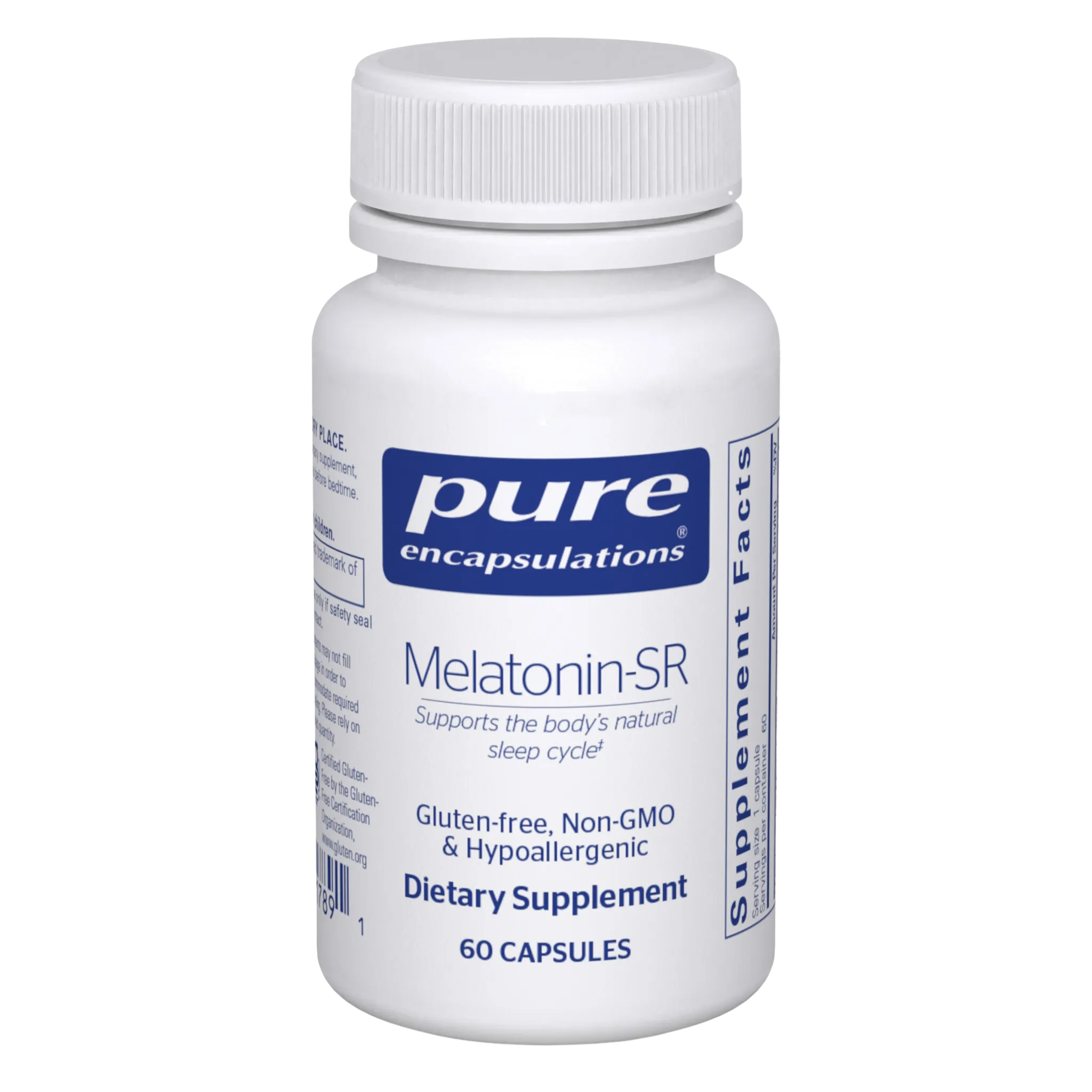
Melatonin-SR utilizes a patented, sustained-release delivery system known as MicroActive® melatonin, explicitly designed to overcome the shortcomings of standard IR formulas. Through a unique micronization and polymer encapsulation process, this formulation mimics the natural, gradual nighttime secretion of melatonin by the pineal gland. Dissolution studies show that MicroActive melatonin delivers an initial rapid release of 40% of the dose within the first hour, providing the necessary burst to assist with quick sleep onset.
Following this initial phase, the remaining 60% of the dose is gradually released over the next five to six hours. This avoids the sharp, artificial hormone spike seen with IR melatonin and instead creates a steady, gradual increase in plasma levels, reaching its maximum concentration at approximately 4 hours. By maintaining higher plasma levels during the critical 4-to-8-hour window, Melatonin-SR specifically targets the common problem of early morning awakenings. Furthermore, because the release naturally dissipates by the 7-to-8-hour mark, it avoids the morning "hangover" effect, allowing patients to wake up feeling more refreshed. This superior bioavailability allows Melatonin-SR to be highly effective at a lower, more physiological dose of 3 mg.
Autoimmune Contraindications and Safety Warnings
While melatonin is generally considered safe and non-habit forming, it carries a critical medical contraindication that is highly relevant to the chronic illness community. Melatonin is not merely an immunosuppressant; it is an immunomodulator. In certain physiological environments, melatonin acts as an immuno-enhancer, stimulating the production of specific interleukins (IL-1, IL-2, IL-6) and interferon-gamma (IFN-γ), while also increasing the activity of T-helper cells.
Because of this immune-stimulating mechanism, major medical authorities, including the Mayo Clinic, formally caution or contraindicate the use of melatonin for individuals with active autoimmune diseases, such as Rheumatoid Arthritis, Lupus, or Multiple Sclerosis. In a patient with a hyperactive immune system, this stimulation can theoretically trigger severe disease flares. Because Long COVID and ME/CFS frequently present with autoimmune features or post-viral autoantibodies, patients should exercise caution. If you have a diagnosed autoimmune condition, or are taking immunosuppressive corticosteroids, it is imperative to consult with your healthcare provider or rheumatologist before initiating melatonin therapy.

Follow the Science
The NIH RECOVER-SLEEP Trials for Long COVID
The scientific community is increasingly recognizing the potential of melatonin in treating the complex sequelae of post-viral syndromes. One of the most significant and rigorous clinical efforts currently underway is the RECOVER-SLEEP trial, funded by the National Institutes of Health (NIH). This Phase 2, double-blind, randomized, placebo-controlled trial is specifically targeting Complex PASC-related sleep disturbance (CPSD) in Long COVID patients. The study utilizes a 2x2 factorial design, randomizing participants to receive a combination of active oral melatonin and tailored light therapy over an 8-week period.
Rather than treating post-COVID insomnia with heavy, potentially habit-forming sedatives, the RECOVER-SLEEP trial aims to naturally reset the body's internal clock by syncing circadian rhythms with targeted melatonin doses. Additionally, other clinical trials, such as the SUNY Buffalo Dose-Ranging Trial (NCT04784754), have investigated melatonin's ability to suppress the massive spikes in inflammatory cytokines (like IL-1β and IFN-γ) associated with COVID-19 infections, further validating its role as a potent immunomodulatory and anti-inflammatory agent.
Melatonin and ME/CFS Clinical Data
In the realm of ME/CFS, melatonin has demonstrated notable efficacy in addressing both sleep dysfunction and profound physical fatigue. A landmark 16-week, randomized, double-blind, placebo-controlled trial evaluated the synergistic effects of oral melatonin combined with zinc in ME/CFS patients. The experimental group, receiving a daily dose of melatonin and zinc, experienced a statistically significant reduction in the perception of physical fatigue and marked improvements in physical health-related quality of life compared to the placebo group.
Furthermore, a recent large-scale analysis of patient-reported outcomes published in the Proceedings of the National Academy of Sciences (PNAS) revealed compelling real-world data. The researchers found that among all the medical and supplemental treatments surveyed for core ME/CFS symptoms, melatonin was uniquely effective at improving unrefreshing sleep, providing measurable relief to a significant portion of the patient cohort. These findings underscore that melatonin's benefits in ME/CFS extend beyond simple sleep induction, likely relying heavily on its systemic anti-inflammatory and mitochondrial-protective effects.
Research on Neurocognitive Protection
The neuroprotective potential of melatonin is also a major focus of ongoing research, particularly concerning the debilitating "brain fog" experienced by Long Haulers. A comprehensive review published in Biomolecules highlighted melatonin's specific application in Long COVID, emphasizing its ability to alleviate neuroinflammation and oxidative stress within the central nervous system. The authors noted that melatonin's capacity to cross the blood-brain barrier and directly scavenge free radicals makes it a highly promising candidate for treating post-viral cognitive dysfunction.
Moreover, meta-analyses investigating the long-term neurological impact of COVID-19 have consistently identified sleep disturbances and cognitive impairment as highly prevalent, enduring symptoms. By stabilizing the circadian rhythm, enhancing glymphatic clearance during deep sleep, and shielding neurons from oxidative damage, melatonin addresses the root pathophysiological drivers of these neurological symptoms, offering a biologically plausible pathway toward cognitive recovery.
The Path Forward
Integrating Sleep Support into Your Protocol
Living with the relentless fatigue, unpredictable energy crashes, and cognitive fog of Long COVID, ME/CFS, or dysautonomia is an exhausting daily reality. When your body desperately needs rest to heal, yet your nervous system refuses to allow you to achieve deep, restorative sleep, it is entirely valid to feel frustrated and overwhelmed. It is important to remember that these sleep disturbances are not a failure of your sleep hygiene or a lack of willpower; they are deeply rooted in the complex neuroinflammation, autonomic dysfunction, and mitochondrial stress driven by your illness.
While there is no single miracle cure for these intricate conditions, targeted interventions like Melatonin-SR can be a highly valuable component of a comprehensive management strategy. By utilizing sustained-release technology to entrain your circadian rhythm, support sleep maintenance, and deliver targeted antioxidant protection directly to your mitochondria, Melatonin-SR addresses the physiological barriers to restorative rest. However, supplements are most effective when integrated into a broader protocol that includes aggressive pacing, nervous system regulation, and careful symptom tracking to respect your body's unique energy envelope.
Navigating the Complexities of Chronic Illness
As you explore new therapeutic options, it is crucial to approach your treatment with both hope and clinical caution. Because melatonin possesses potent immunomodulatory properties and carries specific contraindications for autoimmune conditions, it is essential to work collaboratively with a knowledgeable healthcare provider who understands the nuances of post-viral syndromes. Together, you can determine if Melatonin-SR is a safe and appropriate addition to your personalized care plan, ensuring that your approach to healing is both scientifically grounded and tailored to your specific physiological needs.
Sources
Cardinali, D. P., Brown, G. M., & Pandi-Perumal, S. R. (2022). Possible Application of Melatonin in Long COVID. Biomolecules, 12(11), 1646.
National Institutes of Health (NIH). (2024). RECOVER-SLEEP Complex Sleep Disturbances (Melatonin + Light Therapy). ClinicalTrials.gov Identifier: NCT06404086.
State University of New York at Buffalo. (2021). Melatonin for the Treatment of COVID-19 in Outpatients. ClinicalTrials.gov Identifier: NCT04784754.
Castro-Marrero, J., et al. (2021). Effect of Melatonin Plus Zinc Supplementation on Fatigue Perception in ME/CFS: A Randomized, Double-Blind, Placebo-Controlled Trial. Antioxidants, 10(10), 1585.
Mayo Clinic. (2023). Melatonin: Contraindications and Precautions. Mayo Foundation for Medical Education and Research.
Farez, M. F., et al. (2015). Melatonin contributes to the seasonality of multiple sclerosis relapses. Proceedings of the National Academy of Sciences (PNAS), 112(39), 12262-12267.
Zeng, N., et al. (2025). Long-term neurological and cognitive impact of COVID-19: a systematic review and meta-analysis in over 4 million patients. BMC Neurology, 25(1), 41.
Cardinali, D. P. (2022). Melatonin and its Potential in Long COVID Therapeutics. Biomolecules, 12(11), 1646.