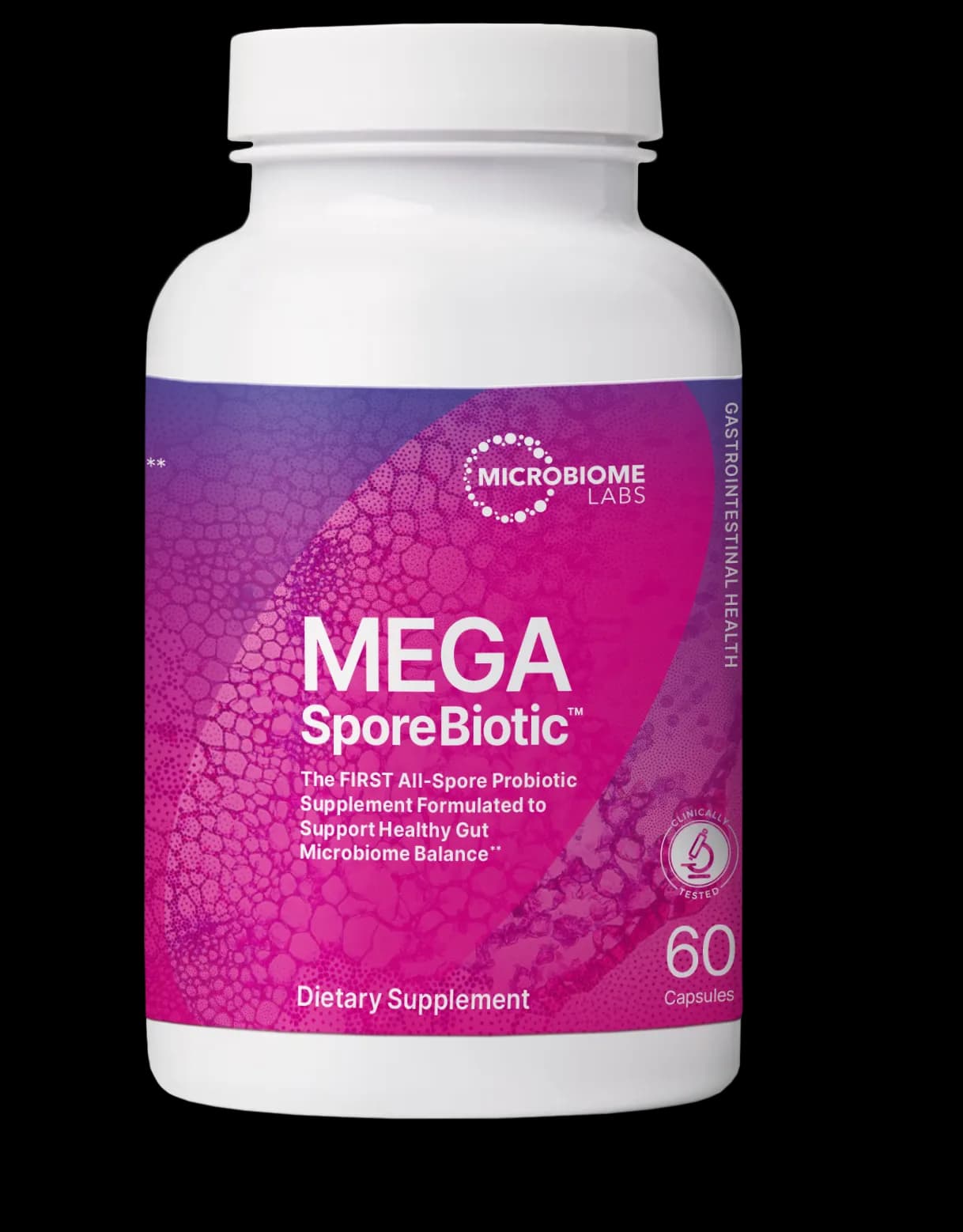
Can MegaSporeBiotic Heal the Gut in Long COVID and Dysautonomia?
March 6, 2026
MegaSporeBioticLong COVIDMicrobiome
Share:
Disclaimer: The information provided here is for educational purposes only and is not intended as medical advice. It should not be used to diagnose, treat, cure, or prevent any medical condition. Instead, use it as a starting point for discussion with your healthcare provider. Always consult with a qualified healthcare provider before starting any new medication, supplement, device, or making changes to your health regimen.
Months after recovering from the initial SARS-CoV-2 infection, many people still fight debilitating symptoms with what we call Long COVID. For individuals navigating complex chronic conditions like Long COVID, myalgic encephalomyelitis/chronic fatigue syndrome (ME/CFS), dysautonomia, and mast cell activation syndrome (MCAS), the search for answers often leads to a surprising origin point: the gastrointestinal tract. The gut microbiome is not just a digestive center; it is the headquarters of the human immune system, a primary producer of neurotransmitters, and a critical barrier protecting the bloodstream from toxins. When this delicate ecosystem is disrupted by viral infections, chronic stress, or immune dysregulation, it can trigger a cascade of systemic inflammation that drives debilitating symptoms like severe brain fog, unpredictable heart rate spikes, and profound post-exertional malaise (PEM).
Addressing this foundational imbalance requires more than just standard dietary changes or conventional probiotics, which often fail to survive the harsh environment of the stomach. Enter MegaSporeBiotic, a paradigm-shifting, clinical-grade supplement formulated by Microbiome Labs. Unlike traditional vegetative probiotics, MegaSporeBiotic utilizes a highly resilient, broad-spectrum blend of spore-based Bacillus bacteria designed to survive digestion, colonize the large intestine, and actively recondition the gut environment. By supporting the intestinal barrier, neutralizing oxidative stress, and promoting immune tolerance, this unique formulation offers a targeted approach to healing the gut-immune axis. In this comprehensive guide, we will explore the intricate molecular mechanisms behind MegaSporeBiotic, its robust clinical evidence, and how it may serve as a vital tool in managing the complex symptoms of chronic invisible illnesses.
What is MegaSporeBiotic?
The human gastrointestinal tract is home to trillions of microorganisms that dictate everything from nutrient absorption to immune system modulation. In a healthy body, this microbiome exists in a state of dynamic equilibrium, heavily populated by beneficial, keystone bacterial species that keep opportunistic pathogens in check. However, when this balance is lost—a state known as dysbiosis—traditional probiotic supplements containing Lactobacillus or Bifidobacterium are often recommended to "reseed" the gut. Unfortunately, the vast majority of these vegetative bacterial strains are highly fragile. They are easily destroyed by the highly acidic environment of the stomach, the presence of bile salts in the upper intestines, and even standard manufacturing processes or temperature fluctuations during shipping.
MegaSporeBiotic represents a fundamental evolution in microbiome therapy by utilizing spore-based probiotics, also known as soil-based organisms (SBOs). Manufactured by Microbiome Labs, this clinical-grade supplement relies entirely on bacteria from the Bacillus genus. These specific microorganisms possess a unique evolutionary advantage: the ability to form a highly resilient, protective outer shell known as an endospore. This keratin-like coating allows the bacteria to remain in a dormant, indestructible state until they reach the optimal environment of the large intestine. Because of this structural resilience, MegaSporeBiotic guarantees nearly 100% survivability through the gastric barrier, requiring no refrigeration and boasting an extensive shelf life. Once they arrive in the gut, they do not simply pass through; they actively colonize and "recondition" the microbiome environment.
The efficacy of MegaSporeBiotic lies in its proprietary, broad-spectrum blend of five distinct Bacillus strains, delivering 4 billion colony-forming units (CFUs) per daily dose. The flagship strain is Bacillus indicus HU36, a patented bacterium originally isolated from a marine environment by researchers. B. indicus HU36 is globally recognized for its unprecedented ability to synthesize high levels of stable, highly bioavailable carotenoid antioxidants directly within the gastrointestinal tract. By producing these potent antioxidants at the exact site of absorption, HU36 bypasses the severe degradation that dietary antioxidants typically suffer during digestion, providing profound protection against cellular oxidative stress.
Working synergistically with HU36 is Bacillus subtilis HU58, an incredibly robust strain known for its potent immunomodulatory properties. Clinical research demonstrates that B. subtilis HU58 actively produces over a dozen targeted antimicrobial compounds, known as bacteriocins, which competitively exclude pathogenic bacteria and yeast from the gut lining. Furthermore, studies have shown that HU58 can significantly downregulate the production of pro-inflammatory cytokines, specifically Interleukin-6 (IL-6) and Tumor Necrosis Factor-alpha (TNF-α), which are primary drivers of systemic inflammation in autoimmune and chronic post-viral conditions.
The formulation is completed by three additional highly researched strains: Bacillus coagulans (SC-208), Bacillus clausii (SC-109), and Bacillus licheniformis (SL-307). B. coagulans SC-208 plays a critical role in altering gut metabolism by suppressing the overproduction of bactericidal bile acids, thereby creating a hospitable environment for beneficial commensal bacteria to thrive. B. clausii SC-109 is renowned for its ability to modulate genes involved in cell adhesion and intestinal permeability, actively protecting the gut lining from cytotoxic damage. Finally, B. licheniformis SL-307 works in tandem with the entire consortium to synthesize essential B vitamins, digestive enzymes, and additional antioxidants, ensuring comprehensive metabolic support throughout the digestive tract.
To truly understand how MegaSporeBiotic functions at a cellular level, one must examine the bi-phasic life cycle of Bacillus spores. In their dormant state, the spores are encased in a complex, multi-layered structure composed of a peptidoglycan cortex and a dense proteinaceous coat rich in dipicolinic acid. This molecular armor makes the spores virtually impervious to extreme heat, desiccation, UV radiation, and the highly corrosive hydrochloric acid found in the human stomach. This ensures that the entire 4 billion CFU payload reaches the intestines completely intact, a feat that traditional freeze-dried probiotics simply cannot match.
The magic happens when the dormant spores enter the nutrient-rich, pH-neutral environment of the large intestine. Specialized germinant receptors located on the inner membrane of the spore detect the presence of specific amino acids and sugars in the gut lumen. This detection triggers a rapid cascade of biochemical events: the spore releases its dipicolinic acid, enzymes degrade the protective cortex, and water floods into the core. Within minutes, the bacterium transitions from a dormant spore into an active, metabolically functioning vegetative cell. In this active state, the Bacillus strains begin their work of competitive exclusion, immune modulation, and microbiome reconditioning, fundamentally transforming the landscape of the gut.
How Chronic Illness Impacts the Gut Microbiome
The pathophysiology of Long COVID is incredibly complex, but emerging clinical research consistently points to the gastrointestinal tract as a primary site of dysfunction. During an acute SARS-CoV-2 infection, the virus binds to ACE2 receptors, which are highly expressed along the epithelial lining of the intestines. This direct viral invasion triggers intense localized inflammation and fundamentally disrupts the delicate balance of the gut microbiome. Recent cohort studies have shown that patients with Long COVID exhibit profound and long-lasting gut dysbiosis, characterized by a severe depletion of beneficial, immunomodulatory bacteria such as Faecalibacterium prausnitzii and Bifidobacterium species.
As these keystone species are wiped out, opportunistic and highly pro-inflammatory bacterial taxa, such as Ruminococcus gnavus and various Proteobacteria, rapidly overgrow to fill the void. This microbial imbalance is not merely a byproduct of the illness; it is an active driver of ongoing symptoms. The loss of beneficial bacteria drastically reduces the production of essential microbial metabolites, leaving the immune system in a state of chronic hyper-activation. Understanding what causes Long COVID requires recognizing that this persistent dysbiosis can harbor viral reservoirs, allowing fragments of the SARS-CoV-2 virus to remain hidden in the gut tissue for months or even years, continuously provoking the immune system and preventing full recovery.
The most devastating consequence of microbiome dysbiosis is the breakdown of the intestinal barrier, a condition commonly referred to as "leaky gut" or increased intestinal permeability. The gut lining is only one cell thick, held together by complex protein structures known as tight junctions (specifically claudins and occludins). When opportunistic bacteria overgrow and localized inflammation spikes, the body produces high levels of zonulin, a protein that forces these tight junctions to open. This structural failure compromises the gut's ability to act as a selective filter, leading to a cascade of systemic health issues that are frequently seen in gastrointestinal symptoms with Long COVID.
When the intestinal barrier is breached, highly toxic structural components of Gram-negative bacteria, known as lipopolysaccharides (LPS) or endotoxins, leak out of the gut lumen and directly into the bloodstream. This phenomenon is known as metabolic endotoxemia. Once in the blood, LPS binds to Toll-like receptor 4 (TLR4) on the surface of immune cells, triggering a massive, systemic inflammatory response. This constant flood of endotoxins forces the immune system into a perpetual state of "red alert," driving the severe, unyielding fatigue, widespread joint pain, and chronic low-grade fevers that characterize conditions like ME/CFS and Long COVID.
The systemic inflammation generated by metabolic endotoxemia does not stay confined to the body; it directly impacts the central and autonomic nervous systems via the gut-brain axis. Inflammatory cytokines and circulating endotoxins can cross the blood-brain barrier, activating microglial cells (the brain's resident immune cells). This neuroinflammation is the primary biochemical driver behind the debilitating cognitive impairment, memory loss, and profound "brain fog" reported by nearly all patients with complex chronic illnesses. Furthermore, this systemic stress can severely disrupt the autonomic nervous system, highlighting the intricate ways Long COVID can trigger ME/CFS and dysautonomia.
In patients with dysautonomia, particularly Postural Orthostatic Tachycardia Syndrome (POTS), the autonomic dysfunction creates a vicious, self-perpetuating cycle in the gut. The vagus nerve, which controls the motility and sweeping action of the digestive tract, becomes impaired. This poor gut motility allows bacteria from the large intestine to migrate upward and stagnate in the small intestine, resulting in Small Intestinal Bacterial Overgrowth (SIBO). SIBO further exacerbates intestinal permeability and endotoxemia, creating a continuous loop of gut inflammation, nervous system dysregulation, and severe cardiovascular symptoms like rapid heart rate and blood pressure fluctuations.
MegaSporeBiotic: Supporting Gut Barrier and Immune Function
The primary therapeutic target of MegaSporeBiotic is the restoration and reinforcement of the compromised intestinal barrier. When the active Bacillus vegetative cells colonize the gut mucosa, they interact directly with the intestinal epithelial cells to upregulate the expression of critical tight junction proteins. By physically repairing the claudin and occludin protein networks, the Bacillus consortium effectively "seals the leaks" in the gut lining. This structural repair is paramount for halting the continuous translocation of undigested food macromolecules, pathogens, and bacterial toxins into the systemic circulation, thereby cutting off the fuel supply for chronic immune hyper-activation.
The clinical impact of this barrier repair is profound, specifically regarding the reduction of metabolic endotoxemia. By preventing lipopolysaccharides (LPS) from leaking into the bloodstream, MegaSporeBiotic directly blunts the Toll-like receptor 4 (TLR4) inflammatory cascade. Without the constant presence of circulating endotoxins, the immune system is finally allowed to stand down from its state of chronic alert. This reduction in systemic endotoxemia is a crucial mechanism for lowering total body inflammation, reducing the burden on the liver's detoxification pathways, and alleviating the severe, systemic symptom flares that patients with Long COVID and ME/CFS experience on a daily basis.
Beyond physical barrier repair, MegaSporeBiotic acts as a master regulator of the microbiome ecosystem through the enhanced production of short-chain fatty acids (SCFAs). While the Bacillus spores themselves produce some SCFAs, their primary role is as "gut gardeners." Through competitive exclusion and the secretion of specific pre-biotic-like compounds, they actively stimulate the growth of endogenous keystone bacteria, such as Akkermansia muciniphila and Bifidobacteria. These keystone species are the gut's primary producers of butyrate, an essential SCFA that research highlights is notoriously depleted in patients suffering from chronic post-viral syndromes.
Butyrate is a molecule of immense biological importance. It serves as the primary and preferred energy source for colonocytes (the cells lining the colon), allowing them to rapidly regenerate and maintain mucosal integrity. More importantly, butyrate acts as a potent epigenetic regulator by functioning as a histone deacetylase (HDAC) inhibitor. By inhibiting HDAC, butyrate promotes the differentiation and expansion of regulatory T cells (Tregs) in the gut-associated lymphoid tissue (GALT). These Tregs are the "peacekeepers" of the immune system, responsible for suppressing autoimmune responses, dampening excessive inflammation, and restoring immune tolerance to food antigens and environmental triggers.
One of the most groundbreaking mechanisms of MegaSporeBiotic is driven by its flagship strain, Bacillus indicus HU36. Chronic illness is universally characterized by severe oxidative stress, a state where highly reactive oxygen species (ROS) outnumber the body's natural antioxidant defenses, leading to widespread cellular damage and mitochondrial dysfunction. While oral antioxidant supplements are common, they suffer from notoriously poor bioavailability, often degrading entirely in the stomach acid or failing to cross the intestinal barrier. B. indicus HU36 solves this biological delivery problem by acting as a microscopic antioxidant factory directly within the gastrointestinal tract.
Once active in the large intestine, HU36 synthesizes a unique profile of over 15 distinct, highly bioavailable oxygenated carotenoids, including potent forms of astaxanthin, beta-carotene, and lycopene. Because these antioxidants are produced at the exact site of absorption, they completely bypass gastric degradation and are immediately absorbed into the bloodstream. Furthermore, these bacterially produced carotenoids exhibit remarkable stability against iron-induced degradation and work synergistically to neutralize free radicals, protect the delicate gut mucosa from oxidative damage, and support the recovery of mitochondrial energy production—a critical factor for patients battling profound post-exertional malaise.
For patients dealing with Mast Cell Activation Syndrome (MCAS)—a condition frequently overlapping with Long COVID and POTS—traditional probiotics can be incredibly dangerous. Many common Lactobacillus strains naturally produce the enzyme histidine decarboxylase, which converts the amino acid histidine from food directly into histamine inside the gut. For an MCAS patient whose body is already overwhelmed by inappropriate histamine release, taking these traditional probiotics is akin to throwing gasoline on a fire, rapidly triggering severe allergic reactions, gastrointestinal distress, and autonomic nervous system flares.
MegaSporeBiotic offers a critical lifeline for this highly sensitive population because its Bacillus strains are generally histamine-neutral, meaning they do not add to the body's overall histamine burden. Even more remarkably, specific strains within the consortium actively help stabilize erratic mast cells. Research indicates that exopolysaccharide (EPS) molecules produced by Bacillus subtilis can directly interact with immune receptors to suppress mast cell degranulation, actively preventing the explosive release of histamine and inflammatory cytokines. By sealing the leaky gut that triggers mast cells and providing a histamine-safe microbial intervention, MegaSporeBiotic addresses the root physiological drivers of MCAS.
Symptoms MegaSporeBiotic May Help Manage
The localized effects of MegaSporeBiotic in the digestive tract can provide significant relief for a wide array of gastrointestinal complaints. By reconditioning the microbiome, crowding out opportunistic pathogens, and repairing the mucosal barrier, this spore-based formulation targets the root causes of digestive distress rather than merely masking the symptoms.
Bloating, Gas, and Abdominal Pain: By reducing the overgrowth of gas-producing, fermentative bacteria (often associated with SIBO) and improving overall digestive enzyme production via Bacillus licheniformis, MegaSporeBiotic helps alleviate severe bloating and painful abdominal distension.
Irregular Bowel Movements (Diarrhea and Constipation): The modulation of the gut environment and the increase in short-chain fatty acids like butyrate help regulate intestinal motility, providing relief from the unpredictable swings between diarrhea and constipation commonly seen in dysautonomia and IBS.
Food Sensitivities and Intolerances: By repairing the tight junctions of the intestinal wall (leaky gut) and promoting the expansion of immune-calming regulatory T cells, the supplement helps the immune system rebuild tolerance to dietary proteins, reducing the severity of food-triggered symptom flares.
Because the gut microbiome is inextricably linked to the central nervous system and systemic immune function, the benefits of MegaSporeBiotic extend far beyond the digestive tract. By lowering circulating endotoxins and reducing systemic oxidative stress, it addresses the biochemical drivers of widespread chronic illness symptoms.
Chronic Fatigue and Post-Exertional Malaise (PEM): By neutralizing reactive oxygen species via Bacillus indicus HU36 and reducing the massive energy drain caused by chronic immune hyper-activation, the supplement supports mitochondrial recovery, helping to raise the patient's baseline energy envelope and mitigate the severity of crashes.
Brain Fog and Cognitive Impairment: The reduction of metabolic endotoxemia directly lowers the amount of inflammatory cytokines crossing the blood-brain barrier. By calming microglial activation and neuroinflammation, patients often experience improvements in mental clarity, memory retention, and focus.
Autonomic Spikes and Heart Rate Fluctuations: By stabilizing mast cells and preventing the systemic release of histamine and norepinephrine triggered by leaky gut, MegaSporeBiotic helps calm the sympathetic nervous system, reducing the frequency and intensity of tachycardia and blood pressure swings seen in POTS.
Practical Considerations: Forms, Dosing, and Absorption
When introducing a potent, broad-spectrum spore probiotic like MegaSporeBiotic, patients must be prepared for the possibility of a Herxheimer reaction, commonly referred to as "die-off." As the robust Bacillus strains begin to colonize the gut, they actively secrete antimicrobial bacteriocins that aggressively target and kill off overgrown pathogenic bacteria, yeast, and fungi. When these opportunistic microbes die in large numbers, they rupture and release massive amounts of intracellular toxins and lipopolysaccharides (LPS) into the gut lumen. If the liver's phase 1 and phase 2 detoxification pathways are already overwhelmed—as is typical in chronic illness—this sudden flood of toxins can trigger a temporary, systemic inflammatory response.
The symptoms of a die-off reaction can be intense and highly discouraging for patients who are already suffering. They often mimic a mild flu, presenting as increased fatigue, muscle aches, low-grade fever, headaches, and a temporary exacerbation of gastrointestinal distress like bloating or changes in bowel habits. It is crucial to understand that while these symptoms are uncomfortable, they are a physiological sign that the supplement is actively working to clear dysbiosis. Validating this experience is essential; patients should be reassured that die-off is a temporary hurdle on the path to long-term microbiome restoration, typically resolving within a few days to a couple of weeks as the body clears the cellular debris.
Because patients with Long COVID, ME/CFS, and MCAS possess incredibly reactive immune and nervous systems, the standard dosing instructions on the bottle are often too aggressive. To minimize the severity of the Herxheimer reaction and prevent massive symptom flares, a slow, highly controlled titration protocol is absolutely critical. Practitioners strongly advise sensitive patients to begin with "micro-dosing." This involves opening the cellulose capsule, pouring a tiny fraction of the powder (as little as a pinch or one-eighth of a capsule) into a spoonful of applesauce or water, and consuming it only every other day.
As the patient's body adapts and the initial die-off symptoms subside, the dosage can be incrementally increased over a period of weeks or even months. A typical sensitive titration might involve moving from a quarter capsule every other day, to a half capsule daily, eventually working up to one full capsule, and finally reaching the clinical therapeutic dose of two full capsules taken simultaneously. This patient-led, slow-and-steady approach ensures that the immune system is gently modulated rather than shocked, allowing the Bacillus spores to safely recondition the gut without triggering a debilitating crash or mast cell cascade.
To maximize the germination, colonization, and overall efficacy of MegaSporeBiotic, proper timing and administration are key. Unlike fragile traditional probiotics that must be taken on an empty stomach to avoid digestive acids, spore-based probiotics actively thrive in the presence of food. Clinical guidelines recommend taking the capsules during or immediately after a meal. The presence of complex carbohydrates, amino acids, and healthy fats in the digestive tract provides the exact molecular signals the dormant spores need to break their protective shells and transition into their active, vegetative state in the large intestine.
Furthermore, taking the supplement with a meal drastically improves the absorption of the potent carotenoid antioxidants produced by Bacillus indicus HU36. Because carotenoids are fat-soluble molecules, consuming them alongside dietary fats (such as olive oil, avocado, or fatty fish) ensures maximum bioavailability and uptake into the bloodstream. For patients looking to achieve "Total Gut Restoration," practitioners often recommend combining MegaSporeBiotic with targeted precision prebiotics (to feed the newly expanding keystone bacteria) and mucosal support supplements containing immunoglobulins and specific amino acids to further accelerate the repair of the intestinal barrier.
Follow the Science
The clinical efficacy of MegaSporeBiotic is anchored by robust, peer-reviewed scientific literature, most notably a landmark double-blind, randomized, placebo-controlled trial published in the World Journal of Gastroenterology in 2017 by McFarlin et al. This pivotal study was specifically designed to evaluate the impact of the 5-strain Bacillus consortium on metabolic endotoxemia (leaky gut). Researchers screened 75 healthy individuals to identify those who exhibited a significant spike in blood endotoxins following a high-fat, high-calorie challenge meal. The subjects were then given either a placebo or the spore-based probiotic for 30 days, with strict instructions not to alter their diet or lifestyle in any way.
The results of the 30-day intervention were highly statistically significant and clinically profound. The treatment group taking the Bacillus spores experienced a dramatic 42% reduction in post-prandial serum endotoxin (LPS) levels, definitively proving that the supplement rapidly and effectively sealed the compromised intestinal barrier. In stark contrast, the placebo group experienced a 36% increase in endotoxins over the same period. Furthermore, the probiotic group saw a remarkable 24% decrease in post-meal triglycerides, alongside significant reductions in key systemic inflammatory markers, including Interleukin-12p70 (IL-12p70) and Interleukin-1β (IL-1β). This study remains a cornerstone piece of evidence demonstrating that spore probiotics can reverse leaky gut and systemic inflammation without complex dietary overhauls.
Beyond general gut health, recent clinical trials have directly investigated the role of Bacillus spores in combating viral infections and resolving post-infectious syndromes like Long COVID. A notable multicenter, double-blind, placebo-controlled trial evaluated 200 patients suffering from severe post-COVID fatigue. The patients were treated with a 14-day regimen combining systemic enzymes with a specific Bacillus probiotic blend (including Bacillus coagulans and Bacillus subtilis). By day 14, an astonishing 91% of patients in the treatment arm experienced a complete clinical resolution of their fatigue, compared to only 15% in the placebo group, highlighting the potent ability of these spores to modulate post-viral immune responses.
Additional retrospective observational studies have further solidified these findings. A 2023 study tracking 120 symptomatic adults with PCR-confirmed SARS-CoV-2 infections found that patients who were already supplementing with a broad-spectrum spore-based probiotic experienced a significantly shorter time to complete symptom resolution compared to the control group. The probiotic cohort recovered from fever faster and was significantly less likely to experience the severe gastrointestinal symptoms that often precede the development of Long COVID. These data points strongly suggest that maintaining a robust, spore-reconditioned microbiome provides critical resilience against viral-induced immune dysregulation.
While the clinical data supporting MegaSporeBiotic is incredibly promising, the field of microbiome research is still rapidly evolving, and certain limitations must be acknowledged. Because the most successful human clinical trials, such as the 2017 endotoxemia study, utilize the complete 5-strain proprietary blend, it remains scientifically challenging to isolate and quantify the exact therapeutic contribution of each individual strain. Independent microbiome researchers emphasize the need for further isolated studies to determine precisely how much of the clinical benefit is driven by the antioxidant production of B. indicus HU36 versus the immune modulation of B. subtilis HU58.
Furthermore, while the mechanisms of action perfectly align with the pathophysiology of complex chronic illnesses, there is a pressing need for large-scale, longitudinal, randomized controlled trials specifically utilizing MegaSporeBiotic in formally diagnosed ME/CFS, POTS, and MCAS patient cohorts. Understanding what drugs are used for COVID long haulers and how targeted biologics interact with spore-based microbiome therapies will be crucial for developing standardized, integrative treatment protocols. Nevertheless, the current body of evidence firmly establishes spore-based probiotics as a safe, foundational, and highly effective intervention for repairing the gut-immune axis.
The Path Forward
Living with a complex, invisible illness like Long COVID, ME/CFS, or dysautonomia is an incredibly isolating and frustrating experience. When your body is trapped in a perpetual state of immune hyper-activation, systemic inflammation, and profound energy depletion, the daily reality can feel entirely overwhelming. It is vital to recognize that the severe gastrointestinal distress, the unpredictable heart rate spikes, and the crushing brain fog are not in your head; they are deeply rooted in physiological dysfunction, often beginning at the microscopic level of the gut lining. Healing this foundational damage is not a quick fix, but rather a deliberate, patient process of rebuilding the body's core systems from the ground up.
MegaSporeBiotic offers a scientifically validated, targeted approach to this foundational repair. By utilizing the evolutionary resilience of Bacillus spores to survive digestion, seal the leaky intestinal barrier, neutralize oxidative stress, and calm erratic mast cells, this supplement addresses the root biochemical drivers of chronic symptom flares. While the journey to microbiome restoration requires patience, careful titration, and a willingness to navigate temporary hurdles like the die-off reaction, the potential for profound, systemic relief makes it a critical component of a comprehensive recovery strategy.
It is important to remember that while MegaSporeBiotic is a powerful tool, it is only one piece of a much larger puzzle. True management of complex chronic illness requires a holistic, multi-disciplinary approach. Reconditioning the gut must be paired with aggressive radical resting, meticulous symptom tracking, nervous system regulation techniques, and the guidance of a medical team that truly understands the intricacies of post-viral syndromes and autonomic dysfunction. Learning how you can live with long-term COVID means building a personalized toolkit that supports your body's unique healing timeline.
If you are ready to take a foundational step toward repairing your gut-immune axis, lowering systemic inflammation, and supporting your body's recovery from chronic illness, we encourage you to discuss spore-based probiotic therapy with your healthcare provider.