Can MegaPre Powder Support Gut Restoration and Immune Function in Long COVID?
March 6, 2026
MegaPre PowderLong COVIDMicrobiome
Share:
Disclaimer: The information provided here is for educational purposes only and is not intended as medical advice. It should not be used to diagnose, treat, cure, or prevent any medical condition. Instead, use it as a starting point for discussion with your healthcare provider. Always consult with a qualified healthcare provider before starting any new medication, supplement, device, or making changes to your health regimen.
The gastrointestinal tract is often referred to as the body's "second brain," housing trillions of microorganisms that dictate everything from our immune responses to our daily energy levels. For individuals living with complex chronic conditions like Long COVID, myalgic encephalomyelitis/chronic fatigue syndrome (ME/CFS), and mast cell activation syndrome (MCAS), this delicate microbial ecosystem is frequently thrown into a state of profound chaos. Patients often find themselves trapped in a vicious cycle of systemic inflammation, debilitating fatigue, and unpredictable digestive distress, searching for interventions that address the root cause rather than just masking the symptoms.
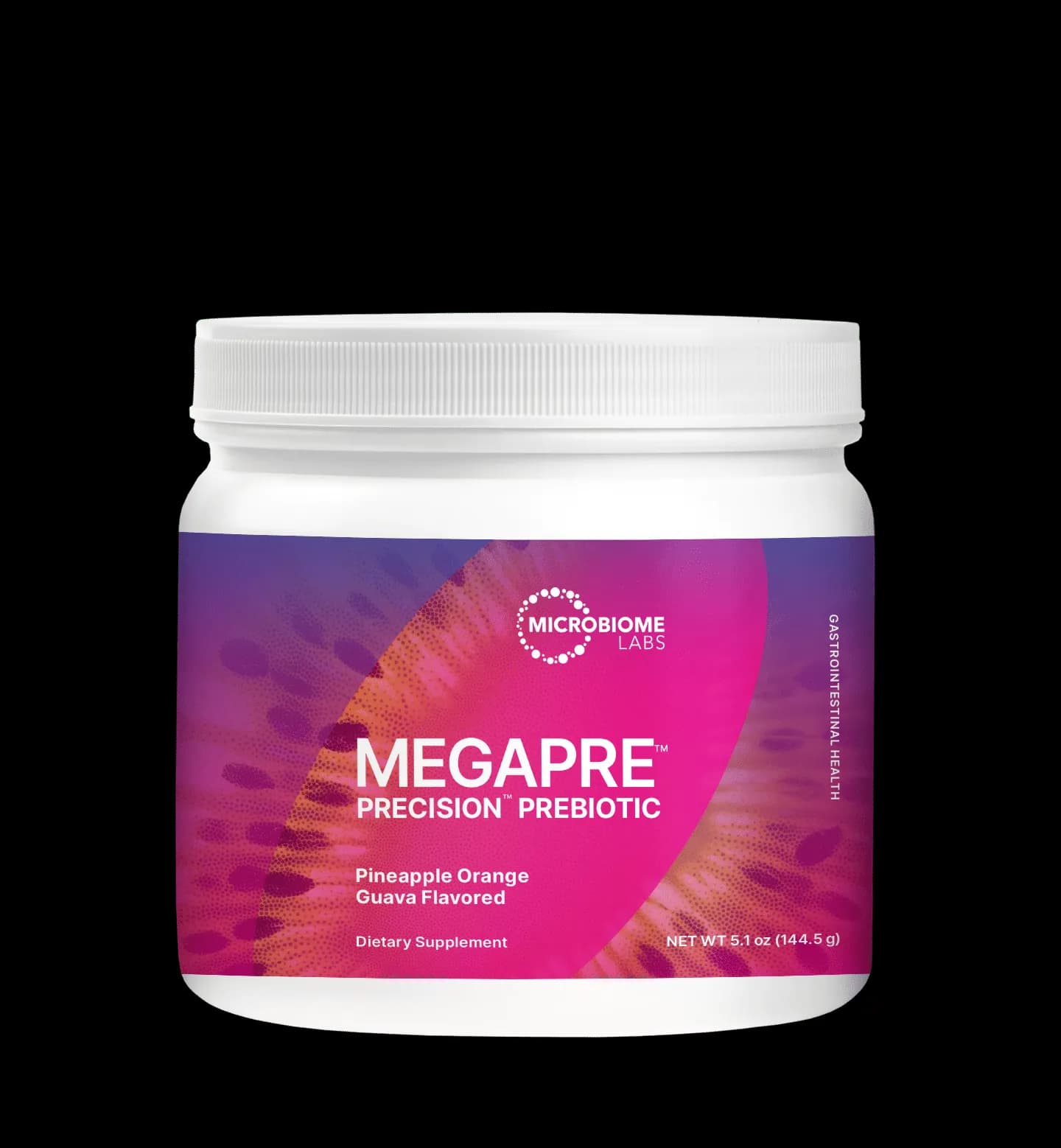
Enter MegaPre Powder by Microbiome Labs, a precision prebiotic formulated to selectively nourish the foundational "keystone" bacteria in the gut. Unlike traditional broad-spectrum fiber supplements that can inadvertently feed pathogenic bacteria and cause severe bloating, MegaPre utilizes clinically validated, non-digestible oligosaccharides and specialized kiwifruit powders to target specific microbial pathways. By reinforcing a strong, diverse microbiome, this targeted approach aims to repair the gut barrier, modulate hyperactive immune responses, and restore the critical production of short-chain fatty acids (SCFAs) that are so often depleted in post-viral syndromes.
What is MegaPre Powder?
A Precision Approach to the Microbiome
MegaPre Powder is a specialized dietary supplement categorized as a "precision prebiotic," designed by Microbiome Labs to fundamentally alter and stabilize the gastrointestinal ecosystem. In a healthy human body, the gut microbiome functions as a highly complex, self-regulating organ composed of thousands of bacterial species that assist in digesting food, synthesizing essential vitamins, and training the immune system. However, not all prebiotics—which are essentially food for these bacteria—are created equal. Traditional prebiotic fibers, such as standard inulin or generic fructooligosaccharides (FOS), are rapidly fermented by a wide variety of microbes, meaning they can inadvertently fuel the growth of gas-producing or opportunistic bacteria, leading to severe gastrointestinal distress. MegaPre bypasses this issue by utilizing highly specific, complex carbohydrate structures that can only be broken down by the enzymatic machinery of beneficial, health-promoting bacteria.
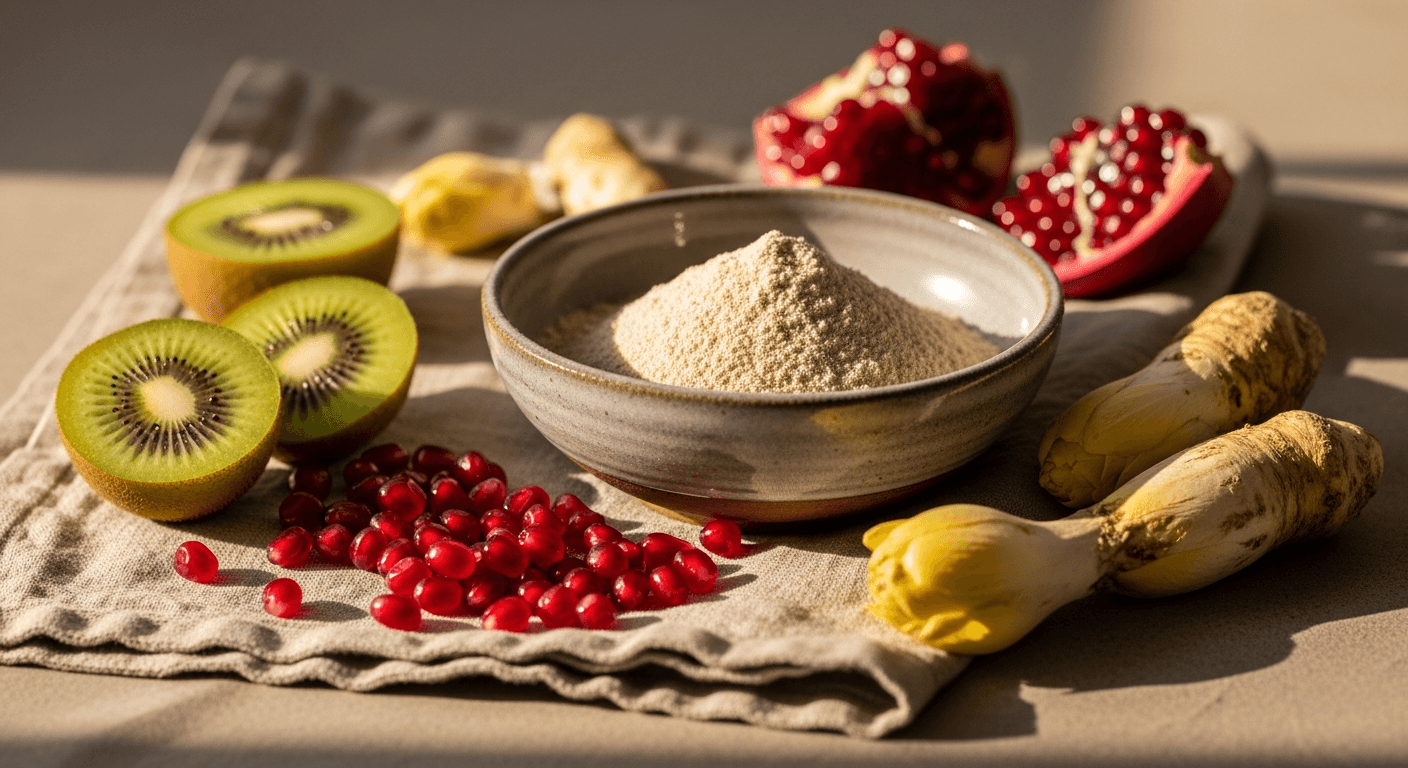
The formulation relies on three primary, clinically validated ingredients: Bimuno® Galactooligosaccharides (GOS), PreticX® Xylooligosaccharides (XOS), and organic green and gold kiwifruit powders known as Livaux® and ACTAZIN®. These non-digestible oligosaccharides are engineered to survive the harsh, acidic environment of the stomach and the enzymatic digestion of the small intestine. They arrive intact in the large intestine, where they serve as a targeted food source. By selectively feeding only the beneficial microbes, MegaPre helps to competitively exclude harmful pathogens, naturally crowding them out of the intestinal real estate and preventing them from adhering to the gut lining.
The Keystone Bacteria Concept
The central philosophy behind MegaPre is the support of "keystone" bacteria. In ecological terms, a keystone species is one on which other species in an ecosystem largely depend; if it were removed, the ecosystem would change drastically. In the human gut, three of the most critical keystone bacteria are Akkermansia muciniphila, Faecalibacterium prausnitzii, and various Bifidobacterium species. These bacteria are highly communicative and engage in a process called quorum sensing, a chemical signaling mechanism that dictates the behavior and composition of the entire microbial community. When these keystone populations are robust, they maintain a stable, resilient gut environment that can withstand physiological stress and ward off infections.
Akkermansia muciniphila plays a fascinating role in maintaining the gut's mucosal lining. It literally feeds on the mucin produced by the host's intestinal cells, and this grazing action paradoxically stimulates the host to produce more mucin, thereby thickening and strengthening the protective gut barrier. Meanwhile, Faecalibacterium prausnitzii is one of the most abundant commensal bacteria in a healthy gut and serves as a primary producer of butyrate, a crucial short-chain fatty acid. Butyrate is the main energy source for colonocytes (the cells lining the colon) and exerts powerful localized anti-inflammatory effects. Bifidobacteria are essential for early immune system development and ongoing immune modulation, helping to maintain an acidic gut pH that is hostile to invading pathogens.
The Synergy of Precision Fibers
The specific fibers in MegaPre are chosen for their unique affinities for these keystone bacteria. The PreticX XOS, derived from non-GMO corn cob, has a molecular structure that specifically requires the xylanolytic enzymes possessed by Bifidobacteria for degradation. This creates a highly selective "bifidogenic" effect, rapidly multiplying these protective microbes. The Bimuno GOS, synthesized using a proprietary enzymatic process, closely mimics the structure of Human Milk Oligosaccharides (HMOs), making it an incredibly potent immune modulator that supports both Bifidobacteria and overall microbial diversity.
Finally, the kiwifruit powders, Livaux and ACTAZIN, provide a complex matrix of slow-fermenting pectins and polyphenols. Livaux, derived from gold kiwifruit, has a documented, highly specific affinity for feeding Faecalibacterium prausnitzii, directly boosting the gut's butyrate-producing capacity. ACTAZIN, from green kiwifruit, contains the proteolytic enzyme actinidin, which aids in protein breakdown and supports natural bowel motility. Together, these ingredients create a synergistic effect, amplifying the production of short-chain fatty acids and establishing a robust, resilient gut architecture that is essential for overall human health.
How Chronic Illness Impacts the Gut Microbiome
The Loss of Keystone Bacteria in Long COVID and ME/CFS
The intersection of the gut microbiome and post-viral chronic illness is currently one of the most heavily researched areas in modern medicine. For individuals navigating the complexities of post-acute infection syndromes, understanding what causes Long COVID often requires looking deeply into the gastrointestinal tract. Recent high-profile studies have identified profound "gut dysbiosis"—a severe microbial imbalance—as a central driver of both Long COVID and myalgic encephalomyelitis/chronic fatigue syndrome (ME/CFS). During an acute viral infection like SARS-CoV-2, the immune system's massive inflammatory response can inadvertently decimate populations of beneficial gut bacteria, leading to long-term ecological collapse within the microbiome.
Two landmark 2023 studies published in Cell Host & Microbe mapped the microbiomes of ME/CFS patients and found a profound, highly reproducible depletion of Faecalibacterium prausnitzii and other butyrate-producing bacteria. The researchers noted an inverse clinical correlation: the lower a patient's levels of F. prausnitzii, the more severe their fatigue and systemic symptoms. Similarly, longitudinal studies on Long COVID patients reveal a persistent depletion of this exact same keystone bacterium. Without F. prausnitzii, the gut loses its primary source of butyrate, leading to a catastrophic loss of anti-inflammatory control and a starvation state for the cells lining the colon.
Leaky Gut and the Endotoxemia Cycle
This severe drop in butyrate production sets the stage for a condition known as increased intestinal permeability, commonly referred to as "leaky gut." The gut barrier relies on "tight junctions"—protein complexes that seal the gaps between epithelial cells. Butyrate is required to maintain the expression of these tight junction proteins (like Zonula Occludens-1 and occludin). When butyrate levels plummet due to the loss of keystone bacteria, these tight junctions degrade, causing the gut barrier to become porous. This allows undigested food particles, toxins, and bacterial components to leak out of the digestive tract and into the systemic bloodstream.
One of the most damaging substances that leaks through this compromised barrier is lipopolysaccharide (LPS), an endotoxin found in the outer membrane of certain bacteria. When LPS enters the bloodstream, it triggers a massive, systemic immune response, a phenomenon known as metabolic endotoxemia. This constant, low-grade leakage keeps the immune system in a perpetual state of hyper-vigilance and inflammation. For patients dealing with the gastrointestinal symptoms seen with Long COVID, this endotoxemia cycle explains why their digestive issues are so inextricably linked to their full-body symptom flares, joint pain, and immune exhaustion.
The Gut-Brain-Immune Axis and Neuroinflammation
The consequences of this gut barrier breakdown extend far beyond the digestive tract, directly impacting the central nervous system via the gut-brain-immune axis. As systemic inflammation rises and bacterial endotoxins circulate in the blood, these inflammatory mediators can cross the blood-brain barrier. Once inside the brain, they activate microglia, the brain's resident immune cells. This microglial activation results in neuroinflammation, which is increasingly recognized as the physiological root of many debilitating neurological symptoms.
This neuroinflammatory cascade manifests clinically as the profound brain fog, cognitive impairment, unrefreshing sleep, and severe post-exertional malaise (PEM) that characterize post-viral syndromes. A 2025 study in Cell iScience confirmed that oral and gut microbiota differences are strongly associated with symptom clusters in Long COVID, independent of viral persistence. The researchers found that bacterial dysbiosis directly contributes to the heterogeneity of Long COVID symptoms, including neurological and constitutional burdens. Therefore, when asking can Long COVID trigger ME/CFS?, the shared pathophysiology of gut dysbiosis, leaky gut, and subsequent neuroinflammation provides a compelling physiological link between the two conditions.
MegaPre Powder: Supporting Gut Restoration and Immune Function
Bimuno® GOS: Modulating the Immune Response
MegaPre Powder utilizes its precision ingredients to directly counteract the dysbiosis and immune dysregulation seen in chronic illness. The first major component, Bimuno® Galactooligosaccharides (GOS), is a second-generation prebiotic that exerts profound immunomodulatory effects. Because Bimuno is produced using enzymes from a specific human probiotic strain (Bifidobacterium bifidum), its complex, branched polysaccharide structures closely resemble Human Milk Oligosaccharides (HMOs). This unique structure allows it to interact with the human immune system in ways that standard prebiotics cannot.
Bimuno operates through both microbiota-dependent and microbiota-independent pathways. Dependently, it selectively feeds Bifidobacteria, which produce short-chain fatty acids that lower gut pH and create a hostile environment for opportunistic pathogens. Independently, in vitro studies have shown that Bimuno GOS can bypass the intestinal barrier and interact directly with human immune cells via Toll-like receptors (TLRs). When immune cells were challenged with inflammatory endotoxins, introducing Bimuno GOS directly suppressed the secretion of severe pro-inflammatory cytokines, including IL-1α and IL-1β. For patients with hyperactive immune systems or mast cell activation, this direct dampening of inflammatory signaling is a crucial therapeutic mechanism.
PreticX® XOS: Reinforcing the Intestinal Barrier
To address the "leaky gut" phenomenon, MegaPre incorporates PreticX® Xylooligosaccharides (XOS), a patented fiber derived from non-GMO corn cobs. XOS is highly selective, primarily utilized by Bifidobacterium species that possess the specific xylanolytic enzymes required to degrade it. As these beneficial bacteria ferment XOS, they produce significant amounts of butyrate and acetate. This localized SCFA production is essential for fueling the colonocytes and initiating the repair of the intestinal lining.
At a molecular level, XOS supplementation has been shown to directly enhance the mRNA expression levels of critical tight junction proteins, specifically Zonula Occludens-1 (ZO-1), occludin, and claudin-1. By upregulating these proteins, XOS helps to physically seal the gaps between the intestinal epithelial cells, halting the leakage of bacterial endotoxins (LPS) into the bloodstream. Furthermore, studies indicate that XOS regulates the density and function of Goblet cells, the specialized cells responsible for secreting the protective mucin layer over the gut lining. This dual action of sealing tight junctions and thickening the mucosal barrier makes XOS a powerful tool for reversing intestinal permeability.
Livaux® and ACTAZIN®: Fueling Butyrate Production
The final piece of the MegaPre mechanism involves the targeted restoration of Faecalibacterium prausnitzii using Livaux® and ACTAZIN® kiwifruit powders. As established, the depletion of F. prausnitzii is a hallmark of both Long COVID and ME/CFS, leading to a catastrophic drop in butyrate levels. Livaux, derived from gold kiwifruit, contains a specific complex pectin matrix that serves as the ideal, slow-fermenting food source for F. prausnitzii. By providing this targeted fuel, Livaux allows these surviving keystone bacteria to rapidly multiply and resume their critical butyrate-producing functions.
Meanwhile, ACTAZIN, derived from green kiwifruit, complements this process by providing the proteolytic enzyme actinidin, which assists in the breakdown of dietary proteins in the upper GI tract. This prevents undigested proteins from putrefying in the colon, which can otherwise feed inflammatory bacteria. Together, these kiwifruit powders shift the fermentation process to the distal colon, ensuring a steady, sustained release of SCFAs throughout the entire length of the large intestine. This comprehensive restoration of butyrate production not only heals the gut lining but also sends powerful anti-inflammatory signals via the vagus nerve to the brain, helping to mitigate the neuroinflammation driving chronic fatigue and cognitive dysfunction.
Symptoms MegaPre Powder May Help Manage
Gastrointestinal and Digestive Symptoms
By selectively nourishing keystone bacteria and repairing the intestinal barrier, MegaPre Powder targets the root mechanisms of many debilitating digestive issues. Patients dealing with chronic dysbiosis often experience unpredictable and severe gastrointestinal distress. The precision fibers in MegaPre work synergistically to stabilize the gut environment, offering targeted support for these specific symptoms:
Chronic Bloating and Gas: Unlike broad-spectrum fibers that ferment rapidly and produce excess hydrogen gas, the slow-fermenting pectins in Livaux and ACTAZIN are broken down gradually, significantly reducing painful bloating and distension.
Irregular Bowel Movements: The combination of targeted prebiotics and the actinidin enzyme in green kiwifruit helps to regulate gut motility, improving both transit time and stool consistency for those alternating between constipation and diarrhea.
Food Sensitivities and Intolerances: By upregulating tight junction proteins and repairing the "leaky gut" barrier, MegaPre helps prevent undigested food particles from entering the bloodstream, which can reduce the systemic immune reactions that drive acquired food sensitivities.
Abdominal Pain and Cramping: The increased production of butyrate by Faecalibacterium prausnitzii exerts a powerful localized anti-inflammatory effect on the colonocytes, helping to soothe irritated intestinal tissue and reduce visceral hypersensitivity.
Systemic and Immune-Related Symptoms
Because 70% of the immune system resides in the gut, repairing the microbiome has profound systemic effects. The immunomodulatory properties of Bimuno GOS and the reduction of endotoxemia via XOS supplementation can help manage symptoms that extend far beyond the digestive tract. Patients exploring how long Long COVID lasts often find that addressing these systemic immune symptoms is key to long-term recovery:
Hyperactive Immune Responses: Bimuno GOS has been shown to interact directly with Toll-like receptors on immune cells, helping to suppress the secretion of pro-inflammatory cytokines (like IL-1β) and calm hyper-reactive immune states, which is particularly relevant for those with mast cell activation issues.
Frequent Infections: By boosting populations of Bifidobacteria, MegaPre helps to competitively exclude pathogenic bacteria and enhances the phagocytic activity of white blood cells, improving the body's natural resilience against secondary infections.
Systemic Joint and Muscle Ache: Stopping the leakage of lipopolysaccharides (LPS) into the bloodstream reduces the systemic metabolic endotoxemia that often manifests as widespread, migrating joint and muscle pain in chronic illness.
Cognitive and Energy-Related Symptoms
The gut-brain axis is a bidirectional communication highway, meaning that severe gut dysbiosis directly translates to neurological and energetic deficits. By restoring the microbiome's ability to produce short-chain fatty acids and halting the flow of inflammatory toxins to the brain, MegaPre supports the management of several debilitating neurological symptoms:
Brain Fog and Cognitive Impairment: By reducing systemic inflammation and preventing endotoxins from crossing the blood-brain barrier, MegaPre helps mitigate the microglial activation and neuroinflammation that drive severe brain fog and concentration difficulties.
Profound Fatigue and PEM: Restoring Faecalibacterium prausnitzii populations corrects the severe butyrate deficiency seen in ME/CFS and Long COVID, helping to stabilize systemic energy metabolism and reduce the inflammatory burden that contributes to post-exertional crashes.
Unrefreshing Sleep: Calming the gut-immune axis and reducing the circulation of pro-inflammatory cytokines can help regulate the autonomic nervous system, promoting more restorative, less fragmented sleep cycles.
Practical Considerations: Forms, Dosing, and Absorption
Dosing Strategies and Tolerability
When introducing any prebiotic fiber—especially in patients with complex chronic illnesses, dysautonomia, or severe gut dysbiosis—a "low and slow" approach is absolutely critical. MegaPre Powder is highly concentrated and designed to stimulate the rapid growth of specific bacterial populations. If introduced too quickly, this sudden shift in the microbial ecosystem can cause a temporary "die-off" reaction or initial gastrointestinal discomfort as the microbiome rebalances. Microbiome Labs recommends starting with just ½ scoop per day for the first week. This allows the gut environment to acclimate to the new oligosaccharides.
If the ½ scoop dose is well-tolerated, patients can increase to the full recommended dose of 1 scoop per day in the second week. The powder can be mixed into 16 ounces of cold water, a smoothie, or any non-heated liquid of choice. It is important to avoid mixing MegaPre into hot beverages (like boiling tea or coffee), as extreme heat can potentially degrade the delicate complex carbohydrate structures and the actinidin enzymes present in the kiwifruit powder. The supplement can be taken with or without food, though many practitioners recommend taking it alongside a meal to mimic the natural intake of dietary fibers.
Why Precision Prebiotics Minimize Bloating
A common concern among patients with chronic digestive issues (such as IBS or SIBO) is that prebiotic fibers will exacerbate their bloating and gas. This is a valid concern with traditional, broad-spectrum fibers like standard inulin, which require large doses (often 5 to 10 grams) and are rapidly fermented by a wide variety of bacteria, including gas-producing hydrogenotrophic species. This rapid fermentation creates a sudden buildup of gas in the intestines, leading to painful distension.
MegaPre circumvents this issue through its precision formulation. Ingredients like PreticX XOS are highly effective at much lower clinical doses (often as low as 1.0 to 1.4 grams) and are selectively fermented only by specific beneficial bacteria like Bifidobacteria. Furthermore, the complex pectins in the Livaux and ACTAZIN kiwifruit powders are structurally difficult for bacteria to break down quickly. This results in a slow, sustained fermentation process that occurs along the entire length of the colon, rather than a rapid gas explosion in the upper GI tract. This makes MegaPre significantly more tolerable and less likely to cause the severe bloating associated with generic fiber supplements.
Synergistic Use and Timing
MegaPre is designed to be Step 2 in Microbiome Labs' "Total Gut Restoration" system, working synergistically with spore-based probiotics (like MegaSporeBiotic). While spore-based probiotics act as the "gardeners" that condition the gut environment and remove pathogenic overgrowth, MegaPre acts as the "fertilizer" that specifically nourishes the newly established beneficial keystone strains. Clinical data from Microbiome Labs indicates that while their spore probiotics alone can increase SCFA production by 20% to 70%, adding MegaPre can jump SCFA production to 80%–140% due to this synergistic relationship.
For patients managing how to live with long-term COVID, consistency is key. It typically takes 4 to 8 weeks of consistent daily use to see significant shifts in the microbiome and the resulting improvements in gut barrier integrity and systemic inflammation. Because the ingredients are non-digestible fibers, there are very few direct drug interactions, but patients should always space out their supplements and medications by at least an hour to ensure optimal absorption. As always, patients with severe GI conditions or those on immunosuppressive therapies should consult their healthcare provider before beginning a new prebiotic regimen.

Follow the Science
Clinical Trials on PreticX and Bifidobacteria
The scientific validation behind the individual ingredients in MegaPre Powder is robust, with numerous clinical trials demonstrating their specific effects on the microbiome and immune system. The PreticX® Xylooligosaccharides (XOS) component has been extensively studied for its powerful "bifidogenic" effects. In a randomized, double-blind, placebo-controlled study conducted by researchers at the University of California, Los Angeles (UCLA) and published in Frontiers in Physiology, healthy adult subjects were given PreticX XOS for 8 weeks. The researchers found that the Bifidobacterium count increased by 21% from baseline at just 4 weeks, and this significant elevation was maintained throughout the study. Furthermore, in vitro isolates from the study demonstrated that XOS stimulated the growth of 100% of the 35 Bifidobacterium strains tested in a dose-dependent manner, proving its high selectivity.
Additional preclinical studies on XOS have highlighted its crucial role in repairing the gut barrier. A 2021 study utilizing a high-fat diet mouse model investigated the effects of XOS on intestinal permeability. The findings revealed that XOS successfully restored the strength of the intestinal barrier by upregulating tight junction proteins like ZO-1, occludin, and claudin-1. By physically sealing the gut barrier, the XOS supplementation prevented metabolic endotoxemia, resulting in reduced systemic inflammation and improved metabolic profiles via the gut-liver axis. This mechanism is directly applicable to the "leaky gut" pathology seen in post-viral chronic illnesses.
Livaux, ACTAZIN, and Faecalibacterium prausnitzii
The kiwifruit powders in MegaPre, Livaux® and ACTAZIN®, have been the subject of several pivotal human trials focusing on bowel regularity and keystone bacteria restoration. A landmark randomized, double-blind, placebo-controlled cross-over trial published in the Journal of Nutritional Science compared the effects of Livaux and ACTAZIN over 28-day periods. In the functionally constipated group, Livaux supplementation resulted in a statistically significant two-fold increase in Faecalibacterium prausnitzii, the critical butyrate-producing bacterium that is notoriously depleted in ME/CFS and Long COVID. Eight out of nine participants in that cohort experienced a net increase in this vital microbe.
Subsequent studies confirmed that these powders are highly effective even at lower daily doses. A 28-day RCT demonstrated that just 600 mg of Livaux per day successfully increased F. prausnitzii numbers while noticeably decreasing the populations of hydrogenotrophic (gas-producing) species, which substantially reduced patient bloating. Similarly, clinical studies on ACTAZIN showed that a 600 mg daily dose significantly improved bowel function, resulting in a 148% increase in complete spontaneous bowel movements, proving it to be a highly effective, gentle intervention for gut motility without the harsh effects of traditional laxatives.
Bimuno GOS and Immune Resilience
The immunomodulatory power of Bimuno® GOS is supported by over 25 clinical trials. Because of its structural similarity to Human Milk Oligosaccharides, it has a profound impact on systemic immune resilience. A landmark 2023 study published in the European Journal of Sport Science evaluated Bimuno's effect on elite rugby players—a population that frequently suffers from suppressed immunity and upper respiratory tract infections (URTIs) due to intense physical stress. The athletes taking Bimuno experienced a 24% reduction in the duration of cold and flu-like respiratory illnesses, shaving an average of 2.4 days off their recovery time compared to the placebo group.
Furthermore, studies on elderly populations (who naturally experience immunosenescence, a decline in immune function) have shown that Bimuno GOS supplementation significantly increases the phagocytic activity of white blood cells and boosts Natural Killer (NK) cell activity. Immunologically, the intervention increased anti-inflammatory cytokines like IL-10 while significantly lowering pro-inflammatory markers. By directly suppressing systemic inflammation and bolstering the body's natural defenses, Bimuno GOS provides a critical layer of immune support for patients battling the complex, multi-system dysregulation of chronic post-viral syndromes.
The Path Forward
Rebuilding the Foundation of Health
Living with a complex chronic condition like Long COVID, ME/CFS, or dysautonomia often feels like navigating a maze without a map. The profound fatigue, unpredictable digestive distress, and relentless brain fog can make daily life incredibly challenging. However, the emerging science surrounding the gut microbiome offers a validating and actionable path forward. The discovery that specific keystone bacteria are depleted in these conditions proves that these symptoms are rooted in measurable physiological dysfunction, not just in the mind. By focusing on rebuilding the foundational ecosystem of the gut, patients can begin to address the root causes of systemic inflammation and immune dysregulation.
Integrating Prebiotics into a Comprehensive Plan
MegaPre Powder represents a sophisticated, targeted approach to gut restoration. By utilizing precision oligosaccharides and clinically validated kiwifruit powders, it selectively nourishes the exact bacterial strains—like Faecalibacterium prausnitzii and Bifidobacteria—that are so desperately needed to produce healing short-chain fatty acids and repair the intestinal barrier. However, it is important to remember that no single supplement is a cure-all. MegaPre is most effective when integrated into a comprehensive, holistic management strategy. This includes pacing to manage post-exertional malaise, tracking symptoms to identify specific food triggers, utilizing targeted probiotics, and working closely with a medical team to address the multifaceted nature of chronic illness.
Next Steps
Healing the gut microbiome is a marathon, not a sprint. It requires patience, consistency, and a willingness to listen to your body's unique responses. As you explore interventions to support your gastrointestinal and immune health, precision prebiotics offer a scientifically grounded tool to help restore balance and resilience to your internal ecosystem. Always consult with your healthcare provider before starting any new supplement regimen, especially if you have a history of severe gastrointestinal issues, mast cell activation, or are currently taking immunosuppressive medications.