Can MegaMucosa Rebuild the Gut Barrier in Long COVID and ME/CFS?
March 6, 2026
MegaMucosaLeaky GutLong COVID
Share:
Disclaimer: The information provided here is for educational purposes only and is not intended as medical advice. It should not be used to diagnose, treat, cure, or prevent any medical condition. Instead, use it as a starting point for discussion with your healthcare provider. Always consult with a qualified healthcare provider before starting any new medication, supplement, device, or making changes to your health regimen.
Months or even years after an acute infection, many individuals living with complex chronic conditions find themselves battling a bewildering array of symptoms that seem to originate from everywhere at once. You might experience debilitating brain fog, sudden heart rate spikes, profound fatigue after minor exertion, and unpredictable food sensitivities. When you bring these disparate symptoms to a standard medical appointment, it can be incredibly frustrating to be told that your lab results look "normal." But emerging research is increasingly pointing to a central hub that connects these systemic issues: the gastrointestinal tract. In conditions like Long COVID, myalgic encephalomyelitis/chronic fatigue syndrome (ME/CFS), and mast cell activation syndrome (MCAS), the gut is often ground zero for chronic inflammation and immune dysregulation.
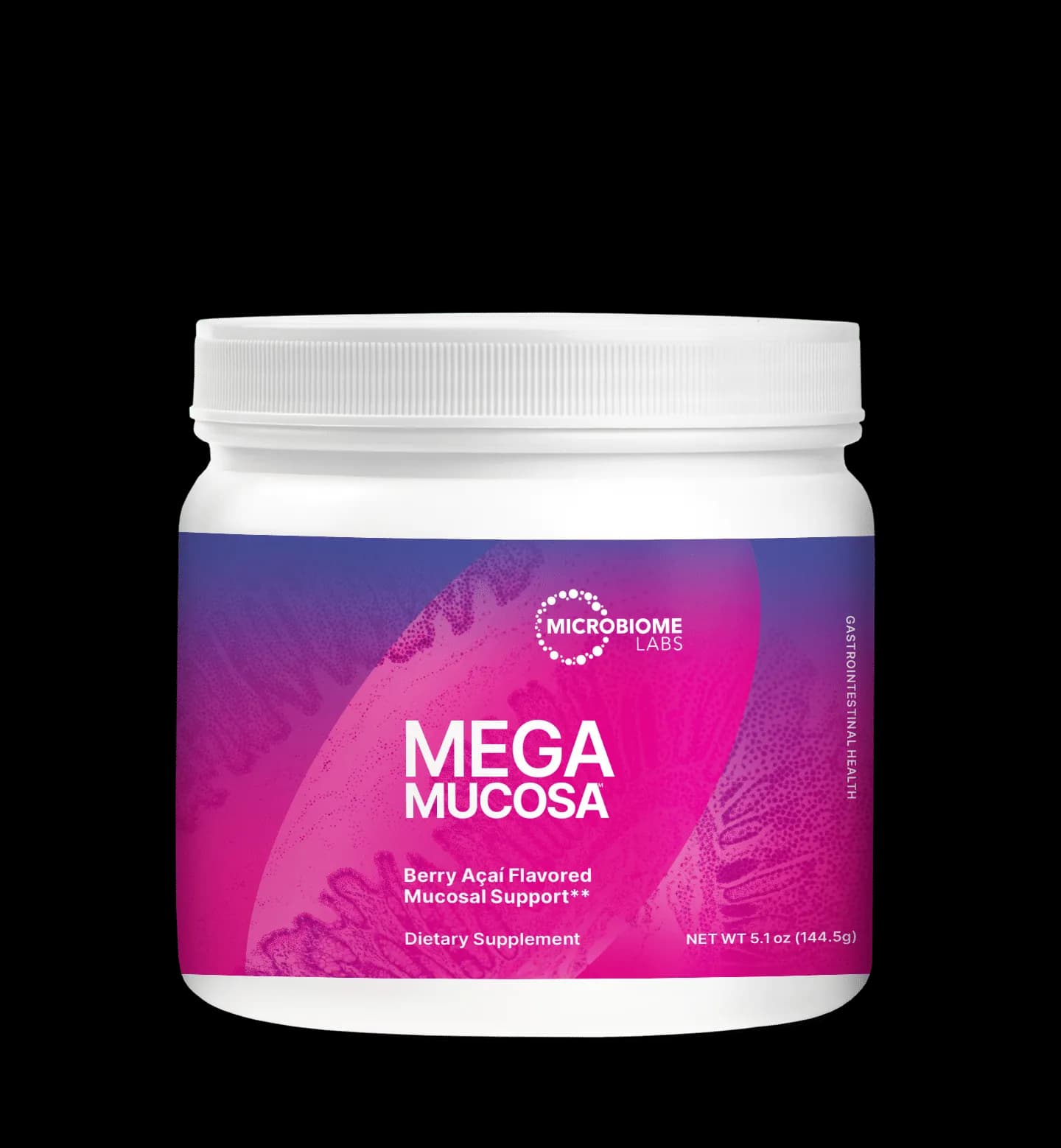
For many patients, the physical barrier that separates the contents of the digestive tract from the bloodstream has become compromised—a condition commonly known as "leaky gut" or intestinal permeability. When this microscopic shield breaks down, it sets off a cascade of systemic immune alarms that can drive neuroinflammation and autonomic dysfunction. Rebuilding this barrier is a critical step in managing complex chronic illness. This is where MegaMucosa Powder comes into the clinical picture. Formulated with a highly specific blend of serum-derived immunoglobulins, targeted amino acids, and citrus bioflavonoids, MegaMucosa is designed not just to soothe the gut, but to actively provide the architectural building blocks necessary to reconstruct a healthy mucosal barrier. In this comprehensive guide, we will explore the deep science behind MegaMucosa, examining how its ingredients work at the cellular level to support gut healing and overall recovery.
TL;DR
MegaMucosa supports gut barrier healing for patients with Long COVID, ME/CFS, and MCAS.
Serum-derived immunoglobulins help bind and neutralize inflammatory toxins in the digestive tract.
Targeted amino acids provide essential building blocks to reconstruct the gut's protective mucin layer.
Citrus bioflavonoids promote beneficial gut bacteria and increase barrier-strengthening butyrate production.
What is MegaMucosa? The Anatomy of the Gut Barrier
The Intestinal Mucosa: Our First Line of Defense
To understand how MegaMucosa works, we first need to understand the remarkable anatomy of the human gastrointestinal (GI) tract. The gut is essentially a hollow tube that runs from the mouth to the colon. Because the inside of this tube (the lumen) is exposed to the outside world—including food particles, bacteria, viruses, and environmental toxins—the body must maintain a strict border control system. This border is the intestinal mucosa, a highly specialized barrier that must perform two seemingly contradictory tasks: it must be permeable enough to absorb essential water and nutrients, yet impenetrable enough to keep dangerous pathogens and toxins out of the bloodstream.
This barrier is astonishingly thin. In fact, the physical wall separating your gut contents from your systemic blood supply is composed of a single, microscopic layer of epithelial cells. Because this cellular wall is so fragile, the body protects it with a thick, gel-like coating known as the mucus layer. In a healthy gut, this mucus layer acts as the primary physical and immunological shield. It traps harmful bacteria, neutralizes toxins, and provides a safe habitat for the beneficial microbes that make up our microbiome. When this first line of defense is robust, the underlying immune system remains calm and regulated.
The Mucin Layer and Epithelial Tight Junctions
At a molecular level, the mucus layer is primarily composed of massive, highly complex glycoproteins called mucins (such as Muc2 in the colon). These mucin proteins are secreted continuously by specialized cells in the gut lining called goblet cells. Think of mucins as the structural scaffolding of the gut barrier. They form a dense, three-dimensional, bottle-brush-like network that holds onto water, creating a viscous gel. This gel physically prevents gut bacteria from touching the delicate epithelial cells beneath. Without a steady, healthy production of mucins, the gut barrier becomes dangerously thin and vulnerable to damage.
Beneath the mucin layer, the single row of epithelial cells is stitched together by complex protein structures called tight junctions. These junctions act like the mortar between bricks, sealing the gaps between cells so that nothing can slip through uninvited. However, when the protective mucin layer is degraded by chronic stress, poor diet, or viral infections, inflammatory molecules can reach the epithelial cells and trigger the dismantling of these tight junctions. This microscopic unzipping of the gut lining is the physiological basis of intestinal permeability, or "leaky gut," allowing microscopic debris to flood into the body.
Enter MegaMucosa: A Three-Pronged Approach
Rebuilding a compromised gut barrier requires more than just a single nutrient; it requires a comprehensive, multi-targeted approach. MegaMucosa is uniquely formulated to address the three critical components of mucosal healing. First, it utilizes ImmunoLin, a serum-derived bovine immunoglobulin concentrate, to act as a biological sponge, binding to and neutralizing toxins before they can trigger inflammation. This immediate triage helps calm the local immune response.
Second, MegaMucosa provides a precise, high-dose blend of four specific amino acids: L-Proline, L-Serine, L-Threonine, and L-Cysteine. These are not just generic proteins; they are the exact molecular building blocks required by goblet cells to synthesize new mucin proteins and physically rebuild the protective gel layer. Finally, the formula includes MicrobiomeX, a clinically validated extract of citrus bioflavonoids designed to actively shift the gut microbiome, promoting the growth of beneficial bacteria that produce barrier-strengthening short-chain fatty acids. Together, these three mechanisms work synergistically to reconstruct the gut's defenses from the ground up.
How Long COVID and ME/CFS Impact Gut Health
Viral Persistence and the Gut Reservoir
For individuals navigating the complexities of Long COVID, the gastrointestinal tract is frequently a site of profound dysfunction. Research has increasingly demonstrated that the SARS-CoV-2 virus does not always clear from the body after the acute infection phase. Instead, it can establish viral reservoirs in various tissues, with the gut being a primary hiding spot. The virus binds to ACE2 receptors, which are highly expressed along the intestinal lining. This viral persistence in the gut triggers a state of chronic, localized inflammation. The immune system remains locked in a constant battle against these lingering viral particles, leading to collateral damage of the delicate mucosal barrier.
As the local immune cells fight this low-grade viral presence, they release inflammatory cytokines like TNF-alpha and Interleukin-6 (IL-6). These signaling molecules intentionally dismantle the tight junctions between epithelial cells to allow immune cells to access the infection site. However, when this process becomes chronic, the gut barrier remains perpetually "open." This chronic permeability is a hallmark of gastrointestinal symptoms seen with Long COVID, leading to severe malabsorption, chronic diarrhea, and profound abdominal discomfort that can persist for months or years.
Endotoxemia and the "Leaky Gut" Phenomenon
In conditions like myalgic encephalomyelitis/chronic fatigue syndrome (ME/CFS), the breakdown of the gut barrier leads to a devastating downstream effect known as metabolic endotoxemia. The human gut is home to trillions of bacteria, many of which are Gram-negative. The outer cell walls of these Gram-negative bacteria contain a highly toxic structural component called lipopolysaccharide (LPS), also known as endotoxin. In a healthy gut, LPS is safely contained within the intestinal lumen and eventually excreted. But in a leaky gut, LPS slips through the compromised tight junctions and enters the systemic bloodstream.
Once in the blood, LPS is recognized by the immune system as a massive systemic threat. It binds to Toll-like receptor 4 (TLR4) on immune cells throughout the body, triggering a massive release of systemic inflammation. A 2023 study published in Frontiers in Immunology found that patients with ME/CFS have significantly elevated circulating markers of bacterial translocation, including LPS and zonulin (a protein that modulates tight junctions). This chronic endotoxemia is believed to be a primary driver of neuroinflammation. When systemic inflammation reaches the brain, it activates microglial cells, leading to the debilitating brain fog, cognitive impairment, and profound post-exertional malaise (PEM) that define these conditions.
The Vicious Cycle of Mast Cell Activation (MCAS) and Dysautonomia
The gut is home to the largest concentration of mast cells in the human body, located just beneath the epithelial lining in the lamina propria. Mast cells are the immune system's first responders, packed with inflammatory mediators like histamine, tryptase, and prostaglandins. In a healthy scenario, they help defend against parasites and toxins. However, in patients with mast cell activation syndrome (MCAS)—a condition frequently comorbid with Long COVID and ME/CFS—these cells become hyper-reactive and unstable.
When the gut barrier is leaky, undigested food proteins and bacterial toxins constantly bombard these local mast cells, causing them to degranulate and release massive amounts of histamine into the surrounding tissue. This localized histamine release causes further swelling and damage to the gut lining, creating a vicious cycle of increasing permeability and increasing allergic reactivity. Furthermore, this chronic gut inflammation can severely impact the vagus nerve, which heavily innervates the digestive tract. Vagus nerve dysfunction is a core component of dysautonomia and Postural Orthostatic Tachycardia Syndrome (POTS), explaining why so many patients experience rapid heart rates, dizziness, and blood pressure swings immediately after eating a meal.
MegaMucosa: Rebuilding the Barrier at the Cellular Level
ImmunoLin (SBI): Neutralizing Toxins via Steric Exclusion
The cornerstone of MegaMucosa is ImmunoLin, a highly purified, serum-derived bovine immunoglobulin (SBI) concentrate. Unlike standard protein powders, ImmunoLin is composed of over 90% protein, with approximately 50% of that being active immunoglobulins, primarily Immunoglobulin G (IgG). When consumed, these immunoglobulins survive the acidic environment of the stomach and reach the intestines intact. Once in the gut lumen, they perform a critical function known as steric exclusion. This means the IgG molecules act like biological handcuffs, physically binding to microbial antigens—specifically lipopolysaccharides (LPS), peptidoglycan, and flagellin—that are floating in the digestive tract.
By binding to these toxic components, the immunoglobulins create massive antigen-antibody complexes. These complexes are physically too large to pass through the compromised tight junctions of a leaky gut. Instead of translocating into the bloodstream and triggering systemic inflammation, the neutralized toxins are safely flushed out of the body in the stool. By removing the constant barrage of toxic stimuli, ImmunoLin drastically reduces the local production of tissue-destroying cytokines like TNF-alpha and IL-6. Ex vivo studies utilizing the SIFR technology have demonstrated that SBI significantly increases gut barrier integrity, measured by transepithelial electrical resistance (TEER), particularly under highly stressed, inflammatory conditions.
The Amino Acid Backbone: Synthesizing the Mucin Gel
While ImmunoLin clears the debris, the gut still needs raw materials to physically rebuild its protective mucus layer. This is where MegaMucosa's targeted amino acid blend comes in. The mucin proteins that make up the gut barrier have a very specific molecular architecture. Their central backbone is heavily composed of tandem repeats of three amino acids: L-Proline, L-Threonine, and L-Serine, collectively known as the "PTS domain." The hydroxyl groups on Threonine and Serine act as the crucial attachment points for complex sugar molecules in a process called O-linked glycosylation. Proline introduces structural "kinks" in the protein chain, exposing these attachment points so enzymes can easily add the sugars.
During states of chronic illness and intestinal inflammation, the body's demand for these specific amino acids skyrockets. The intestine extracts a massive proportion of dietary threonine specifically to synthesize mucins. Because mucins are continuously secreted and excreted, the body experiences a constant net loss of these building blocks.
Cysteine and Intestinal Stem Cell Regeneration
The fourth amino acid in the MegaMucosa blend, L-Cysteine, plays two extraordinary roles in gut healing. Structurally, the ends of mucin proteins are extremely rich in cysteine. Because cysteine contains sulfur, it can form strong covalent "disulfide bridges" with other mucin molecules. This cross-linking process is what polymerizes liquid mucin monomers into the thick, resilient, gel-like mucus layer that physically separates the gut lining from bacteria. Furthermore, L-Cysteine is a direct precursor to glutathione, the body's master antioxidant, which helps protect the delicate epithelial cells from oxidative stress and free radical damage.
Beyond its structural role, groundbreaking new research has uncovered cysteine's ability to directly drive tissue regeneration. A landmark 2025 study published in the journal Nature by researchers at MIT discovered that dietary cysteine interacts with immune cells in the mucosal lining called CD8+ T cells. The cysteine stimulates these T cells to multiply and release a signaling cytokine called IL-22. This IL-22 acts as a powerful biological signal that instructs intestinal stem cells to aggressively divide and regrow new, healthy intestinal tissue. This makes L-Cysteine a potent therapeutic tool for repairing the severe intestinal damage often seen in complex chronic conditions.
MicrobiomeX: Fueling the Gut with Butyrate
The final component of MegaMucosa is MicrobiomeX, a patented, clinically validated extract of citrus bioflavonoids (specifically hesperidin and naringin) derived from sweet orange and grapefruit. While many gut supplements rely on standard probiotics, MicrobiomeX functions as a "Flavobiotic"—a compound that indirectly modulates the gut microbiome by feeding specific beneficial bacteria. When these citrus flavonoids reach the colon, intestinal microbes break them down into smaller bioactive compounds. This process beneficially alters the gut microbiota ecosystem, heavily promoting the growth of specific bacterial species like Roseburia spp. and Clostridium cluster XIVa.
These specific bacteria are master producers of Short-Chain Fatty Acids (SCFAs), primarily butyrate. Butyrate is the absolute preferred fuel source for colonocytes (the cells lining the colon). When colonocytes have abundant butyrate, they have the energy required to maintain tight junctions, lower localized gut inflammation, and regulate immune responses. A 2023 randomized, double-blind, placebo-controlled study demonstrated that 12 weeks of daily supplementation with MicrobiomeX significantly shifted the SCFA profile toward higher butyrate levels and reduced fecal calprotectin, a marker of gut inflammation.

Symptoms MegaMucosa May Help Manage
Gastrointestinal and Digestive Symptoms
By directly addressing the structural integrity of the gut lining and neutralizing inflammatory toxins, MegaMucosa targets the root cause of many debilitating digestive issues. Patients with Long COVID, ME/CFS, and MCAS often struggle with severe, unpredictable GI distress that standard diets fail to resolve. Rebuilding the mucin layer and tightening epithelial junctions can help manage:
Chronic Diarrhea and Loose Stools: By neutralizing LPS and reducing local inflammation, ImmunoLin helps calm the hyperactive motility of the gut, allowing for better water reabsorption and firmer stool formation.
Severe Bloating and Distension: As MicrobiomeX shifts the gut flora to favor butyrate-producing bacteria, it helps reduce the overgrowth of gas-producing, fermentative bacteria that cause painful bloating after meals.
New-Onset Food Sensitivities: A leaky gut allows undigested food proteins to enter the bloodstream, triggering immune reactions. By sealing the tight junctions with targeted amino acids, MegaMucosa helps prevent these proteins from escaping, potentially reducing the severity of acquired food intolerances.
Abdominal Pain and Cramping: By lowering the production of inflammatory cytokines like TNF-alpha in the gut tissue, the overall hypersensitivity of the enteric nervous system is reduced, alleviating chronic cramping.
Systemic and Immune-Mediated Symptoms
Because the gut houses roughly 70% of the body's immune system, healing the mucosal barrier has profound downstream effects on systemic inflammation. When the constant leakage of endotoxins into the bloodstream is halted, the entire immune system can begin to downregulate from its state of chronic, hyper-vigilant alarm. This systemic calming is particularly beneficial for managing:
Mast Cell Activation (MCAS) Flares: By preventing bacterial toxins and food antigens from reaching the mast cells located in the lamina propria, MegaMucosa reduces the constant triggers that cause mast cells to degranulate and release systemic histamine.
Joint Pain and Body Aches: Circulating LPS from a leaky gut drives systemic inflammation that often settles in the joints and muscles. Neutralizing these toxins in the gut lumen prevents them from fueling widespread musculoskeletal pain.
Chronic Low-Grade Fevers and Flu-like Symptoms: The constant immune battle against translocating gut bacteria can cause the persistent, low-grade flu-like feelings common in ME/CFS. Sealing the gut barrier removes the source of this immune provocation.
Neurological and Energy-Related Symptoms
The gut-brain axis is a powerful, bidirectional communication network. Neuroinflammation, driven by gut-derived systemic inflammation, is increasingly recognized as a primary driver of the neurological symptoms seen in complex chronic illnesses. By stopping the flow of endotoxins at the source, MegaMucosa supports neurological health and energy production:
Debilitating Brain Fog: When LPS enters the bloodstream, it crosses the blood-brain barrier and activates microglial cells (the brain's immune cells), causing neuroinflammation and cognitive impairment. Healing the gut barrier cuts off the supply of LPS, helping to clear the fog.
Post-Exertional Malaise (PEM): Chronic systemic inflammation drains cellular energy reserves and impairs mitochondrial function. By reducing the overall inflammatory burden originating from the gut, the body can redirect energy toward cellular repair and daily functioning, potentially raising the threshold for PEM crashes.
Autonomic Dysfunction (Dysautonomia/POTS): Chronic gut inflammation severely irritates the vagus nerve, which controls autonomic functions like heart rate and blood pressure. Calming gut inflammation helps restore proper vagal tone, supporting better autonomic stability.
Practical Considerations: Dosing, Forms, and Absorption
Understanding the Powder Format and Bioavailability
MegaMucosa is uniquely formulated as a loose powder rather than encapsulated pills. This design is highly intentional and critical for its mechanism of action. When you mix the powder into water or a liquid, the active ingredients—particularly the ImmunoLin and amino acids—are dispersed evenly. As you drink the mixture, these healing compounds immediately begin coating the entire mucosal surface of the gastrointestinal tract, starting from the mouth, down the esophagus, through the stomach, and into the intestines. This maximizes the surface area contact, allowing the immunoglobulins to bind to toxins throughout the entire length of the digestive system, rather than just releasing in a concentrated burst in the lower intestine as a capsule would.
Because the goal of MegaMucosa is to physically rebuild tissue and neutralize antigens within the gut lumen, systemic bioavailability (absorption into the bloodstream) is actually not the primary objective for all its ingredients. The ImmunoLin (IgG) is specifically designed to remain unabsorbed in the gut lumen so it can act as a binder and be excreted in the stool. Conversely, the amino acids (Proline, Serine, Threonine, Cysteine) are rapidly absorbed by the local enterocytes and goblet cells right where they are needed to synthesize new mucin proteins. The powder dissolves best at room temperature, and it is recommended to mix it into 16 ounces of water or a gentle, non-acidic liquid to ensure smooth delivery.
The Dairy-Free Advantage: ImmunoLin vs. Bovine Colostrum
In the functional medicine space, bovine colostrum has become a highly popular supplement for treating leaky gut, as it also contains high levels of IgG. However, for patients with complex chronic illnesses like Long COVID, ME/CFS, and especially MCAS, colostrum can often do more harm than good. Colostrum is a dairy product; it contains lactose, casein, and whey proteins. In patients with hyper-reactive immune systems or severe gastrointestinal distress, these dairy proteins can act as potent allergens, triggering severe inflammation, mast cell degranulation, and worsening GI symptoms.
This is where MegaMucosa provides a massive clinical advantage. The ImmunoLin used in MegaMucosa is a serum-derived bovine immunoglobulin isolate. Because it is extracted from serum rather than milk, it is 100% free of lactose, casein, and whey. It provides a much higher concentration of pure immunoglobulins (up to 50% more active peptides by weight compared to standard colostrum) without any of the inflammatory dairy triggers. This makes MegaMucosa exceptionally safe and tolerable for highly sensitive patient populations who desperately need mucosal support but cannot tolerate dairy-based supplements.
Titration, Timing, and Potential Interactions
When introducing any new supplement to a dysregulated system, the golden rule is "start low and go slow." The suggested use for MegaMucosa reflects this cautious approach. For ages 4 and up, the protocol begins with just 1/2 scoop per day during Week 1, allowing the gut microbiome and immune system to gently acclimate to the influx of immunoglobulins and bioflavonoids. If well-tolerated, the dose is increased to 1 full scoop per day in Week 2 and beyond. Because rebuilding physical tissue takes time, patients should expect to use MegaMucosa consistently for several weeks to months before experiencing the full spectrum of mucosal healing benefits. It is not an overnight quick fix, but rather a structural rehabilitation program for the gut.
Regarding timing, MegaMucosa can generally be taken with or without food, though many practitioners recommend taking it away from heavy, complex meals to allow the active ingredients unhindered access to the gut lining. While the ingredients in MegaMucosa are generally recognized as safe and well-tolerated, patients should be aware of potential interactions. Because ImmunoLin acts as a potent binder in the gut lumen, it is theoretically possible that it could bind to certain oral medications if taken simultaneously. To be safe, it is advisable to take MegaMucosa at least one to two hours away from prescription medications. As always, patients with complex chronic conditions should consult their healthcare provider before adding new supplements to their regimen.

Follow the Science: Clinical Evidence and Trials
Clinical Evidence for Serum-Derived Immunoglobulins
The use of serum-derived bovine immunoglobulins (SBI) for gastrointestinal healing is backed by a robust and growing body of clinical literature. A highly compelling 2024 ex vivo study published in MDPI Nutrients utilized advanced SIFR (Systemic Intestinal Fermentation Research) technology to test SBI on the gut microbiota of 24 human adults. The researchers intentionally stressed the gut environment with LPS toxins to simulate a severe leaky gut scenario. They found that SBI supplementation significantly increased gut barrier integrity—measured by transepithelial electrical resistance (TEER)—compared to standard dietary proteins. The SBI effectively neutralized the LPS, preventing the toxins from dismantling the tight junctions.
Further clinical validation comes from studies on patients with severe, chronic gut permeability. For example, patients with HIV often suffer from HIV-associated enteropathy, a condition characterized by profound leaky gut, chronic diarrhea, and depletion of mucosal immune cells. A 2019 randomized, double-blind study published in Pathogens and Immunity evaluated SBI supplementation in this highly compromised population. The findings were remarkable: SBI successfully decreased circulating levels of the inflammatory cytokine IL-6, lowered biomarkers of intestinal barrier damage, and led to significant increases in peripheral CD4+ T-cells in the gut-associated lymphoid tissue (GALT). This demonstrated that SBI doesn't just manage symptoms; it facilitates actual physical repair of the gut's localized immune system.
The 2025 MIT Discoveries on Amino Acids and Stem Cells
The inclusion of targeted amino acids in MegaMucosa is supported by decades of nutritional science, but recent breakthroughs have elevated our understanding of their therapeutic power.
However, a landmark October 2025 study published in the journal Nature by researchers at MIT’s Koch Institute has completely revolutionized our understanding of L-Cysteine. The MIT team discovered that dietary cysteine actively drives the regeneration of the intestinal lining through a novel immune pathway. When absorbed, cysteine stimulates local CD8+ T cells to multiply and release IL-22, a signaling cytokine that directly instructs intestinal stem cells to aggressively regrow new, healthy tissue. This finding provides profound scientific validation for using high-dose amino acid therapies to repair the severe intestinal damage seen in chronic inflammatory conditions.
MicrobiomeX and Metabolic Health Trials
The efficacy of the citrus bioflavonoid extract, MicrobiomeX, has been rigorously tested in human clinical trials. A 2023 randomized, double-blind, placebo-controlled study investigated the effects of MicrobiomeX daily over a 12-week period in subjects with altered gut microbiota and low-grade chronic gut inflammation. The results were highly significant.
The researchers documented a statistically significant shift in the patients' Short-Chain Fatty Acid (SCFA) profiles, with an increase in butyrate production. Furthermore, the clinical trial demonstrated a reduction in fecal calprotectin, a marker of gut inflammation. This confirms that MicrobiomeX actively modulates the gut environment to favor barrier-strengthening, anti-inflammatory microbial activity.
Connecting Gut Permeability to ME/CFS and Long COVID
The relevance of these gut-healing mechanisms to complex chronic illness cannot be overstated. A pivotal 2023 study published in Frontiers in Immunology investigated the specific link between gut permeability and ME/CFS. The researchers found that patients with ME/CFS had significantly elevated circulating markers of intestinal barrier dysfunction and bacterial translocation—specifically zonulin-1 and LPS—compared to healthy controls. Crucially, these markers of leaky gut correlated strongly with worse autonomic symptoms and reduced physical and mental health scores. This robust evidence underscores why repairing the gut barrier with targeted therapies like MegaMucosa is a critical component of treating the systemic neuroimmune dysfunction seen in ME/CFS and Long COVID.
The Path Forward: Integrating Gut Healing into Chronic Care
Validating the Gut-Brain Connection
Living with a complex chronic condition like Long COVID, ME/CFS, dysautonomia, or MCAS is an exhausting journey. The sheer unpredictability of symptoms—ranging from profound fatigue and brain fog to sudden heart rate spikes and severe digestive distress—can leave you feeling disconnected from your own body. It is deeply validating to understand that these symptoms are not "all in your head." They are the result of measurable, physiological disruptions in your body's foundational systems. The science is clear: the breakdown of the gastrointestinal barrier and the resulting flood of systemic inflammation play a massive role in driving these systemic symptoms. Recognizing the gut as a central hub of chronic illness provides a tangible, actionable target for healing.
A Comprehensive Management Strategy
While MegaMucosa offers a powerful, scientifically backed tool for rebuilding the mucosal barrier, it is important to remember that true healing requires a comprehensive, multi-disciplinary approach. Supplements are most effective when integrated into a broader management strategy that includes rigorous pacing to manage post-exertional malaise, careful symptom tracking, nervous system regulation techniques, and personalized dietary modifications. Healing a severely compromised gut barrier is a marathon, not a sprint. It requires patience, consistency, and a willingness to listen to your body's subtle signals as it slowly reconstructs its internal defenses.
Next Steps for Your Healing Journey
If you are struggling with the systemic, cascading symptoms of Long COVID, ME/CFS, or MCAS, addressing your foundational gut health may be a crucial step forward. By utilizing the targeted immunoglobulins, essential amino acids, and microbiome-modulating bioflavonoids found in MegaMucosa, you can provide your body with the exact molecular tools it needs to rebuild its first line of defense. As always, please consult with your healthcare provider or a functional medicine practitioner before beginning any new supplement regimen to ensure it aligns with your specific clinical needs and Long COVID diagnostic profile.