Can MegaMucosa Support Gut Healing for Long COVID and ME/CFS Patients?
March 6, 2026
MegaMucosaLong COVIDME/CFS
Share:
Disclaimer: The information provided here is for educational purposes only and is not intended as medical advice. It should not be used to diagnose, treat, cure, or prevent any medical condition. Instead, use it as a starting point for discussion with your healthcare provider. Always consult with a qualified healthcare provider before starting any new medication, supplement, device, or making changes to your health regimen.
Months or even years after recovering from an initial SARS-CoV-2 infection, many individuals find themselves battling a relentless array of debilitating symptoms. For those living with Long COVID, myalgic encephalomyelitis/chronic fatigue syndrome (ME/CFS), mast cell activation syndrome (MCAS), and dysautonomia, the journey to recovery often feels like navigating a maze without a map. While symptoms like severe brain fog, post-exertional malaise (PEM), and profound fatigue dominate the clinical picture, emerging research points to a surprising origin for much of this systemic chaos: the gastrointestinal tract. The gut microbiome and the delicate mucosal barrier that lines our intestines play a foundational role in regulating immune responses, and when this system breaks down, the consequences ripple throughout the entire body.
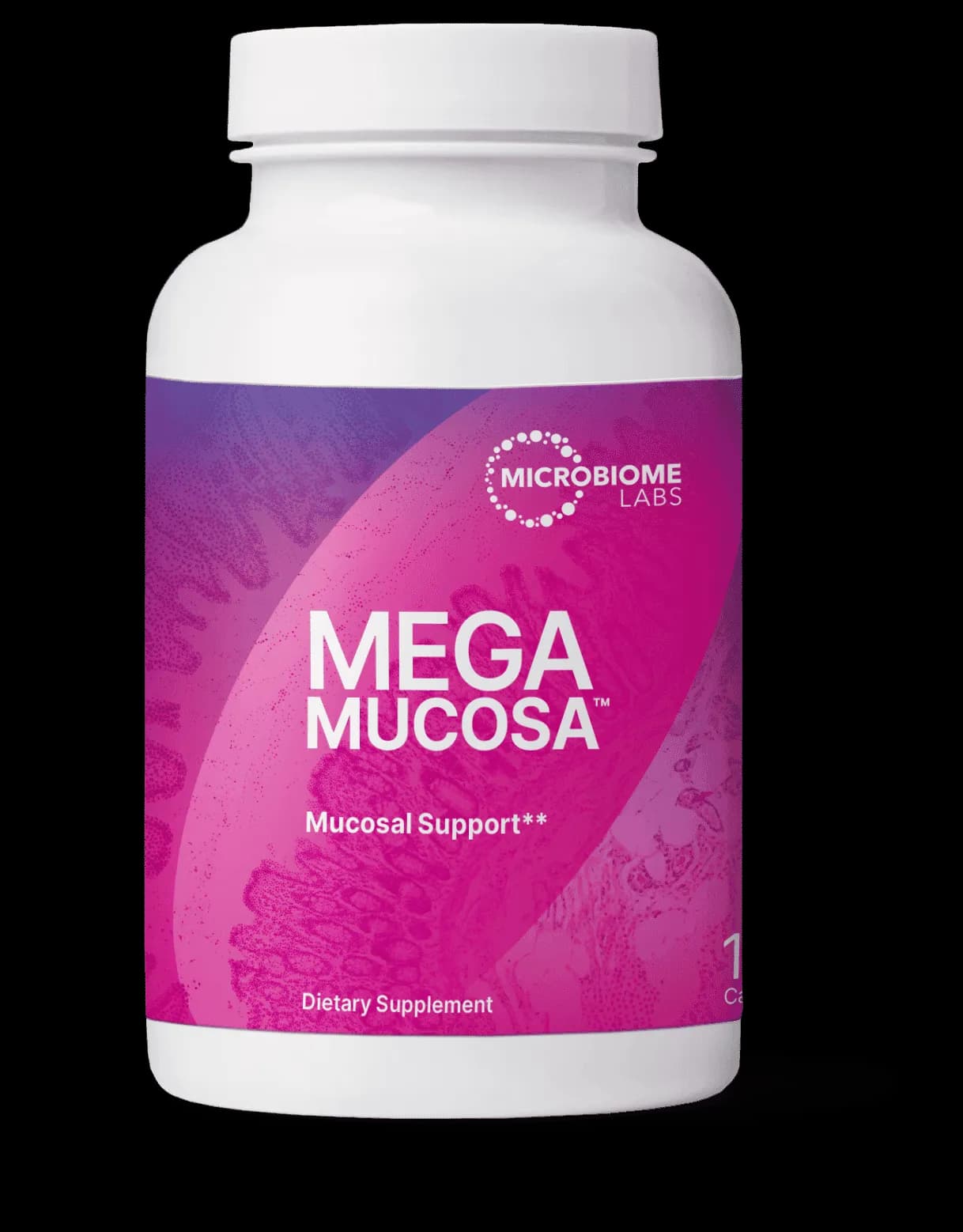
In the search for targeted, science-backed interventions, functional medicine practitioners are increasingly turning to comprehensive mucosal support supplements. MegaMucosa by Microbiome Labs has emerged as a powerful tool in this arena. Designed to help rebuild a healthy mucosal barrier and promote a balanced gut microbiome, it combines serum-derived bovine immunoglobulins (ImmunoLin®), specific mucin-building amino acids, and citrus bioflavonoids (MicrobiomeX®). But how exactly do these ingredients work at a cellular level, and can they truly help manage the complex gastrointestinal and systemic symptoms associated with chronic, infection-associated illnesses? Let's dive deep into the biochemistry of gut healing and explore how MegaMucosa supports the body's foundational barriers.
TL;DR
MegaMucosa combines immunoglobulins, amino acids, and bioflavonoids to help support a healthy gut mucosal barrier.
It may help manage gastrointestinal and systemic symptoms linked to Long COVID and ME/CFS.
Ingredients like ImmunoLin and MicrobiomeX work together to neutralize toxins and promote beneficial gut bacteria.
Always consult your healthcare provider before starting new supplements, especially with complex chronic conditions.
What is MegaMucosa?
The Anatomy of the Intestinal Barrier
To understand how MegaMucosa works, we must first examine the natural function of the intestinal barrier in a healthy body. The human gastrointestinal tract is a remarkable interface, tasked with the dual responsibility of absorbing vital nutrients while simultaneously keeping out harmful pathogens, toxins, and undigested food particles. This barrier is not just a simple wall; it is a dynamic, multi-layered defense system. The outermost layer consists of a thick, highly hydrated gel called the mucus layer. This mucus coats the intestinal lining, providing a physical buffer that prevents bacteria from coming into direct contact with the delicate epithelial cells beneath.
The structural integrity of this mucus layer relies heavily on a family of complex glycoproteins known as mucins, particularly MUC2 in the colon. Mucins have a unique "bottle-brush" molecular structure that allows them to hold massive amounts of water, creating a viscoelastic gel. Beneath this mucus layer lies a single layer of epithelial cells, tightly bound together by protein structures called tight junctions. When functioning optimally, these tight junctions act as highly selective gates, allowing only fully digested nutrients and water to pass into the bloodstream. In a healthy gut, this intricate system maintains immune tolerance and prevents systemic inflammation.
Serum-Derived Bovine Immunoglobulins (ImmunoLin)
One of the primary active ingredients in MegaMucosa is ImmunoLin®, a highly concentrated, specialized protein fraction isolated from bovine serum. Unlike bovine colostrum, which contains a broader mix of lower-dose immune factors and dairy components, ImmunoLin is a highly purified, dairy-free isolate comprising more than 50% Immunoglobulin G (IgG), alongside smaller amounts of IgA and IgM. Immunoglobulins are essentially antibodies—proteins produced by the immune system to identify and neutralize foreign objects like bacteria and viruses.
In a healthy digestive tract, the body naturally secretes large amounts of its own immunoglobulins (primarily secretory IgA) into the gut lumen to manage the microbial population. However, in states of chronic illness, this natural defense can become overwhelmed or depleted. By supplementing with highly concentrated, orally administered IgG, ImmunoLin acts as a localized defense force within the gastrointestinal lumen. These antibodies survive the acidic environment of the stomach and travel to the intestines, where they actively bind to and neutralize a wide array of dysbiotic microbial fragments, pathogens, and toxins, helping to keep them from triggering an inflammatory cascade.
Amino Acids and Citrus Bioflavonoids (MicrobiomeX)
Beyond immunoglobulins, MegaMucosa provides the foundational building blocks required for the body to synthesize its own protective mucus layer. The supplement contains a precise blend of four essential amino acids: L-Proline, L-Serine, L-Threonine, and L-Cysteine. The protein core of a mucin molecule is characterized by tandem repeating sequences heavily enriched in Proline, Threonine, and Serine, collectively known as the PTS domain. These amino acids provide the essential attachment points for complex sugar molecules in a process called O-glycosylation, which makes up to 80% of a mucin's weight. L-Cysteine, on the other hand, forms strong covalent bonds (disulfide bridges) that cross-link individual mucin monomers together into a massive, tangled polymeric net.
Finally, MegaMucosa incorporates MicrobiomeX®, a standardized botanical extract derived from Citrus sinensis (sweet orange) and Citrus paradisi (grapefruit). This extract is naturally rich in specific citrus bioflavonoids, primarily hesperidin and naringin. These complex flavonoids are not fully absorbed in the upper digestive tract; instead, they reach the colon, where they interact directly with the intestinal microbiota. Gut microbes break these flavonoids down into smaller, highly absorbable bioactive aglycones, which exert potent anti-inflammatory effects while simultaneously feeding beneficial bacteria. This multi-pronged approach ensures that MegaMucosa addresses both the structural and microbial components of gut health.
How Long COVID and ME/CFS Impact Gut Health
Viral Persistence and the Gut-Lung Axis
The connection between chronic illness and gastrointestinal dysfunction is profound, particularly in the context of Long COVID. Research increasingly points to the phenomenon of viral persistence, where fragments of the SARS-CoV-2 virus, or even replication-competent viral reservoirs, remain hidden within the body long after the acute infection has passed. The gastrointestinal tract is a prime target for this persistence because the enterocytes (intestinal cells) highly express ACE2 receptors, the very doorways the virus uses to enter human cells. When the virus takes up residence in the gut, it triggers continuous, localized inflammation.
This localized inflammation disrupts the delicate balance of the gut-lung axis, a bidirectional communication network between the respiratory and gastrointestinal systems. The constant shedding of viral debris and the resulting immune crossfire degrade the protective mucus layer. As studies on Long COVID gastrointestinal symptoms have shown, this ongoing viral presence in the gut can drive systemic immune dysregulation, contributing to the wide array of unexplained symptoms that patients experience daily. The gut essentially becomes a chronic inflammatory engine, constantly misfiring and exhausting the body's immune resources.
Dysbiosis and the Loss of Beneficial Bacteria
In tandem with viral persistence, patients with Long COVID, ME/CFS, and dysautonomia frequently suffer from severe gut dysbiosis. Dysbiosis is characterized by a dramatic loss of beneficial, anti-inflammatory bacteria (such as Bifidobacterium and Faecalibacterium prausnitzii) and an overgrowth of pathogenic, pro-inflammatory bacteria (like Proteobacteria). Recent research on the oral and gut microbiota indicates that these microbiome differences are strongly associated with specific Long COVID symptom clusters, including nausea, severe fatigue, and even neurological disturbances, independent of viral persistence itself.
This loss of microbial diversity creates a vicious cycle. Beneficial bacteria are responsible for fermenting dietary fibers into short-chain fatty acids (SCFAs), particularly butyrate. Butyrate is the primary fuel source for the cells lining the colon and plays a crucial role in maintaining the integrity of the tight junctions. When dysbiosis wipes out these butyrate-producing bacteria, the intestinal cells starve, the tight junctions weaken, and the protective mucosal barrier begins to break down. This microbial imbalance is a hallmark of what causes Long COVID and ME/CFS pathophysiology.
Leaky Gut and Systemic Inflammation
The culmination of viral persistence, mucosal degradation, and dysbiosis is a condition clinically known as intestinal hyper-permeability, or "leaky gut." When the tight junctions between intestinal cells fail, microscopic gaps form. This allows lipopolysaccharides (LPS)—highly inflammatory endotoxins found on the outer membranes of certain bacteria—to escape the gut lumen and enter the systemic bloodstream. The immune system recognizes LPS as a severe threat and launches a massive, systemic inflammatory response, often referred to as a cytokine storm.
For patients with ME/CFS triggered by Long COVID or mast cell activation syndrome (MCAS), this constant influx of endotoxins keeps the immune system in a state of hyper-vigilance. Mast cells, which are abundant in the gut lining, become destabilized and inappropriately release histamine and other inflammatory mediators. This systemic inflammation crosses the blood-brain barrier, leading to neuroinflammation, which manifests clinically as debilitating brain fog, cognitive impairment, and profound fatigue. Breaking this cycle of intestinal permeability is absolutely critical for managing the systemic symptoms of these complex chronic conditions.
MegaMucosa: Supporting Gut Restoration and Immune Balance
Neutralizing Toxins with Steric Exclusion
MegaMucosa intervenes in this vicious cycle of gut dysfunction through several distinct, highly targeted mechanisms. The first line of defense is provided by the ImmunoLin® (serum-derived bovine immunoglobulins). When these concentrated IgG antibodies enter the inflamed gastrointestinal tract, they act like a highly specific biological sponge. They recognize and bind to pathogen-associated molecular patterns (PAMPs), including the highly inflammatory lipopolysaccharides (LPS) and other bacterial toxins that are driving the leaky gut cascade.
This binding process utilizes a mechanism known as steric exclusion or steric hindrance. When the immunoglobulins attach to these microbial components, they significantly increase the physical size of the antigen complex. Because the bound antigen-antibody complex is now too large to slip through the compromised tight junctions, the toxins are physically hindered from crossing the gut barrier and entering the bloodstream. This mechanism is thought to act as a decoy receptor to halt immune overactivation and allow tight junctions to rebuild.
Rebuilding the Mucin Layer with Amino Acids
While the immunoglobulins clear the active threats, the specific amino acid blend in MegaMucosa goes to work rebuilding the structural integrity of the gut lining. During states of chronic intestinal inflammation, the mucus layer is rapidly degraded, and the metabolic demand for mucin synthesis skyrockets. The availability of L-Proline, L-Serine, L-Threonine, and L-Cysteine can quickly become a rate-limiting factor; if the body exhausts its supply of these raw materials, it simply cannot rebuild the barrier.
By providing high doses of these specific amino acids, MegaMucosa directly stimulates the colonic mucin synthesis rate. The L-Threonine and L-Serine provide the crucial hydroxyl groups needed for O-glycosylation (attaching sugar molecules to the protein core), while L-Proline ensures the protein backbone maintains its rigid, extended structure. Finally, the L-Cysteine allows the newly formed mucin molecules to cross-link via disulfide bridges, creating the thick, protective gel matrix. Research on amino acids and mucosal barrier function has shown that supplementing this exact combination can increase mucin synthesis by up to 95%, helping to restore goblet cell function and rebuild the physical wall that protects the immune system.
Fueling Colonocytes via Butyrate Production
The third pillar of MegaMucosa's mechanism of action is driven by MicrobiomeX®, the citrus bioflavonoid extract. Once the hesperidin and naringin reach the colon, they act as a targeted "flavobiotic," exerting prebiotic-like effects that specifically modulate the gut microbiome. These bioflavonoids selectively promote the growth of beneficial, butyrate-producing bacteria, such as the genus Roseburia spp. and Clostridium cluster XIVa.
This targeted microbial shift is crucial for long-term gut healing. As these beneficial bacteria ferment the bioflavonoids, they produce large amounts of short-chain fatty acids (SCFAs), with a pronounced shift toward butyrate production. Clinical trials on MicrobiomeX have demonstrated that this increase in butyrate provides direct energy to the colonocytes, allowing them to repair cellular damage. Furthermore, butyrate is a potent local anti-inflammatory agent that helps lower fecal calprotectin levels and increases the secretion of Immunoglobulin A (IgA), further fortifying the gut's immune defenses. Together, these three mechanisms—neutralizing toxins, rebuilding mucin, and fueling cellular repair—offer a comprehensive approach to mucosal restoration.

Symptoms MegaMucosa May Help Manage
Gastrointestinal Symptoms
By addressing the root causes of intestinal permeability and dysbiosis, MegaMucosa targets a wide range of debilitating symptoms. For patients dealing with the gastrointestinal symptoms seen with Long COVID, restoring the mucosal barrier can provide profound relief.
Chronic Diarrhea and Loose Stools: By neutralizing inflammatory toxins and soothing the intestinal lining, ImmunoLin helps reduce the hypermotility and water secretion that drive chronic diarrhea, a common issue in post-viral dysautonomia.
Abdominal Pain and Cramping: The reduction of localized inflammation and the healing of the mucosal tissue can significantly alleviate the visceral hypersensitivity that causes severe abdominal cramping.
Bloating and Gas: MicrobiomeX helps rebalance the gut flora, reducing the overgrowth of gas-producing pathogenic bacteria and promoting a healthier, more efficient fermentation process.
Food Sensitivities and Histamine Reactions: By helping to seal the leaky gut, MegaMucosa helps keep undigested food particles from entering the bloodstream, which can help calm the mast cells and reduce the severity of new food intolerances and histamine-driven reactions.
Systemic and Neurological Symptoms
Because the gut is inextricably linked to the brain and systemic immune system, healing the intestinal barrier often leads to improvements in symptoms that seem entirely unrelated to digestion. This is particularly relevant for patients wondering how long Long COVID lasts and seeking ways to manage systemic dysfunction.
Brain Fog and Cognitive Impairment: By stopping lipopolysaccharides (LPS) from leaking into the bloodstream, MegaMucosa helps shut down the systemic cytokine storm that drives neuroinflammation, often leading to improved mental clarity.
Severe Fatigue and Post-Exertional Malaise (PEM): Chronic immune activation drains the body's cellular energy (ATP). By reducing the immune burden originating in the gut, the body can redirect energy toward cellular repair and daily functioning.
Joint Pain and Muscle Aches: Systemic inflammation driven by leaky gut frequently settles in the joints and muscles. Lowering circulating inflammatory markers like Interleukin-6 (IL-6) can help alleviate this widespread pain.
Immune Dysregulation and Frequent Infections: By increasing the production of secretory IgA and supporting a robust mucosal barrier, MegaMucosa helps restore the body's first line of defense, potentially reducing susceptibility to secondary infections.
Practical Considerations: Dosing, Forms, and Absorption
Titration and Optimal Dosing Strategies
When introducing a powerful mucosal support supplement like MegaMucosa, especially for individuals with highly sensitive systems, dysautonomia, or MCAS, proper dosing and titration are critical. The suggested use for ages 4 and up begins with a titration phase: Week 1 involves taking 3 capsules per day, and Week 2 increases to 6 capsules per day, as tolerated. This gradual introduction is essential because rapidly shifting the gut microbiome or initiating profound tissue repair can sometimes cause temporary "die-off" reactions or mild gastrointestinal shifts.
For patients with complex chronic illnesses, functional medicine practitioners often recommend an even slower titration. Starting with just one capsule daily and slowly working up to the full dose over several weeks allows the immune system to acclimate to the immunoglobulins and bioflavonoids without triggering a flare in symptoms. MegaMucosa is designed to be taken with or without food, but many patients find that taking it alongside a meal helps with amino acid absorption and minimizes any potential stomach upset.
Bioavailability and Synergistic Effects
The bioavailability of the ingredients in MegaMucosa is carefully engineered. The serum-derived bovine immunoglobulins (ImmunoLin) are specifically designed to survive the harsh, acidic environment of the stomach so they can reach the intestines intact, where their binding action is needed. The amino acids (L-Proline, L-Serine, L-Threonine, L-Cysteine) are provided in their free-form 'L' configurations, which are highly bioavailable and readily absorbed by the enterocytes for immediate use in mucin synthesis.
Furthermore, the ingredients exhibit powerful synergistic effects. For example, while ImmunoLin clears the inflammatory debris, it creates a safer environment for the MicrobiomeX bioflavonoids to nourish the beneficial bacteria. In turn, the butyrate produced by these bacteria provides the energy the cells need to utilize the amino acids and build the mucin layer. This synergy makes MegaMucosa a cornerstone in comprehensive gut-healing protocols, often paired with targeted probiotics (like spore-based strains) once the initial inflammation has been calmed.
Safety, Tolerability, and Contraindications
MegaMucosa is generally well-tolerated and is formulated without common allergens; it is dairy-free, gluten-free, and soy-free. The dairy-free aspect of ImmunoLin is particularly important, as many patients with leaky gut cannot tolerate bovine colostrum due to its casein and whey content. Because ImmunoLin is derived from bovine serum, it provides the high-dose IgG benefits without the dairy proteins that often trigger mast cell reactions.
However, there are important contraindications to consider. Because the immunoglobulins are bovine-derived, individuals with a true beef allergy (such as alpha-gal syndrome, which can be triggered by tick bites) should avoid this product. Additionally, while the amino acids are naturally occurring, patients with severe kidney or liver disease should consult their healthcare provider before taking high-dose amino acid supplements. As always, patients navigating what drugs are used for COVID long haulers should discuss potential interactions with their medical team.

Follow the Science
Clinical Trials on ImmunoLin and Viral Recovery
The scientific foundation supporting the ingredients in MegaMucosa is robust and rapidly expanding, particularly in the context of infection-associated chronic illnesses. Serum-derived bovine immunoglobulins (SBI) have been extensively studied in over 45 human clinical trials.
Furthermore, studies on immunocompromised populations, such as those with HIV-associated enteropathy, have explored SBI's ability to support the gut barrier.
Research on Amino Acids and Gut Barrier Integrity
The specific four-amino-acid blend used in MegaMucosa is grounded in landmark gastroenterology research. A highly cited study published in the Journal of Nutrition investigated the therapeutic effects of supplementing L-Threonine, L-Serine, L-Proline, and L-Cysteine in subjects with induced ulcerative colitis. The researchers found that this targeted amino acid cocktail specifically stimulated the colonic mucin synthesis rate by an impressive 95%.
The study further demonstrated that the higher dose of these amino acids significantly increased the number of MUC2-producing goblet cells in the surface epithelium of ulcerated areas. By providing the exact raw materials needed, the treatment helped restore the mucin amino acid composition and the overall mucosal content back to healthy control values. This mechanical support of the intestinal barrier is a critical step in helping to reverse the hyper-permeability that plagues patients with dysautonomia and ME/CFS.
MicrobiomeX and Short-Chain Fatty Acids
The clinical efficacy of MicrobiomeX is supported by recent, rigorous human trials. A 2023 randomized, double-blind, placebo-controlled trial published in Foods evaluated the impact of 500 mg of MicrobiomeX daily for 12 weeks on subjects with metabolic syndrome features. The researchers discovered a statistically significant shift in the intestinal SCFA profile toward butyrate production compared to the placebo group.
This butyrate shift is clinically vital because butyrate is the primary energy source for gut lining cells and a potent anti-inflammatory molecule. The study also observed a strong trend toward a reduction in fecal calprotectin, a primary clinical biomarker for intestinal inflammation. These findings suggest that the specific citrus bioflavonoids in MicrobiomeX actively feed beneficial bacteria.
The Path Forward
A Comprehensive Approach to Gut Healing
Living with complex, invisible illnesses like Long COVID, ME/CFS, and dysautonomia is an exhausting and often isolating experience. When your body feels like it is constantly betraying you, and Long COVID symptoms come and go unpredictably, finding actionable, science-backed strategies can provide a much-needed sense of control. Healing the gut is not a quick fix, nor is it a miracle cure for these multifaceted conditions. However, addressing intestinal permeability and microbiome dysbiosis is a critical, foundational step in calming a hyperactive immune system and reducing the systemic inflammatory burden that drives debilitating symptoms like brain fog and severe fatigue.
MegaMucosa offers a uniquely comprehensive approach to this challenge. By simultaneously neutralizing inflammatory toxins with ImmunoLin, rebuilding the protective mucosal shield with targeted amino acids, and fostering a healthy, butyrate-producing microbiome with MicrobiomeX, it addresses gut dysfunction from multiple angles. When integrated into a broader management strategy that includes pacing, nervous system regulation, and personalized medical care, targeted mucosal support can help break the vicious cycle of systemic inflammation and improve your overall quality of life.
Empowering Your Recovery Journey
As you navigate the complexities of chronic illness, remember that your symptoms are valid, physiological, and rooted in complex biological mechanisms. Rebuilding your body's foundational barriers takes time, patience, and the right tools. If you suspect that leaky gut or microbiome dysbiosis is playing a role in your symptom flares, discussing a comprehensive mucosal support supplement with your medical team may be a valuable next step in your recovery journey.
Always consult with your healthcare provider before starting any new supplement regimen, especially if you have a complex medical history, are taking prescription medications, or are navigating how a doctor diagnoses Long COVID. Your provider can help you determine the appropriate dosage and ensure that MegaMucosa aligns safely with your individualized treatment plan.