Can MegaMarine Support Gut Health and Inflammation in Long COVID?
March 6, 2026
MegaMarineLong COVIDGut Health
Share:
Disclaimer: The information provided here is for educational purposes only and is not intended as medical advice. It should not be used to diagnose, treat, cure, or prevent any medical condition. Instead, use it as a starting point for discussion with your healthcare provider. Always consult with a qualified healthcare provider before starting any new medication, supplement, device, or making changes to your health regimen.
Months or even years after a mild viral infection, many individuals find themselves trapped in a bewildering maze of systemic symptoms. You might be dealing with unpredictable heart rate spikes when you stand up, debilitating brain fog that makes simple conversations exhausting, or new, severe food intolerances that leave you anxious about every meal. For those living with complex, chronic conditions like Long COVID, myalgic encephalomyelitis/chronic fatigue syndrome (ME/CFS), dysautonomia, and mast cell activation syndrome (MCAS), the gastrointestinal tract often becomes ground zero for systemic inflammation. Patients frequently report that their gut health deteriorated simultaneously with their neurological and autonomic symptoms, highlighting the profound interconnectedness of the human body.
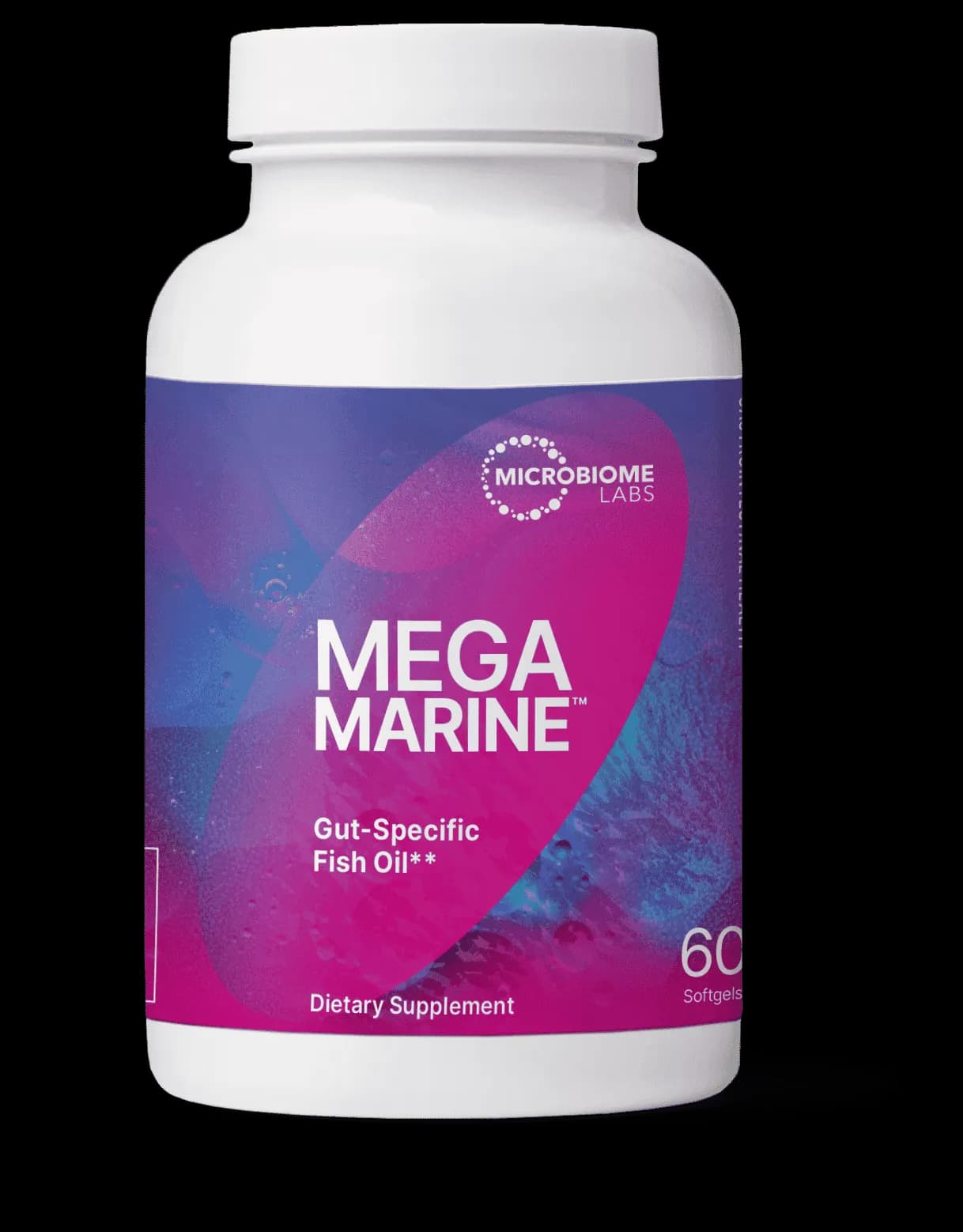
In the search for validating, science-backed management strategies, functional medicine and immunology have increasingly focused on the active resolution of inflammation. For decades, we believed that inflammation simply faded away once a threat was gone. We now know that the immune system requires specific molecular signals to "stand down" and begin tissue repair. This is where specialized lipid mediators come into play. MegaMarine, formulated by Microbiome Labs, is a full-spectrum, gut-specific fish oil designed to provide these exact signals. By delivering a comprehensive blend of Omega-3 fatty acids alongside quantifiable pre-resolving mediators (PRMs), it aims to support a healthy gut microbiome, maintain the intestinal barrier, and promote a balanced immune response. In this article, we will explore the deep biochemistry of these marine lipids and how they may support patients navigating the complexities of chronic illness.
TL;DR
MegaMarine delivers Omega-3s and PRMs that may help resolve chronic inflammation and support cellular health.
These marine lipids support gut barrier integrity, potentially reducing leaky gut and systemic endotoxemia.
PRMs may help stabilize mast cells and support autonomic balance in complex chronic conditions.
What is MegaMarine?
The Foundation of Cellular Health: EPA, DHA, and DPA
To understand how MegaMarine functions, we must first look at the architecture of human cells. Every cell in your body is encased in a lipid bilayer—a flexible membrane composed primarily of fatty acids. The composition of this membrane dictates how well the cell communicates, how receptors function, and how the cell responds to inflammatory triggers. Omega-3 polyunsaturated fatty acids (PUFAs), specifically Eicosapentaenoic acid (EPA) and Docosahexaenoic acid (DHA), are essential structural components of these membranes. When your diet or supplementation provides robust levels of EPA and DHA, these specialized lipids displace pro-inflammatory Omega-6 fatty acids, like arachidonic acid (AA), from the cell membrane. This competition is crucial because arachidonic acid is the primary fuel for the cyclooxygenase (COX) and lipoxygenase (LOX) enzymes that generate acute inflammatory molecules like prostaglandins and leukotrienes. By lowering the AA:EPA ratio, Omega-3s fundamentally alter the cell's inflammatory potential at a structural level.
In addition to EPA and DHA, MegaMarine includes Docosapentaenoic acid (DPA). Historically overlooked in standard fish oil formulations, DPA is now recognized as a vital intermediary lipid. Research indicates that DPA acts as a reservoir for both EPA and DHA, allowing the body to seamlessly convert it into whichever fatty acid is most needed by the tissues at any given moment. Furthermore, DPA has unique, independent biological activities; it strongly inhibits the aggregation of platelets, supporting healthy blood flow and cardiovascular function, which is particularly relevant for conditions characterized by microvascular clotting or endothelial dysfunction.
The Vanguard of Healing: Pre-Resolving Mediators (PRMs)
The most distinguishing feature of MegaMarine is its inclusion of Pre-Resolving Mediators (PRMs), specifically 18-HEPE, 17-HDHA, and 14-HDHA. When the body experiences an inflammatory event—such as a viral infection or an allergic reaction—the immune system mounts an aggressive defense. However, to help protect healthy host tissue from this defense, the immune system must undergo a "class switch." It stops producing pro-inflammatory leukotrienes and begins synthesizing specialized pro-resolving mediators (SPMs) like resolvins, protectins, and maresins. The molecules 18-HEPE, 17-HDHA, and 14-HDHA are the direct, bioactive precursors to these SPMs. They are the chemical messengers that instruct the immune system to transition from attack mode to repair mode.
These PRMs are not merely passive building blocks; current scientific literature demonstrates that they possess potent immunomodulatory properties of their own. For example, 18-HEPE (derived from EPA) directly protects cardiovascular tissues from maladaptive remodeling during acute stress. 17-HDHA (derived from DHA) modulates macrophage function and uniquely stimulates B-cells to produce protective antibodies. 14-HDHA initiates the clearance of cellular debris at sites of injury. By providing these intermediate metabolites directly, MegaMarine may help bypass the often-sluggish enzymatic conversion processes in the body, delivering signals that support active inflammation resolution.
The Gut Microbiome Connection
Beyond their role in human cellular membranes and immune signaling, the Omega-3s and PRMs in MegaMarine act as powerful modulators of the gut microbiome. While we typically think of fiber as the primary fuel for gut bacteria, marine lipids function almost like prebiotics. Clinical studies have shown that Omega-3 supplementation significantly increases the abundance of beneficial, short-chain fatty acid (SCFA)-producing bacteria, such as Bifidobacterium and Lactobacillus. These bacteria ferment dietary fibers into butyrate, a critical metabolite that nourishes the cells lining the colon and maintains the integrity of the intestinal barrier.
Furthermore, the presence of EPA and DHA in the gastrointestinal tract helps to suppress the overgrowth of opportunistic, pro-inflammatory pathogens. By fostering a state of "eubiosis" (microbial harmony), these fatty acids create a hostile environment for harmful bacteria while providing the structural support necessary for beneficial strains to thrive. This dual action—supporting human immune cells while simultaneously optimizing the microbial ecosystem—makes full-spectrum marine oils a foundational tool in gastrointestinal health.
How Chronic Illness Impacts the Gut and Immune System
Post-Viral Dysbiosis and the Loss of Microbial Diversity
In complex chronic conditions like Long COVID, the gastrointestinal tract is frequently subjected to profound and sustained disruption. During a SARS-CoV-2 infection, the virus can directly infect the enterocytes (the cells lining the intestines) via ACE2 receptors. Recent multi-omic studies have demonstrated that viral fragments and viral shedding can persist in the gut mucosa for months or even years after the acute infection has passed. This viral persistence triggers chronic, low-grade inflammation that decimates the healthy gut microbiome. Patients with Long COVID consistently exhibit a marked depletion of beneficial SCFA-producing bacteria and an overgrowth of opportunistic pathogens, a state known as dysbiosis. You can learn more about the specific gastrointestinal symptoms seen with Long COVID in our dedicated resource.
Intestinal Permeability (Leaky Gut) and Endotoxemia
This dysbiosis inevitably leads to the degradation of the intestinal barrier, commonly referred to as "leaky gut." The intestinal lining is only one cell thick, and these cells are held together by complex protein structures called tight junctions. Chronic inflammation, viral persistence, and a lack of protective butyrate cause these tight junctions to break apart. When the barrier is compromised, undigested food proteins, toxins, and bacterial byproducts—most notably Lipopolysaccharides (LPS)—leak from the gut lumen into the systemic bloodstream. The presence of LPS in the blood, a condition known as metabolic endotoxemia, triggers a massive systemic immune response. This constant influx of toxins is a primary driver of the severe fatigue, muscle pain, and neuroinflammation seen in post-viral syndromes. Understanding what causes Long COVID requires looking closely at this gut-blood barrier breakdown.
The Vicious Cycle of Mast Cell Activation Syndrome (MCAS)
The leakage of LPS and foreign proteins into the submucosa directly impacts the gut's resident immune sentinels: the mast cells. In patients with mast cell activation syndrome (MCAS), these cells become hyper-reactive and unstable. When gut-resident mast cells detect the leaked endotoxins, they degranulate, releasing a flood of histamine, tryptase, and inflammatory cytokines (like TNF-α and IL-6). This creates a devastating vicious cycle: leaky gut triggers mast cell degranulation, and the resulting flood of histamine and cytokines actively degrades the tight junction proteins even further, worsening the intestinal permeability. This self-perpetuating loop of mast cell activation and gut barrier failure can cause systemic symptoms ranging from severe food intolerances and flushing to profound neurological distress.
Autonomic Dysfunction and the Gut-Brain Axis
The inflammation originating in the gut does not stay in the gut; it travels directly to the brain via the vagus nerve, the primary superhighway of the gut-brain axis. The vagus nerve is responsible for controlling the parasympathetic ("rest and digest") nervous system. When the gut is chronically inflamed, inflammatory cytokines signal the vagus nerve, impairing its function and reducing "vagal tone." This loss of vagal tone is a hallmark of dysautonomia and Postural Orthostatic Tachycardia Syndrome (POTS). Without a strong parasympathetic brake, the sympathetic ("fight or flight") nervous system runs unchecked, leading to the rapid heart rate spikes, dizziness, and adrenaline surges that POTS patients experience upon standing. Managing these interconnected systems is crucial when exploring how you can live with long-term COVID.
MegaMarine: Supporting Gut Health and Inflammation Resolution
Sealing the Leaky Gut and Restoring Tight Junctions
MegaMarine offers a targeted, mechanistic approach to interrupting the vicious cycles of gut-driven inflammation. At the barrier level, the Omega-3 fatty acids EPA and DHA have been clinically shown to help support intestinal permeability. Evidence suggests Omega-3 PUFAs may help support the expression of crucial tight junction proteins, specifically Zonula Occludens-1 (ZO-1), ZO-3, and occludin. By supporting the production of these proteins, EPA and DHA may help pull the enterocytes back together, supporting the physical seal of the gut lining. Furthermore, Omega-3s stimulate the production of intestinal alkaline phosphatase, an essential enzyme that safely binds to and detoxifies bacterial lipopolysaccharides (LPS) before they can enter the bloodstream, thereby helping to mitigate metabolic endotoxemia at the source.
Active Resolution of Inflammation via PRMs
While repairing the barrier is critical, the immune system must also be instructed to stop its aggressive inflammatory cascade. This is the specific role of the quantifiable Pre-Resolving Mediators (PRMs) in MegaMarine: 18-HEPE, 17-HDHA, and 14-HDHA. Once absorbed, these precursors are rapidly converted into E-series and D-series resolvins. These specialized molecules bind to specific G-protein coupled receptors on the surface of immune cells, initiating a process called efferocytosis. During efferocytosis, macrophages are stimulated to actively engulf and clear away dead cells, viral debris, and spent neutrophils from the gut tissue. Simultaneously, these PRMs halt the chemotaxis (migration) of new neutrophils to the inflamed site. By actively clearing the battlefield and stopping reinforcements, PRMs shift the local tissue environment from a state of chronic alarm to a state of regeneration and homeostasis.
Stabilizing Mast Cells and Reducing Histamine
For patients dealing with MCAS, the downstream metabolites of MegaMarine's PRMs may offer mast cell stabilizing properties. Resolvins and protectins are thought to inhibit the TLR4/NF-kB signaling pathways within mast cells. By influencing these pathways, SPMs may help raise the threshold for mast cell degranulation, making them less likely to overreact to environmental triggers, food antigens, or stress hormones. Research suggests pro-resolving mediators may help inhibit the release of histamine and block the production of pro-inflammatory cytokines like IL-1β and TNF-α. This stabilization helps to break the vicious cycle between leaky gut and mast cell hyper-reactivity, supporting the gastrointestinal mucosa's ability to heal without constant histamine-driven disruption.
Enhancing Vagal Tone and Autonomic Balance
The benefits of MegaMarine extend beyond the gut and directly impact the autonomic nervous system. DHA, in particular, preferentially incorporates into neural and myocardial (heart muscle) cell membranes. By enriching these membranes, DHA improves the electrical stability of the heart and enhances the signaling efficiency of the vagus nerve. Meta-analyses have demonstrated that Omega-3 supplementation significantly improves Heart Rate Variability (HRV), which is the primary clinical metric for vagal tone. By increasing parasympathetic activity, fish oil helps to counterbalance the sympathetic overdrive seen in dysautonomia. For patients exploring what drugs are used for COVID long haulers, it is important to note that nutritional interventions like high-dose Omega-3s are increasingly recognized as foundational supports for autonomic rehabilitation.
Symptoms MegaMarine May Help Manage
Because MegaMarine targets foundational cellular mechanisms—membrane integrity, inflammation resolution, and gut barrier function—it may help manage a wide array of systemic symptoms associated with complex chronic illnesses:
Gastrointestinal Distress: By upregulating tight junction proteins (ZO-1) and fostering beneficial SCFA-producing bacteria, MegaMarine may help support the reduction of bloating, irregular bowel movements, and food sensitivities driven by intestinal permeability.
Brain Fog and Cognitive Fatigue: By reducing the leakage of LPS endotoxins into the bloodstream and providing DHA (a critical structural component of brain tissue), it may help mitigate neuroinflammation that causes cognitive impairment and memory issues.
POTS and Tachycardia Spikes: By enhancing vagal tone and improving Heart Rate Variability (HRV), the Omega-3s in MegaMarine may help strengthen the parasympathetic nervous system, potentially reducing the severity of orthostatic heart rate spikes upon standing.
MCAS Reactions and Histamine Intolerance: The pre-resolving mediators (18-HEPE, 17-HDHA) convert into resolvins that may help inhibit mast cell degranulation, helping to lower the systemic burden of histamine and reduce allergic-type flushing and reactivity.
Post-Exertional Malaise (PEM) and Joint Pain: By shifting the immune system from a state of chronic, acute inflammation to active resolution (via efferocytosis), PRMs may help clear cellular debris from tissues and joints, potentially reducing the severity of inflammatory pain and systemic crashes after exertion.
Practical Considerations: Forms, Dosing, and Absorption
Bioavailability and the Importance of Full-Spectrum Oils
When selecting a marine lipid supplement, the form and comprehensive nature of the oil dictate its clinical efficacy. Many commercial fish oils are highly processed into ethyl esters to artificially inflate the EPA and DHA numbers. However, the human body absorbs Omega-3s most efficiently when they are in their natural triglyceride form, which is how they exist in fish and in MegaMarine. Furthermore, isolated EPA or DHA supplements miss the synergistic biology of a full-spectrum oil. By providing EPA, DHA, the intermediary DPA, and the quantifiable PRMs (18-HEPE, 17-HDHA, 14-HDHA) together, MegaMarine ensures that the body has both the foundational building blocks for cell membranes and the immediate, bioactive signaling molecules required to trigger active inflammation resolution. This comprehensive profile mimics the natural lipid complexity found in a healthy, anti-inflammatory diet.
Optimal Timing and Dietary Fat for Absorption
Because Omega-3s and PRMs are fat-soluble molecules, their absorption in the gastrointestinal tract is highly dependent on the presence of dietary fat. Taking MegaMarine on an empty stomach can result in poor bioavailability, as the gallbladder will not release sufficient bile salts, and the pancreas will not release the lipase enzymes necessary to emulsify and absorb the lipids. To maximize absorption, it is highly recommended to take the softgels alongside your largest meal of the day, particularly a meal that contains healthy fats (such as avocados, olive oil, or nuts). This ensures that the lipid mediators are properly packaged into chylomicrons in the gut and efficiently transported into the lymphatic system and bloodstream.
Navigating Histamine Intolerance and Oxidation
For patients with Mast Cell Activation Syndrome (MCAS) or severe histamine intolerance, obtaining sufficient Omega-3s presents a difficult paradox. Oily fish (like mackerel and sardines) are the best dietary sources of EPA and DHA, but fish rapidly accumulate histamine proteins after being caught, making them potent triggers for MCAS patients. However, ultra-purified, highly distilled fish oils like MegaMarine are generally very well tolerated, as the purification process removes the histamine-containing muscle proteins, leaving only the pure therapeutic lipids. Additionally, Omega-3 PUFAs are highly susceptible to oxidation (rancidity) when exposed to light, heat, or oxygen. Oxidized fish oil is pro-inflammatory and can trigger the very immune cascades you are trying to calm. MegaMarine is formulated with natural antioxidants to protect the fragile double bonds of the fatty acids, ensuring the oil remains fresh, stable, and actively pro-resolving.
Dosing Guidelines and Safety
The suggested use for MegaMarine is 2 softgels per day with food, which provides a robust clinical dose of 1500 mg of total Omega-3s (850 mg EPA, 450 mg DHA, 100 mg DPA) and 200 mcg of total PRMs. While this dosage is highly effective for supporting gut barrier function and vagal tone, it is important to note that high doses of Omega-3s have mild blood-thinning properties due to their ability to inhibit platelet aggregation. Patients who are actively taking prescription anticoagulants (blood thinners) or who have upcoming surgeries should consult their healthcare provider before initiating high-dose marine lipid therapy to avoid potential interactions.
Follow the Science
Clinical Evidence for Omega-3s in Post-Viral Syndromes
The scientific community has increasingly recognized the role of lipid mediators in post-viral recovery. A compelling analysis of 110,584 individuals in the U.K. Biobank demonstrated that individuals with the highest baseline plasma levels of DHA had a 21% lower risk of testing positive for SARS-CoV-2 and a 26% lower risk of severe hospitalization. This suggests that robust Omega-3 status may provide a significant protective buffer against the severe inflammatory cascades triggered by the virus. Furthermore, clinical pilot studies evaluating anti-inflammatory diets rich in Omega-3s for Long COVID patients have shown statistically significant improvements in fatigue, sleep disturbances, and cognitive function over a 12-week period, underscoring the therapeutic potential of correcting the Omega-6 to Omega-3 ratio.
PRMs and Active Immune Clearance
The specific inclusion of PRMs (18-HEPE, 17-HDHA, 14-HDHA) is supported by robust human clinical trial data. In a 2020 randomized, double-blind trial involving healthy volunteers, participants supplemented with an enriched fish oil containing these exact SPM precursors demonstrated remarkable immune benefits. The study concluded that the PRMs significantly increased the immune system's ability to clear bacterial threats (specifically Staphylococcus aureus and E. coli) by up to 24 hours post-supplementation. Additionally, the supplementation significantly decreased platelet activation, a crucial finding for chronic illness patients who suffer from micro-clotting and endothelial inflammation.
Omega-3s for Dysautonomia and POTS
Recent clinical evaluations have also highlighted the profound impact of marine lipids on autonomic dysfunction. A 2024 study analyzed the treatment of patients who developed Postural Orthostatic Tachycardia Syndrome (POTS) after a COVID-19 infection. The researchers compared several therapeutic interventions and found that Omega-3 fatty acid supplementation significantly lowered the abnormal standing heart rate spike in POTS patients by an average of 25.6 ± 8.4 beats per minute. Unlike pharmaceutical beta-blockers, which can sometimes cause severe fatigue or lower the resting heart rate too much, the Omega-3s helped blunt the orthostatic tachycardia while maintaining a healthy resting heart rate, suggesting their potential as a natural modulator of sympathovagal balance.
The Path Forward
A Comprehensive Approach to Healing
Living with conditions like Long COVID, ME/CFS, and MCAS is an incredibly complex and often frustrating journey. It is entirely valid to feel overwhelmed by the sheer number of symptoms and the lack of straightforward medical answers. While the science behind lipid mediators and inflammation resolution is highly promising, it is important to remember that no single supplement is a cure-all. Healing the gut barrier and restoring autonomic balance requires a comprehensive, multi-faceted approach. Supplements like MegaMarine work best when integrated into a broader management strategy that includes aggressive pacing, nervous system regulation, dietary modifications, and careful symptom tracking. If you are wondering do Long COVID symptoms come and go, tracking your responses to new interventions is a vital part of finding your unique path forward.
Taking the Next Step
By providing the foundational building blocks for cellular membranes and the active signaling molecules required to resolve inflammation, full-spectrum marine oils offer a powerful tool for supporting your body's innate healing mechanisms. Always consult with your primary care physician or a functional medicine specialist before adding new supplements to your regimen, especially if you are managing complex chronic conditions or taking prescription medications. If you and your healthcare team determine that targeted gut and immune support is right for you, Explore MegaMarine to learn more about incorporating these vital pro-resolving mediators into your daily routine.