Can MegaIgG2000 Support Gut Healing and Immune Balance in Long COVID and ME/CFS?
March 6, 2026
MegaIgG2000Long COVIDME/CFS
Share:
Disclaimer: The information provided here is for educational purposes only and is not intended as medical advice. It should not be used to diagnose, treat, cure, or prevent any medical condition. Instead, use it as a starting point for discussion with your healthcare provider. Always consult with a qualified healthcare provider before starting any new medication, supplement, device, or making changes to your health regimen.
Months or even years after a viral infection, many people find themselves fighting a relentless battle against debilitating symptoms. If you are living with Long COVID, myalgic encephalomyelitis/chronic fatigue syndrome (ME/CFS), or mast cell activation syndrome (MCAS), you already know that the journey is rarely straightforward. You might be dealing with profound post-exertional malaise (PEM), unpredictable gastrointestinal distress, and a pervasive "brain fog" that makes daily tasks feel insurmountable. It can be incredibly frustrating to navigate a medical system that often lacks clear answers for these invisible, complex illnesses. However, emerging research is shedding light on a critical piece of the puzzle: the profound connection between your gut microbiome, intestinal barrier integrity, and systemic immune dysregulation.
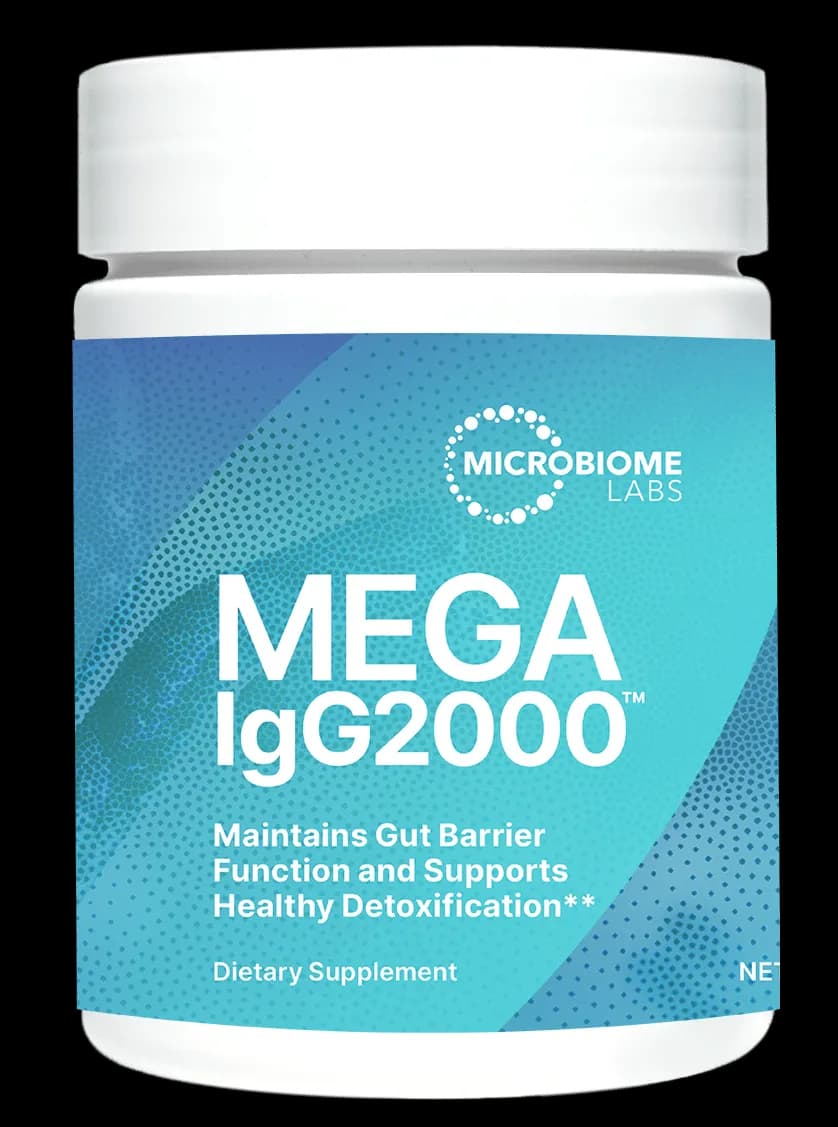
One of the most promising avenues for addressing this gut-immune axis is the use of targeted immunoglobulins. When the delicate lining of the gastrointestinal tract becomes compromised—a condition often referred to as "leaky gut"—it allows bacterial toxins to leak into the bloodstream, triggering a cascade of widespread inflammation. MegaIgG2000 Powder by Microbiome Labs offers a highly concentrated, dairy-free source of serum-derived bovine immunoglobulins designed to bind these toxins directly in the gut. By neutralizing inflammatory triggers before they can cross the intestinal barrier, this unique supplement provides a foundational step toward calming an overactive immune system and supporting comprehensive gut restoration.
TL;DR
MegaIgG2000 provides dairy-free, serum-derived immunoglobulins to support gut health and immune function.
It helps neutralize bacterial toxins like LPS in the gut before they enter the bloodstream.
Supporting the gut barrier may help manage symptoms of Long COVID, ME/CFS, and MCAS.
The supplement acts locally in the digestive tract and is not absorbed into the bloodstream.
What is MegaIgG2000 and Serum-Derived Bovine Immunoglobulin?
The Role of Immunoglobulins in a Healthy Body
Immunoglobulins, commonly known as antibodies, are specialized Y-shaped proteins produced by the immune system's B cells. They serve as the body's primary defense mechanism against foreign invaders, such as pathogenic bacteria, viruses, and environmental toxins. In a healthy human body, immunoglobulins are continuously secreted into the mucosal linings of the respiratory and gastrointestinal tracts. These mucosal surfaces act as the first line of defense, intercepting pathogens before they can penetrate deeper into the body's tissues. The gastrointestinal tract, in particular, relies heavily on a robust supply of immunoglobulins to maintain a peaceful coexistence with the trillions of microbes that make up the gut microbiome.
At a molecular level, each immunoglobulin molecule features a highly variable region at the tips of its "Y" shape, known as the Fab (fragment antigen-binding) region. This region acts like a highly specific lock that only fits a particular molecular key, known as an antigen. When an immunoglobulin encounters its matching antigen—such as a bacterial cell wall component—it binds to it tightly. This binding process neutralizes the threat, preventing the pathogen from attaching to human cells and marking it for destruction or safe excretion. Among the different classes of antibodies, Immunoglobulin G (IgG) is the most abundant and versatile, playing a critical role in long-term immunity and the neutralization of bacterial toxins.
In individuals with chronic complex illnesses, the body's natural production and secretion of mucosal immunoglobulins can become depleted or overwhelmed. Chronic viral infections, persistent psychological stress, and ongoing systemic inflammation can exhaust the immune system's resources. When the gut's mucosal defense is weakened, opportunistic pathogens and their toxic byproducts can proliferate unchecked. This localized immune failure sets the stage for widespread gastrointestinal dysfunction and systemic inflammation, highlighting the need for external support to reinforce the gut's natural defenses.
What Makes Serum-Derived Bovine Immunoglobulin (SBI) Unique?
MegaIgG2000 utilizes a highly specialized ingredient known as Serum-Derived Bovine Immunoglobulin (SBI), often referred to by its trademarked name, ImmunoLin. Unlike standard probiotic supplements that introduce live bacteria into the gut, SBI provides a direct infusion of pre-formed, functional antibodies. These bovine (cow-derived) immunoglobulins share a remarkable structural and functional similarity to human immunoglobulins. When consumed orally, they act as a passive immune shield within the gastrointestinal lumen, immediately going to work to bind and neutralize harmful antigens without requiring the patient's own immune system to expend precious energy producing new antibodies.
The concentration of active immunoglobulins in SBI is exceptionally high compared to other natural sources. While traditional bovine colostrum supplements typically contain around 20% to 25% IgG, the ImmunoLin used in MegaIgG2000 is a purified protein isolate composed of over 90% protein, with more than 50% of that being pure IgG. This massive concentration ensures that a therapeutic dose of active antibodies reaches the lower gastrointestinal tract. A single two-gram serving of MegaIgG2000 delivers a potent 900 mg of pure Immunoglobulin G, providing a robust defense mechanism capable of binding a vast array of microbial toxins and inflammatory triggers.
Research has demonstrated that these orally administered immunoglobulins are remarkably resilient. To be effective, the specific antigen-binding regions (the Fab structures) must survive the harsh, highly acidic environment of the stomach and the enzymatic digestion processes in the small intestine. Clinical pharmacokinetic studies have shown that a biologically active portion of SBI successfully survives transit through the entire human GI tract. Because these proteins are not systemically absorbed into the bloodstream, they remain exactly where they are needed—in the gut lumen—acting as a molecular sponge to soak up toxins before they can cause harm.
The Dairy-Free Advantage of ImmunoLin
One of the most significant challenges for patients with complex chronic illnesses is the prevalence of severe food sensitivities and allergies. Many individuals with ME/CFS, Long COVID, and MCAS develop intense reactions to dairy products, making traditional colostrum-based immune supplements impossible to tolerate. Colostrum is derived from the first milk produced by cows after giving birth, meaning it inherently contains lactose, casein, whey, and β-lactoglobulins—proteins that are notorious for triggering mast cell degranulation and allergic responses in sensitive individuals.
MegaIgG2000 completely bypasses this issue through its unique extraction process. Because the immunoglobulins are isolated directly from bovine blood serum rather than milk, the resulting ImmunoLin powder is 100% dairy-free, lactose-free, and casein-free. This meticulous purification process ensures that patients can receive the profound gut-healing and immune-modulating benefits of high-dose IgG without the risk of triggering dairy-associated inflammation or allergic flares.
This dairy-free profile is particularly crucial for individuals managing mast cell activation syndrome (MCAS). In MCAS, the immune system's mast cells become hyper-reactive, releasing histamine and other inflammatory mediators in response to even minor triggers. By providing a clean, highly purified protein isolate devoid of common allergenic triggers, MegaIgG2000 offers a safe and highly tolerable therapeutic option. It allows practitioners to aggressively target gut dysfunction and endotoxemia without inadvertently adding fuel to the allergic fire.
How Long COVID, ME/CFS, and MCAS Impact the Gut Barrier
Viral Persistence and Gut Dysbiosis
To understand why a supplement like MegaIgG2000 is so critical, we must first examine how complex chronic illnesses disrupt the gastrointestinal system. In conditions like Long COVID, emerging evidence points toward the prolonged presence of viral particles—often referred to as viral reservoirs—hiding within the tissues of the gut. The SARS-CoV-2 virus has a high affinity for ACE2 receptors, which are abundantly expressed along the intestinal lining. When the virus binds to these receptors, it triggers localized inflammation and disrupts the normal absorption of crucial amino acids like tryptophan. If you want to understand more about the origins of these post-viral cascades, you can explore What Causes Long COVID?.
This viral interference leads to a profound state of gut dysbiosis, an imbalance in the microbial community living in your intestines. The reduction in tryptophan absorption impairs the body's ability to produce antimicrobial peptides, allowing pathogenic, pro-inflammatory bacteria to multiply rapidly. Simultaneously, the populations of beneficial, short-chain fatty acid (SCFA)-producing bacteria—such as Bifidobacterium and Faecalibacterium prausnitzii—are drastically reduced. This shift from a healthy, diverse microbiome to a dysbiotic, inflammatory one sets the stage for chronic gastrointestinal distress and systemic immune activation.
This dysbiotic pattern is not unique to Long COVID; it is also a well-documented hallmark of ME/CFS. Research into the ME/CFS microbiome has consistently revealed reduced microbial diversity and an overgrowth of harmful Gram-negative bacteria. This shared pathophysiology helps explain why so many patients experience overlapping symptoms and why viral infections can act as a catalyst for long-term fatigue syndromes. You can learn more about this intersection in our article, Can Long COVID Trigger ME/CFS? Unraveling the Connection.
The Breakdown of Tight Junctions and "Leaky Gut"
The healthy human intestinal tract is lined by a single layer of epithelial cells, which are held together by complex protein structures known as tight junctions. These tight junctions act as a highly selective gateway, allowing essential nutrients and water to pass into the bloodstream while keeping bacteria, toxins, and undigested food particles safely confined within the gut lumen. Proteins such as claudin, occludin, and zonulin meticulously regulate the opening and closing of these microscopic gates.
However, the chronic inflammation and dysbiosis seen in Long COVID and ME/CFS severely compromise this barrier. The loss of beneficial SCFA-producing bacteria is particularly devastating, as SCFAs like butyrate are the primary fuel source for the intestinal epithelial cells. Without adequate butyrate, the cells begin to starve, and the tight junctions degrade. The body releases excessive amounts of zonulin, a protein that forces the tight junctions to remain open, resulting in a condition medically known as intestinal permeability, or more commonly, "leaky gut."
Once the intestinal barrier becomes permeable, the gut loses its ability to act as a selective filter. Microscopic gaps form between the epithelial cells, allowing a flood of foreign material to escape the gastrointestinal tract and enter systemic circulation. This constant leakage of antigenic material places an enormous, unrelenting burden on the immune system, forcing it into a state of chronic, low-grade hyperactivation that drains the body's energy reserves and drives widespread symptomatology.
Metabolic Endotoxemia and the LPS Danger
The most dangerous consequence of a permeable gut barrier is the translocation of a molecule known as Lipopolysaccharide (LPS). LPS, also referred to as endotoxin, is a highly inflammatory structural component found in the outer cell membranes of Gram-negative bacteria. While LPS is relatively harmless when confined to the gut lumen, it becomes a potent trigger for systemic inflammation once it leaks through the compromised tight junctions and enters the bloodstream. This phenomenon is known clinically as metabolic endotoxemia.
When LPS enters the blood, it binds to a carrier protein called Lipopolysaccharide-Binding Protein (LBP), which then escorts it to immune cells like macrophages and monocytes. The LPS molecule docks onto a specific receptor on these immune cells called Toll-Like Receptor 4 (TLR4). This docking action acts like a biological fire alarm, initiating a massive intracellular signaling cascade (the NF-κB pathway) that results in the rapid release of highly inflammatory cytokines, including Interleukin-6 (IL-6), Interleukin-1 beta (IL-1β), and Tumor Necrosis Factor-alpha (TNF-α).
This LPS-driven cytokine storm is a primary driver of the debilitating symptoms experienced in ME/CFS and Long COVID. The systemic inflammation can cross the blood-brain barrier, activating the brain's immune cells (microglia) and causing severe neuroinflammation, which patients experience as profound brain fog, cognitive impairment, and mood disturbances. Furthermore, the constant immune battle against circulating endotoxins consumes massive amounts of cellular energy (ATP), directly contributing to the crushing fatigue and post-exertional malaise (PEM) that define these conditions.
MegaIgG2000: Supporting the Gut-Immune Axis
Steric Exclusion and Toxin Neutralization
The primary mechanism by which MegaIgG2000 exerts its profound therapeutic effects is a process known as steric exclusion or steric hindrance. When you consume the dairy-free immunoglobulin powder, the highly concentrated IgG molecules travel down into the lower gastrointestinal tract. There, they act as targeted molecular interceptors. The Fab regions of the IgG antibodies actively seek out and bind directly to free-floating Lipopolysaccharide (LPS) molecules, as well as other harmful bacterial antigens, viral fragments, and microbial toxins present in the gut lumen.
When the IgG antibodies latch onto these toxins, they form massive, bulky molecular structures known as antigen-antibody complexes. This is where the concept of steric exclusion comes into play. Because these newly formed complexes are physically so large and structurally cumbersome, they are completely incapable of fitting through the microscopic gaps in the compromised intestinal lining. Even if the tight junctions are damaged and "leaky," the neutralized toxins are trapped within the gut lumen.
By physically blocking LPS and other endotoxins from translocating across the epithelial barrier, MegaIgG2000 helps cut off the supply of inflammatory triggers at the source. The dangerous antigens are held safely within the gastrointestinal tract until they are naturally and harmlessly excreted from the body through normal bowel movements. This direct neutralization strategy provides immediate relief to an overwhelmed immune system, stopping the inflammatory cascade before it can even begin.
Rebuilding the Intestinal Epithelial Barrier
Neutralizing toxins is only the first step; the ultimate goal of gut restoration is to repair the damaged intestinal barrier. MegaIgG2000 plays a crucial role in this healing process by creating a permissive environment for cellular regeneration. The intestinal epithelial cells are naturally capable of rapid turnover and repair, but they cannot heal when they are constantly bombarded by inflammatory cytokines and bacterial endotoxins. By acting as a shield that blocks these localized threats, the serum-derived bovine immunoglobulins give the enterocytes a much-needed opportunity to rest and recover.
Clinical studies on SBI have demonstrated its remarkable ability to improve clinical biomarkers of gut barrier integrity. In trials involving patients with severe enteropathy, the administration of SBI led to statistically significant reductions in zonulin levels, indicating that the tight junctions were successfully closing and sealing the gut lining. Furthermore, researchers observed a marked decrease in Intestinal Fatty Acid-Binding Protein (I-FABP), a specific biomarker that indicates intestinal cell damage and death.
As the tight junctions tighten and the epithelial lining regenerates, the gut regains its selective permeability. It can once again efficiently absorb essential nutrients, vitamins, and minerals while keeping harmful pathogens at bay. This restoration of the gut barrier is a critical milestone in managing complex chronic illnesses, as it permanently reduces the systemic toxic load and helps break the vicious cycle of leaky gut and metabolic endotoxemia.
Calming Systemic Immune Overactivation
The downstream effects of sealing the gut barrier and neutralizing LPS are profound, particularly when it comes to systemic immune regulation. Because MegaIgG2000 helps block endotoxins from interacting with the immune cells located just below the gut lining (the gut-associated lymphoid tissue, or GALT), it helps halt the activation of Toll-Like Receptor 4 (TLR4). Without this constant inflammatory stimulus, the macrophages and monocytes stop churning out high levels of pro-inflammatory cytokines like TNF-α and IL-6.
This reduction in circulating cytokines has a cascading, calming effect throughout the entire body. It helps to quiet the hyperactive mast cells that drive MCAS symptoms, reduces the neuroinflammation responsible for cognitive dysfunction, and lowers the overall burden of oxidative stress on the cardiovascular system. For a deeper dive into how immune overactivation drives systemic symptoms, you can read our comprehensive guide on Autoimmunity and Immune Dysregulation in Long COVID.
Furthermore, by reducing the systemic inflammatory load, MegaIgG2000 helps to preserve cellular energy. When the immune system is no longer locked in a perpetual, high-energy battle against translocating gut bacteria, the mitochondria—the energy-producing powerhouses of the cells—can redirect their resources toward normal cellular metabolism and tissue repair. This metabolic shift is essential for alleviating the profound fatigue and exertion intolerance experienced by patients with ME/CFS and Long COVID.
Fostering a Healthier Microbiome
Beyond its direct binding capabilities, MegaIgG2000 also actively modulates the composition of the gut microbiome. Recent ex vivo studies published in 2024 have shown that the administration of SBI acts almost like a prebiotic, fundamentally altering the microbial landscape for the better. By neutralizing inflammatory antigens and reducing localized oxidative stress, SBI creates a more hospitable environment for beneficial, commensal bacteria to thrive and multiply.
Researchers have documented that SBI supplementation leads to a significant decrease in pathogenic, LPS-producing Proteobacteria, while simultaneously promoting the growth of beneficial Bifidobacteria. This microbial shift is accompanied by a marked increase in the production of short-chain fatty acids (SCFAs), particularly acetate, propionate, and butyrate. As previously discussed, these SCFAs are vital for feeding the intestinal lining and maintaining long-term barrier integrity.
Additionally, the improved microbial balance stimulated by SBI enhances the production of indole-3-propionic acid (IPA), a health-promoting metabolite derived from the amino acid tryptophan. IPA is known to maintain intestinal homeostasis, tighten gap junctions, and provide potent antioxidant protection to the nervous system. By fostering this healthier, more resilient microbiome, MegaIgG2000 addresses the root cause of post-viral gut dysfunction from multiple therapeutic angles.

Symptoms MegaIgG2000 May Help Manage
Gastrointestinal and Digestive Symptoms
The most immediate and noticeable benefits of MegaIgG2000 are often seen within the gastrointestinal tract. Because the immunoglobulins operate directly within the gut lumen, they are highly effective at addressing the localized symptoms of dysbiosis, irritable bowel syndrome (IBS), and enteropathy. Patients dealing with unpredictable and distressing digestive issues often find significant relief as the gut barrier begins to heal and local inflammation subsides.
By neutralizing bacterial toxins and reducing the irritation of the intestinal lining, MegaIgG2000 helps to normalize bowel function and restore digestive comfort. This localized healing is a crucial first step in improving overall quality of life and ensuring that the body can properly absorb the nutrients needed for systemic recovery.
Chronic Diarrhea and Loose Stools: By reducing intestinal inflammation and repairing the epithelial barrier, SBI helps the gut properly absorb water, significantly improving stool consistency and reducing urgency.
Abdominal Pain and Cramping: Neutralizing irritating endotoxins and calming the localized immune response in the gut-associated lymphoid tissue (GALT) reduces the visceral hypersensitivity that causes severe abdominal pain.
Bloating and Gas (Flatulence): By shifting the microbiome away from gas-producing pathogenic bacteria and toward beneficial flora, MegaIgG2000 helps reduce the painful distension and bloating associated with dysbiosis.
Food Sensitivities: As the "leaky gut" tight junctions are repaired, undigested food proteins are no longer able to slip into the bloodstream to trigger immune reactions, potentially reducing the severity of acquired food intolerances.
Systemic and Neurological Symptoms
The benefits of MegaIgG2000 extend far beyond the digestive tract. Because the gut and the brain are intimately connected via the gut-brain axis, healing the intestinal barrier has profound implications for neurological and systemic health. By stopping the leakage of LPS into the bloodstream, the supplement effectively cuts off the supply of inflammatory cytokines that drive many of the most debilitating post-viral symptoms.
Reducing this systemic inflammatory burden is essential for patients struggling with the cognitive and energy-draining aspects of Long COVID and ME/CFS. When the brain is no longer bombarded by inflammatory signals, and the mitochondria are freed from the metabolic drain of chronic immune activation, patients often experience a gradual lifting of their most pervasive systemic symptoms.
Brain Fog and Cognitive Impairment: By helping block LPS from triggering systemic IL-6 and TNF-α production, SBI helps reduce the neuroinflammation and microglial activation that disrupt memory, focus, and mental clarity.
Profound Fatigue and PEM: Halting the constant immune battle against translocating gut bacteria preserves massive amounts of cellular ATP, leaving more energy available for daily physical and mental exertion.
Joint and Muscle Pain: Lowering the overall burden of circulating inflammatory cytokines reduces nocioplastic pain sensitivity, helping to alleviate the widespread body aches often reported in chronic fatigue syndromes.
Immune and Inflammatory Symptoms
For patients with mast cell activation syndrome (MCAS) and other forms of immune dysregulation, achieving systemic stability requires addressing the root triggers of immune hyper-reactivity. The gut is the largest immune organ in the body, and a constant influx of bacterial endotoxins keeps the immune system in a state of high alert. MegaIgG2000 provides a targeted intervention to remove these triggers and promote immune tolerance.
By acting as a passive immune shield, the serum-derived bovine immunoglobulins take the pressure off the patient's own immune system. This allows hyperactive immune cells, including mast cells, to finally stand down and return to a healthy baseline. If you are struggling with complex mast cell issues, you may also benefit from learning about other targeted therapies in our article on Ketotifen: Unveiling Relief for the Hidden Battles of MCAS, Long COVID, ME/CFS, and Dysautonomia.
Mast Cell Hyper-Reactivity: By supporting the gut barrier and helping block antigens from interacting with mucosal mast cells, MegaIgG2000 may reduce the frequency and severity of histamine release and allergic-type flares.
Systemic Inflammation: The direct binding of LPS helps block the activation of Toll-Like Receptor 4 (TLR4), significantly lowering the chronic, low-grade inflammation that damages blood vessels and tissues over time.
Susceptibility to Secondary Infections: By restoring the mucosal immune barrier and promoting a healthy microbiome, the supplement helps fortify the body's first line of defense against opportunistic environmental pathogens.
Practical Considerations: Forms, Dosing, and Absorption
Localized Action vs. Systemic Absorption
When evaluating the effectiveness of a supplement, patients often ask about its "bioavailability"—how well it is absorbed into the bloodstream. However, MegaIgG2000 operates on a completely different paradigm. The serum-derived bovine immunoglobulins in this formula are not designed to be systemically absorbed. Their therapeutic power lies entirely in their localized action within the lumen of the gastrointestinal tract.
For the immunoglobulins to be effective, their specific antigen-binding regions must survive the acidic environment of the stomach and the digestive enzymes of the small intestine. Clinical pharmacokinetic studies have confirmed that a biologically active portion of the IgG molecules successfully survives this transit, remaining intact as they travel through the lower GI tract. Trace amounts of intact ingested IgG can even be recovered in human stool, proving that the proteins successfully navigate the digestive process without being completely broken down into basic amino acids.
Because the IgG molecules are not absorbed into the blood, they do not interfere with your body's internal immune functions or create systemic immune complexes. They act purely as a molecular sponge within the gut, binding to toxins and escorting them out of the body via peristalsis. This localized mechanism of action is precisely what makes MegaIgG2000 so safe and effective for long-term use in patients with highly reactive immune systems.
Optimal Dosing Strategies for Chronic Illness
The dosing of MegaIgG2000 often depends on the severity of a patient's gastrointestinal dysfunction and systemic inflammation. Because the supplement acts locally, the goal is to ensure a sufficient concentration of immunoglobulins is present in the gut to bind the available toxins. For general gut support and the maintenance of a healthy mucosal barrier, the standard recommended dosage is typically 2.0 grams per day, which equates to one scoop of the powder mixed into liquid.
However, for individuals dealing with severe leaky gut, chronic diarrhea, or the intense metabolic endotoxemia associated with Long COVID and ME/CFS, practitioners often utilize higher therapeutic doses. In clinical trials managing chronic enteropathy, doses of 5.0 grams per day, or even up to 10.0 grams per day (administered as 5.0 grams twice daily), have been safely and effectively utilized. It is common to start with a standard dose and gradually titrate up under the guidance of a healthcare provider based on symptom response.
MegaIgG2000 Powder is highly versatile and easy to incorporate into a daily routine. It can be mixed into 16 ounces of cold water, a smoothie, or any other non-hot liquid of your choice. It is important to avoid mixing the powder into hot beverages like coffee or tea, as high temperatures can denature the fragile immunoglobulin proteins and destroy their antigen-binding capabilities. The powder can be taken with or without food, though some practitioners recommend taking it on an empty stomach to maximize its interaction with gut antigens.
Tolerability, Safety, and Contraindications
One of the most compelling aspects of MegaIgG2000 is its exceptional safety profile. Because it is a highly purified protein isolate that is not systemically absorbed, it is classified by the US Food and Drug Administration (FDA) as Generally Recognized As Safe (GRAS). In extensive clinical trials, the supplement has been shown to be exceptionally well-tolerated, even at high therapeutic doses, with a very low incidence of adverse events.
The most commonly reported side effects are generally mild and transient, occurring in a small percentage of users as the gut microbiome begins to shift and toxins are bound. These may include mild nausea, temporary constipation, or increased urination. Because the product is meticulously purified to be 100% free of dairy, lactose, casein, whey, soy, dyes, and gluten, it avoids the common pitfalls that make traditional colostrum supplements intolerable for sensitive patients.
There is, however, one primary contraindication to be aware of: because the immunoglobulins are derived from bovine (cow) serum, MegaIgG2000 should not be used by individuals with a diagnosed allergy to beef. As with any powerful therapeutic intervention, it is crucial to consult with your healthcare provider before adding MegaIgG2000 to your regimen, especially if you are managing a complex chronic illness or taking multiple medications.

Follow the Science
Clinical Evidence in Gut Permeability and Inflammation
The clinical efficacy of serum-derived bovine immunoglobulin (SBI) is supported by a robust body of peer-reviewed research, particularly concerning its ability to heal the gut barrier. A landmark randomized, double-blind study published in Pathogens and Immunity (2019) investigated the effects of SBI on 103 patients suffering from chronic enteropathy and severe gut permeability. The patients received either a placebo or SBI at doses of 2.5 g or 5.0 g twice daily over a 24-week period.
The results of this trial were highly significant. Researchers documented that the administration of SBI led to drastic improvements in key biomarkers of intestinal health. Specifically, levels of zonulin—the primary protein responsible for opening tight junctions and causing leaky gut—decreased significantly by -4.90 ng/μL. Additionally, Intestinal Fatty Acid-Binding Protein (I-FABP), a marker of intestinal cell damage, dropped by -0.35 ng/μL.
Beyond localized gut healing, the study also proved that binding toxins in the gut translates to reduced systemic inflammation. Patients taking SBI experienced a statistically significant reduction in Interleukin-6 (IL-6), a potent pro-inflammatory cytokine heavily implicated in the pathophysiology of Long COVID and ME/CFS. Furthermore, patients with low immune cell counts saw a significant increase in mucosal CD4+ T-cells, indicating a profound restoration of the gut's localized immune defenses.
Efficacy in Irritable Bowel Syndrome (IBS) and Dysbiosis
SBI has also been extensively studied as a targeted therapy for Irritable Bowel Syndrome (IBS), particularly diarrhea-predominant IBS (IBS-D), which shares many overlapping gastrointestinal symptoms with post-viral syndromes. A pivotal double-blind, placebo-controlled trial by Wilson et al. (2013) evaluated 66 patients with IBS-D who were given either 10g of SBI daily, 5g of SBI daily, or a placebo over a 6-week period.
The study found that patients taking the 10g daily dose of SBI experienced a statistically significant decrease in the number of days they suffered from abdominal pain, flatulence, urgency, bloating, and loose stools. Specifically, the frequency of loose stools was reduced from an average of 5 days a week to just 3 days a week, a marked improvement in quality of life that was not observed in the placebo group.
Even more compelling is SBI's efficacy in treatment-resistant populations. A clinical chart review of 35 patients with refractory IBS—meaning they had failed to find relief with standard-of-care medications—showed that up to 75% of these difficult-to-treat patients experienced a positive clinical response to SBI therapy. This highlights the supplement's unique ability to address the root cause of gut dysfunction (endotoxemia and barrier breakdown) when traditional symptom-management approaches fall short.
Emerging Research on Ex Vivo Microbiome Modulation
The scientific understanding of how SBI interacts with the gut microbiome continues to evolve, with recent studies utilizing advanced ex vivo technologies to map its precise cellular effects. A fascinating 2024 study published in MDPI investigated SBI digestion and colonic fermentation using human host cells combined with samples from 24 human adults. The researchers aimed to understand exactly how SBI performs in the presence of severe LPS-induced inflammation.
The findings revealed that SBI, at human equivalent doses of 2g and 5g per day, significantly promoted gut barrier integrity and performed profoundly better than standard dietary proteins at shielding the cells from LPS damage. The immunoglobulins specifically lowered the inflammatory markers TNF-α and CXCL10, proving their potent localized anti-inflammatory capabilities.
Crucially, this study also documented SBI's prebiotic-like effects. The researchers noted that SBI administration enhanced the microbial production of beneficial short-chain fatty acids (SCFAs) and indole-3-propionic acid (IPA), a tryptophan metabolite known to maintain intestinal homeostasis. This dual action—neutralizing harmful endotoxins while simultaneously feeding beneficial bacteria—cements MegaIgG2000's role as a comprehensive tool for microbiome restoration.
The Path Forward
Validating the Complexity of Post-Viral Gut Issues
Living with the unpredictable and often severe gastrointestinal symptoms of Long COVID, ME/CFS, or MCAS can be an incredibly isolating experience. When standard medical tests fail to show obvious structural damage, it is easy to feel dismissed or told that your symptoms are "just IBS" or related to stress. However, the emerging science on metabolic endotoxemia, leaky gut, and microbiome dysbiosis validates exactly what you are experiencing: a profound, biologically driven disruption of your body's foundational systems.
Healing a compromised gut barrier and calming a hyperactive immune system is not a process that happens overnight. The damage caused by viral persistence and chronic inflammation is complex, and reversing it requires patience, persistence, and a targeted, science-backed approach. Recognizing that your symptoms have a clear physiological origin is the first and most important step toward reclaiming your health and improving your daily quality of life.
Integrating MegaIgG2000 into a Holistic Strategy
While MegaIgG2000 is a powerful tool for binding toxins and repairing the intestinal barrier, it is most effective when utilized as part of a comprehensive, holistic management strategy. Supplements are just one piece of the puzzle. To truly support your body's healing process, it is essential to pair targeted interventions like immunoglobulins with foundational lifestyle strategies, such as aggressive pacing to manage your energy envelope and help manage post-exertional crashes.
Dietary modifications also play a crucial role in gut restoration. Working with a knowledgeable practitioner to identify and temporarily remove inflammatory trigger foods can help reduce the localized burden on your digestive tract while the immunoglobulins work to seal the tight junctions. Additionally, exploring other supportive therapies, such as those discussed in our guide on Can A.I. Enzymes Help Manage Joint Pain and Microclots in Long COVID and ME/CFS?, can provide complementary systemic support.
Next Steps for Your Healing Journey
If you are struggling with the systemic inflammation, brain fog, and severe fatigue associated with a compromised gut barrier, targeted immunoglobulin therapy may offer a vital pathway toward stability. By neutralizing LPS endotoxins and giving your intestinal lining the chance to heal, you can begin to break the vicious cycle of immune overactivation.
We encourage you to discuss MegaIgG2000 with your healthcare provider to determine if it is the right fit for your unique clinical picture. They can help you establish the optimal dosing strategy and seamlessly integrate it into your broader treatment plan.
Ready to support your gut-immune axis and take a proactive step toward healing?
Remember to always consult your healthcare provider before starting any new supplement regimen.