Can MegaGuard Support Gut Motility and Digestion in Long COVID and Dysautonomia?
March 6, 2026
MegaGuardLong COVIDDysautonomia
Share:
Disclaimer: The information provided here is for educational purposes only and is not intended as medical advice. It should not be used to diagnose, treat, cure, or prevent any medical condition. Instead, use it as a starting point for discussion with your healthcare provider. Always consult with a qualified healthcare provider before starting any new medication, supplement, device, or making changes to your health regimen.
For many individuals navigating the complex landscape of chronic illness, gastrointestinal distress is not just an occasional inconvenience—it is a daily, debilitating reality. Whether you are dealing with the lingering effects of a viral infection or managing a complex autonomic nervous system disorder, symptoms like severe bloating, early satiety, nausea, and unpredictable bowel habits can drastically reduce your quality of life. In the context of conditions like Long COVID, myalgic encephalomyelitis/chronic fatigue syndrome (ME/CFS), and dysautonomia, these digestive issues are rarely isolated incidents. Instead, they are often downstream consequences of profound neurological, immune, and autonomic dysfunctions that disrupt the delicate orchestration of the digestive tract.
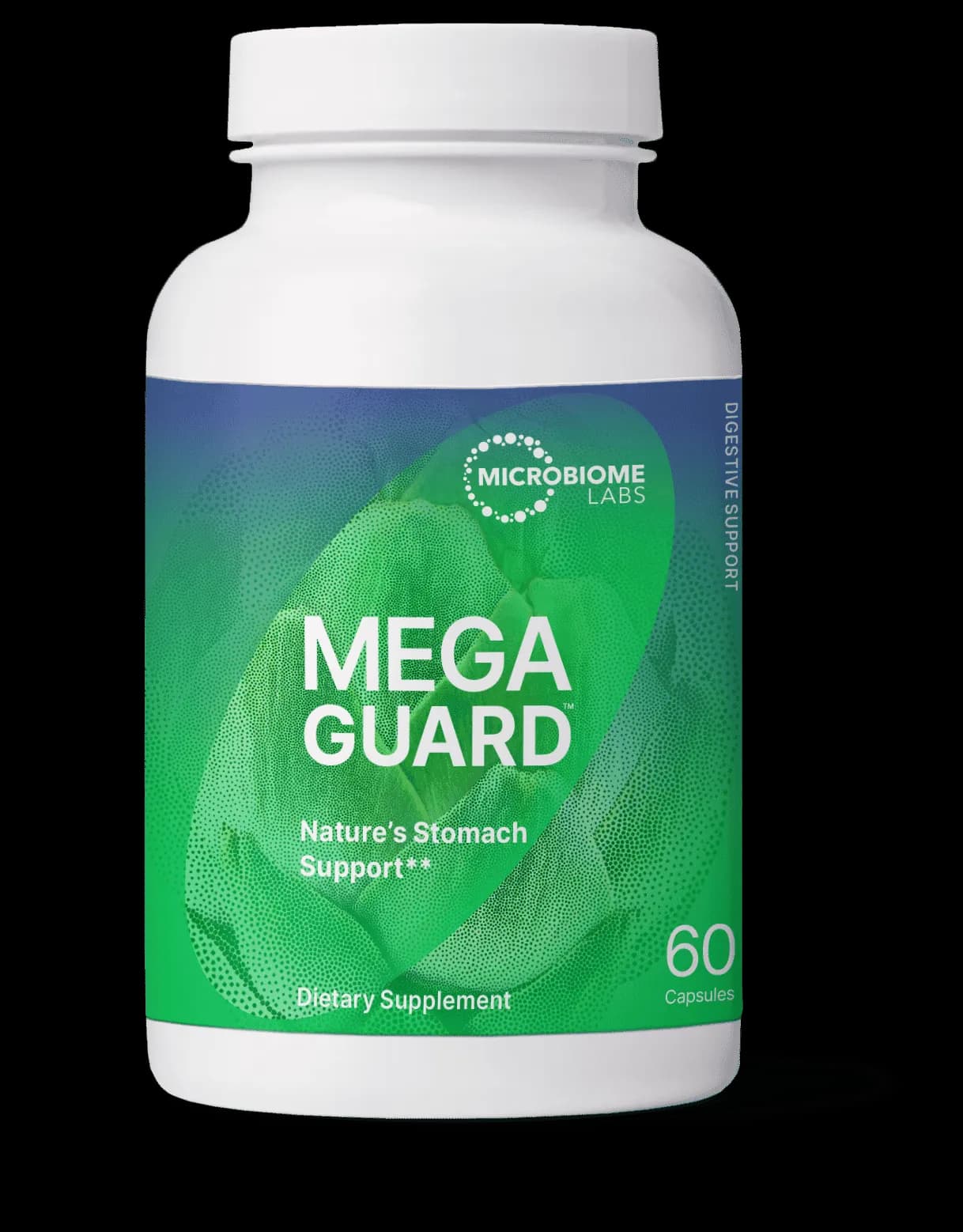
One of the most common, yet frequently overlooked, manifestations of these systemic illnesses is impaired gut motility—specifically, the slowing down of gastric emptying and the failure of the gut's natural cleansing waves. When the stomach cannot empty properly, and the small intestine loses its rhythmic contractions, a cascade of uncomfortable and inflammatory symptoms ensues. This is where targeted, clinically validated botanical interventions can play a crucial role. MegaGuard, a specialized digestive support formula by Microbiome Labs, combines three potent, standardized extracts—artichoke leaf, ginger root, and a patented licorice extract known as GutGard®—to address these exact physiological bottlenecks. By supporting normal digestion, regulating stomach acid, and promoting healthy gastric motility, this unique blend offers a multi-faceted approach to restoring gastrointestinal comfort for those with complex chronic conditions.
TL;DR
MegaGuard combines artichoke, ginger, and licorice extract to support healthy digestion and gut motility.
It may help manage bloating, nausea, and fullness by accelerating stomach emptying and stimulating bile flow.
The botanical blend supports the stomach's mucosal lining without suppressing natural stomach acid production.
Consult your healthcare provider before starting, especially if you have gallbladder issues or take blood thinners.
What is MegaGuard?
A Tri-Botanical Approach to Digestive Wellness
MegaGuard is an innovative, clinically studied digestive aid formulated by Microbiome Labs to provide comprehensive support for the gastrointestinal system. Unlike conventional antacids or basic digestive enzymes that only address a single aspect of digestion, this supplement is designed to target multiple points of failure within the digestive cascade. It achieves this through a precise combination of three highly standardized botanical extracts: artichoke leaf extract, ginger root extract, and deglycyrrhizinated licorice (DGL) in the form of GutGard®. In a healthy body, digestion is a seamless, highly coordinated process that relies on the timely release of stomach acid, the secretion of bile, and the rhythmic contractions of smooth muscle tissue. When these processes are functioning optimally, food is broken down efficiently, nutrients are absorbed, and waste is propelled smoothly through the tract.
To understand how this supplement functions, it is essential to look at the molecular and cellular mechanisms of its individual components. Each ingredient in the formula has been selected for its specific biochemical interactions within the gut. Rather than simply masking symptoms, these botanicals work synergistically to restore the physiological mechanisms that govern gastric emptying, mucosal integrity, and microbial balance. By modulating enzymatic pathways, interacting with neurotransmitter receptors, and stimulating natural digestive secretions, this tri-botanical blend helps re-establish the functional rhythm of the gastrointestinal tract.
Artichoke Leaf Extract and Bile Flow
The first key component is artichoke leaf extract (Cynara scolymus L), which is included at a clinical dose of 320 mg per capsule. Artichoke leaf has a long history of use in herbal medicine, but modern science has elucidated its precise mechanisms of action. The extract is rich in bioactive compounds, most notably caffeoylquinic acids (like chlorogenic acid and cynarin) and bitter sesquiterpene lactones (such as cynaropicrin). At the cellular level, these compounds exert a powerful choleretic effect, meaning they directly stimulate the liver to increase the production and secretion of bile into the duodenum. Bile is absolutely critical for the emulsification and digestion of dietary fats, as well as for the absorption of fat-soluble vitamins.
Beyond its role in fat digestion, artichoke leaf extract also acts as a mild antispasmodic within the gastrointestinal tract. Research indicates that the flavonoids in the extract can inhibit voltage-gated calcium and potassium channels in the smooth muscle cells of the gut. By modulating these ion channels, the extract helps to relax intestinal spasms and alleviate the visceral pain and cramping often associated with functional dyspepsia. Furthermore, the robust antioxidant properties of artichoke polyphenols help to neutralize free radicals and reduce oxidative stress within the gastric mucosa, protecting the delicate lining of the stomach from inflammatory damage.
The Prokinetic Power of Ginger
The second pillar of the formula is ginger root extract (Zingiber officinale), standardized to contain an exceptionally high concentration of 20% gingerols. Ginger is widely recognized as a potent prokinetic agent—a substance that enhances gastrointestinal motility and accelerates the emptying of the stomach. The primary bioactive compounds, gingerols and shogaols, interact directly with the enteric nervous system. Specifically, they have been shown to modulate serotonergic pathways by acting as weak antagonists at 5-HT3 receptors, which are heavily involved in the sensation of nausea and the regulation of gut motility.
In addition to its serotonergic effects, ginger exhibits cholinergic and spasmogenic activity. Studies suggest that ginger extracts can directly stimulate acetylcholine pathways in the smooth muscle of the stomach, promoting the strong, coordinated contractions necessary to propel food forward into the small intestine. This action is particularly crucial for the activation of the Migrating Motor Complex (MMC), the electromechanical "housekeeping" wave that sweeps the gut during fasting states. By upregulating these pathways, ginger effectively reduces the gastric half-emptying time, helping to reduce the stagnation of food that leads to bloating, early satiety, and bacterial overgrowth.
GutGard® and Gastric Mucosal Defense
The final component is GutGard®, a patented, highly refined extract of deglycyrrhizinated licorice (DGL) root. Standard licorice contains a compound called glycyrrhizin, which can cause adverse systemic effects such as elevated blood pressure and potassium depletion. GutGard® is meticulously processed to remove glycyrrhizin (containing less than 0.5%) while concentrating the beneficial flavonoids (greater than 10%), such as glabridin. Unlike proton pump inhibitors (PPIs) that suppress stomach acid production, this specialized DGL extract works by augmenting the stomach's natural defense mechanisms.
At the molecular level, the flavonoids in GutGard® stimulate the production of mucin, the protective mucus layer that shields the stomach lining from the erosive effects of hydrochloric acid and pepsin. It also promotes the release of salivary compounds that encourage the regeneration of epithelial cells and increases local blood flow to damaged mucosal tissues. Furthermore, GutGard® has demonstrated profound antimicrobial properties, specifically targeting Helicobacter pylori (H. pylori). It inhibits essential bacterial enzymes like DNA gyrase and dihydrofolate reductase (DHFR), helping to keep the bacteria from replicating and adhering to the gastric mucosa, thereby reducing the inflammatory burden on the stomach.
How Long COVID and Dysautonomia Impact Gut Motility
Vagus Nerve Dysfunction and the Enteric Nervous System
To understand why digestive issues are so prevalent in chronic illnesses, we must examine the intricate connection between the brain and the gut. The gastrointestinal tract is governed by the enteric nervous system (ENS), a complex network of millions of neurons often referred to as the "second brain." The ENS communicates constantly with the central nervous system via the vagus nerve, the primary superhighway of the parasympathetic (rest and digest) nervous system. In conditions like dysautonomia and Long COVID, this communication pathway is frequently disrupted. Viral infections, including SARS-CoV-2, have demonstrated direct neurotropism, meaning they can invade and damage neural tissues, including the vagus nerve.
When the vagus nerve is impaired or inflamed—a condition often seen in post-viral syndromes—parasympathetic tone is lost. Without adequate vagal signaling, the stomach fails to receive the neurological commands required to churn food, secrete digestive enzymes, and initiate the muscular contractions that empty the stomach. This leads to a condition known as gastroparesis, or delayed gastric emptying. Patients with gastroparesis experience profound nausea, feeling excessively full after only a few bites of food, and severe bloating, as the food essentially sits stagnant in the stomach, fermenting rather than digesting.
ACE2 Receptor Depletion and Viral Persistence
In the specific context of Long COVID, the pathophysiology of gastrointestinal dysfunction is intimately tied to the ACE2 (angiotensin-converting enzyme 2) receptor. SARS-CoV-2 uses the ACE2 receptor to enter and infect human cells. The gastrointestinal tract, particularly the small intestine, has one of the highest concentrations of ACE2 receptors in the body. When the virus binds to these receptors, it not only causes direct cellular damage but also depletes the available ACE2, disrupting the local Renin-Angiotensin System (RAS). This disruption alters the smooth muscle tonus of the gut, contributing to dysmotility and inflammation.
Furthermore, emerging research suggests that viral persistence—the lingering of viral RNA or proteins in the gut mucosa long after the acute infection has passed—plays a significant role in Long COVID gastrointestinal symptoms. These "ghost" viral antigens keep the local immune system in a state of chronic, low-grade activation. This persistent inflammation damages the interstitial cells of Cajal, the specialized pacemaker cells that generate the electrical rhythms responsible for gut contractions. The resulting inflammatory environment further paralyzes the digestive tract, creating a vicious cycle of dysmotility and immune hyperactivation.
The Migrating Motor Complex (MMC) and SIBO Cycle
One of the most devastating consequences of autonomic and enteric nervous system dysfunction is the failure of the Migrating Motor Complex (MMC). The MMC is a cyclical pattern of electromechanical activity that occurs during fasting states, typically between meals and overnight. Phase III of the MMC is the most active phase, generating powerful, sweeping contractions that clear undigested food debris and bacteria from the stomach and small intestine down into the colon. In patients with dysautonomia and ME/CFS, the neurological signals required to trigger Phase III of the MMC are often weak or absent.
When the MMC fails to sweep the small intestine regularly, bacteria from the large intestine can migrate upward and colonize the small bowel, leading to Small Intestinal Bacterial Overgrowth (SIBO). Once SIBO develops, these misplaced bacteria prematurely ferment dietary carbohydrates, producing large volumes of gases like hydrogen and methane. Methane gas, in particular, acts as a localized paralytic to the smooth muscle of the gut, further stalling motility and exacerbating constipation. This creates a self-perpetuating cycle: poor motility leads to bacterial overgrowth, and the gases produced by the overgrowth further suppress motility.
Cellular Energy Deficits in ME/CFS
For individuals living with ME/CFS, the impact on gut motility is also tied to profound cellular energy deficits. ME/CFS is characterized by mitochondrial dysfunction, where cells struggle to efficiently convert glucose and fatty acids into adenosine triphosphate (ATP), the energy currency of the body. Digestion is an incredibly energy-intensive process. The continuous firing of the enteric nervous system, the secretion of highly concentrated stomach acid and digestive enzymes, and the relentless muscular contractions of peristalsis all require massive amounts of ATP.
When systemic cellular energy production is compromised, the body must triage its available resources. The gastrointestinal tract, while essential, may experience a down-regulation of its energy-intensive processes. This metabolic bottleneck contributes to the "sluggish" digestion frequently reported by ME/CFS patients. Additionally, many patients experience visceral hypersensitivity—an amplified perception of pain from the internal organs—meaning that even normal digestive processes or mild bloating can trigger severe abdominal pain and systemic symptom flares, further complicating their long-term management.
MegaGuard: Supporting Gastric Emptying and Mucosal Health
Accelerating the Migrating Motor Complex
When the gut's natural rhythms are disrupted by chronic illness, targeted supplementation can help artificially restore these vital processes. MegaGuard supports gastrointestinal function primarily by acting as a powerful, non-pharmaceutical prokinetic. The highly concentrated ginger root extract in the formula plays a starring role in this mechanism. By interacting with cholinergic and serotonergic receptors in the enteric nervous system, the gingerols directly stimulate the smooth muscle of the stomach antrum. This action forces the activation of Phase III of the Migrating Motor Complex (MMC), the critical "sweeping" wave that is so often paralyzed in dysautonomia and Long COVID.
Clinical studies have demonstrated that high-potency ginger extract can significantly reduce the gastric half-emptying time—the time it takes for half of a meal to leave the stomach. By accelerating this process, the supplement helps keep food from stagnating and fermenting in the upper GI tract. This rapid clearance is essential for breaking the vicious cycle of Small Intestinal Bacterial Overgrowth (SIBO). When the MMC is consistently activated, rogue bacteria are swept back down into the colon where they belong, reducing the production of motility-paralyzing methane gas and alleviating the severe, painful bloating that plagues so many patients.
Managing Pathogens and Soothing Inflammation
Beyond physical motility, the health of the gastric mucosa is paramount. In chronic conditions characterized by immune dysregulation, the stomach lining is often inflamed and vulnerable to opportunistic pathogens like Helicobacter pylori. The GutGard® component of the formula provides targeted support for this delicate tissue. The flavonoids in this specialized licorice extract, particularly glabridin, exert potent antimicrobial effects against H. pylori. They inhibit the bacteria's DNA gyrase and protein synthesis enzymes, helping to neutralize the pathogen without the need for harsh, microbiome-destroying antibiotics.
Simultaneously, GutGard® works to repair the inflammatory damage caused by viral persistence and bacterial overgrowth. It upregulates the production of mucin, thickening the stomach's protective mucosal barrier. This barrier is crucial for shielding the stomach lining from its own hydrochloric acid. Importantly, unlike proton pump inhibitors (PPIs) which shut down stomach acid production and can further impair digestion and nutrient absorption, GutGard® soothes the mucosa while allowing normal, healthy levels of stomach acid to persist. This ensures that proteins are still properly broken down and that the acidic environment necessary to kill incoming pathogens is maintained.
Stimulating Choleretic Activity for Fat Digestion
The artichoke leaf extract in the formula provides a third, highly complementary mechanism of action: choleretic stimulation. Many patients with ME/CFS and Long COVID struggle with the digestion of dietary fats, leading to steatorrhea (fatty stools), nausea after high-fat meals, and deficiencies in fat-soluble vitamins (A, D, E, and K). Artichoke extract directly stimulates the liver to synthesize and secrete more bile, and encourages the gallbladder to contract and release that bile into the small intestine.
This increased bile flow acts as a natural detergent, emulsifying large fat globules into microscopic micelles that can be easily broken down by pancreatic enzymes. Furthermore, bile itself acts as a mild, natural laxative and antimicrobial agent in the small intestine. By ensuring a steady, robust flow of bile, the artichoke extract not only improves nutrient absorption but also helps to keep the intestinal environment inhospitable to SIBO-causing bacteria. The synergistic combination of ginger pushing food forward and artichoke ensuring that food is properly mixed with bile creates a highly efficient, supportive environment for compromised digestive systems.
Symptoms MegaGuard May Help Manage
Targeted Relief for Complex Gastrointestinal Issues
Because this formula addresses multiple points of failure in the digestive cascade—from delayed motility to mucosal inflammation—it can help manage a wide array of gastrointestinal symptoms frequently seen in chronic illness.
Severe Bloating and Distension: By accelerating gastric emptying and stimulating the Migrating Motor Complex, the ginger and artichoke extracts help keep food from fermenting in the upper GI tract, significantly reducing the production of trapped gases.
Early Satiety (Feeling Full Quickly): The prokinetic action of ginger helps move food out of the stomach faster, relieving the sensation of excessive fullness after eating only small amounts of food, a hallmark symptom of gastroparesis.
Nausea and Vomiting: Gingerols interact with 5-HT3 serotonin receptors in the gut, which are heavily involved in the nausea response. By pushing gastric contents downward, it structurally eliminates the gastric stasis that triggers nausea.
Epigastric Pain and Cramping: The antispasmodic properties of artichoke leaf extract help relax the smooth muscle of the intestines, reducing the painful spasms and visceral hypersensitivity often associated with functional dyspepsia.
Acid Reflux and Heartburn: Rather than suppressing stomach acid, the GutGard® licorice extract stimulates the production of protective mucin, creating a physical barrier that shields the esophageal and gastric lining from acid irritation.
Fat Malabsorption (Greasy Stools): The choleretic effect of artichoke leaf stimulates the liver to produce and release more bile, ensuring that dietary fats are properly emulsified and absorbed, rather than passing undigested through the tract.
Irregular Bowel Movements (Constipation): By restoring the rhythmic contractions of Phase III of the MMC, the formula helps re-establish a normal transit time, moving waste steadily through the intestines and helping to reduce the stagnation that leads to severe constipation.
Practical Considerations: Forms, Dosing, and Absorption
The Importance of Standardization and Bioavailability
When utilizing botanical interventions for complex chronic conditions, the quality, standardization, and bioavailability of the extracts are paramount. Many over-the-counter herbal supplements contain whole-root powders that lack the concentration of bioactive compounds necessary to exert a clinical effect. MegaGuard is formulated using highly specific, patented extracts to ensure therapeutic potency. For instance, standard ginger supplements often contain only 5% gingerols, which may be insufficient to trigger the Migrating Motor Complex in patients with severe dysautonomia. The ginger extract in this formula is standardized to a potent 20% gingerols, ensuring that even a small 30 mg dose delivers a powerful prokinetic punch.
Similarly, the use of GutGard® is a critical distinction from standard licorice root or even basic deglycyrrhizinated licorice (DGL) powders. Traditional licorice contains glycyrrhizin, which can cause sodium retention, potassium loss, and dangerous spikes in blood pressure—a significant concern for patients managing POTS or dysautonomia. GutGard® is meticulously extracted to contain less than 0.5% glycyrrhizin while concentrating the healing flavonoids to over 10%. This ensures maximum mucosal protection and antimicrobial action against H. pylori without the risk of cardiovascular side effects.
Optimal Dosing and Timing Strategies
To maximize the efficacy of this supplement, timing is crucial. The manufacturer recommends taking one capsule twice daily, ideally just before lunch and dinner. Taking the supplement before a meal allows the gingerols to prime the stomach for incoming food, initiating the cholinergic signaling required for optimal gastric accommodation and emptying. Simultaneously, the artichoke extract signals the liver and gallbladder to begin preparing bile for the upcoming influx of dietary fats, ensuring a smooth, coordinated digestive response.
For patients dealing with severe SIBO or profound MMC failure, some practitioners may recommend adjusting the timing to take advantage of the fasting state. Taking a prokinetic between meals or right before bed can help stimulate Phase III of the MMC when the gut is empty, maximizing the "sweeping" action that clears out rogue bacteria. However, because the formula also stimulates bile flow, taking it on a completely empty stomach may cause mild irritation in some sensitive individuals. It is essential to work with a healthcare provider to determine the optimal timing strategy for your specific physiological needs.
Potential Interactions and Contraindications
While generally well-tolerated, the potent nature of these botanical extracts means there are important contraindications to consider. Because artichoke leaf extract and ginger both strongly stimulate bile production and gallbladder contraction, this supplement is strictly contraindicated for individuals with gallstones, biliary tract obstructions, or severe gallbladder disease. Forcing a compromised gallbladder to contract can trigger a painful biliary colic attack or cause a stone to become lodged in the bile duct.
Additionally, high concentrations of gingerol possess mild anti-platelet properties, meaning they can slightly thin the blood. Patients taking anticoagulant or anti-platelet medications (such as warfarin or Plavix) should consult their physician before starting this supplement to avoid an increased risk of bruising or bleeding. Finally, individuals with known allergies to plants in the Asteraceae family (such as ragweed, daisies, or marigolds) should proceed with caution, as artichoke leaf can occasionally trigger cross-reactive allergic responses.
What to Expect When Starting
When introducing a powerful prokinetic and bile-stimulating agent into a sluggish digestive system, an adjustment period is common. During the first few days of use, some patients may experience mild gastrointestinal changes, such as increased bowel frequency, loose stools, or temporary abdominal gurgling. This is often a sign that the Migrating Motor Complex is "waking up" and that stagnant waste and bile are finally moving through the tract. These symptoms typically subside within 3 to 5 days as the gut adapts to its restored rhythm.
If you experience significant cramping or persistent diarrhea, it may be beneficial to reduce the dosage to one capsule daily or every other day, slowly titrating up as your body tolerates it. As with any new intervention, especially when managing complex conditions like Long COVID, symptom tracking is highly recommended. Keeping a log of your meals, supplement timing, and digestive symptoms can help you and your healthcare provider fine-tune your protocol for maximum benefit.
Follow the Science
Clinical Efficacy in Functional Dyspepsia
The formulation of MegaGuard is deeply rooted in peer-reviewed clinical research, with each ingredient having undergone rigorous human trials. Artichoke leaf extract (ALE), for instance, has been extensively studied for its impact on functional dyspepsia. A landmark double-blind, placebo-controlled, multicentre trial published in Alimentary Pharmacology & Therapeutics evaluated 244 patients suffering from chronic indigestion. The study found that patients taking 1,920 mg of ALE daily (administered as 640 mg three times a day) experienced a significantly greater overall symptom improvement compared to the placebo group. Specifically, the extract drastically reduced scores for bloating, early satiety, and post-meal heaviness, with many patients reporting relief within the first week of treatment.
Further supporting these findings, an open-label, dose-ranging study published in Phytomedicine tracked over 450 patients with self-reported dyspepsia. After two months of daily ALE supplementation, patients experienced a 40% average reduction in global dyspepsia scores. The researchers noted a profound improvement in disease-specific quality of life, confirming that the choleretic and antispasmodic properties of artichoke leaf translate directly to meaningful clinical outcomes for patients with compromised digestion.
Managing H. pylori with GutGard
The patented licorice extract, GutGard®, has been the subject of specific clinical trials investigating its antimicrobial and mucosal-healing properties. A robust randomized, double-blind, placebo-controlled study published in Evidence-Based Complementary and Alternative Medicine focused on patients diagnosed with Helicobacter pylori infections. Participants received either 150 mg of GutGard (the exact daily dose in MegaGuard) or a placebo for 60 days. The results were striking: at the end of the trial, 56% of the GutGard group tested negative for H. pylori via stool antigen tests, compared to only 4% in the placebo group. The researchers concluded that the flavonoid-rich extract was highly effective at managing the gastric bacterial load without the side effects associated with standard antibiotic eradication therapies.
In addition to its antimicrobial effects, GutGard® has been proven to alleviate general indigestion. Another double-blind, placebo-controlled study evaluated its efficacy in patients with functional dyspepsia. After 30 days of receiving 150 mg daily, patients reported a 51% reduction in total symptom scores, including significant relief from abdominal pain, belching, and regurgitation. This demonstrates the extract's powerful ability to soothe mucosal inflammation and restore a healthy gastric environment.
Accelerating Gastric Emptying Times
The prokinetic capabilities of ginger extract have been validated through numerous gastroenterology studies. A randomized, double-blind, placebo-controlled trial published in the European Journal of Gastroenterology & Hepatology investigated the effects of high-potency ginger on gastric emptying in healthy volunteers. Using ultrasound monitoring, the researchers discovered that ginger supplementation dramatically reduced the gastric half-emptying time from 26.7 minutes (placebo) to just 13.1 minutes. Furthermore, the frequency of antral contractions—the muscular waves that push food out of the stomach—was significantly greater in the ginger group.
More recently, researchers have begun studying the synergistic effects of combining ginger and artichoke extracts, mirroring the MegaGuard formulation. A 2015 clinical trial published in Evidence-Based Complementary and Alternative Medicine tested this exact combination on patients with functional dyspepsia. The study found that the ginger-artichoke synergy was clinically proven to stimulate gastric motility and promote antral contractions far more effectively than artichoke extract alone. The active treatment rapidly relieved symptoms of epigastric pain, nausea, and bloating, highlighting the profound clinical value of combining choleretic and prokinetic botanicals.
The Path Forward
Integrating Gut Support into Your Protocol
Living with the gastrointestinal manifestations of Long COVID, ME/CFS, or dysautonomia can feel like a constant battle against your own body. The unpredictable nature of gastroparesis, severe bloating, and nausea can make eating—a fundamental human necessity—a source of anxiety and physical pain. It is entirely valid to feel frustrated when conventional medical advice falls short or when standard antacids fail to provide relief. Acknowledging that these digestive symptoms are rooted in complex, systemic dysfunctions of the autonomic and enteric nervous systems is the first step toward finding effective, targeted management strategies.
While there are no overnight cures for post-viral syndromes or dysautonomia, restoring the mechanical function of the gut is a critical component of managing your long-term health. By utilizing clinically validated botanicals to accelerate gastric emptying, stimulate bile flow, and protect the mucosal lining, you can begin to break the vicious cycles of bacterial overgrowth and inflammation. Supplements like MegaGuard offer a science-backed, multi-mechanistic approach to digestive wellness, providing the specific biochemical support your gut needs to regain its rhythm.
A Collaborative Approach to Healing
It is important to remember that supplements are just one piece of a comprehensive, individualized management protocol. Addressing complex chronic illness requires a holistic approach that may include pacing, dietary modifications, vagus nerve stimulation, and careful symptom tracking. Always consult with a knowledgeable healthcare provider before adding new supplements to your regimen, especially if you have pre-existing gallbladder conditions or are taking prescription medications. Together with your medical team, you can build a strategy that addresses both the root causes of your autonomic dysfunction and the daily realities of your digestive symptoms, paving the way for improved comfort and a better quality of life.
Sources
Marakis G, et al. "Artichoke leaf extract reduces mild dyspepsia in an open study." Phytomedicine (2002).
Puram S, et al. "Effect of GutGard in the management of Helicobacter pylori: A randomized double blind placebo controlled study." Evidence-Based Complementary and Alternative Medicine (2013).
Raveendra KR, et al. "An Extract of Glycyrrhiza glabra (GutGard) Alleviates Symptoms of Functional Dyspepsia: A Randomized, Double-Blind, Placebo-Controlled Study." Evidence-Based Complementary and Alternative Medicine (2012).