Can Manganese Support Connective Tissue and Brain Fog in Long COVID and ME/CFS?
March 5, 2026
ManganeseLong COVIDME/CFS
Share:
Disclaimer: The information provided here is for educational purposes only and is not intended as medical advice. It should not be used to diagnose, treat, cure, or prevent any medical condition. Instead, use it as a starting point for discussion with your healthcare provider. Always consult with a qualified healthcare provider before starting any new medication, supplement, device, or making changes to your health regimen.
Imagine waking up after a full night of sleep, only to feel as though you have just run a marathon. Your joints ache with a deep, structural instability, and a thick, impenetrable cloud of brain fog makes even the simplest cognitive tasks feel monumental. For millions of individuals living with complex chronic conditions like Long COVID, myalgic encephalomyelitis/chronic fatigue syndrome (ME/CFS), and dysautonomia, this is not an exaggeration—it is a daily, debilitating reality. You are often left searching for answers in a medical system that struggles to explain why your body feels like it is constantly fighting itself.
At the cellular level, these conditions are characterized by profound oxidative stress, mitochondrial dysfunction, and the breakdown of essential biochemical pathways. When the body is locked in a state of chronic immune activation, it rapidly depletes its stores of vital micronutrients required to maintain tissue integrity and clear metabolic waste. One of the most critical, yet frequently overlooked, trace minerals in this complex web of chronic illness is manganese. While it is only required in microscopic amounts, manganese serves as the fundamental ignition key for some of the body's most powerful antioxidant defenses, connective tissue repair mechanisms, and neurological detoxification systems.
TL;DR
Manganese is an essential trace mineral that supports antioxidant defenses, connective tissue repair, and detoxification.
Chronic conditions like Long COVID and ME/CFS may deplete manganese, driving oxidative stress and fatigue.
Supplementing with bioavailable manganese may help manage brain fog, joint instability, and post-exertional malaise.
Always consult a healthcare provider before starting manganese to ensure safe dosing and avoid mineral competition.
What is Manganese (aspartate/citrate)?
The Essential Trace Mineral
Manganese is an essential trace element, meaning the human body requires it in very small, microscopic amounts to function properly, yet cannot synthesize it internally. It must be obtained entirely through diet or targeted supplementation. In a healthy body, manganese acts as a critical biochemical cofactor, meaning it binds to specific enzymes to activate them, allowing them to perform complex chemical reactions that would otherwise be impossible. Without adequate bioavailable manganese, these enzymatic pathways stall, leading to cascading failures in cellular metabolism, energy production, and waste removal.
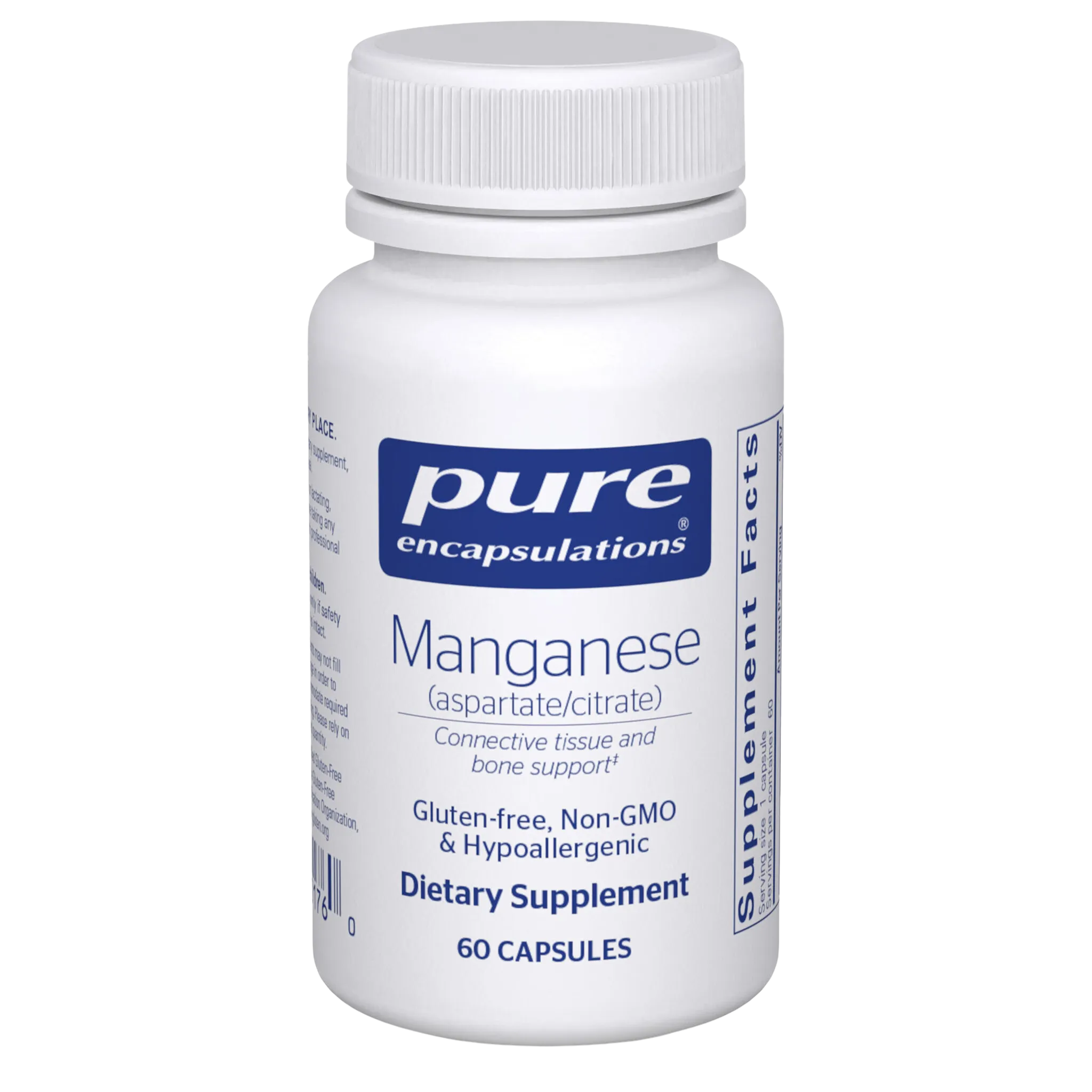
The specific supplement form, Manganese (aspartate/citrate), represents a strategic combination of two highly bioavailable organic compounds. Manganese aspartate is an amino acid chelate, where the mineral is bound to aspartic acid, allowing it to be absorbed through specialized protein transport pathways in the gut. Manganese citrate, on the other hand, is an organic salt bound to citric acid, which is highly water-soluble and gentle on the digestive tract. By combining these two forms, the supplement maximizes intestinal absorption and ensures the mineral can effectively reach the systemic circulation to support vital cellular functions.
Manganese Superoxide Dismutase (MnSOD) and Antioxidant Defense
To understand the true power of manganese, we must look inside the mitochondria, the microscopic powerhouses responsible for generating adenosine triphosphate (ATP), the energy currency of our cells. During the normal process of ATP production within the electron transport chain, mitochondria naturally generate highly reactive, toxic byproducts known as reactive oxygen species (ROS), including the dangerous superoxide radical. If left unchecked, these free radicals will aggressively attack and destroy the mitochondrial membrane, a process known as oxidative stress.
Think of the mitochondria as the engine of a car, burning fuel to create the energy needed to drive. Just as a car engine produces toxic exhaust fumes, the mitochondria produce reactive oxygen species as a byproduct of making ATP. The body's primary, first-line defense against this internal destruction is an enzyme called Manganese Superoxide Dismutase (MnSOD or SOD2). As the name implies, this crucial antioxidant enzyme is entirely dependent on manganese to function. MnSOD acts as the cellular equivalent of a highly efficient catalytic converter, instantly neutralizing these toxic fumes before they can melt the engine from the inside out.
MnSOD sits directly inside the mitochondria and operates by rapidly neutralizing toxic superoxide radicals, converting them into less harmful hydrogen peroxide, which is then safely broken down into water. When manganese levels are optimal, this antioxidant shield protects the cellular machinery, allowing for sustained, efficient energy production without self-inflicted cellular damage. This delicate balance is what allows healthy individuals to exert themselves physically and cognitively without experiencing catastrophic energy crashes.
The Urea Cycle and Ammonia Detoxification
Beyond energy production, manganese plays an indispensable role in the liver's ability to detoxify the body, specifically through the urea cycle. Whenever we consume dietary protein, our bodies break it down into amino acids, generating a highly toxic, volatile byproduct called ammonia. Because ammonia is incredibly damaging to the central nervous system, the liver must quickly convert it into urea, a harmless, water-soluble compound that can be safely excreted by the kidneys.
The final, most critical step of the urea cycle is executed by an enzyme called Arginase (ARG1). Arginase is known to contain a manganese cluster, and these two tightly bound manganese ions act as the chemical catalyst that splits arginine into urea and ornithine. If the body lacks sufficient manganese, arginase loses its structural integrity and ceases to function, causing toxic ammonia to spill over into the bloodstream and travel directly to the brain.
Connective Tissue and Collagen Synthesis
Manganese is also a foundational building block for the structural integrity of the human body, particularly in the synthesis and maintenance of connective tissues like cartilage, tendons, ligaments, and bone. Collagen, the primary structural protein in these tissues, requires continuous breakdown and rebuilding to repair micro-tears and maintain elasticity. Manganese serves as the essential cofactor for prolidase, the specific enzyme responsible for recycling the amino acid proline so it can be reused to form the unique, triple-helix structure of new collagen fibers.
Furthermore, manganese activates a family of enzymes known as glycosyltransferases. These enzymes are required for the synthesis of glycosaminoglycans (GAGs) and proteoglycans, such as chondroitin sulfate, which form the dense, shock-absorbing "ground substance" of our cartilage and joints. Without adequate manganese to fuel these enzymatic reactions, the body cannot efficiently repair structural damage, leading to weakened, fragile connective tissues and impaired skeletal development.
How Chronic Illness Impacts Manganese Pathways
The "Big Energy Sink" in Long COVID and ME/CFS
In complex chronic illnesses, the delicate balance of cellular metabolism is violently disrupted. A landmark 2024 study published in the Proceedings of the National Academy of Sciences (PNAS) revealed that elevated oxidative stress and mitochondrial dysfunction are foundational, shared characteristics of both ME/CFS and Long COVID. Researchers discovered that the immune cells of these patients exhibited profoundly depleted levels of the MnSOD antioxidant protein. Without this manganese-dependent shield, the mitochondria become overwhelmed by toxic superoxide radicals, forcing the cells into a state of metabolic crisis.
To survive this massive oxidative onslaught, the immune system desperately upregulates secondary defense mechanisms, consuming massive amounts of the body's ATP energy just to manage internal damage. Researchers have dubbed this phenomenon the "Big Energy Sink." Because the immune cells are hoarding energy to fight off free radicals, the rest of the body is starved of ATP. This localized energy crisis scales up to cause the systemic, crushing fatigue and severe post-exertional malaise (PEM) that patients experience after even minor physical or cognitive exertion. If you want to understand more about how viral infections trigger these cascades, you can read our deep dive on What Causes Long COVID?.
Oxidative Stress and the Mitochondrial-Peroxisomal Vicious Cycle
The depletion of MnSOD sets off a catastrophic chain reaction within the cell, known as the mitochondrial-peroxisomal vicious cycle. When mitochondria are drowning in superoxide due to a lack of functional MnSOD, they attempt to offload the excess free radicals to neighboring organelles called peroxisomes. However, under the chronic stress of conditions like Long COVID, both organelles quickly become functionally crippled.
This dual-organelle failure halts efficient lipid metabolism and the breakdown of fatty acids, depriving the brain and muscles of alternative fuel sources. The resulting cellular chaos traps the patient in a persistent state of physical exhaustion and neurological dysfunction. The body is essentially suffocating on its own metabolic exhaust, unable to clear the reactive oxygen species that are tearing through cellular membranes and driving systemic, unyielding inflammation.
Connective Tissue Fragility in Dysautonomia and EDS
Many individuals living with dysautonomia, particularly Postural Orthostatic Tachycardia Syndrome (POTS), also suffer from hypermobility spectrum disorders or hypermobile Ehlers-Danlos Syndrome (hEDS). While hEDS is fundamentally driven by genetic mutations affecting connective tissue, the chronic inflammatory state of Long COVID can severely exacerbate joint instability and pain. When the body is locked in a chronic immune response, it rapidly burns through its stores of trace minerals, including manganese, zinc, and copper, which are desperately needed for tissue repair.
Because individuals with hypermobility already produce faulty collagen, maximizing the efficiency of normal collagen production is highly emphasized in their management. If chronic illness depletes the body's manganese levels, the prolidase enzyme cannot effectively recycle proline, and glycosyltransferases cannot produce the structural scaffolding for cartilage. This compound deficiency accelerates tissue degradation, making joints more unstable, increasing the risk of micro-tears, and worsening the chronic, widespread pain that so many patients endure daily.
The Brain Fog Connection: Ammonia and Astrocytes
One of the most debilitating and universally despised symptoms of ME/CFS and Long COVID is severe cognitive dysfunction, commonly referred to as brain fog. While brain fog has many potential drivers, a significant and often overlooked factor is the accumulation of neurotoxic ammonia. When chronic inflammation impairs the liver's urea cycle—specifically by disrupting the manganese-dependent arginase enzyme—ammonia spills into the bloodstream and easily crosses the blood-brain barrier.
Once inside the brain, ammonia wreaks havoc on star-shaped glial cells called astrocytes. Astrocytes are the unsung heroes of the central nervous system, responsible for maintaining the delicate chemical environment that allows neurons to fire correctly. They attempt to neutralize the ammonia using an enzyme called glutamine synthetase. If manganese is depleted, this local detoxification fails.
The astrocytes swell with excess glutamine, causing low-grade cerebral edema (brain swelling) and completely disrupting the balance of excitatory and inhibitory neurotransmitters. This low-grade swelling creates a physical and chemical environment where rapid, clear thought is biologically impossible. This chemical chaos slows down cognitive processing, resulting in the characteristic mental lethargy, confusion, and memory loss that patients describe as trying to think through thick mud.
Manganese: Supporting Cellular Energy, Tissue Repair, and Detoxification
Restoring the MnSOD Antioxidant Shield
Supplementing with highly bioavailable Manganese (aspartate/citrate) provides the body with the raw materials necessary to rebuild its internal defenses. By delivering targeted manganese directly to the cells, supplementation can help restore the function of the Manganese Superoxide Dismutase (MnSOD) enzyme within the mitochondria. This is a critical step in breaking the cycle of oxidative stress that drives the "Big Energy Sink" in complex chronic illnesses.
Once MnSOD is reactivated, it can efficiently neutralize the toxic superoxide radicals that have been damaging the mitochondrial membranes. By clearing out this metabolic exhaust, the mitochondria can safely resume the production of ATP without triggering a massive, energy-draining immune response. While it is not a cure, supporting this antioxidant pathway may help raise the patient's energetic baseline, potentially reducing the severity of post-exertional crashes and allowing for a better overall quality of life.
Activating Prolidase for Joint and Tissue Stability
For patients dealing with the structural pain of hypermobility or the widespread body aches associated with Long COVID, manganese supplementation offers targeted support for connective tissue repair. By acting as the essential cofactor for the prolidase enzyme, bioavailable manganese ensures that the body can continuously recycle amino acids to synthesize new, healthy collagen fibers. This is particularly vital for repairing the micro-tears in tendons and ligaments that occur during daily activities or physical therapy.
Additionally, by fueling the glycosyltransferase enzymes, manganese supports the production of the proteoglycans that give cartilage its shock-absorbing properties. While supplementation cannot alter the underlying genetics of conditions like Ehlers-Danlos Syndrome, providing the body with optimal levels of this trace mineral ensures that the connective tissue synthesis pathways are operating at their absolute maximum capacity, potentially easing joint stiffness and promoting better structural stability.
Clearing the Fog: Arginase and Glutamine Synthetase
Addressing the neurological symptoms of chronic illness requires supporting the body's natural detoxification pathways. Manganese plays a dual role in clearing neurotoxic ammonia from the system. In the liver, it binds to the arginase enzyme, effectively turning the key in the ignition of the urea cycle. This allows the liver to efficiently convert systemic ammonia into harmless urea, preventing it from ever reaching the central nervous system in the first place.
Simultaneously, in the brain, manganese supports the function of glutamine synthetase within the astrocytes. By ensuring these glial cells have the cofactors they need to neutralize local ammonia, manganese helps prevent the astrocyte swelling and neurotransmitter disruption that drive severe cognitive dysfunction. Supporting these dual detoxification pathways may help lift the heavy, oppressive veil of brain fog, improving mental clarity, focus, and the ability to process information.
Metabolic Support for Carbohydrates and Fats
Beyond its roles in antioxidant defense and detoxification, manganese is a vital catalyst in broader metabolic processes. It plays a part in the synthesis of fatty acids and cholesterol, which are crucial components for maintaining the integrity of cellular membranes and producing essential hormones. In the context of chronic illness, where metabolic pathways are often severely dysregulated, providing enzymatic support can help stabilize the body's foundational biochemistry.
Furthermore, manganese activates numerous enzymes necessary for the utilization of key vitamins, including biotin, thiamin, and ascorbic acid (Vitamin C). By ensuring that the body can properly process and utilize these essential nutrients, manganese acts as a metabolic amplifier, enhancing the overall efficacy of a patient's nutritional protocol. This comprehensive metabolic support is vital for individuals navigating the complexities of living with long-term COVID.

Symptoms Manganese May Help Manage
Neurological and Cognitive Symptoms
Severe Brain Fog: By supporting the manganese-dependent glutamine synthetase enzyme in the brain, supplementation may help astrocytes clear neurotoxic ammonia, potentially reducing the mental lethargy and confusion associated with chronic illness.
Poor Concentration and Memory Loss: Normalizing the glutamine-to-glutamate ratio in the central nervous system helps stabilize neurotransmitter signaling, which is essential for maintaining focus, retaining short-term memory, and processing complex information.
Neurological Fatigue: By preventing ammonia-induced disruption of the Krebs cycle in the brain, manganese helps ensure that neurons have the ATP energy required to fire efficiently, reducing the feeling of cognitive exhaustion after minor mental tasks.
Physical and Structural Symptoms
Joint Pain and Instability: As a required cofactor for the prolidase enzyme, manganese supports the continuous recycling of proline for collagen synthesis, helping to repair micro-tears in tendons and ligaments, which is particularly beneficial for those with hypermobility.
Cartilage Degradation: By fueling the enzymes responsible for creating glycosaminoglycans (GAGs), manganese helps maintain the dense, shock-absorbing ground substance in joints, potentially easing the stiffness and structural aches common in dysautonomia and ME/CFS.
Slow Tissue Healing: Enhancing the body's ability to utilize ascorbic acid (Vitamin C) and synthesize new connective tissue ensures that the physical damage caused by chronic inflammation is repaired more efficiently.
Energy and Systemic Symptoms
Post-Exertional Malaise (PEM): By restoring the MnSOD antioxidant shield in the mitochondria, manganese helps neutralize the superoxide radicals that drive the "Big Energy Sink," potentially raising the threshold for exertion before a debilitating crash occurs.
Systemic Cellular Fatigue: Protecting the mitochondrial membranes from oxidative stress ensures that the electron transport chain can produce ATP efficiently, providing the body with a more stable, reliable source of cellular energy.
Metabolic Dysregulation: By acting as a catalyst in the synthesis of fatty acids and the utilization of key vitamins like thiamin and biotin, manganese helps stabilize the broader metabolic pathways that are frequently disrupted by long-term viral infections.
Practical Considerations: Forms, Dosing, and Absorption
Aspartate and Citrate: Maximizing Bioavailability
When selecting a manganese supplement, the chemical form of the mineral dictates how effectively your body can absorb and utilize it. Pure Encapsulations utilizes a strategic 50/50 blend of manganese aspartate and manganese citrate. Manganese aspartate is an amino acid chelate, meaning the mineral is tightly bound to aspartic acid. This allows the compound to survive the harsh, acidic environment of the stomach and be absorbed through specialized, highly efficient protein transport pathways in the small intestine.
Conversely, manganese citrate is an organic salt bound to citric acid. Citrate forms are highly water-soluble and dissociate easily in the digestive tract, making them exceptionally gentle on the stomach. This is particularly beneficial for patients with dysautonomia or ME/CFS who frequently suffer from low stomach acid (hypochlorhydria) or gastrointestinal dysmotility. By combining these two distinct forms, the supplement leverages multiple absorption pathways simultaneously, acting as a failsafe to ensure maximum systemic uptake of the trace mineral.
The Competition with Iron and Calcium
Even with highly bioavailable forms, it is crucial to understand that the human body naturally absorbs only a very small percentage of ingested manganese—typically between 1% and 5%. One of the primary reasons for this low uptake is that manganese and iron share the exact same primary intestinal transporter, known as DMT1. Because they use the same doorway to enter the bloodstream, these two minerals actively compete for absorption.
If a patient has severe iron deficiency anemia, their body will upregulate the DMT1 transporters, which can inadvertently lead to a massive, potentially dangerous increase in manganese absorption. Conversely, taking high doses of iron supplements simultaneously with manganese will significantly block the manganese from being absorbed. High doses of supplemental calcium, phosphorus, and magnesium can also inhibit manganese uptake, which is why strategic timing of your supplements is essential for clinical efficacy.
Safe Dosing and the Risk of Toxicity
While manganese is essential for life, it exhibits a strict dual nature: in trace amounts, it is vital, but in excess, it is highly toxic. The National Institutes of Health (NIH) has established a Tolerable Upper Intake Level (UL) of 11 mg per day for adults, encompassing both dietary and supplemental sources. Pure Encapsulations provides a safe, targeted dose of 8 mg per capsule, designed to correct deficiencies without pushing the body into dangerous territory.
Chronic overexposure to manganese can lead to a severe neurological condition called manganism. Because the liver excretes excess manganese via bile, patients with liver dysfunction cannot clear the mineral effectively. The excess manganese crosses the blood-brain barrier and accumulates in the basal ganglia, causing Parkinson's-like symptoms, including resting tremors, muscle spasms, and severe loss of balance. Manganism is a profound cautionary tale in the world of clinical nutrition. Because the symptoms of manganese toxicity so closely mirror Parkinson's disease, it can often be misdiagnosed by practitioners unfamiliar with a patient's supplement history. This underscores the absolute necessity of treating trace minerals with the same respect and caution as pharmaceutical interventions. Therefore, it is absolutely critical to adhere strictly to the suggested use and never exceed the recommended dosage without direct medical supervision.
Timing and Dietary Interactions
To maximize the absorption of Manganese (aspartate/citrate) and minimize gastrointestinal competition, timing is everything. It is generally recommended to take this supplement with a meal to support its role in carbohydrate and fat metabolism. However, you should actively avoid taking it at the exact same time as high-dose iron, calcium, or magnesium supplements. Separating these competing minerals by at least two hours ensures that each can utilize its respective transport pathways without interference.
Additionally, certain dietary compounds can bind to manganese and prevent its absorption. Phytates (found heavily in raw beans, seeds, and whole grains) and tannins (found in black tea) can form insoluble complexes with trace minerals in the gut. If you consume a diet exceptionally high in these compounds, taking your manganese supplement away from your heaviest, phytate-rich meals may help improve its overall bioavailability and clinical impact. If you struggle with dietary changes, you might find our guide on Learning to Eat Nutritionally with Changes to Your Sense of Smell and Taste helpful.

Follow the Science
The Stanford Breakthrough on Oxidative Stress
The scientific understanding of how trace minerals impact chronic illness took a massive leap forward with a 2024 landmark study published in the Proceedings of the National Academy of Sciences (PNAS). Researchers at Stanford University conducted an exhaustive analysis of the peripheral blood mononuclear cells of healthy controls, ME/CFS patients, and Long COVID patients. They discovered that elevated oxidative stress and profound mitochondrial dysfunction are the foundational, shared characteristics driving the debilitating fatigue in both conditions.
Crucially, the study revealed that the immune cells of Long COVID and ME/CFS patients exhibited significantly depleted levels of the SOD2 (Manganese Superoxide Dismutase) protein. The study observed aberrations in ROS clearance pathways, including elevated glutathione levels, decreases in mitochondrial superoxide dismutase levels, and lipid oxidative damage, highlighting a massive, catastrophic imbalance between the generation of toxic free radicals and the cells' ability to clear them. This research firmly establishes the mechanistic requirement for targeted antioxidant support in managing these complex post-viral syndromes. If you are curious about what other treatments are being explored, read our overview of What Drugs Are Used for COVID Long Haulers?.
Connective Tissue and Trace Metal Transporters
The absolute necessity of trace minerals in maintaining structural integrity is perfectly illustrated by the medical literature surrounding specific genetic connective tissue disorders. Research into a rare subtype of Ehlers-Danlos Syndrome, known as spondylocheirodysplastic EDS (spEDS), revealed that the condition is caused by a mutation in the SLC39A13 (ZIP13) gene. This specific gene is responsible for regulating the intracellular transport of zinc, iron, and manganese.
When this trace metal transporter is mutated, the body completely loses its ability to properly synthesize and modify collagen, resulting in severe tissue fragility, hypermobility, and skeletal dysplasia. While standard hypermobile EDS is driven by different, often unknown genetic factors, this research proves unequivocally that trace metal homeostasis—specifically the availability of manganese—is a non-negotiable biological requirement for the formation of healthy, stable connective tissue.
The Urea Cycle and Neurotoxicity
The connection between manganese, ammonia detoxification, and cognitive function is deeply rooted in biochemical crystallography. Arginase is known to contain a 15-angstrom-deep active-site cleft that houses a unique, spin-coupled binuclear manganese cluster.
It is understood that manganese deficiency can impair hepatic arginase activity and that a stalling urea cycle can cause plasma ammonia levels to spike. This research area forms the foundational understanding of how a simple trace mineral deficiency can lead to the systemic accumulation of neurotoxic waste, directly driving the severe brain fog and cognitive lethargy seen in complex chronic illnesses.
The Path Forward
Validating Your Experience
Living with the unpredictable, multi-system symptoms of Long COVID, ME/CFS, dysautonomia, or MCAS is an incredibly isolating and exhausting experience. When your joints ache constantly, your energy reserves are non-existent, and a thick fog clouds your every thought, it is easy to feel overwhelmed by the sheer complexity of your own biology. Please know that your symptoms are not in your head; they are the result of profound, measurable disruptions in your cellular metabolism, oxidative stress pathways, and detoxification systems.
Understanding the intricate biochemistry of trace minerals like manganese provides a validating framework for why your body is struggling. It explains how a viral infection or chronic immune activation can deplete the very cofactors needed to repair your tissues and clear metabolic waste. Acknowledging this physiological reality is the first, most crucial step in moving away from self-blame and toward a targeted, science-backed approach to symptom management. If you are wondering about the timeline of these conditions, you can explore How Long Does Long COVID Last?.
A Comprehensive Approach to Healing
While highly bioavailable Manganese (aspartate/citrate) offers powerful, targeted support for connective tissue health, antioxidant defense, and ammonia detoxification, it is important to remember that no single supplement is a miracle cure. Complex chronic illnesses require a comprehensive, multi-disciplinary management strategy. Supplementation must be paired with aggressive pacing to avoid post-exertional crashes, meticulous symptom tracking, and a nutrient-dense diet tailored to your specific gastrointestinal needs.
Furthermore, because manganese operates in a delicate balance with other trace minerals like iron, zinc, and copper, it is essential to approach supplementation with care and precision. Always consult with a dysautonomia-literate or Long COVID-literate healthcare provider before adding new supplements to your regimen, especially to ensure you are staying within safe dosing limits and avoiding interactions with your current medications.
Next Steps
If you are struggling with hypermobility, chronic joint pain, severe brain fog, or the crushing fatigue of the "Big Energy Sink," supporting your body's foundational enzymatic pathways may be a valuable piece of your recovery puzzle. By providing the raw materials needed to reactivate your MnSOD antioxidant shield and fuel your connective tissue repair, you can help give your cells the support they desperately need to begin stabilizing.
Ready to learn more about how targeted trace mineral support can fit into your comprehensive management plan? Click the link above to see if this highly bioavailable formula is right for you. Remember to consult your healthcare provider to ensure this supplement aligns with your individual clinical needs and laboratory markers.