Can Magnesium Powder Support Energy and Calm the Nervous System in Long COVID and POTS?
March 5, 2026
MagnesiumLong COVIDME/CFS
Share:
Disclaimer: The information provided here is for educational purposes only and is not intended as medical advice. It should not be used to diagnose, treat, cure, or prevent any medical condition. Instead, use it as a starting point for discussion with your healthcare provider. Always consult with a qualified healthcare provider before starting any new medication, supplement, device, or making changes to your health regimen.
Months or even years after a viral infection, many individuals find themselves battling a relentless array of symptoms. Profound fatigue that doesn't improve with rest, a heart that races simply from standing up, and a persistent "brain fog" that makes concentrating feel like wading through molasses are just a few of the debilitating realities of living with complex chronic conditions. For those navigating Long COVID, myalgic encephalomyelitis/chronic fatigue syndrome (ME/CFS), and dysautonomia, the search for answers and effective management strategies can be incredibly frustrating. When standard blood tests come back "normal," it is easy to feel dismissed, but the physiological reality of your symptoms is very real and often rooted deep within your cells.
One of the most critical, yet frequently overlooked, pieces of this cellular puzzle is magnesium. As the fourth most abundant mineral in the human body, magnesium is not just a simple nutrient; it is a fundamental biological regulator responsible for over 600 enzymatic reactions. From generating the energy required to lift a glass of water to keeping your nervous system from spiraling into a state of chronic "fight or flight," magnesium is essential. In this article, we will explore the deep biochemical mechanisms of magnesium, how chronic illness depletes it, and how highly bioavailable forms like magnesium citrate powder can support your journey toward improved energy, autonomic balance, and a better quality of life.
TL;DR
Magnesium is essential for cellular energy production and calming the nervous system.
Chronic illnesses like Long COVID and ME/CFS can severely deplete intracellular magnesium levels.
Supplementing with bioavailable magnesium may help manage fatigue, brain fog, and dysautonomia symptoms.
Magnesium citrate powder offers high absorption to support mitochondrial function and autonomic balance.
What is Magnesium?
The Spark Plug of Cellular Energy: The Mg-ATP Complex
To understand the profound importance of magnesium, we must first look at how the body creates and utilizes energy. Adenosine triphosphate (ATP) is universally recognized as the "energy currency" of the cell. However, a crucial biochemical reality is often left out of basic biology classes: biologically active ATP almost never exists on its own. In order to function, it must be bound to a magnesium ion, forming what is scientifically known as the Mg-ATP complex. The triphosphate chain of an ATP molecule carries highly repulsive negative charges. Because magnesium is a divalent cation (Mg²⁺), it binds to the oxygen atoms of ATP's phosphoryl groups, neutralizing these negative charges. This neutralization prevents the ATP molecule from spontaneously breaking apart and locks it into the specific three-dimensional shape required for cellular enzymes to recognize and utilize it.
Without adequate magnesium, the high-energy phosphate bonds within ATP cannot be cleaved to release energy. This means that every single process in your body that requires energy—from the contraction of your heart muscle to the synthesis of DNA and the firing of neurons—is fundamentally dependent on magnesium. In the context of the mitochondria, the powerhouses of our cells, magnesium acts as the ultimate spark plug. It facilitates the transfer of electrons through the electron transport chain and ensures that the energy produced can actually be deployed by the body. When magnesium levels drop, mitochondrial efficiency plummets, leading to a systemic energy crisis that manifests as profound, unyielding fatigue.
The Gatekeeper of the Nervous System: NMDA Receptor Regulation
Beyond its role in energy production, magnesium serves as a vital gatekeeper in the central nervous system, specifically through its regulation of the N-methyl-D-aspartate (NMDA) receptor. The NMDA receptor is an ion channel found on nerve cells that gates the flow of calcium (Ca²⁺) and sodium (Na⁺) into the neuron. It is activated by glutamate, the brain's primary excitatory neurotransmitter. In a healthy, resting state, an extracellular magnesium ion sits deeply inside the ion channel pore of the NMDA receptor. This physically blocks other ions, like calcium, from rushing into the cell, even if glutamate is present. This "magnesium plug" is essential for keeping the nervous system calm and preventing neurons from firing continuously.
When a nerve cell needs to send a strong signal—such as during learning or memory formation—the cell membrane depolarizes, which physically repels the magnesium ion out of the pore, allowing a brief, controlled influx of calcium. However, if the body is deficient in magnesium, this protective plug is missing. The NMDA receptors become hypersensitive and allow a continuous, unregulated flood of calcium into the neurons. This state of neuronal hyperexcitability leads to a phenomenon known as excitotoxicity, where the nerve cells become damaged or even die from overstimulation. This mechanism is heavily implicated in chronic pain sensitization, migraines, and the severe cognitive dysfunction or "brain fog" experienced by many patients with complex chronic illnesses.
How Long COVID and ME/CFS Impact Magnesium Levels
The Vicious Cycle of Cellular Depletion and Oxidative Stress
When the body is subjected to a severe physiological stressor—such as a viral infection like SARS-CoV-2—it triggers a massive immune and inflammatory response. This response, while necessary to fight off the acute infection, generates high levels of oxidative stress and free radicals. To combat this, the body rapidly consumes its antioxidant reserves and ramps up mitochondrial energy production, both of which heavily deplete intracellular magnesium stores. In conditions like Long COVID and ME/CFS, this acute depletion often fails to resolve, leading to a chronic state of hypomagnesemia (low magnesium) at the cellular level. If you are wondering What Causes Long COVID?, researchers increasingly point to this persistent cellular dysfunction and the failure to resolve acute inflammation.
This depletion creates a devastating vicious cycle. Chronic illness places the body in a constant state of physiological and psychological stress, which activates the hypothalamic-pituitary-adrenal (HPA) axis and floods the system with cortisol and catecholamines (like adrenaline). High levels of these stress hormones cause the kidneys to excrete magnesium into the urine at an accelerated rate. As magnesium levels fall, the nervous system becomes even more sensitive to stress, leading to more adrenaline release and further magnesium wasting. This cycle helps explain why patients with ME/CFS experience severe post-exertional malaise (PEM)—their cells simply lack the Mg-ATP complexes required to recover from even minor physical or cognitive exertion.
The Hidden Link: Inflammation, Coagulation, and Vitamin D
In the context of Long COVID, magnesium deficiency plays a direct role in exacerbating two of the condition's most dangerous underlying mechanisms: chronic inflammation and microvascular coagulation. Magnesium is a natural calcium channel blocker and regulates vascular tone. When magnesium is deficient, blood vessels are more prone to spasms, and the blood becomes more hypercoagulable (prone to clotting). A study published in the National Institutes of Health evaluated hospitalized COVID-19 patients and found that those with lower magnesium levels had a staggering 114% increased risk of developing Long COVID compared to those with optimal levels. The lack of magnesium allowed the inflammatory "cytokine storm" to inflict more lasting damage on the endothelial lining of the blood vessels.
Furthermore, there is a critical, often misunderstood synergy between magnesium and Vitamin D. Many patients navigating chronic illness are advised to take high doses of Vitamin D to support immune function. However, the enzymes that metabolize Vitamin D into its active, usable form in the liver and kidneys are strictly magnesium-dependent. If you take Vitamin D while deficient in magnesium, your body cannot properly utilize the vitamin, and the process will actually drain your remaining magnesium stores even further. This can lead to an exacerbation of fatigue, muscle cramps, and joint pain. Understanding this interplay is vital for anyone asking How Can You Live with Long-Term COVID and seeking to build a sustainable, nutritionally sound recovery protocol.
Magnesium: Supporting Energy, Autonomic Balance, and Brain Health
Restoring the Mg-ATP Complex for Mitochondrial Rescue
For individuals suffering from the debilitating fatigue of ME/CFS and Long COVID, restoring intracellular magnesium levels is a foundational step in rescuing mitochondrial function. By providing the body with a highly bioavailable form of magnesium, such as magnesium citrate, you are directly supplying the raw materials needed to stabilize the Mg-ATP complex. This stabilization allows the mitochondria to resume efficient oxidative phosphorylation—the process by which cells generate energy. When the electron transport chain has adequate magnesium to function, it produces less oxidative exhaust (free radicals) and more usable ATP.
This cellular energy restoration is particularly crucial for skeletal muscle and neurological tissues, which have the highest energy demands in the body. By ensuring that ATP is biologically active and ready to be cleaved by cellular enzymes, magnesium supplementation can help raise the threshold for post-exertional malaise (PEM). While it is not a cure for the complex metabolic trapping seen in these conditions, optimizing the Mg-ATP complex ensures that the energy your body does manage to produce is not wasted due to a lack of necessary cofactors. This is a key consideration when untangling the complex web of symptoms and asking Can Long COVID Trigger ME/CFS? Unraveling the Connection.
Calming the Autonomic Nervous System in POTS and Dysautonomia
Postural Orthostatic Tachycardia Syndrome (POTS) and other forms of dysautonomia are characterized by an autonomic nervous system that is stuck in sympathetic ("fight or flight") overdrive. This manifests as a rapid heart rate upon standing, blood pooling, adrenaline surges, and severe anxiety. Magnesium acts as a powerful, natural neuro-cardiac brake pedal. At the cardiac level, the heart's natural pacemaker (the sinoatrial node) is highly sensitive to magnesium concentrations. Magnesium regulates the influx of calcium into the heart muscle cells; by keeping calcium in check, it helps the heart muscle relax fully between beats, stabilizing the rhythm and reducing the incidence of palpitations and inappropriate tachycardia.
Neurologically, magnesium supports autonomic balance by promoting the production and function of Gamma-aminobutyric acid (GABA), the brain's primary inhibitory (calming) neurotransmitter. Simultaneously, its role in blocking the NMDA receptor prevents the excitatory neurotransmitter glutamate from overstimulating the nervous system. This dual action—boosting the calming pathways while dampening the excitatory pathways—is clinically measurable through Heart Rate Variability (HRV). High HRV indicates a healthy, adaptable autonomic nervous system, while low HRV indicates sympathetic dominance. Clinical studies on heart failure and dysautonomia have demonstrated that oral magnesium supplementation significantly increases intracellular magnesium levels and subsequently improves HRV, helping to pull patients out of chronic sympathetic overdrive.
Protecting the Brain from Excitotoxicity and Neuroinflammation
The cognitive dysfunction, memory loss, and sensory overload commonly referred to as "brain fog" in Long COVID and ME/CFS are increasingly understood to be driven by neuroinflammation and excitotoxicity. When the brain is subjected to chronic immune activation, microglial cells (the brain's immune cells) become hyperactive, releasing inflammatory cytokines that degrade the blood-brain barrier and overstimulate neurons. Magnesium's ability to plug the NMDA receptor pore is the brain's primary defense against this excitotoxic cascade.
By preventing the unregulated influx of calcium into neurons, magnesium stops the activation of destructive intracellular enzymes (like endonucleases and proteases) that break down cellular structures and lead to neuronal death. Furthermore, recent research published by the National Institutes of Health has revealed that magnesium actually acts as a "second messenger" within the neuron. When controlled amounts of magnesium enter the cell, it activates specific signaling pathways (such as p38 MAPK) that promote the transcription of genes necessary for neuronal repair, survival, and synaptic plasticity. This makes magnesium an indispensable tool for protecting the brain from the chronic inflammatory onslaught of post-viral syndromes.
Symptoms Magnesium May Help Manage
Because magnesium is involved in over 600 enzymatic processes, a deficiency can manifest in a wide and seemingly disconnected array of symptoms. For patients with complex chronic conditions, replenishing intracellular magnesium levels may help manage and alleviate several debilitating issues:
Profound Fatigue and Muscle Weakness: By stabilizing the Mg-ATP complex, magnesium ensures that the energy produced by your mitochondria is biologically active and usable by your muscles and tissues, helping to combat the heavy, leaden feeling of chronic fatigue.
Palpitations and Rapid Heart Rate (Tachycardia): Magnesium acts as a natural calcium channel blocker in the heart's sinoatrial node. It helps the heart muscle relax between beats and dampens the sympathetic nervous system's adrenaline surges, which is particularly beneficial for those with POTS.
Brain Fog and Cognitive Dysfunction: By blocking the NMDA receptor, magnesium prevents the excitotoxic flood of calcium into neurons that causes neuroinflammation, sensory overload, and difficulties with memory and concentration.
Muscle Twitching, Cramps, and Spasms (Fasciculations): Magnesium regulates neuromuscular transmission. Without it, calcium causes muscle fibers to contract uncontrollably. Magnesium allows the muscle fibers to release and relax, reducing painful cramps and restless legs.
Sleep Disturbances and Insomnia: Magnesium supports the production of GABA, the brain's primary calming neurotransmitter, and helps lower the stress hormone cortisol. This promotes a shift into the parasympathetic ("rest and digest") state necessary for deep, restorative sleep.
Headaches and Migraines: Intracellular magnesium deficiency is a known trigger for cortical spreading depression, the neurological event that causes migraine auras. Magnesium helps stabilize vascular tone in the brain and prevents the neuronal hyperexcitability that leads to chronic headaches.
Practical Considerations: Forms, Dosing, and Absorption
Why Choose Magnesium Citrate?
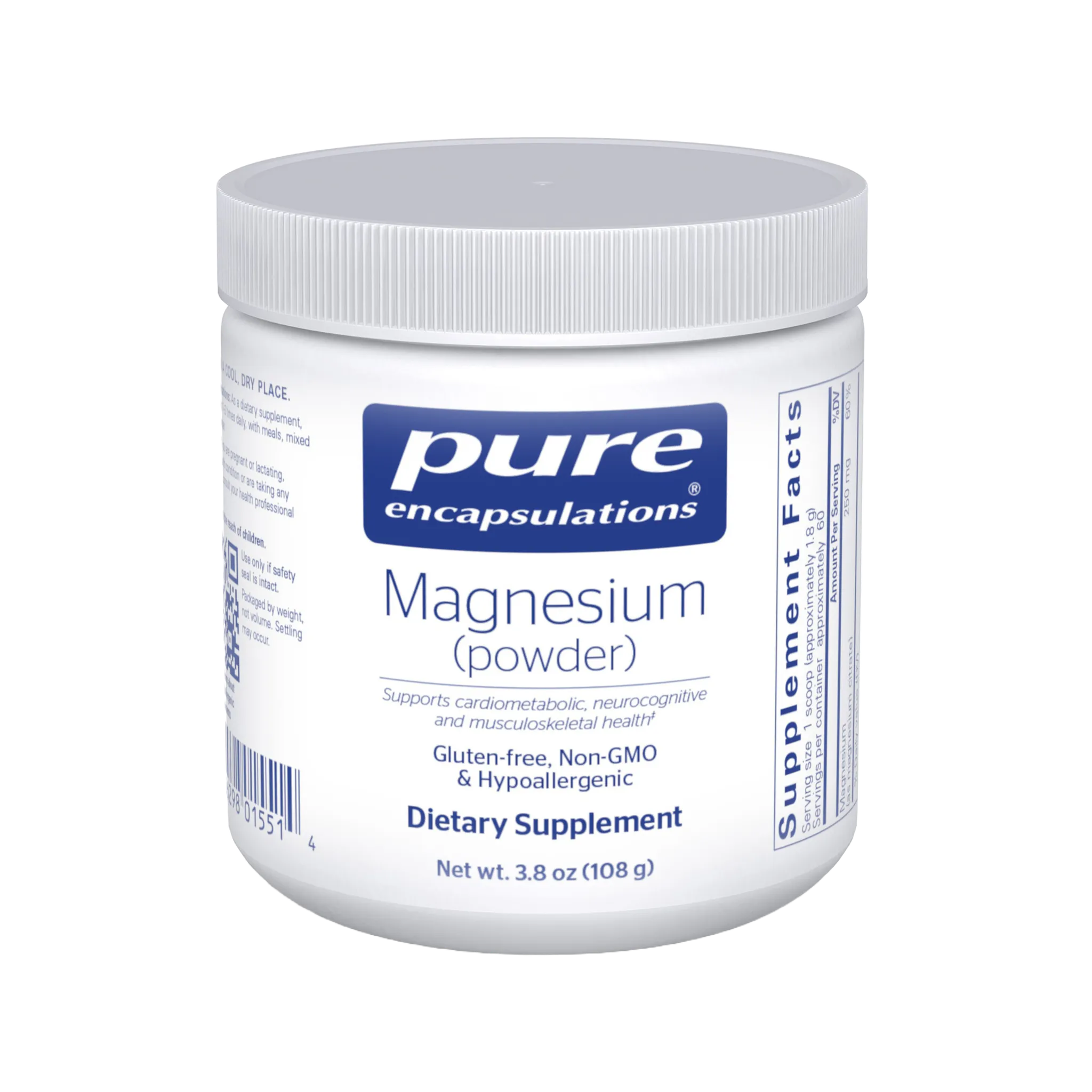
When selecting a magnesium supplement, the specific chemical form matters immensely, as the body does not absorb all forms equally. Magnesium citrate is an organic salt where magnesium is bound to citric acid. It is highly regarded in the medical community for its excellent solubility and high bioavailability. According to clinical bioavailability studies, magnesium citrate is approximately 55% soluble in water, making its absorption far less dependent on stomach acid levels compared to inorganic forms like magnesium oxide. This is particularly important for patients with chronic illness, who often suffer from low stomach acid (hypochlorhydria) or are taking acid-reducing medications.
In contrast, magnesium oxide—the most common and inexpensive form found in many over-the-counter supplements—has a clinical absorption rate of less than 4%. While oxide contains a high amount of elemental magnesium per pill, it largely passes through the digestive tract unabsorbed. Magnesium citrate yields about 16% elemental magnesium by weight and is proven to significantly raise both blood plasma and intracellular magnesium levels. Additionally, because it is highly soluble, unabsorbed citrate draws water into the intestines through a mild osmotic effect. This makes it an excellent choice for patients who struggle with the slow gut motility and constipation frequently seen in dysautonomia and ME/CFS.
Dosing, Timing, and Absorption Tips
The optimal dosage of magnesium varies depending on individual needs and baseline deficiency, but clinical protocols for dysautonomia and chronic fatigue generally recommend between 250 mg to 500 mg of elemental magnesium daily. Because magnesium citrate can have a mild laxative effect at higher doses, it is highly recommended to split the dose. Taking half of your daily dose in the morning and the other half in the evening can maximize systemic absorption while minimizing gastrointestinal distress. Utilizing a powder form allows for precise, customizable dosing, so you can start low and slowly titrate up to your bowel tolerance.
Timing can also be leveraged for specific symptom management. If you struggle with insomnia, restless legs, or nighttime adrenaline surges, taking your magnesium powder mixed in water about 30 to 60 minutes before bedtime can help activate GABA pathways and facilitate a smoother transition into deep sleep. To enhance absorption, it is best to take magnesium with a meal, as the presence of food slows down transit time in the gut, giving the mineral more time to be absorbed across the intestinal wall. It is also wise to separate your magnesium dose from high-dose calcium or zinc supplements by at least two hours, as these minerals compete for the same absorption pathways in the gut.
Safety, Testing, and Potential Interactions
Magnesium is generally very safe and well-tolerated, as healthy kidneys efficiently excrete any excess. However, individuals with severe renal impairment or kidney failure must consult their physician before supplementing, as they are at risk for magnesium toxicity (hypermagnesemia). Additionally, magnesium can interact with certain medications. It can bind to certain antibiotics (like tetracyclines and fluoroquinolones) and bisphosphonates (used for osteoporosis), preventing their absorption. Always separate magnesium from these medications by at least two to four hours.
It is also important to understand the limitations of standard medical testing. Routine metabolic blood panels only measure serum magnesium, which accounts for just 1% of the body's total magnesium. The body tightly regulates serum levels to keep the heart beating, meaning you can have a severe intracellular (tissue and bone) deficiency while your standard blood work looks perfectly normal. If you are working with a practitioner to assess your levels, requesting a Red Blood Cell (RBC) magnesium test provides a much more accurate picture of your true cellular magnesium status. This is a crucial detail to keep in mind when exploring What Drugs Are Used for COVID Long Haulers? and building a comprehensive supplement stack.
Follow the Science
Landmark Studies on Chronic Fatigue Syndrome
The clinical investigation into magnesium's role in chronic fatigue has a long and compelling history. One of the most frequently cited landmark studies was published in The Lancet in 1991. This double-blind, placebo-controlled trial investigated red blood cell (intracellular) magnesium levels in patients with ME/CFS. The researchers found that the ME/CFS patients had significantly lower intracellular magnesium than healthy controls. When 15 of these patients were administered intramuscular magnesium sulfate, an impressive 80% (12 out of 15) reported significant improvements in their energy levels, emotional state, and reduction in muscle pain, compared to only 18% of the placebo group. While ME/CFS is a highly complex and heterogeneous disease, this early data established magnesium as a critical foundational support for mitochondrial energy failure.
Recent Clinical Trials on Sleep and Daytime Fatigue
More recent clinical trials from 2023 and 2024 have focused heavily on magnesium's ability to combat fatigue by optimizing the "sleep-stress axis." A 2024 randomized, double-blind, placebo-controlled trial protocol is investigating the impact of 250 mg of elemental magnesium daily on sleep quality and daytime fatigue. Over the 4-week study period, researchers aim to determine if the magnesium group experiences a statistically significant reduction in their Insomnia Severity Index (ISI) scores compared to the placebo group. By aiming to improve sleep efficiency and reduce the time it takes to fall asleep, the study investigates potential reductions in daytime drowsiness and physical fatigue.
Another recent crossover pilot trial published in 2024 utilized objective biometric tracking (via the Oura Ring) to measure the effects of magnesium supplementation on sleep architecture and autonomic recovery. The study found that magnesium produced statistically significant improvements in objective sleep duration, deep sleep phases, and daily activity readiness scores. These findings underscore that magnesium does not act as a stimulant to mask fatigue; rather, it repairs the underlying physiological deficits, allowing the nervous system to truly rest and the mitochondria to rebuild ATP stores overnight.
Evidence in Dysautonomia and Heart Rate Variability
For patients dealing with POTS and autonomic dysfunction, the evidence supporting magnesium's role in regulating Heart Rate Variability (HRV) is particularly encouraging. A clinical trial evaluating patients with autonomic dysfunction and heart failure investigated the effects of 300 mg of oral magnesium citrate daily for 5 weeks. The researchers found that the treatment group showed a statistically significant increase in both intracellular magnesium levels and their HRV-correlation dimension (a measure of autonomic adaptability). By restoring intracellular magnesium, the patients were able to decrease their sympathetic nervous system overdrive and improve their parasympathetic tone, providing a clear, evidence-based mechanism for how magnesium helps calm the racing hearts and adrenaline surges characteristic of dysautonomia.
The Path Forward
Living with conditions like Long COVID, ME/CFS, and dysautonomia is an exhausting, unpredictable journey. It is completely valid to feel overwhelmed when your body seems to be constantly fighting against you, and when the medical system struggles to provide clear answers. While there is no single magic pill that can instantly resolve the complex web of neuro-immune dysfunction, understanding and supporting your cellular biology is a powerful step forward. By replenishing critical cofactors like magnesium, you are giving your mitochondria the spark plugs they need to generate energy and providing your nervous system with the brakes it needs to find calm.
Supplements are most effective when integrated into a comprehensive, compassionate management strategy that includes aggressive resting, pacing, symptom tracking, and working closely with a knowledgeable healthcare provider. If you are struggling with profound fatigue, muscle cramps, or a racing heart, highly bioavailable magnesium citrate powder may be a valuable addition to your daily routine. Always consult your doctor before starting any new supplement, especially if you are managing complex chronic conditions or taking prescription medications.
Sources
Oregon State University Linus Pauling Institute: Magnesium and ATP Synthesis
The Lancet: Red blood cell magnesium and chronic fatigue syndrome (1991)
DRKS Registry: Magnesium Bisglycinate for Sleep and Fatigue Parameters (2024)
Medical Research Archives: Crossover Pilot Trial on Sleep, Mood, and Fatigue (2024)