Can Magnesium Malate Support Energy Levels for Long COVID and ME/CFS Patients?
March 6, 2026
Magnesium MalateLong COVIDME/CFS
Share:
Disclaimer: The information provided here is for educational purposes only and is not intended as medical advice. It should not be used to diagnose, treat, cure, or prevent any medical condition. Instead, use it as a starting point for discussion with your healthcare provider. Always consult with a qualified healthcare provider before starting any new medication, supplement, device, or making changes to your health regimen.
Months or even years after a viral infection, many people find themselves battling a profound, unyielding exhaustion that sleep simply cannot fix. If you are living with Long COVID, myalgic encephalomyelitis/chronic fatigue syndrome (ME/CFS), or dysautonomia, you already know that this is not normal tiredness. It is a deep, cellular depletion—a feeling that your body's battery has been completely drained and permanently damaged. For many patients, the search for answers leads directly to the mitochondria, the microscopic powerhouses inside our cells responsible for generating the energy required to think, stand, and breathe.
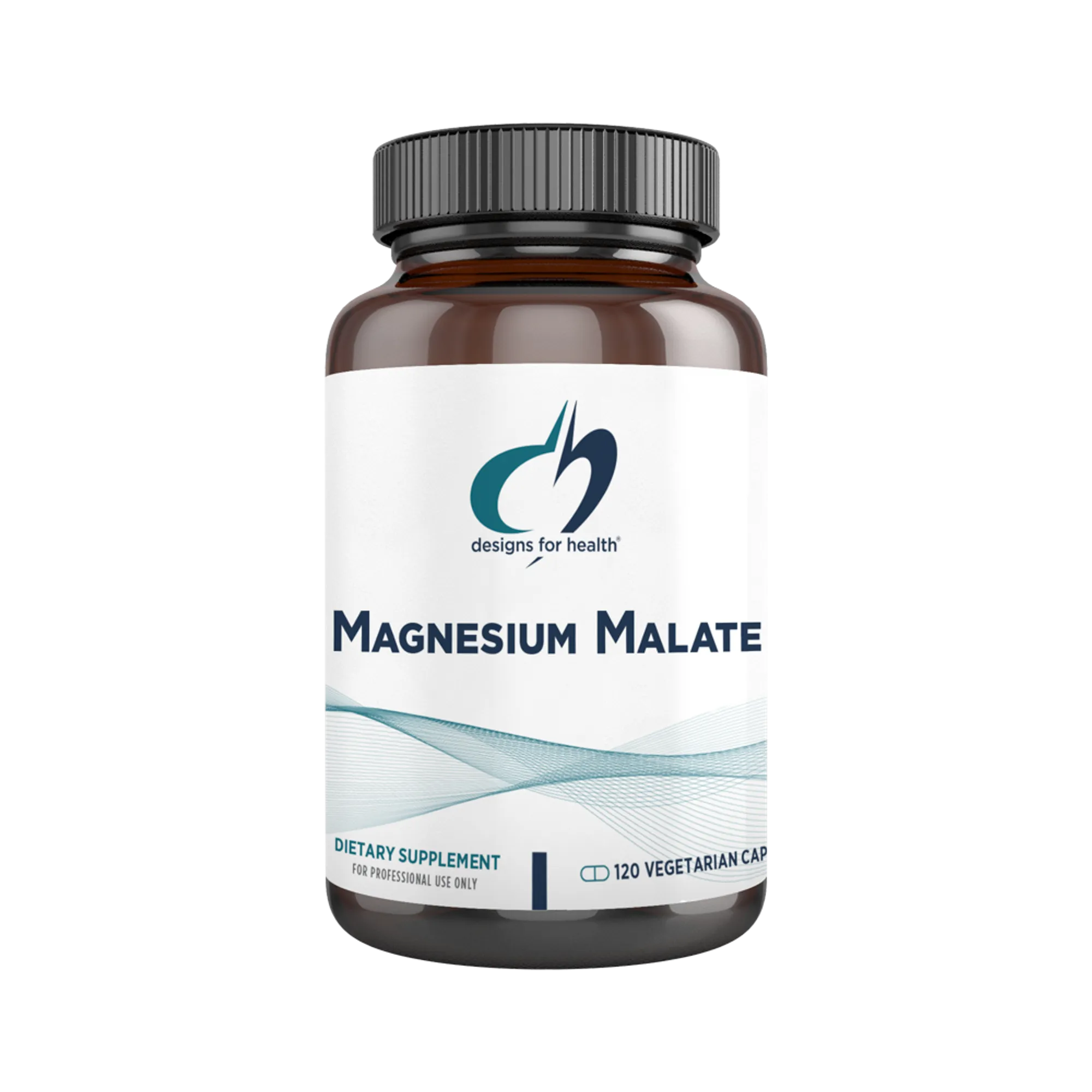
When the body is trapped in a cycle of chronic inflammation and autonomic nervous system dysfunction, it rapidly burns through its nutritional reserves. One of the most critical, yet frequently overlooked, casualties of this process is intracellular magnesium. However, simply taking any magnesium supplement off the pharmacy shelf is rarely enough to move the needle on complex chronic illness. This is where Magnesium Malate comes in. By combining elemental magnesium with malic acid, this specific formulation is designed to bypass metabolic bottlenecks and deliver targeted support directly to your cellular energy pathways. In this guide, we will explore the science behind magnesium malate, how it works at a molecular level, and why it has become a cornerstone in managing energy-limiting chronic conditions.
TL;DR
Magnesium malate combines elemental magnesium and malic acid to support cellular energy and mitochondrial function.
It may help manage symptoms of fibromyalgia, ME/CFS, and dysautonomia by supporting ATP production.
Clinical evidence shows it may reduce muscle pain, though short-term use might not improve exercise tolerance.
Always consult a healthcare provider, as magnesium can interact with medications and requires careful dosing.
What is Magnesium Malate?
To understand why magnesium malate is so highly regarded in the chronic illness community, we must first look at its unique chemical structure. Magnesium malate is a compound created by binding elemental magnesium to malic acid (also known as malate). This specific pairing creates a highly bioavailable organic salt that is exceptionally well-absorbed by the human gastrointestinal tract. Unlike inorganic forms of magnesium, such as magnesium oxide, which are poorly absorbed and often cause severe digestive upset, the malate form easily crosses the intestinal barrier to enter the bloodstream and tissues.
The true power of magnesium malate, however, lies in its "dual-action" mechanism. Both magnesium and malic acid are independently crucial for cellular energy synthesis. When they are bound together, they act as a highly efficient delivery system, transporting metabolic fuel directly into the mitochondria. Once inside the body, the compound dissociates, allowing the magnesium ion to activate critical enzymes while the malic acid directly feeds the energy-producing cycles of the cell. This synergistic relationship makes it far more than just a simple mineral supplement; it is a targeted metabolic intervention.
At a molecular level, magnesium is one of the most vital minerals in the human body, serving as an essential cofactor for over 300 distinct enzymatic reactions. It is fundamentally required for the synthesis of DNA, RNA, and proteins, as well as for the regulation of muscle and nerve function. Most importantly for patients with fatigue-inducing conditions, magnesium is absolutely non-negotiable for the production and utilization of adenosine triphosphate (ATP), the primary energy currency of the cell.
ATP cannot be biologically utilized on its own. In order for your cells to actually extract energy from ATP, the molecule must bind to a magnesium ion to form a biologically active complex known as Mg-ATP. Magnesium stabilizes the negatively charged phosphate groups of the ATP molecule, allowing enzymes called ATPases to break the chemical bonds and release the stored energy. Without sufficient intracellular magnesium, your body can produce all the ATP it wants, but it will be entirely unable to use it, leading to profound systemic fatigue and muscle weakness.
The second half of this compound, malic acid, is a naturally occurring substance found in apples and other fruits. In human biology, its ionized form, malate, is a direct intermediate in the Krebs cycle (also known as the Citric Acid Cycle), which is the primary metabolic pathway aerobic organisms use to generate energy. Inside the mitochondria, malate is oxidized into oxaloacetate by the enzyme malate dehydrogenase. This specific chemical reaction produces NADH (Nicotinamide Adenine Dinucleotide), a crucial molecule that carries high-energy electrons to the electron transport chain to drive massive ATP synthesis.
Furthermore, malate is the central component of the malate-aspartate shuttle. This complex biological mechanism transports reducing equivalents—electrons produced during glycolysis in the fluid of the cell—across the impermeable inner mitochondrial membrane so they can be used for oxidative energy production. During periods of physical exertion or chronic cellular stress, malic acid is one of the only Krebs cycle intermediates prone to severe depletion. By supplementing with magnesium malate, patients can directly replenish this cycle, ensuring the mitochondria have the raw materials they need to keep the energy assembly line running.
How Chronic Illness Impacts Cellular Energy and Magnesium Levels
Chronic illnesses like Long COVID and myalgic encephalomyelitis/chronic fatigue syndrome (ME/CFS) share deep biochemical similarities, particularly regarding mitochondrial dysfunction and immune exhaustion. When the body is subjected to a severe viral infection or chronic inflammatory state, it generates massive amounts of oxidative stress. To protect the cell from this damaging stress, the mitochondria often downregulate their energy production, effectively entering a state of cellular hibernation. This protective mechanism drastically reduces ATP output, leading to the debilitating, heavy-limbed exhaustion that patients experience daily.
In these conditions, the immune system remains chronically activated, constantly hunting for viral persistence or fighting systemic inflammation. This hyperactive immune response consumes vast amounts of intracellular magnesium. As magnesium levels plummet, the mitochondria lose the crucial cofactor needed to stabilize ATP and run the Krebs cycle. This creates a vicious cycle: the immune system drains magnesium, the lack of magnesium halts ATP production, and the lack of ATP prevents the body from healing. This is why understanding what causes Long COVID requires looking closely at these microscopic cellular energy deficits.
Postural Orthostatic Tachycardia Syndrome (POTS) is a form of dysautonomia frequently triggered by viral infections, and it is heavily influenced by intracellular magnesium depletion. Many POTS patients suffer from low blood volume (hypovolemia) due to paradoxical drops in the hormones aldosterone and cortisol, which regulate sodium and water retention. The synthesis of aldosterone relies heavily on the CYP450 enzyme system located inside the mitochondria. Crucially, these enzymes require abundant magnesium and ATP to function properly.
When a patient is deficient in magnesium, their body's ability to produce aldosterone is severely limited. This leads to excessive sodium loss through the urine, chronic dehydration, low blood volume, and the hallmark dizziness and rapid heart rate upon standing that characterize POTS. Furthermore, magnesium acts as a natural antagonist to the NMDA receptor in the brain, which drives the sympathetic "fight or flight" nervous system. Without enough magnesium to block these receptors, the autonomic nervous system becomes stuck in a state of hyperarousal, exacerbating dysautonomia symptoms.
Mast Cell Activation Syndrome (MCAS) is an immune condition where mast cells inappropriately release massive amounts of inflammatory mediators, such as histamine and cytokines, in response to minor triggers.
Additionally, magnesium is an essential enzymatic cofactor for the production of Diamine Oxidase (DAO), the primary enzyme responsible for breaking down dietary histamine in the gastrointestinal tract. When chronic illness depletes magnesium stores, DAO production plummets. This allows histamine levels to overflow into the bloodstream, resulting in hives, gastrointestinal distress, and severe brain fog. For patients navigating the overlapping complexities of Long COVID, ME/CFS, and MCAS, addressing this intracellular magnesium deficit is a critical step in calming the immune response.
Magnesium Malate: Supporting Energy and Cellular Function
Supplementing with magnesium malate offers a direct intervention for the mitochondrial dysfunction seen in complex chronic illnesses. By providing a highly bioavailable source of both magnesium and malic acid, this supplement effectively bypasses the metabolic bottlenecks that cause severe fatigue. When the malate molecule enters the mitochondria, it immediately feeds into the Krebs cycle, increasing the production of NADH. This surge of NADH delivers a steady stream of high-energy electrons to the electron transport chain, forcing the mitochondria to ramp up their production of ATP.
Simultaneously, the elemental magnesium provided by the supplement binds to this newly minted ATP, stabilizing it into the biologically active Mg-ATP complex. This ensures that the energy produced is actually usable by the muscles, brain, and organs. For patients experiencing post-exertional malaise (PEM)—a hallmark symptom where physical or cognitive exertion leads to a severe crash—this dual-action support is vital. By ensuring the malate-aspartate shuttle has the resources it needs to clear out metabolic byproducts like lactate, magnesium malate helps accelerate recovery and reduce the severity of these debilitating energy crashes.
Beyond energy production, magnesium malate plays a profound role in regulating the autonomic nervous system. In patients with dysautonomia and ME/CFS, the central nervous system is often stuck in a state of sympathetic overdrive, leading to chronic pain, anxiety, and sleep disturbances. Magnesium acts as a natural voltage-gated blocker at the NMDA (N-methyl-D-aspartate) receptor site. When this receptor is overstimulated by excitatory neurotransmitters like glutamate, it causes central pain sensitization and neurological hyperarousal.
By effectively blocking the NMDA receptor, magnesium prevents this excessive influx of calcium into the neurons, calming the nervous system and raising the pain threshold. This mechanism is particularly beneficial for managing the widespread muscle pain and tenderness associated with fibromyalgia and ME/CFS. Additionally, magnesium supports the synthesis of GABA (gamma-aminobutyric acid), the brain's primary inhibitory neurotransmitter, further promoting relaxation and helping to counteract the constant "fight or flight" signaling seen in dysautonomia.
For patients dealing with Mast Cell Activation Syndrome (MCAS), the choice of magnesium supplement is incredibly important. Magnesium malate is uniquely beneficial because it provides the necessary magnesium to support DAO enzyme production without triggering histamine release. By restoring intracellular magnesium levels, the body can resume producing adequate amounts of Diamine Oxidase, allowing the gut to effectively break down dietary histamine and reduce the overall systemic inflammatory load.
Furthermore, unlike magnesium citrate, which is often derived from microbial fermentation and can act as a severe high-histamine trigger for sensitive patients, magnesium malate is generally very well-tolerated. It helps to stabilize mast cell membranes, preventing them from degranulating and releasing their inflammatory contents prematurely. This stabilization is a crucial component of managing the unpredictable allergic-type reactions and systemic inflammation that plague patients with MCAS and Long COVID.

Symptoms Magnesium Malate May Help Manage
Profound Fatigue and PEM: By directly supplying malic acid to the Krebs cycle and stabilizing ATP with magnesium, this supplement helps restore cellular energy production and may reduce the severity of post-exertional crashes.
Muscle Aches and Fibromyalgia Pain: Magnesium acts as an NMDA receptor antagonist, calming central pain sensitization, while malic acid helps clear lactic acid from muscle tissue, reducing widespread tenderness and soreness.
Brain Fog and Cognitive Dysfunction: By supporting mitochondrial function in the brain and facilitating the malate-aspartate shuttle, magnesium malate helps clear neurological metabolic waste and supports clearer cognitive processing.
Muscle Cramps and Spasms: Magnesium is required for muscle fibers to relax after contraction; replenishing intracellular levels prevents the involuntary spasms and twitching common in dysautonomia.
Tachycardia and Palpitations: By supporting the enzymatic pathways required for aldosterone synthesis, magnesium helps improve blood volume and calms the sympathetic nervous system, reducing POTS-related heart rate spikes.
Histamine Intolerance and Hives: Magnesium is a required cofactor for the DAO enzyme, which breaks down dietary histamine, helping to reduce MCAS-driven allergic reactions and gastrointestinal distress.
Sleep Disturbances: While malate is energizing, the magnesium component supports GABA production and calms the nervous system, which can help regulate circadian rhythms when taken as part of a comprehensive protocol.
Exercise Intolerance: While often used for energy support, recent 2024 research suggests that short-term magnesium supplementation may actually have modest detrimental effects on cycle ergometer exercise performance and skeletal muscle mitochondria.
Practical Considerations: Forms, Dosing, and Absorption
When selecting a magnesium supplement, bioavailability is the most critical factor. Bioavailability refers to the proportion of elemental magnesium that actually absorbs through your intestinal wall and enters your bloodstream. Clinical studies consistently show that organic salts, like magnesium malate, are significantly more bioavailable than inorganic salts like magnesium oxide. Research indicates that magnesium malate yields excellent tissue penetration, effectively raising intracellular magnesium levels without causing the severe digestive distress associated with poorly absorbed forms.
While magnesium citrate is also highly bioavailable, it has a strong osmotic effect, meaning it pulls water into the intestines. This makes citrate an excellent choice for treating constipation, but a poor choice for patients with chronic illness who need high doses of magnesium for energy support, as it frequently causes diarrhea. Furthermore, for patients with MCAS, citrate forms are often fermented and can trigger histamine release. Magnesium malate avoids these pitfalls; it is gentle on the gastrointestinal tract, low-histamine, and specifically targeted toward mitochondrial energy production.
Because magnesium malate actively feeds the Krebs cycle and supports ATP production, it is generally considered an "energizing" form of magnesium. For this reason, most healthcare practitioners recommend taking it in the morning or early afternoon. Taking it too close to bedtime may cause mild stimulation in some sensitive patients, potentially interfering with sleep onset. If you are looking for a magnesium form specifically for sleep, a chelated form like magnesium glycinate taken at night is often a better complement to daytime malate use.
Standard therapeutic dosing for chronic fatigue and fibromyalgia typically ranges from 300 mg to 600 mg of elemental magnesium daily, divided into two doses. However, patients with ME/CFS and dysautonomia often have highly sensitive central nervous systems. It is always recommended to start with a low dose (e.g., one capsule of 180 mg) and slowly titrate up over several weeks to assess tolerance. Taking the supplement with a meal can further enhance absorption and minimize any potential, albeit rare, mild stomach upset.
Magnesium is a highly reactive mineral that can bind to certain medications in the gut, forming insoluble complexes that your body cannot absorb. This process, known as chelation, can render important prescription drugs ineffective. For example, magnesium heavily impairs the absorption of certain antibiotics, including tetracyclines and fluoroquinolones, as well as thyroid medications like levothyroxine. If you are taking these medications, you must space them at least 2 to 4 hours apart from your magnesium supplement to ensure proper absorption.
Conversely, certain medications can actively deplete your body's magnesium stores. Long-term use of proton pump inhibitors (PPIs) for acid reflux lowers stomach acid, fundamentally reducing intestinal magnesium absorption. Similarly, loop and thiazide diuretics cause the kidneys to excrete excess magnesium in the urine. If you are on these medications, your need for a highly bioavailable supplement like magnesium malate may be significantly increased. Always consult your healthcare provider to review your specific medication list for potential interactions before starting a new supplement regimen.

Follow the Science: Magnesium Malate Research
The clinical application of magnesium malate is deeply rooted in its success in treating chronic pain and fatigue syndromes. A foundational randomized, double-blind, placebo-controlled crossover study published in the Journal of Rheumatology evaluated the efficacy of a magnesium and malic acid compound in patients with Fibromyalgia Syndrome. The researchers administered high doses of both compounds and monitored patient-reported outcomes over several weeks.
The findings were mixed. The study demonstrated no clear treatment effect attributable to the supplement in the blinded, fixed low-dose trial. However, with dose escalation and a longer duration of treatment in the open-label trial, significant reductions in the severity of pain and tenderness were obtained. This trial suggested the combination is safe and may be beneficial for widespread musculoskeletal pain, though further placebo-controlled studies are needed.
To understand why magnesium malate is so effective, researchers have extensively studied its pharmacokinetics. A comprehensive 2019 animal study evaluated the bioavailability of five different magnesium compounds, including malate, oxide, and citrate. The researchers measured both the time-dependent absorption rates and the intracellular tissue penetration of the mineral after a standardized dose.
The data revealed that magnesium malate provided superior bioavailability, maintaining elevated serum magnesium levels for an extended period compared to the other forms. More importantly, the malate form demonstrated exceptional tissue penetration, effectively driving magnesium into the muscle and brain cells where it is most needed for ATP stabilization. In contrast, magnesium oxide showed the lowest bioavailability, reinforcing the clinical consensus that inorganic magnesium salts are ineffective for correcting systemic, intracellular deficiencies.
Recent research has explored the impact of magnesium on immune regulation, which is highly relevant for patients with Long COVID and MCAS.
Because the cited data does not support this link, further research is needed to establish a mechanistic explanation for why patients with chronic illnesses develop secondary mast cell activation. Furthermore, emerging literature on how long Long COVID lasts suggests that persistent viral fragments and chronic neuroinflammation continuously drain cellular energy reserves. By utilizing a highly bioavailable form like magnesium malate, patients may support cellular energy, though claims regarding mast cell stabilization require more targeted evidence.
The Path Forward
Living with a complex chronic illness like Long COVID, ME/CFS, or dysautonomia is an incredibly challenging journey. The profound fatigue, unpredictable symptom flares, and constant neurological misfires can make simply getting through the day feel like running a marathon. It is entirely valid to feel frustrated when standard blood tests come back "normal" despite feeling fundamentally broken on a cellular level. Understanding that your symptoms are rooted in real, measurable biochemical dysfunctions—like mitochondrial exhaustion and intracellular magnesium depletion—is an important step in reclaiming your health narrative.
You are not imagining the heavy-limbed exhaustion or the brain fog. These are the direct results of a cellular energy system that is lacking the essential cofactors it needs to function. By learning about the specific mechanisms of your condition, you empower yourself to make targeted, science-backed decisions about your care. Living with long-term COVID requires patience, self-compassion, and a willingness to address the root causes of cellular dysfunction.
While magnesium malate is a powerful tool for supporting mitochondrial function and calming the nervous system, it is not a standalone cure. True management of complex chronic illness requires a comprehensive, multi-layered approach. Supplements must be paired with aggressive pacing strategies to prevent post-exertional malaise, meticulous symptom tracking to identify triggers, and a nutrient-dense diet that supports overall metabolic health. Magnesium malate serves as a foundational support, providing the raw materials your cells need so that your other management strategies can be more effective.
It is also crucial to work alongside a knowledgeable healthcare provider who understands the nuances of conditions like dysautonomia and MCAS. They can help you navigate potential drug interactions, optimize your dosing schedule, and monitor your progress. Because intracellular magnesium levels take time to replenish, consistency is key. It may take several weeks of daily supplementation before you begin to notice a subtle lifting of the brain fog or a reduction in muscle tenderness.
If you are struggling with debilitating fatigue, muscle pain, or the hyperactive nervous system symptoms of POTS and MCAS, addressing potential intracellular magnesium deficiency is a logical and scientifically supported step. By choosing a highly bioavailable, dual-action form like magnesium malate, you are directly feeding your cellular energy pathways and giving your body the support it desperately needs to begin the healing process.
Always consult your healthcare provider before starting any new supplement, especially if you are taking prescription medications or managing a complex chronic condition.