Can Magnesium Glycinate Support Sleep and Muscle Function in Long COVID and ME/CFS?
March 6, 2026
Magnesium GlycinateLong COVIDME/CFS
Share:
Disclaimer: The information provided here is for educational purposes only and is not intended as medical advice. It should not be used to diagnose, treat, cure, or prevent any medical condition. Instead, use it as a starting point for discussion with your healthcare provider. Always consult with a qualified healthcare provider before starting any new medication, supplement, device, or making changes to your health regimen.
Living with complex, chronic conditions like Long COVID, myalgic encephalomyelitis/chronic fatigue syndrome (ME/CFS), and dysautonomia often feels like navigating a maze in the dark. You might find yourself battling debilitating exhaustion that doesn’t improve with rest, sudden heart palpitations when you stand up, or a persistent brain fog that makes simple tasks feel monumental. These invisible symptoms are not just "in your head"—they are the result of profound physiological disruptions at the cellular and systemic levels. When the body is locked in a state of chronic immune activation and autonomic nervous system dysfunction, it rapidly burns through essential nutrients required to maintain basic cellular operations.
One of the most critical, yet frequently overlooked, nutrients in this battle is magnesium. As an obligate cofactor for over 300 enzymatic reactions, magnesium is the biological key that unlocks cellular energy, calms a hyperactive nervous system, and allows tense muscles to finally relax. However, not all magnesium supplements are created equal. For individuals with sensitive gastrointestinal tracts and complex neuroimmune conditions, finding a highly absorbable, gentle form is paramount. Magnesium glycinate—specifically the chelated powder form—has emerged as a foundational tool in chronic illness management. By combining the essential mineral with the calming amino acid glycine, this specific formulation offers a targeted approach to supporting sleep, muscle function, and neurological health without the digestive distress common to other supplements.
What is Magnesium Glycinate?
The Chemical Structure of Magnesium Bisglycinate
To understand why magnesium glycinate (scientifically referred to as magnesium bisglycinate) is so highly regarded in clinical settings, we must first look at its unique chemical structure. In a healthy body, magnesium is an essential macromineral required for fundamental life processes, including the synthesis of DNA, RNA, and the antioxidant glutathione. However, magnesium in its raw, elemental form is highly unstable and must be bound to another molecule (a carrier) to be consumed as a supplement. In the case of magnesium glycinate, one single magnesium ion is chemically bound—or "chelated"—to two molecules of the amino acid glycine. This specific molecular arrangement creates a highly stable compound that behaves very differently in the human digestive tract compared to inorganic salts like magnesium oxide.
Because the magnesium is tightly bound to these amino acids, it does not easily break apart in the acidic environment of the stomach. Instead of relying on standard mineral transport channels in the intestines—which are often compromised in patients with chronic inflammation or gut dysbiosis—the chelated compound is absorbed further down the gastrointestinal tract via specialized dipeptide transport pathways. Research published by the National Institutes of Health demonstrates that this amino acid chelation allows the magnesium to bypass the usual mineral competition in the gut. As a result, magnesium glycinate boasts a superior cellular absorption rate, ensuring that the mineral actually reaches the bloodstream and tissues where it is desperately needed, rather than remaining in the intestines where it can cause unwanted laxative effects.
The Role of ATP in Cellular Energy Production
At the molecular level, magnesium's most critical function is its role in the production and utilization of Adenosine Triphosphate (ATP), the primary energy currency of every cell in the human body. Inside the mitochondria—often called the powerhouses of the cell—electrons flow through a series of protein complexes known as the electron transport chain to generate ATP. However, a crucial and often misunderstood fact of human biology is that free ATP is biologically inert. Due to the strong electrostatic repulsion between its phosphate groups, ATP cannot be utilized by the body's enzymes unless it is bound to a magnesium ion, forming the biologically active Mg-ATP complex. Without adequate intracellular magnesium, the body simply cannot access the energy it produces.
This concept is particularly vital for individuals living with conditions characterized by profound, debilitating fatigue. Researchers refer to this state as "functional energy starvation." A patient's mitochondria might be successfully synthesizing ATP, but if they are deficient in magnesium, the enzymes responsible for muscle contraction, nerve transmission, and cellular repair cannot utilize that fuel. Magnesium bisglycinate effectively stabilizes this ATP molecule, allowing the body to resume normal metabolic functions. By providing a highly bioavailable source of magnesium, this supplement directly supports the biochemical pathways required to lift the heavy, leaden feeling of cellular exhaustion.
Glycine: The Synergistic Inhibitory Neurotransmitter
What truly sets magnesium glycinate apart from other forms, such as magnesium citrate or malate, is the "dual-synergy" provided by the carrier molecule itself. Glycine is not merely an inactive transport vehicle; it is a highly active, conditionally essential amino acid that functions as a major inhibitory neurotransmitter in the central nervous system, particularly within the brainstem and spinal cord. In a healthy nervous system, glycine binds to specific receptors that activate chloride currents, which hyperpolarize neurons and effectively reduce their firing rates. This creates a profound calming effect on the body, slowing down the rapid transmission of stress signals that keep the brain in a state of hyperarousal.
Furthermore, clinical data on nutritional neurology indicates that glycine plays a unique role in regulating the body's circadian rhythms. When absorbed, glycine increases blood flow to the extremities, which gently lowers the core body temperature. This subtle drop in temperature is the exact physiological trigger required by the suprachiasmatic nucleus—the brain's master clock—to initiate the onset of deep, restorative slow-wave sleep. Therefore, when a patient takes magnesium glycinate, they are receiving a simultaneous, two-pronged intervention: the enzymatic and muscular support of the magnesium ion, paired with the neurological and temperature-regulating benefits of the glycine molecules.
How Chronic Illness Impacts Magnesium Levels
The Vicious Cycle of Stress and Magnesium Wasting
To understand how chronic illnesses like Long COVID, ME/CFS, and dysautonomia impact magnesium levels, we must examine the body's physiological response to prolonged stress. When the body is fighting a persistent viral reservoir, managing chronic inflammation, or dealing with an autonomic nervous system that is stuck in a "fight-or-flight" state, it constantly releases stress hormones like adrenaline, noradrenaline, and cortisol. This state of sympathetic overdrive triggers a rapid shift of magnesium from the inside of the cells (intracellular space) into the bloodstream (extracellular space) to help buffer the stress response and protect the heart. While this is a helpful short-term survival mechanism, it becomes highly detrimental when the stress is chronic.
Once magnesium is dumped into the bloodstream, the kidneys filter the excess and excrete it through the urine. This phenomenon, known as "magnesium wasting," creates a vicious cycle for patients with complex chronic conditions. The more stressed and inflamed the body becomes, the more magnesium it excretes. As intracellular magnesium levels plummet, the nervous system loses its primary calming mineral, leading to even greater sympathetic overdrive and further magnesium depletion. Research on post-viral syndromes suggests that this rapid depletion is a key driver behind the sudden onset of severe anxiety, insomnia, and muscle fasciculations (twitching) frequently reported by patients navigating the aftermath of a viral infection.
Endothelial Damage and Systemic Inflammation
In conditions like Long COVID, researchers have identified widespread endothelial dysfunction—damage to the inner lining of the blood vessels—and the presence of persistent micro-clots. Magnesium plays a critical, protective role in maintaining endothelial health and preventing abnormal platelet aggregation. When magnesium levels drop due to chronic illness, the blood vessels become more prone to spasms, and the blood itself becomes more hypercoagulable (prone to clotting). This exacerbates the very mechanisms that drive Long COVID symptoms, restricting oxygen and nutrient delivery to the brain and muscles, which manifests as profound brain fog and post-exertional malaise (PEM). If you are wondering What Causes Long COVID?, this intersection of vascular damage and nutrient depletion is a major piece of the puzzle.
Furthermore, magnesium deficiency directly upregulates systemic inflammatory pathways. Without adequate magnesium, the body produces higher levels of pro-inflammatory cytokines, including C-reactive protein (CRP), tumor necrosis factor-alpha (TNF-alpha), and interleukin-6 (IL-6). These inflammatory markers cross the blood-brain barrier, triggering neuroinflammation and microglial activation, which are hallmark features of both ME/CFS and Long COVID. By failing to maintain adequate magnesium stores, the body loses its natural biochemical brake on the immune system, allowing chronic, low-grade inflammation to run rampant and sustain the cycle of debilitating fatigue and pain.
The Vitamin D Synergy and Autonomic Dysfunction
Another critical intersection between chronic illness and magnesium depletion involves Vitamin D metabolism. Many patients with dysautonomia and Long COVID are found to be deficient in Vitamin D, a hormone essential for immune regulation and autonomic nervous system stability. However, the enzymes responsible for synthesizing Vitamin D in the liver and kidneys, as well as the enzyme CYP27B1 which converts it into its active, usable form, are entirely magnesium-dependent. Clinical literature on Long COVID highlights that supplementing with high doses of Vitamin D without simultaneously addressing a magnesium deficiency can actually backfire. The body will pull whatever remaining magnesium it has from the tissues to process the Vitamin D, worsening the underlying magnesium depletion.
This interconnected depletion heavily impacts patients with Postural Orthostatic Tachycardia Syndrome (POTS) and other forms of dysautonomia. The autonomic nervous system relies on a delicate balance of minerals—including sodium, potassium, calcium, and magnesium—to regulate heart rate, blood pressure, and vascular tone. When magnesium is depleted, calcium channels remain unchecked, leading to the rapid, inappropriate heart rates and palpitations characteristic of POTS. Understanding this complex web of nutrient dependencies is crucial for patients learning How Can You Live with Long-Term COVID, as replenishing magnesium is often a necessary first step before other targeted therapies can be fully effective.
Magnesium Glycinate: Supporting Neurological and Muscular Function
NMDA Receptor Antagonism and Excitotoxicity
One of the most profound mechanisms by which magnesium glycinate supports the neurologically compromised patient is through its interaction with the N-methyl-D-aspartate (NMDA) receptor. The NMDA receptor is a glutamate-gated ion channel located in the brain that controls excitatory signaling. In a healthy state, this receptor is crucial for learning, memory, and synaptic plasticity. However, in patients with ME/CFS, Long COVID, or mast cell activation syndrome (MCAS), chronic neuroinflammation often leads to an excess of glutamate, the brain's primary excitatory neurotransmitter. This overstimulation causes the NMDA receptors to remain locked in an open position, allowing a massive influx of calcium into the neurons. This state, known as "excitotoxicity," literally excites the brain cells to the point of damage or death, manifesting clinically as severe brain fog, sensory overload, migraines, and cognitive fatigue.
Magnesium acts as the body's natural "gatekeeper" for the NMDA receptor. At a normal resting membrane potential, a magnesium ion physically sits inside the channel pore of the receptor, acting like a cork in a bottle. Even if excess glutamate is present, the magnesium block prevents toxic calcium from flooding into the neuron. It only steps aside when the neuron receives a strong, meaningful signal, thereby filtering out the chaotic "neurological noise" caused by chronic inflammation. By supplementing with highly bioavailable magnesium glycinate, patients can effectively plug these overactive receptors, arresting the cycle of excitotoxicity, reducing neuroinflammation, and protecting the brain from further stress-induced damage.
Modulating GABA for Calm and Restorative Sleep
In addition to blocking excitatory pathways, magnesium glycinate actively promotes inhibitory, calming pathways in the brain by interacting with Gamma-aminobutyric acid (GABA). GABA is the central nervous system's primary inhibitory neurotransmitter, responsible for slowing down neural firing, easing anxiety, and facilitating the transition into sleep. Many patients with dysautonomia and Long COVID suffer from severe insomnia and "tired but wired" sensations because their GABAergic system is overwhelmed by sympathetic overdrive. Magnesium acts as a positive allosteric modulator of $GABA_A$ receptors. This means it binds directly to the receptor sites and changes their physical shape, making them significantly more sensitive and efficient at capturing and utilizing whatever GABA the brain is already producing.
When you combine magnesium's GABA-enhancing properties with the independent inhibitory effects of the glycine carrier molecule, the result is a powerful, synergistic calming effect on the central nervous system. Quantitative EEG (brain mapping) studies have shown that magnesium deficiency presents as excessive high-frequency brainwaves (high-beta), which correlates with anxiety and an inability to relax. Supplementation with magnesium glycinate helps suppress these intrusive high-frequency waves, restoring the slow-wave architecture that is absolutely mandatory for deep, restorative sleep and cellular repair. For patients whose bodies have forgotten how to rest, this mechanism is a critical lifeline.
Muscular Relaxation and "Biological Tetany"
Beyond the brain, magnesium glycinate plays an indispensable role in the physical mechanics of muscle contraction and relaxation. When a nerve impulse signals a muscle to contract, calcium floods into the muscle fiber, binding to proteins that allow the myosin heads to attach to actin filaments, creating a contraction. To release this contraction, the muscle requires the biologically active Mg-ATP complex. Magnesium acts as a natural calcium channel blocker, halting the influx of calcium, while the ATP provides the energy required to physically detach the myosin heads from the actin. Without adequate magnesium, this detachment cannot occur, leaving the muscle locked in a state of continuous, painful contraction.
In the context of chronic illness, researchers refer to this state of chronic muscular tension as "somatic armoring" or "biological tetany." Patients often experience this as deep, unyielding muscle aches, severe cramping, and a feeling that their body is rigidly braced against invisible threats. By replenishing intracellular magnesium levels with a highly absorbable chelate, magnesium glycinate restores the local mitochondrial respiration required for the muscles to physically let go. This mechanism is particularly relevant for patients exploring What Are the Symptoms of Long COVID?, as widespread myalgia (muscle pain) and tension are among the most frequently reported and debilitating physical complaints.

Symptoms Magnesium Glycinate May Help Manage
Neurological and Cognitive Symptoms
Because magnesium and glycine both heavily influence neurotransmitter balance and brainwave architecture, supplementation directly targets several of the most distressing neurological symptoms associated with chronic neuroimmune conditions.
Severe Insomnia and "Tired but Wired" States: By acting as a GABA agonist and lowering core body temperature via increased peripheral blood flow, magnesium glycinate helps initiate the slow-wave sleep cycles that are often disrupted in dysautonomia and ME/CFS.
Brain Fog and Cognitive Fatigue: By physically blocking the NMDA receptor pore, magnesium prevents the calcium-induced excitotoxicity and neuroinflammation that damages neurons and clouds cognitive processing, allowing for clearer thinking and reduced mental fatigue.
Anxiety and Hyperarousal: The dual-synergy of magnesium and glycine dampens the excessive firing of the sympathetic nervous system, shifting the body out of a chronic "fight-or-flight" state and reducing the physiological sensations of panic and anxiety.
Muscular and Physical Symptoms
The physical toll of Long COVID and ME/CFS is often rooted in mitochondrial dysfunction and impaired cellular energy dynamics. Magnesium glycinate provides the necessary cofactors to support physical comfort and endurance.
Muscle Cramps, Spasms, and Twitching (Fasciculations): Magnesium acts as a natural calcium channel blocker and is required for the ATP-dependent detachment of muscle fibers. Supplementation allows chronically contracted, tense muscles to finally relax, reducing painful spasms.
Post-Exertional Malaise (PEM) and Cellular Fatigue: By stabilizing the Mg-ATP complex, magnesium glycinate ensures that the mitochondria can effectively utilize the energy they produce, helping to mitigate the severe "crashes" and functional energy starvation that define PEM.
Palpitations and Tachycardia: In patients with POTS or dysautonomia, magnesium helps regulate the electrical impulses of the heart and calms the autonomic nervous system, which can gently slow an abnormally rapid heart rate and reduce the sensation of bounding palpitations.
Practical Considerations: Forms, Dosing, and Absorption
Superior Bioavailability: Glycinate vs. Oxide and Citrate
When selecting a magnesium supplement, the specific chemical form dictates whether the mineral will actually reach your cells or simply pass through your digestive tract. Inorganic salts, such as magnesium oxide, have notoriously poor bioavailability. Historically, studies have estimated the absorption of magnesium oxide to be as low as 4% to 8%. Because it is poorly absorbed in the small intestine, the unabsorbed magnesium travels to the colon where it exerts an osmotic effect, drawing in water and causing a strong laxative response. While this makes magnesium oxide an effective treatment for constipation, it is highly ineffective for replenishing systemic magnesium deficiencies in patients with chronic illness. Magnesium citrate, an organic salt, offers better absorption but still retains a mild osmotic effect, which can trigger loose stools in higher doses or in individuals with sensitive guts.
Magnesium glycinate, particularly formulations utilizing TRAACS® (The Real Amino Acid Chelate System), bypasses these issues entirely. A landmark clinical crossover trial published in the Journal of the American College of Nutrition utilized heavy isotopes to measure absorption in patients with severely impaired digestion. The researchers found that the amino acid chelate (glycinate) was absorbed at a rate of 23.5%, compared to just 11.8% for magnesium oxide, and reached peak tissue enrichment hours faster. Because the magnesium is protected by the glycine molecules, it does not interact with dietary inhibitors like phytates in the gut, nor does it draw water into the colon. This makes magnesium glycinate powder an exceptionally gentle, highly bioavailable option that maximizes cellular uptake without causing the gastrointestinal distress that forces many patients to abandon supplementation.
Dosing Strategies and Timing
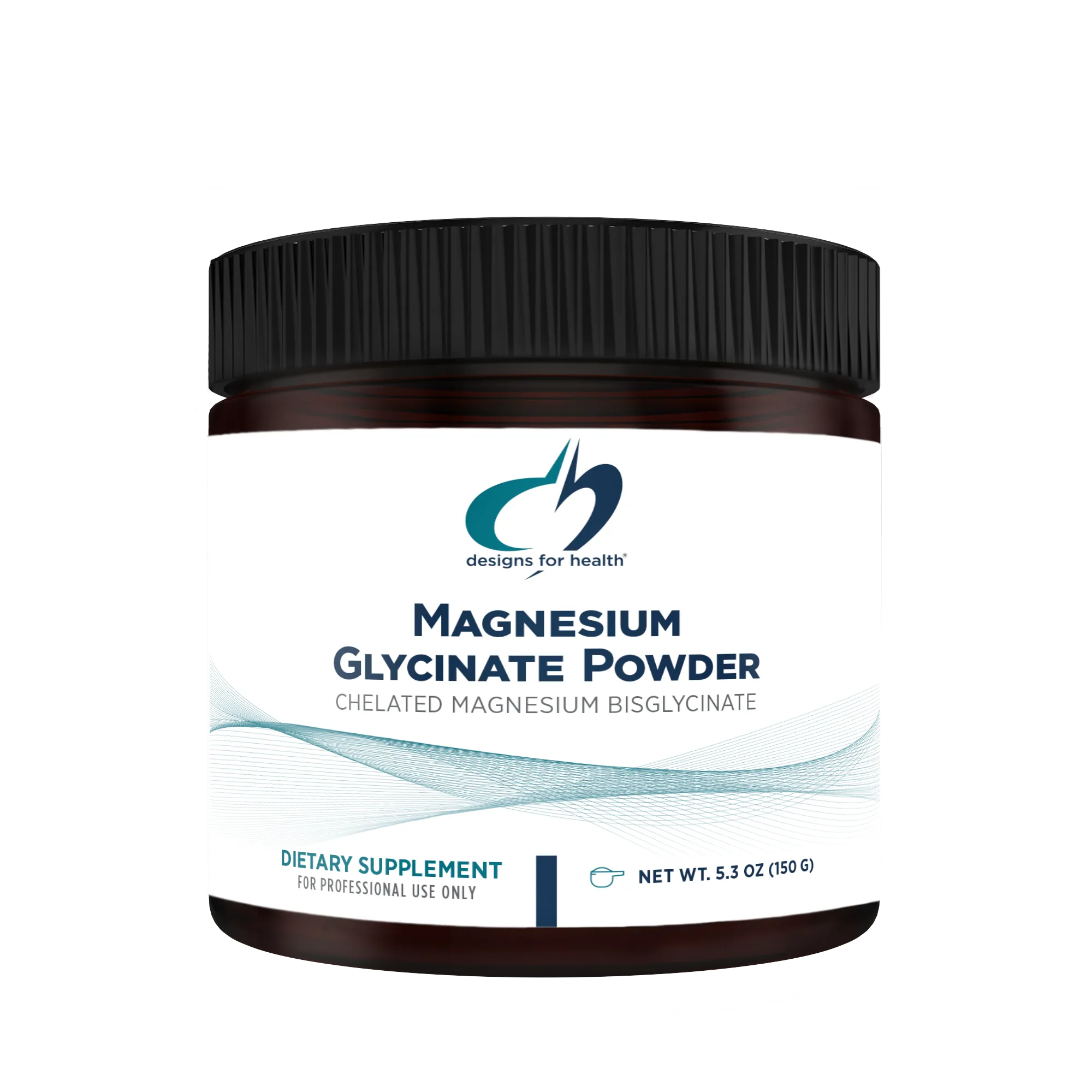
For patients managing complex chronic conditions, dosing must be approached systematically. The Designs for Health Magnesium Glycinate Powder provides 300 mg of elemental magnesium in each 5-gram serving. Clinical literature generally suggests a daily supplemental intake of 200 to 400 mg of elemental magnesium to support neurological and muscular health, making this single-scoop serving an optimal, evidence-based dose. Because it is an unflavored powder sweetened only with stevia leaf, it offers flexible dosing; patients who are highly sensitive to new supplements can easily start with a quarter or half scoop and titrate up slowly over several weeks to allow their nervous system to adjust to the new mineral influx.
Timing is also a crucial consideration for maximizing the therapeutic benefits of magnesium glycinate. Because of its profound impact on GABA receptors, NMDA antagonism, and the temperature-lowering effects of glycine, healthcare practitioners typically recommend taking this specific form in the evening, approximately 30 to 60 minutes before bed. Taking it at night aligns with the body's natural circadian rhythms, leveraging the supplement's ability to quiet the mind, relax tense muscles, and initiate the slow-wave sleep architecture required for overnight cellular repair. Mixing the powder into a small glass of room-temperature water or a calming, caffeine-free herbal tea can become a soothing part of a nightly wind-down routine.
Potential Drug Interactions and Contraindications
While magnesium glycinate is widely considered safe and well-tolerated, it is a biologically active compound that can interact with several common prescription medications. Magnesium shares absorption pathways in the gut and can bind to certain drugs, rendering them ineffective. For example, medical safety guidelines dictate that magnesium must be separated from certain antibiotics (like tetracyclines and fluoroquinolones) and thyroid medications (like levothyroxine) by at least two to four hours to prevent the formation of nonabsorbable complexes. Additionally, because magnesium naturally relaxes blood vessels, taking it alongside prescription calcium channel blockers or other blood pressure medications can have an additive effect, potentially dropping blood pressure lower than intended—a critical consideration for dysautonomia patients who already struggle with orthostatic hypotension.
There are also strict medical contraindications for magnesium supplementation. The most critical is renal impairment or kidney disease. Healthy kidneys efficiently filter and excrete excess magnesium, preventing toxicity. However, individuals with compromised kidney function cannot clear the mineral effectively, putting them at high risk for hypermagnesemia, a dangerous condition that can lead to severe hypotension, muscle weakness, and cardiac arrhythmias. Patients with myasthenia gravis, specific heart block conditions, or those taking potassium-sparing diuretics should also exercise extreme caution. As always, it is imperative to consult your prescribing healthcare provider or pharmacist before introducing magnesium glycinate into your regimen to ensure it is safe for your specific medical profile.

Follow the Science
Clinical Trials on Long COVID and Depression
The scientific community is increasingly recognizing the role of targeted nutritional interventions in post-viral recovery. A compelling 2024 randomized, controlled clinical trial published in Magnesium Research specifically investigated the impact of magnesium and Vitamin D supplementation on patients suffering from Long COVID. The researchers evaluated 60 patients experiencing mild-to-moderate depression, hypomagnesemia, and Vitamin D deficiency. The intervention group received a daily regimen of magnesium alongside Vitamin D for four months, while the control group received only Vitamin D. The results were striking: measured using the Beck Depression Inventory (BDI), the intervention group saw their depression scores drop significantly from 28.8 to 9.2. Overall, 73.2% of the patients receiving the magnesium combination achieved full remission of their depressive symptoms, compared to only 34.5% in the control group, highlighting magnesium's potent ability to regulate neuroinflammation and mood in post-viral states.
Further supporting this, a recent double-blind, randomized clinical trial published in the Virology Journal assessed the impact of 300 mg of daily magnesium supplementation on hospitalized COVID-19 patients. The researchers found that the magnesium group had significantly improved arterial oxygen saturation and a reduced need for oxygen therapy. Crucially, the study noted that low baseline serum magnesium levels were a significant predictor for the subsequent development of Long COVID symptoms. This data strongly suggests that acute viral infections rapidly deplete magnesium stores, and failing to replenish this critical mineral leaves the nervous system and mitochondria vulnerable to long-term dysfunction. For patients wondering What Drugs Are Used for COVID Long Haulers?, it is becoming clear that foundational minerals like magnesium are just as critical as pharmaceutical interventions.
Historical Evidence in ME/CFS and Dysautonomia Consensus
The connection between magnesium deficiency and chronic fatigue has been documented for decades. A landmark 1991 double-blind, placebo-controlled trial published in The Lancet investigated patients with ME/CFS who exhibited low red blood cell (RBC) magnesium levels. Following a six-week intervention of intramuscular magnesium injections, 80% of the treated patients reported significantly improved energy levels, better emotional states, and reduced muscle pain, compared to only 18% of the placebo group. While modern medicine has shifted toward highly bioavailable oral chelates like magnesium glycinate rather than injections, the underlying principle remains: restoring intracellular magnesium is a fundamental step in repairing the broken energy metabolism that drives ME/CFS. This historical data is highly relevant when exploring the complex question: Can Long COVID Trigger ME/CFS? Unraveling the Connection.
In the realm of dysautonomia and POTS, while large-scale randomized trials isolating magnesium are scarce, there is a strong, unified clinical consensus among autonomic specialists. Dysautonomia clinics routinely recommend highly bioavailable magnesium forms (like glycinate or taurate) based on established cardiovascular mechanics. POTS patients are frequently prescribed high-sodium diets or medications like fludrocortisone to boost blood volume, a process that inherently forces the kidneys to excrete potassium and magnesium, leading to severe muscle cramps and worsened palpitations. Dysautonomia advocacy organizations and specialized cardiologists utilize magnesium glycinate to act as a natural calcium channel blocker, which helps to physically slow orthostatic tachycardia, calm the hyperadrenergic sympathetic overdrive, and mitigate the cramping side effects of salt-loading therapies.
The Path Forward
Validating the Chronic Illness Experience
Living with a complex, invisible illness is an exhausting, full-time job. When your body is constantly misfiring—sending inappropriate pain signals, racing your heart when you simply stand up, or refusing to produce the energy needed to get through the day—it is easy to feel betrayed by your own biology. It is vital to recognize that the debilitating symptoms of Long COVID, ME/CFS, and dysautonomia are profoundly real, rooted in measurable physiological disruptions like endothelial damage, neuroinflammation, and severe intracellular nutrient depletion. You are not failing at recovery; you are navigating a deeply complex neuroimmune landscape that modern medicine is only just beginning to map out. Validating this reality is the first step toward compassionate, effective symptom management.
Integrating Magnesium into a Broader Strategy
While magnesium glycinate is a powerful, science-backed tool for supporting sleep, muscle relaxation, and nervous system balance, it is not a standalone cure. Managing complex chronic conditions requires a comprehensive, multimodal approach. Supplementation must be paired with aggressive pacing to avoid post-exertional malaise, rigorous symptom tracking to identify unique triggers, and ongoing medical supervision to address underlying viral persistence or autonomic dysfunction. By replenishing depleted magnesium stores with a highly absorbable, gentle chelate, you are effectively giving your cells the foundational biological tools they need to begin repairing the damage. It is about raising your baseline, reducing the severity of the daily symptom burden, and improving your overall quality of life.
Next Steps for Your Health
If you are struggling with severe muscle tension, unrefreshing sleep, or the constant hum of an overactive nervous system, exploring targeted nutritional support may be a valuable next step in your management plan. The unflavored, highly bioavailable powder form allows you to gently introduce this critical mineral into your routine without overwhelming your digestive tract. Always remember to consult with your primary care provider or a specialist familiar with your specific condition before starting any new supplement, especially to ensure it aligns safely with your current medications and health history.
Sources
Magnesium Glycinate: A Comprehensive Review of its Benefits and Uses (ResearchGate)
Magnesium for Long COVID and ME/CFS: The Post-Viral Depletion Cycle (Post Viral Nutrition)
The Psychology of Magnesium: NMDA Antagonism and qEEG Findings (Taproot Therapy)
Magnesium and Vitamin D Deficiency in COVID-19 and Long COVID (NIH / PMC)
Magnesium Side Effects, Interactions, and Warnings (Medical News Today)
Clinical Trial: Magnesium and Vitamin D for Long COVID Depression (ClinicalTrials.gov)
Red blood cell magnesium and chronic fatigue syndrome (The Lancet / PubMed)
Standing Up to POTS: Medical Management and Supplementation (Dysautonomia Resources)