Can Magnesium Glycinate Complex Help Manage Long COVID and Dysautonomia Symptoms?
March 6, 2026
Magnesium GlycinateLong COVIDDysautonomia
Share:
Disclaimer: The information provided here is for educational purposes only and is not intended as medical advice. It should not be used to diagnose, treat, cure, or prevent any medical condition. Instead, use it as a starting point for discussion with your healthcare provider. Always consult with a qualified healthcare provider before starting any new medication, supplement, device, or making changes to your health regimen.
Months or even years after recovering from an initial SARS-CoV-2 infection, many people find themselves fighting a daily battle against debilitating symptoms. The profound exhaustion, racing heart rate, and impenetrable brain fog associated with Long COVID, myalgic encephalomyelitis/chronic fatigue syndrome (ME/CFS), and dysautonomia can completely alter your quality of life. If you are living with these complex, invisible illnesses, you are likely intimately familiar with the frustration of seeking answers in a medical system that often lacks clear solutions. You may have been told your labs look "normal," even as your body feels entirely unpredictable and overwhelmed by the simplest of tasks.
In the search for validating, science-backed management strategies, researchers and clinicians are increasingly focusing on the foundational building blocks of cellular health. One of the most critical, yet frequently overlooked, pieces of this puzzle is intracellular magnesium. As a master regulator of the nervous system and a mandatory co-factor for cellular energy, magnesium plays a profound role in how our bodies respond to chronic stress and post-viral inflammation. However, not all magnesium is created equal. For patients with highly sensitive systems, Magnesium Glycinate Complex has emerged as a premier therapeutic tool. By combining highly absorbable magnesium with the calming amino acid glycine, this specific formulation offers a targeted approach to supporting restful sleep, calming autonomic overdrive, and restoring overall well-being without the gastrointestinal distress common to other supplements.
TL;DR
Magnesium Glycinate Complex combines highly absorbable magnesium with calming glycine to support cellular health.
It may help manage neurological, cardiovascular, and muscular symptoms in complex chronic conditions.
The chelated form ensures maximum bioavailability and minimizes gastrointestinal distress.
Replenishing intracellular magnesium supports mitochondrial energy production and nervous system regulation.
What is Magnesium Glycinate Complex?
The Master Mineral of Cellular Function
To understand why magnesium is so vital for individuals battling chronic illness, we must first look at its role in a healthy body. Magnesium is the fourth most abundant mineral in the human body and acts as a mandatory co-factor for over 300 distinct enzymatic processes. At the most fundamental molecular level, magnesium is the gatekeeper of cellular life. It is deeply involved in the synthesis of DNA and RNA, the regulation of muscle contractions, and the maintenance of healthy nerve function. Without adequate magnesium, the intricate biochemical machinery that keeps our cells functioning smoothly begins to grind to a halt, leading to cascading systemic failures.
Perhaps the most critical function of magnesium lies in its relationship with adenosine triphosphate (ATP), the primary energy currency of our cells. Inside the mitochondria—often referred to as the powerhouses of the cell—ATP is generated through a complex series of reactions. However, ATP is biologically inactive on its own. In order for the body to actually utilize this energy for muscle movement, cognitive function, or immune defense, ATP must bind to a magnesium ion to form a biologically active Mg-ATP complex. Without sufficient magnesium, your mitochondria may produce ATP, but your cells cannot use it, resulting in profound, unyielding fatigue.
The Power of the Glycine Amino Acid
What sets Magnesium Glycinate Complex apart from standard magnesium supplements is the addition of glycine. Glycine is a non-essential amino acid that serves a dual purpose in the human body. First, it acts as a structural building block for proteins, including collagen, which is vital for tissue repair and joint health. More importantly for chronic illness patients, glycine functions as a powerful inhibitory neurotransmitter in the central nervous system. It binds to NMDA receptors, where magnesium modulates its affinity for glycine, helping to hyperpolarize neurons and make them less likely to fire erratically.
When glycine is combined with magnesium, the two molecules work synergistically to quiet an overactive nervous system. While magnesium blocks excitatory pathways, glycine actively promotes a state of calm and relaxation. This dual-action mechanism is why magnesium glycinate is so frequently recommended for promoting restful sleep and reducing the neurological hyperarousal often seen in post-viral syndromes. The glycine molecules act as a soothing counterbalance to the systemic inflammation and stress that characterize complex chronic conditions.
The TRAACS® Chelation Advantage
The specific formulation used in Designs for Health's Magnesium Glycinate Complex features TRAACS® (The Real Amino Acid Chelate System) Magnesium Bisglycinate Chelate. In this patented structure, one magnesium ion is chemically bonded—or chelated—to two molecules of glycine. This is not merely a physical mixture of magnesium and amino acids, but a fully reacted, stable molecular complex verified by scientific backing.
This chelated structure provides a unique physiological advantage. Inorganic magnesium salts, like magnesium oxide or citrate, often break apart in the harsh acidic environment of the stomach. The free magnesium ions then draw water into the intestines, causing the dreaded laxative effect and gastrointestinal upset. In contrast, the TRAACS® bisglycinate chelate remains intact through the stomach. The two glycine molecules act as a protective shield, allowing the complex to be absorbed through specialized dipeptide transport pathways in the small intestine. This ensures maximum bioavailability and virtually eliminates the risk of GI distress, making it an ideal choice for patients with sensitive digestive systems.
How Long COVID and Dysautonomia Impact Magnesium Levels
The Vicious Cycle of Stress and Depletion
Living with conditions like Long COVID, myalgic encephalomyelitis/chronic fatigue syndrome (ME/CFS), and dysautonomia places the body under an immense, unrelenting burden of physiological stress. When the body is trapped in a chronic state of "fight or flight"—a hallmark of autonomic nervous system dysfunction—it burns through intracellular magnesium at a highly accelerated rate. The adrenal glands require large amounts of magnesium to synthesize and regulate stress hormones like cortisol and adrenaline. As these hormones surge in response to chronic illness, magnesium is rapidly depleted and excreted through the urine.
This rapid depletion creates a devastating vicious cycle. Low magnesium levels further sensitize the nervous system, making the body even more reactive to minor stressors and triggering additional cortisol release. Over time, this chronic depletion leaves the cells starved of the very mineral they need to calm the nervous system and produce energy. For patients wondering how long Long COVID lasts, this self-perpetuating cycle of stress and nutrient depletion is a key factor in why symptoms can linger for months or years without targeted intervention.
Gastrointestinal Dysfunction and Malabsorption
Another major factor contributing to magnesium deficiency in chronic illness is gastrointestinal dysfunction. Many patients with dysautonomia, particularly postural orthostatic tachycardia syndrome (POTS), experience severe GI dysmotility, such as gastroparesis or irritable bowel syndrome (IBS). Furthermore, research into the causes of Long COVID increasingly points to microbiome disruption and chronic gut inflammation. When the intestinal lining is inflamed or motility is impaired, the body's ability to extract and absorb nutrients from food is severely compromised.
Because standard dietary magnesium relies on specific ion channels in the gut for absorption, this systemic inflammation can block its uptake. You may be eating a diet rich in leafy greens, nuts, and seeds, yet still suffer from profound intracellular magnesium deficiency. This is why standard blood tests for magnesium are notoriously inaccurate; less than 1% of the body's magnesium is stored in the blood, while the rest resides inside the cells and bones. A patient can have "normal" serum magnesium levels while their cells are entirely depleted, masking the true root of their symptoms.
The Vitamin D Synergy Trap
A frequently overlooked mechanism of magnesium depletion in Long COVID involves the metabolism of Vitamin D. Many patients with post-viral syndromes are found to be deficient in Vitamin D and are consequently prescribed high-dose supplements to support immune function. However, the enzymes responsible for synthesizing and activating Vitamin D in the liver and kidneys are entirely dependent on magnesium.
If a patient supplements with Vitamin D without simultaneously addressing their magnesium status, they can inadvertently drive their magnesium levels dangerously low. This phenomenon, known as the "Vitamin D synergy trap," can exacerbate symptoms like brain fog, muscle pain, and insomnia. Researchers have noted that Long COVID patients who present with combined deficiencies in both Vitamin D and magnesium experience a significantly higher burden of debilitating symptoms compared to those with normal levels. Therefore, replenishing magnesium is a mandatory step for anyone utilizing Vitamin D therapy for immune support.
Magnesium Glycinate Complex: Supporting Nervous System and Cellular Function
Calming the Autonomic Nervous System (GABA and NMDA)
One of the most profound ways Magnesium Glycinate Complex supports patients with dysautonomia and POTS is through its direct action on the central nervous system. In a healthy brain, there is a delicate balance between excitatory signals (which promote alertness and stress responses) and inhibitory signals (which promote calm and relaxation). In chronic illness, this balance is heavily skewed toward excitation. Magnesium acts as a critical modulator of this system by interacting with two primary receptors: the N-methyl-D-aspartate (NMDA) receptor and the gamma-aminobutyric acid (GABA) receptor.
The NMDA receptor is an excitatory pathway that, when activated by glutamate and calcium, triggers nerve firing and pain signaling. Magnesium acts as a voltage-dependent open-channel blocker for this receptor. At a normal resting state, a magnesium ion sits physically inside the NMDA receptor's pore, preventing calcium from flooding the cell and causing excitotoxicity. When magnesium levels are low, this protective plug is removed, allowing continuous, unregulated nerve firing. This leads to central sensitization, neuroinflammation, and the severe "brain fog" and centralized pain often seen in ME/CFS and Long COVID. By replenishing magnesium, the NMDA receptor is stabilized, quieting the neurological noise.
Simultaneously, magnesium acts as a positive allosteric modulator for GABA_A receptors. GABA is the brain's primary inhibitory neurotransmitter. When magnesium binds to these receptors, it enhances the influx of chloride ions into the neurons, hyperpolarizing them and making them less likely to fire. When combined with the independent inhibitory effects of the glycine amino acid, Magnesium Glycinate Complex provides a powerful, dual-action mechanism to dampen sympathetic "fight or flight" overdrive, helping to alleviate the tachycardia, anxiety, and hyperarousal that plague dysautonomia patients.
Stabilizing Mast Cells and Histamine Clearance
Mast cell activation syndrome (MCAS) is a common and debilitating comorbidity for many individuals living with Long COVID and POTS. In MCAS, immune cells called mast cells become hyper-reactive, inappropriately releasing massive amounts of inflammatory mediators, including histamine, into the bloodstream. Magnesium plays an essential, two-fold role in managing this histamine burden at the cellular level. First, it acts as a natural calcium channel blocker. Because the influx of calcium is the primary trigger that causes mast cells to degranulate (burst open), adequate intracellular magnesium helps stabilize the mast cell membrane, physically preventing the release of histamine.
Second, magnesium is a mandatory co-factor for the enzymes responsible for clearing histamine from the body. Once histamine is released, it must be broken down by Diamine Oxidase (DAO) in the gut and Histamine-N-Methyltransferase (HNMT) in the intracellular space. The production of DAO requires magnesium, and HNMT relies on S-adenosylmethionine (SAMe), a methyl donor whose synthesis is entirely magnesium-dependent. Animal studies have demonstrated that magnesium deficiency can cause rapid, massive spikes in systemic histamine levels within just days. By supplementing with a highly bioavailable form like magnesium glycinate, patients can support their body's natural ability to degrade histamine and reduce systemic allergic inflammation.
Restoring Mitochondrial Energy Production
The defining symptom of ME/CFS and Long COVID is profound, debilitating fatigue, often manifesting as post-exertional malaise (PEM) or "crashes" after minor physical or cognitive exertion. This is not simply tiredness; it is a fundamental failure of cellular energy production. As mentioned earlier, all cellular energy in the form of ATP must be bound to a magnesium ion to become biologically active Mg-ATP. When intracellular magnesium is depleted by chronic viral stress or malabsorption, the mitochondria cannot effectively produce or utilize energy.
Furthermore, other research has highlighted abnormalities in TRPM3 ion channels, which control the influx of calcium and magnesium into immune cells. Dysfunction in these channels leads to chronically low intracellular magnesium, directly sabotaging mitochondrial function. By providing a highly absorbable, chelated form of magnesium that can bypass traditional, potentially compromised ion channels, Magnesium Glycinate Complex helps restore the necessary raw materials for ATP synthesis. While it is not a cure for PEM, supporting this fundamental biochemical pathway is a critical step in raising the baseline energy envelope for those living with long-term COVID.

Symptoms Magnesium Glycinate May Help Manage
Neurological and Sleep Disruptions
The combination of magnesium and glycine provides targeted support for the central nervous system, helping to alleviate several debilitating neurological symptoms:
Insomnia and Poor Sleep Quality: By modulating GABA receptors and providing the inhibitory neurotransmitter glycine, this complex helps lower core body temperature, reduce sleep latency, and promote deeper, more restorative sleep architecture without the grogginess of pharmaceutical sleep aids.
Brain Fog and Cognitive Impairment: By blocking the NMDA receptor, magnesium prevents the excitotoxicity and neuroinflammation that contribute to the cognitive slowing, memory issues, and lack of focus frequently reported in post-viral syndromes.
Anxiety and Hyperarousal: The dual-action calming effect of magnesium and glycine helps dampen the sympathetic nervous system's "fight or flight" response, reducing the physical sensations of anxiety, restlessness, and chronic stress.
Cardiovascular and Autonomic Symptoms
For patients navigating the complexities of diagnosing and managing Long COVID and dysautonomia, cardiovascular stability is a primary concern. Magnesium supports this system by:
Tachycardia and Heart Palpitations: Magnesium acts as a natural calcium channel blocker in the heart muscle, helping to regulate electrical impulses and maintain a steady, normal heart rhythm, which is crucial for those with POTS.
Blood Pressure Regulation: By supporting endothelial function and promoting the relaxation of smooth muscle in blood vessels, magnesium helps maintain healthy blood flow and may assist in stabilizing the erratic blood pressure fluctuations seen in dysautonomia.
Electrolyte Balance: For POTS patients utilizing high-sodium diets to increase blood volume, magnesium is essential for maintaining the delicate intracellular balance of sodium and potassium, ensuring these interventions work effectively.
Muscular and Systemic Pain
Chronic pain and muscular dysfunction are hallmark symptoms of Long COVID and ME/CFS. Magnesium Glycinate Complex addresses these issues at the cellular level:
Muscle Cramps and Spasms: Magnesium is required for the relaxation phase of muscle contraction. Replenishing intracellular levels may help reduce the painful spasms, twitching, and nocturnal leg cramps associated with neuromuscular excitability.
Fibromyalgia and Centralized Pain: By preventing the continuous influx of calcium through the NMDA receptor, magnesium helps down-regulate central sensitization, potentially reducing the widespread, systemic pain and tenderness characteristic of fibromyalgia and ME/CFS.
Histamine-Driven Inflammation: By stabilizing mast cells and supporting the DAO and HNMT enzymes, magnesium helps lower the systemic inflammatory burden, reducing the hives, flushing, and joint pain associated with MCAS.
Practical Considerations: Forms, Dosing, and Absorption
Why TRAACS® Bisglycinate Outperforms Other Forms
When selecting a magnesium supplement, the specific chemical form dictates its effectiveness and tolerability. Inorganic forms, such as magnesium oxide or magnesium sulfate, have notoriously poor bioavailability. Studies indicate that magnesium oxide may have an absorption rate as low as 4% to 8%. The unabsorbed mineral remains in the digestive tract, drawing in water and causing osmotic diarrhea. For patients with chronic illness who already struggle with GI distress, nutrient malabsorption, and dehydration, these cheaper forms can actually do more harm than good.
In contrast, the TRAACS® Magnesium Bisglycinate Chelate found in this complex utilizes a highly stable amino acid structure. Because the magnesium is bound to two glycine molecules, it forms a neutral, protective ring that survives stomach acid. Instead of competing with other minerals for standard ion channels, it is absorbed via dipeptide transport pathways in the small intestine. Cellular models have demonstrated that this chelated form can achieve absorption rates up to six times higher than magnesium oxide. More importantly, because it is almost entirely absorbed, it leaves no residual magnesium in the colon, ensuring excellent GI tolerance and zero laxative effect.
Optimal Dosing and Timing Strategies
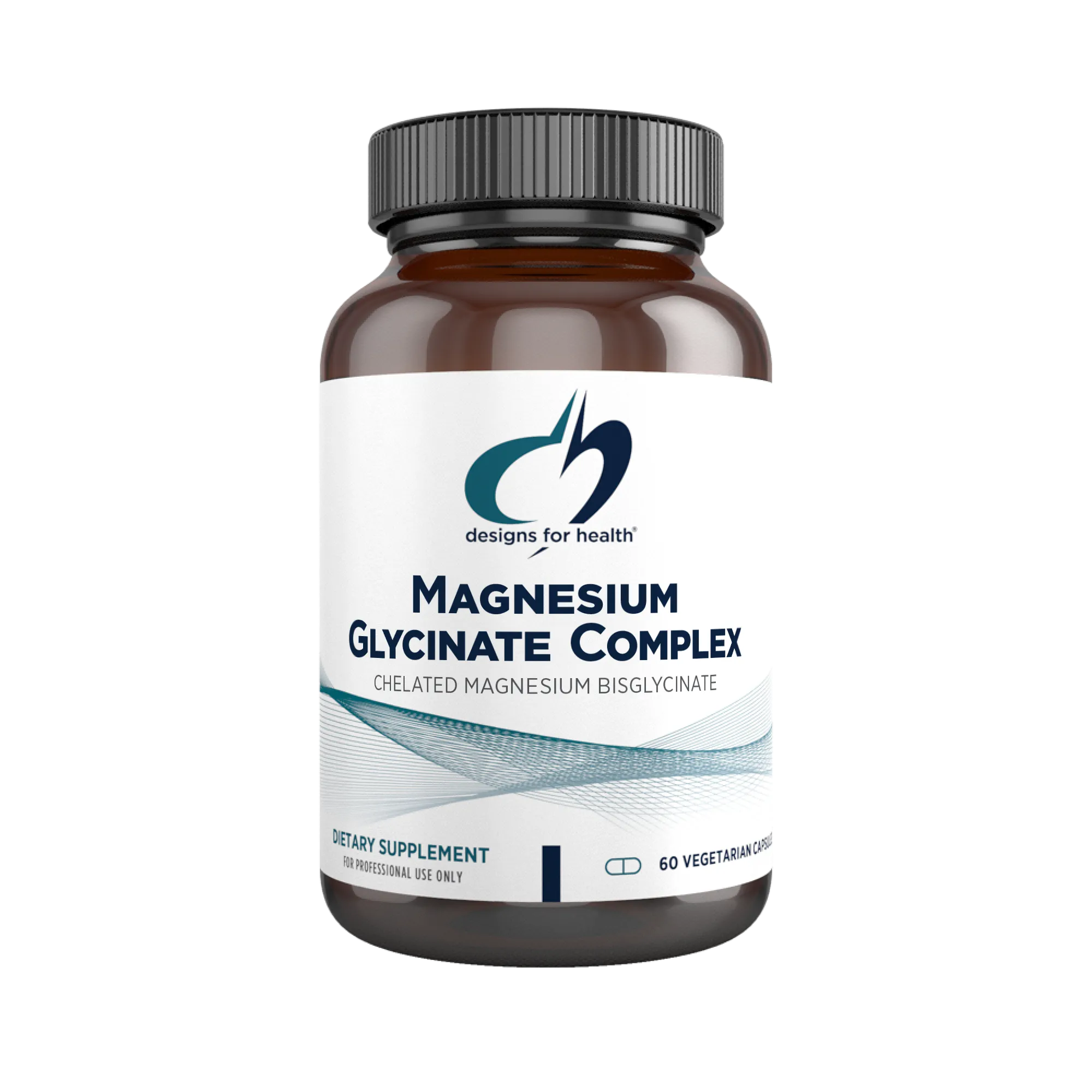
Designs for Health's Magnesium Glycinate Complex provides 150 mg of highly absorbable elemental magnesium per capsule. The suggested use is to take 2 capsules per day (yielding 300 mg of elemental magnesium), or as directed by your healthcare practitioner. This dosage aligns perfectly with the amounts utilized in clinical trials for sleep and anxiety, which typically range from 200 mg to 400 mg of elemental magnesium daily. Because the TRAACS® chelate is so efficiently absorbed, patients often experience clinical benefits at these moderate doses without needing to push toward the upper tolerability limits.
Timing your supplementation can also optimize its benefits. Because of the synergistic calming effects of magnesium and glycine, many practitioners recommend taking the dose 30 to 60 minutes before bedtime to support sleep architecture and reduce nocturnal awakenings. However, if you are using it primarily to manage daytime anxiety, tachycardia, or muscle spasms, the dose can be split—taking one capsule in the morning and one in the evening. Unlike fat-soluble vitamins, magnesium bisglycinate does not strictly need to be taken with food, though doing so can further enhance its gentle GI profile.
Potential Interactions and Safety
While magnesium glycinate is generally recognized as exceptionally safe and well-tolerated, there are practical considerations to keep in mind. Magnesium can interact with certain medications, particularly antibiotics (such as tetracyclines and fluoroquinolones) and bisphosphonates used for osteoporosis. Magnesium can bind to these drugs in the digestive tract, reducing their absorption. Therefore, it is generally recommended to separate your magnesium supplement from these medications by at least two to four hours.
Additionally, individuals with severe renal (kidney) impairment should exercise caution and consult their physician before starting any magnesium supplement, as the kidneys are responsible for excreting excess magnesium from the blood. While the risk of hypermagnesemia (too much magnesium in the blood) is exceedingly rare in individuals with healthy kidney function, it is always crucial to discuss new supplements with your healthcare provider, especially when managing complex, overlapping conditions.

Follow the Science
Clinical Trials in Post-Viral and Autonomic Syndromes
The scientific community is increasingly recognizing the critical role of targeted nutritional interventions in managing post-viral syndromes. A highly relevant review article discusses the current state and future direction of immunotherapies for POTS, autonomic disorders, and Long COVID. This literature underscores the necessity of addressing underlying mechanisms to support neurological recovery in Long COVID.
Furthermore, foundational clinical studies on the TRAACS® bisglycinate chelate have validated its efficacy in populations with severe malabsorption. A landmark crossover trial published in JPEN tested patients who had undergone intestinal resections, severely impairing their ability to absorb nutrients. The study found that while absorption was not different for the two supplements in the group as a whole, magnesium bisglycinate chelate achieved a significantly higher absorption rate compared to magnesium oxide in the patients who showed the greatest impairment of magnesium absorption, suggesting this specific dipeptide transport mechanism may be effective when the gastrointestinal tract is structurally compromised—a crucial finding for dysautonomia patients with severe GI dysmotility.
Evidence for Sleep Architecture Improvement
Validating Superior Bioavailability
The superior bioavailability of the TRAACS® chelate is supported by robust pharmacokinetic data. In vitro cellular studies comparing the absorption rates of various magnesium forms have demonstrated that Albion's magnesium bisglycinate achieves an absorption rate of up to 64%, compared to a mere 8% for magnesium oxide. This data is corroborated by human crossover studies showing that bisglycinate consistently produces higher, more sustained serum magnesium levels over a 24-hour period than inorganic salts, without inducing the osmotic diarrhea that limits the dosing of other forms.
The Path Forward
Validating Your Chronic Illness Journey
Living with Long COVID, ME/CFS, dysautonomia, or MCAS is a profound challenge that tests your physical, mental, and emotional resilience every single day. If you have been struggling with unyielding fatigue, racing heart rates, or sleepless nights, please know that your symptoms are real, they are physiological, and they are valid. The complex biochemical disruptions occurring in your cells—from mitochondrial dysfunction to NMDA receptor overactivation—require compassionate, scientifically grounded approaches, not dismissal. You are not alone in this fight, and finding the right tools to support your body's foundational systems is a critical step forward.
Integrating Magnesium into Your Protocol
While no single supplement is a cure for complex chronic illness, Magnesium Glycinate Complex represents a powerful, evidence-based tool to add to your management protocol. By providing highly bioavailable, GI-friendly magnesium alongside the calming amino acid glycine, this formulation targets the root mechanisms of autonomic overdrive, histamine intolerance, and cellular energy depletion. It is designed to work synergistically with other pacing strategies, dietary adjustments, and medical treatments to help raise your baseline and improve your daily quality of life.
Next Steps for Your Health
As you continue to navigate your healing journey, remember that restoring cellular health takes time and patience. Always consult with your healthcare provider before introducing new supplements, especially to ensure they fit safely within your broader treatment plan and medication schedule. If you are ready to support your nervous system, promote restorative sleep, and replenish your cellular energy stores without the burden of gastrointestinal distress, consider exploring how this targeted formulation can support your unique needs.
Sources
Mechanisms of long COVID and the path toward therapeutics (Cell)
Voltage-dependent block by Mg2+ of NMDA responses in spinal cord neurones (Nature)
The Role of Magnesium on Mast Cell Degranulation in Neuroinflammation (MDPI)
Albion Minerals: The Real Amino Acid Chelate System (Balchem)
Understanding the magnesium market & bioavailability (Nutrition Insight)