Can Magnesium Chelate Support Energy and Calm the Nervous System in Long COVID and ME/CFS?
March 6, 2026
Magnesium ChelateLong COVIDME/CFS
Share:
Disclaimer: The information provided here is for educational purposes only and is not intended as medical advice. It should not be used to diagnose, treat, cure, or prevent any medical condition. Instead, use it as a starting point for discussion with your healthcare provider. Always consult with a qualified healthcare provider before starting any new medication, supplement, device, or making changes to your health regimen.
Months or even years after a viral infection, many individuals find themselves battling a complex web of debilitating symptoms. Whether you have been diagnosed with Long COVID, myalgic encephalomyelitis/chronic fatigue syndrome (ME/CFS), dysautonomia, or mast cell activation syndrome (MCAS), the daily reality often involves profound exhaustion, brain fog, racing heart rates, and unpredictable crashes. When your body feels like it is constantly running on empty, it is natural to search for the missing pieces of the metabolic puzzle. Why does cellular energy production stall? Why does the nervous system remain stuck in "fight or flight" mode?
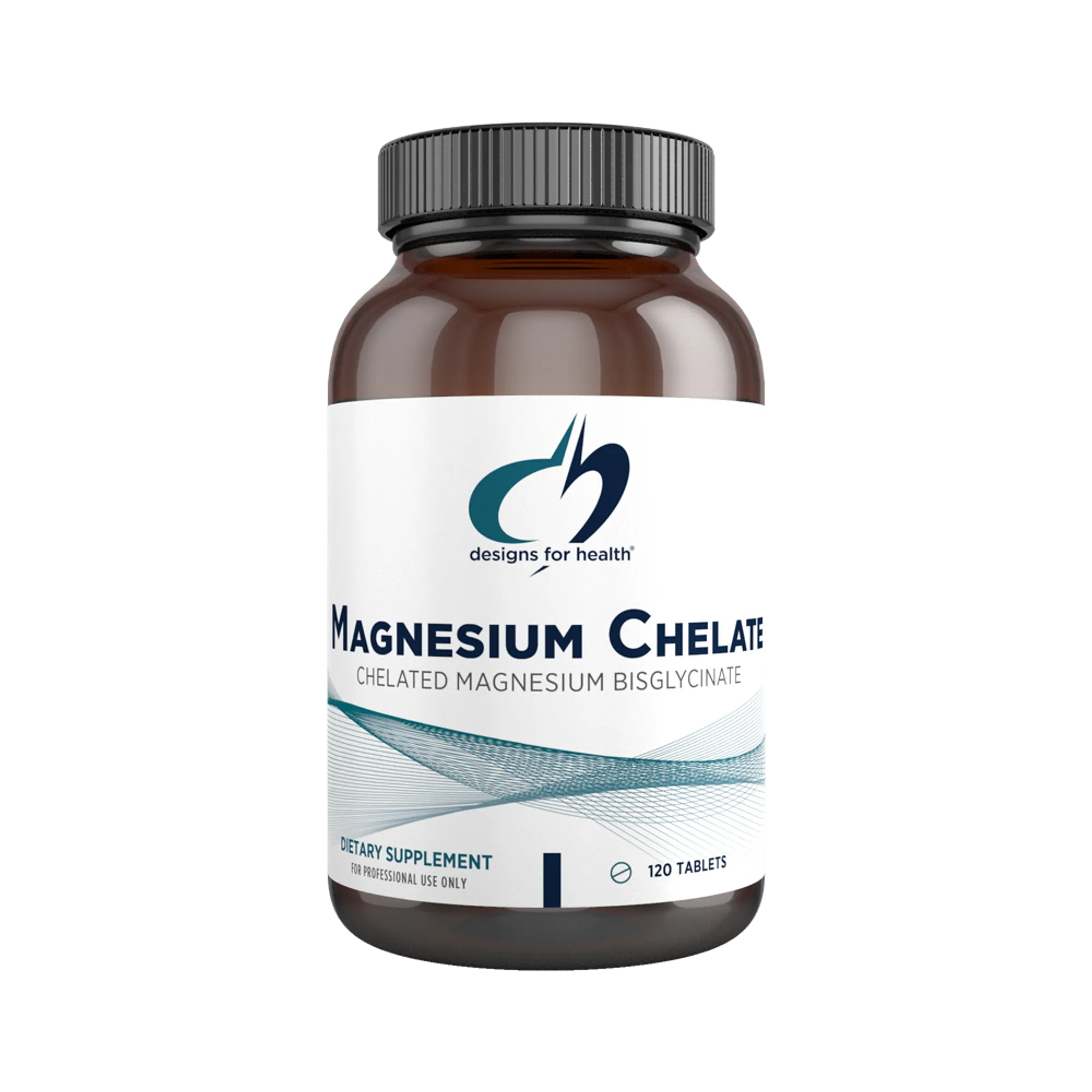
One of the most critical, yet frequently overlooked, pieces of this puzzle is intracellular magnesium. While standard blood tests often show "normal" magnesium levels, these tests only measure the 1% of magnesium floating in your blood serum, completely missing the severe depletion occurring inside your cells and mitochondria. For patients with complex chronic conditions, restoring this vital mineral is not as simple as taking any over-the-counter supplement. The form of magnesium matters immensely. Magnesium Chelate, specifically magnesium bisglycinate, offers a highly bioavailable, scientifically advanced delivery system designed to bypass digestive distress and directly support the precise biochemical pathways disrupted by chronic illness.
TL;DR
Magnesium bisglycinate is a highly absorbable supplement that supports cellular energy and nervous system regulation.
Chronic illnesses like Long COVID and ME/CFS can deplete magnesium, potentially worsening fatigue and inflammation.
Magnesium may help manage symptoms like post-exertional malaise, muscle cramps, and sympathetic overdrive.
Always consult your healthcare provider before starting magnesium, especially if you have MCAS or take medications.
What is Magnesium Chelate?
The Essential Mineral for Over 600 Reactions
Magnesium is an essential intracellular mineral and a mandatory cofactor for over 600 enzymatic reactions in the human body. In fact, an estimated 70% of all bodily enzymes rely on magnesium to function properly. It is the fourth most abundant mineral in the body and the second most abundant inside our cells. In a healthy body, magnesium acts as the master conductor of cellular metabolism, orchestrating everything from DNA and RNA synthesis to protein formation, muscle contraction, and the regulation of vascular tone. Without adequate intracellular magnesium, the fundamental machinery of life begins to slow down, leading to systemic dysfunction.
Perhaps its most profound and critical biological role lies in cellular energy metabolism. Magnesium is the literal gatekeeper of energy production. It is required for the generation, stabilization, and utilization of cellular energy through both cytosolic glycolysis and mitochondrial oxidative phosphorylation. Furthermore, magnesium serves as a natural calcium channel blocker, regulating the flow of calcium into cells. This delicate balance between calcium (which excites cells and triggers muscle contractions or nerve firing) and magnesium (which relaxes cells and halts the firing) is essential for maintaining a calm, stable autonomic nervous system.
The Science of Chelation: Magnesium Bisglycinate
When we talk about Magnesium Chelate, we are specifically referring to a chemically engineered form known as magnesium bisglycinate (or magnesium glycinate). In chemistry, the term "chelation" refers to a process where a mineral ion is firmly bound to an organic molecule. In this specific formulation, one elemental magnesium ion (Mg²⁺) is chemically bonded to two molecules of glycine. Glycine is the smallest and simplest amino acid in the human body, and it plays a vital role as an inhibitory neurotransmitter in the central nervous system.
This dual-binding process creates a protective "chelation ring" around the magnesium ion. This stable, neutral, and highly resilient complex protects the magnesium from prematurely breaking down in the harsh, acidic environment of the stomach. Furthermore, because the magnesium is shielded by the glycine molecules, it does not bind to dietary absorption-inhibitors found in the digestive tract, such as phytates from grains, oxalates from leafy greens, or tannins from tea. This protection ensures that the magnesium survives the journey through the stomach and arrives intact at the small intestine, ready for optimal absorption.
The Di-Peptide Transport "Fast Lane"
The way magnesium bisglycinate enters the bloodstream is fundamentally different from standard inorganic magnesium supplements, such as magnesium oxide, citrate, or sulfate. Inorganic forms rely on stomach acid to separate the magnesium ion from its salt compound. Once separated, the free Mg²⁺ ions must absorb via passive diffusion through standard mineral ion channels in the small intestine. These channels are easily saturated and highly competitive; magnesium must fight for absorption alongside calcium, zinc, and iron. As a result, much of the inorganic magnesium is left unabsorbed in the gut, where it attracts water into the colon via osmosis, causing the infamous laxative effect (diarrhea and cramping).
Magnesium bisglycinate completely bypasses this competitive bottleneck. Because the magnesium is hidden inside two amino acids, the intestinal lining does not recognize it as a standard mineral. Instead, the body identifies the compound as a di-peptide (a small protein). It is therefore transported directly across the intestinal epithelium using the di-peptide transport pathway. This active, dedicated "fast lane" is highly efficient. Because the chelated magnesium is swept out of the gut and into the bloodstream intact, it leaves virtually no residual magnesium in the intestinal lumen. This renders magnesium bisglycinate extremely gentle on the stomach, providing maximum cellular delivery with practically zero gastrointestinal distress.
How Complex Chronic Illness Impacts Magnesium Levels
The Viral Drain: Long COVID and Magnesium Depletion
The onset of Long COVID is often characterized by a perfect storm of chronic inflammation, persistent viral reservoirs, immune dysregulation, and severe oxidative stress. When the body is fighting a prolonged immunological battle, it rapidly burns through its intracellular nutrient stores. Research has uncovered a strong link between magnesium deficiency, the severity of acute COVID-19, and the subsequent development of post-acute sequelae. During the acute infection phase, the massive release of pro-inflammatory cytokines (the "cytokine storm") causes a rapid intracellular shift and renal excretion of magnesium, leaving the patient severely depleted.
This depletion creates a vicious cycle. Magnesium is inherently anti-inflammatory; it regulates the NF-κB pathway, which controls the expression of inflammatory genes. When magnesium levels drop, the brakes are taken off the immune system, leading to unbridled, chronic inflammation. Furthermore, low magnesium creates a pro-thrombotic (blood-clotting) environment. Given that microclots and endothelial dysfunction are hallmark drivers of Long COVID pathophysiology, a lack of magnesium exacerbates poor blood flow, restricting oxygen and vital nutrients from reaching the brain and muscles, thereby deepening fatigue and cognitive dysfunction.
ME/CFS and the Mitochondrial Energy Crisis
For individuals living with myalgic encephalomyelitis/chronic fatigue syndrome (ME/CFS), the core feature of the illness is post-exertional malaise (PEM)—a severe, disproportionate exacerbation of symptoms following minimal physical or cognitive effort. This phenomenon is deeply rooted in mitochondrial dysfunction. The mitochondria are the powerhouses of the cells, responsible for generating adenosine triphosphate (ATP). In ME/CFS, the mitochondrial machinery is often impaired, forcing the body to rely on inefficient, anaerobic (oxygen-free) energy production, which generates toxic byproducts like lactic acid and causes profound muscle burning and exhaustion.
Because the mitochondria are struggling to produce energy, the cellular demand for magnesium skyrockets. The body desperately tries to force the enzymatic pathways of the Krebs cycle to turn, burning through whatever intracellular magnesium is left. As magnesium stores are depleted, the very enzymes needed to make ATP begin to fail. This creates a catastrophic energy crisis: the body cannot make energy because it lacks magnesium, and it cannot absorb or utilize new nutrients effectively because cellular transport mechanisms require ATP to function. Breaking this deadlock requires highly bioavailable magnesium that can penetrate the cell membrane without requiring excessive energy expenditure.
Dysautonomia, POTS, and Sympathetic Overdrive
Dysautonomia, particularly postural orthostatic tachycardia syndrome (POTS), involves a severe dysfunction of the autonomic nervous system. Patients with POTS frequently experience an exaggerated heart rate increase upon standing, accompanied by palpitations, dizziness, and blood pooling in the lower extremities. To compensate for poor blood return to the heart, the nervous system dumps massive amounts of adrenaline and norepinephrine into the bloodstream. This traps the patient in a chronic state of sympathetic overdrive—a perpetual "fight or flight" response.
This constant surge of catecholamines (stress hormones) is incredibly taxing on the body's mineral reserves. Adrenaline actively drives magnesium out of the cells and into the blood serum, where it is quickly filtered by the kidneys and excreted in the urine. As a result, POTS patients often suffer from chronic intracellular hypomagnesemia. Without enough magnesium to act as a natural calcium channel blocker, the nervous system becomes hyper-excitable. Nerves fire too easily, blood vessels spasm, and the heart muscle struggles to relax fully between beats (diastolic dysfunction), leading to the bounding pulse and severe chest discomfort so frequently reported in dysautonomia.
Magnesium Chelate: Supporting Energy, Nerves, and Mast Cells
Powering the Mitochondria and the Mg-ATP Complex
To understand how magnesium chelate supports energy levels, we must look at the molecular biology of ATP. A common misconception is that ATP acts alone as the body's energy currency. In reality, isolated ATP is highly unstable due to the dense, mutually repulsive negative charges on its three phosphate groups. Magnesium (Mg²⁺) binds directly to the oxygen atoms of these phosphate groups, neutralizing the negative charge and stabilizing the molecule. Therefore, the biologically active form of energy in the human body is actually the Mg-ATP²⁻ complex. Enzymes that utilize or synthesize energy cannot process naked ATP; they specifically require the Mg-ATP complex to function.
Magnesium's role begins in the cytosol during glycolysis, the first step in harnessing energy from carbohydrates. The crucial rate-limiting enzymes of glycolysis—such as hexokinase, phosphofructokinase, and pyruvate kinase—are completely dependent on the Mg-ATP complex to transfer phosphate groups and trap glucose inside the cell. Other glycolytic enzymes, like enolase, require magnesium to bind directly to their structure, acting as an allosteric activator required for catalytic function. By supplying highly absorbable magnesium bisglycinate, you are directly providing the necessary cofactors to support stalled glycolytic pathways.
Inside the mitochondria, magnesium is even more critical. The concentration of magnesium is ten-fold higher inside the mitochondrial matrix than in the cytosol. Here, magnesium directly supports the Krebs (TCA) cycle by acting as a required cofactor for vital dehydrogenases, specifically pyruvate dehydrogenase, α-ketoglutarate dehydrogenase, and isocitrate dehydrogenase. Furthermore, the final step of oxidative phosphorylation is catalyzed by mitochondrial ATP synthase, whose activity is specifically dependent on magnesium. Finally, the cell must swap spent ADP from the cytosol for fresh ATP generated in the mitochondria via the Adenine Nucleotide Translocase (ANT) channel, a process heavily reliant on magnesium gradients. Supplementing with magnesium chelate helps support these gradients, directly addressing the profound fatigue of Long COVID and ME/CFS.
Calming the Autonomic Nervous System
For patients battling the sympathetic overdrive of dysautonomia and POTS, magnesium bisglycinate offers a targeted, dual-action approach to calming the nervous system. First, the elemental magnesium acts as a potent, natural calcium channel blocker. In nerve cells, the NMDA (N-methyl-D-aspartate) receptor is responsible for excitatory signaling. When open, it allows calcium to flood into the neuron, causing it to fire. Magnesium physically sits inside the NMDA receptor channel, blocking the influx of calcium and reducing the likelihood of the nerve over-firing. This effectively raises the threshold for neurological stimulation, reducing the hyper-excitability that causes palpitations, tremors, and sensory overload.
The second mechanism of action comes from the chelation agent itself: glycine. As the magnesium bisglycinate molecule is metabolized, the glycine is released into the bloodstream. Glycine is a powerful inhibitory neurotransmitter in the central nervous system. It binds to glycine receptors in the brainstem and spinal cord, promoting the influx of chloride ions, which hyperpolarizes the neuron and makes it less likely to fire. This supports the parasympathetic (rest and digest) nervous system, lowers core body temperature, and promotes a profound state of calm. This synergistic "magnesium plus glycine" effect makes this specific supplement incredibly helpful for managing the severe insomnia and nocturnal adrenaline dumps common in Long COVID recovery.
Mast Cell Stabilization and Histamine Clearance
Mast cell activation syndrome (MCAS) frequently co-occurs with Long COVID, ME/CFS, and POTS. Mast cells are immune cells that store inflammatory mediators, including histamine. When triggered, they "degranulate," dumping these chemicals into the body and causing systemic allergic-type reactions, brain fog, and vascular permeability. The process of degranulation is entirely dependent on a massive influx of intracellular calcium. Because magnesium blocks these calcium channels, maintaining high intracellular magnesium levels is a foundational strategy for stabilizing mast cell membranes and reducing the likelihood of inappropriate degranulation.
Furthermore, magnesium is strictly required for the enzymatic breakdown and clearance of histamine. Once histamine is released into the bloodstream or ingested through food, it must be metabolized by two primary enzymes: Diamine Oxidase (DAO) in the gut, and Histamine N-Methyltransferase (HNMT) in the intracellular space and central nervous system. Both DAO and HNMT are magnesium-dependent enzymes. Without adequate magnesium, the production and function of these enzymes plummet, leading to a dangerous accumulation of histamine in the body. By replenishing magnesium stores with a highly absorbable chelate, patients can support their body's natural ability to clear histamine and manage the severity of MCAS flares.

Symptoms Magnesium Chelate May Help Manage
Targeted Symptom Relief
Because magnesium is involved in such a vast array of biochemical processes, restoring intracellular levels with a highly bioavailable chelate can have a widespread impact on the complex symptom clusters seen in chronic illness. While it is not a magic fix, clinical experience and research suggest that Magnesium Chelate may help manage the following symptoms:
Profound Fatigue and PEM: By providing the mandatory cofactor for the Mg-ATP complex, hexokinase, and mitochondrial ATP synthase, magnesium directly supports cellular energy production and helps mitigate the severity of post-exertional crashes.
Muscle Cramps, Spasms, and Twitching: Magnesium acts as a natural calcium channel blocker, limiting the excessive calcium influx that causes muscle fibers to lock up, thereby promoting healthy muscle relaxation and reducing widespread pain.
Palpitations and Tachycardia: By calming the hyper-excitable autonomic nervous system and supporting diastolic relaxation of the heart muscle, magnesium helps blunt the severe sympathetic surges and bounding pulse seen in POTS and dysautonomia.
Insomnia and Unrefreshing Sleep: The synergistic combination of magnesium (which regulates melatonin and blocks excitatory NMDA receptors) and glycine (an inhibitory neurotransmitter that lowers body temperature) deeply supports restorative sleep architecture.
Brain Fog and Cognitive Dysfunction: By supporting endothelial function, reducing micro-vascular spasms, and aiding in the clearance of neurotoxic histamine via the HNMT enzyme, magnesium helps support cerebral blood flow and neurological clarity.
Anxiety and "Wired but Tired" Sensations: Magnesium restricts the release of stress hormones like cortisol and boosts the production of GABA (a calming neurotransmitter), helping to shift the body out of a chronic state of "fight or flight."
Practical Considerations: Forms, Dosing, and Absorption
Bioavailability: Chelate vs. Oxide
When selecting a magnesium supplement, bioavailability—the proportion of the nutrient that actually enters the systemic circulation—is the most critical factor. As discussed, inorganic forms like magnesium oxide are notoriously poorly absorbed. A highly cited comparative absorption study led by Graff et al. at Weber State University evaluated patented magnesium amino acid chelates against other forms. The study found that the chelated magnesium had 8.8 times greater absorption than magnesium oxide, and 5.6 times greater absorption than magnesium sulfate.
This massive difference in absorption is due to the di-peptide transport pathway. In vitro studies utilizing Caco-2 human intestinal cell models confirm that amino acid chelates exhibit significantly higher intestinal permeability and cellular uptake than inorganic salts, primarily due to their water solubility and molecular stability. Because magnesium bisglycinate is absorbed so efficiently, it does not draw water into the colon. This means patients can achieve the high therapeutic doses required to correct severe intracellular deficiencies without experiencing the debilitating diarrhea and gastrointestinal distress associated with cheaper magnesium supplements.
Dosing and Timing for Optimal Results
For general wellness, the standard supplemental dose of magnesium bisglycinate is typically 200 mg to 400 mg of elemental magnesium per day. However, patients with severe depletion due to Long COVID or ME/CFS may require higher doses under the guidance of a healthcare practitioner. Because magnesium bisglycinate has a profound calming effect on the nervous system, it is generally recommended to take the supplement in the evening, roughly one to two hours before bed, to maximize its benefits for sleep architecture and insomnia relief.
While magnesium bisglycinate is highly stable and does not compete heavily with other minerals for absorption, it is still best practice to take it away from high-dose calcium or iron supplements to ensure maximum cellular uptake. Additionally, magnesium can interact with certain medications. It can bind to certain antibiotics (like tetracyclines and fluoroquinolones), reducing their absorption, and it may potentiate the effects of blood pressure medications or muscle relaxants. Always space magnesium at least two hours apart from prescription medications.
The "Glycine Paradox" in MCAS Patients
While magnesium bisglycinate is widely considered the gold standard for absorption and neurological calming, there is an important clinical caveat for patients with severe Mast Cell Activation Syndrome (MCAS) or histamine intolerance. In a healthy body, the glycine in the chelate acts as a soothing, inhibitory neurotransmitter. However, in a subset of highly sensitive MCAS patients—often those with specific genetic mutations, neuroinflammation, or severe gut dysbiosis—the body can paradoxically convert excess glycine into glutamate.
Glutamate is a highly excitatory neurotransmitter. When glycine converts to glutamate, it can activate NMDA receptors, cause nervous system hyper-arousal, and directly trigger mast cell degranulation, leading to increased anxiety, insomnia, and histamine flares. Furthermore, glycine can sometimes be metabolized into oxalates, which are known triggers for mast cell activation and joint pain. If you have severe MCAS and find that magnesium bisglycinate makes you feel "wired," anxious, or itchy, you may be experiencing this glycine paradox. In such cases, switching to a non-glycine form, such as magnesium malate or transdermal magnesium chloride, may be necessary.

Follow the Science
Clinical Trials in Long COVID
The scientific community is increasingly exploring the role of nutrition in health and recovery. While targeted nutritional strategies are an active area of research in aging and chronic-illness populations alike, specific studies confirming magnesium's direct role in Long COVID pathophysiology require further targeted research.
Furthermore, while biochemical research continues to expand across various fields, robust, large-scale clinical trials specifically evaluating magnesium and Vitamin D supplementation for Long COVID depression are still needed. Patients should rely on emerging, condition-specific clinical data and consult their healthcare providers when considering new supplements for neurological symptoms.
Evidence in ME/CFS and Dysautonomia
The connection between magnesium and chronic fatigue has been studied for decades. The most famous clinical trial on this topic was a landmark double-blind, randomized, placebo-controlled trial published in The Lancet by Cox et al. in 1991. The researchers found that ME/CFS patients had significantly lower red blood cell magnesium levels than healthy controls. When 32 patients were given either an intramuscular magnesium injection or a placebo for six weeks, 12 out of 15 patients treated with magnesium reported significantly improved energy levels, better emotional states, and less pain, compared to only 3 out of 17 in the placebo group.
In the realm of dysautonomia, large-scale randomized trials on magnesium as a standalone management strategy for POTS are still needed. However, patient advocacy organizations like Standing Up to POTS provide educational resources on underlying nutrient imbalances and nutrition strategies for managing symptoms. While some clinical observations suggest magnesium may help support the nervous system, patients should work with their care team to evaluate if magnesium supplementation is appropriate for their specific orthostatic symptoms.
The Path Forward
Integrating Magnesium into Your Protocol
Living with a complex chronic illness like Long COVID, ME/CFS, or dysautonomia is an exhausting, full-time job. When your body is trapped in a cycle of mitochondrial dysfunction and sympathetic overdrive, it is incredibly validating to understand the biochemical reasons why you feel the way you do. Your fatigue is not in your head; it is a measurable, physiological energy crisis at the cellular level. While no single supplement is a magic fix, restoring your intracellular magnesium levels with a highly bioavailable form like magnesium bisglycinate is a foundational step in rebuilding your metabolic machinery.
Supplements are most effective when utilized as part of a comprehensive, multi-disciplinary management strategy. Magnesium Chelate should be paired with aggressive radical resting, strict pacing to avoid post-exertional malaise, nervous system regulation techniques, and proper hydration and sodium loading for those with dysautonomia and POTS. By providing your cells with the literal building blocks required for the Mg-ATP complex and neurotransmitter balance, you are giving your body the biological support it needs to begin the slow, non-linear process of healing.
Consult Your Care Team
Because chronic illness involves complex, overlapping system dysfunctions, it is crucial to approach supplementation safely. Always consult with your healthcare provider or a specialist familiar with Long COVID and ME/CFS before starting any new supplement, especially if you have kidney dysfunction, are taking antibiotics, or are on blood pressure medications. Your provider can help you determine the optimal dosage and monitor your progress.