Can Magnesium Citrate Support Sleep and Digestion in Long COVID and ME/CFS?
March 6, 2026
Magnesium CitrateLong COVIDME/CFS
Share:
Disclaimer: The information provided here is for educational purposes only and is not intended as medical advice. It should not be used to diagnose, treat, cure, or prevent any medical condition. Instead, use it as a starting point for discussion with your healthcare provider. Always consult with a qualified healthcare provider before starting any new medication, supplement, device, or making changes to your health regimen.
Living with complex chronic conditions like Long COVID, myalgic encephalomyelitis/chronic fatigue syndrome (ME/CFS), and dysautonomia often feels like navigating a labyrinth of unpredictable symptoms. From crushing fatigue and unrefreshing sleep to stubborn gastrointestinal issues, the daily reality can be overwhelming and isolating. Many patients find themselves trapped in a cycle where poor sleep exacerbates fatigue, and autonomic dysfunction slows digestion to a halt, making it incredibly difficult to find a baseline of stability.
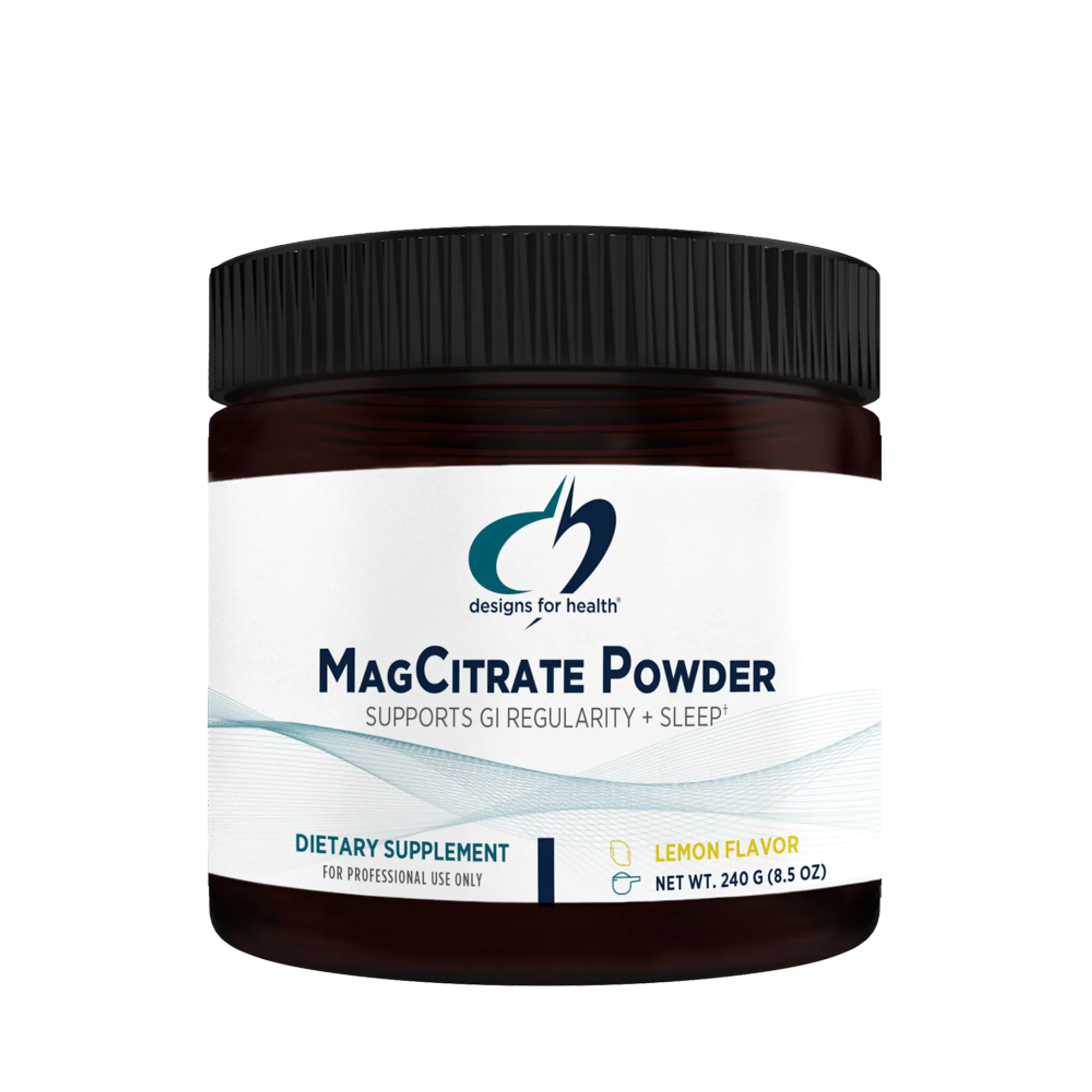
In the search for relief, understanding the foundational biochemistry of the body can offer empowering insights. Magnesium, a crucial mineral responsible for hundreds of enzymatic reactions, frequently becomes depleted in states of chronic illness and prolonged physiological stress. By exploring highly bioavailable forms like MagCitrate Powder, we can begin to understand how targeted nutritional support might help restore balance to the nervous system, promote restful sleep, and encourage healthy bowel regularity.
What is Magnesium Citrate?
The Foundation of Cellular Energy
Magnesium is the fourth most abundant mineral in the human body, serving as a mandatory cofactor for over 600 distinct enzymatic reactions. At the most fundamental cellular level, magnesium is inextricably linked to energy production. The body's primary energy currency, adenosine triphosphate (ATP), must bind to a magnesium ion to become biologically active. Without this magnesium-ATP complex, the mitochondria—the powerhouses of our cells—cannot effectively synthesize or utilize energy, leading to profound cellular exhaustion. This biochemical reality is particularly relevant for individuals experiencing the debilitating fatigue associated with complex chronic illnesses.
Beyond energy synthesis, magnesium plays a critical role in maintaining the structural integrity of cell membranes and regulating ion transport across them. It acts as a gatekeeper for calcium and potassium channels, ensuring that electrical signals are transmitted smoothly along nerve and muscle fibers. When magnesium levels are optimal, these ion channels open and close with precision, allowing for coordinated muscle contractions and stable nerve firing. Conversely, a deficiency can lead to erratic electrical signaling, manifesting as muscle twitches, spasms, and neurological hyperexcitability.
The Role of the Citrate Molecule
In the realm of nutritional supplements, the specific chemical form of a mineral dictates how it behaves in the body. MagCitrate Powder provides magnesium in the form of an organic salt created by binding elemental magnesium to citric acid. This binding is crucial because elemental magnesium alone is highly unstable and poorly absorbed by the human gastrointestinal tract. Citric acid is a naturally occurring compound that plays a central role in the Krebs cycle (also known as the citric acid cycle), which is the primary metabolic pathway our mitochondria use to generate ATP.
By attaching magnesium to citrate, the resulting compound becomes highly soluble in water, which significantly enhances its bioavailability compared to inorganic forms like magnesium oxide. When ingested, the magnesium citrate complex easily dissociates in the acidic environment of the stomach, freeing the magnesium ions for absorption in the small intestine. Furthermore, the citrate molecule itself can be taken up by cells and utilized directly within the Krebs cycle, providing an additional layer of metabolic support for energy-depleted tissues.
Neuromuscular and Systemic Regulation
Once absorbed into the bloodstream, magnesium exerts widespread regulatory effects across multiple physiological systems. In the cardiovascular system, it helps maintain endothelial health—the delicate inner lining of blood vessels—by promoting the release of nitric oxide, a potent vasodilator that keeps blood vessels relaxed and flexible. This vasodilatory effect is essential for maintaining healthy blood pressure and ensuring adequate blood flow to the brain and peripheral tissues.
In the central nervous system, magnesium acts as a neuroprotectant by modulating the activity of excitatory neurotransmitters. It prevents the overstimulation of neurons, which is a common feature of neuroinflammatory conditions. Additionally, magnesium is required for the synthesis of crucial molecules like DNA, RNA, and the antioxidant glutathione. By supporting these foundational processes, magnesium helps the body repair cellular damage, neutralize free radicals, and maintain a robust defense against the oxidative stress that often accompanies chronic illness.
How Chronic Illness Impacts Magnesium Levels
Viral Persistence and Oxidative Stress in Long COVID
The pathophysiology of Long COVID involves a complex interplay of immune dysregulation, viral persistence, and chronic systemic inflammation. Following the acute phase of a SARS-CoV-2 infection, many patients experience a prolonged state of oxidative stress, where the production of harmful free radicals outpaces the body's antioxidant defenses. This relentless oxidative burden rapidly depletes intracellular magnesium stores, as the mineral is heavily consumed during the synthesis of glutathione and other protective enzymes. This depletion can cripple the immune system's ability to resolve inflammation, trapping the patient in a vicious cycle of cellular damage and fatigue.
Furthermore, Long COVID is frequently characterized by endothelial dysfunction and microclotting, where tiny blood clots impair oxygen delivery to tissues. Magnesium is vital for maintaining endothelial integrity and preventing the hyperactivation of platelets. When magnesium levels drop, platelets become more "sticky" and prone to aggregation, exacerbating the microclotting cascade. This vascular compromise not only drives symptoms like brain fog and muscle pain but also places additional strain on the cardiovascular system, highlighting the critical need for adequate magnesium repletion in post-viral recovery.
Mitochondrial Dysfunction in ME/CFS
For individuals living with myalgic encephalomyelitis/chronic fatigue syndrome (ME/CFS), the cellular energy crisis is a defining feature of the illness. The hallmark symptom of ME/CFS is post-exertional malaise (PEM), a severe exacerbation of symptoms following minimal physical or cognitive exertion. This phenomenon is deeply rooted in mitochondrial dysfunction. In a healthy body, the mitochondria seamlessly ramp up ATP production to meet increased energy demands. However, in ME/CFS, the mitochondria struggle to utilize oxygen efficiently, forcing the cells to rely on anaerobic metabolism, which generates lactic acid and provides very little ATP.
Magnesium deficiency severely compounds this mitochondrial impairment. Because ATP must exist as a magnesium-ATP complex to be utilized by the body, a lack of intracellular magnesium renders whatever small amount of ATP the mitochondria do produce biologically inactive. Studies have indicated that ME/CFS patients often exhibit abnormal pooling of free magnesium in their muscle tissues, suggesting a profound metabolic block where the mineral cannot properly enter the mitochondria. This intracellular starvation contributes directly to the heavy, leaden feeling in the limbs and the delayed recovery times characteristic of PEM.
Autonomic Overdrive in Dysautonomia and POTS
Dysautonomia, particularly postural orthostatic tachycardia syndrome (POTS), involves a severe dysregulation of the autonomic nervous system. Patients with POTS frequently experience a state of sympathetic overdrive, where the "fight-or-flight" branch of the nervous system is chronically activated. This leads to surges of adrenaline and norepinephrine, causing rapid heart rates (tachycardia), palpitations, tremors, and profound anxiety. The constant flood of excitatory catecholamines places an enormous metabolic demand on the body, rapidly burning through available nutrient reserves, including magnesium.
Magnesium acts as a natural counterbalance to this sympathetic hyperactivation. It functions as a physiological calcium channel blocker, preventing the excessive influx of calcium into heart and muscle cells that triggers rapid, forceful contractions. By modulating these ion channels, magnesium helps calm the electrical conduction system of the heart, potentially reducing the severity of tachycardic episodes. Additionally, chronic sympathetic overdrive can lead to mild diastolic dysfunction—a stiffening of the heart muscle that impairs its ability to fill with blood. Magnesium supports the relaxation phase of the cardiac cycle, which is crucial for patients managing the cardiovascular complexities of POTS. You can learn more about managing these daily challenges in our guide on How to Maintain Your Independence with Chronic Illness.
Magnesium Citrate: Supporting Sleep, Bowels, and Muscles
Modulating Neurotransmitters for Restful Sleep
One of the most profound benefits of magnesium citrate is its ability to support deep, restorative sleep by directly modulating the brain's neurotransmitter landscape. To transition from wakefulness to sleep, the brain must quiet its excitatory pathways and activate its inhibitory, calming circuits. Magnesium acts as a powerful "Sleep Architect" by binding to and activating receptors for gamma-aminobutyric acid (GABA), the primary inhibitory neurotransmitter in the central nervous system. By facilitating GABA activity, magnesium helps hyperpolarize neurons, effectively dialing down the electrical "noise" in the brain and promoting a state of profound relaxation conducive to sleep onset.
Simultaneously, magnesium acts as a natural voltage-dependent antagonist to N-methyl-D-aspartate (NMDA) receptors. Glutamate, an excitatory neurotransmitter, binds to NMDA receptors to keep the brain alert and awake. Magnesium physically sits inside the NMDA receptor channel, blocking the influx of calcium and preventing glutamate from overstimulating the nervous system. By boosting calming GABA and blocking stimulating NMDA, magnesium citrate helps optimize sleep architecture, particularly increasing the duration of slow-wave (deep) sleep, which is often severely fragmented in chronic illness.
Osmotic Action and Gut Motility
Gastrointestinal dysfunction, particularly chronic constipation and delayed gastric emptying (gastroparesis), is incredibly common among patients with dysautonomia and ME/CFS. Magnesium citrate offers targeted support for these issues through a mechanism known as osmosis. Because the intestinal lining only absorbs a portion of the ingested magnesium, the unabsorbed citrate and magnesium ions remain in the lumen of the gut. This creates a hyperosmotic environment, prompting the body to draw water from surrounding tissues into the intestines to balance the concentration gradient.
This influx of water serves two critical functions. First, it thoroughly hydrates and softens the stool, making it easier to pass without straining. Second, the increased volume of water physically distends (stretches) the intestinal walls. This stretching activates mechanoreceptors in the enteric nervous system, triggering peristalsis—the rhythmic, wave-like muscular contractions that propel waste through the colon. Furthermore, magnesium stimulates the release of cholecystokinin (CCK) and activates nitric oxide synthase (NOS) in the gut, biochemical pathways that actively promote healthy fluid secretion and accelerate intestinal transit times.
Muscle Relaxation and Calcium Channel Blocking
Muscle pain, cramping, and tension are ubiquitous in the chronic illness community, often exacerbated by the physical stress of simply trying to hold the body upright against gravity. Magnesium plays an indispensable role in neuromuscular function by regulating the contraction and relaxation cycle of muscle fibers. When a nerve impulse signals a muscle to contract, calcium floods into the muscle cell, binding to proteins that cause the muscle fibers to slide together and shorten.
Once the contraction is complete, magnesium is required to actively pump the calcium back out of the cell, allowing the muscle fibers to release and lengthen. If magnesium levels are insufficient, calcium remains trapped inside the cell, leading to prolonged, involuntary contractions, spasms, and painful cramps. By acting as a natural calcium channel blocker, magnesium citrate ensures that muscles can fully relax after exertion. This mechanism is particularly beneficial for alleviating the muscle tightness associated with physical crashes and reducing the disruptive symptoms of restless legs syndrome (RLS) that frequently interfere with nighttime rest.

Symptoms Magnesium Citrate May Help Manage
Gastrointestinal and Sleep Disturbances
Occasional Constipation: By drawing water into the intestines via an osmotic gradient, magnesium citrate softens stool and triggers the peristaltic contractions necessary for healthy, regular bowel movements.
Delayed Gut Motility: Magnesium stimulates the release of digestive hormones like cholecystokinin (CCK), which helps accelerate transit times for those struggling with sluggish digestion related to autonomic dysfunction.
Difficulty Falling Asleep (Sleep Latency): By binding to calming GABA receptors, magnesium helps quiet a racing mind and hyperactive nervous system, making it easier to transition into the first stages of sleep.
Frequent Nighttime Awakenings: By blocking excitatory NMDA receptors, magnesium prevents glutamate-driven micro-arousals, helping patients stay asleep and achieve deeper, more restorative slow-wave sleep cycles.
Muscular and Neurological Symptoms
Muscle Cramps and Spasms: Magnesium acts as a natural calcium channel blocker, actively pumping calcium out of muscle cells to allow tight, contracted muscle fibers to fully relax and release.
Restless Legs Syndrome (RLS): By calming neuromuscular excitability, magnesium can significantly reduce the uncomfortable, creeping sensations and involuntary leg movements that disrupt rest.
Heart Palpitations: By modulating electrical conduction in the heart and opposing excess sympathetic adrenaline, magnesium helps stabilize heart rhythms and reduce the sensation of a pounding chest.
Physical Tension from Stress: Magnesium helps regulate the hypothalamic-pituitary-adrenal (HPA) axis, lowering nocturnal cortisol output and shifting the body from a "fight-or-flight" state into a "rest-and-digest" parasympathetic state.
Practical Considerations: Forms, Dosing, and Absorption
Understanding Bioavailability and Absorption Rates
When selecting a magnesium supplement, understanding bioavailability is paramount. Bioavailability refers to the proportion of the ingested nutrient that actually enters systemic circulation and is able to have an active effect. Inorganic salts like magnesium oxide have notoriously poor bioavailability, with studies consistently showing that only 4% to 15% is absorbed. The vast majority remains in the gut, which is why oxide is primarily used as an aggressive, acute laxative rather than a systemic cellular replenisher.
In contrast, magnesium citrate is an organic salt with a significantly higher absorption rate, generally estimated around 30%. Its high solubility in water allows it to be easily broken down in the stomach and passively absorbed through the intestinal lining. This makes it an excellent "dual-action" choice: it absorbs well enough to effectively raise intracellular magnesium levels for sleep and muscle support, while leaving just enough in the digestive tract to provide gentle, reliable osmotic support for daily bowel regularity.
Optimal Dosing and Timing Strategies
Because magnesium citrate is provided in a powder form, it offers exceptional dosing flexibility, allowing patients to titrate their intake based on their unique physiological needs. The suggested use for MagCitrate Powder is typically 4 grams (approximately one scoop), which delivers 300 mg of elemental magnesium. For those with highly sensitive digestive systems, it is often recommended to start with a quarter or half scoop and slowly increase the dose over several weeks to allow the bowels to adjust to the osmotic effect.
Timing is also a critical factor in maximizing the benefits of supplementation. If the primary goal is to support restorative sleep and calm the nervous system, taking the powder mixed in water 30 to 60 minutes before bedtime is ideal. This allows sufficient time for the magnesium to be absorbed, cross the blood-brain barrier, and begin modulating GABA and NMDA receptors. If the primary goal is bowel regularity, taking it in the evening ensures that the osmotic hydration process occurs overnight, typically resulting in a gentle, predictable bowel movement the following morning.
Potential Interactions and Contraindications
While magnesium is generally very safe, it does carry specific clinical considerations. Because the kidneys are responsible for filtering and excreting excess magnesium from the bloodstream, individuals with severe renal impairment or chronic kidney disease must consult their physician before supplementing, as they are at risk for hypermagnesemia (magnesium toxicity). Symptoms of toxicity can include severe hypotension (low blood pressure), respiratory depression, and cardiac arrhythmias.
Additionally, magnesium can interact with certain prescription medications. The alkaline environment created by magnesium in the gut can bind to specific drugs, significantly reducing their absorption. This is particularly true for certain classes of antibiotics, such as fluoroquinolones (e.g., ciprofloxacin) and tetracyclines (e.g., doxycycline), as well as bisphosphonates used for osteoporosis. To prevent these interactions, clinical guidelines recommend separating the intake of magnesium citrate from these medications by at least two to four hours. Always consult your healthcare provider to review your current medication list before introducing a new supplement.

Follow the Science
Clinical Evidence in Post-Viral Syndromes
The scientific community is increasingly recognizing the critical role of magnesium in post-viral recovery and chronic fatigue states. A pivotal 2023 observational study by La Carrubba et al. evaluated patients hospitalized with COVID-19 and found that those with low serum magnesium levels at admission had a staggering 114% higher risk of developing Long COVID compared to those with optimal levels. This underscores the mineral's vital role in modulating the immune response and protecting against the prolonged oxidative damage that drives post-acute sequelae.
In the realm of ME/CFS, the historical context is equally compelling. A landmark 1991 double-blind, placebo-controlled trial published in The Lancet by Cox et al. investigated the effects of magnesium therapy on patients with chronic fatigue syndrome. The researchers found that 80% of the patients treated with magnesium reported significant improvements in energy levels, emotional state, and pain reduction, compared to only 18% in the placebo group. While newer studies emphasize the complexity of intracellular pooling versus systemic deficiency, the clinical consensus remains strong that magnesium support is a crucial pillar of ME/CFS management.
Research on Sleep Architecture and Insomnia
The neurobiological impact of magnesium on sleep architecture has been rigorously validated in clinical settings. A highly cited 2012 double-blind, placebo-controlled trial published in the Journal of Research in Medical Sciences evaluated elderly patients suffering from primary insomnia. The participants were given 500 mg of elemental magnesium daily for eight weeks. The results were statistically significant across multiple parameters: the magnesium group experienced increased total sleep time, improved sleep efficiency, and reduced sleep onset latency.
Furthermore, the researchers measured objective physiological biomarkers, finding that magnesium supplementation led to a significant increase in serum melatonin (the hormone that regulates the sleep-wake cycle) and a marked decrease in serum cortisol (the primary stress hormone). This dual action—boosting the body's natural sleep signals while suppressing its stress response—provides a clear, evidence-based mechanism for why magnesium citrate is so effective at restoring healthy circadian rhythms in patients with hyperactive nervous systems.
Comparative Studies on Bioavailability
When evaluating the efficacy of different magnesium formulations, clinical trials consistently highlight the superiority of organic salts like citrate. A randomized, cross-over clinical trial by Walker et al. directly compared single-dose administrations of magnesium citrate and magnesium oxide in healthy volunteers. By measuring both serum magnesium levels and urinary magnesium excretion, the researchers definitively proved that magnesium citrate yielded significantly higher systemic absorption than the inorganic oxide form.
These findings are particularly relevant for patients with dysautonomia and ME/CFS, who often suffer from compromised gastrointestinal function and malabsorption issues. Choosing a highly bioavailable form ensures that the body does not have to expend excessive metabolic energy trying to break down and assimilate the nutrient. The robust clinical data supporting magnesium citrate's absorption profile makes it a reliable, evidence-backed choice for addressing both systemic cellular needs and localized gastrointestinal motility.
The Path Forward
Validating Your Lived Experience
Living with the unpredictable and often invisible symptoms of Long COVID, ME/CFS, dysautonomia, and MCAS requires an immense amount of resilience. It is entirely valid to feel frustrated when your sleep is unrefreshing, your digestion is sluggish, and your muscles ache despite your best efforts to rest. These symptoms are not in your head; they are the result of profound, measurable disruptions in your cellular biochemistry, autonomic nervous system, and mitochondrial function. Acknowledging the physiological reality of your condition is the first crucial step toward finding effective, targeted management strategies.
Integrating Supplementation into Your Routine
While there is no single miracle cure for complex chronic illnesses, strategic nutritional support can play a vital role in improving your daily quality of life. Supplements like magnesium citrate are designed to support the foundational pathways that your body relies on to heal, rest, and regulate itself. By addressing underlying deficiencies and supporting neurotransmitter balance, you can help create a physiological environment that is more resilient to stress and better equipped to manage the demands of chronic illness. As you navigate this journey, remember to pace yourself and explore strategies like those in our guide on 5 Tips for Surviving the Holidays with a Chronic Illness.
Always remember that supplementation is just one piece of a comprehensive, holistic management plan that should include pacing, symptom tracking, and ongoing medical care. Because everyone's biochemistry is unique, it is essential to consult with your healthcare provider before starting any new supplement, especially to ensure it aligns with your current medications and specific health needs. If you and your doctor determine that magnesium support is right for you, you can explore the options available to support your health journey.