Can Macular Support Formula Help Manage Visual Symptoms in Long COVID and Dysautonomia?
March 5, 2026
Macular Support FormulaLong COVIDDysautonomia
Share:
Disclaimer: The information provided here is for educational purposes only and is not intended as medical advice. It should not be used to diagnose, treat, cure, or prevent any medical condition. Instead, use it as a starting point for discussion with your healthcare provider. Always consult with a qualified healthcare provider before starting any new medication, supplement, device, or making changes to your health regimen.
Months or even years after a viral infection, many individuals with Long COVID, myalgic encephalomyelitis/chronic fatigue syndrome (ME/CFS), and dysautonomia find themselves struggling with a surprising and debilitating set of symptoms: severe light sensitivity, blurred vision, and profound eye fatigue. When asking what are the symptoms of Long COVID?, standard eye exams often return "normal" results, leaving patients wondering why simply looking at a computer screen or stepping into a grocery store triggers intense neuro-visual exhaustion and exacerbates their brain fog. This disconnect between standard visual acuity tests and the lived reality of chronic illness patients highlights a critical area of emerging research: the neuro-vascular and metabolic health of the retina.
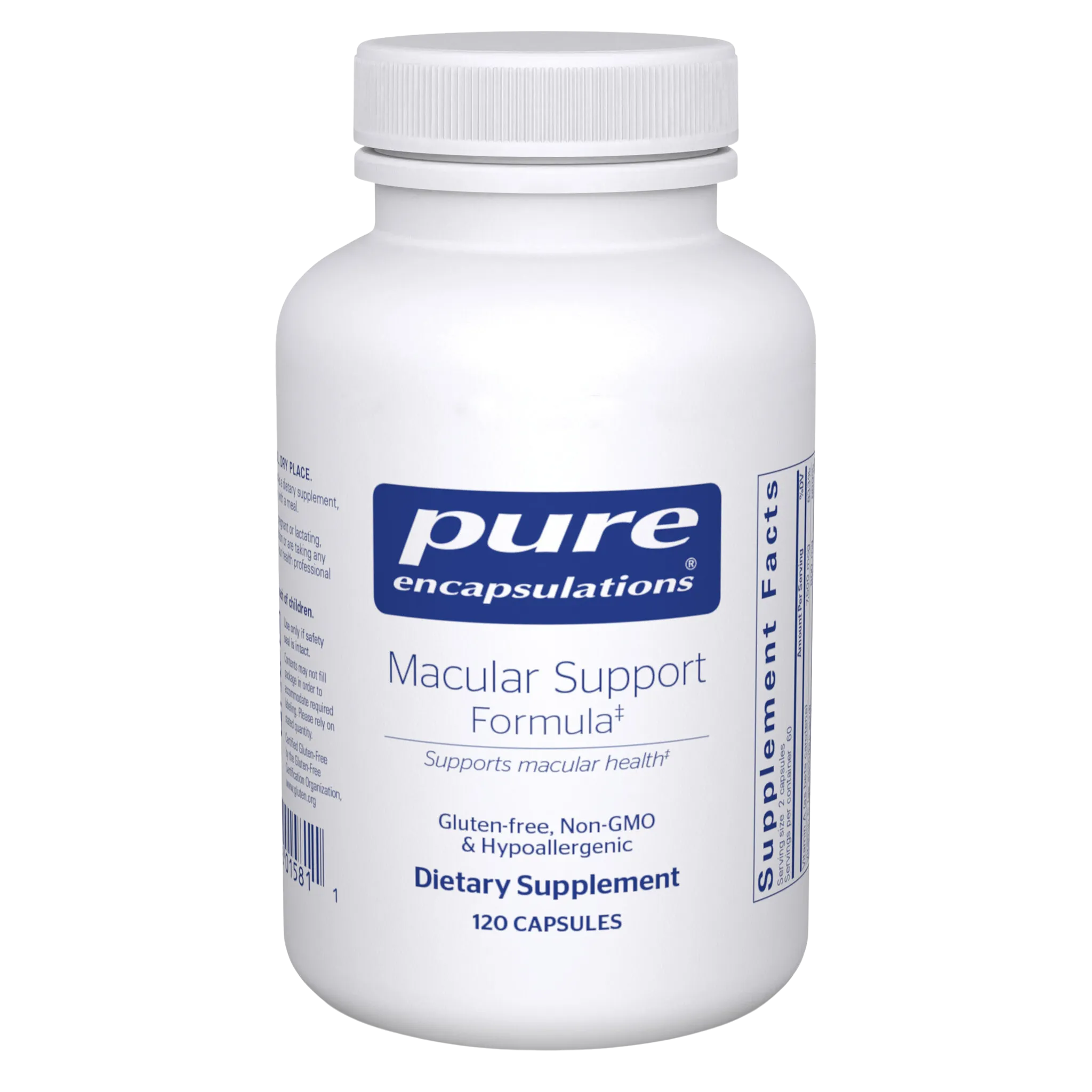
The retina is an extension of the central nervous system, making it highly susceptible to the systemic inflammation, microvascular damage, and autonomic dysfunction that characterize these complex conditions. To combat this localized oxidative stress and support the intricate cellular machinery of the eye, targeted nutritional support is often required. Macular Support Formula by Pure Encapsulations is a comprehensive blend of powerful antioxidants and botanicals—including lutein, zeaxanthin, N-acetyl-l-cysteine (NAC), and bilberry extract—specifically designed to protect the macula and promote overall ocular health. In this article, we will explore the deep biochemical connections between chronic illness and eye health, and how the specific ingredients in this formula work at a cellular level to support visual function and manage debilitating symptoms.
What is Macular Support Formula?
The Anatomy of the Macula and Retina
To understand how the Macular Support Formula works, we must first look at the unique biological environment of the human eye. The retina is a thin layer of tissue lining the back of the eye, responsible for capturing light and converting it into electrical signals that the brain translates into images. At the very center of the retina lies the macula, a small but highly specialized area responsible for our sharpest, most detailed central vision. The macula contains the highest concentration of cone photoreceptor cells in the eye, which are essential for color vision and high-resolution visual acuity. Because of its intense metabolic activity and constant exposure to focused light, the macula requires a massive and continuous supply of oxygen and nutrients to function correctly.
However, this high metabolic rate comes at a significant biological cost. The combination of continuous light exposure, high oxygen tension, and a vast concentration of polyunsaturated fatty acids (PUFAs) in the photoreceptor membranes makes the retina exceptionally vulnerable to oxidative stress. When light photons strike the retina, they naturally generate reactive oxygen species (ROS), or free radicals. In a healthy eye, a robust network of endogenous antioxidants immediately neutralizes these free radicals before they can cause cellular damage. If this antioxidant defense system is depleted—whether by aging, chronic inflammation, or post-viral illness—the resulting oxidative stress can lead to lipid peroxidation, damaging the delicate photoreceptor cells and the retinal pigment epithelium (RPE) that supports them.
The Role of Dietary Carotenoids
The human body has evolved a highly specific defense mechanism to protect the macula from light-induced damage: the macular pigment. This pigment is composed entirely of three dietary carotenoids: lutein, zeaxanthin, and meso-zeaxanthin. Out of the hundreds of carotenoids found in nature, these are the only ones that can cross the blood-retina barrier and actively accumulate in the macular tissue. They are deeply embedded in the cellular membranes of the retina, where they serve a dual purpose. First, they act as powerful antioxidants, directly quenching singlet oxygen and neutralizing free radicals generated by cellular metabolism. Second, they function as an optical filter, absorbing high-energy, short-wavelength blue light before it can penetrate deeper into the retinal layers and cause phototoxic damage.
Because the human body cannot synthesize lutein or zeaxanthin on its own, these crucial protective molecules must be obtained entirely through diet or supplementation. In a healthy state, consuming dark green leafy vegetables and egg yolks can help maintain adequate macular pigment optical density (MPOD). However, in states of chronic illness, metabolic dysfunction, or gastrointestinal malabsorption, dietary intake alone is often insufficient to meet the heightened antioxidant demands of the inflamed retina. This is where targeted supplementation becomes a critical tool in preserving macular integrity and preventing the structural degradation that leads to visual fatigue and long-term ocular conditions.
The Master Antioxidant Network
Beyond carotenoids, the eye relies on a synergistic network of water-soluble and fat-soluble antioxidants to maintain cellular homeostasis. The most abundant and critical of these is glutathione (GSH), often referred to as the body's master antioxidant. Glutathione is found in exceptionally high concentrations in the lens and the retina, where it protects ocular proteins from oxidation and maintains the transparency of the optical lens. The synthesis of glutathione depends heavily on the availability of the amino acid cysteine, which is often the rate-limiting factor in its production. The Macular Support Formula provides N-acetyl-l-cysteine (NAC), a highly bioavailable precursor that directly fuels intracellular glutathione production, alongside pre-formed Setria® glutathione to ensure immediate antioxidant availability.
This glutathione network is further supported by Vitamin C (ascorbic acid) and Vitamin A (as beta carotene). Vitamin C is highly concentrated in the aqueous humor of the eye, where it not only scavenges free radicals but also actively regenerates oxidized Vitamin E and glutathione, keeping the antioxidant cycle running efficiently. Meanwhile, Vitamin A is an absolute requirement for the visual cycle; it is a structural component of rhodopsin, the light-sensitive protein in rod cells that allows us to see in low-light conditions. Together, these carefully selected ingredients create a comprehensive, multi-layered defense system that addresses the complex biochemical needs of the retina and the optical lens.
How Chronic Illness Impacts Eye Health
Microvascular Damage in Long COVID
The visual symptoms experienced by individuals with Long COVID, ME/CFS, and dysautonomia are rarely due to simple changes in a patient's prescription or refractive error. Instead, these symptoms are deeply rooted in systemic vascular and neurological dysfunction. Recent breakthrough research utilizing Optical Coherence Tomography Angiography (OCT-A) has revealed that the retina—the only place in the body where microcirculation can be viewed non-invasively—shows significant physical alterations in Long COVID patients. A 2025 prospective cohort study from Northwestern University found a statistically significant decrease in retinal capillary perfusion, specifically a reduction in vessel length density in the deep capillary plexus, among Long COVID patients experiencing neurocognitive symptoms.
This retinal microvascular dropout mirrors the systemic endothelial damage and micro-clotting hypothesized by researchers like Scientist Resia Pretorius to drive Long COVID and ME/CFS pathology. (For a deeper dive into these mechanisms, read What Causes Long COVID?). When the tiny capillaries supplying the retina become blocked or damaged by lingering viral spike proteins or chronic inflammation, the macular tissue experiences localized hypoxia (lack of oxygen). This hypoxic state triggers a massive release of reactive oxygen species, overwhelming the eye's natural antioxidant defenses. As the retinal cells struggle to produce adequate ATP (cellular energy) without sufficient oxygen, patients experience profound visual fatigue, difficulty tracking text, and a worsening of brain fog when forced to process complex visual environments.
Ocular Dysautonomia and Photophobia
Another hallmark of these complex chronic conditions is dysautonomia, particularly Postural Orthostatic Tachycardia Syndrome (POTS). The autonomic nervous system controls the involuntary functions of the eye, including the pupillary light reflex and the ciliary muscle's ability to focus the lens (accommodation). In a healthy individual, the pupil constricts rapidly in response to bright light to protect the retina. However, in patients with dysautonomia, sympathetic nervous system overdrive or parasympathetic withdrawal leads to a condition known as ocular dysautonomia. This causes the pupils to remain overly dilated (mydriasis) and sluggish to constrict, flooding the unprotected retina with excessive, painful light—a primary driver of the severe photophobia reported by up to 92% of ME/CFS patients.
Furthermore, dysautonomia impairs the ciliary muscle's ability to smoothly transition focus between near and far objects, leading to convergence insufficiency and blurred vision. When a patient with Long COVID or POTS tries to read or look at a computer screen, their ciliary muscles must work exponentially harder to maintain focus, leading to rapid muscle spasms and severe visual fatigue. This mechanical strain, combined with the reduced cerebral blood flow characteristic of orthostatic intolerance, creates a vicious cycle where visual tasks rapidly deplete the patient's limited energy envelope, often triggering post-exertional malaise (PEM) or a full-body crash. This overlap is why many patients wonder, Can Long COVID Trigger ME/CFS? Unraveling the Connection.
Oxidative Stress and Retinal Vulnerability
The chronic immune activation seen in Long COVID and Mast Cell Activation Syndrome (MCAS) further exacerbates ocular distress. Mast cells are present in the ocular tissues, particularly the conjunctiva, and their inappropriate degranulation releases histamine and inflammatory cytokines directly into the eye. This localized inflammation increases the permeability of the blood-retinal barrier, allowing systemic inflammatory mediators to infiltrate the delicate macular tissue. The resulting oxidative storm rapidly depletes the eye's endogenous stores of glutathione and Vitamin C, leaving the photoreceptors highly vulnerable to light-induced lipid peroxidation.
Without adequate antioxidant protection, the retinal pigment epithelium (RPE)—the layer of cells responsible for nourishing the photoreceptors and clearing away their metabolic waste—begins to dysfunction. This RPE dysfunction impairs the visual cycle, making it difficult for the eyes to adjust to changes in lighting (dark adaptation) and increasing the perception of visual "snow" or static. For patients already battling the systemic exhaustion of ME/CFS, the brain's attempt to filter and process these degraded, noisy visual signals requires an immense amount of neurological energy, further draining their cognitive reserves and intensifying daily fatigue.
Macular Support Formula: Supporting Visual Function
Lutein and Zeaxanthin: The Internal Sunglasses
The FloraGLO® lutein and zeaxanthin in the Macular Support Formula act as the first line of defense for the vulnerable retina. When ingested, these carotenoids are transported through the bloodstream and actively taken up by the macula via highly specific binding proteins: StARD3 for lutein and GSTP1 for zeaxanthin. Once inside the retinal cells, they arrange themselves transversely across the lipid bilayers of the cellular membranes. This specific structural orientation acts like a physical rivet, strengthening the cellular membrane while optimally positioning the molecules to intercept oxidative threats. By increasing the macular pigment optical density (MPOD), these compounds create a physical shield that absorbs up to 90% of phototoxic blue light before it can reach the underlying photoreceptors.
This "internal sunglasses" effect is profoundly beneficial for patients with neuro-immune conditions who suffer from severe photophobia. By filtering out high-energy wavelengths, lutein and zeaxanthin reduce chromatic aberration and light scatter within the eye. This significantly enhances visual contrast sensitivity and reduces the neurological burden of processing glare. For a Long COVID or ME/CFS patient whose brain is already struggling with sensory gating issues, improving the quality of the optical signal at the level of the retina can noticeably reduce the cognitive fatigue and headache exacerbations associated with bright environments and digital screen use.
NAC and Glutathione: Neutralizing Retinal Oxidative Stress
To address the deep cellular oxidative stress caused by microvascular dysfunction, the formula includes N-acetyl-l-cysteine (NAC) and Setria® glutathione. NAC is a highly bioavailable derivative of the amino acid cysteine. Once it crosses the cellular membrane, it is rapidly deacetylated to release free cysteine, which is the rate-limiting building block for the intracellular synthesis of glutathione. By providing a steady supply of NAC, the formula ensures that the retinal cells can continuously produce their own glutathione, effectively breaking the cycle of oxidative depletion caused by chronic inflammation and viral persistence.
The pre-formed Setria® glutathione in the formula provides immediate, direct scavenging of reactive oxygen species. Glutathione works by donating an electron to unstable free radicals, neutralizing them before they can cause lipid peroxidation in the photoreceptor membranes. Furthermore, glutathione is absolutely critical for maintaining the structural integrity and transparency of the optical lens. By keeping the lens proteins in a reduced (non-oxidized) state, optimal glutathione levels prevent the protein aggregation that leads to cloudy vision and cataracts, ensuring that the light reaching the macula is clear and undistorted.
Bilberry and Grape Seed Extract: Relieving Visual Fatigue
The inclusion of bilberry extract (standardized to contain potent anthocyanins) provides targeted relief for the mechanical and vascular aspects of visual fatigue. Anthocyanins are highly bioavailable flavonoids that can cross the blood-retinal barrier. Once in the eye, clinical studies have shown that anthocyanins directly induce a relaxing effect on the ciliary smooth muscles. For patients with dysautonomia whose ciliary muscles are locked in a state of tonic accommodation (spasm) from trying to focus on digital screens, bilberry extract helps release this tension, improving the eye's ability to shift focus and reducing the physical pain of eye strain.
Additionally, bilberry anthocyanins interact directly with rod photoreceptors to accelerate the regeneration of rhodopsin, the protein required for night vision and dark adaptation. This helps patients who struggle with the transition from bright to dim environments. Complementing the bilberry is grape seed extract, which is rich in oligomeric proanthocyanidins (OPCs). OPCs have a profound affinity for vascular tissue; they help strengthen the fragile endothelial walls of the retinal capillaries, reducing vascular permeability and supporting healthy microcirculation. By improving blood flow to the hypoxic retina, grape seed extract helps restore the delivery of oxygen and vital nutrients to the macula, supporting overall visual endurance.

Symptoms Macular Support Formula May Help Manage
Because of its comprehensive, multi-pathway approach to ocular health, Macular Support Formula may help manage several debilitating visual symptoms associated with chronic illness:
Severe Photophobia (Light Sensitivity): By increasing macular pigment density with lutein and zeaxanthin, the formula acts as an internal filter, absorbing phototoxic blue light and reducing the painful glare that triggers neurological symptoms and migraines.
Visual Fatigue and Screen Strain: The anthocyanins in bilberry extract help relax the ciliary muscles, reducing the physical eye strain, muscle spasms, and heaviness that occur after reading or looking at digital devices.
Blurred Vision and Focusing Issues: By supporting healthy retinal microcirculation with grape seed extract and reducing oxidative damage to the lens with NAC and glutathione, the formula helps maintain the structural integrity required for sharp, clear accommodation.
Poor Dark Adaptation: Vitamin A and bilberry extract directly support the rapid regeneration of rhodopsin in the rod cells, helping the eyes adjust more quickly and comfortably when moving from bright light to dark environments.
Brain Fog from Visual Overstimulation: By improving contrast sensitivity and reducing light scatter at the retinal level, the formula improves the quality of the visual signal sent to the brain, reducing the cognitive energy required to process complex visual environments and helping to preserve the patient's overall energy envelope.
Practical Considerations: Forms, Dosing, and Absorption
Fat-Soluble Absorption and Timing
When incorporating the Macular Support Formula into your daily routine, understanding bioavailability is key to maximizing its benefits. The primary active ingredients—lutein, zeaxanthin, and Vitamin A (beta carotene)—are fat-soluble carotenoids. This means they require the presence of dietary lipids (fats) to stimulate the release of bile acids, which are necessary to emulsify and transport these nutrients across the intestinal wall and into the bloodstream. Therefore, it is highly recommended to take this supplement alongside a meal that contains healthy fats, such as avocado, olive oil, nuts, or fatty fish. Taking it on an empty stomach will significantly reduce the absorption of the crucial macular pigments.
The suggested dosage is two vegetarian capsules daily. For patients with complex chronic illnesses who frequently experience gastrointestinal dysmotility or malabsorption issues—common overlapping conditions in ME/CFS and dysautonomia—splitting the dose may be beneficial. Taking one capsule with breakfast and one capsule with dinner can help maintain a steady concentration of water-soluble antioxidants (like Vitamin C and NAC) in the bloodstream throughout the day, while ensuring the fat-soluble components are efficiently absorbed with different meals.
The Synergistic Blend and Expectations
The efficacy of this formula lies in its synergistic design. The water-soluble antioxidants (Vitamin C, NAC, glutathione) work in tandem with the fat-soluble antioxidants (lutein, zeaxanthin, Vitamin A) to provide comprehensive protection across both the aqueous environments of the eye and the lipid-rich cellular membranes of the retina. Furthermore, Vitamin C actively regenerates oxidized glutathione, ensuring that the NAC provided by the formula is utilized to its maximum potential. This biochemical recycling system is what makes a combined formula vastly superior to taking these ingredients in isolation.
It is important to set realistic expectations regarding the timeline for symptom improvement. While the water-soluble antioxidants and the ciliary-relaxing effects of bilberry extract may provide subtle relief from visual fatigue within a few weeks, building up the physical density of the macular pigment takes time. Clinical studies monitoring macular pigment optical density (MPOD) typically measure significant structural changes after 3 to 6 months of consistent daily supplementation. Therefore, this formula should be viewed as a long-term foundational support strategy rather than a quick fix for acute visual symptoms.
Safety and Potential Interactions
Macular Support Formula is generally well-tolerated, but there are specific considerations for patients with complex medical histories. Because NAC acts as a glutathione precursor and mild mucolytic, it is generally safe, but patients taking nitroglycerin or certain blood thinners should consult their provider, as NAC can occasionally amplify their effects. Additionally, high doses of beta carotene have historically been contraindicated for current or former heavy smokers due to an increased risk of lung cancer observed in early trials; however, the dose in this formula (7500 mcg) is carefully calibrated. As always, because chronic illness management often involves complex medication regimens, it is crucial to discuss any new supplement with your healthcare provider to ensure it aligns safely with your specific treatment plan.

Follow the Science
The AREDS2 Trial and Macular Pigment
The scientific foundation for supplementing lutein and zeaxanthin is incredibly robust, anchored by the landmark Age-Related Eye Disease Study 2 (AREDS2) conducted by the U.S. National Eye Institute. This massive clinical trial evaluated the effects of substituting 10 mg of lutein and 2 mg of zeaxanthin for beta-carotene in a specialized antioxidant formula. The results demonstrated that this specific ratio of macular pigments reduced the overall risk of progression to advanced macular degeneration by approximately 25% over a 5-year period. A subsequent 10-year follow-up study published in JAMA Ophthalmology confirmed the long-term efficacy and safety of lutein and zeaxanthin, proving they provide sustained, incremental benefits in slowing retinal disease progression without the adverse risks associated with high-dose beta-carotene.
NAC's Role in Retinal Protection
The use of N-acetyl-l-cysteine (NAC) for ocular health is currently at the forefront of ophthalmological research. Furthermore, the National Eye Institute is currently funding a $20 million Phase III clinical trial known as the "NAC Attack" trial. This study is investigating whether high-dose oral NAC can neutralize the severe oxidative stress in the retinas of patients with Retinitis Pigmentosa, thereby protecting the surviving cone photoreceptors and preserving central vision. This study underscores NAC's potent ability to cross into ocular tissues and halt oxidative cellular death.
Bilberry Extract for Digital Eye Strain
The clinical evidence supporting bilberry extract for visual fatigue is particularly relevant for patients struggling with screen intolerance. A 12-week randomized, double-blind, placebo-controlled trial involving 109 adults evaluated the effects of standardized bilberry extract on ciliary muscle tension. Using high-frequency component analysis to objectively measure muscle contraction, researchers found that the bilberry group showed statistically significant improvements in ciliary muscle relaxation post-screen use compared to the placebo group. Another 6-week trial confirmed that bilberry extract significantly improved pupillary response and inhibited the decline of accommodative function, proving its efficacy in mitigating the mechanical eye strain that so often exacerbates neuro-fatigue in chronic illness patients.
The Path Forward
Validating the Visual Toll of Chronic Illness
Living with the visual symptoms of Long COVID, ME/CFS, and dysautonomia can be an incredibly isolating experience. When standard eye exams fail to capture the profound fatigue, photophobia, and focusing difficulties you experience daily, it is easy to feel dismissed. If you are wondering How Does a Doctor Diagnose Long COVID? when standard tests are normal, know that the emerging science is clear: your symptoms are real, they are rooted in measurable microvascular and autonomic dysfunction, and they are a valid component of your systemic illness. Acknowledging the deep connection between your ocular health and your overall neurological energy envelope is a crucial first step in reclaiming your quality of life.
A Comprehensive Approach to Eye Health
While no single supplement can cure the complex web of neuro-immune dysfunction, targeted nutritional interventions like the Macular Support Formula can provide essential raw materials to protect your vulnerable retinal tissues. By replenishing depleted antioxidant stores, filtering out phototoxic light, and supporting healthy microcirculation, this formula addresses the cellular mechanisms driving visual fatigue. When combined with comprehensive management strategies—such as pacing your screen time, utilizing blue-light-blocking glasses, and working with a neuro-optometrist—you can begin to stabilize your visual function. Learning How Can You Live with Long-Term COVID involves addressing these specific, localized symptoms to reduce the frequency of full-body crashes.
If you are struggling with severe light sensitivity, blurred vision, or screen intolerance as part of your chronic illness journey, discuss this targeted antioxidant approach with your medical team. By protecting your macula today, you are investing in the long-term clarity and endurance of your vision.