Can Lycopene Help Manage Fatigue and Vascular Symptoms in Long COVID and POTS?
March 5, 2026
LycopeneLong COVIDPOTS
Share:
Disclaimer: The information provided here is for educational purposes only and is not intended as medical advice. It should not be used to diagnose, treat, cure, or prevent any medical condition. Instead, use it as a starting point for discussion with your healthcare provider. Always consult with a qualified healthcare provider before starting any new medication, supplement, device, or making changes to your health regimen.
Months or even years after an initial viral infection, thousands of patients find themselves trapped in a relentless cycle of debilitating symptoms. Whether diagnosed with Long COVID, myalgic encephalomyelitis/chronic fatigue syndrome (ME/CFS), or dysautonomia, the daily reality often involves crushing exhaustion, a racing heart upon standing, and unpredictable allergic flares. For many, the search for answers is incredibly frustrating, especially when standard blood tests return "normal" results despite a profoundly diminished quality of life. However, emerging clinical research is shedding light on the underlying biochemical drivers of these complex conditions, pointing to severe oxidative stress, widespread endothelial dysfunction, and persistent cellular energy failure as key culprits.
In the pursuit of targeted, science-backed management strategies, researchers are increasingly looking toward potent, natural compounds that can intervene at the molecular level. One such compound is lycopene, a powerful antioxidant pigment traditionally associated with cardiovascular and prostate health. Recent studies suggest that lycopene's unique ability to neutralize specific free radicals, restore nitric oxide bioavailability, and stabilize hyper-reactive immune cells may offer profound benefits for those battling post-viral and autonomic disorders. By understanding how this remarkable nutrient interacts with our cellular defense systems, patients and practitioners can better evaluate its potential role in a comprehensive recovery protocol.
What is Lycopene?
The Power of the Red Pigment
Lycopene is a naturally occurring, highly potent lipophilic (fat-soluble) compound belonging to the carotenoid family. It is the specific pigment responsible for the vibrant red and pink colors found in tomatoes, watermelons, pink grapefruits, and papayas. Unlike beta-carotene, another well-known carotenoid, lycopene is a "non-provitamin A" compound, meaning the human body does not convert it into vitamin A. Instead, it circulates through the bloodstream and accumulates in lipid-rich tissues, where it serves as one of the most powerful natural antioxidants discovered to date. Because the human body cannot synthesize lycopene endogenously, we must rely entirely on dietary intake or targeted supplementation to maintain adequate cellular levels. In the context of complex chronic illnesses, maintaining these levels becomes a critical component of cellular defense.
At the molecular level, lycopene's extraordinary antioxidant capacity is dictated by its unique chemical structure. It consists of an extended polyene chain containing 11 conjugated double bonds. This dense, electron-rich architecture allows lycopene to readily donate electrons to unstable, highly reactive free radicals, effectively neutralizing them before they can inflict structural damage on the cell. In fact, extensive epidemiological and clinical research has demonstrated that lycopene's free-radical scavenging capacity is approximately twice as potent as beta-carotene and up to ten times more efficient than alpha-tocopherol (Vitamin E). This profound ability to halt propagative oxidative chain reactions makes it a foundational molecule for preserving cellular integrity in the face of systemic physiological stress.
Direct Scavenging and Singlet Oxygen Quenching
One of the most destructive forms of oxidative stress in the human body is generated by singlet oxygen, a highly reactive and energized state of molecular oxygen. Singlet oxygen is notorious for rapidly oxidizing lipid membranes, mutating cellular DNA, and degrading essential proteins, all of which accelerate cellular aging and drive chronic inflammation. Lycopene is universally recognized in the biochemical literature as the most effective singlet oxygen quencher among all known dietary carotenoids. When lycopene encounters a singlet oxygen molecule, it absorbs the excess energy, neutralizing the threat without being destroyed in the process. This physical quenching mechanism allows a single lycopene molecule to intercept and disarm multiple reactive oxygen species over its lifespan within the cell.
Because lycopene is highly lipophilic, it naturally gravitates toward and embeds itself within the lipid bilayers of our cell membranes and circulating lipoproteins, such as low-density lipoprotein (LDL) cholesterol. This strategic positioning is crucial for cardiovascular and cellular health. By residing directly within the lipid membrane, lycopene acts as a frontline shield, intercepting oxidative stress before it can trigger lipid peroxidation—a destructive process where free radicals steal electrons from the lipids in cell membranes, leading to cell rupture and death. By preserving the structural integrity of the cell membrane, lycopene ensures that cellular receptors, ion channels, and transport proteins continue to function optimally, which is vital for patients managing the complex systemic dysfunctions seen in chronic illness.
Cellular Defense and the Nrf2/HO-1 Pathway
Beyond its role as a direct physical scavenger of free radicals, lycopene acts as a sophisticated signaling molecule that actively upregulates the body's endogenous (internal) defense systems. It achieves this primarily by activating the Nrf2 (Nuclear factor erythroid 2-related factor 2) pathway. Under normal, unstressed conditions, Nrf2 is anchored in the cellular cytoplasm and marked for degradation. However, when lycopene is introduced into the cellular environment, it facilitates the detachment and translocation of Nrf2 straight into the cell nucleus. Once inside the nucleus, Nrf2 binds to the Antioxidant Response Element (ARE) on the DNA strand, acting as a master switch that turns on the transcription of a vast array of protective genes.
This genetic activation triggers the robust expression of phase II detoxifying and antioxidant enzymes, including Heme Oxygenase-1 (HO-1), Superoxide Dismutase (SOD), Catalase (CAT), and Glutathione Peroxidase (GPx). These enzymes are the heavy artillery of the body's antioxidant defense system. For example, SOD converts highly dangerous superoxide radicals into hydrogen peroxide, which Catalase then rapidly breaks down into harmless water and oxygen. By stimulating the Nrf2/HO-1 pathway, research suggests that lycopene provides a sustained, indirect antioxidant effect that lasts long after the initial molecule has been metabolized. For individuals battling the relentless oxidative stress associated with post-viral syndromes, this ability to rebuild and reinforce the body's innate enzymatic defenses is a profound therapeutic advantage.
How Long COVID and Dysautonomia Impact Vascular and Cellular Health
The Toll of Viral Infection and Oxidative Stress
To understand why lycopene is so relevant to chronic illness, we must first examine the profound physiological damage inflicted by conditions like Long COVID and myalgic encephalomyelitis/chronic fatigue syndrome (ME/CFS). When the SARS-CoV-2 virus enters the body, it binds to ACE2 receptors, which are densely populated along the endothelial cells lining our blood vessels. This initial viral invasion triggers a massive, systemic inflammatory response and an explosion of reactive oxygen species (ROS). In patients who develop Long COVID, this oxidative stress does not resolve after the acute infection clears. Instead, it becomes a self-perpetuating cycle of chronic, low-grade inflammation that continually damages cellular structures and depletes the body's natural antioxidant reserves. This ongoing battle is a key factor when exploring what causes Long COVID and why symptoms persist for months or years.
In ME/CFS, a similar pattern of relentless oxidative and nitrosative stress is observed, often referred to in the literature as "inflammaging." This chronic inflammatory state heavily targets the mitochondria, the energy-producing powerhouses of the cell. The excessive free radicals damage the delicate mitochondrial membranes and disrupt the electron transport chain, severely impairing the production of adenosine triphosphate (ATP). When cells cannot generate sufficient ATP, the body experiences the profound, crushing exhaustion characteristic of these conditions. Furthermore, this mitochondrial dysfunction is intimately linked to the deactivation of the AMPK enzyme, the body's master metabolic switch, leaving patients trapped in a state of severe energy deficit and highly vulnerable to post-exertional malaise (PEM). Understanding this connection is vital for patients wondering can Long COVID trigger ME/CFS.
Endothelial Dysfunction in POTS and Dysautonomia
The vascular damage caused by chronic oxidative stress has direct and debilitating consequences for the autonomic nervous system, particularly in patients with Postural Orthostatic Tachycardia Syndrome (POTS) and other forms of dysautonomia. The endothelium is the thin, single-cell layer lining the inside of the heart and all blood vessels. It is responsible for releasing nitric oxide (NO), a crucial signaling molecule that tells the blood vessels to relax and dilate. In a healthy body, the endothelium constantly adjusts vascular tone to maintain stable blood pressure and ensure adequate blood flow to the brain when we stand up. However, the chronic inflammation seen in post-viral syndromes severely damages these endothelial cells, leading to a condition known as endothelial dysfunction.
In POTS, the autonomic nervous system already struggles to send the correct signals to the lower body's blood vessels to constrict upon standing. When this neurological deficit is compounded by endothelial dysfunction—where the blood vessels themselves are stiff, inflamed, and unable to properly regulate nitric oxide—the result is catastrophic for hemodynamics. Blood pools heavily in the lower extremities, depriving the brain of oxygen. To compensate for this sudden drop in cerebral blood flow, the heart rate spikes aggressively, leading to the hallmark tachycardia, dizziness, and pre-syncope that POTS patients endure daily. The oxidative destruction of nitric oxide by free radicals ensures that the blood vessels remain in a dysfunctional, unyielding state, exacerbating every neurovegetative symptom.
The Mast Cell Activation Paradox
Another critical piece of the chronic illness puzzle is mast cell activation syndrome (MCAS), a condition frequently found alongside Long COVID, ME/CFS, and POTS. Mast cells are the sentinels of the immune system, packed with inflammatory mediators like histamine, heparin, and cytokines. In MCAS, these cells become hyper-reactive, inappropriately bursting (degranulating) and flooding the body with histamine in response to minor triggers, including stress, temperature changes, and specific foods. This constant histamine release drives systemic inflammation, allergic flares, gastrointestinal distress, and severe neurological symptoms like brain fog and neuropathic pain. The sheer volume of oxidative stress circulating in a chronically ill body acts as a constant, aggravating trigger, keeping mast cells in a state of perpetual hyper-vigilance.
Herein lies the paradox for MCAS patients regarding lycopene. The most abundant dietary source of lycopene is the tomato. However, tomatoes are notoriously high in biogenic amines and are classified as "histamine liberators," meaning they contain specific proteins that force mast cells to degranulate. Consequently, MCAS patients are universally advised to avoid tomatoes, leading to a widespread misconception that lycopene itself is an allergic trigger. In reality, pharmacological studies demonstrate that pure, isolated lycopene is a potent mast cell stabilizer. The challenge for patients is that the delivery vehicle (the tomato) causes the flare, completely masking the profound anti-inflammatory and histamine-lowering benefits of the lycopene molecule hidden within.
Lycopene: Supporting Energy, Blood Flow, and Mast Cell Stability
Restoring Endothelial Function and Nitric Oxide
Lycopene offers a highly targeted, mechanistic intervention for the vascular and cellular dysfunctions driving Long COVID and dysautonomia. Its primary therapeutic action in the cardiovascular system is the restoration of endothelial function. By embedding itself into the endothelial cell membranes, lycopene acts as a protective barrier against the relentless bombardment of reactive oxygen species. It specifically prevents the oxidation of low-density lipoproteins (LDL), halting the inflammatory cascade that leads to arterial stiffness and plaque formation. By neutralizing these free radicals, lycopene dramatically reduces the localized vascular inflammation that prevents blood vessels from expanding and contracting smoothly.
More importantly for POTS patients, lycopene directly enhances the bioavailability of nitric oxide (NO). Oxidative stress rapidly degrades NO, converting it into a harmful molecule called peroxynitrite, which further damages the blood vessels. Lycopene intercepts this process, scavenging the free radicals before they can destroy the nitric oxide. Furthermore, research indicates that lycopene positively modulates the activity of endothelial nitric oxide synthase (eNOS), the enzyme responsible for producing NO in the first place. In states of high oxidative stress, eNOS can become "uncoupled," meaning it stops producing nitric oxide and instead generates dangerous superoxide radicals. Lycopene helps prevent this uncoupling by preserving critical cellular cofactors, ensuring the enzyme continues to produce healthy, vasodilating nitric oxide.
By preserving and promoting nitric oxide, lycopene helps restore the flexibility and responsiveness of the vascular network. This improved endothelial-dependent vasodilation allows the circulatory system to adapt more efficiently to postural changes. For individuals navigating the daily challenges of dysautonomia, this vascular support is a critical component of managing the severe blood pooling and compensatory tachycardia that define the condition.
Reactivating the AMPK Energy Switch for ME/CFS
For patients battling the profound exhaustion of ME/CFS and Long COVID, lycopene's interaction with cellular energy pathways is incredibly promising. Chronic viral infections and persistent inflammation frequently lead to the deactivation of the AMPK (AMP-activated protein kinase) signaling pathway. AMPK is the master regulator of cellular energy homeostasis; when activated, it signals the cell to generate more ATP, burn stored fats for fuel, and initiate mitochondrial biogenesis (the creation of new, healthy mitochondria). When AMPK is suppressed, as seen in many chronic fatigue models, the cells are essentially starved of energy, leading to the debilitating physical and cognitive fatigue that patients experience.
Lycopene has been shown to uniquely stimulate and reactivate the AMPK signaling pathway. By turning this metabolic switch back on, lycopene helps restore the anti-fatigue capabilities of skeletal muscles and encourages the repair of damaged mitochondrial networks. Additionally, lycopene heavily downregulates the NF-κB (Nuclear factor kappa-light-chain-enhancer of activated B cells) pathway. NF-κB is a primary driver of the pro-inflammatory cytokines (like IL-6, IL-1β, and TNF-α) that cause the systemic "sickness behavior" and deep muscle aches in post-viral syndromes.
By simultaneously suppressing this massive inflammatory cascade and reactivating mitochondrial energy production, lycopene addresses the root biochemical causes of post-exertional malaise. It provides a vital tool for those learning how can you live with long-term COVID and seeking ways to expand their daily energy envelope without triggering severe crashes.
Stabilizing Mast Cells and Lowering Histamine
The most surprising and highly relevant benefit of pure lycopene for the chronic illness community is its ability to stabilize mast cells. While whole tomatoes trigger MCAS flares, isolated lycopene actively suppresses the immune pathways responsible for allergic degranulation. At the molecular level, lycopene inhibits the MAPK/ERK signaling pathway (specifically ERK1/2, p38, and JNK). The extracellular signal-regulated kinase (ERK) is responsible for phosphorylating the proteins that cause the mast cell granules to fuse with the cell membrane. By blocking this phosphorylation, lycopene keeps the mast cell membrane intact, preventing the sudden, overwhelming release of histamine into the bloodstream.
Laboratory studies on mast cell lines have demonstrated that pre-treatment with lycopene can reduce the release of ß-hexosaminidase—a key biomarker for mast cell degranulation—by up to 50%. Furthermore, lycopene's profound antioxidant capacity plays a crucial role here; because reactive oxygen species are a major trigger for mast cell instability, lycopene's ability to quench singlet oxygen removes one of the primary irritants provoking the mast cells.
For patients with MCAS, utilizing a pure, isolated lycopene supplement provides a way to harness these powerful anti-histamine and immune-modulating benefits without exposure to the problematic, histamine-liberating proteins found in the plant matrix of a tomato. This targeted approach allows patients to calm their hyper-reactive immune systems safely.

Symptoms Lycopene May Help Manage
Targeted Symptom Relief
Severe Fatigue and Low Energy: By reactivating the AMPK metabolic pathway and protecting mitochondrial membranes from oxidative destruction, lycopene supports the cellular generation of ATP. This can help raise the baseline energy envelope for patients with ME/CFS and Long COVID, potentially reducing the frequency and severity of daily exhaustion.
Postural Tachycardia and Blood Pooling: Lycopene significantly improves endothelial function and increases the bioavailability of nitric oxide. This helps restore flexibility and responsiveness to stiff, inflamed blood vessels, allowing the vascular system to better manage the fluid shifts that occur upon standing, which is critical for managing POTS symptoms.
Brain Fog and Cognitive Dysfunction: The neuroinflammation driven by the NF-κB pathway and excessive histamine release creates the cognitive impairment known as brain fog. Lycopene's ability to cross into lipid-rich nervous tissues, suppress pro-inflammatory cytokines, and stabilize mast cells helps clear the biochemical static that disrupts memory and focus.
Allergic Flares and Histamine Intolerance: As a proven mast cell stabilizer, pure lycopene inhibits the MAPK/ERK signaling pathways that cause mast cells to degranulate. This can lead to a reduction in systemic histamine levels, helping to calm unprovoked allergic responses, skin flushing, and gastrointestinal distress in MCAS patients.
Deep Muscle and Joint Pain: The chronic, low-grade inflammation associated with post-viral syndromes often manifests as widespread musculoskeletal pain. By downregulating the production of inflammatory mediators like TNF-α and IL-6, lycopene acts as a systemic anti-inflammatory, helping to soothe the aching, heavy sensation in the limbs.
Cardiovascular Stress and Palpitations: By neutralizing singlet oxygen and preventing the oxidation of LDL cholesterol, lycopene reduces the overall oxidative burden on the heart muscle and the vascular network. This cardiovascular protection helps lower the physiological stress load, potentially smoothing out erratic heart rhythms and palpitations associated with autonomic dysfunction.
Practical Considerations: Forms, Dosing, and Absorption
The "Cis" vs. "Trans" Isomer Phenomenon
When considering lycopene supplementation, understanding its unique bioavailability profile is absolutely critical. In its raw, natural state within a plant, lycopene exists predominantly in an all-trans isomer form. This chemical structure forms tight, microcrystalline networks that are incredibly difficult for the human digestive tract to break down and absorb. This is why eating a raw tomato yields surprisingly low levels of lycopene in the bloodstream. However, when lycopene is subjected to thermal processing (heat), the molecule undergoes a structural shift known as isomerization, converting into cis-isomers.
These cis-isomers are vastly more bioavailable because they can easily fold into the bile acid micelles required for intestinal absorption. High-quality lycopene supplements utilize extraction processes that mimic this thermal conversion, ensuring the compound is delivered in its highly absorbable cis form. This scientific understanding of bioavailability is crucial for patients seeking to maximize the therapeutic benefits of their nutritional protocols.
The Critical Role of Dietary Fat
The most important rule for taking lycopene is that it must be consumed with dietary fat. Lycopene is strictly lipophilic; it does not dissolve in water. If you take a lycopene capsule on an empty stomach or with a fat-free meal, the absorption rate will be nearly zero, and the nutrient will simply pass through your digestive tract. In order to cross the intestinal wall, lycopene must be packaged into chylomicrons by bile acids, a process that is only triggered by the presence of lipids. Pharmacokinetic studies demonstrate that optimal lycopene absorption requires a minimum of 10 to 20 grams of dietary fat. Therefore, it is highly recommended to take your lycopene supplement alongside a meal containing healthy fats, such as olive oil, avocado, nuts, or fatty fish, to ensure maximum cellular uptake.
Because lycopene is fat-soluble, it does not travel straight to the liver via the portal vein like water-soluble nutrients. Instead, it enters the lymphatic system through vessels in the gut called lacteals, travels up the thoracic duct, and is deposited directly into systemic circulation. This complex journey means lycopene absorption is a slow process, often taking 15 to 33 hours to reach peak plasma concentration. Interestingly, emerging research in chrononutrition suggests that consuming lycopene in the morning, following an overnight fast, results in significantly higher blood plasma concentrations compared to evening consumption, likely due to the diurnal rhythms of bile acid secretion.
Dosing, Timing, and Safety Precautions
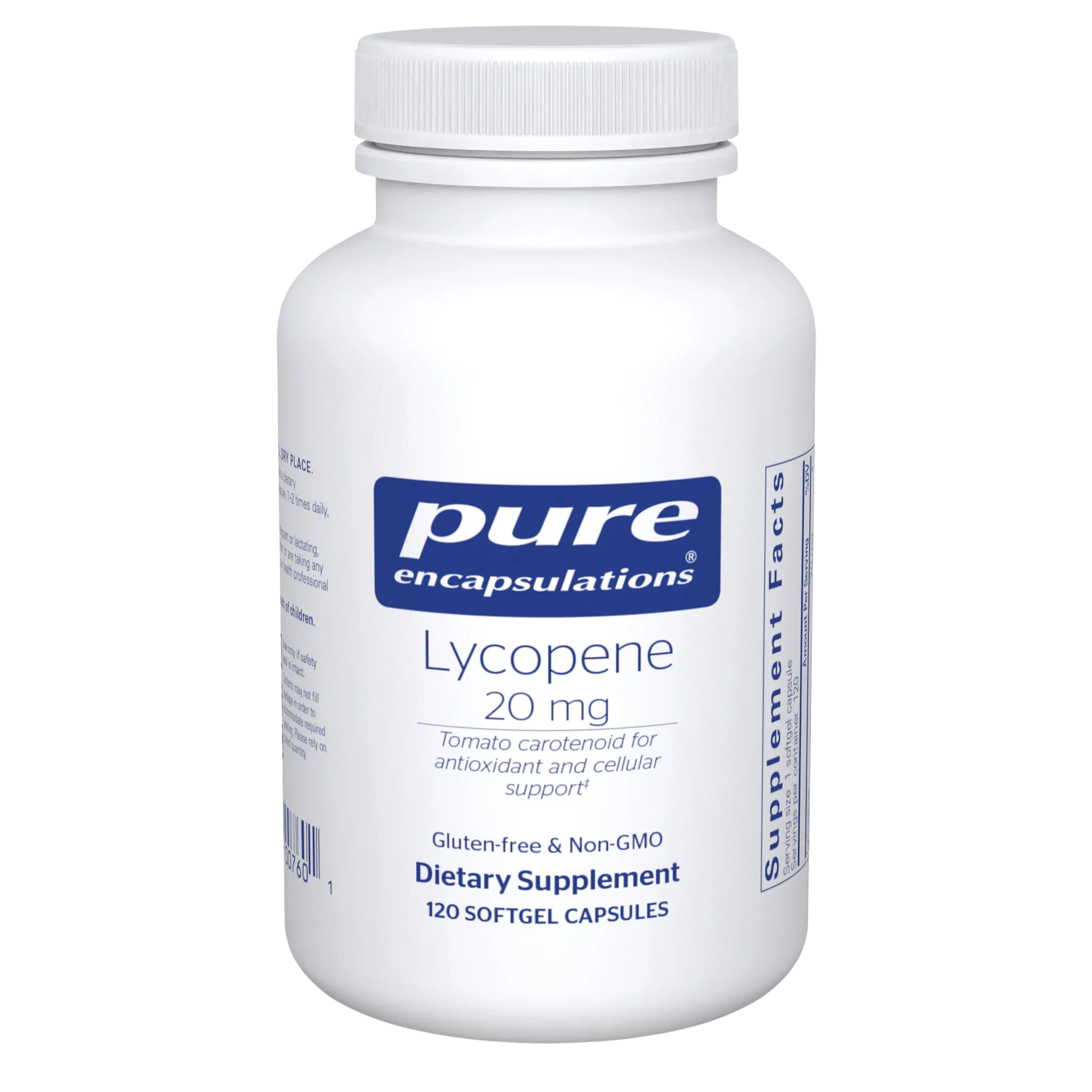
While there is no officially established Recommended Daily Allowance (RDA) for lycopene, clinical consensus provides clear parameters for therapeutic use. In clinical trials targeting cardiovascular health, endothelial function, and oxidative stress, dosages typically range from 15 mg to 45 mg daily. A standard, high-quality supplement, such as Pure Encapsulations' Lycopene, provides a concentrated 20 mg dose, which aligns perfectly with the amounts shown to produce significant clinical benefits without overwhelming the system. Once absorbed, advanced isotope tracer studies show that lycopene has a remarkably long elimination half-life of 5 to 8 days, meaning daily supplementation leads to a steady, compounding accumulation in deep tissues over time.
Lycopene is classified as Generally Recognized as Safe (GRAS) and is exceptionally well-tolerated by the vast majority of patients. However, there are important safety considerations and potential drug interactions to be aware of. Because lycopene possesses mild anticoagulant (blood-thinning) properties, it can interact with prescription blood thinners like Warfarin, Plavix, or even daily aspirin, potentially increasing the risk of bruising or bleeding. Additionally, because it improves vascular function and can modestly lower blood pressure, patients taking strong antihypertensive medications should monitor their blood pressure closely to avoid hypotension. As always, patients with complex chronic illnesses should consult their healthcare provider before introducing new supplements, especially if scheduling a surgery, as lycopene should typically be paused two weeks prior to any operative procedure.

Follow the Science
The "Tomato Pill" and Vascular Health
The clinical evidence supporting lycopene's profound impact on the cardiovascular system is robust and compelling. One of the most notable studies in this field, often referred to as the "Tomato Pill" trial, was a randomized, double-blind, placebo-controlled study that measured the direct vascular effects of lycopene on patients with established cardiovascular disease. The subjects were given a highly bioavailable, 7 mg oral dose of lycopene daily for two months.
The results were astounding: researchers recorded a 53% improvement in endothelium-dependent vasodilation (EDV). The lycopene effectively normalized the endothelial function of the heart disease patients, restoring their blood vessel flexibility to levels comparable to healthy, age-matched volunteers. This data provides a strong mechanistic rationale for using lycopene to address the endothelial dysfunction inherent in dysautonomia and POTS, helping to explain why vascular support is so crucial when determining how does a doctor diagnose Long COVID and its associated cardiovascular symptoms.
Post-Viral Fatigue and the Apportal® Study
In the realm of post-viral syndromes, recent observational data has highlighted lycopene's potential to combat severe, lingering exhaustion. A notable 2021/2022 clinical study conducted by Rossato et al. in Italy investigated the effects of a lycopene-inclusive nutritional complex (Apportal®) on 201 patients suffering from severe Long COVID chronic fatigue. The formula combined lycopene with other mitochondrial supporters like CoQ10 and L-carnitine. Patients consumed the supplement daily for 28 days, and their progress was meticulously tracked using validated fatigue scales (FACIT-Fatigue and Chalder Fatigue Scale).
The findings were highly statistically significant (p < 0.0001). After just 14 days, over 76% of the subjects reported a measurable improvement in their chronic fatigue scores. By the end of the 28-day trial, an impressive 90.05% of the Long COVID patients exhibited significant relief from chronic asthenia (severe physical weakness) and reported vastly improved overall quality of life. Furthermore, a 2023 randomized clinical trial involving 80 patients with Metabolic Syndrome demonstrated that 20 mg of daily lycopene for 8 weeks significantly modulated the pro-oxidant-antioxidant balance (PAB), further proving its ability to clear systemic oxidative stress.
Mast Cell Stabilization Research
The scientific literature also firmly supports lycopene's role as a mast cell stabilizer, challenging the misconception that it is inherently an allergic trigger. A pivotal 2022 in vivo study by Ushiroda et al. investigated lycopene's specific effects on intestinal food allergies and mast cell proliferation. The researchers discovered that supplementing subjects with lycopene successfully induced regulatory T cells (Tregs) in the colon, which act as the immune system's peacekeepers.
More importantly, the lycopene intervention reduced the total number of active mast cells in the colonic lamina propria by approximately 50%. This physical reduction in mast cell density was accompanied by a sharp, statistically significant drop in blood markers for histamine and mast cell protease-1. Similarly, older in vitro studies utilizing basophilic leukemia cell lines (RBL-2H3) demonstrated that pre-incubation with just 10 µM of lycopene cut the release of ß-hexosaminidase (the primary marker of mast cell degranulation) in half. These controlled studies prove that when isolated from the histamine-liberating proteins of the tomato plant, the lycopene molecule itself is a powerful, targeted inhibitor of allergic inflammation.
The Path Forward
Integrating Lycopene into Your Protocol
Living with complex, invisible illnesses like Long COVID, ME/CFS, POTS, and MCAS is an incredibly frustrating and exhausting journey. When your body feels like it is constantly locked in a state of hyper-vigilance and severe energy depletion, finding targeted, scientifically grounded tools to regain stability is paramount. It is deeply validating to understand that your profound fatigue, racing heart, and unpredictable allergic flares are not in your head—they are the direct result of measurable physiological disruptions, including endothelial dysfunction, mitochondrial failure, and relentless oxidative stress. By addressing these root biochemical mechanisms, we can begin to shift the body out of its defensive posture and back toward a state of cellular repair.
Lycopene represents a powerful, multi-targeted intervention in this healing process. By acting as a master antioxidant, it quenches the singlet oxygen that damages your cells, reactivates the AMPK energy pathways to combat post-exertional malaise, restores the nitric oxide needed for healthy blood flow, and stabilizes the mast cells driving systemic inflammation. However, it is crucial to remember that no single supplement is a miracle cure. Lycopene is most effective when utilized as one strategic piece of a comprehensive, holistic management plan that includes aggressive pacing, nervous system regulation, adequate hydration, and careful symptom tracking.
As you navigate the complexities of chronic illness, working closely with a knowledgeable healthcare provider is essential to ensure that any new supplement fits safely within your unique medical profile, especially considering potential interactions with blood thinners or blood pressure medications. If you are looking for a pure, highly bioavailable way to harness the vascular and immune-modulating benefits of this potent red pigment without triggering histamine flares, consider exploring high-quality, isolated formulations.
Sources
Lycopene: A Critical Review of Digestion, Absorption, Metabolism, and Excretion
Efficacy of a Dietary Supplement in Patients with Long COVID Syndrome
The Importance of Antioxidant Activity for the Health-Promoting Effect of Lycopene
Lycopene bioavailability and metabolism in humans: an accelerator mass spectrometry study
The Effects of Lycopene on Modulating Oxidative Stress in Metabolic Syndrome Patients
Lycopene as a potential anticancer agent: Current evidence on synergism
Role of lycopene from tomato on cardiovascular risk: an umbrella review