Can Lithium Orotate Help Clear Brain Fog in Long COVID and ME/CFS?
March 5, 2026
Lithium OrotateLong COVIDME/CFS
Share:
Disclaimer: The information provided here is for educational purposes only and is not intended as medical advice. It should not be used to diagnose, treat, cure, or prevent any medical condition. Instead, use it as a starting point for discussion with your healthcare provider. Always consult with a qualified healthcare provider before starting any new medication, supplement, device, or making changes to your health regimen.
Months or even years after a viral infection, many patients find themselves battling a symptom that is as invisible as it is debilitating: profound cognitive dysfunction, commonly referred to as brain fog. For individuals living with Long COVID, myalgic encephalomyelitis/chronic fatigue syndrome (ME/CFS), mast cell activation syndrome (MCAS), and dysautonomia, this is not merely "tiredness." It is a structural and biochemical crisis in the brain, characterized by memory lapses, an inability to concentrate, and a feeling that neural pathways are moving through thick molasses. If you are struggling to find the right words, remember simple daily tasks, or process basic conversations, your experience is entirely valid, and it is rooted in measurable, physiological changes within your central nervous system.
As researchers desperately search for effective tools to combat post-viral neuroinflammation and cognitive decline, an old mineral is stepping into a new, highly promising light. Lithium orotate, a low-dose, over-the-counter trace mineral supplement, is gaining significant attention in the functional medical community. Unlike the heavy, high-dose prescription lithium used for severe bipolar disorder, low-dose lithium orotate acts as a gentle, targeted "systems regulator" for the brain. By supporting natural detoxification enzymes, balancing crucial neurotransmitters, and protecting delicate neuronal membranes from oxidative stress, it offers a fascinating, science-backed mechanistic approach to supporting cognitive health and emotional resilience in complex chronic illness.
TL;DR
Low-dose lithium orotate may support brain health and cognitive function in complex chronic illnesses.
It acts as a gentle systems regulator, potentially helping manage neuroinflammation and oxidative stress.
Lithium orotate differs from high-dose prescription lithium, offering targeted support with a lower systemic burden.
Always consult your healthcare provider before starting lithium orotate to ensure safety and avoid interactions.
What is Lithium Orotate?
The Trace Mineral for the Mind
Lithium is a naturally occurring alkali metal, sharing chemical and physical similarities with essential electrolytes like sodium, potassium, and calcium. While the general public often associates the word "lithium" exclusively with heavy, high-dose psychiatric medications used to treat severe bipolar disorder, lithium is actually a fundamental trace mineral found abundantly in drinking water, soil, and various plant-based foods. In a healthy human body, trace amounts of endogenous lithium play a subtle but absolutely essential role in maintaining long-term neurological homeostasis and cellular resilience. It acts at the microscopic cellular level to modulate complex intracellular signaling pathways, influence the gene expression of protective enzymes, and support the structural integrity of delicate neurons. Historically, epidemiological studies have shown that populations residing in areas with higher naturally occurring lithium concentrations in their municipal water supplies have consistently demonstrated better overall mood regulation, lower rates of cognitive decline, and enhanced cognitive longevity. This profound population-level data has sparked intense scientific interest in redefining lithium not just as a pharmaceutical drug, but as an essential micronutrient required for optimal brain health and emotional stability.
The Orotate Advantage
Lithium orotate specifically is a unique synthesized compound that binds the elemental lithium ion to orotic acid. Orotic acid is a naturally occurring biochemical substance produced in the human body, primarily functioning as a crucial intermediate in the biosynthesis of pyrimidines, which are the essential molecular building blocks for RNA and DNA synthesis. The pairing of the lithium mineral with orotic acid is not accidental; it was specifically designed by researchers to fundamentally alter the mineral's pharmacokinetics and bioavailability. By utilizing orotic acid as a specialized carrier molecule, the lithium ion is theorized to bypass certain cellular barriers much more efficiently than standard salt forms. This unique molecular structure allows the supplement to deliver highly targeted, neuroprotective support directly to the central nervous system without requiring the massive, system-flooding doses characteristic of prescription lithium carbonate. Because it does not overwhelm the bloodstream, lithium orotate offers a targeted delivery system that maximizes cognitive benefits while minimizing the heavy systemic burden typically associated with lithium therapy.
A Systems Regulator for the Brain
At the molecular level, low-dose lithium acts as a profound "systems regulator" rather than a blunt pharmacological instrument. Rather than forcing a single biological pathway in one extreme direction—which often causes unwanted side effects—it gently helps the brain achieve and maintain biochemical equilibrium. It interacts intimately with secondary messenger systems inside the neuron, particularly the phosphoinositide cycle, which dictates exactly how brain cells respond to external stimuli and stress. Furthermore, lithium directly influences the activity of critical regulatory enzymes like glycogen synthase kinase-3 beta (GSK-3β). By inhibiting the overactivity of GSK-3β, lithium may help prevent the hyperphosphorylation of tau proteins—a primary driver of neurodegeneration—and significantly reduces the production of inflammatory cytokines. This master regulatory action essentially calms an overexcited, hyper-reactive nervous system, providing a stable, resilient foundation for efficient cognitive processing, memory consolidation, and sustained emotional wellness in the face of chronic physiological stress.
How Long COVID and ME/CFS Impact the Brain
The Fire Inside: Neuroinflammation
To truly understand why a trace mineral might be beneficial for complex chronic conditions, we must first examine What Causes Long COVID? at a cellular level. Conditions like Long COVID, myalgic encephalomyelitis/chronic fatigue syndrome (ME/CFS), and dysautonomia are increasingly recognized by researchers as profound disorders of chronic neuroinflammation and systemic immune dysregulation. Following an initial viral insult, such as a SARS-CoV-2 infection, the immune system's microglial cells—the primary immune defenders and "janitors" in the brain—can become permanently trapped in a hyperactive, defensive state. Instead of returning to a quiet resting phase after successfully clearing the virus, these primed cells continuously pump out highly pro-inflammatory cytokines, such as interleukin-6 (IL-6) and tumor necrosis factor-alpha (TNF-α). This localized, smoldering "fire" in the brain disrupts normal neural communication, damages synaptic plasticity, and directly contributes to the debilitating brain fog, sensory overload, and profound cognitive fatigue that patients experience on a daily basis.
Oxidative Stress and Lipid Peroxidation
This state of chronic neuroinflammation is intimately and destructively linked to severe oxidative stress within the central nervous system. The human brain is incredibly energy-hungry, consuming roughly 20% of the body's total oxygen supply, making it a highly metabolically active organ. However, despite this massive oxygen demand, the brain possesses relatively weak endogenous antioxidant defenses compared to organs like the liver. The neuronal cell membranes are heavily composed of polyunsaturated fatty acids (PUFAs), which are highly vulnerable to attack by reactive oxygen species (ROS) generated during chronic immune activation. In Long COVID and ME/CFS, this excessive ROS production leads to a destructive cascade called lipid peroxidation. The delicate, essential fats in the brain's cell membranes are literally oxidized and rancidified, creating highly toxic byproducts like 4-hydroxynonenal (4-HNE). The rapid accumulation of 4-HNE damages synaptic junctions, severely impairs mitochondrial energy production within the neurons, and accelerates cellular exhaustion, leading to the severe post-exertional malaise (PEM) and cognitive crashes seen in these conditions. This profound physiological overlap often leads patients to wonder, Can Long COVID Trigger ME/CFS? Unraveling the Connection.
Neurotransmitter Imbalance and Excitotoxicity
The physical and structural damage caused by unchecked neuroinflammation and oxidative stress inevitably cascades into severe chemical imbalances within the brain. In complex chronic illnesses, there is almost always a dangerous dysregulation of the brain's primary neurotransmitter systems. The brain frequently becomes flooded with glutamate, an excitatory neurotransmitter that acts as the nervous system's "gas pedal." While baseline glutamate is absolutely necessary for learning, memory, and alertness, an excess of it causes a phenomenon known as "excitotoxicity," overstimulating delicate neurons to the point of structural damage or programmed cell death (apoptosis). This raging glutamate storm is almost always accompanied by a dangerous depletion or inefficient utilization of calming, mood-regulating neurotransmitters like serotonin and dopamine. This toxic, paradoxical combination—too much excitatory glutamate and too little stabilizing serotonin and dopamine—leaves patients feeling simultaneously wired and profoundly exhausted, constantly struggling with severe anxiety, intractable sleep disturbances, and an absolute inability to focus or process complex information.
Lithium Orotate: Supporting Cognitive Recovery
Boosting Glutathione S-Transferase (GST)
One of the most compelling mechanisms of action for lithium orotate is its profound ability to support the brain's natural detoxification process at a genetic level. While glutathione is widely known as the brain's master antioxidant, it cannot do the heavy lifting alone; it relies on a highly specialized family of enzymes called glutathione S-transferase (GST) to effectively bind to and neutralize dangerous neurotoxins.
Shifting to Anti-Inflammatory DHA
Beyond merely clearing out toxins, lithium plays a fascinating and highly therapeutic role in modulating brain lipid metabolism. The healthy neuronal membranes are incredibly rich in docosahexaenoic acid (DHA), a vital omega-3 fatty acid known for its powerful neuroprotective properties. In states of chronic illness and post-viral fatigue, the brain's lipid metabolism often pathologically shifts toward the pro-inflammatory arachidonic acid cascade, fueling the fire of neuroinflammation. Lithium has been shown to powerfully inhibit the enzyme phospholipase A2 (PLA2), effectively dampening and shutting down this inflammatory cascade.
Balancing Glutamate, Dopamine, and Serotonin
Addressing the severe chemical imbalances in the post-viral brain is another crucial therapeutic angle where lithium excels. Lithium acts as a powerful, broad-spectrum modulator of neurotransmitter activity. It has been shown in extensive research to significantly reduce the activity of the excitatory brain chemical glutamate, primarily by downregulating the sensitive NMDA receptors that glutamate binds to. By actively mitigating glutamate excitotoxicity, lithium protects vulnerable neurons from overstimulation and permanent burnout. Simultaneously, lithium promotes the natural, healthy balance of brain neurotransmitters by actively boosting the activity and availability of dopamine and serotonin. It enhances the presynaptic release of serotonin and increases the postsynaptic sensitivity of serotonin receptors, which directly supports a healthy outlook and emotional wellness. This dual action—calming the raging excitatory pathways while deeply nourishing the mood-stabilizing pathways—is absolutely vital for patients dealing with the severe neurological manifestations of dysautonomia, ME/CFS, and Long COVID.
Inhibiting GSK-3β and Boosting BDNF
Finally, lithium's impressive neuroprotective profile is heavily dependent on its intimate interaction with glycogen synthase kinase-3 beta (GSK-3β) and brain-derived neurotrophic factor (BDNF). By powerfully inhibiting the overactivity of GSK-3β, lithium may help prevent the cellular damage and tau protein tangles that lead to rapid neurodegeneration. This crucial enzymatic inhibition simultaneously triggers a massive increase in the production of BDNF, a vital protein that acts like high-grade fertilizer for the brain. BDNF strongly stimulates neurogenesis (the physical growth of new neurons) and encourages deep neuroplasticity, allowing the damaged brain to repair broken synapses and form entirely new neural connections. For a patient with Long COVID desperately struggling to regain their pre-infection cognitive baseline, supporting robust BDNF production is a critical, non-negotiable step in restoring working memory, executive function, and overall cognitive health.

Symptoms Lithium Orotate May Help Manage
Cognitive and Neurological Symptoms
By addressing the root causes of neuroinflammation and neurotransmitter dysregulation, lithium orotate targets several debilitating cognitive symptoms:
Brain Fog and Cognitive Dysfunction: By actively reducing neuroinflammation, clearing the toxic 4-HNE lipid byproducts via the GST enzyme pathway, and heavily boosting BDNF, lithium supports the physical repair of damaged neural pathways, helping to significantly improve mental clarity, sustained focus, and rapid memory recall.
Sensory Overload and Overstimulation: By powerfully downregulating the excitatory neurotransmitter glutamate, lithium helps calm a hyper-reactive, easily triggered central nervous system, making it much easier for patients to tolerate bright lights, loud sounds, and complex, busy environments without experiencing a severe neurological crash.
Mental Fatigue and Cognitive PEM: By fiercely protecting neuronal mitochondria from oxidative stress and physically shifting lipid metabolism toward healing DHA metabolites, lithium supports much more stable, efficient cellular energy production in the brain, potentially raising the patient's threshold for post-exertional malaise (PEM).
Mood and Emotional Regulation
The intersection of Long COVID and Mental Health is complex, but by boosting the activity of dopamine and serotonin, lithium may help manage:
Anxiety and "Wired but Tired" Sensations: The profound reduction of glutamate excitotoxicity combined with the enhancement of calming serotonin receptor sensitivity helps deeply soothe the autonomic nervous system, alleviating the constant, exhausting state of "fight or flight" that is so common in severe dysautonomia and POTS.
Depressive Symptoms and Low Mood: By actively boosting the baseline activity of dopamine and serotonin, and supporting overall emotional wellness at a structural level, lithium provides a powerful stabilizing effect on the severe mood fluctuations and grief that inevitably accompany living with chronic, debilitating illnesses.
Sleep Disturbances: While it is not a traditional sedative, lithium's unique ability to balance excitatory neurotransmitters and regulate intracellular circadian clock genes can strongly support a much more natural, predictable sleep-wake cycle, allowing for deeper, more restorative rest that is crucial for brain healing.
Practical Considerations: Forms, Dosing, and Absorption
Lithium Orotate vs. Lithium Carbonate
When considering supplementation, it is absolutely crucial to distinguish between over-the-counter lithium orotate and heavy prescription lithium carbonate. Lithium carbonate is an FDA-approved, heavily regulated medication used primarily for severe bipolar disorder, administered in very high doses (often ranging from 300 to 1,200 mg daily, yielding massive amounts of elemental lithium). These high pharmaceutical doses require strict, ongoing blood monitoring due to a very narrow therapeutic index and severe, well-documented risks of kidney and thyroid toxicity. In stark contrast, lithium orotate is a dietary supplement utilized in gentle "microdoses." Because the unique orotic acid carrier molecule is highly efficient at crossing the blood-brain barrier, it is theorized to achieve therapeutic, healing brain concentrations at a mere fraction of the systemic dose. A typical capsule of lithium orotate contains only 5 to 10 mg of elemental lithium, drastically reducing the filtration burden on the kidneys and thyroid while still providing profound, targeted neuroprotective benefits to the central nervous system.
Dosing Strategies for Chronic Illness
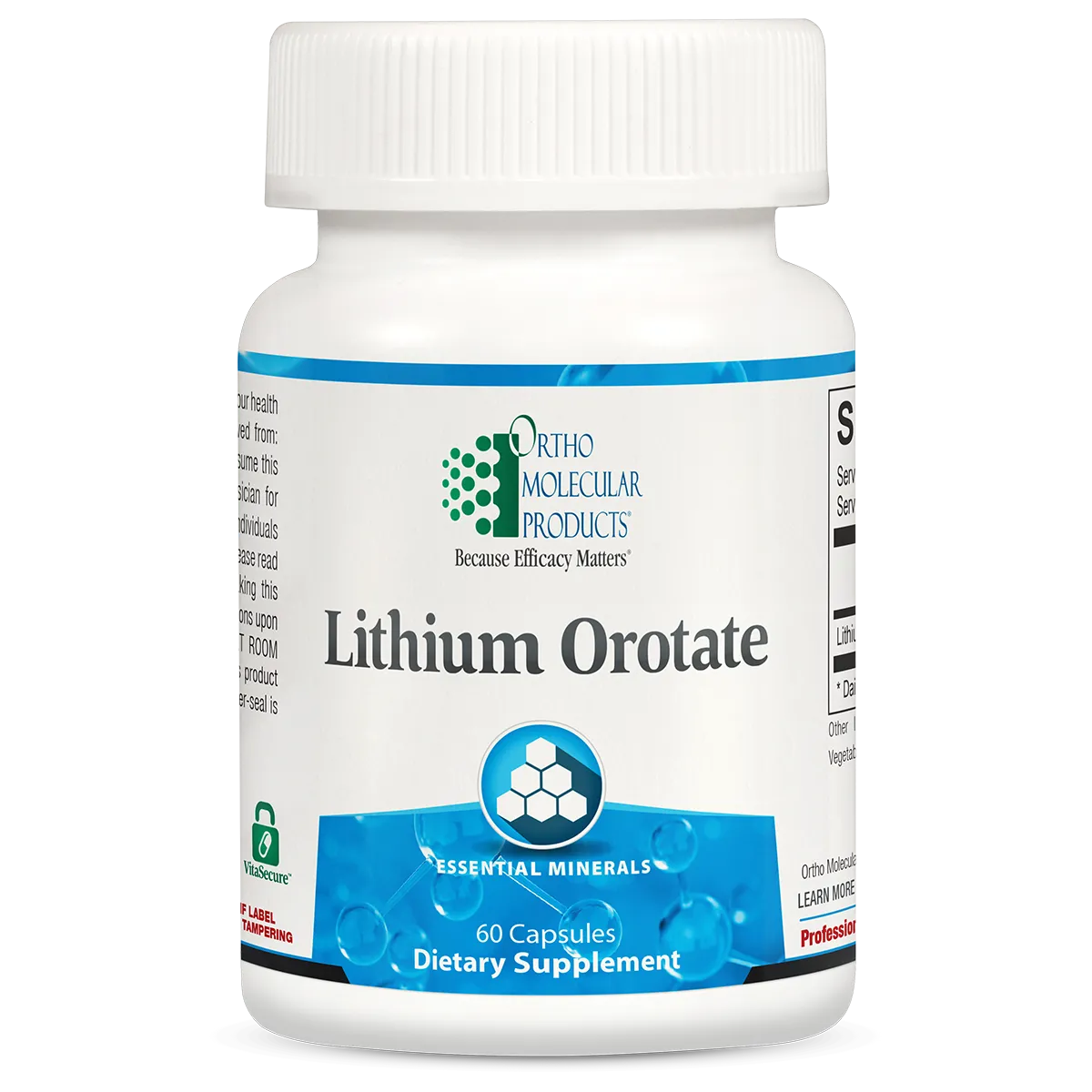
The specific formulation of Ortho Molecular's Lithium Orotate includes exactly 10 mg of the trace mineral per capsule, meticulously designed for a wide range of clinical protocols. For general mood support, daily emotional wellness, and long-term cognitive longevity, a low dosage of 1 capsule per day is often recommended by knowledgeable healthcare professionals. However, clinical applications for severe, intractable neuroinflammation, such as that seen in Long COVID or severe ME/CFS, may require highly personalized, titrated dosing strategies. Some emerging clinical data suggests that while extremely low doses are excellent for long-term maintenance and basic support, slightly higher titrated doses (strictly under medical supervision) may be necessary to break acute, stubborn inflammatory cycles in the brain. Because lithium absorption and excretion can be heavily influenced by systemic sodium levels and overall hydration, it is generally recommended to take the supplement with food and maintain highly consistent, adequate water and electrolyte intake, especially for patients dealing with concurrent dysautonomia or postural orthostatic tachycardia syndrome (POTS).
Safety, Interactions, and Contraindications
Despite its significantly lower dose and generally excellent tolerability, lithium orotate must be approached with immense clinical respect, as it shares the exact same pharmacological interaction profile as prescription lithium. It is heavily processed and excreted by the kidneys, meaning individuals with preexisting renal impairment, chronic kidney disease, or compromised filtration rates should absolutely avoid it. Furthermore, it can interact dangerously with several common medications. Non-steroidal anti-inflammatory drugs (NSAIDs) like ibuprofen and naproxen, as well as certain blood pressure medications (ACE inhibitors) and prescription diuretics, can severely reduce the kidneys' ability to clear lithium, leading to unwanted, potentially toxic accumulation in the blood. Additionally, because lithium naturally boosts serotonin levels, combining it with SSRI antidepressants, MAOIs, or other serotonergic drugs significantly increases the risk of serotonin syndrome—a rare but serious condition. Pregnant or nursing individuals should also strictly avoid all forms of lithium supplementation due to teratogenic risks. Always consult your primary healthcare provider before introducing lithium orotate, especially if you are on a complex, multi-drug medication regimen for Long COVID or ME/CFS.

Follow the Science
The OATP Transporter Breakthrough
The long-standing, decades-old scientific debate over lithium orotate's superior bioavailability was recently illuminated by a landmark 2022/2023 pharmacokinetic study published in the Journal of Psychiatric Research (Pacholko & Bekar, 2022). Researchers utilized highly advanced modern modeling in mice to discover that lithium orotate and lithium carbonate actually possess entirely different, distinct transport mechanisms into the brain. They conclusively found that lithium orotate transport is heavily mediated by organic anion-transporting polypeptides (OATPs), specifically the OATP1A2 transporter, which are highly abundant in the blood-brain barrier. When researchers chemically blocked this specific transporter, the neurological effects of lithium orotate completely ceased, confirming it uses a specialized, highly efficient "VIP pathway" to enter the brain. This groundbreaking discovery perfectly explains why lithium orotate demonstrated near-complete efficacy in calming manic behaviors at a microscopic concentration of just 1.5 mg/kg, whereas heavy lithium carbonate required up to 20 mg/kg to achieve even partial effects, all while completely sparing the delicate kidneys from heavy toxicity and filtration stress.
The Long COVID Clinical Trial
The highly anticipated application of low-dose lithium for post-viral syndromes is finally moving from theoretical biology to rigorous clinical trials. In October 2024, a randomized, double-blind, placebo-controlled clinical trial led by the University at Buffalo and published in JAMA Network Open rigorously investigated lithium aspartate (a very similar low-dose salt) specifically for Long COVID patients (Guttuso et al., 2024). The primary trial unfortunately found that extremely low doses of 10 to 15 mg/day were largely ineffective at significantly reducing the Fatigue Severity Scale or Brain Fog Severity Scale over a short 3-week period. However, an exploratory, highly detailed dose-finding sub-study revealed a crucial, game-changing nuance: when the dosage was carefully and incrementally increased to 40 to 45 mg/day, patients who successfully achieved specific serum blood lithium concentrations (0.18 to 0.49 mEq/L) experienced numerically greater, highly satisfactory improvements and profound reductions in both cognitive dysfunction and severe fatigue. This critical data suggests that while 10 mg is excellent for baseline neuro-support, overcoming the severe, entrenched neuroinflammation of Long COVID may require higher, medically supervised therapeutic targets.
Evidence for Antioxidant and DHA Synergies
The Path Forward
Validating the Cognitive Struggle
Living daily with the severe cognitive and neurological symptoms of Long COVID, ME/CFS, or dysautonomia can be an incredibly isolating, terrifying experience. When your brain—the very organ you desperately rely on to articulate your suffering and navigate the medical system—is heavily compromised by neuroinflammation and oxidative stress, simply advocating for your basic health becomes a monumental, exhausting task. When asking How Long Does Long COVID Last?, it is absolutely vital to remember that your severe brain fog, terrifying memory lapses, and painful sensory overload are not psychological failings or signs of weakness; they are the direct result of measurable, physical biochemical disruptions, from raging glutamate excitotoxicity to the severe depletion of protective brain DHA. Acknowledging the stark physiological reality of these symptoms is the first, most crucial step toward finding effective, validating management strategies.
A Comprehensive Approach to Healing
While the deep science behind low-dose lithium orotate is highly promising and mechanistically sound, it is not a magic bullet or a standalone cure for complex chronic illness. True, lasting cognitive recovery and learning How Can You Live with Long-Term COVID requires a comprehensive, highly multi-layered approach. Targeted supplements must always be paired with aggressive radical rest, meticulous daily symptom tracking to strictly avoid post-exertional malaise, and the careful medical management of underlying systemic triggers like mast cell activation syndrome (MCAS) or latent viral reactivations. By combining highly targeted nutritional support—like powerfully boosting your brain's natural detoxification enzymes and carefully balancing your neurotransmitters—with strict pacing and expert medical guidance, you can begin to slowly create an internal cellular environment that is truly conducive to deep neurological healing and a vastly improved quality of life.
Explore Lithium Orotate
If you are deeply struggling with persistent, debilitating brain fog, severe mood imbalances, or profound cognitive fatigue, targeted trace mineral support may be a highly valuable, science-backed addition to your daily protocol. Always consult your primary healthcare provider to ensure it aligns safely with your current medications, kidney function, and overall health status.