Can Liquid Vitamin D3 with K2 Support Bone and Heart Health in Long COVID?
March 6, 2026
Vitamin D3Vitamin K2Long COVID
Share:
Disclaimer: The information provided here is for educational purposes only and is not intended as medical advice. It should not be used to diagnose, treat, cure, or prevent any medical condition. Instead, use it as a starting point for discussion with your healthcare provider. Always consult with a qualified healthcare provider before starting any new medication, supplement, device, or making changes to your health regimen.
Months or even years after a viral infection, many patients living with complex chronic conditions find themselves battling a bewildering array of invisible symptoms. From the crushing weight of post-exertional malaise (PEM) to the unpredictable surges of a racing heart, navigating life with Long COVID, myalgic encephalomyelitis/chronic fatigue syndrome (ME/CFS), or dysautonomia can feel like a full-time job. Often, patients are told their lab results look "normal," yet they continue to experience profound fatigue, joint pain, and immune dysfunction. In the search for answers, medical researchers are increasingly looking at the foundational biochemical pathways that govern our immune response, cardiovascular health, and cellular integrity.
One of the most critical, yet frequently misunderstood, pathways involves the intricate dance between calcium, the immune system, and vascular health. For decades, standard medical advice focused solely on Vitamin D for bone support and immune function. However, emerging clinical research has revealed that supplementing Vitamin D in isolation can inadvertently trigger a cascade of unintended consequences, particularly for those with sensitive autonomic nervous systems. Enter the synergistic partnership of Vitamin D3 and Vitamin K2. Together, these nutrients act as a highly coordinated team, ensuring that calcium is directed exactly where it is needed—into the bones—while keeping it out of the arteries and soft tissues. For patients managing the complex web of Long COVID and related neuroimmune conditions, understanding and optimizing this dynamic duo may be a crucial piece of the recovery puzzle.
TL;DR
Vitamin D3 and K2 work synergistically to support calcium absorption and direct it to bones, not arteries.
This combination may help manage chronic illness symptoms by supporting immune function and cardiovascular health.
Liquid formulations offer a highly bioavailable option, which may benefit patients with gastrointestinal or absorption issues.
Consult a healthcare provider to ensure proper dosing and monitor levels, especially with POTS or MCAS.
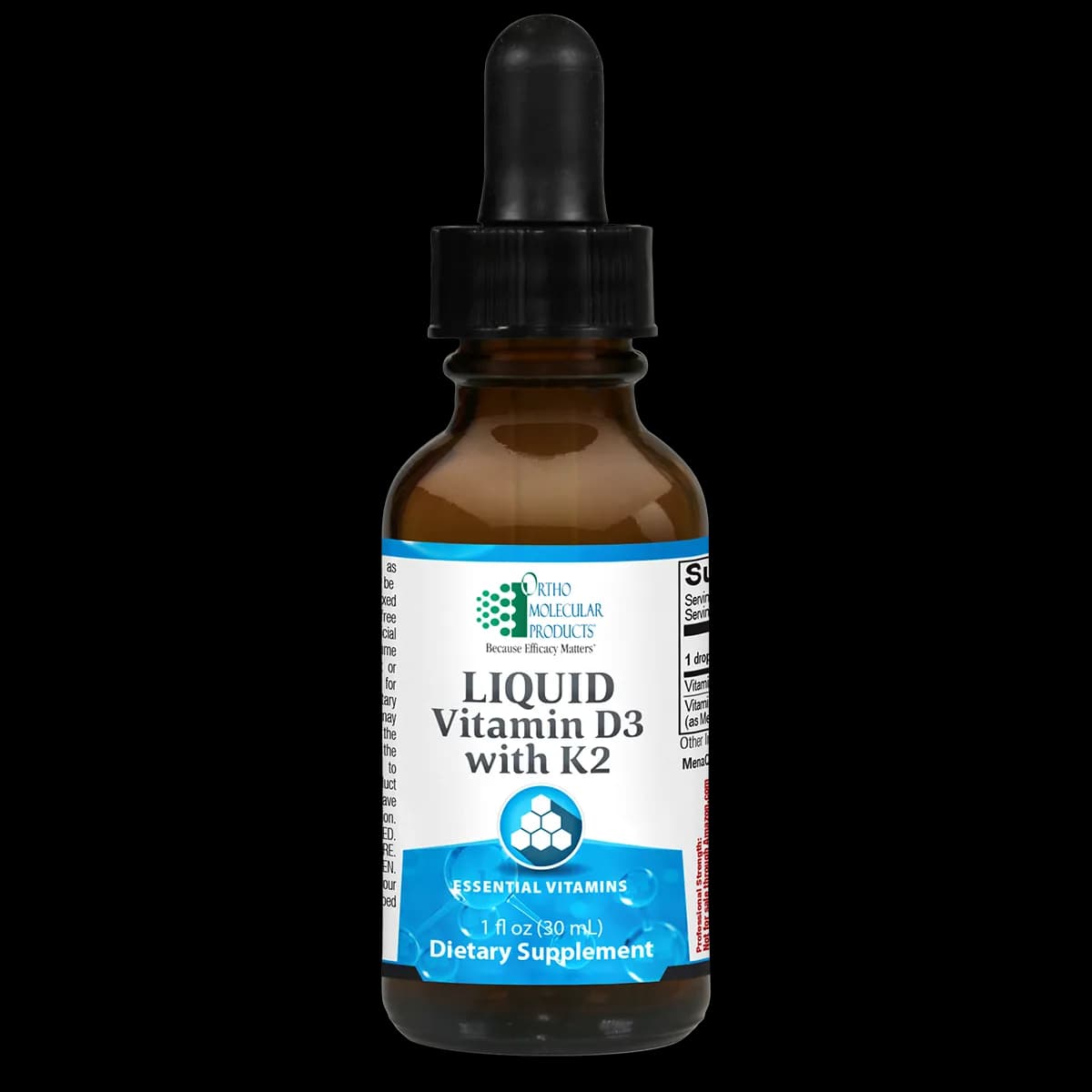
What is Liquid Vitamin D3 with K2?
The Sunshine Hormone and Calcium Homeostasis
To understand the profound impact of Liquid Vitamin D3 with K2, we must first examine the individual roles of these essential nutrients at a molecular level. Vitamin D3, scientifically known as cholecalciferol, is technically not a traditional vitamin but rather a potent prohormone. When synthesized in the skin via sunlight exposure or ingested through supplementation, it undergoes a two-step hydroxylation process. First, the liver converts it into 25-hydroxyvitamin D [25(OH)D], the primary circulating form measured in blood tests. Then, the kidneys convert it into its biologically active hormonal form, calcitriol. Calcitriol binds to Vitamin D Receptors (VDRs) located in the nuclei of cells throughout the entire body, influencing the expression of hundreds of genes involved in immune regulation, cellular proliferation, and, most notably, calcium homeostasis.
In the context of mineral balance, Vitamin D3 acts as the ultimate gatekeeper for calcium absorption. It significantly upregulates the production of calcium-binding proteins in the intestinal lining, allowing the body to efficiently pull calcium from the diet into the bloodstream. Without adequate Vitamin D3, the body can only absorb about 10 to 15 percent of dietary calcium, leading to a state of chronic deficiency that forces the parathyroid glands to leach calcium from the skeleton to maintain vital serum levels. Furthermore, Vitamin D3 is responsible for signaling the osteoblasts (bone-building cells) to synthesize specific Vitamin K-dependent proteins (VKDPs). However, clinical research indicates that Vitamin D3 alone can only produce these proteins in an inactive, uncarboxylated state, leaving them dormant and unable to perform their physiological duties.
Vitamin K2 and the Carboxylation Process
This is precisely where Vitamin K2 enters the biochemical equation as an essential cofactor. While Vitamin K1 (phylloquinone) is primarily utilized by the liver to regulate blood clotting, Vitamin K2 (menaquinone) is distributed to extrahepatic tissues, including the bones, cartilage, and vascular smooth muscle. At the cellular level, Vitamin K2 is required to activate the enzyme gamma-glutamyl carboxylase. This specific enzyme is responsible for modifying the inactive proteins generated by Vitamin D3 by adding a carboxyl group to their glutamic acid residues. This structural modification, known as carboxylation, fundamentally changes the shape of the proteins, giving them a negative charge that allows them to bind tightly to positively charged calcium ions.
The most biologically active and clinically relevant form of Vitamin K2 is Menaquinone-7 (MK-7). Compared to other forms like MK-4, MK-7 has a significantly longer half-life in the bloodstream, remaining active for up to 72 hours. This extended circulation time ensures a continuous, steady-state activation of gamma-glutamyl carboxylase, allowing the body to consistently manage calcium distribution around the clock. By providing the essential "ignition" to activate the proteins synthesized by Vitamin D3, MK-7 ensures that the physiological mechanisms of bone mineralization and vascular protection are fully operational.
Solving the Synergistic "Calcium Paradox"
The interdependent relationship between these two nutrients perfectly addresses a phenomenon known in medical literature as the "Calcium Paradox." This paradox describes a clinical scenario where a patient simultaneously suffers from osteoporosis (a dangerous lack of calcium in the bones) and vascular calcification (a dangerous accumulation of calcium in the arteries). For years, researchers were puzzled as to why aggressive calcium and Vitamin D supplementation sometimes worsened cardiovascular outcomes. The answer lies in the absence of Vitamin K2. When Vitamin D3 aggressively pulls calcium into the blood, but there is no Vitamin K2 to direct it, the free-floating calcium can inappropriately deposit into the soft tissues, leading to arterial stiffening and endothelial dysfunction.
By combining these nutrients, Liquid Vitamin D3 with K2 creates a highly regulated, closed-loop system for mineral transport. Think of Vitamin D3 as the supply chain manager that brings the raw materials (calcium) into the warehouse (the bloodstream) and builds the delivery trucks (the inactive proteins). Vitamin K2 acts as the specialized driver who turns the key, activating the trucks and ensuring the cargo is delivered exclusively to the construction site (the skeleton) rather than being dumped on the highway (the arteries). This synergistic interplay is fundamental for maintaining the structural integrity of the human body, particularly when chronic illness places the system under immense physiological stress.
How Chronic Illness Impacts Calcium and Bone Health
Viral Infection, Inflammation, and Bone Density
Living with complex chronic conditions like Long COVID, ME/CFS, and dysautonomia places an extraordinary, unrelenting burden on the body's physiological reserves. At the core of many of these illnesses is a state of chronic, systemic inflammation driven by immune dysregulation, persistent viral persistence, or autoimmune mechanisms. When the immune system is locked in a perpetual state of high alert, it releases a cascade of pro-inflammatory cytokines, such as interleukin-6 (IL-6) and tumor necrosis factor-alpha (TNF-alpha). These inflammatory molecules directly interfere with the delicate balance of bone remodeling. Specifically, chronic inflammation aggressively stimulates the activity of osteoclasts—the cells responsible for breaking down and resorbing bone tissue—while simultaneously suppressing the bone-building osteoblasts.
This inflammatory disruption creates a vicious cycle where bone mineral density is rapidly depleted, a process that is often completely invisible to the patient until a fracture occurs. Furthermore, the chronic oxidative stress associated with post-viral syndromes depletes the body's natural antioxidant defenses, leading to cellular damage within the bone matrix itself. Because Vitamin D3 is heavily consumed by the immune system in its attempt to quell this systemic inflammation, patients with Long COVID and ME/CFS frequently present with profound Vitamin D deficiencies. This deficiency not only impairs the immune response but also drastically reduces intestinal calcium absorption, further accelerating the rate of inflammatory bone loss.
The Post-Exertional Malaise (PEM) Catch-22
For individuals living with ME/CFS and specific subtypes of Long COVID, one of the most debilitating and defining symptoms is post-exertional malaise (PEM). PEM is characterized by a severe, disproportionate exacerbation of symptoms following even minor physical or cognitive exertion. In a healthy population, the primary, non-pharmacological method for maintaining bone density and mitigating osteoporosis risk is regular, weight-bearing exercise. The mechanical stress placed on the skeleton during movement signals the osteoblasts to continuously reinforce the bone matrix. However, for patients who experience severe PEM, pushing through fatigue to exercise is not just unhelpful; it is actively harmful and can trigger massive metabolic crashes that leave them bedbound for days or weeks.
This creates a devastating clinical Catch-22. The patient desperately needs mechanical loading to preserve their skeletal integrity, but their neuroimmune disease completely prevents them from safely engaging in that activity. As a result of prolonged inactivity and being bed-bound or house-bound, these patients face an exponentially higher risk of early-onset osteopenia and osteoporosis. In this scenario, the biochemical pathways of calcium regulation become the only viable defense mechanism. Without the mechanical stimulus of exercise, optimizing the molecular signaling provided by Vitamin D3 and Vitamin K2 becomes absolutely critical to artificially stimulate the bone-building processes and help mitigate rapid skeletal deterioration.
Mast Cell Activation and Vitamin D Depletion
The interconnected nature of complex chronic illness often means that patients dealing with Long COVID or dysautonomia also develop secondary conditions like mast cell activation syndrome (MCAS). Mast cells are the first responders of the immune system, packed with inflammatory mediators like histamine, tryptase, and prostaglandins. In MCAS, these cells become highly unstable and degranulate inappropriately in response to benign triggers, causing systemic allergic-type reactions, brain fog, and vascular permeability. Interestingly, mast cells possess a high concentration of Vitamin D Receptors (VDRs). Clinical evidence demonstrates that Vitamin D is a potent, natural mast cell stabilizer. When Vitamin D levels are optimal, it binds to these receptors and actively suppresses the genetic expression of inflammatory cytokines within the mast cell, keeping it calm and intact.
Conversely, when a patient is deficient in Vitamin D—which is incredibly common in chronic illness due to poor absorption, lack of sunlight, and high metabolic demand—their mast cells become hyper-reactive and hypersensitive. This creates a destructive feedback loop. The chronic degranulation of mast cells drives systemic inflammation, which further depletes circulating Vitamin D stores, which in turn causes the mast cells to become even more unstable. Breaking this cycle requires precise, highly bioavailable supplementation to restore VDR activation. However, as we will explore later, patients with MCAS must be incredibly strategic about the forms of supplements they use, as the inactive ingredients or fermentation processes used in standard vitamins can sometimes trigger the very flares they are trying to prevent.
Liquid Vitamin D3 with K2: Supporting Skeletal, Cardiovascular, and Immune Function
Activating Osteocalcin for Bone Mineral Density
The primary mechanism by which Liquid Vitamin D3 with K2 supports skeletal health is through the activation of a highly specialized protein called osteocalcin, also known as Bone Gla Protein. Osteocalcin is secreted directly by the osteoblasts during the bone formation phase. When Vitamin D3 levels are optimized, it signals the DNA within the osteoblasts to ramp up the production of this vital protein. However, as previously established, this newly minted osteocalcin is released in an uncarboxylated, inactive state (ucOC). In this dormant form, it has absolutely no affinity for calcium and cannot contribute to bone mineralization. High levels of circulating ucOC are clinically recognized as a major biomarker for Vitamin K deficiency and are strongly correlated with a heightened risk of osteoporotic fractures.
When MenaQ7® PRO (the clinically validated form of Vitamin K2 MK-7) is introduced into the system, it acts as the necessary cofactor for the gamma-glutamyl carboxylase enzyme. This enzyme carboxylates the glutamic acid residues on the osteocalcin molecule, transforming it into its active form (cOC). Once activated, osteocalcin develops a powerful magnetic attraction to calcium ions circulating in the bloodstream. It binds to this free calcium and physically integrates it into the hydroxyapatite matrix—the rigid, crystal-like structure that gives human bone its incredible tensile strength and density. By ensuring that osteocalcin is fully activated, Vitamin K2 ensures that the calcium absorbed via Vitamin D3 is locked securely into the skeleton, effectively counteracting the bone loss driven by chronic inflammation and lack of weight-bearing exercise.
Matrix Gla Protein (MGP) and Endothelial Protection
Beyond the skeleton, the synergistic action of Vitamin D3 and K2 plays a monumental role in protecting the cardiovascular system, a vital benefit for patients managing the vascular complications of Long COVID and dysautonomia. This protection is mediated by Matrix Gla Protein (MGP), which is synthesized by the smooth muscle cells lining the vascular system (the endothelium) and within cartilage tissue. MGP is currently recognized by medical science as the single most potent naturally occurring inhibitor of vascular calcification. Just like osteocalcin, the production of MGP is heavily stimulated by Vitamin D3, but it remains completely inactive (dp-ucMGP) until it is carboxylated by Vitamin K2.
When Vitamin K2 activates MGP, the protein acts as a biological scavenger within the blood vessels. It actively binds to free-floating calcium ions in the bloodstream, helping to keep them from precipitating and depositing into the arterial walls. If calcium is allowed to accumulate in the soft tissues, it forms rigid plaques that lead to arterial stiffness, elevated blood pressure, and severe endothelial dysfunction. For patients with postural orthostatic tachycardia syndrome (POTS) or Long COVID, maintaining vascular elasticity is crucial for proper blood pooling management and autonomic regulation. By keeping the arteries flexible and free of calcification, activated MGP supports healthy blood flow, reduces the workload on the heart, and mitigates the cardiovascular risks associated with systemic inflammation.
Immunomodulation and Ion Channel Stabilization
The therapeutic benefits of this vitamin combination extend deeply into the realm of neuroimmune function. Vitamin D3 is a profound immunomodulator. It enhances the innate immune response by upregulating the production of antimicrobial peptides like cathelicidin and defensins, which help the body clear lingering viral fragments and opportunistic pathogens. Simultaneously, it suppresses the adaptive immune system's overproduction of pro-inflammatory cytokines, helping to calm the cytokine storms often seen in Long COVID. By binding to VDRs on macrophages, T-cells, and B-cells, Vitamin D3 helps shift the immune system from a hyper-reactive, tissue-damaging state back toward a state of balanced surveillance.
Furthermore, emerging research into ME/CFS has highlighted significant dysfunctions in specific cellular structures called TRPM3 ion channels. These channels are responsible for regulating the flow of calcium ions into Natural Killer (NK) cells. When these channels are impaired, intracellular calcium levels drop, severely crippling the NK cells' ability to function and fight off infections. Vitamin D3 plays a direct, mechanistic role in cellular calcium handling and signaling. By optimizing Vitamin D3 levels alongside Vitamin K2 and essential minerals like magnesium, clinicians aim to stabilize these delicate ion channels, thereby restoring intracellular calcium balance and improving the overall efficacy of the immune system in patients with complex post-viral syndromes.
Why the MenaQ7® PRO Form Matters
Not all forms of Vitamin K2 are created equal, and the specific molecular structure dictates its clinical efficacy. Liquid Vitamin D3 with K2 utilizes MenaQ7® PRO, the most extensively researched and clinically validated form of Vitamin K2 as MK-7 on the global market. The distinction between MK-4 (menaquinone-4) and MK-7 (menaquinone-7) is critical for therapeutic success. MK-4 has a very short biological half-life of only a few hours, meaning it is rapidly cleared from the bloodstream and requires multiple high doses throughout the day to maintain enzyme activation. In contrast, the MK-7 molecule has a longer isoprenoid side chain, which allows it to remain circulating in the blood for up to 72 hours.
This extended half-life is a game-changer for chronic illness management. It means that a single daily dose of MenaQ7® PRO provides a continuous, 24/7 supply of Vitamin K2 to the extrahepatic tissues. This steady-state concentration ensures that gamma-glutamyl carboxylase is constantly active, relentlessly carboxylating osteocalcin and MGP day and night. The "PRO" designation indicates a highly purified, all-trans configuration of the MK-7 molecule, which perfectly matches the spatial requirements of the human body's enzymes, ensuring maximum bioavailability and biological activity. This level of purity and sustained action is why MenaQ7® PRO is the preferred choice in rigorous clinical trials and specialized medical practices.

Symptoms Liquid Vitamin D3 with K2 May Help Manage
Targeting the Multisystem Impact of Chronic Illness
Because Vitamin D3 and Vitamin K2 operate at the foundational level of cellular signaling, calcium transport, and immune regulation, their combined supplementation can influence a wide array of symptoms associated with complex chronic conditions. While these nutrients are not a cure for Long COVID, ME/CFS, or dysautonomia, optimizing their levels addresses critical biochemical bottlenecks that often exacerbate the severity of the illness. By restoring proper mineral distribution and calming systemic inflammation, patients may experience improvements across multiple bodily systems.
Post-Exertional Malaise (PEM) and Fatigue: By supporting mitochondrial calcium handling and reducing the systemic inflammatory burden, optimal D3/K2 levels can help raise the baseline energy threshold, potentially reducing the severity and duration of PEM crashes.
Deep Bone and Joint Pain: Chronic, aching pain in the bones and joints is often a silent indicator of Vitamin D deficiency and active bone demineralization. By driving calcium back into the hydroxyapatite matrix via activated osteocalcin, this combination helps restore skeletal integrity and alleviate structural pain.
Arterial Stiffness and Poor Circulation: For patients with dysautonomia and POTS, vascular elasticity is vital. By activating Matrix Gla Protein (MGP), Vitamin K2 helps reduce calcium buildup in the endothelial walls, promoting flexible arteries, better blood flow, and more stable autonomic regulation.
Frequent Infections and Immune Dysregulation: Vitamin D3 acts as a master regulator of the immune system. By stabilizing Vitamin D Receptors (VDRs) on immune cells, it enhances the production of antimicrobial peptides while simultaneously suppressing the hyperactive cytokine responses that drive chronic symptoms.
Mast Cell Hyper-Reactivity: Vitamin D is a potent, natural mast cell stabilizer. Restoring optimal levels helps suppress the genetic expression of histamine and inflammatory mediators within the mast cells, potentially reducing the frequency and severity of MCAS flares and allergic-type reactions.
Muscle Weakness and Twitching: Skeletal muscles require precise calcium signaling to contract and relax efficiently. By ensuring calcium is properly routed and utilized, this synergistic formula supports healthy muscle function and reduces the incidence of weakness and cramping associated with mineral imbalances.
Practical Considerations: Forms, Dosing, and Absorption
The Bioavailability of Liquid vs. Pill Formats
When it comes to fat-soluble vitamins like D3 and K2, the delivery mechanism is just as important as the dosage. Because they are lipophilic (fat-loving), these vitamins fundamentally require dietary fats and bile acids to be emulsified into microscopic micelles before they can be absorbed through the intestinal wall into the lymphatic system. Traditional dry tablets or powder-filled capsules lack a fat carrier. If a patient takes a dry Vitamin D pill on an empty stomach, a significant portion of the nutrient will simply pass through the digestive tract unabsorbed. This is a major hurdle for patients with complex chronic illnesses, who frequently suffer from gastrointestinal dysmotility, low stomach acid, or malabsorption issues that impair their ability to break down pills and extract nutrients.
While studies highlight the widespread nature of Vitamin D deficiency, addressing absorption is key. Liquid Vitamin D3 with K2 bypasses many of these digestive bottlenecks. By suspending the active vitamins directly in a high-quality carrier oil (such as medium-chain triglycerides or olive oil), the supplement provides its own built-in lipid matrix. This means the vitamins are already in a state that the body recognizes and can readily absorb, significantly reducing the digestive workload. Clinical studies evaluating oral solutions have demonstrated that liquid formats often yield slightly higher peak serum concentrations and greater overall exposure compared to dry powders. For patients with compromised gut function, liquid drops offer a highly bioavailable, easily titratable option that can even begin absorbing through the mucosal lining of the mouth before reaching the stomach.
Navigating Histamine and MCAS Sensitivities
For patients living with Mast Cell Activation Syndrome (MCAS) or severe histamine intolerance, introducing any new supplement requires extreme caution. While optimizing Vitamin D is crucial for stabilizing mast cells, the inactive ingredients and sourcing of the vitamins can sometimes trigger the very flares the patient is trying to avoid. Vitamin K2 as MK-7 is traditionally derived from natto, a fermented soybean product, or fermented chickpeas. Because all fermented foods are naturally high in histamine, some highly sensitive MCAS patients may experience allergic-type reactions, flushing, or tachycardia when consuming naturally derived MK-7.
If a patient is exquisitely sensitive to fermented products, they must carefully evaluate their tolerance to MK-7. In some cases, practitioners may recommend starting with a microscopic drop of the liquid formula to test for reactivity before titrating up to a full therapeutic dose. Alternatively, some patients may need to seek out synthetic or animal-derived MK-4 forms, though they sacrifice the extended half-life and sustained enzymatic activation provided by MenaQ7® PRO. Furthermore, the carrier oil used in liquid formulations (such as MCT oil derived from coconut) can occasionally be a trigger for those with specific lipid sensitivities. Working closely with a neuroimmune specialist is essential to navigate these complex biochemical individualities.
The Magnesium Trap in POTS and Dysautonomia
A critical, yet frequently overlooked, aspect of Vitamin D3 and K2 supplementation is their profound impact on the body's magnesium stores. The entire metabolic pathway of Vitamin D—from its conversion in the liver and kidneys to its binding at the cellular receptors—is heavily dependent on magnesium as a necessary cofactor. Furthermore, when Vitamin K2 aggressively drives calcium into the bones, this cellular construction process consumes substantial amounts of magnesium. If a patient begins high-dose D3/K2 supplementation without ensuring adequate magnesium intake, they can rapidly deplete their circulating serum magnesium levels, leading to a state of acute relative deficiency.
For patients with dysautonomia or POTS, this magnesium depletion can be disastrous. Magnesium is the primary mineral responsible for relaxing vascular smooth muscle and calming the autonomic nervous system. A sudden drop in magnesium can trigger severe exacerbations of POTS symptoms, including bounding tachycardia, heart palpitations, muscle fasciculations (twitching), and adrenaline surges. Therefore, it is a standard clinical practice in dysautonomia management to always co-supplement Vitamin D3 and K2 with a highly bioavailable form of magnesium (such as magnesium glycinate or malate). This protective strategy ensures that the autonomic nervous system remains stable while the body processes the influx of calcium.
Dosing Strategies and Clinical Monitoring
Because Vitamin D is fat-soluble and can accumulate in the body's adipose tissue, supplementation should never be a guessing game. It requires precise clinical monitoring to achieve optimal therapeutic ranges without risking toxicity. The standard biomarker for assessing Vitamin D status is a blood test measuring 25-hydroxyvitamin D [25(OH)D]. While conventional lab ranges often consider anything above 30 ng/mL as "normal," many functional medicine and neuroimmune specialists target a much higher optimal range—typically between 50 and 80 ng/mL—to fully support immune modulation and mast cell stabilization in chronically ill patients.
The beauty of a liquid formulation is its unparalleled flexibility in dosing. Each drop provides a specific, concentrated amount of D3 and K2, allowing patients to easily titrate their dose up or down based on their most recent lab results and seasonal sunlight exposure. When correcting a severe deficiency, a physician may recommend higher daily doses (e.g., 5,000 to 10,000 IU of D3) for a short period, making the inclusion of Vitamin K2 absolutely mandatory to help reduce the risk of soft tissue calcification. Once optimal blood levels are achieved, the patient can easily dial back the number of drops to a lower maintenance dose. Regular blood testing every 3 to 6 months is crucial to ensure the supplementation strategy remains safe, effective, and perfectly tailored to the patient's evolving metabolic needs.

Follow the Science
The Synergistic Interplay of Vitamins D and K
The therapeutic potential of Vitamin D3 and K2 is supported by a narrative review published in the International Journal of Endocrinology in 2017. This review investigated the synergistic interplay between vitamins D and K for bone and cardiovascular health, rather than specific Long COVID trials. The authors explored how these vitamins work together to regulate calcium metabolism and support vascular health.
The review's findings were highly significant in the context of calcium metabolism. The authors demonstrated that optimal levels of both vitamins are necessary to ensure calcium is directed to the bones and kept out of the arteries. Specifically, the review highlighted that Vitamin D promotes the production of vitamin K-dependent proteins, which require Vitamin K for activation, suggesting that the combination actively supports cardiovascular health and bone density.
Dietary Quality and Postpartum Health
The specific inclusion of MenaQ7® PRO in this liquid formula is backed by decades of rigorous scientific inquiry, largely spearheaded by Dr. Leon Schurgers and his research team at the Cardiovascular Research Institute Maastricht (CARIM) at the University of Maastricht. Dr. Schurgers is globally recognized as a leading authority on Vitamin K metabolism. His team conducted a landmark 3-year, double-blind, randomized, placebo-controlled trial involving 244 healthy post-menopausal women to evaluate the long-term effects of MenaQ7® on bone and cardiovascular health. The participants received either 180 mcg/day of MenaQ7® or a placebo.
The results, published in prestigious journals like Thrombosis and Haemostasis and Osteoporosis International, were unprecedented. Separate research has explored Vitamin K2's effects on uncarboxylated osteocalcin and its potential to support bone density at the spine and hip. Even more remarkably, ultrasound and pulse-wave velocity measurements in related studies revealed that the MK-7 supplementation not only inhibited the age-related stiffening of artery walls but actually improved vascular elasticity compared to the placebo group. This body of research firmly establishes MenaQ7® as a premier therapeutic agent for simultaneously supporting skeletal integrity and cardiovascular flexibility.
Coronary Artery Calcification and the VitaK-CAC Trial
Building upon their success in healthy populations, researchers sought to determine if MenaQ7® could intervene in active disease states. The VitaK-CAC trial was a 24-month double-blind, randomized, placebo-controlled study evaluating patients with existing mild to moderate coronary artery disease (defined by a baseline Agatston CAC-score between 50 and 400). Patients were administered a high therapeutic dose of 360 mcg/day of MK-7. The goal was to see if aggressive activation of Matrix Gla Protein (MGP) could halt the progression of dangerous calcium plaques within the coronary arteries.
Recent updates in the field continue to explore these outcomes. Two years of targeted MK-7 supplementation has been studied for its potential to slow the rate of progression of Coronary Artery Calcification (CAC), irrespective of the patients' baseline blood pressure status. The researchers noted that while inactive MGP levels naturally rose in both groups over time, the MK-7 group experienced a significantly smaller increase, suggesting that the supplement was actively carboxylating the protein and postponing coronary calcium buildup. This ongoing research makes it an area of interest for patients managing the vascular complications of complex chronic illnesses.
The Path Forward
Validating the Complexity of Chronic Illness
Living with conditions like Long COVID, ME/CFS, dysautonomia, and MCAS is an incredibly complex and often isolating experience. The sheer unpredictability of the symptoms—from crushing fatigue and cognitive dysfunction to racing heart rates and deep bone pain—can make every day feel like an uphill battle against your own biology. It is entirely valid to feel frustrated when standard medical tests return "normal" results while your lived reality is anything but. Understanding the intricate, microscopic biochemical pathways, such as the delicate dance between Vitamin D3, Vitamin K2, and calcium homeostasis, validates that your symptoms are rooted in real, measurable physiological disruptions, not just in your head.
Building a Comprehensive Management Strategy
While the clinical research supporting Liquid Vitamin D3 with K2 is highly promising, it is important to remember that no single supplement is a magic cure for neuroimmune or autonomic disorders. True healing and symptom management require a comprehensive, multi-layered approach. Optimizing your cellular biochemistry with targeted nutrients is a powerful foundational step, but it must be paired with careful energy pacing, diligent symptom tracking, nervous system regulation, and personalized medical care. By addressing the illness from multiple angles—calming inflammation, supporting bone density, protecting the vascular endothelium, and managing daily exertion—you can slowly begin to rebuild your physiological resilience.
Next Steps for Your Health Journey
If you are struggling with the skeletal, cardiovascular, or immune challenges associated with chronic complex illness, Liquid Vitamin D3 with K2 may offer a highly bioavailable, scientifically validated tool to support your recovery. By providing the essential "ignition" to activate your body's calcium-regulating proteins, this synergistic formula helps ensure that your foundational biological systems are operating as efficiently as possible. Always consult with your primary care physician or a neuroimmune specialist before introducing new supplements, especially to ensure proper dosing, monitor blood levels, and manage potential interactions with conditions like POTS or MCAS.