Can Liquid Vitamin D3 Support Immune and Autonomic Balance in Long COVID and ME/CFS?
March 6, 2026
Liquid Vitamin D3Long COVIDME/CFS
Share:
Disclaimer: The information provided here is for educational purposes only and is not intended as medical advice. It should not be used to diagnose, treat, cure, or prevent any medical condition. Instead, use it as a starting point for discussion with your healthcare provider. Always consult with a qualified healthcare provider before starting any new medication, supplement, device, or making changes to your health regimen.
Months or even years after recovering from an initial viral infection, many people find themselves fighting a complex web of debilitating symptoms. Whether you have been diagnosed with Long COVID, myalgic encephalomyelitis/chronic fatigue syndrome (ME/CFS), dysautonomia, or mast cell activation syndrome (MCAS), the daily reality of chronic illness can be overwhelming. You may be dealing with unpredictable heart rates, profound post-exertional malaise (PEM), or sudden allergic-type reactions that seem to have no clear trigger. In the search for validating, science-backed answers, researchers are increasingly looking at foundational biological regulators that may become depleted or dysfunctional during chronic illness. One of the most critical of these regulators is Vitamin D3.
While traditionally known simply as the "bone vitamin," modern medical research has revealed that Vitamin D3 is actually a potent, pleiotropic neurosteroid hormone. It plays a master regulatory role in the immune system, the cardiovascular system, and the autonomic nervous system. For patients navigating the complexities of post-viral syndromes, understanding how this vital pro-hormone interacts with cellular pathways can provide crucial insights into symptom management. In this comprehensive guide, we will explore the deep molecular mechanisms of Liquid Vitamin D3, how chronic conditions disrupt its natural pathways, and what the latest clinical trials reveal about its potential to support recovery and improve your quality of life.
TL;DR
Liquid Vitamin D3 is a pro-hormone supporting immune, autonomic, and cardiovascular health in chronic illness.
Conditions like Long COVID and ME/CFS can deplete Vitamin D, driving systemic inflammation and fatigue.
Oil-based liquid drops offer superior absorption, bypassing digestive issues common in complex chronic conditions.
Work with a healthcare provider to monitor blood levels and safely adjust your Vitamin D dosage.
What is Liquid Vitamin D3?
The Sunshine Hormone and Its Active Forms
To understand the profound impact of Liquid Vitamin D3 on the human body, we must first look past its traditional classification as a simple vitamin. In reality, Vitamin D3 (cholecalciferol) is a fat-soluble pro-hormone that belongs to the steroid vitamin group. In a healthy body, it is naturally synthesized in the skin upon exposure to ultraviolet B (UVB) radiation from sunlight, or it can be absorbed through specific dietary sources and high-quality supplements. However, the raw form of Vitamin D3 is biologically inactive. To exert its powerful systemic effects, it must undergo a highly coordinated, two-step enzymatic conversion process within the body.
The first step of this metabolic activation occurs in the liver, where the enzyme 25-hydroxylase converts cholecalciferol into 25-hydroxyvitamin D3, commonly abbreviated as 25(OH)D. This is the major circulating form of the vitamin in your bloodstream and the specific biomarker that doctors measure when checking your Vitamin D levels. The second, and most critical, step occurs primarily in the kidneys, but also locally within immune cells and cardiovascular tissues. Here, the enzyme CYP27B1 converts 25(OH)D into its fully active, hormonal form known as 1,25-dihydroxyvitamin D3, or calcitriol. It is this active calcitriol that interacts with your cells to regulate a vast array of biological functions.
The VDR-RXR Complex and Genomic Transcription
The primary mechanism of action for active Vitamin D3 occurs at the genomic level, meaning it directly influences how your DNA is read and expressed. Calcitriol achieves this by binding to the intracellular Vitamin D Receptor (VDR), which is a member of the nuclear steroid receptor superfamily. VDRs are not just found in bone; they are ubiquitously expressed across almost every tissue in the human body, including the brain, heart, blood vessels, and nearly all cells of the immune system. When calcitriol binds to a VDR inside a cell, it triggers a profound conformational change in the receptor's structure.
Once activated, the VDR forms a partnership, or heterodimer, with another receptor known as the Retinoid X Receptor (RXR). This newly formed VDR-RXR complex then physically translocates into the cell's nucleus. Inside the nucleus, the complex acts as a master transcription factor. It binds to highly specific DNA sequences known as Vitamin D Response Elements (VDREs), which are located in the promoter regions of hundreds of different target genes. By recruiting various co-activator or co-repressor proteins, the VDR-RXR complex can either stimulate or suppress the transcription of these genes. This epigenetic modulation allows Vitamin D3 to control the production of inflammatory cytokines, regulate cell growth, and maintain cellular homeostasis across multiple organ systems.
Non-Genomic Pathways and Cellular Defense
In addition to its genomic effects, which can take hours or days to fully manifest, Vitamin D3 also exerts rapid, non-genomic effects by interacting with membrane-associated receptors. These interactions trigger immediate intracellular signaling cascades that are vital for cellular defense and survival. For instance, calcitriol can rapidly activate the PI3K/Akt pathway, which promotes cellular survival and may help protect against programmed cell death (apoptosis) in the face of oxidative stress. This is particularly important for protecting delicate endothelial cells that line your blood vessels and neurons in your brain from inflammatory damage.
Furthermore, Vitamin D3 is a potent activator of the Nuclear Factor Erythroid 2-Related Factor 2 (Nrf2) antioxidant pathway. When activated, Nrf2 travels to the nucleus and prompts the cell to produce a broad spectrum of endogenous antioxidants, such as glutathione. By upregulating these natural defense mechanisms, Vitamin D3 helps to neutralize reactive oxygen species (ROS) and reduce the systemic oxidative stress that is so frequently observed in complex chronic illnesses. Through both its slow genomic transcription and its rapid membrane signaling, Vitamin D3 acts as a foundational pillar of cellular resilience.
How Long COVID and ME/CFS Impact the Immune and Autonomic Systems
Viral Persistence and the Depletion of Immune Reserves
When an individual develops Long COVID or ME/CFS, their body often becomes trapped in a state of chronic, unresolved immune activation. In a healthy scenario, an acute viral infection triggers a robust immune response that clears the pathogen, after which the immune system returns to a peaceful baseline. However, in post-viral syndromes, researchers hypothesize that mechanisms such as viral persistence (where fragments of the virus remain hidden in tissues), latent virus reactivation (such as the Epstein-Barr Virus), or autoimmune cross-reactivity keep the immune system locked in a continuous "fight" mode. This relentless immune activity requires massive amounts of cellular energy and rapidly depletes the body's nutritional reserves, particularly its stores of Vitamin D.
Because immune cells rely heavily on Vitamin D to regulate their function, a chronic infection creates a vicious cycle. The hyperactive immune system consumes circulating 25(OH)D to produce the active calcitriol needed to manage inflammation. As systemic Vitamin D levels plummet, the immune system loses its primary "braking" mechanism. Without adequate Vitamin D to suppress the NF-κB pathway and the NLRP3 inflammasome, immune cells begin to overproduce highly pro-inflammatory cytokines like IL-6 and TNF-alpha. This unchecked systemic inflammation drives many of the debilitating symptoms of ME/CFS and Long COVID, including severe brain fog, profound fatigue, and widespread joint and muscle pain.
Autonomic Nervous System Dysfunction and POTS
The impact of chronic illness extends far beyond the immune system, heavily disrupting the autonomic nervous system (ANS). The ANS controls involuntary bodily functions such as heart rate, blood pressure, and digestion. In conditions like dysautonomia and Postural Orthostatic Tachycardia Syndrome (POTS), the delicate balance between the sympathetic (fight-or-flight) and parasympathetic (rest-and-digest) branches of the ANS is shattered. Patients with POTS often experience severe tachycardia, an abnormally fast heart rate, simply upon standing, accompanied by dizziness, blood pooling in the extremities, and severe fatigue.
Vitamin D deficiency plays a significant role in the pathophysiology of dysautonomia. The Vitamin D Receptor (VDR) is densely expressed throughout the central and peripheral nervous systems, where it helps modulate neurotransmitter synthesis and nerve growth. When Vitamin D levels are depleted by chronic inflammation, the nervous system loses a crucial neuroprotective agent. Furthermore, Vitamin D is a negative endocrine regulator of the Renin-Angiotensin-Aldosterone System (RAAS), which controls blood volume and vascular resistance. Depletion of Vitamin D can lead to RAAS overactivation, contributing to the erratic blood pressure fluctuations and cardiovascular instability that characterize POTS and other forms of dysautonomia.
The Vicious Cycle of Mast Cell Activation Syndrome (MCAS)
Another critical piece of the chronic illness puzzle is mast cell activation syndrome (MCAS), a condition that frequently co-occurs with Long COVID, ME/CFS, and POTS. Mast cells are specialized white blood cells that act as the body's first responders, releasing histamine and other chemical mediators when they detect a threat. In MCAS, these cells become hypersensitive and structurally unstable, inappropriately degranulating and flooding the body with inflammatory chemicals in response to benign triggers like food, temperature changes, or even physical exertion.
Mast cells are highly dependent on Vitamin D for their structural integrity. They possess the unique ability to locally convert inactive Vitamin D into active calcitriol using their own CYP27B1 enzymes. When systemic Vitamin D levels are low, mast cells are deprived of this essential stabilizing hormone. This creates a devastating feedback loop: chronic illness depletes Vitamin D, which destabilizes mast cells, leading to massive histamine release, which in turn drives further systemic inflammation and autonomic dysfunction.
Liquid Vitamin D3: Supporting Immune Regulation and Autonomic Balance
Modulating the Innate and Adaptive Immune Response
Supplementing with Liquid Vitamin D3 provides the foundational raw materials needed to restore balance to a dysregulated immune system. At the cellular level, Vitamin D3 acts as a master immunomodulator, capable of simultaneously enhancing antimicrobial defenses while suppressing tissue-damaging inflammation. In the innate immune system, calcitriol enhances the phagocytic capabilities of macrophages, helping them to more efficiently clear out cellular debris and persistent viral fragments. Simultaneously, it induces the expression of powerful endogenous antimicrobial peptides, such as cathelicidin, which are vital for neutralizing opportunistic pathogens that may take advantage of a weakened immune state.
In the adaptive immune system, Vitamin D3 exerts a profound calming effect. It actively suppresses the proliferation of pro-inflammatory Th1 and Th17 cells, effectively halting the overproduction of inflammatory cytokines like IFN-γ and IL-17 that drive systemic inflammation in Long COVID and ME/CFS. Conversely, calcitriol promotes the differentiation of Regulatory T cells (Tregs). Tregs are the "peacekeepers" of the immune system; they are absolutely crucial for maintaining self-tolerance, helping to prevent autoimmune cross-reactivity, and signaling the immune system to stand down once a threat has passed. By shifting the balance from a pro-inflammatory state to a tolerogenic state, Vitamin D3 helps to break the cycle of chronic immune activation.
Cardiovascular Health and Endothelial Function
For patients dealing with dysautonomia, POTS, and the cardiovascular complications of Long COVID, Liquid Vitamin D3 offers critical support for endothelial and vascular health. The endothelium is the delicate inner lining of your blood vessels, and its dysfunction is a major driver of the poor circulation, microclotting, and blood pooling seen in these conditions. Vitamin D3 supports endothelial integrity by activating the Nrf2 antioxidant pathway, which dramatically reduces the levels of reactive oxygen species (ROS) that damage vascular walls. This reduction in oxidative stress may help prevent endothelial cell apoptosis (programmed cell death) and helps maintain the elasticity of the arteries.
Furthermore, Vitamin D3 plays a direct role in regulating the Renin-Angiotensin-Aldosterone System (RAAS). By binding to Vitamin D Response Elements (VDREs) in the renin gene promoter, active calcitriol directly suppresses the transcription of renin. This suppression may help prevent the pathological overactivation of the RAAS pathway, helping to stabilize blood pressure, reduce inappropriate vascular constriction, and ease the workload on the heart. For a patient experiencing the rapid heart rates and cardiovascular instability of POTS, restoring adequate Vitamin D levels is a vital step in calming the autonomic nervous system and supporting healthy blood flow to the brain.
Stabilizing Mast Cells and Reducing Histamine Burden
One of the most remarkable therapeutic mechanisms of Vitamin D3 is its ability to act as a natural mast cell stabilizer. For individuals navigating the unpredictable allergic reactions and systemic inflammation of MCAS, Vitamin D3 provides a crucial molecular "calming signal." When active calcitriol binds to the Vitamin D Receptors (VDRs) located on the surface of mast cells, it initiates a signaling cascade that physically stabilizes the mast cell membrane. This stabilization inhibits inflammatory pathways such as MAPK and NF-κB, effectively helping to prevent the binding of kinase proteins that trigger the degranulation process.
By helping to prevent inappropriate degranulation, Vitamin D3 helps stop the massive release of histamine, prostaglandins, and leukotrienes into the bloodstream. This reduction in histamine burden can have profound downstream effects, alleviating symptoms such as chronic hives, gastrointestinal distress, and the severe brain fog that often accompanies a mast cell flare. By addressing the root instability of the mast cell, Liquid Vitamin D3 supports a more resilient and less reactive immune baseline.

Symptoms Liquid Vitamin D3 May Help Manage
Neurocognitive and Fatigue Symptoms
Liquid Vitamin D3 supplementation targets several of the most debilitating neurological and energy-related symptoms experienced by patients with complex chronic illnesses:
Profound Fatigue and PEM: By reducing systemic inflammation and suppressing the overproduction of cytokines like IL-6 and TNF-alpha, Vitamin D3 helps lower the metabolic burden on the body, potentially reducing the severity of post-exertional malaise (PEM) and supporting more stable daily energy levels.
Brain Fog and Cognitive Dysfunction: Vitamin D3 acts as a neurosteroid, supporting the integrity of the blood-brain barrier and reducing neuroinflammation. By stabilizing mast cells and preventing histamine-induced brain inflammation, it may help improve focus, memory, and mental clarity.
Sleep Disturbances: The Vitamin D receptor is expressed in brain regions involved in sleep regulation. By calming the autonomic nervous system and reducing night-time histamine release, Vitamin D3 can support more restorative, uninterrupted sleep cycles.
Cardiovascular and Autonomic Symptoms
By supporting endothelial function and modulating the RAAS pathway, Vitamin D3 addresses key symptoms of dysautonomia and POTS:
Tachycardia and Heart Palpitations: By suppressing renin transcription and calming the sympathetic nervous system, Vitamin D3 helps to stabilize erratic heart rates and reduce the frequency of palpitations upon standing.
Orthostatic Intolerance and Dizziness: Vitamin D3 supports vascular elasticity and healthy endothelial nitric oxide synthase (eNOS) function, which can improve blood vessel constriction and help prevent the severe blood pooling and dizziness associated with orthostatic intolerance.
Exercise Intolerance: By reducing oxidative stress in the vascular system and supporting healthy blood flow to skeletal muscles, Vitamin D3 may help improve the body's ability to tolerate mild, carefully paced physical activity without triggering a severe autonomic crash.
Immunological and Allergic Symptoms
Through its role as a master immunomodulator and mast cell stabilizer, Vitamin D3 targets the unpredictable symptoms of MCAS and immune dysregulation:
Chronic Hives and Dermatographism: By directly stabilizing the mast cell membrane and helping to prevent spontaneous degranulation, Vitamin D3 significantly reduces the release of histamine into the skin, alleviating chronic itching, flushing, and hives.
Gastrointestinal Distress: The gut is lined with mast cells and immune tissue. Vitamin D3 helps maintain the integrity of the gut lining, reduces localized mucosal inflammation, and can alleviate symptoms like bloating, cramping, and unpredictable food reactions.
Frequent Infections: By enhancing the innate immune system's production of antimicrobial peptides like cathelicidin, Vitamin D3 supports the body's ability to fend off opportunistic viral and bacterial infections that often plague those with depleted immune systems.
Practical Considerations: Forms, Dosing, and Absorption
The Bioavailability Advantage of Liquid Cholecalciferol
When selecting a Vitamin D supplement, the physical format plays a massive role in how effectively the nutrient is absorbed and utilized by your body. Vitamin D3 is a lipophilic, or fat-soluble, molecule. This means that its absorption in the human gastrointestinal (GI) tract is highly dependent on the presence of dietary lipids (fats) and bile salts. Hard vegetarian capsules often contain powdered Vitamin D3 bound to cellulose or lactose. To absorb this dry powder, your stomach acid must first break down the capsule shell, and you must simultaneously consume a heavily fatty meal to trigger the release of bile salts necessary to shuttle the vitamin across the intestinal wall.
Liquid Vitamin D3, however, offers a profound bioavailability advantage. High-quality liquid formulations are pre-suspended in a lipid base, such as MCT oil or organic olive oil. Because the cholecalciferol is already dissolved in fat and lacks a physical shell that needs to be digested, it is readily available for immediate absorption. Pharmacokinetic studies utilizing simulated human digestive tract models have demonstrated that oil-based liquid drops have a significantly higher "Bioaccessibility Index" compared to capsules or tablets. During the digestive process, tablets can lose up to 75% of their active Vitamin D3 content, whereas liquid matrices protect the nutrient, allowing for significantly higher peak blood concentrations ($C_{max}$) and faster systemic delivery.
Overcoming Malabsorption in Chronic Illness
The superior bioavailability of liquid Vitamin D3 is especially critical for individuals living with complex chronic illnesses. Conditions like Long COVID, ME/CFS, and MCAS are frequently accompanied by severe gastrointestinal dysfunction, including altered gut motility, low stomach acid (hypochlorhydria), and compromised mucosal linings. These GI issues create significant malabsorption barriers, making it incredibly difficult for patients to extract nutrients from standard, dry-powder capsules, even when taken with food.
Liquid Vitamin D3 drops bypass many of these digestive hurdles. Because the liquid can begin absorbing sublingually (directly through the mucous membranes in the mouth) and requires minimal enzymatic breakdown in the stomach, it provides a reliable delivery method for those with compromised guts. Furthermore, liquid drops offer unparalleled dosing flexibility. Rather than being locked into a fixed 5,000 or 10,000 IU capsule, patients can easily titrate their dose drop-by-drop. This allows for precise, micro-adjustments based on routine bloodwork and individual tolerability, which is a cornerstone of managing sensitive conditions like MCAS.
Dosing Strategies, Co-factors, and Safety
Achieving optimal Vitamin D status requires more than just taking a high dose; it requires a strategic approach that includes essential co-factors. Vitamin D does not work in isolation. To convert inactive cholecalciferol into its active hormonal form, the body requires adequate levels of Magnesium. Chronic illness often depletes magnesium stores, so supplementing Vitamin D without addressing magnesium can lead to a functional bottleneck, where the Vitamin D remains inactive in the bloodstream. Additionally, Vitamin K2 is highly recommended alongside Vitamin D3. While Vitamin D increases the absorption of calcium from the gut, Vitamin K2 ensures that this calcium is directed into the bones and teeth, rather than accumulating as dangerous calcification in the arteries and soft tissues.
Safety and proper monitoring are paramount. Because Vitamin D is fat-soluble, it can accumulate in the body's adipose tissue over time. While patients with ME/CFS and POTS often require higher initial doses to correct severe deficiencies, excessive supplementation without medical supervision can lead to hypercalcemia (dangerously high blood calcium levels), which can cause kidney stones, nausea, and cardiovascular issues. It is crucial to work with a healthcare provider to establish a baseline 25(OH)D blood level before starting supplementation, and to re-test every 3 to 6 months to ensure your levels remain within the optimal therapeutic range (typically between 50-80 ng/mL for those managing chronic inflammatory conditions).

Follow the Science
Recent Clinical Trials in Long COVID and ME/CFS
The landscape of Vitamin D research has shifted dramatically in recent years, moving from a focus on acute viral defense to its potential in supporting recovery from post-viral syndromes. A pivotal 2024 double-blind, randomized, placebo-controlled trial conducted at Thammasat University investigated the use of high-dose Vitamin D for post-COVID fatigue and neuropsychiatric symptoms. The study involved 80 patients who were administered 60,000 IU of Vitamin D weekly for 8 weeks. The researchers found that the Vitamin D group showed statistically significant improvements in chronic fatigue (measured by the Chalder Fatigue Scale), anxiety, and cognitive function compared to the placebo group, strongly supporting its use for neurocognitive recovery.
Similarly, breakthrough research in the ME/CFS space has highlighted the critical nature of Vitamin D replacement. A 2026 randomized controlled trial by Kodama et al. investigated 91 participants who developed ME/CFS following COVID-19. The intervention group received comprehensive Vitamin D replacement therapy alongside pacing and dietary counseling. Remarkably, the study found that 16 participants in the intervention group experienced such a vast reduction in symptoms that they no longer met the diagnostic criteria for ME/CFS, compared to only 1 in the control group. This data underscores that while Vitamin D deficiency may be exacerbated by the housebound nature of ME/CFS, actively addressing the deficiency is a vital component of clinical recovery.
Dysautonomia, POTS, and Cardiovascular Research
The connection between Vitamin D deficiency and autonomic dysfunction is also well-documented in the clinical literature. A widely cited study presented at an American Heart Association conference (Ashangari & Suleman, Circulation) analyzed 180 patients diagnosed with Postural Orthostatic Tachycardia Syndrome (POTS). The researchers found a strikingly high rate of deficiency, noting that 51% of the POTS patients had Vitamin D3 levels strictly below 20 ng/mL, and 56% were below 30 ng/mL. This profound deficiency correlates strongly with the cardiovascular deconditioning and erratic sympathetic nervous system activity seen in dysautonomia patients.
Mast Cell Stabilization and Immunological Studies
In the realm of immunology, Vitamin D is increasingly recognized as a foundational mast cell stabilizer.
This mechanistic understanding is supported by clinical observations in MCAS patients. A 2017 German clinical study investigating the blood levels of 100 MCAS patients found that maintaining optimal Vitamin D levels was crucial for baseline symptom management. Because mast cells possess the CYP27B1 enzyme, they actively rely on circulating Vitamin D to dampen allergic responses. By maintaining robust serum levels through highly bioavailable liquid supplementation, patients can provide their mast cells with the molecular signals needed to resist inappropriate degranulation, thereby reducing the systemic histamine burden that drives so many complex chronic symptoms.
The Path Forward
Integrating Nutritional Support into Comprehensive Care
Living with conditions like Long COVID, ME/CFS, dysautonomia, and MCAS is an incredibly complex and often frustrating journey. It is entirely valid to feel overwhelmed by the sheer number of symptoms you manage on a daily basis. While no single supplement is a miracle cure for these intricate post-viral and autonomic conditions, the science clearly shows that addressing foundational nutritional deficiencies is a critical step toward stabilizing your body. Liquid Vitamin D3 acts as a molecular cornerstone, providing your immune system, autonomic nervous system, and mast cells with the biological raw materials they need to downregulate inflammation and begin the slow process of cellular repair.
However, Vitamin D3 is most effective when utilized as part of a comprehensive, holistic management strategy. Learning how to live with Long-Term COVID requires a multi-faceted approach. Supplementation should be paired with rigorous symptom tracking, aggressive rest and pacing to avoid triggering post-exertional malaise (PEM), dietary modifications to support gut health, and nervous system regulation techniques. By combining targeted nutritional support like Liquid Vitamin D3 with these foundational lifestyle strategies, you can create a more resilient physiological baseline and improve your overall quality of life.
Tracking Symptoms and Adjusting Your Protocol
Because chronic illnesses are highly individualized, your response to supplementation will be unique. We highly recommend keeping a detailed daily symptom journal when introducing Liquid Vitamin D3 into your protocol. Track variables such as your morning resting heart rate, the severity of your brain fog, the frequency of allergic or histamine reactions, and your overall energy envelope. Because liquid drops allow for precise, micro-dosed titration, you can use this data to slowly adjust your intake, finding the exact dosage that provides maximum benefit without overwhelming your sensitive system.
Always remember that managing complex chronic illness is a marathon, not a sprint. It can take several weeks or even months of consistent supplementation to raise your cellular Vitamin D levels and observe significant shifts in your immune and autonomic function. We strongly encourage you to work closely with a dysautonomia-literate or Long COVID-literate healthcare provider. They can order the necessary 25(OH)D blood panels, monitor your calcium levels, and help you safely integrate Vitamin D3 alongside essential co-factors like Magnesium and Vitamin K2.
Exploring Your Supplement Options
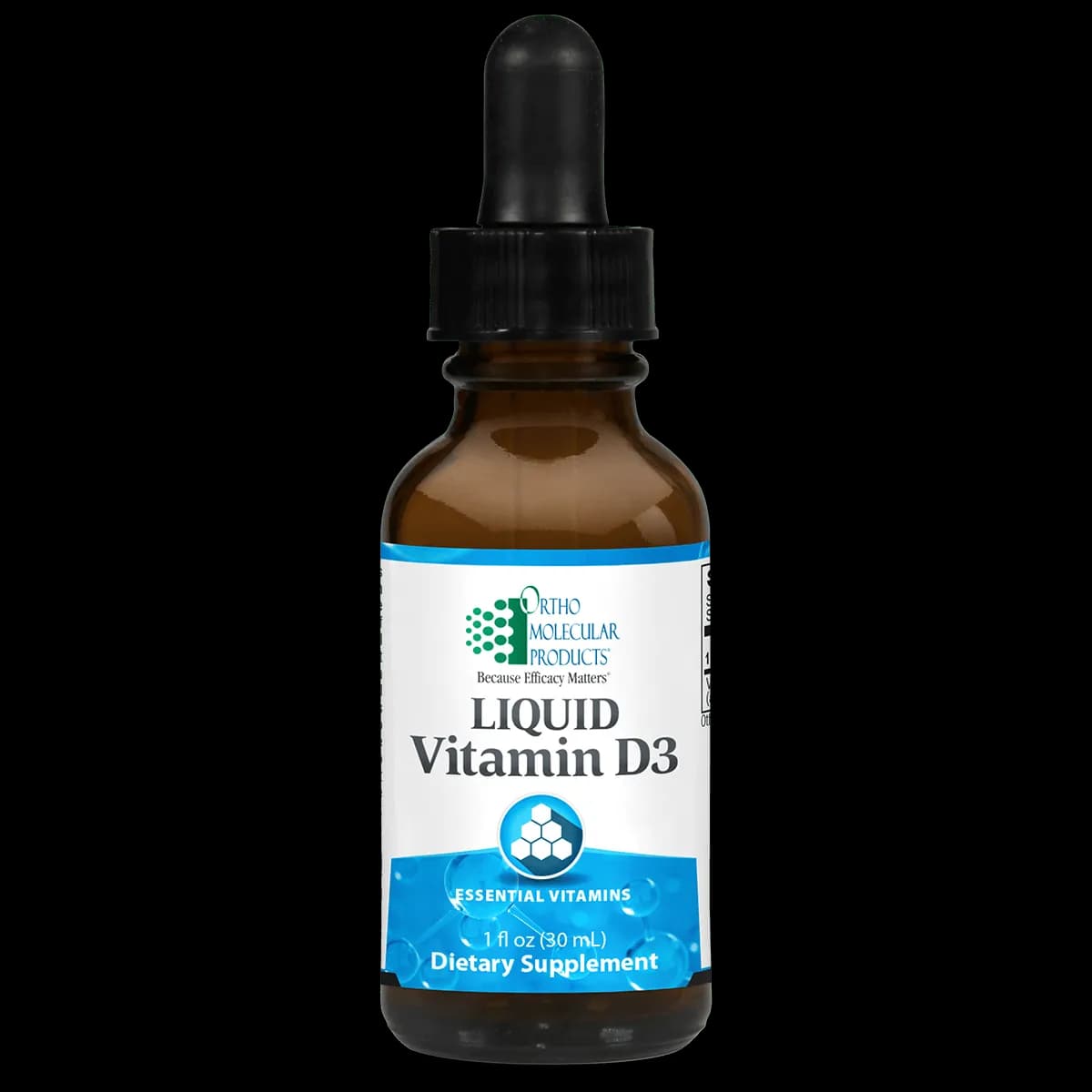
If you and your healthcare provider determine that highly bioavailable, lipid-based Vitamin D support is right for your recovery protocol, Ortho Molecular's Liquid Vitamin D3 offers a clean, easily titratable, and highly absorbable option designed to bypass compromised digestive systems.