Can Liposomal Vitamin C Support Endothelial Health and Immune Function in Long COVID and MCAS?
March 5, 2026
Liposomal Vitamin CLong COVIDMCAS
Share:
Disclaimer: The information provided here is for educational purposes only and is not intended as medical advice. It should not be used to diagnose, treat, cure, or prevent any medical condition. Instead, use it as a starting point for discussion with your healthcare provider. Always consult with a qualified healthcare provider before starting any new medication, supplement, device, or making changes to your health regimen.
Months or even years after a mild viral infection, many individuals find themselves trapped in a cycle of debilitating symptoms—crushing fatigue, unpredictable heart rates, severe brain fog, and sudden allergic reactions. If you are living with Long COVID, myalgic encephalomyelitis/chronic fatigue syndrome (ME/CFS), dysautonomia, or mast cell activation syndrome (MCAS), you know firsthand how frustrating it is to navigate a medical system that often lacks clear answers. You may have been told your labs are "normal," yet your daily reality is anything but. The exhaustion you feel is not just tiredness; it is a profound, cellular depletion that impacts every system in your body.
In the search for validating, science-backed management strategies, researchers are increasingly focusing on the health of our blood vessels and immune cells. Chronic oxidative stress and endothelial dysfunction—damage to the lining of the blood vessels—are now recognized as core drivers of post-viral syndromes. To combat this, clinicians are turning to highly bioavailable antioxidants. Among the most promising is Liposomal Vitamin C, a specialized form of an essential nutrient designed to bypass digestive barriers and deliver targeted support directly to the cells that need it most. In this comprehensive guide, we will explore the intricate mechanisms of Liposomal Vitamin C, how it supports vascular and immune health, and why the liposomal delivery system is a game-changer for complex chronic illness.
TL;DR
Liposomal Vitamin C offers highly absorbable antioxidant support without the gastrointestinal distress of standard vitamin C.
It may help manage oxidative stress and support endothelial function in Long COVID and ME/CFS.
The liposomal form acts as a natural mast cell stabilizer, making it ideal for MCAS patients.
Always consult your healthcare provider to tailor dosage and avoid interactions with other medications.
What is Liposomal Vitamin C?
The Essential Role of Ascorbic Acid
Vitamin C, scientifically known as ascorbic acid, is a water-soluble essential vitamin. Unlike most animals, humans lack the specific enzyme—L-gulonolactone oxidase (GULO)—required to synthesize vitamin C internally. This means we must obtain it entirely through our diet or supplementation. In a healthy body, vitamin C acts as a primary physiological antioxidant and a vital electron donor. At the molecular level, it circulates through the bloodstream and intracellular fluid, actively seeking out and neutralizing highly reactive, damaging molecules known as free radicals. By donating an electron to these unstable molecules, vitamin C prevents them from stealing electrons from our DNA, cellular membranes, and mitochondria, a destructive process known as lipid peroxidation.
Beyond its role as a cellular shield, vitamin C is a mandatory cofactor for several critical enzymatic pathways. It is required for the function of prolyl hydroxylase and lysyl hydroxylase, the enzymes responsible for synthesizing and cross-linking collagen. Collagen is the primary structural protein that maintains the integrity of our skin, joints, and, crucially, the endothelial lining of our blood vessels. Furthermore, vitamin C is a cofactor for dopamine beta-hydroxylase, the enzyme that converts dopamine into norepinephrine. This makes it absolutely essential for the proper functioning of the autonomic nervous system, which regulates heart rate, blood pressure, and the body's stress response.
The Limitations of Standard Vitamin C Absorption
While standard vitamin C (unencapsulated ascorbic acid) is widely available, its absorption in the human body is strictly rate-limited. When you swallow a standard vitamin C tablet, it must survive the harsh, acidic environment of the stomach before reaching the small intestine. Once there, it relies on specific active transport proteins, primarily the sodium-dependent vitamin C transporter 1 (SVCT-1), to cross the intestinal wall and enter the bloodstream. The fundamental problem is that these SVCT-1 transporters become saturated very quickly. Research shows that at oral doses above 200 mg, the absorption efficiency drops precipitously by over 50%.
When high doses of standard vitamin C are consumed—such as the 1,000 mg or 2,000 mg doses often required for therapeutic immune support—the vast majority of the unabsorbed ascorbic acid remains in the gastrointestinal tract. This unabsorbed vitamin C acts as an osmotic agent, drawing water into the bowels and causing uncomfortable gastrointestinal side effects, including cramping, bloating, and osmotic diarrhea. This phenomenon, known as hitting "bowel tolerance," severely limits the amount of standard vitamin C that can be successfully delivered to the bloodstream and, ultimately, to the cells that are under oxidative attack.
The Liposomal Delivery Advantage
Liposomal Vitamin C elegantly bypasses the biological limitations of the SVCT-1 transporters. Liposomes are microscopic, spherical vesicles composed of a phospholipid bilayer—the exact same structural material that makes up human cell membranes. In high-quality supplements like Liposomal Vitamin C Liquid, the water-soluble vitamin C is encapsulated deep inside these protective lipid spheres, which are typically derived from non-GMO sunflower oil. This lipid armor protects the fragile vitamin C from enzymatic degradation and oxidation as it travels through the harsh environment of the digestive tract.
Because the outer layer of the liposome is made of fat rather than a water-soluble compound, it does not require the easily saturated SVCT-1 transporters for absorption. Instead, the liposomes are absorbed through the intestinal wall via passive diffusion and endocytosis. They can fuse directly with the lipid bilayer of the enterocytes (intestinal cells), releasing the vitamin C directly into the lymphatic system and bloodstream. This "stealth" delivery mechanism allows for exceptionally high absorption rates—often up to 90%—without triggering the gastrointestinal distress associated with standard ascorbic acid. This means patients can achieve near-intravenous blood plasma levels of vitamin C through a simple oral liquid.
How Long COVID and MCAS Impact Endothelial and Immune Health
Viral Persistence and Endothelial Dysfunction
To understand why Liposomal Vitamin C is so critical for post-viral syndromes, we must examine the pathophysiology of these conditions. In Long COVID, research indicates that the SARS-CoV-2 virus directly targets the endothelium—the delicate, single-cell layer that lines the interior of our blood vessels. The virus binds to ACE2 receptors, which are highly concentrated on endothelial cells, triggering widespread vascular inflammation known as endotheliitis. This damage disrupts the tight junctions between cells, leading to leaky blood vessels, micro-clotting, and impaired blood flow. If you are wondering What Causes Long COVID?, this persistent vascular damage is considered a primary driver of the condition's debilitating symptoms.
This endothelial dysfunction is not unique to Long COVID; it is also a hallmark of ME/CFS and dysautonomia. When the blood vessels cannot properly dilate and constrict, the body struggles to deliver adequate oxygen and nutrients to the brain and muscles. This state of chronic hypoperfusion (low blood flow) is heavily responsible for the orthostatic intolerance, dizziness, and rapid heart rate seen in Postural Orthostatic Tachycardia Syndrome (POTS), a common form of dysautonomia. It also explains the profound muscle fatigue and cognitive dysfunction that patients experience daily.
Oxidative Stress and the Nitric Oxide Depletion Cycle
The vascular damage seen in these chronic illnesses is perpetuated by a vicious cycle of chronic oxidative stress. When the immune system is locked in a state of hyper-vigilance—often due to viral persistence or Autoimmunity and Immune Dysregulation in Long COVID—it generates massive amounts of Reactive Oxygen Species (ROS), such as superoxide radicals. While ROS are normally used by the immune system to destroy pathogens, an overabundance of them causes severe collateral damage to the body's own tissues.
One of the most devastating effects of this oxidative stress is the destruction of Nitric Oxide (NO). Nitric Oxide is a crucial signaling molecule produced by the endothelium that tells blood vessels to relax and dilate. However, when superoxide radicals are present in high numbers, they rapidly react with Nitric Oxide to form a highly toxic molecule called peroxynitrite. This reaction effectively steals the body's Nitric Oxide supply, leading to severe vasoconstriction (narrowing of the blood vessels). Without enough Nitric Oxide, the cardiovascular system cannot adapt to physical or cognitive exertion, directly triggering the severe crashes known as post-exertional malaise (PEM).
Mast Cell Hyperactivation and Histamine Overload
Compounding the vascular and oxidative issues is the frequent presence of mast cell activation syndrome (MCAS). Mast cells are the sentinels of the immune system, stationed in connective tissues and near blood vessels. In healthy individuals, they release histamine and other inflammatory mediators to protect against injury or infection. However, in patients with post-viral syndromes, these cells become highly unstable and hyper-reactive, degranulating inappropriately in response to food, stress, temperature changes, or even normal exertion.
When mast cells release massive amounts of histamine, it binds to receptors on the blood vessels, causing them to become even more permeable and leaky. This leads to systemic inflammation, hives, gastrointestinal distress, and sudden drops in blood pressure. The body relies on an enzyme called Diamine Oxidase (DAO) to break down and clear this excess histamine from the gut and bloodstream. Unfortunately, the chronic oxidative stress seen in Long COVID and ME/CFS severely impairs DAO function, leaving patients trapped in a state of constant histamine overload and immune reactivity.
Liposomal Vitamin C: Supporting Vascular Repair and Immune Modulation
Scavenging Reactive Oxygen Species (ROS)
Liposomal Vitamin C intervenes directly in the destructive pathophysiology of post-viral syndromes by serving as a master antioxidant. Because the liposomal delivery system allows for massive cellular uptake, high concentrations of ascorbic acid can reach the inflamed endothelial lining and the struggling mitochondria. Once there, vitamin C rapidly donates electrons to neutralize the overwhelming burden of superoxide radicals and other Reactive Oxygen Species (ROS). By quenching these free radicals, Liposomal Vitamin C helps halt the process of lipid peroxidation, protecting the delicate cellular membranes and mitochondrial structures from further inflammatory damage.
Furthermore, vitamin C is unique in its ability to regenerate other crucial antioxidants in the body. After vitamin C donates an electron and becomes oxidized (turning into dehydroascorbic acid), it can be recycled back into its active form by glutathione, the body's master intracellular antioxidant. This synergistic relationship helps restore the body's overall redox balance. By lowering the systemic burden of oxidative stress, Liposomal Vitamin C helps calm the hyperactive immune response, addressing the root cause of the persistent inflammation seen in both Long COVID and ME/CFS.
Restoring Nitric Oxide and Endothelial Function
One of the most profound benefits of Liposomal Vitamin C for dysautonomia and ME/CFS patients is its ability to protect and restore Nitric Oxide (NO) bioavailability. By aggressively scavenging superoxide radicals, vitamin C prevents the chemical reaction that turns Nitric Oxide into toxic peroxynitrite. This preservation of Nitric Oxide is absolutely vital for restoring endothelial function. With adequate NO levels, the blood vessels regain their ability to dilate appropriately (vasodilation), dramatically improving microcirculation and tissue perfusion.
Improved blood flow means that oxygen and essential nutrients can finally reach the oxygen-starved muscles and the brain. This mechanism may help combat the debilitating brain fog, cognitive fatigue, and heavy, aching limbs that characterize post-exertional malaise (PEM). Additionally, for patients with POTS and dysautonomia, improved vascular tone helps stabilize blood pressure and heart rate upon standing, reducing the severity of orthostatic intolerance. By repairing the endothelial barrier, Liposomal Vitamin C addresses the structural vascular damage that many researchers believe is at the core of these complex conditions.
Stabilizing Mast Cells and Supporting DAO in MCAS
For patients battling MCAS, Liposomal Vitamin C offers critical, multi-targeted support. First, it acts as a natural mast cell stabilizer. Clinical research demonstrates that adequate intracellular levels of ascorbate can inhibit the degranulation of mast cells, significantly reducing the spontaneous release of histamine and inflammatory cytokines. This stabilizing effect helps lower the overall baseline of allergic reactivity, making patients less susceptible to sudden flares triggered by environmental or dietary factors. You can learn more about managing these hyperactive immune responses in our guide to Ketotifen: Unveiling Relief for the Hidden Battles of MCAS, Long COVID, ME/CFS, and Dysautonomia.
Secondly, vitamin C is an essential cofactor for the optimal function of Diamine Oxidase (DAO), the primary enzyme responsible for degrading extracellular histamine. By supporting DAO activity and protecting the enzyme from oxidative degradation, Liposomal Vitamin C accelerates the clearance of histamine from the body. It is crucial to note that for MCAS patients, the liposomal form is practically mandatory. Standard vitamin C supplements are often derived from fermented corn or citrus—both of which are notorious histamine liberators that can trigger severe MCAS reactions. A high-quality, clean Liposomal Vitamin C bypasses the gut's reactive immune tissue, delivering the antihistamine benefits directly to the cells without provoking a flare.

Symptoms Liposomal Vitamin C May Help Manage
Targeted Symptom Relief
Because Liposomal Vitamin C addresses core mechanisms like endothelial dysfunction, oxidative stress, and histamine overload, it can help manage a wide array of complex symptoms associated with chronic post-viral illnesses:
Post-Exertional Malaise (PEM) and Severe Fatigue: By preserving nitric oxide and improving microcirculation, Liposomal Vitamin C enhances oxygen delivery to the muscles, helping to raise the threshold for exertion and reduce the severity of crashes.
Brain Fog and Cognitive Dysfunction: Improved endothelial function and vasodilation increase cerebral blood flow, delivering vital oxygen and nutrients to the brain to combat neuroinflammation and cognitive fatigue.
Orthostatic Intolerance and Tachycardia: Supporting vascular health and autonomic nervous system function (via dopamine beta-hydroxylase) helps stabilize blood pressure and heart rate upon standing, a key benefit for POTS and dysautonomia.
MCAS Flares and Histamine Reactions: Acting as a natural mast cell stabilizer and supporting the DAO enzyme, Liposomal Vitamin C helps accelerate histamine breakdown, reducing hives, flushing, and systemic allergic responses.
Frequent Infections and Immune Dysregulation: By penetrating directly into leukocytes (white blood cells) and neutralizing oxidative stress, it supports robust immune defense against opportunistic pathogens and viral reactivation.
Joint and Muscle Pain: As a mandatory cofactor for collagen synthesis, it supports the repair of connective tissues and the endothelial lining, reducing systemic inflammation that drives chronic pain.
Practical Considerations: Forms, Dosing, and Absorption
The Pure Encapsulations Liquid Advantage
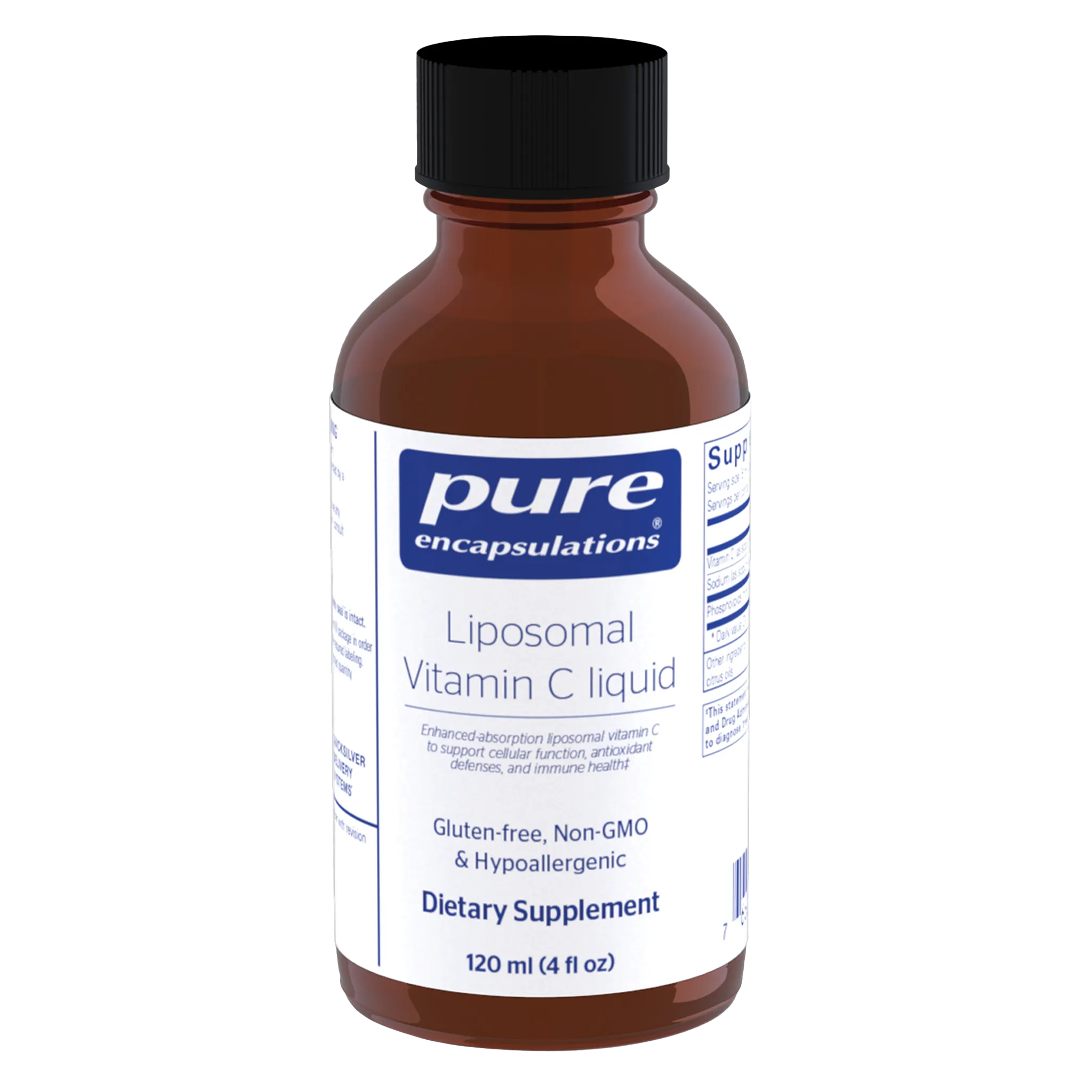
When selecting a vitamin C supplement for complex chronic illness, the formulation is just as important as the active ingredient. Liposomal Vitamin C Liquid by Pure Encapsulations utilizes sodium ascorbate rather than pure ascorbic acid. Sodium ascorbate is a buffered, non-acidic form of vitamin C. This is incredibly important for patients with MCAS, dysautonomia, or gastrointestinal hyper-permeability (leaky gut), as highly acidic supplements can irritate the stomach lining and trigger acid reflux or mast cell degranulation in the digestive tract. The addition of 125 mg of sodium also provides a gentle electrolyte boost, which is often beneficial for dysautonomia patients who require increased sodium intake to maintain blood volume.
Furthermore, this specific liquid delivery system utilizes 250 mg of high-quality phospholipids derived from non-GMO sunflower oil to create its liposomes. Avoiding soy-derived phospholipids is crucial, as soy is a highly inflammatory trigger for many patients with autoimmune or mast cell conditions. The strict manufacturing controls ensure the creation of very small, highly stable, spherical liposomes. These smaller liposomes are optimized for maximum diffusion across the mucous membranes of the mouth and the intestinal tract, ensuring that the maximum amount of vitamin C reaches the systemic circulation.
Dosing Strategies and Liquid Delivery
The suggested use for this Liposomal Vitamin C Liquid is 5 ml (approximately 1 teaspoon) daily, which delivers a potent 1,000 mg dose of vitamin C. However, one of the greatest advantages of a liquid formulation is the ability to easily titrate the dosage. For patients with severe MCAS or ME/CFS who are highly sensitive to new supplements, you can start with a micro-dose—such as 1/4 teaspoon (250 mg)—and slowly work your way up over several weeks. This "low and slow" approach allows your body to adjust to the powerful antioxidant effects without triggering a Herxheimer reaction or symptom flare.
In clinical settings targeting Long COVID and endothelial repair, practitioners often recommend splitting the dose to maintain steady blood plasma levels. Because vitamin C is water-soluble and metabolized continuously, taking 500 mg (1/2 teaspoon) in the morning and 500 mg in the afternoon may provide more consistent oxidative protection than a single large dose. It is generally recommended to take Liposomal Vitamin C on an empty stomach, at least 15 to 30 minutes before a meal, to maximize its passive diffusion across the intestinal lining without interference from dietary fats or proteins.
Potential Interactions and Precautions
While Liposomal Vitamin C is exceptionally safe and well-tolerated, its high bioavailability means it can interact with certain medications and other supplements. Because high doses of vitamin C can slightly acidify the urine (even in buffered forms), it can accelerate the excretion of amphetamine-based stimulant medications. Since many Long COVID and ME/CFS patients are prescribed stimulants to manage severe brain fog and fatigue, it is highly recommended to separate your vitamin C dose from your stimulant medication by at least two to three hours to avoid diminishing the medication's effectiveness.
Additionally, high intracellular concentrations of vitamin C can sometimes interfere with the absorption and metabolism of Vitamin B12. If you are taking a B12 supplement to support nerve health and energy, it is wise to take it at a different time of day than your Liposomal Vitamin C. Conversely, vitamin C strongly synergizes with iron, dramatically increasing its absorption. This is highly beneficial if you are managing iron deficiency or low ferritin, but patients with hemochromatosis (iron overload disorder) should consult their doctor before using high-dose vitamin C. Always consult your healthcare provider before adding a new supplement to your regimen, especially if you are pregnant, lactating, or managing complex chronic conditions.

Follow the Science
The LINCOLN Survey and Endothelial Trials
The clinical evidence supporting the use of vitamin C for post-viral syndromes has grown exponentially since the onset of the pandemic. One of the most compelling pieces of evidence comes from The LINCOLN Survey, a nationwide, multicenter clinical study published in 2022 that evaluated 1,390 adult patients suffering from Long COVID. Patients were randomized to receive either a standard multivitamin or a targeted combination of L-arginine (to stimulate nitric oxide production) and Vitamin C (to reduce oxidative stress and preserve the nitric oxide). After 30 days, the group receiving the Vitamin C combination showed significantly lower symptom scores across the board. Most notably, their subjective effort perception and exercise tolerance—measured using the modified Borg scale—improved significantly (p < 0.0001) compared to the control group, highlighting the profound impact of restoring endothelial function.
These findings have been replicated in more controlled settings. A recent pediatric Long COVID trial evaluated 36 children and adolescents suffering from post-viral asthenia and fatigue. The randomized controlled trial demonstrated that 30 days of targeted Vitamin C and L-arginine supplementation led to statistically significant improvements in respiratory effort and overall quality of life (p < 0.001) compared to untreated controls. Furthermore, a 28-day randomized controlled trial in adults showed that combining 500 mg of Liposomal Vitamin C with L-arginine reduced the prevalence of persistent fatigue from 80.1% in the placebo group down to just 8.7% in the treatment group, while simultaneously increasing 6-minute walk distances by 30 meters.
Pharmacokinetics and Bioavailability Studies
The superiority of the liposomal delivery system is heavily backed by pharmacokinetic research. A 2024 double-blind, placebo-controlled trial evaluated the absorption of 500 mg of liposomal vitamin C versus standard unencapsulated vitamin C in 27 healthy adults. The researchers measured blood plasma and immune cell levels over a 24-hour period. The liposomal form generated a 27% higher peak concentration (Cmax) and a 21% higher overall systemic absorption (AUC) in the blood plasma. Even more importantly for immune health, the liposomal delivery increased vitamin C levels inside the actual leukocytes (white blood cells) by 20%, proving its superior ability to penetrate the cells that drive immune defense.
These findings align with a 2021 clinical evaluation which compared 1,000 mg doses of liposomal and non-liposomal vitamin C. The study concluded that the liposomal formulation was 1.77 times more bioavailable, generating drastically higher total exposure and a 2.41 times greater absorption rate. A comprehensive 2025 scoping review of ten independent trials further confirmed that liposomal vitamin C consistently produces 1.2 to 5.4-fold higher peak plasma concentrations than standard equivalents, depending on the specific manufacturing method.
Bridging the Gap to Intravenous Therapy
Historically, achieving the massive antioxidant capacity required to rapidly reverse post-viral oxidative stress required intravenous (IV) administration. A systemic review of nine clinical studies involving 720 participants evaluated high-dose IV Vitamin C for fatigue, finding that it rapidly reduced overwhelming oxidative stress and restored endothelial function, significantly decreasing fatigue scores and brain fog. While IV therapy remains a gold standard in clinical settings, it is expensive, invasive, and inaccessible for many patients.
Liposomal Vitamin C bridges this critical gap. A 2016 ischemia-reperfusion study utilizing a massive 4-gram oral dose demonstrated that while liposomal vitamin C's bioavailability is still less than direct IV administration, it provided the exact same physiological protection against ischemia-reperfusion-mediated oxidative stress as the IV form. This proves that high-quality liposomal formulations can deliver clinically relevant, therapeutic levels of antioxidant protection in a convenient, at-home liquid format. For patients wondering Can Long COVID Trigger ME/CFS? Unraveling the Connection, understanding and addressing this shared oxidative burden is a critical step forward.
The Path Forward
A Pillar of Comprehensive Care
Living with complex chronic conditions like Long COVID, ME/CFS, dysautonomia, and MCAS is an exhausting, unpredictable journey. It is completely valid to feel overwhelmed by the sheer number of symptoms you experience and the lack of straightforward answers from the traditional medical system. If you have been struggling to find interventions that actually move the needle on your daily fatigue and immune reactivity, know that your experience is real, and the underlying biology of your symptoms is increasingly understood by researchers and specialized clinicians.
While no single supplement is a cure for post-viral syndromes, Liposomal Vitamin C represents a powerful, science-backed tool for addressing the root causes of endothelial dysfunction and oxidative stress. By supporting nitric oxide production, stabilizing mast cells, and protecting your cellular mitochondria, it can help raise your baseline and improve your quality of life. However, it is most effective when used as part of a comprehensive management strategy that includes aggressive pacing, nervous system regulation, symptom tracking, and guidance from a knowledgeable healthcare provider. If you are still seeking a formal evaluation, you can learn more about How Does a Doctor Diagnose Long COVID? through our clinical resources.
Taking the Next Step
If you are ready to support your vascular health, immune function, and antioxidant defenses with a highly bioavailable, clinically researched formulation, consider adding this specialized liquid to your daily routine. Always consult your healthcare provider before starting any new supplement to ensure it aligns with your unique medical needs and current medications.