Can Liposomal NeuroCalm™ Support Nervous System Regulation in Long COVID and ME/CFS?
March 6, 2026
Liposomal NeuroCalmGABAL-theanine
Share:
Disclaimer: The information provided here is for educational purposes only and is not intended as medical advice. It should not be used to diagnose, treat, cure, or prevent any medical condition. Instead, use it as a starting point for discussion with your healthcare provider. Always consult with a qualified healthcare provider before starting any new medication, supplement, device, or making changes to your health regimen.
Living with complex chronic conditions like Long COVID, myalgic encephalomyelitis/chronic fatigue syndrome (ME/CFS), and dysautonomia often feels like being trapped in a body that has forgotten how to rest. Many patients describe a paradoxical state of being "wired and tired"—physically exhausted to the bone, yet neurologically vibrating with an intense, unyielding internal anxiety. This is not a psychological failing or a simple inability to relax; it is a profound physiological disruption of the autonomic nervous system. When the body's internal braking system fails, the resulting sympathetic overdrive can trigger a cascade of debilitating symptoms, from racing heart rates and sensory overload to severe insomnia and brain fog.
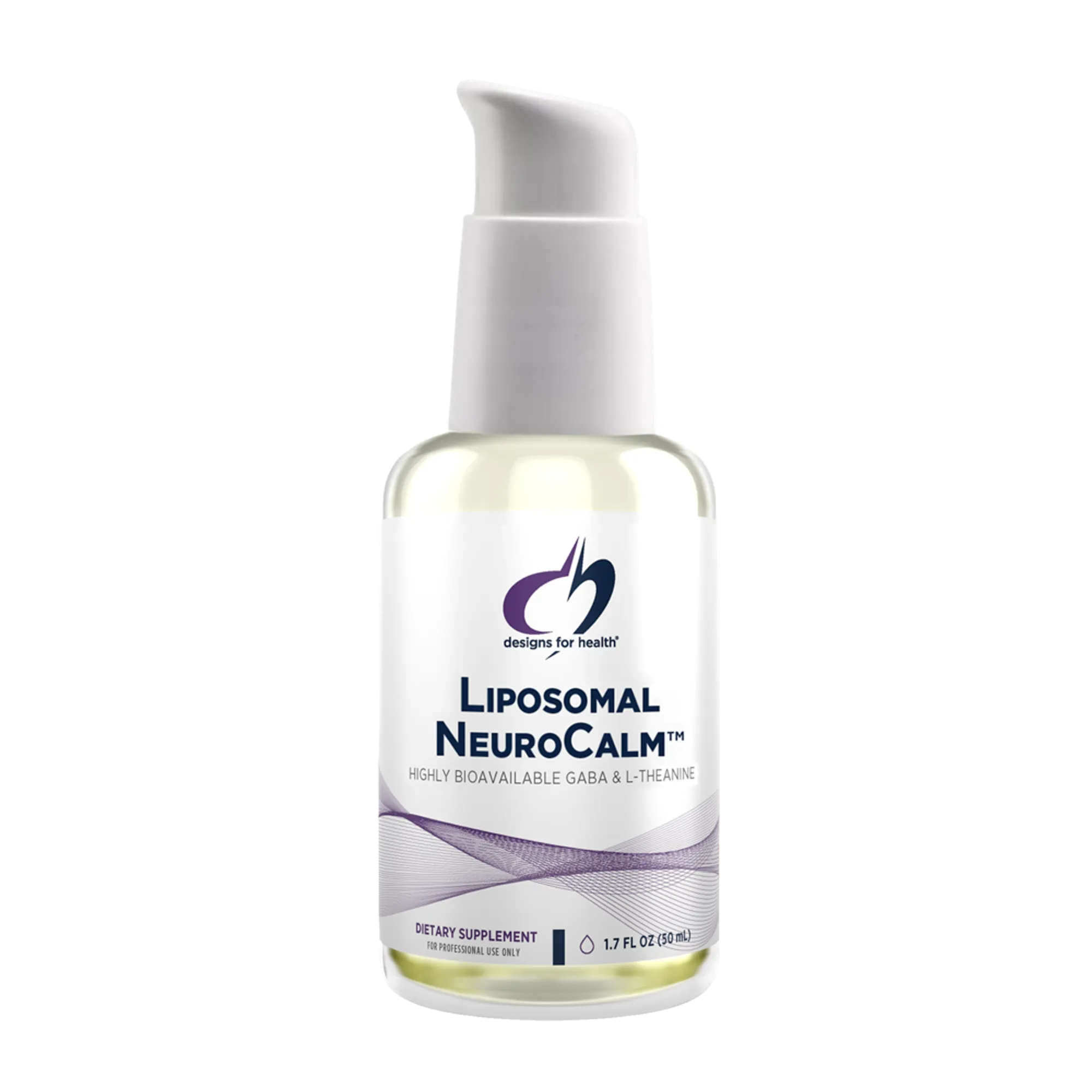
Finding ways to restore balance to a dysregulated nervous system is one of the most critical challenges in managing these conditions. This is where targeted nutritional support, specifically utilizing advanced delivery mechanisms, can play a pivotal role. Liposomal NeuroCalm™ is a specialized formula designed to address this exact neurochemical imbalance. By combining gamma-aminobutyric acid (GABA) and L-theanine in a highly bioavailable liposomal delivery system, this supplement aims to provide the brain with the precise molecular tools it needs to quiet hyperactive neurons, promote alpha brain wave activity, and support a healthy response to daily stress. In this comprehensive guide, we will explore the intricate biochemistry of these two powerful compounds, how chronic illness disrupts their natural production, and why liposomal technology is essential for achieving meaningful clinical outcomes.
What is Liposomal NeuroCalm™?
The Brain's Primary Calming Agent: GABA
To understand how Liposomal NeuroCalm™ functions, we must first examine its primary ingredient: gamma-aminobutyric acid (GABA). In a healthy human body, GABA serves as the chief inhibitory neurotransmitter within the central nervous system (CNS). Its fundamental biological purpose is to act as a "brake" on neural activity, preventing the brain's electrical signals from firing too rapidly or chaotically. Without adequate GABA, the brain would exist in a constant state of hyper-excitability, leading to severe anxiety, muscle spasms, and an inability to initiate sleep. GABA achieves this calming effect through a highly specific molecular mechanism involving cellular ion channels.
At the cellular level, when GABA is released into a neural synapse, it binds to specialized receptors—primarily GABA-A and GABA-B receptors—located on the surface of postsynaptic neurons. This binding action acts like a key turning in a lock, triggering the opening of chloride ion channels. As these channels open, negatively charged chloride ions flood from the extracellular space into the interior of the neuron. This influx of negative charge lowers the cell's overall electrical potential, a process known as hyperpolarization. When a neuron is hyperpolarized, it becomes significantly more difficult for it to reach the action potential required to fire an electrical signal. By effectively raising the threshold for neuronal firing, GABA neutralizes the effects of excitatory neurotransmitters like glutamate, bringing the entire nervous system back into a state of baseline calm.
Beyond its direct inhibitory effects on individual neurons, GABA plays a systemic role in modulating brain wave activity. Clinical electroencephalogram (EEG) studies have consistently demonstrated that optimal GABA levels are associated with an increase in alpha brain waves (8–12 Hz), which correlate with a state of relaxed alertness and mental clarity. Conversely, GABA actively suppresses beta brain waves, which are generated during intense logical thought, panic, and hyperarousal. By shifting the brain's electrical landscape from beta-dominant to alpha-dominant, GABA facilitates the transition from active stress to restorative rest.
L-Theanine: The "Relaxed Alertness" Amino Acid
The second highly active compound in Liposomal NeuroCalm™ is L-theanine (γ-glutamylethylamide), a naturally occurring, non-protein amino acid found predominantly in the leaves of green tea (Camellia sinensis). While GABA acts directly as an inhibitory neurotransmitter, L-theanine operates through a complementary but distinct set of biochemical pathways. Its most notable characteristic is its ability to easily cross the blood-brain barrier, where it exerts profound neuromodulatory effects without causing the drowsiness or sedation typically associated with pharmaceutical tranquilizers or heavy sleep aids.
L-theanine's primary mechanism of action involves its structural similarity to glutamate, the brain's most abundant excitatory neurotransmitter. Because of this structural mimicry, L-theanine can bind to glutamate receptors—specifically the AMPA, Kainate, and NMDA receptors—with a low affinity. By occupying these receptor sites, L-theanine acts as a competitive antagonist, effectively blocking actual glutamate from binding and over-exciting cortical neurons. This dampens excessive brain activity and prevents the hyper-excitation that often characterizes severe anxiety and sensory overload. In essence, while GABA applies the brakes to the nervous system, L-theanine takes the foot off the gas pedal.
Furthermore, L-theanine actively influences the brain's endogenous production of other critical neurotransmitters. Research indicates that L-theanine supplementation directly stimulates the brain to produce more of its own GABA, while also enhancing the synthesis of serotonin and dopamine. These neurotransmitters are essential for regulating mood, emotional stability, and motivation. By modulating these neurochemical pathways, L-theanine attenuates the activation of the sympathetic nervous system (the body's "fight or flight" response) during stressful events, normalizing physiological markers like heart rate and salivary cortisol levels.
The Synergy of Combined Neurotransmitter Support
The true clinical power of Liposomal NeuroCalm™ lies in the synergistic relationship between GABA and L-theanine. Because these two compounds influence the brain through complementary pathways, they create a "multiplier effect" that yields much stronger results than either amino acid taken in isolation. While direct GABA supplementation supplies the brain with immediate inhibitory signals, L-theanine lowers the overall "background noise" of excitatory glutamate. This dual-action approach allows the GABA to act on its receptors much more efficiently.
This synergy is particularly evident in studies examining sleep architecture and stress resilience. When taken together, L-theanine ensures that the mind does not race, allowing the brain to transition smoothly into the initial stages of sleep, while GABA initiates sleep onset and deepens the restorative Rapid Eye Movement (REM) and Non-REM sleep cycles. By pairing these ingredients, patients can reliably achieve rapid tension relief and improved sleep quality without the cognitive impairment, daytime grogginess, or dependency risks associated with conventional sedative medications.
How Long COVID and ME/CFS Impact the Nervous System
The "Sympathetic Storm" and Autonomic Dysfunction
To understand why supplements like Liposomal NeuroCalm™ are so relevant to our patient population, we must examine how chronic illnesses fundamentally alter the nervous system. Conditions like Long COVID, ME/CFS, and mast cell activation syndrome (MCAS) are not merely characterized by localized tissue damage; they involve a systemic breakdown of the autonomic nervous system (ANS). The ANS controls all the unconscious processes in the body, including heart rate, blood pressure, digestion, and temperature regulation. It is divided into two main branches: the sympathetic nervous system (responsible for the "fight-or-flight" response) and the parasympathetic nervous system (responsible for "rest-and-digest" functions, largely governed by the vagus nerve).
In a healthy individual, these two branches exist in a dynamic, adaptable balance. However, in patients with post-viral syndromes, this balance is violently disrupted. Viral infections like SARS-CoV-2 can trigger a persistent state of autonomic dysfunction, often manifesting as Postural Orthostatic Tachycardia Syndrome (POTS). In these patients, the ANS becomes trapped in a state of chronic sympathetic overdrive accompanied by a severe withdrawal of parasympathetic vagal tone. The nervous system perceives a constant, invisible threat, flooding the body with adrenaline and noradrenaline. This "sympathetic storm" is what drives the debilitating tachycardia, chest pain, and profound exercise intolerance seen in these conditions. If you are wondering What Causes Long COVID?, this persistent autonomic dysregulation is a primary culprit.
Cortical Hyperexcitability and GABA Depletion
This sympathetic overdrive is intimately connected to a severe imbalance in the brain's neurotransmitter systems, specifically a profound deficiency in GABAergic signaling. Emerging research shows that viral infections can directly impair the nervous system's ability to produce and utilize GABA. For instance, SARS-CoV-2 has been shown to reduce the expression of ACE2 receptors in GABAergic neurons, which suppresses their calming activity. Without enough GABA to quiet the brain, the cortex becomes hyperexcitable. This state of persistent neuro-excitability manifests clinically as the severe anxiety, insomnia, sensory overload, and cognitive impairment ("brain fog") that so many patients experience.
Recent neuroimaging studies have provided concrete evidence for this phenomenon. A 2023 study utilizing Proton Magnetic Resonance Spectroscopy (1H-MRS) measured neurochemicals in the brains of young, previously healthy adults suffering from Long COVID. The researchers found significantly reduced GABA levels in the occipital cortex compared to matched healthy controls. Crucially, this GABA reduction directly correlated with poor sleep quality and depression. This data confirms that the "wired and tired" feeling is not a psychological manifestation, but a literal, measurable depletion of the brain's primary inhibitory neurotransmitter. This neurochemical reality helps explain How Long Does Long COVID Last?, as restoring these depleted neurotransmitter pools can be a lengthy process.
Astrocyte Dysfunction and the Glutamate Imbalance
The depletion of GABA in chronic illness is further exacerbated by the dysfunction of astrocytes, specialized glial cells in the brain that manage the glutamate-glutamine cycle. Astrocytes are responsible for clearing excess excitatory glutamate from neural synapses and converting it into glutamine, which is then used to synthesize new GABA. However, persistent neuroinflammation—driven by circulating cytokines like IL-6 and TNF-α—can severely impair astrocyte function. When astrocytes fail, excitatory glutamate builds up to toxic levels in the brain (a process known as excitotoxicity), while the production of calming GABA grinds to a halt.
This vicious cycle of high glutamate and low GABA creates a highly neurotoxic environment. It contributes to the severe post-exertional malaise (PEM) and neurological crashes seen in ME/CFS. Furthermore, the gut microbiome, which is heavily responsible for producing neurotransmitters via the gut-brain axis, is often severely dysbiotic in these patients. Studies show that the microbiomes of Long COVID and ME/CFS patients are heavily depleted of GABA-producing bacteria like Bifidobacterium. This gut-level GABA deficiency directly impacts the vagus nerve, further entrenching the autonomic nervous system in a state of sympathetic dominance. Understanding this intricate web of dysfunction is crucial when exploring Can Long COVID Trigger ME/CFS? Unraveling the Connection.
Liposomal NeuroCalm™: Supporting Autonomic Balance and Calm
Hyperpolarization and the Cellular "Brake"
When the nervous system is locked in the sympathetic overdrive characteristic of Long COVID and dysautonomia, targeted supplementation with Liposomal NeuroCalm™ can provide critical support by directly addressing the underlying neurotransmitter deficits. The primary mechanism through which this formula supports autonomic balance is by restoring GABAergic signaling. By delivering highly bioavailable GABA directly to the central nervous system, the supplement helps to re-establish the critical "braking" mechanism that has been compromised by neuroinflammation and viral persistence.
As the liposomal GABA reaches the neural synapses, it binds to the GABA-A receptors, triggering the opening of chloride ion channels. This influx of negatively charged chloride ions hyperpolarizes the hyperactive neurons, raising their firing threshold and making them resistant to the constant barrage of excitatory signals. This cellular hyperpolarization directly counteracts the cortical hyperexcitability that drives sensory overload, racing thoughts, and physical restlessness. By forcing the neurons into a state of electrical calm, GABA provides the physiological foundation necessary for the nervous system to transition out of the "fight-or-flight" state and begin the process of restorative healing.
Glutamate Antagonism and Alpha Brain Wave Induction
While GABA provides the direct inhibitory signal, the L-theanine in Liposomal NeuroCalm™ works simultaneously to dismantle the excitatory environment that is keeping the nervous system on high alert. By acting as a competitive antagonist at the AMPA, Kainate, and NMDA receptors, L-theanine physically blocks excess glutamate from over-stimulating the brain. This is particularly crucial for patients experiencing astrocyte dysfunction, as it protects the neurons from glutamate-induced excitotoxicity and reduces the overall neuroinflammatory burden.
Furthermore, L-theanine's ability to stimulate the production of alpha brain waves (8–12 Hz) plays a vital role in managing the cognitive symptoms of chronic illness. Many patients with ME/CFS and Long COVID suffer from severe brain fog, which is often characterized by erratic, high-frequency beta wave activity. By promoting a shift toward alpha wave dominance, L-theanine helps to synchronize neural activity, fostering a state of "relaxed alertness." This allows patients to experience improved mental clarity, better focus, and a reduction in the frantic, scattered thinking that often accompanies severe fatigue, all without inducing the heavy sedation that can make fatigue worse.
Modulating the Vagus Nerve and Heart Rate Variability
The combined effects of GABA and L-theanine extend beyond the brain, profoundly impacting the peripheral autonomic nervous system. By quieting the central nervous system's alarm signals, Liposomal NeuroCalm™ helps to reduce the downstream output of sympathetic stress hormones like adrenaline and cortisol. This reduction in sympathetic drive creates an opportunity for the parasympathetic nervous system, governed by the vagus nerve, to re-engage. The vagus nerve relies heavily on GABAergic signaling to exert its calming influence on the heart, lungs, and digestive tract.
Clinical studies have shown that supporting these pathways can lead to measurable improvements in cardiovascular autonomic markers. For example, L-theanine has been demonstrated to attenuate sympathetic nervous system activation, resulting in lowered resting heart rates and improved heart rate variability (HRV)—a key indicator of autonomic resilience. By supporting vagal tone and dampening sympathetic overactivity, the synergistic blend in Liposomal NeuroCalm™ provides comprehensive support for the cardiovascular and neurological symptoms of dysautonomia, helping patients reclaim a sense of physical and mental stability.

Symptoms Liposomal NeuroCalm™ May Help Manage
Neurological and Cognitive Symptoms
Because Liposomal NeuroCalm™ targets the fundamental excitation-inhibition balance within the central nervous system, it can help manage a wide array of neurological and cognitive symptoms associated with chronic complex diseases. The synergistic action of GABA and L-theanine addresses both the hyperactive signaling and the neurochemical depletion that drive these distressing daily experiences.
Severe Anxiety and "Wired" Sensations: By directly hyperpolarizing overactive neurons via chloride ion channel activation, GABA acts as a rapid central nervous system brake, significantly reducing the intense, unprovoked feelings of internal vibration and panic often seen in dysautonomia.
Sensory Overload: L-theanine's ability to block excitatory glutamate receptors helps shield the brain from excessive sensory input, making bright lights, loud noises, and busy environments more tolerable for patients with cortical hyperexcitability.
Brain Fog and Poor Concentration: By shifting brain electrical activity away from chaotic beta waves and toward synchronized, calming alpha waves, L-theanine promotes a state of "relaxed alertness" that supports clearer thinking and improved focus without relying on stimulating pathways that could trigger post-exertional malaise.
Muscle Tension and Spasms: As an inhibitory neurotransmitter, GABA reduces the firing rate of motor neurons, helping to ease the chronic, painful muscle guarding and tension that frequently accompany a nervous system locked in a sympathetic "fight-or-flight" state.
Sleep and Autonomic Symptoms
The autonomic nervous system's inability to transition into a parasympathetic "rest-and-digest" state is a primary driver of the severe sleep disturbances and cardiovascular irregularities seen in Long COVID and ME/CFS. Liposomal NeuroCalm™ supports the physiological shifts necessary to alleviate these autonomic symptoms.
Sleep Latency (Difficulty Falling Asleep): GABA directly initiates the sleep onset process by quieting the brain's wakefulness centers, significantly reducing the time it takes to transition from wakefulness to sleep.
Unrefreshing Sleep and Frequent Waking: The combination of GABA and L-theanine has been clinically shown to improve sleep architecture by increasing the duration of deep, restorative Non-REM sleep and Rapid Eye Movement (REM) sleep, helping patients wake feeling more recovered.
Tachycardia and Palpitations: By dampening the sympathetic nervous system's output of stress hormones and supporting vagal nerve tone, this formula can help blunt the sudden spikes in resting heart rate and the uncomfortable heart palpitations characteristic of Postural Orthostatic Tachycardia Syndrome (POTS).
Stress-Induced Crashes: L-theanine actively lowers salivary cortisol levels and helps maintain stable immune markers (like IgA) during acute stress, providing a neurochemical buffer that may help reduce the severity of symptom exacerbations following emotional or cognitive exertion.
Practical Considerations: Forms, Dosing, and Absorption
The Blood-Brain Barrier and Traditional GABA's Flaw
When considering supplementation for neurological support, the form and delivery method of the nutrient are just as critical as the ingredient itself. This is especially true for GABA. Despite its crucial role in the brain, traditional oral GABA supplements (such as standard powders or capsules) have a major, well-documented flaw: exceptionally poor bioavailability. GABA is a highly hydrophilic (water-soluble) molecule that is rapidly degraded by enzymatic activity in the highly acidic environment of the gastrointestinal tract.
More importantly, even if standard GABA survives the digestive process, it faces a formidable obstacle: the blood-brain barrier (BBB). The BBB is a highly selective, lipophilic (fat-based) structural barrier designed to protect the brain from circulating toxins and pathogens. Because free-form GABA is large and water-soluble, it struggles immensely to cross this lipid-rich barrier. Furthermore, the brain's natural efflux pumps quickly remove any standard GABA that does manage to enter, giving it a very short half-life. As a result, only a marginal fraction of standard oral GABA ever reaches the central nervous system intact, rendering many traditional supplements clinically ineffective for severe nervous system dysregulation.
The Liposomal "Trojan Horse" Advantage
Liposomal NeuroCalm™ overcomes these profound bioavailability limitations by utilizing advanced liposomal nanotechnology. A liposome is a microscopic, spherical vesicle composed of a phospholipid bilayer—the exact same lipid material that makes up human cell membranes. By encapsulating the GABA and L-theanine molecules inside the aqueous core of these liposomes, the formula provides a protective shield that completely bypasses the digestive degradation that destroys standard supplements.
The true power of the liposome, however, lies in its ability to cross the blood-brain barrier. Because the exterior of the liposome is lipophilic, it acts as a molecular "Trojan Horse." It can seamlessly fuse with the lipid membranes of the cells lining the BBB, facilitating the direct, intracellular transport of its nutrient cargo into the brain. Furthermore, high-quality liposomal formulas utilize ultra-small, nano-sized liposomes (typically between 20 to 100 nanometers). When administered sublingually (held under the tongue), these tiny vesicles can begin absorbing instantly through the oral mucosa directly into the bloodstream, resulting in a rapid, near-intravenous level of absorption and a sustained release of calming neurotransmitters.
Dosing, Timing, and Safety Profile
Because of the dramatically enhanced absorption provided by the liposomal delivery system, Liposomal NeuroCalm™ requires smaller doses to achieve significant clinical effects compared to standard powders. Each 2 mL serving (approximately 4 pumps) provides 250 mg of GABA and 100 mg of L-theanine. For optimal mucosal absorption, the liquid should be held in the mouth for at least 30 seconds before swallowing. This allows the nano-liposomes to penetrate the capillary-rich tissues under the tongue.
Timing depends heavily on the patient's specific symptom profile. For those dealing with daytime anxiety, sensory overload, or the "wired" feeling of dysautonomia, a smaller dose (1-2 pumps) taken in the morning or early afternoon can help blunt the sympathetic stress response and improve focus without causing drowsiness. For patients struggling with severe insomnia or disrupted sleep architecture, taking a full serving 30 to 60 minutes before bedtime can help initiate sleep onset and promote deeper, more restorative rest.
While GABA and L-theanine are naturally occurring compounds with a high safety profile and are generally non-habit forming, patients with complex chronic illnesses should always exercise caution. Because this formula actively lowers blood pressure and heart rate by dampening sympathetic tone, it may interact with prescribed antihypertensive medications or beta-blockers used to manage POTS. Additionally, it should not be combined with pharmaceutical sedatives, benzodiazepines, or heavy sleep aids without strict medical supervision, as the synergistic inhibitory effects could lead to excessive sedation. Always consult with your healthcare provider before introducing a highly bioavailable neurological supplement into your regimen.

Follow the Science
Brain Imaging and GABA Deficits in Long COVID
The scientific understanding of post-viral neurological dysfunction has advanced rapidly, providing concrete evidence for the use of targeted neurotransmitter support. One of the most compelling pieces of evidence comes from advanced neuroimaging. A pivotal 2023 study published in the journal Metabolites by Marinkovic et al. utilized Proton Magnetic Resonance Spectroscopy (1H-MRS) to physically measure the concentrations of neurochemicals in the brains of patients suffering from Long COVID. The researchers discovered that Long COVID patients had significantly reduced levels of GABA in the occipital cortex compared to healthy controls. Furthermore, their mediation analysis proved that this physical lack of GABA directly correlated with the severity of the patients' sleep disturbances and depressive symptoms, establishing a clear physiological basis for the "wired and tired" phenomenon and validating the need for highly bioavailable GABA replenishment.
The efficacy of utilizing liposomes to deliver this much-needed GABA across the blood-brain barrier is supported by decades of pharmacological research. In a foundational study published in Neurology (Loeb et al., 1982), researchers induced severe epileptic spike activity in animal models to test the blood-brain barrier's permeability. When administered standard, free-form GABA, the subjects showed no neurological improvement because the molecule could not penetrate the brain. However, when the researchers administered Liposome-Entrapped GABA (LEG), the epileptic activity was significantly decreased or entirely prevented. This definitively proved that liposomal encapsulation successfully facilitates the transport of GABA across the highly selective blood-brain barrier, altering central nervous system activity in ways traditional supplements cannot.
Clinical Trials on L-Theanine and Stress Biomarkers
The clinical efficacy of L-theanine in neutralizing the physiological markers of stress is equally well-documented. A landmark double-blind, placebo-controlled study by Kimura et al. (2007) placed healthy participants under an acute psychological stressor (a rigorous mental arithmetic task) to evaluate autonomic nervous system responses. The researchers found that a single 200 mg dose of L-theanine resulted in a significant reduction in heart rate and salivary Immunoglobulin A (s-IgA) responses compared to the placebo group. Heart rate variability (HRV) analyses confirmed that L-theanine successfully attenuated sympathetic nervous system activation, proving its ability to physically blunt the "fight-or-flight" response.
Further research has solidified L-theanine's role in promoting cognitive calm. A study by Nobre et al. (2008) utilized EEG readings to measure brain electrical activity following L-theanine administration. The results revealed a dose-dependent increase in alpha brain wave activity, with a 200 mg dose leading to a 20% increase in alpha waves across the brain. This definitively linked the amino acid to a state of "relaxed alertness," demonstrating its capacity to improve focus and reduce anxiety without causing the heavy sedation associated with increased theta or delta wave activity.
The Synergistic Impact on Sleep Architecture
When GABA and L-theanine are combined, the clinical outcomes for sleep and recovery are profoundly amplified. A recent exploratory clinical trial (Konno et al., 2023/2024) investigated this synergy in adults suffering from poor sleep. Participants taking a daily combination of GABA and L-theanine for four weeks saw their Pittsburgh Sleep Quality Index (PSQI) sleep-disturbance scores drop dramatically (p<0.001). Furthermore, objective data collected via wearable biometric devices confirmed a statistically significant improvement in bodily sleep recovery scores and recorded a measurable decrease in resting heart rate during sleep within the very first week of supplementation.
These human findings are supported by precise neurophysiological data from animal models. A study published in Pharmaceutical Biology (Kim et al., 2019) proved that the combination of GABA and L-theanine drastically outperforms either supplement taken alone. The mixture decreased sleep latency (the time it takes to fall asleep) by 20.7% compared to GABA alone, and increased total sleep time by 87.3%. Most importantly for patients with unrefreshing sleep, the combination triggered a massive 99.6% increase in Rapid Eye Movement (REM) sleep and a 20.6% increase in deep Non-REM (NREM) sleep, directly upregulating the expression of GABA and glutamate receptors in the brain.
The Path Forward
Validating the Reality of Nervous System Dysregulation
If you are living with Long COVID, ME/CFS, dysautonomia, or MCAS, it is vital to understand that the intense anxiety, severe insomnia, and constant state of being "wired and tired" are not signs of weakness or an inability to cope. They are the direct, measurable results of a nervous system that has been biochemically altered by chronic illness. The depletion of GABA, the overactivity of excitatory glutamate, and the resulting sympathetic storm are profound physiological realities. Validating this neurochemical dysfunction is the first, crucial step toward finding effective management strategies. You are not imagining the severity of your symptoms, and you are not alone in navigating this complex landscape. If you are struggling with the emotional toll of these conditions, exploring resources on Long COVID and Mental Health can provide further validation and support.
A Comprehensive Approach to Healing
While restoring neurotransmitter balance is a powerful intervention, no single supplement is a cure for complex chronic illness. True management requires a comprehensive, multi-faceted approach. Liposomal NeuroCalm™ is designed to be one highly effective tool within a broader strategy that includes rigorous symptom tracking, aggressive pacing to prevent post-exertional malaise, dietary modifications, and expert medical care. By utilizing advanced liposomal technology to deliver GABA and L-theanine directly to the brain, this formula provides the nervous system with the molecular support it needs to quiet the sympathetic alarm bells, allowing the body to finally enter a state of restorative rest.
If you are struggling with severe autonomic dysfunction, unrefreshing sleep, or constant sensory overload, discuss with your healthcare provider whether targeted neurotransmitter support might be an appropriate addition to your protocol. By addressing the root neurochemical imbalances driving your symptoms, you can begin to reclaim a sense of calm and stability in your daily life.
Sources
Cortical GABA Levels Are Reduced in Post-Acute COVID-19 Syndrome (Marinkovic et al., 2023)
L-Theanine reduces psychological and physiological stress responses (Kimura et al., 2007)
L-theanine, a natural constituent in tea, and its effect on mental state (Nobre et al., 2008)
Similar Patterns of Dysautonomia in ME/CFS and Post-COVID-19 Syndromes