Can Liposomal Glutathione Support Detoxification and Energy in Long COVID and ME/CFS?
March 5, 2026
Liposomal GlutathioneLong COVIDME/CFS
Share:
Disclaimer: The information provided here is for educational purposes only and is not intended as medical advice. It should not be used to diagnose, treat, cure, or prevent any medical condition. Instead, use it as a starting point for discussion with your healthcare provider. Always consult with a qualified healthcare provider before starting any new medication, supplement, device, or making changes to your health regimen.
Months after recovering from an initial viral infection, many people still fight debilitating symptoms with what we call Long COVID. But what is it that allows some people to recover within a couple of weeks while others suffer from long-term symptoms like severe fatigue, brain fog, and unpredictable heart rates for months or even years? In the wake of the COVID-19 pandemic, a new health concern has emerged: Long COVID. This condition, characterized by lingering symptoms long after the acute phase of the virus, has left many searching for answers. One critical area of focus is cellular oxidative stress and the depletion of a vital molecule known as glutathione.
Glutathione is often referred to as the body's "master antioxidant," playing a complex and critical role in the immune response of a healthy body. However, when these cellular defenses become overwhelmed by chronic inflammation, viral persistence, or environmental triggers, they can create symptoms throughout the entire body. For individuals living with complex, chronic conditions like Long COVID, myalgic encephalomyelitis/chronic fatigue syndrome (ME/CFS), mast cell activation syndrome (MCAS), and dysautonomia, understanding and supporting the body's natural detoxification pathways is a crucial step in symptom management. By exploring how Liposomal Glutathione Liquid supports these pathways, we can better understand its potential role in a comprehensive recovery strategy.
TL;DR
Liposomal glutathione is a powerful antioxidant that may help manage oxidative stress in complex chronic conditions.
Research suggests Long COVID and ME/CFS patients exhibit elevated oxidative stress and altered antioxidant pathways.
Liposomal delivery bypasses digestion, potentially offering better absorption than standard oral glutathione supplements.
Always consult a healthcare provider before starting new supplements to ensure safety and proper dosing.
What is Liposomal Glutathione?
The Body's Master Antioxidant
Glutathione is a highly abundant, low-molecular-weight tripeptide found in virtually all mammalian cells, often celebrated as the body's most critical endogenous antioxidant. It is chemically composed of three amino acids: glutamine, cysteine, and glycine. In a healthy body, glutathione exists primarily in its active, reduced state (known as GSH), where it patrols the intracellular environment to neutralize harmful free radicals. The ratio of active GSH to its oxidized, inactive form (GSSG) is one of the most reliable clinical biomarkers for measuring cellular oxidative stress. When this ratio drops, it indicates that the cell is losing its battle against inflammatory damage, a scenario frequently observed in complex chronic illnesses.
The primary function of this master antioxidant is to maintain cellular redox homeostasis, which is the delicate balance between necessary oxidative processes and antioxidant defenses. It achieves this by directly scavenging reactive oxygen species (ROS), such as hydroxyl radicals and superoxide anions, which are unstable molecules that can tear apart cellular membranes and damage DNA. Furthermore, glutathione acts as an essential electron donor for the glutathione peroxidase (GPx) enzyme family. According to research on glutathione biosynthesis, this enzyme family catalyzes the reduction of damaging lipid hydroperoxides into harmless water and alcohols, thereby protecting the structural integrity of every cell in your body.
The Biochemistry of Glutathione Synthesis
The body manufactures its own glutathione through a highly regulated, two-step enzymatic process that occurs primarily in the cytosol of the cell. The first and rate-limiting step is catalyzed by an enzyme called glutamate-cysteine ligase (GCL), which links glutamate and cysteine together. Because cysteine is relatively scarce in the standard diet, its availability often acts as the bottleneck for glutathione production. The body attempts to overcome this limitation via the transsulfuration pathway in the liver, which converts the amino acid methionine into cysteine to ensure a steady supply for glutathione synthesis.
In the second step of biosynthesis, glutathione synthetase (GS) adds the final amino acid, glycine, to complete the glutathione molecule. This entire process is highly dependent on cellular energy, requiring adenosine triphosphate (ATP) to function correctly. This creates a challenging paradox for patients with ME/CFS and Long COVID: when mitochondria are damaged and ATP production drops, the cell lacks the energy required to synthesize new glutathione. This energy deficit leaves the cell vulnerable to further oxidative damage, creating a vicious cycle of depletion and dysfunction that is incredibly difficult to break without targeted nutritional support.
Phase II Liver Detoxification
Beyond its role as a direct antioxidant, glutathione is the primary agent in Phase II liver detoxification, a critical process for clearing harmful substances from the body. The liver clears toxins, metabolic byproducts, and medications via a two-phase system. Phase I uses cytochrome P450 enzymes to alter toxins, which paradoxically often makes them temporarily more reactive and dangerous. Glutathione steps in during Phase II, known as the conjugation phase, to neutralize these highly reactive intermediates before they can cause systemic tissue damage.
During this conjugation process, an enzyme family called glutathione S-transferases (GSTs) catalyzes the physical attachment of the glutathione molecule directly to the toxic compound. Once bound, the toxin becomes highly water-soluble, allowing the body to safely excrete it through bile and urine. Research on Phase II detoxification estimates that glutathione conjugation is responsible for detoxifying up to 60% of all therapeutic drugs, environmental toxins, and heavy metals. When glutathione levels are depleted by chronic illness, this detoxification pathway stalls, leading to a buildup of metabolic waste that can trigger widespread inflammation and exacerbate symptoms like brain fog and severe fatigue.
How Chronic Illness Impacts Glutathione Levels
The Viral Trigger and Oxidative Stress in Long COVID
To understand what causes Long COVID, we must examine the profound impact of the initial SARS-CoV-2 infection on the body's antioxidant reserves. During the acute phase of the virus, the immune system launches a massive inflammatory response, generating enormous amounts of reactive oxygen species (ROS) to destroy the invading pathogen. While this oxidative burst is necessary for survival, it rapidly consumes the body's available glutathione. In patients who develop Long COVID, this oxidative stress does not resolve after the virus is cleared; instead, it transitions into a state of persistent, unremitting chronic inflammation.
Recent studies on Long COVID and ME/CFS patients have revealed signs of elevated oxidative stress and aberrations in ROS clearance pathways, including elevated glutathione levels, decreases in mitochondrial superoxide dismutase, and lipid oxidative damage. This ongoing oxidative stress leaves endothelial cells (the lining of blood vessels) highly vulnerable to ongoing damage, contributing to the micro-clotting and "immunothrombosis" frequently observed in Long Haulers. With the antioxidant system overwhelmed by lingering ROS, the cardiovascular and nervous systems remain in a state of high alert, driving the unpredictable symptoms that make patients wonder, "Do Long COVID symptoms come and go?"
Mitochondrial Dysfunction in ME/CFS
Myalgic encephalomyelitis/chronic fatigue syndrome (ME/CFS) is characterized by profound energy deficits and post-exertional malaise (PEM), symptoms directly linked to mitochondrial dysfunction. Mitochondria are the powerhouses of our cells, responsible for generating ATP through a complex process called the electron transport chain. However, this energy production naturally generates free radicals as a byproduct. In a healthy system, intracellular glutathione immediately neutralizes these free radicals, protecting the delicate mitochondrial membranes from lipid peroxidation and structural damage.
In ME/CFS, this protective mechanism is severely compromised. Research utilizing single-cell Raman microspectroscopy has demonstrated that ME/CFS patients exhibit significant aberrations in ROS clearance pathways, including elevated oxidative stress markers and reduced antioxidant enzyme activity. When glutathione is depleted, the mitochondria sustain physical damage from their own energy production processes, leading to a catastrophic drop in ATP output. This cellular energy crisis is what causes the debilitating crashes and profound physical exhaustion experienced by patients after even minor physical or cognitive exertion, highlighting the critical need for antioxidant restoration.
The Vicious Cycle of Mast Cell Activation (MCAS)
Mast cell activation syndrome (MCAS) frequently co-occurs with Long COVID and dysautonomia, creating a complex web of overlapping symptoms. Mast cells are immune sentinels that release inflammatory mediators, such as histamine and cytokines, in response to perceived threats. However, these cells are highly sensitive to their environment, and elevated oxidative stress can physically trigger them to degranulate inappropriately. When systemic glutathione levels are low, the resulting unchecked oxidative stress acts as a constant irritant to mast cells, keeping them in a hyper-reactive state.
Furthermore, once mast cells release massive amounts of histamine, the liver must clear these chemicals via Phase II detoxification to resolve the allergic-like symptoms. Because this detoxification pathway relies heavily on glutathione, a deficiency means that histamine remains circulating in the bloodstream for prolonged periods. This creates a devastating feedback loop: mast cells release histamine, which causes systemic inflammation; this inflammation further depletes glutathione, which in turn prevents the liver from clearing the histamine, leading to even more mast cell reactivity. Breaking this cycle is a primary goal in functional management strategies for MCAS and related neuroimmune conditions.
Liposomal Glutathione: Supporting Cellular Recovery
Neutralizing Reactive Oxygen Species (ROS)
Supplementing with highly bioavailable Liposomal Glutathione offers a direct intervention to halt the cascade of oxidative damage seen in chronic illness. By introducing pre-formed, active glutathione directly into the bloodstream, it bypasses the energy-intensive cellular synthesis process that is often impaired in ME/CFS and Long COVID. Once inside the cell, the sulfhydryl (-SH) group of the glutathione molecule acts as a potent reducing agent, directly donating an electron to unstable reactive oxygen species. This rapid neutralization prevents ROS from tearing electrons away from healthy cellular structures, effectively putting out the biochemical fires driving chronic inflammation.
This direct scavenging action is particularly crucial for protecting the central nervous system. The brain consumes a massive amount of oxygen and is highly susceptible to oxidative stress, which manifests clinically as severe brain fog, memory impairment, and neuroinflammation. By restoring the intracellular GSH:GSSG ratio, liposomal glutathione helps to quiet the neuroinflammatory response. A 2024 study published in PNAS highlighted that both Long COVID and ME/CFS patients exhibit signs of elevated oxidative stress and aberrations in ROS clearance pathways, underscoring the role of redox imbalance in these conditions.
Restoring Mitochondrial ATP Production
One of the most profound benefits of liposomal glutathione supplementation is its ability to support mitochondrial recovery. The mitochondria are surrounded by a delicate lipid bilayer that is highly vulnerable to lipid peroxidation—a type of damage caused by unchecked free radicals. When liposomal glutathione enters the cell, it acts as the essential cofactor for the glutathione peroxidase (GPx) enzyme. This enzyme specifically targets and neutralizes lipid hydroperoxides, repairing the oxidative damage to the mitochondrial membranes and restoring their structural integrity.
Once the mitochondrial membranes are protected and repaired, the electron transport chain can resume functioning efficiently without leaking excessive free radicals. This restoration of the cellular powerhouses leads to a gradual increase in ATP production. For patients suffering from debilitating fatigue and post-exertional malaise (PEM), this cellular-level energy support is critical. While it is not a cure, supporting mitochondrial ATP output is a foundational step in expanding a patient's energy envelope and improving their tolerance for daily activities, a key concept discussed in how to live with long-term COVID.
Stabilizing Mast Cells and Clearing Histamine
In the context of mast cell activation syndrome (MCAS) and dysautonomia, liposomal glutathione acts as a multi-targeted therapeutic tool. First, by drastically reducing systemic oxidative stress, it removes one of the primary physical triggers that cause mast cells to degranulate. This indirect mast cell stabilization helps to reduce the frequency and severity of allergic-like reactions, flushing, and sudden heart rate spikes. By calming the cellular environment, glutathione helps the innate immune system return to a less reactive, more balanced state.
Secondly, restoring optimal glutathione levels directly supports the liver's Phase II detoxification pathways. With adequate glutathione available for conjugation, the liver can efficiently bind to circulating histamine and other inflammatory cytokines, rendering them water-soluble for rapid excretion. This enhanced clearance prevents the toxic buildup of mediators that drive systemic symptoms. For patients exploring what drugs are used for COVID long haulers, integrating a powerful antioxidant like liposomal glutathione alongside prescribed mast cell stabilizers can provide a synergistic approach to managing complex, overlapping symptom clusters.

Symptoms Liposomal Glutathione May Help Manage
Targeting the Multisystem Impact of Chronic Illness
Because glutathione is utilized by virtually every cell in the body, its depletion manifests in a wide array of seemingly disconnected symptoms. By restoring this master antioxidant, patients may experience improvements across multiple physiological systems. Here are the specific symptoms that liposomal glutathione may help manage:
Profound Fatigue and PEM: By protecting mitochondrial membranes from lipid peroxidation, glutathione supports efficient ATP energy production, which may help reduce the severity of post-exertional malaise and expand your daily energy envelope.
Brain Fog and Cognitive Impairment: Glutathione crosses the blood-brain barrier (especially in liposomal form) to neutralize neuroinflammation and oxidative stress, potentially improving memory, focus, and mental clarity.
Tachycardia and POTS Symptoms: By protecting endothelial nitric oxide from oxidative degradation, glutathione supports healthy blood vessel dilation and cardiovascular function, which is crucial for managing the heart rate spikes seen in dysautonomia.
Histamine Overload and MCAS Flares: As a key component of Phase II liver detoxification, glutathione accelerates the clearance of circulating histamine and inflammatory cytokines, helping to reduce flushing, itching, and sudden allergic-like reactions.
Muscle Aches and Joint Pain: By neutralizing systemic reactive oxygen species (ROS), glutathione helps to lower overall inflammatory burden, which may alleviate the chronic, widespread musculoskeletal pain frequently reported by Long Haulers.
Chemical Sensitivities: Enhanced liver conjugation pathways allow the body to process and excrete environmental toxins, heavy metals, and medications more efficiently, potentially reducing severe reactions to everyday chemical exposures.
The Interconnectedness of Symptoms
It is important to recognize that these symptoms do not exist in isolation; they are deeply interconnected through the shared mechanism of oxidative stress and cellular energy failure. For example, severe neuroinflammation (brain fog) can dysregulate the autonomic nervous system, leading to worsened POTS symptoms (tachycardia), which in turn triggers mast cell degranulation (histamine release). By targeting the root cause of oxidative damage with liposomal glutathione, patients can support a systemic down-regulation of this inflammatory cascade, addressing multiple symptom clusters simultaneously rather than chasing individual complaints.
Practical Considerations: Forms, Dosing, and Absorption
The Bioavailability Problem with Standard Glutathione
When considering supplementation, the form of glutathione you choose is arguably more important than the dosage. Traditional, non-liposomal oral glutathione supplements face a massive physiological hurdle: the human digestive tract. Because glutathione is a delicate protein-like tripeptide, it is rapidly degraded by harsh stomach acids and intestinal enzymes, specifically gamma-glutamyltransferase. Clinical literature frequently cites that the systemic bioavailability of standard oral glutathione is a dismal 1% to 5%, meaning the vast majority of the supplement is destroyed before it ever reaches your bloodstream.
This poor absorption profile means that patients taking standard glutathione capsules must consume massive doses over many months to see even marginal increases in intracellular antioxidant levels. For individuals with chronic illnesses who already suffer from compromised gastrointestinal tracts, dysbiosis, or malabsorption issues, standard oral powders or capsules are highly inefficient. This has led many functional medicine practitioners to seek alternative delivery methods that can bypass the destructive environment of the stomach and deliver the intact molecule directly to the cells that desperately need it.
The Science of Liposomal Delivery and Phosphatidylcholine
Liposomal technology brilliantly solves this bioavailability crisis through sophisticated structural mimicry. A liposome is a microscopic, spherical vesicle formed by a phospholipid bilayer—the exact same material that comprises human cell membranes. In high-quality supplements, the water-soluble glutathione is safely encapsulated within the liquid core of this lipid bubble. This protective shell acts as a biological "Trojan Horse," shielding the fragile antioxidant from digestive enzymes and stomach acid as it travels through the gastrointestinal tract.
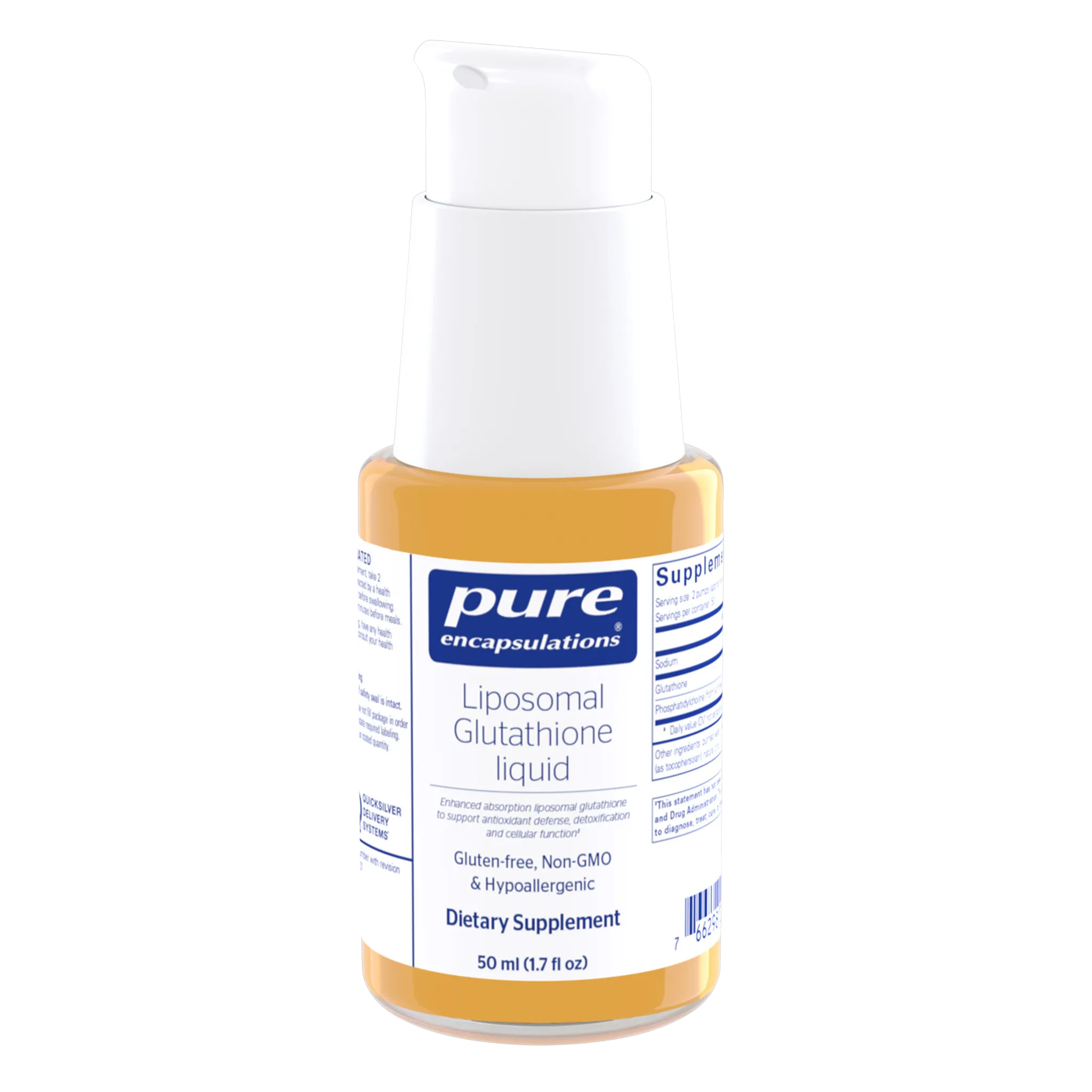
The specific formulation of Liposomal Glutathione Liquid utilizes phosphatidylcholine (PC) derived from non-GMO sunflower oil. PC is the fundamental backbone of liposome technology, creating a tight, structured bilayer that prevents the glutathione from oxidizing prematurely. By using non-GMO sunflower oil instead of traditional soy lecithin, the formulation is hypoallergenic and avoids common immune triggers. Because the liposome is made of the same material as our cells, it bypasses traditional transport pathways and merges directly with the intestinal lining and cellular walls, depositing the intact glutathione directly into the bloodstream with an estimated absorption rate of 50% to 90%.
Dosing, Timing, and Potential Interactions
For optimal absorption, liposomal glutathione is typically taken on an empty stomach, either first thing in the morning or between meals. The suggested use for this specific liquid formulation is 2 pumps (approximately 1 ml, delivering 100 mg of glutathione) daily, or as directed by a healthcare professional. Because the liposomal delivery is so efficient, patients often notice improvements in energy and cognitive clarity much faster than with standard capsules, sometimes within just a few weeks of consistent use. It is highly recommended to hold the liquid under the tongue for 30-60 seconds before swallowing to encourage direct absorption through the sublingual mucosal membranes.
While liposomal glutathione is generally recognized as safe and well-tolerated, there are important interactions to consider. High doses of acetaminophen (Tylenol) rapidly deplete the liver's glutathione reserves, so taking them concurrently can alter drug metabolism. Additionally, because glutathione strongly supports immune function, it may interact with immunosuppressive medications. Some patients may experience mild gastrointestinal upset or a temporary "detox reaction" when starting supplementation. As always, it is crucial to consult with your healthcare provider before introducing a new supplement, especially if you are navigating a complex condition like Long COVID or ME/CFS, to ensure it aligns safely with your overall treatment protocol.

Follow the Science
Groundbreaking Data on Liposomal Absorption
Another landmark clinical trial conducted at Penn State University and published in the European Journal of Clinical Nutrition investigated the effects of liposomal glutathione in healthy adults over a one-month period. The researchers found that after just two weeks of daily supplementation, liposomal glutathione increased whole blood glutathione levels by 40%. Even more impressively, intracellular glutathione inside peripheral blood mononuclear cells (PBMCs—a critical type of immune cell) increased by an astounding 100%. This rapid saturation is a stark contrast to standard oral glutathione, which often takes up to six months of high-dose supplementation to achieve similar systemic elevations.
Glutathione's Impact on Immune Function
The Penn State study also provided crucial insights into how liposomal glutathione modulates the immune system. Alongside the massive increases in intracellular antioxidant levels, the researchers observed a dramatic enhancement in immune function. Natural Killer (NK) cell cytotoxicity—a vital component of the innate immune system's ability to fight off viral pathogens and clear damaged cells—was elevated by up to 400% after just two weeks. Additionally, plasma 8-isoprostane, a primary biomarker of lipid oxidative stress, decreased by 35%, confirming that the supplement was actively halting cellular damage.
These findings are particularly relevant for patients asking, "Are you contagious with Long COVID?" While Long COVID is not typically contagious, the immune system often remains in a dysfunctional, exhausted state long after the acute virus is gone. By drastically boosting NK cell activity and reducing oxidative stress, liposomal glutathione provides the exact type of immune modulation needed to help an exhausted system recover its balance and resilience, potentially aiding in the clearance of lingering viral proteins or persistent chronic infections.
Emerging Research in Long COVID and ME/CFS
Recent research specifically targeting the pathophysiology of Long COVID and ME/CFS has cemented the role of oxidative stress in these conditions. A 2024 study by Stanford University researchers, published in the Proceedings of the National Academy of Sciences (PNAS), analyzed the white blood cells of patients with Long COVID and ME/CFS. They discovered that both patient groups exhibited signs of elevated oxidative stress. Interestingly, they found aberrations in ROS clearance pathways, including elevated glutathione levels, decreases in mitochondrial superoxide dismutase levels, and glutathione peroxidase 4 mediated lipid oxidative damage.
Furthermore, a comprehensive review published in the Journal of Translational Medicine proposed a unifying model for ME/CFS and Long COVID, highlighting how viral infections (like SARS-CoV-2 or Epstein-Barr Virus) trigger a cascade of immune exhaustion, micro-clotting, and severe oxidative stress. The authors explicitly suggest that therapeutic interventions targeting viral reactivation and inflammation—specifically highlighting powerful antioxidants—are critical for patient recovery. As the clinical understanding of these complex illnesses evolves, supporting the body's master antioxidant pathways with highly bioavailable liposomal formulations continues to emerge as a foundational, science-backed management strategy.
The Path Forward
Validating Your Lived Experience
Living with a complex chronic illness like Long COVID, ME/CFS, or dysautonomia is an incredibly challenging journey. The profound fatigue, unpredictable heart rates, and cognitive fog are not just "in your head"—they are the direct result of measurable physiological disruptions, including severe oxidative stress, mitochondrial damage, and systemic glutathione depletion. When your cells lack the energy and antioxidant defenses they need to function, every aspect of your daily life is impacted. It is entirely valid to feel frustrated by a medical system that often struggles to understand or treat these invisible illnesses.
Understanding the deep, biochemical roots of your symptoms is a powerful step toward reclaiming your health. By recognizing that your body is fighting a very real battle at the cellular level, you can begin to shift away from self-blame and toward compassionate, targeted support. You are navigating a complex neuroimmune landscape, and finding the right tools to support your body's natural healing pathways takes time, patience, and a willingness to explore science-backed interventions.
Building a Comprehensive Management Strategy
While liposomal glutathione is a potent tool for neutralizing oxidative stress and supporting detoxification, it is not a standalone cure. True recovery requires a comprehensive, multi-layered approach to symptom management. This means integrating targeted nutritional support alongside essential lifestyle modifications, such as aggressive pacing to avoid post-exertional malaise, meticulous symptom tracking, and nervous system regulation techniques. By combining these strategies, you can slowly begin to expand your energy envelope and improve your overall quality of life.
It is also vital to work closely with a healthcare provider who understands the nuances of complex chronic conditions. They can help you navigate the diagnostic process, as discussed in how does a doctor diagnose Long COVID?, and ensure that supplements like liposomal glutathione are safely integrated into your broader treatment plan. Whether you are exploring prescription medications, physical therapy, or advanced nutritional support, a collaborative medical relationship is key to finding the unique combination of therapies that works for your specific biology.
Next Steps
If you are struggling with the debilitating effects of chronic inflammation, mitochondrial dysfunction, and toxic burden, supporting your body's master antioxidant pathway may be a valuable addition to your recovery toolkit. By utilizing advanced liposomal delivery, you can ensure that this critical nutrient reaches the cells that need it most, helping to quiet the inflammatory storm and restore cellular energy. Always consult your healthcare provider before beginning any new supplement regimen to ensure it is appropriate for your individual health needs.