Can Liposomal Vitamin D3 and K2 Support Immune Recovery in Long COVID and ME/CFS?
March 6, 2026
Liposomal D SupremeLong COVIDME/CFS
Share:
Disclaimer: The information provided here is for educational purposes only and is not intended as medical advice. It should not be used to diagnose, treat, cure, or prevent any medical condition. Instead, use it as a starting point for discussion with your healthcare provider. Always consult with a qualified healthcare provider before starting any new medication, supplement, device, or making changes to your health regimen.
Months after recovering from an initial viral infection, many people find themselves fighting a new, unpredictable battle against debilitating symptoms. Whether diagnosed with Long COVID, myalgic encephalomyelitis/chronic fatigue syndrome (ME/CFS), or dysautonomia, the daily reality often involves profound exhaustion, deep bone and muscle pain, and an immune system that feels entirely out of balance. When your body is trapped in a cycle of chronic inflammation and immune dysregulation, finding foundational support is a critical step toward reclaiming your quality of life.
One of the most heavily researched areas in post-viral recovery and chronic illness management is the profound impact of Vitamin D deficiency. However, restoring these vital levels isn't as simple as taking a standard over-the-counter pill. The body requires specific synergistic nutrients—namely Vitamin K1 and K2—to safely utilize Vitamin D, alongside advanced delivery methods to ensure these fat-soluble compounds actually reach your cells. This is where specialized formulations like Liposomal D Supreme come into play, offering a comprehensive approach to immune modulation, calcium balance, and cardiovascular protection.
TL;DR
Vitamin D3 and K2 work synergistically to support immune balance and cardiovascular health in chronic conditions.
Liposomal delivery may help improve nutrient absorption for patients with gut issues or malabsorption.
Always consult a healthcare provider before starting high-dose supplements, especially if taking blood thinners.
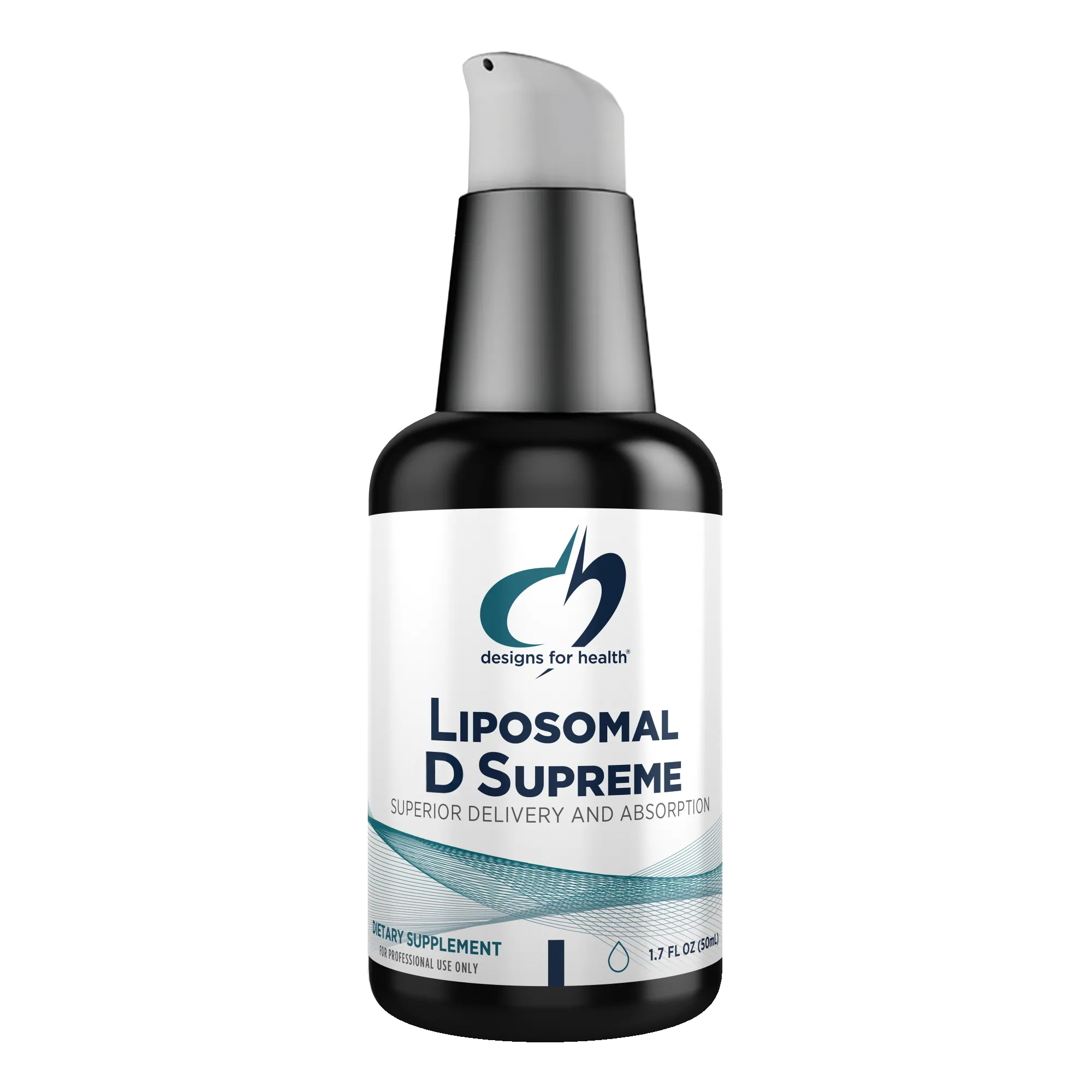
What is Liposomal D Supreme?
The Sunshine Hormone and Immune Regulation
Vitamin D3, scientifically known as cholecalciferol, is widely recognized as the "sunshine vitamin," but in the medical world, it is more accurately classified as a potent neuroactive pro-hormone. In a healthy body, Vitamin D3 is synthesized in the skin upon exposure to ultraviolet B (UVB) radiation or absorbed through specific dietary sources. Once it enters the bloodstream, it travels to the liver and then the kidneys, where it is converted into its active hormonal form, calcitriol (1,25-dihydroxyvitamin D). This active form is essential for human survival, interacting with the Vitamin D Receptor (VDR) present on the nucleus of almost every immune cell, nerve cell, and tissue in the body.
At the molecular level, Vitamin D3 is a master regulator of calcium homeostasis and immune function. When calcitriol binds to the VDR on immune cells like macrophages and neutrophils, it triggers the transcription of specific genes that produce antimicrobial peptides, such as cathelicidins and beta-defensins. These naturally occurring proteins act as the body's first line of defense, possessing direct antiviral and antibacterial properties that help neutralize invading pathogens. Without adequate Vitamin D3, the innate immune system struggles to mount an effective initial response, leaving the body vulnerable to prolonged infections and viral persistence.
Beyond its antimicrobial prowess, Vitamin D3 plays a critical role in adaptive immunity by acting as an immunomodulator. It helps shift the immune response away from aggressive, tissue-damaging inflammation (driven by Th1 and Th17 cells) and toward a more balanced, regulatory state (driven by T-reg cells). This balancing act is vital for helping to keep the immune system from overreacting and attacking the body's own tissues, a phenomenon frequently observed in autoimmune conditions and complex post-viral syndromes. By keeping inflammatory cytokines like Interleukin-6 (IL-6) in check, Vitamin D3 helps maintain systemic harmony.
The Calcium Traffic Cop: Vitamin K1 and K2
While Vitamin D3 is responsible for absorbing calcium from the gut and pulling it into the bloodstream, it cannot dictate where that calcium goes. This is where Vitamin K steps in as the essential biological "traffic cop." Liposomal D Supreme includes both Vitamin K1 (Phytonadione) and Vitamin K2 (Menaquinone-4 or MK-4). Vitamin K1 is primarily utilized by the liver to synthesize proteins required for healthy blood coagulation, ensuring that the body can properly heal wounds and maintain vascular integrity. However, it is Vitamin K2 that plays the starring role in calcium distribution and cardiovascular protection.
Vitamin K2 operates by activating (carboxylating) two highly specific Vitamin K-Dependent Proteins (VKDPs): Osteocalcin and Matrix Gla Protein (MGP). Osteocalcin is produced by osteoblasts, the cells responsible for building bone. When activated by Vitamin K2, osteocalcin binds tightly to the calcium circulating in the blood and securely integrates it into the skeletal matrix, promoting bone density and strength. Without sufficient K2, osteocalcin remains "undercarboxylated" and inactive, leaving calcium floating freely in the bloodstream rather than reinforcing the skeleton.
Simultaneously, Vitamin K2 activates Matrix Gla Protein (MGP), which is synthesized by the smooth muscle cells lining our blood vessels. Active MGP is recognized as the most potent natural inhibitor of vascular calcification. It actively binds to free-floating calcium in the arteries, helping to keep it from crystallizing into dangerous arterial plaque. By utilizing MK-4, a highly specialized extra-hepatic form of Vitamin K2, the body can actively protect the cardiovascular system from the calcification that can occur when taking high doses of Vitamin D alone.
The Power of Liposomal Delivery
Because Vitamins D3, K1, and K2 are fat-soluble, their absorption in the human gastrointestinal tract is notoriously complex. Standard supplements rely heavily on the presence of dietary fats, bile salts, and robust pancreatic enzymes to form micelles—tiny lipid clusters that can be absorbed through the intestinal wall. For individuals with compromised gut health, malabsorption issues, or those taking standard pills on an empty stomach, the actual bioavailability of these crucial nutrients can be dismally low, meaning the majority of the supplement is simply excreted.
Liposomal technology fundamentally bypasses these digestive hurdles. In a liposomal formulation like Liposomal D Supreme, the active vitamins are encapsulated within microscopic, spherical vesicles made of a phospholipid bilayer. Because this outer shell is made of the exact same material as human cell membranes, it acts as a protective shield against harsh stomach acids and digestive enzymes. The liposome safely escorts the fragile vitamins through the hostile environment of the upper GI tract directly to the small intestine.
Once in the intestines, the liposomes can easily fuse with the enterocyte cells lining the gut wall, allowing the vitamins to be directly internalized via endocytosis. This advanced delivery mechanism allows the nutrients to bypass the liver's first-pass metabolism, entering the bloodstream and lymphatic system rapidly and efficiently. Clinical studies on liposomal Vitamin D formulations have demonstrated that this method yields significantly higher plasma concentrations and maintains those elevated levels for much longer periods compared to standard oily drops or pressed tablets.