Can Liposomal Cat's Claw Support Immune Balance in Long COVID and ME/CFS?
March 6, 2026
Liposomal Cat's ClawImmune DysregulationLong COVID
Share:
Disclaimer: The information provided here is for educational purposes only and is not intended as medical advice. It should not be used to diagnose, treat, cure, or prevent any medical condition. Instead, use it as a starting point for discussion with your healthcare provider. Always consult with a qualified healthcare provider before starting any new medication, supplement, device, or making changes to your health regimen.
Months or even years after an acute infection, many individuals find themselves trapped in a relentless cycle of debilitating symptoms. Whether diagnosed with Long COVID, myalgic encephalomyelitis/chronic fatigue syndrome (ME/CFS), or mast cell activation syndrome (MCAS), the underlying theme is often the same: a profound disruption of the body's immune and nervous systems. Patients frequently describe feeling as though their body is constantly fighting an invisible battle, leading to profound exhaustion, unpredictable symptom flares, and a frustrating lack of clinical answers. In the search for validating, science-backed management strategies, addressing this deep-seated immune dysregulation is paramount.
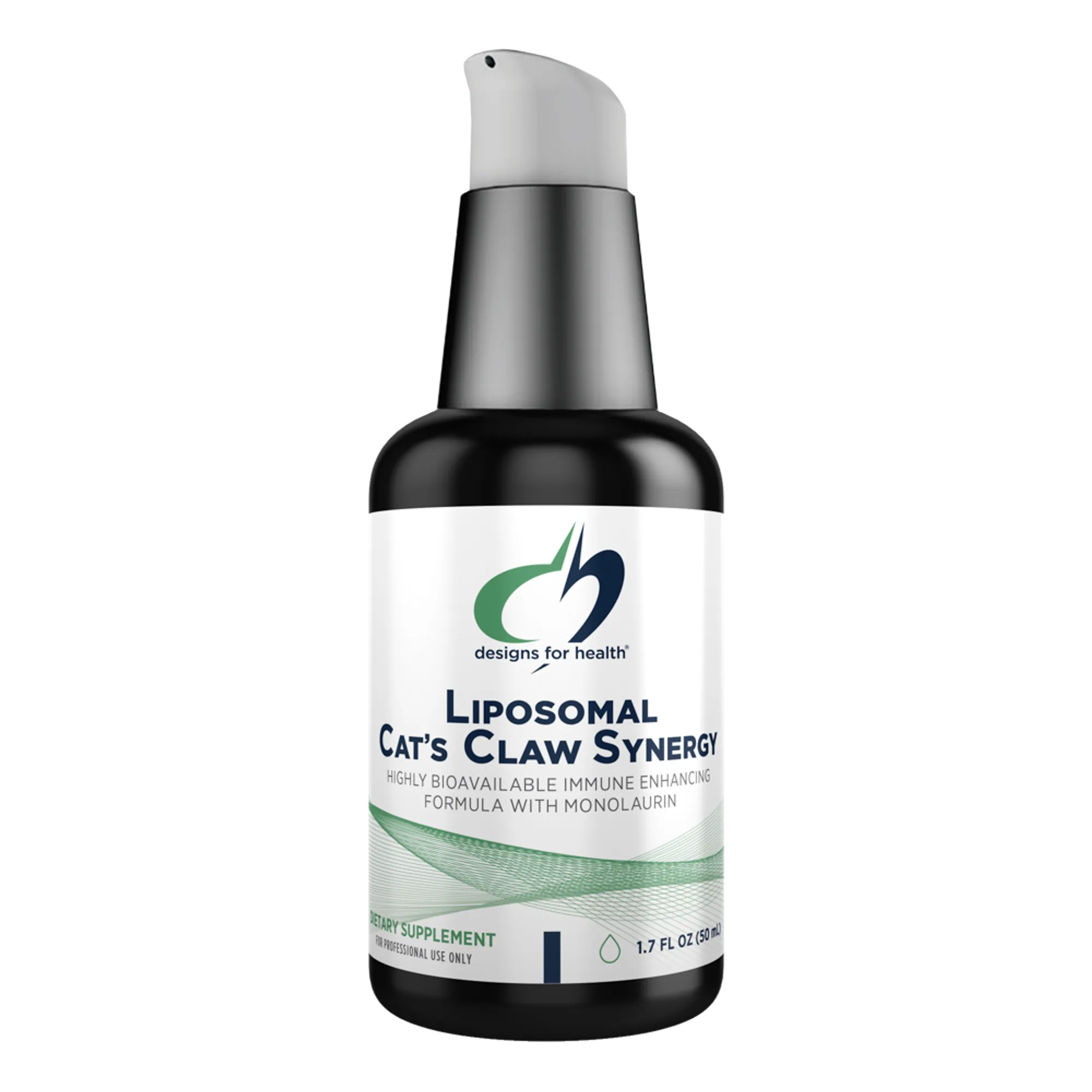
One therapeutic avenue gaining attention in the management of complex chronic conditions is the use of targeted, highly bioavailable botanical and nutritional compounds. Liposomal Cat's Claw Synergy by Designs for Health is a comprehensive formulation designed to support immune balance, promote a healthy microbial environment, and maintain antioxidant status. By combining the ancient wisdom of Amazonian herbal medicine with cutting-edge liposomal delivery technology, this unique blend of cat's claw, monolaurin, vitamin D, and lemon balm offers a multi-targeted approach to supporting the body's delicate physiological balance. In this article, we will explore the intricate cellular mechanisms behind these ingredients and how they may help manage the complex symptoms of post-viral illness.
TL;DR
Liposomal Cat's Claw Synergy combines botanicals and nutrients to support immune balance and microbial health.
Ingredients like cat's claw and vitamin D may help manage inflammation and support exhausted immune cells.
Liposomal delivery ensures better absorption, helping active compounds reach the cells where they are needed most.
Always consult your healthcare provider before starting new supplements, especially if taking immunosuppressants or blood thinners.
What is Liposomal Cat's Claw Synergy?
The Amazonian Vine: Uncaria tomentosa
At the heart of this formulation is cat's claw (Uncaria tomentosa), a woody vine native to the Amazon rainforest that has been utilized in traditional medicine for over two millennia. In the context of modern pharmacology, cat's claw is recognized as a potent immunomodulator and anti-inflammatory agent. The plant's therapeutic properties are primarily driven by specific classes of phytochemicals, most notably pentacyclic oxindole alkaloids (POAs). These POAs actively influence the behavior of T-lymphocytes and B-lymphocytes, helping to orchestrate a more balanced and appropriate immune response rather than simply stimulating the immune system indiscriminately.
Beyond POAs, high-quality cat's claw extracts contain carboxy alkyl esters (CAEs) and quinovic acid glycosides. These compounds work synergistically to promote DNA repair, extend the lifespan of crucial immune cells, and provide robust antioxidant defense. Interestingly, the plant also contains tetracyclic oxindole alkaloids (TOAs), which can actually antagonize the beneficial effects of POAs. Therefore, premium formulations are carefully sourced and standardized to maximize POA content while minimizing TOAs, ensuring that the immune-modulating properties are fully realized at the cellular level.
The Power of Monolaurin and Vitamin D
Complementing the botanical power of cat's claw is monolaurin, also known as glycerol monolaurate (GML). Monolaurin is a monoester formed from glycerol and lauric acid, a medium-chain fatty acid naturally found in coconut oil and human breast milk. At the molecular level, monolaurin is an amphipathic molecule, meaning it has both water-loving and fat-loving properties. This unique structure allows it to interact directly with the lipid membranes of various microorganisms. Research indicates that monolaurin is particularly adept at supporting a healthy microbial environment by physically disrupting the lipid bilayers of enveloped viruses and certain bacteria, thereby inhibiting their ability to attach to and enter host cells.
The formulation also includes a targeted dose of Vitamin D (as cholecalciferol). Far more than just a vitamin for bone health, Vitamin D functions as a critical immunomodulatory hormone (secosteroid) within the human body. It interacts with Vitamin D receptors (VDR) present on nearly all immune cells, including macrophages, B cells, and T cells. By modulating the expression of hundreds of genes, Vitamin D plays a pivotal role in helping to avoid immune overactivation while simultaneously enhancing the innate immune system's ability to produce antimicrobial peptides like cathelicidin.
Lemon Balm and Essential Oils
To further enhance the formula's comprehensive support, it includes lemon balm extract (Melissa officinalis) alongside natural mint and rose flower oils. Lemon balm is a perennial herb in the mint family with a rich history of use for nervous system support. Its primary active constituent, rosmarinic acid, has been shown to exert profound effects on both the central nervous system and immune function. Rosmarinic acid acts as a potent antioxidant and has demonstrated the ability to neutralize certain viral glycoproteins, providing an additional layer of microbial defense.
Furthermore, the essential oils of lemon balm, mint, and rose are rich in volatile compounds like citral, geraniol, and linalool. These highly lipophilic (fat-soluble) compounds not only contribute to the product's stability and flavor profile but also offer their own mild anxiolytic and anti-inflammatory properties. Together, these botanical additions create a synergistic blend that addresses both the immune and neurological facets of chronic illness.
The Liposomal Delivery Advantage
Perhaps the most crucial aspect of this specific formulation is its use of liposomal technology. A liposome is a microscopic, spherical vesicle composed of a phospholipid bilayer—the exact same material that makes up human cell membranes. In this product, these phospholipids are derived from sunflower lecithin. The active ingredients (cat's claw, monolaurin, vitamin D, and essential oils) are encapsulated within these liposomes, protecting them from the harsh, acidic environment of the stomach and the degrading effects of digestive enzymes.
This advanced delivery mechanism solves one of the most persistent challenges in nutritional supplementation: poor oral bioavailability. Because liposomes mimic the body's own cell membranes, they can bypass standard active transport constraints in the gut. They can fuse directly with intestinal cells or be absorbed into the lymphatic system, delivering their payload intact directly into systemic circulation and inside target cells. This ensures that a significantly higher percentage of the therapeutic compounds actually reaches the tissues where they are needed most.
How Long COVID and ME/CFS Impact Immune and Microbial Balance
The Vicious Cycle of Immune Dysregulation
To understand why a supplement like Liposomal Cat's Claw Synergy might be beneficial, we must first examine the profound physiological disruptions that characterize conditions like Long COVID and ME/CFS. A central feature of these illnesses is chronic, post-viral immune dysregulation. Following an acute infection, the immune system often fails to return to its baseline state. Instead, it remains locked in a hyperactive, inflammatory posture. This is frequently driven by the overactivation of Nuclear Factor-kappa B (NF-κB), a central transcription factor that acts as a master switch for inflammation, leading to the continuous production of pro-inflammatory cytokines like IL-6 and TNF-α. You can learn more about this process in our deep dive on Autoimmunity and Immune Dysregulation in Long COVID.
This persistent systemic inflammation creates a vicious cycle. The elevated cytokines cross the blood-brain barrier, triggering neuroinflammation and activating brain microglia. This neuro-immune crosstalk is heavily implicated in the debilitating cognitive dysfunction ("brain fog"), severe fatigue, and dysautonomia experienced by so many patients. The immune system becomes exhausted, characterized by CD8 T-cell dysfunction, leaving the body vulnerable to opportunistic infections and the reactivation of dormant viruses.
Viral Persistence and Microbial Imbalance
Another emerging hallmark of Long COVID and ME/CFS is the concept of viral persistence and microbial dysbiosis. Recent research suggests that fragments of the SARS-CoV-2 virus, or even intact virions, may hide in tissue reservoirs such as the gut lining or nervous system long after the acute infection has passed. This persistent viral presence acts as a constant irritant to the immune system, driving the ongoing thrombo-inflammation and microglial activation that perpetuate chronic symptoms.
Furthermore, the initial viral insult often triggers the reactivation of latent herpesviruses, such as Epstein-Barr Virus (EBV) and Herpes Simplex Virus (HSV-1). Studies have shown that these reactivated viruses produce proteins that bind to cytoskeletal structures and severely disrupt mitochondrial dynamics, leading to impaired cellular energy production (OXPHOS). This viral reactivation, combined with a disrupted gut microbiome, creates a highly toxic internal environment that further strains the body's resources and exacerbates post-exertional malaise (PEM).
Oxidative Stress and Cellular Exhaustion
The combination of chronic inflammation and persistent microbial stress inevitably leads to profound redox imbalance and oxidative stress. The body's natural antioxidant defenses, such as glutathione, become rapidly depleted as they attempt to neutralize the flood of free radicals generated by the hyperactive immune response. This oxidative stress directly damages cellular membranes, proteins, and DNA, and is a primary driver of the mitochondrial dysfunction seen in ME/CFS.
When mitochondria—the powerhouses of the cell—are damaged by oxidative stress and viral proteins, they cannot produce adequate adenosine triphosphate (ATP). This cellular energy crisis is the biological reality behind the debilitating fatigue and crashes that patients experience after minimal physical or cognitive exertion. Addressing this complex web of immune overactivation, viral persistence, and oxidative damage requires a multi-targeted approach that supports the body's innate healing mechanisms.
Liposomal Cat's Claw: Supporting Immune and Microbial Function
Modulating Inflammation via NF-κB Inhibition (Cat's Claw)
Liposomal Cat's Claw Synergy addresses the root causes of immune dysregulation through several distinct, scientifically validated mechanisms. The primary action of cat's claw (Uncaria tomentosa) is its profound ability to modulate the inflammatory cascade at the genetic level. Research, including a 2024 systematic review and meta-analysis, has demonstrated that cat's claw extracts significantly suppress the activation of Nuclear Factor-kappa B (NF-κB). By inhibiting this master transcription factor, cat's claw effectively turns down the dial on the production of pro-inflammatory cytokines, particularly Interleukin-6 (IL-6).
This mechanism is crucial for patients with Long COVID and ME/CFS, as it helps break the cycle of systemic inflammation without entirely suppressing the immune system. The pentacyclic oxindole alkaloids (POAs) in cat's claw act as "smart" immunomodulators; they reduce pathological inflammation while simultaneously enhancing the phagocytic activity of macrophages, helping the body clear cellular debris and maintain a healthy defense posture. This dual action is vital for managing the complex immune landscape of chronic illness.
Disrupting Viral Envelopes (Monolaurin)
Monolaurin provides a direct, structural approach to supporting a healthy microbial environment. As an amphipathic molecule, monolaurin has the unique ability to fluidize and incorporate itself into the lipid bilayer of enveloped viruses and certain Gram-positive bacteria. According to microbiological research, this incorporation physically disrupts the structural integrity of the microbial membrane, leading to its disintegration. By destroying the viral envelope, monolaurin inhibits the pathogen from binding to and entering host cells.
Furthermore, monolaurin has been shown to interfere with the later stages of the viral replication cycle, inhibiting the assembly and maturation of new infectious particles. It also exhibits potent antibiofilm activity, helping to eradicate the protective matrices that certain bacteria use to hide from the immune system. In the context of suspected viral persistence and gut dysbiosis in Long COVID, monolaurin serves as a powerful tool to help the body maintain a balanced and healthy microbial ecosystem.
Regulating T-Cells and Macrophages (Vitamin D)
The inclusion of Vitamin D is a critical component of this formula's immune-supporting mechanism. Vitamin D deficiency is heavily implicated in the severity and persistence of post-viral conditions. At the cellular level, Vitamin D exerts protective anti-inflammatory effects by downregulating pro-inflammatory Th1 and Th17 cells and promoting the proliferation of anti-inflammatory T-regulatory (T-reg) cells. This shift is essential for calming the hyperactive immune responses seen in MCAS and Long COVID.
Moreover, Vitamin D acts directly on human microglia in the brain, suppressing their secretion of inflammatory cytokines and facilitating their transition into a tissue-repairing phenotype. It also helps reinforce the integrity of the blood-brain barrier, helping to limit peripheral inflammation from driving neurological symptoms. By supporting adequate Vitamin D levels, this supplement helps restore the fundamental regulatory mechanisms of both the innate and adaptive immune systems.
Calming the Nervous System (Lemon Balm)
The lemon balm extract in this synergy provides targeted support for the nervous system, which is often severely dysregulated in dysautonomia and ME/CFS. The primary mechanism involves the modulation of gamma-aminobutyric acid (GABA), the brain's main inhibitory neurotransmitter. Rosmarinic acid, a key compound in lemon balm, inhibits GABA transaminase (GABA-T), the enzyme responsible for breaking down GABA. This leads to an accumulation of GABA in the central nervous system, promoting a calming, anxiolytic effect that can help manage the hyperarousal and anxiety often associated with chronic illness.
Additionally, lemon balm exhibits its own broad-spectrum antiviral properties. Its phenolic compounds can directly interact with viral glycoproteins, physically blocking the virus's ability to attach to mucosal cells. This combination of neuro-calming and microbial-balancing actions makes lemon balm an invaluable addition to the formula, addressing the interconnected nature of immune and neurological dysfunction.

Symptoms Liposomal Cat's Claw May Help Manage
Targeting Systemic and Neurological Symptoms
Because Liposomal Cat's Claw Synergy targets fundamental mechanisms of immune regulation, microbial balance, and nervous system function, it may help manage a wide array of symptoms associated with complex chronic conditions. While supplements are not cures, supporting these underlying pathways can significantly improve quality of life.
Profound Fatigue and PEM: By reducing systemic inflammation (via NF-κB inhibition) and supporting mitochondrial health against viral disruption, this formula may help alleviate the crushing fatigue and post-exertional malaise characteristic of ME/CFS and Long COVID.
Brain Fog and Cognitive Dysfunction: The neuroprotective effects of Vitamin D and the cholinergic support provided by lemon balm can help mitigate neuroinflammation, potentially improving memory, focus, and mental clarity.
Anxiety and Hyperarousal: The GABA-enhancing properties of lemon balm extract help calm an overactive central nervous system, providing relief from the anxiety, palpitations, and "wired but tired" sensations common in dysautonomia.
Addressing Immune and Gut Health
The interconnectedness of the gut, immune system, and chronic illness cannot be overstated. By promoting a healthy microbial environment, this supplement addresses symptoms originating from dysbiosis and immune exhaustion.
Frequent Infections and Immune Exhaustion: The immune-modulating POAs in cat's claw and the supportive role of Vitamin D help restore the function of exhausted T-cells and macrophages, bolstering the body's natural defenses against opportunistic pathogens.
Gut Dysbiosis and Digestive Issues: Monolaurin's ability to target harmful, enveloped bacteria while generally sparing beneficial flora helps support a balanced gut microbiome, which is often severely disrupted in post-viral syndromes.
Unpredictable Inflammatory Flares: By acting as a "smart" immunomodulator rather than a simple stimulant, cat's claw helps smooth out the erratic immune responses seen in conditions like MCAS, potentially reducing the frequency and severity of inflammatory symptom flares.
Practical Considerations: Forms, Dosing, and Absorption
Maximizing Bioavailability with Liposomes
When dealing with complex chronic illnesses, the digestive tract is often compromised, leading to poor absorption of standard supplements. This is where the liposomal delivery system of this formulation becomes a critical advantage. Clinical scoping reviews have consistently shown that liposomal encapsulation can increase the bioavailability of nutrients by anywhere from 1.5 to over 5 times compared to non-liposomal counterparts. The phospholipid bilayer protects the delicate botanical extracts and vitamins from stomach acid and enzymatic degradation.
Because the liposomes mimic human cell membranes, they can bypass the saturated active transport pathways in the gut. They are absorbed directly into the enterocytes or routed through the lymphatic system, avoiding "first-pass metabolism" in the liver. This means that a much higher concentration of the active ingredients—cat's claw, monolaurin, and Vitamin D—actually reaches systemic circulation and penetrates the target immune cells, ensuring maximum therapeutic efficacy.
Optimal Dosing and Administration
Liposomal Cat's Claw Synergy is provided in a liquid format for easy titration and administration. The standard suggested use is to take 1 mL (approximately 2 pumps) daily, or as directed by your healthcare practitioner. To maximize the liposomal absorption, it is highly recommended to hold the liquid in your mouth for 30 seconds before swallowing. This allows some of the liposomes to be absorbed directly through the highly vascularized mucosal membranes of the mouth (sublingual absorption), providing rapid entry into the bloodstream.
Because the formula contains fat-soluble components and utilizes lipid-based liposomes, it can generally be taken with or without food. However, patients with sensitive stomachs or severe GI dysmotility may prefer to take it alongside a small amount of healthy fat to further encourage absorption and minimize any potential mild nausea. As with all new interventions in chronic illness, it is often wise to "start low and go slow," perhaps beginning with a single pump to assess your body's tolerance before moving to the full dose.
Safety, Contraindications, and Interactions
While the ingredients in Liposomal Cat's Claw Synergy are generally recognized as safe and well-tolerated, the potent mechanisms of action require careful consideration, particularly for complex patients. Because cat's claw actively modulates and can stimulate certain aspects of the immune system (like macrophage activity), it is generally cautioned against for individuals with diagnosed autoimmune diseases (such as Lupus or Multiple Sclerosis) unless strictly supervised by a knowledgeable physician.
Furthermore, due to its physiological effects, this supplement has potential drug interactions. It is contraindicated for individuals taking immunosuppressant medications, as the cat's claw may counteract the drugs' effects. It should also be used with caution by those on blood thinners, as it promotes healthy platelet function but can increase bleeding risk, and those on antihypertensive medications, as it may have a mild blood pressure-lowering effect. Always consult your healthcare provider before adding a new supplement to your regimen, especially if you are managing a condition like Long COVID or ME/CFS.

Follow the Science
Clinical Evidence for Cat's Claw and Monolaurin
The individual components of Liposomal Cat's Claw Synergy are supported by a robust body of scientific literature. A comprehensive 2024 systematic review and meta-analysis published in Frontiers in Pharmacology evaluated 24 in vivo studies on cat's claw extracts. The researchers found statistically significant evidence that the extracts decreased the pro-inflammatory cytokine Interleukin-6 (IL-6) and dramatically reduced the expression of the NF-κB transcription factor. Furthermore, in vitro studies evaluating SARS-CoV-2 found that hydroalcoholic extracts of cat's claw stem bark achieved a 92.7% inhibition of the virus in cellular models, highlighting its potent antiviral potential.
Monolaurin has similarly been the subject of extensive microbiological research. Studies have consistently demonstrated its broad-spectrum efficacy against enveloped viruses and Gram-positive bacteria. While large-scale human clinical trials for oral monolaurin are limited, clinical trials focusing on localized applications (such as vaginal gels for bacterial vaginosis) have proven its ability to selectively target pathogenic bacteria while preserving healthy microbiomes. Its mechanism of physically disrupting lipid bilayers makes it a highly reliable agent against microbial overgrowth.
Vitamin D and Post-Viral Recovery
The role of Vitamin D in managing post-viral syndromes is becoming increasingly clear. A striking 2026 randomized controlled trial investigated 91 participants diagnosed with ME/CFS following SARS-CoV-2 infection, all of whom had baseline Vitamin D insufficiency. The study found that guided Vitamin D replacement therapy resulted in 16 participants in the active group achieving a sub-threshold symptom score—meaning they no longer met the diagnostic criteria for ME/CFS—compared to only 1 participant in the control group.
This clinical data is supported by 2025 proteomic studies which established that Vitamin D deficiency directly leads to immunoglobulin abnormalities and B-cell receptor signaling disruption in Long COVID patients. By addressing this deficiency, the synergistic formula helps correct a foundational driver of immune dysregulation.
The Proven Superiority of Liposomal Delivery
Finally, the liposomal delivery method itself is backed by rigorous pharmacokinetic data. Recent randomized controlled trials evaluating liposomal nutrient delivery have demonstrated significantly higher peak plasma concentrations ($C_{max}$) and greater total systemic exposure (AUC) compared to standard oral supplements. Furthermore, studies show that liposomal encapsulation dramatically increases the cellular uptake of nutrients into critical immune cells like leukocytes and peripheral blood mononuclear cells (PBMCs), proving that the technology successfully delivers therapeutic compounds exactly where they are needed to combat chronic illness.
The Path Forward
A Piece of the Chronic Illness Puzzle
Living with conditions like Long COVID, ME/CFS, and dysautonomia is an incredibly complex and often isolating journey. The profound fatigue, unpredictable symptom flares, and cognitive challenges are real, physiological manifestations of deep-seated immune and nervous system dysregulation. It is vital to remember that there is no single "magic pill" for these conditions. Recovery and symptom management require a comprehensive, multi-disciplinary approach.
Supplements like Liposomal Cat's Claw Synergy are designed to be powerful tools within a broader management strategy. By targeting fundamental mechanisms—modulating inflammation, supporting microbial balance, and calming the nervous system—this formulation can help create a more stable physiological foundation. However, it must be combined with aggressive pacing to manage post-exertional malaise, meticulous symptom tracking, and ongoing medical care. You can read more about comprehensive diagnostic approaches in our guide on How Does a Doctor Diagnose Long COVID?.
Next Steps in Your Journey
We see you, we validate your experience, and we are committed to providing science-backed strategies to help improve your quality of life. If you are struggling with immune exhaustion, suspected viral persistence, or chronic inflammation, this targeted botanical and nutritional synergy may offer valuable support. Always consult with your healthcare provider to ensure it aligns safely with your current treatment plan and specific medical history.
Sources
Uncaria tomentosa as a Promising Natural Source of Molecules with Multiple Activities
Antimicrobial and Antiviral Properties of Monolaurin
Monolaurin Vaginal Gel for Bacterial Vaginosis Clinical Trial
Neuroimmunological Effect of Vitamin D on Neuropsychiatric Long COVID Syndrome
University of Otago Scoping Review on Vitamin C Bioavailability and Liposomal Delivery
Liposomal delivery enhances absorption of nutrients into plasma and leukocytes (2024 RCT)
Identification of CD8 T-cell dysfunction associated with symptoms in ME/CFS and Long COVID