Can Alpha-Lipoic Acid and Taurine Support Cellular Energy in Long COVID and ME/CFS?
March 6, 2026
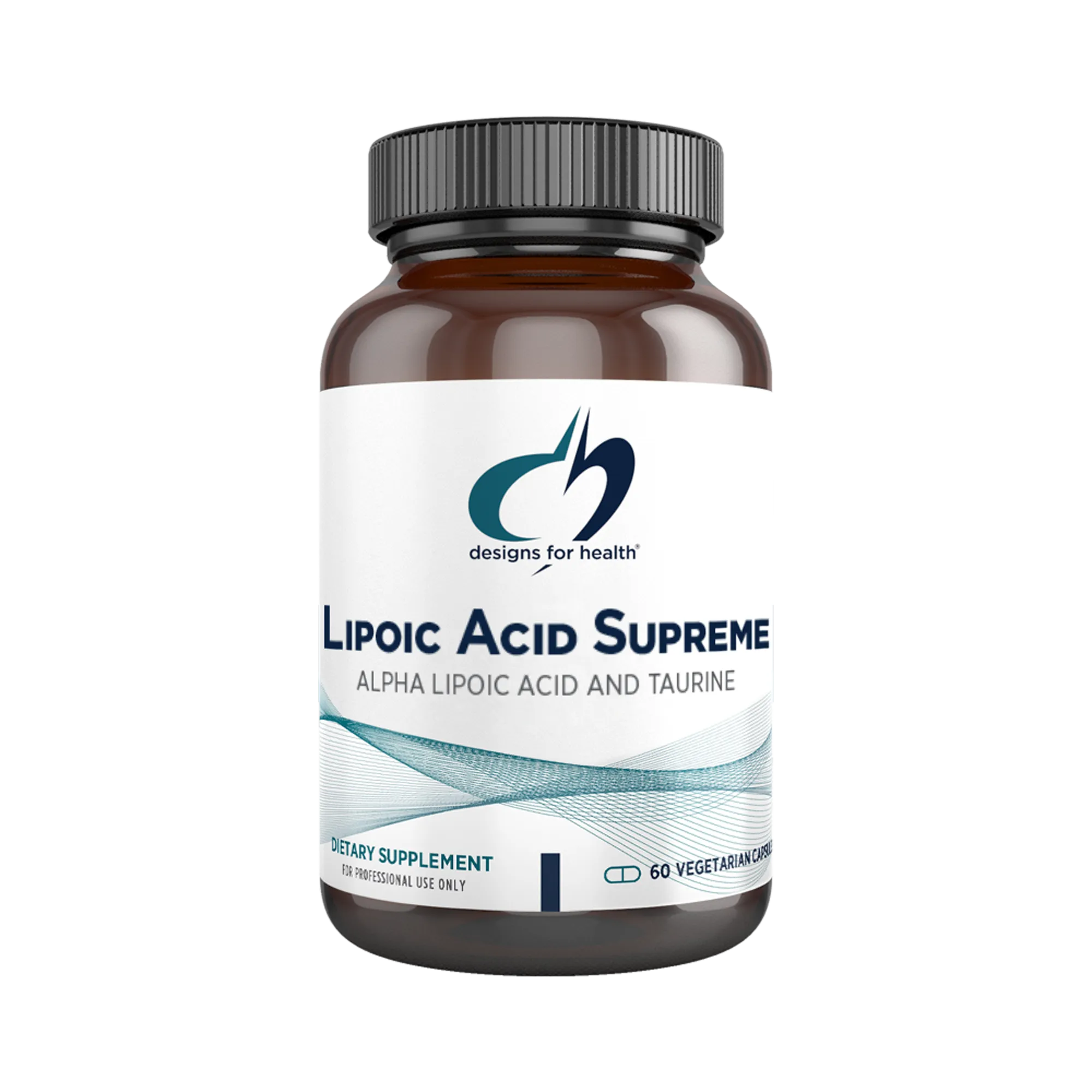
Lipoic Acid SupremeAlpha-Lipoic AcidTaurine
Share:
Disclaimer: The information provided here is for educational purposes only and is not intended as medical advice. It should not be used to diagnose, treat, cure, or prevent any medical condition. Instead, use it as a starting point for discussion with your healthcare provider. Always consult with a qualified healthcare provider before starting any new medication, supplement, device, or making changes to your health regimen.
Living with complex chronic conditions like Long COVID, myalgic encephalomyelitis/chronic fatigue syndrome (ME/CFS), and dysautonomia often feels like trying to power a smartphone with a severely degraded battery. You might wake up feeling unrefreshed, and even minor physical or cognitive exertion can trigger a debilitating crash known as post-exertional malaise (PEM). This profound, cellular-level exhaustion is not just "tiredness"—it is a physiological energy crisis. When standard lab tests come back "normal," it can be incredibly frustrating and invalidating, leaving many patients searching for answers to explain their neurological symptoms, brain fog, and relentless fatigue. Learning How Does a Doctor Diagnose Long COVID? often involves looking beyond standard blood panels and understanding the microscopic mechanisms of disease.
However, emerging medical research is increasingly pointing toward a unifying mechanism behind these invisible illnesses: severe mitochondrial dysfunction and systemic oxidative stress. The mitochondria, the microscopic powerhouses inside our cells, are responsible for generating the adenosine triphosphate (ATP) that fuels every bodily function. When viral infections, chronic inflammation, or immune dysregulation damage these cellular engines, the resulting energy deficit impacts everything from cognitive processing to autonomic nervous system stability. To address this root cause, clinicians are turning to targeted nutritional interventions designed to support cellular bioenergetics. Lipoic Acid Supreme, a specialized formulation combining alpha-lipoic acid (ALA) and taurine, offers a synergistic approach to supporting healthy metabolic function, helping to neutralize oxidative damage, and supporting the cellular energy production that complex chronic illness so often steals.
TL;DR
Lipoic Acid Supreme combines ALA and taurine to support cellular energy and mitochondrial health.
This combination may help manage fatigue, brain fog, and autonomic fluctuations in chronic conditions.
ALA acts as a powerful antioxidant, while taurine supports nervous system stability and cellular hydration.
Always consult a healthcare provider before starting new supplements to ensure safe dosing and avoid interactions.
What is Lipoic Acid Supreme?
The Universal Antioxidant: Alpha-Lipoic Acid
Alpha-lipoic acid (ALA), also known as thioctic acid, is a naturally occurring endogenous dithiol compound synthesized in small amounts within the mitochondria of plants, animals, and humans. At the molecular level, ALA acts as an indispensable enzymatic cofactor for several crucial mitochondrial enzyme complexes, most notably pyruvate dehydrogenase (PDH) and alpha-ketoglutarate dehydrogenase. These enzymes are the critical gatekeepers of the citric acid cycle (Krebs cycle), facilitating the oxidative decarboxylation of pyruvate to acetyl-CoA, which effectively bridges glycolysis and the citric acid cycle to drive the production of ATP. Without adequate intracellular alpha-lipoic acid, the entire cellular energy assembly line grinds to a halt, forcing the cell to rely on inefficient, fatigue-inducing anaerobic metabolism.
Beyond its role in energy production, ALA is globally recognized as the "universal antioxidant" due to its unique amphiphilic chemical structure. Unlike vitamin C (which is strictly water-soluble) or vitamin E (which is strictly fat-soluble), ALA and its reduced form, dihydrolipoic acid (DHLA), can easily cross cell membranes to function in both aqueous and lipid environments. This allows ALA to scavenge highly reactive free radicals in the cellular cytoplasm, protect the delicate lipid bilayer of the mitochondrial membrane, and even cross the blood-brain barrier to defend neurological tissues. Furthermore, ALA possesses the rare ability to actively regenerate and recycle other endogenous antioxidants—including vitamin C, vitamin E, and glutathione—back to their active states after they have been depleted by oxidative stress.
The Cellular Stabilizer: Taurine
Taurine (2-aminoethanesulfonic acid) is a naturally occurring, semi-essential amino acid found in extraordinarily high concentrations in highly excitable, energy-demanding tissues such as the heart, brain, retina, and skeletal muscle. Unlike most amino acids, taurine is not utilized as a building block for protein synthesis; instead, it functions as a fundamental structural and functional regulator of cellular homeostasis. Within the mitochondria, taurine performs a highly specialized and critical task: it conjugates with the nucleotide uridine on mitochondrial transfer RNA (tRNA) to form 5-taurinomethyluridine. This precise biochemical modification is strictly required for the accurate decoding of messenger RNA and the proper synthesis of mitochondrial proteins, particularly the structural subunits of the electron transport chain (ETC) like Complex I.
In addition to its role in protein synthesis, taurine acts as a specialized spatial pH buffer within the mitochondrial matrix. By stabilizing the alkaline pH gradient across the inner mitochondrial membrane, taurine ensures the optimal environment for matrix-localized enzyme systems, particularly those essential for the beta-oxidation of fatty acids. Taurine also plays a massive role in intracellular calcium homeostasis, helping to manage the toxic calcium overload that can collapse the mitochondrial membrane potential and trigger mitochondria-mediated cell death. While not a classical free-radical scavenger, taurine directly neutralizes hypochlorous acid to form anti-inflammatory compounds, helping to reduce the "electron leakage" that generates destructive superoxide radicals during cellular respiration.
The Synergistic Power of Both Compounds
When combined in a formulation like Lipoic Acid Supreme, alpha-lipoic acid and taurine offer complementary and highly synergistic mechanisms to combat metabolic dysfunction and oxidative stress. ALA functions primarily as a potent mitochondrial antioxidant and insulin-mimetic agent that drives glucose out of the bloodstream and into the cells by activating AMP-activated protein kinase (AMPK). Meanwhile, taurine acts as a cellular stabilizer, osmolyte, and membrane protector that improves the insulin-mediated glucose transport signaling pathway. Together, they target the root causes of insulin resistance, mitigate the cellular damage caused by hyperglycemia, and may help reduce the accumulation of toxic advanced glycation end-products (AGEs) in vulnerable tissues like nerves and blood vessels.
How Chronic Illness Impacts Mitochondrial and Metabolic Function
Viral Disruption of the Cellular Powerhouse
To understand What Causes Long COVID?, researchers have increasingly focused on the profound impact of the SARS-CoV-2 virus on mitochondrial bioenergetics. During the acute phase of infection, the virus actively hijacks the host's mitochondria to evade immune detection and facilitate its own replication. This viral interference disrupts the delicate balance of mitochondrial dynamics, leading to abnormal mitochondrial fission (fragmentation) and impaired mitophagy, the process by which cells clear out damaged mitochondria. As a result, patients are left with a network of swollen, dysfunctional mitochondria that leak excessive amounts of mitochondrial reactive oxygen species (mtROS) into the cellular environment. This chronic oxidative stress perpetuates a vicious cycle of inflammation, activating the NLRP3 inflammasome and the cGAS-STING pathway, which keeps the immune system locked in a state of persistent, exhausting hyperactivation long after the initial virus has been cleared.
This sustained mitochondrial dysfunction is a primary driver of the debilitating fatigue and post-exertional malaise seen in both Long COVID and ME/CFS. Because the damaged electron transport chain can no longer efficiently produce ATP through oxidative phosphorylation, the body is forced to rely on glycolysis—a highly inefficient metabolic pathway that generates minimal energy and produces excessive lactate. This metabolic reprogramming explains why even minor physical or cognitive exertion can lead to a rapid accumulation of cellular waste products, triggering a severe energy crash. Recent studies have even identified altered levels of circulating cell-free mitochondrial DNA in Long COVID patients, underscoring the severe impairment of mitochondrial recycling and the urgent need for therapies that support cellular bioenergetics.
Endothelial Damage and Microvascular Starvation
Another critical pathophysiological mechanism linking Long COVID, ME/CFS, and systemic fatigue is severe endothelial dysfunction. The vascular endothelium—the delicate inner lining of our blood vessels—is rich in ACE2 receptors, making it a primary target for the SARS-CoV-2 spike protein. The resulting localized inflammation damages the endothelial cells, impairing their ability to produce nitric oxide, a crucial molecule required for blood vessel dilation. This loss of endothelial nitric oxide synthase (eNOS) activity leads to widespread vasoconstriction, microscopic blood clots (microthrombi), and a severe reduction in capillary blood flow. When the microvasculature fails to deliver adequate oxygen and nutrients to highly metabolic tissues like the brain and skeletal muscles, the resulting cellular hypoxia further suffocates mitochondrial ATP production, directly contributing to the heavy, leaden feeling in the limbs and the pervasive cognitive dysfunction known as brain fog.
Autonomic Nervous System Dysregulation
The intersection of mitochondrial impairment and endothelial damage frequently culminates in severe autonomic nervous system dysregulation, a hallmark of conditions like postural orthostatic tachycardia syndrome (POTS) and dysautonomia. It is now highly recognized that the post-acute sequelae of COVID-19 frequently triggers small fiber neuropathy, a condition where the microscopic nerve endings that control involuntary bodily functions are damaged by systemic inflammation and oxidative stress. This neuropathic damage directly drives dysautonomia symptoms, including rapid heart rate upon standing, blood pressure fluctuations, distal limb burning pain, and gastrointestinal motility issues. Furthermore, patients with dysautonomia often suffer from chronic sympathetic nervous system overactivation—a perpetual "fight or flight" state. This hyper-adrenergic state causes massive adrenaline dumps that rapidly deplete intracellular electrolytes and further exhaust the already struggling mitochondrial reserves, creating a relentless cycle of neurological and metabolic burnout. Understanding if Can Long COVID Trigger ME/CFS? Unraveling the Connection helps patients see how these overlapping autonomic and metabolic failures compound one another.
Lipoic Acid Supreme: Supporting Cellular Energy and Nervous System Health
Restoring the Electron Transport Chain and ATP Production
Supplementing with the combination of alpha-lipoic acid and taurine provides a targeted, dual-action approach to supporting mitochondrial health and efficient ATP production. At the molecular level, exogenous ALA acts to replenish the depleted enzymatic cofactors required for the pyruvate dehydrogenase complex. By restoring this critical metabolic bottleneck, ALA allows the cell to transition away from inefficient, lactate-producing glycolysis and back toward highly efficient aerobic respiration within the Krebs cycle. Simultaneously, taurine supplementation ensures the structural integrity of the electron transport chain by forcing the vital tRNA conjugation reaction required to synthesize Complex I subunits. By optimizing both the enzymatic fuel supply (via ALA) and the structural machinery of the mitochondria (via taurine), this combination significantly enhances oxygen consumption, oxidative phosphorylation, and overall cellular energy output, directly combating the deep cellular fatigue characteristic of ME/CFS.
Comprehensive Antioxidant Defense and Glutathione Regeneration
To break the vicious cycle of chronic inflammation, the massive "antioxidant shortfall" seen in complex chronic illness must be addressed. ALA provides unparalleled protection by directly scavenging highly reactive free radicals across both the lipid mitochondrial membrane and the aqueous cellular cytoplasm. More importantly, ALA acts as a powerful transcriptional inducer of genes that regulate the synthesis of glutathione, the body's master endogenous antioxidant. By increasing the cellular uptake of cysteine—the rate-limiting substrate for glutathione production—ALA helps restore the cellular redox balance required to quiet the hyperactive immune response. Taurine perfectly complements this defense by acting as a direct scavenger for hypochlorous acid, forming an anti-inflammatory compound called N-chlorotaurine. Broader research suggests these compounds may help protect the delicate mitochondrial network from lipid peroxidation, support the mitochondrial membrane potential, and manage the release of pro-apoptotic factors that trigger premature cell death.
Calming the Autonomic Nervous System and Protecting Nerves
For patients battling dysautonomia and small fiber neuropathy, the neuroprotective mechanisms of Lipoic Acid Supreme offer significant therapeutic potential. ALA is widely recognized by neurologists as a primary disease-modifying agent for neuropathic damage. Because it readily crosses the blood-brain barrier, ALA reduces oxidative stress within the nerve tissue, restores endothelial nitric oxide production to improve nerve blood flow, and actively repairs the myelin sheath surrounding damaged nerves. This directly addresses the burning pain, tingling, and numbness associated with post-viral neuropathy. Taurine, on the other hand, acts as a powerful neuromodulator that helps balance the glutamate-to-GABA ratio in the central nervous system. By acting as an inhibitory neuromodulator analogous to GABA, taurine may help support a calmer nervous system, which is often a target for those managing autonomic fluctuations, physical anxiety, and the exhausting adrenaline dumps that perpetuate autonomic crashes.
Optimizing Metabolic Health and Blood Sugar Stability
Metabolic dysfunction and severe blood sugar fluctuations are common, yet often overlooked, triggers for symptom flares in Long COVID and dysautonomia. When blood glucose levels spike and crash, it places immense stress on the autonomic nervous system, exacerbating dizziness, fatigue, and cognitive dysfunction. ALA directly improves insulin sensitivity by stimulating the translocation of the GLUT4 glucose transporter to the cell membrane, effectively drawing glucose out of the blood and into the muscles where it can be utilized for energy. Taurine works synergistically to regulate lipid metabolism and act as an osmolyte, maintaining cellular hydration and electrolyte balance—a critical factor for POTS patients who struggle with hypovolemia (low blood volume). By stabilizing blood sugar and optimizing cellular hydration, this combination helps maintain the steady, balanced energy levels required to support autonomic regulation.

Symptoms Lipoic Acid Supreme May Help Manage
Targeted Relief for Complex Chronic Illness
Because Lipoic Acid Supreme addresses the fundamental cellular mechanisms of energy production, oxidative stress, and neurological stability, it can be a valuable tool for managing the diverse and overlapping symptoms of complex chronic conditions. If you are wondering What Are the Symptoms of Long COVID? that might respond to this intervention, consider the following targeted benefits.
Key Symptoms Addressed
Deep Cellular Fatigue and PEM: By restoring the enzymatic cofactors for the Krebs cycle and stabilizing the electron transport chain, ALA and taurine help shift the body back to efficient aerobic ATP production, reducing the rapid energy depletion and lactate buildup that trigger post-exertional crashes.
Brain Fog and Cognitive Dysfunction: ALA crosses the blood-brain barrier to neutralize neuroinflammation, while its ability to improve endothelial nitric oxide production helps restore vital microvascular blood flow and oxygen delivery to oxygen-starved neurological tissues.
Neuropathic Pain, Tingling, and Numbness: ALA is a clinically proven intervention for small fiber neuropathy, working to reduce oxidative damage in nerve tissues, improve nerve conductance, and repair the myelin sheath, thereby alleviating distal limb burning and tingling.
Heart Palpitations and POTS Flares: Taurine acts as a powerful intracellular osmolyte, pulling essential electrolytes into the cells to optimize hydration and blood volume. Its ability to promote calming GABAergic activity also helps suppress the sympathetic adrenaline dumps that drive rapid heart rates.
Blood Sugar Swings and Metabolic Crashes: By activating the AMPK pathway and improving insulin-mediated glucose transport, this combination stabilizes blood glucose levels, helping to manage the metabolic rollercoasters that frequently exacerbate dysautonomia symptoms and trigger sudden exhaustion.
Practical Considerations: Forms, Dosing, and Absorption
Maximizing Bioavailability and Absorption
While the biochemical benefits of alpha-lipoic acid and taurine are profound, their clinical efficacy is highly dependent on proper absorption and bioavailability. ALA, in particular, has a notoriously finicky pharmacokinetic profile. It is primarily absorbed in the small intestine, reaching peak plasma concentrations within 30 to 60 minutes of oral ingestion. However, taking ALA with food significantly reduces its absorption due to delayed gastric emptying and competitive interactions with dietary amino acids and fats. To achieve maximum bioavailability, clinical guidelines strongly recommend taking ALA on a completely empty stomach, ideally 30 to 60 minutes before a meal or two hours after eating. Taurine, conversely, boasts excellent oral bioavailability and is rapidly absorbed in the gastrointestinal tract, peaking in the blood within one to two hours. While taurine can be taken with food, its uptake is also slightly optimized when consumed on an empty stomach.
Optimal Forms and Dosing Strategies
Lipoic Acid Supreme provides a clinically relevant dosage of 300 mg of alpha-lipoic acid and 500 mg of taurine per capsule. For general metabolic support and antioxidant defense, a daily dose of 200 to 300 mg of ALA is often sufficient. However, for patients targeting severe neuropathic pain or profound mitochondrial dysfunction, clinical trials frequently utilize dosages up to 600 mg of ALA per day, which is considered the therapeutic "sweet spot" for maximizing benefits without causing gastrointestinal distress. Taurine is incredibly safe even at high doses, with clinical studies routinely utilizing 1 to 3 grams daily for cardiovascular and metabolic support. When using Lipoic Acid Supreme, patients can work with their healthcare provider to titrate the dosage based on their specific symptom severity, potentially taking one capsule upon waking and another later in the day to maintain steady plasma concentrations of these vital nutrients.
Potential Interactions and Safety
While Lipoic Acid Supreme is generally well-tolerated, its potent effects on cellular metabolism mean that it can interact with certain prescription medications. Because ALA is a powerful glucose-disposal agent that enhances insulin sensitivity, combining it with anti-diabetic medications (such as Metformin or exogenous insulin) can exponentially lower blood sugar, increasing the risk of hypoglycemia. Patients on blood sugar-lowering therapies must monitor their glucose levels closely. Additionally, because taurine possesses mild antihypertensive properties and acts as a neuromodulator that stimulates calming GABA receptors, it may amplify the effects of blood pressure-lowering medications, sedatives, or sleep aids. As always, individuals with complex chronic conditions should consult their dysautonomia-literate neurologist or functional medicine practitioner before initiating new supplement protocols to ensure safety and avoid contraindications.

Follow the Science
Clinical Evidence in Post-Viral Fatigue
The medical community is increasingly recognizing the therapeutic potential of mitochondrial antioxidants for post-viral syndromes. A recent observational study evaluating patients with chronic COVID syndrome investigated the specific combination of Coenzyme Q10 and alpha-lipoic acid. The results were striking: 53.5% of the patients receiving the mitochondrial support achieved a full fatigue response, compared to only 3.5% in the control group, demonstrating a highly significant reduction in systemic symptom burden. Furthermore, another clinical trial (NCT04947488) conducted in Italy evaluated Long COVID fatigue patients using a combination protocol featuring ALA, N-acetyl cysteine (NAC), and liposomal glutathione. The researchers reported substantial improvements in energy levels, reduced time to recovery, and better overall quality of life up to four months post-intervention, validating the use of ALA to restore the body's depleted antioxidant reserves.
Research on Dysautonomia and Neuropathy
The efficacy of alpha-lipoic acid in supporting nerve health is supported by decades of rigorous clinical research, particularly in the context of diabetic peripheral neuropathy—a condition that shares many pathophysiological similarities with the small fiber neuropathy seen in Long COVID. Multiple randomized, double-blind, placebo-controlled trials have demonstrated that oral supplementation of 600 mg per day of ALA for five weeks significantly improves neuropathic symptoms, including burning pain, numbness, and prickling sensations. Interestingly, these studies confirmed that 600 mg is the optimal therapeutic dose, as higher doses did not yield significantly greater benefits but increased the risk of nausea. For taurine, clinical trials investigating metabolic dysfunction have shown that an oral dosage of 3 grams per day successfully lowered systemic oxidative stress biomarkers by 27% and reduced markers of systemic inflammation by up to 16%, highlighting its ability to calm the systemic immune overactivation that drives autonomic instability.
Synergy in Metabolic Health
The synergistic metabolic benefits of combining ALA and taurine are well-documented in the scientific literature. Other literature explores the combined effects of taurine and ALA against metabolic damage induced by methylglyoxal, a toxic byproduct of impaired glucose metabolism, suggesting that the combination may help restore cellular redox balance and support mitochondrial function more effectively than either compound alone. Additionally, a systematic review and meta-analysis of five randomized controlled trials involving 209 participants demonstrated that taurine supplementation significantly reduced fasting blood sugar and the HOMA-IR insulin resistance index. When paired with ALA's proven ability to increase skeletal muscle glucose transport activity by up to 64%, this combination offers a powerful, evidence-based strategy for stabilizing the metabolic fluctuations that so often exacerbate the symptoms of complex chronic illness.
The Path Forward
A Piece of the Complex Puzzle
Living with the unpredictable and debilitating symptoms of Long COVID, ME/CFS, and dysautonomia requires immense resilience. It is entirely valid to feel overwhelmed when your body's cellular battery refuses to hold a charge, and navigating the complex web of mitochondrial dysfunction, nerve pain, and autonomic instability is no small feat. Learning How Can You Live with Long-Term COVID involves recognizing that there is no single miracle cure. Instead, healing requires a comprehensive, multi-layered management strategy. Supplements like Lipoic Acid Supreme serve as a vital piece of this puzzle, working at the microscopic level to support the structural integrity of your mitochondria, neutralize relentless oxidative stress, and provide your nervous system with the stabilizing nutrients it desperately needs. However, these biochemical interventions must be paired with aggressive pacing, meticulous symptom tracking, and nervous system regulation techniques to truly break the cycle of post-exertional malaise.
Next Steps in Your Journey
As you continue to build your personalized management toolkit, it is crucial to partner with a healthcare provider who understands the intricate pathophysiology of complex chronic illness. They can help you determine if the synergistic combination of alpha-lipoic acid and taurine is appropriate for your specific metabolic and neurological needs, ensuring safe dosing and avoiding potential medication interactions. By addressing the root causes of cellular energy failure, you can begin to rebuild your stamina from the inside out, taking meaningful steps toward reclaiming your quality of life.
Sources
Novel biomarkers of mitochondrial dysfunction in Long COVID patients
The Role of Taurine in Mitochondria Health: More Than Just an Antioxidant
Multidisciplinary collaborative guidance on the assessment and treatment of patients with Long COVID
Alpha-lipoic acid as a dietary supplement: Molecular mechanisms and therapeutic potential