Can Lipitrol OX Support Endothelial Health in Long COVID and Dysautonomia?
March 6, 2026
Lipitrol OXLong COVIDEndothelial Dysfunction
Share:
Disclaimer: The information provided here is for educational purposes only and is not intended as medical advice. It should not be used to diagnose, treat, cure, or prevent any medical condition. Instead, use it as a starting point for discussion with your healthcare provider. Always consult with a qualified healthcare provider before starting any new medication, supplement, device, or making changes to your health regimen.
Living with complex chronic conditions like Long COVID, myalgic encephalomyelitis/chronic fatigue syndrome (ME/CFS), and dysautonomia often feels like navigating a labyrinth of invisible symptoms. You might experience debilitating brain fog that makes simple conversations difficult, profound exhaustion after minor physical exertion, or a racing heart simply from standing up. While these symptoms manifest in different ways across the body, emerging medical research is pointing toward a unified underlying pathology: the profound disruption of your vascular system. Specifically, scientists are focusing on the health of the endothelium—the delicate inner lining of your blood vessels—and how it is damaged by rampant oxidative stress and toxic lipid particles.
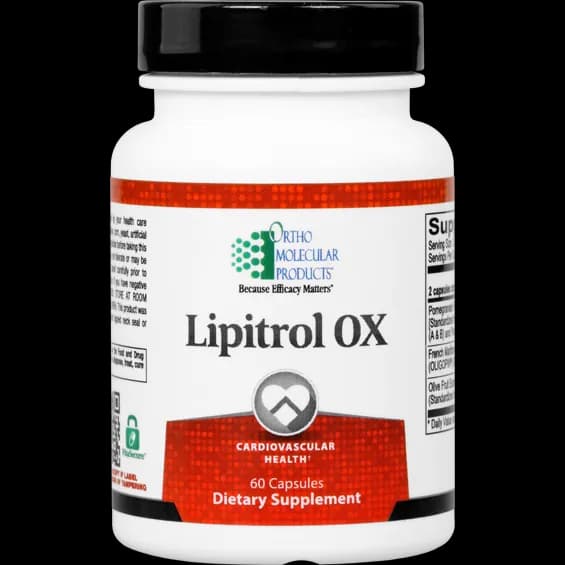
In the search for targeted, science-backed solutions to support vascular health, specialized nutraceuticals have come to the forefront of clinical discussion. Lipitrol OX, a professional-grade dietary supplement formulated by Ortho Molecular Products, is designed specifically to address these exact vascular vulnerabilities. By utilizing a highly standardized blend of patented botanical extracts, Lipitrol OX aims to neutralize oxidative stress, protect the endothelium, and support the body's ability to maintain healthy levels of oxidized low-density lipoprotein (oxLDL). In this comprehensive guide, we will explore the intricate biochemistry of endothelial dysfunction, examine how chronic illness impacts your blood vessels, and break down the clinical science behind how the ingredients in Lipitrol OX may help support your cardiovascular recovery.
TL;DR
Endothelial dysfunction and oxidative stress drive vascular symptoms in Long COVID, ME/CFS, and dysautonomia.
Toxic oxidized LDL (oxLDL) damages blood vessels and impairs vital nitric oxide production.
Lipitrol OX uses targeted botanical extracts to support vascular health and neutralize oxidative stress.
Always consult your healthcare provider before starting new supplements, especially if taking blood pressure medications.
What is Lipitrol OX?
The Endothelium: Your Vascular Command Center
The endothelium is a microscopic, one-cell-thick layer that lines the entire interior surface of your cardiovascular system, from the largest arteries down to the smallest capillary beds. Far from being just a passive biological pipe, the endothelium is a highly active, dynamic command center that acts as the critical interface between your circulating blood and the rest of your body's tissues. In a healthy state, this cellular layer is responsible for regulating blood flow, controlling blood pressure, managing blood coagulation, and modulating systemic immune responses. It acts as a selective barrier, deciding which nutrients, immune cells, and signaling molecules are allowed to pass from the bloodstream into your organs and muscles.
One of the most vital functions of a healthy endothelium is the continuous, regulated production of nitric oxide (NO). Nitric oxide is a powerful, short-lived signaling molecule that acts as a primary vasodilator in the human body. When your body requires more oxygen—such as during physical exertion or when standing up—the endothelium releases nitric oxide, which signals the smooth muscles surrounding your blood vessels to relax. This relaxation allows the blood vessels to widen, seamlessly delivering oxygen-rich blood to your brain, muscles, and vital organs. When the endothelium is damaged, however, this delicate nitric oxide production line is severely compromised, leading to a state known as endothelial dysfunction, where blood vessels become stiff, narrowed, and unable to adapt to the body's demands.
The Threat of Oxidized LDL (oxLDL)
To understand how the endothelium becomes damaged, we must look at the role of cholesterol, specifically low-density lipoprotein (LDL). In standard medical contexts, LDL is often simply labeled as "bad cholesterol," but this is an oversimplification. Normal, native LDL is actually a necessary transport vehicle that delivers essential lipids and fat-soluble vitamins to cells throughout the body. The true danger arises when these normal LDL particles are exposed to severe oxidative stress and free radicals in the bloodstream. This exposure causes a chemical mutation, transforming normal LDL into a highly toxic, reactive particle known as oxidized LDL (oxLDL). According to recent cardiovascular research, maintaining oxLDL levels within a normal range is one of the most critical markers for long-term cardiometabolic health.
Once oxidized, oxLDL becomes a direct threat to the vascular system. It aggressively attacks the delicate endothelial lining, triggering a massive inflammatory response. The immune system recognizes oxLDL as a foreign invader and dispatches macrophages (a type of white blood cell) to consume the toxic particles. However, the macrophages become overwhelmed, gorging themselves on oxLDL until they transform into bloated "foam cells." These foam cells embed themselves into the arterial walls, forming the basis of atherosclerotic plaque. Furthermore, oxLDL directly inhibits the enzymes responsible for producing nitric oxide, creating a vicious cycle of vascular stiffness, chronic inflammation, and progressively worsening endothelial dysfunction.
The Power of Targeted Botanical Extracts
Recognizing the destructive impact of oxLDL on the vascular system, researchers have sought out natural compounds capable of neutralizing this specific oxidative threat. Lipitrol OX is a targeted cardiometabolic supplement designed to support the body's natural antioxidant defenses and protect the endothelium from oxidative damage. Formulated by Ortho Molecular Products, a company known for its rigorous, evidence-based approach to nutraceuticals, Lipitrol OX moves beyond generic vitamins to utilize highly specific, patented botanical extracts that have been clinically studied for their vascular benefits.
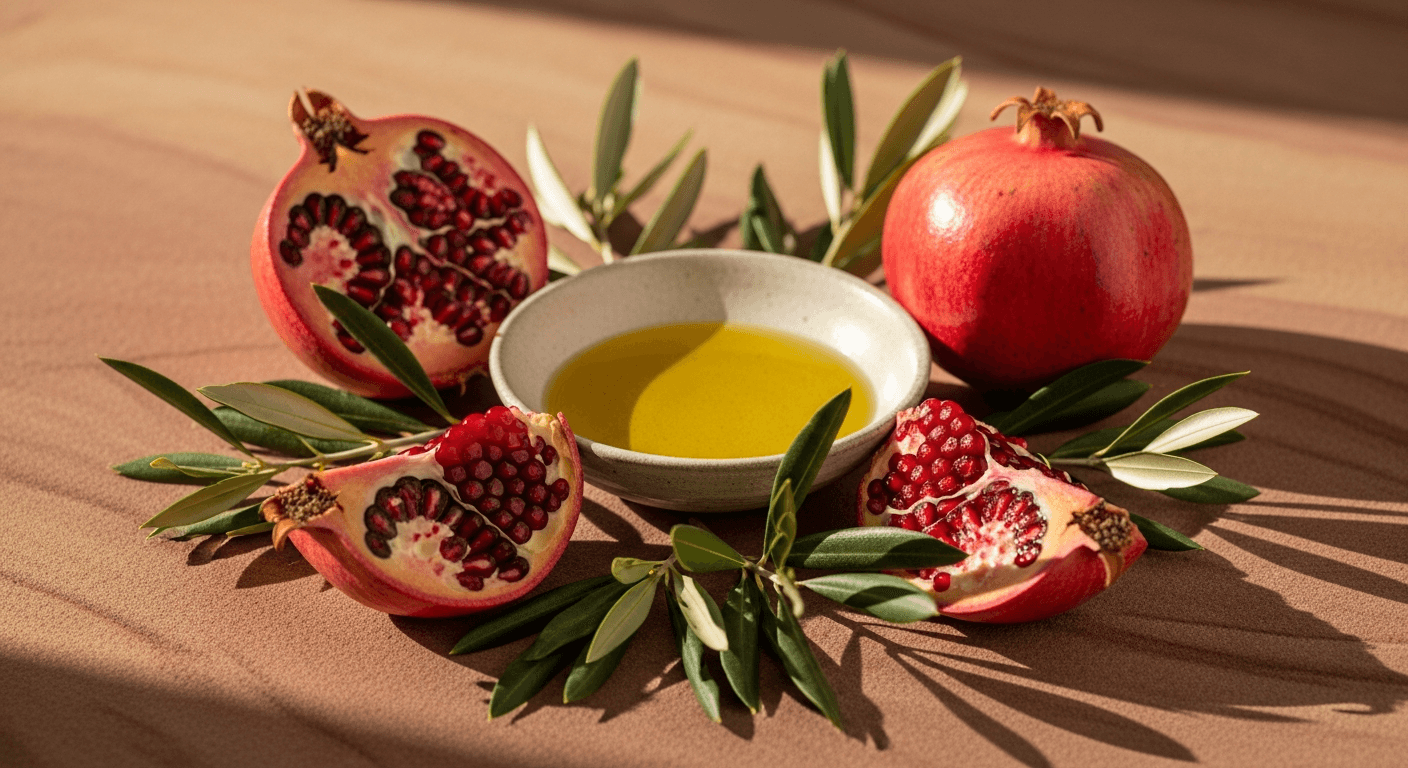
The formula relies on a synergistic triad of ingredients: Pomanox® (a specialized pomegranate fruit extract), Oligopin® (a highly purified French maritime pine bark extract), and Mediteanox® (a concentrated olive fruit extract). Each of these ingredients provides a unique profile of polyphenols and antioxidants that work together to scavenge free radicals, protect circulating LDL particles from oxidation, and stimulate the biological pathways necessary for healthy nitric oxide production. By addressing the root cause of vascular oxidative stress, Lipitrol OX offers a comprehensive approach to supporting healthy blood pressure, maintaining normal inflammatory responses, and preserving the structural integrity of the cardiovascular system.
How Long COVID and Dysautonomia Impact the Endothelium
Viral Infection and "Endothelialitis"
The connection between chronic viral illnesses and vascular health has become a focal point of modern medical research, particularly in the wake of the COVID-19 pandemic. When exploring What Causes Long COVID?, scientists have discovered that the SARS-CoV-2 virus does not merely affect the respiratory system; it is fundamentally a vascular disease. The virus gains entry into human cells by binding to the ACE2 receptor, which is highly expressed on the surface of endothelial cells lining the blood vessels. This direct viral invasion triggers a condition known as "endothelialitis"—severe, widespread inflammation of the endothelium. Even long after the acute viral infection has been cleared by the immune system, this endothelial damage can persist, leaving the blood vessels in a chronic state of dysfunction and hyper-reactivity.
This persistent endothelial damage has profound downstream consequences for Long COVID patients. A 2025 working paper highlights that this virus-induced endothelial senescence creates a pro-inflammatory, pro-oxidant, and procoagulant environment. Because the damaged endothelium cannot produce adequate nitric oxide, blood vessels remain constricted, severely limiting the delivery of oxygen and nutrients to the brain and muscles. Furthermore, the inflamed endothelial lining becomes "sticky," promoting the formation of microscopic blood clots (microclots) that further plug the capillary networks. This widespread tissue hypoxia (oxygen starvation) is a primary driver of the debilitating brain fog, profound fatigue, and systemic pain experienced by those living with Long COVID.
Oxidative Stress and the Creation of oxLDL in ME/CFS
The vascular pathology seen in Long COVID shares striking similarities with myalgic encephalomyelitis/chronic fatigue syndrome (ME/CFS). When investigating whether Long COVID can trigger ME/CFS, researchers have identified severe oxidative and nitrosative stress as a unifying mechanism. In ME/CFS, the body's natural antioxidant defense systems are often overwhelmed, leading to a massive accumulation of reactive oxygen species (ROS) in the bloodstream. This unchecked oxidative stress is the exact catalyst required to mutate normal circulating cholesterol into toxic, oxidized LDL (oxLDL).
A comprehensive 2025 metabolomic review demonstrated that ME/CFS patients exhibit consistent dysregulation of lipid metabolism and elevated oxidative stress markers. The high levels of oxLDL in these patients continuously assault the vascular lining, perpetuating a state of chronic endothelial dysfunction. This vascular impairment is not just theoretical; clinical studies measuring Flow-Mediated Dilation (FMD)—a direct test of endothelial health—have repeatedly shown that ME/CFS patients have significantly reduced vascular elasticity compared to healthy controls. Because their blood vessels cannot dilate properly to deliver oxygen during physical activity, the muscles are forced into anaerobic metabolism prematurely. This rapid shift to inefficient energy production generates lactic acid and directly contributes to the severe post-exertional malaise (PEM) and muscle failure that define the ME/CFS experience.
The Autonomic Loop in POTS and Dysautonomia
Postural Orthostatic Tachycardia Syndrome (POTS) and other forms of dysautonomia are frequently diagnosed alongside Long COVID and ME/CFS. While POTS is classified as a disorder of the autonomic nervous system, its root causes are deeply intertwined with vascular health. When a healthy person stands up, gravity pulls blood down toward the lower extremities. The autonomic nervous system immediately signals the blood vessels in the legs to constrict, forcing the blood back up to the heart and brain. However, in patients with POTS, this crucial vascular response is broken. Because of severe endothelial dysfunction and a lack of proper nitric oxide signaling, the blood vessels fail to constrict adequately, causing blood to pool in the legs and abdomen.
To compensate for this massive drop in venous return and the resulting lack of blood flow to the brain (cerebral hypoperfusion), the brain sends panic signals to the heart, commanding it to beat rapidly in a desperate attempt to maintain blood pressure. This compensatory tachycardia is the hallmark symptom of POTS. The continuous presence of inflammatory markers like oxLDL further aggravates this condition by constantly irritating the vagus nerve and autonomic receptors, creating a feed-forward loop of neuroinflammation and sympathetic nervous system overdrive. By targeting the underlying endothelial dysfunction and reducing the oxidative burden of oxLDL, therapies aimed at vascular health may offer a foundational approach to managing the complex autonomic symptoms of dysautonomia.
Lipitrol OX: Supporting Endothelial and Cardiovascular Health
Pomegranate Extract (Pomanox®) and the Akt/eNOS Axis
To combat the severe vascular damage seen in chronic illness, Lipitrol OX utilizes Pomanox®, a highly specialized pomegranate fruit extract standardized to contain 30% total punicalagins and punicalins. Punicalagins are massive, complex polyphenol molecules that possess extraordinary antioxidant capabilities. Unlike generic pomegranate powders, Pomanox is extracted using a proprietary, eco-friendly water-only method that preserves the natural, whole-fruit polyphenol spectrum without the use of harsh chemical solvents. This ensures that the delicate molecular structures of the punicalagins remain intact and highly bioactive when they enter your digestive system.
At the cellular level, punicalagins exert their vascular benefits by directly stimulating a critical biological pathway known as the Akt/eNOS axis. Endothelial nitric oxide synthase (eNOS) is the specific enzyme responsible for manufacturing nitric oxide within the blood vessels. In conditions like Long COVID and ME/CFS, oxidative stress suppresses eNOS activity, leading to a dangerous drop in nitric oxide. Research suggests that punicalagins may help support eNOS expression, effectively turning the nitric oxide factory back on. By restoring NO production, Pomanox helps the blood vessels relax, improves flow-mediated dilation, and enhances the delivery of oxygen to oxygen-starved tissues, which is crucial for mitigating the systemic fatigue associated with endothelial dysfunction.
French Maritime Pine Bark (Oligopin®) and LOX-1 Inhibition
The second pillar of the Lipitrol OX formulation is Oligopin®, a premium extract derived from French maritime pine bark, standardized to contain 65% oligomeric procyanidins (OPCs). OPCs are a specific class of flavonoids renowned for their ability to bind to collagen and elastin within the blood vessel walls, reinforcing the structural integrity of the endothelium. What makes Oligopin unique is its highly purified profile; it is intentionally manufactured to be free of large, poorly absorbed tannins, ensuring that the low-molecular-weight OPCs can easily cross the intestinal barrier and enter the systemic circulation where they are needed most.
The mechanism by which OPCs protect the cardiovascular system is highly specific. Procyanidins have been found to be potent inhibitors of the LOX-1 receptor (Lectin-like oxidized LDL receptor-1). LOX-1 is the specific doorway on the surface of endothelial cells that allows toxic oxLDL to enter and cause damage. By effectively blocking this receptor, the OPCs in Oligopin prevent oxLDL from infiltrating the vascular wall, halting the inflammatory cascade before it can begin. This receptor-blocking action, combined with the massive free-radical scavenging capacity of the pine bark extract, provides a robust defense mechanism against the lipid peroxidation that drives chronic vascular disease.
Olive Fruit Extract (Mediteanox®) and Macrophage Foam Cell Prevention
The final synergistic component of Lipitrol OX is Mediteanox®, an olive fruit extract standardized to contain 20% hydroxytyrosol (HT). Hydroxytyrosol is widely considered one of the most powerful natural antioxidants ever discovered, boasting an Oxygen Radical Absorbance Capacity (ORAC) value significantly higher than that of green tea or Vitamin C. It is the primary phenolic compound responsible for the profound cardiovascular benefits associated with the traditional Mediterranean diet. In the context of endothelial health, hydroxytyrosol acts as a systemic shield, circulating in the blood plasma and actively neutralizing reactive oxygen species (ROS) before they have the opportunity to oxidize normal LDL particles.
Beyond its direct antioxidant effects, hydroxytyrosol has been studied for its effects on endothelial functioning. By maintaining a healthy cytokine balance, Mediteanox may help clear the vascular micro-environment of toxic lipids, supporting a normal inflammatory response and promoting long-term cardiometabolic resilience.
Symptoms Lipitrol OX May Help Manage
Targeting Vascular-Driven Symptoms
Because Lipitrol OX specifically targets the health of the endothelium and the reduction of oxidative stress, it may help manage a variety of symptoms that stem from poor vascular function and tissue hypoxia. While it is not a cure for complex chronic illnesses, supporting the underlying vascular architecture can improve overall quality of life.
Brain Fog and Cognitive Impairment: By supporting nitric oxide production and promoting vasodilation, Lipitrol OX helps ensure that the brain receives a steady, adequate supply of oxygen-rich blood, which may help alleviate the cognitive slowing and confusion associated with cerebral hypoperfusion.
Post-Exertional Malaise (PEM) and Severe Fatigue: Enhancing endothelial function improves the delivery of oxygen and nutrients to skeletal muscles during physical activity. This can delay the onset of anaerobic metabolism and lactic acid buildup, potentially reducing the severity of muscular fatigue and crashes after exertion.
Cold Extremities and Poor Circulation: The vasodilatory effects of the Akt/eNOS pathway help open up the micro-capillaries in the hands and feet, improving peripheral blood flow and alleviating the chronic coldness often reported by patients with dysautonomia and vascular stiffness.
Addressing Autonomic and Inflammatory Signs
In addition to improving blood flow, the potent antioxidant properties of the patented botanical extracts in Lipitrol OX help modulate the systemic inflammatory responses that drive autonomic dysfunction.
Heart Rate Fluctuations and POTS Symptoms: By reinforcing the structural integrity of the blood vessels and improving their ability to constrict and dilate appropriately, the supplement supports better venous return to the heart. This can help stabilize blood pressure upon standing, potentially reducing the compensatory tachycardia seen in POTS.
Exercise Intolerance: The combination of punicalagins and hydroxytyrosol helps neutralize the massive spikes in reactive oxygen species (ROS) that occur during physical stress, protecting the vascular lining from acute oxidative damage and supporting better physical endurance.
Systemic Aches and Vascular Pain: By blocking the LOX-1 receptor and preventing oxLDL from triggering localized inflammation within the blood vessel walls, the procyanidins in Lipitrol OX may help reduce the widespread, burning vascular pain frequently experienced by patients with chronic endothelialitis.
Practical Considerations: Forms, Dosing, and Absorption
Maximizing Bioavailability Through Patented Extracts
When evaluating botanical supplements, the most critical factor is bioavailability—the proportion of the active ingredient that actually enters your systemic circulation and reaches the target tissues. Many generic plant extracts are poorly absorbed by the human digestive tract due to the large size of their molecular compounds. Ortho Molecular Products specifically chose patented, highly standardized extracts for Lipitrol OX to overcome these absorption hurdles. For example, standard pine bark extracts are often loaded with large, complex tannins that the body cannot break down. Oligopin®, however, is uniquely processed to be completely tannin-free, isolating only the low-molecular-weight oligomeric procyanidins (OPCs) that can easily cross the intestinal barrier and exert their effects directly on the vascular endothelium.
Similarly, the extraction process used for Pomanox® is crucial for its clinical efficacy. Many generic pomegranate supplements use harsh chemical solvents that can degrade the delicate polyphenols or leave behind unwanted residues. Pomanox utilizes a proprietary, eco-friendly water extraction method that gently isolates the punicalagins while preserving the natural, whole-fruit synergy of the pomegranate. This ensures that the active compounds remain stable and highly bioactive as they pass through the acidic environment of the stomach, maximizing their ability to stimulate nitric oxide production once absorbed.
Optimal Dosing and Administration
To achieve the cardiovascular benefits demonstrated in clinical trials, consistency in dosing is essential. The manufacturer's suggested use for Lipitrol OX is 2 capsules per day, or as recommended by your healthcare professional. Because the active ingredients are water-soluble polyphenols and antioxidants, they can generally be taken with or without food. However, for individuals with sensitive digestive systems—which is common in conditions like Long COVID and ME/CFS—taking the capsules with a light meal can help prevent any mild gastrointestinal upset that sometimes occurs with highly concentrated botanical extracts.
It is important to understand that repairing endothelial dysfunction and reducing systemic levels of oxidized LDL is not an overnight process. The vascular damage caused by chronic oxidative stress takes time to accumulate, and it takes time to reverse. Clinical trials evaluating the ingredients in Lipitrol OX typically measure significant improvements in flow-mediated dilation and oxLDL levels after 4 to 8 weeks of continuous daily supplementation. Patients should approach this supplement as a long-term foundational support strategy rather than a quick fix for acute symptoms.
Safety Profile and Potential Interactions
Lipitrol OX is generally well-tolerated and possesses a strong safety profile, as its ingredients are derived from widely consumed, naturally occurring dietary sources (pomegranates, olives, and pine bark). However, because these extracts have potent, clinically measurable effects on blood pressure and vascular dilation, certain precautions must be taken. The vasodilatory effects of nitric oxide production mean that Lipitrol OX can naturally lower blood pressure. While this is beneficial for many, individuals who already suffer from severe hypotension (chronically low blood pressure)—a common issue in some dysautonomia patients—should monitor their blood pressure closely when starting the supplement to ensure it does not drop too low.
Furthermore, patients who are currently taking prescription medications for cardiovascular conditions must consult their prescribing physician before adding Lipitrol OX to their regimen. The supplement may have additive effects when combined with prescription anti-hypertensive drugs (blood pressure medications), potentially leading to excessive blood pressure lowering. Additionally, because polyphenols can mildly influence blood coagulation pathways, individuals taking prescription blood thinners or anticoagulants should exercise caution. Always discuss new supplements with your healthcare provider, especially if you are managing complex metabolic overlaps, such as those discussed in our guide on Metformin: Long COVID Risk Reduction and Diabetes Management.
Follow the Science
Clinical Evidence for French Maritime Pine Bark
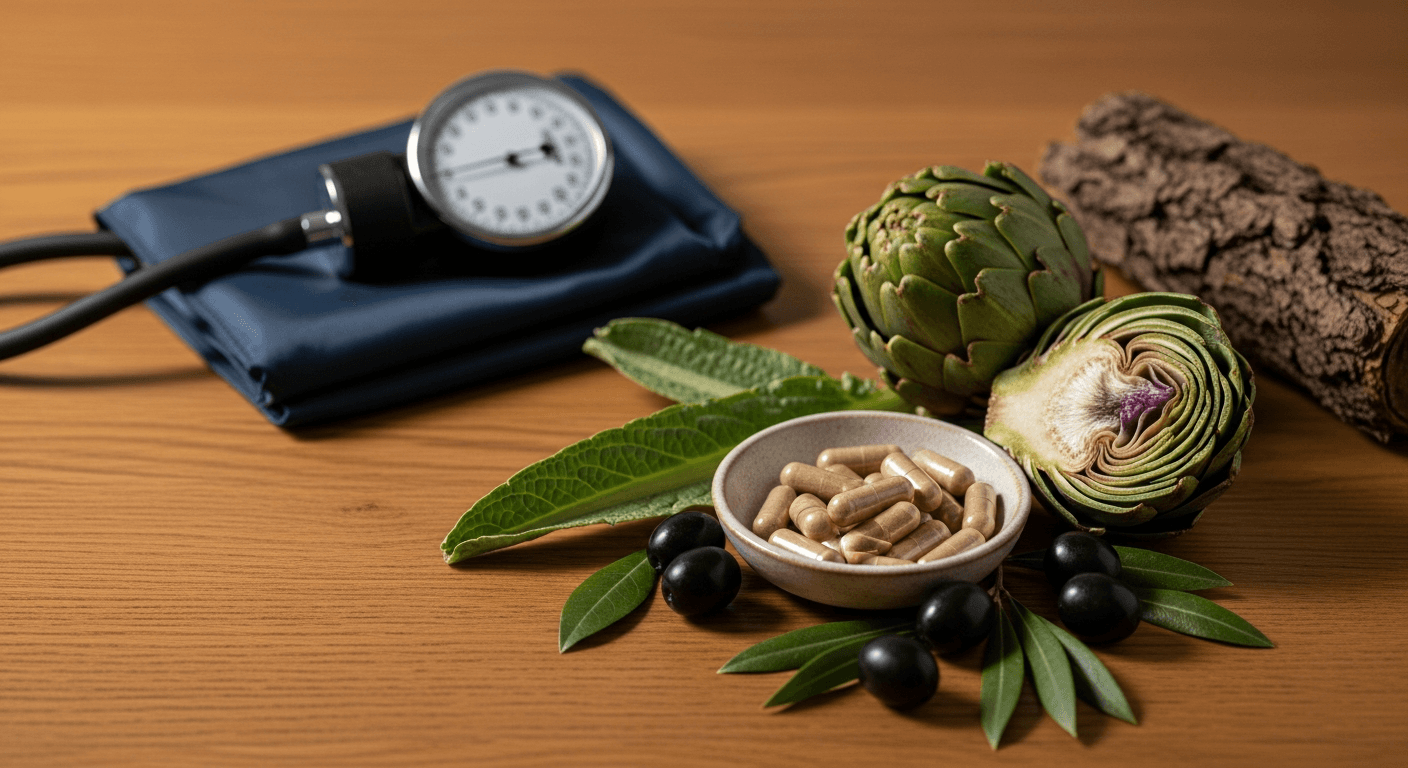
The efficacy of a low molecular weight procyanidin-rich extract from French maritime pine bark was investigated in a randomized, double-blind, crossover, placebo-controlled trial involving stage-1 hypertensive subjects.
Beyond reducing the toxic burden of oxLDL, the trial highlighted systemic cardiometabolic benefits. These findings confirm that the specific procyanidins provide robust, multi-targeted protection against the exact vascular risk factors that drive endothelial dysfunction and arterial stiffness.
Synergistic Trials on Pomegranate and Olive Extracts
A 2019 study published in the journal Nutrients investigated an oral supplement containing hydroxytyrosol and punicalagin in an adult population.
The findings from this synergistic trial indicated improvements in dyslipidemia, showcasing its ability to support comprehensive lipid metabolism and cardiovascular resilience.
Procyanidins and Endothelial Resilience
Research suggests that procyanidin-rich extracts may help protect LDL from oxidation. This means that even when the body is subjected to massive spikes in reactive oxygen species—such as during a viral infection or a severe ME/CFS crash—the procyanidins act as a chemical shield, drastically increasing the amount of time it takes for normal LDL to mutate into toxic oxLDL.
This protective shielding is particularly relevant for patients managing overlapping metabolic conditions. As explored in our article on Diabetes and Long COVID: A Pandemic Within a Pandemic, high blood sugar and insulin resistance massively accelerate oxidative stress and endothelial damage. By incorporating potent, clinically validated antioxidants like those found in Lipitrol OX, patients can provide their vascular command center with the specific molecular tools it needs to neutralize free radicals, maintain nitric oxide production, and resist the relentless inflammatory pressures of complex chronic disease.
The Path Forward
Validating Your Vascular Experience
Living with conditions like Long COVID, ME/CFS, and dysautonomia can be an incredibly isolating experience. Because routine blood work and standard cardiovascular tests often come back "normal," patients are frequently told that their debilitating symptoms are merely anxiety or deconditioning. However, the emerging science surrounding endothelial dysfunction, oxidized LDL, and microvascular pathology validates your experience. The profound fatigue, the racing heart, and the cognitive fog are not in your head; they are the physical manifestations of a vascular system under severe, microscopic distress. Understanding How Long Does Long COVID Last? requires acknowledging that repairing this deep-seated endothelial damage is a complex, gradual process that demands targeted, science-backed support.
A Comprehensive Approach to Healing
While Lipitrol OX offers a powerful, clinically researched tool for neutralizing oxidative stress and supporting endothelial health, it is important to remember that no single supplement is a cure-all for complex chronic illness. True vascular recovery requires a comprehensive, multi-disciplinary approach. This includes meticulous symptom tracking, aggressive pacing to avoid post-exertional malaise, dietary strategies to manage blood sugar, and working closely with a medical team that understands the nuances of dysautonomia and Long COVID. By combining foundational lifestyle management with targeted nutraceuticals like Lipitrol OX, you can actively support your body's innate ability to heal and rebuild its vital vascular networks.