Can Ligament Restore Support Joint Pain and Connective Tissue in Long COVID and ME/CFS?
March 5, 2026
Ligament RestoreJoint PainLong COVID
Share:
Disclaimer: The information provided here is for educational purposes only and is not intended as medical advice. It should not be used to diagnose, treat, cure, or prevent any medical condition. Instead, use it as a starting point for discussion with your healthcare provider. Always consult with a qualified healthcare provider before starting any new medication, supplement, device, or making changes to your health regimen.
Living with a complex chronic illness often feels like a full-body battle, but one of the most debilitating and frequently overlooked battlegrounds is the musculoskeletal system. For individuals navigating Long COVID, Myalgic Encephalomyelitis/Chronic Fatigue Syndrome (ME/CFS), mast cell activation syndrome (MCAS), and dysautonomia (like POTS), chronic joint pain and structural instability are not just minor inconveniences—they are daily hurdles that severely impact mobility and quality of life. The profound physical exhaustion is often compounded by aching joints, loose ligaments, and a deep, structural fatigue that makes even simple movements feel monumental.
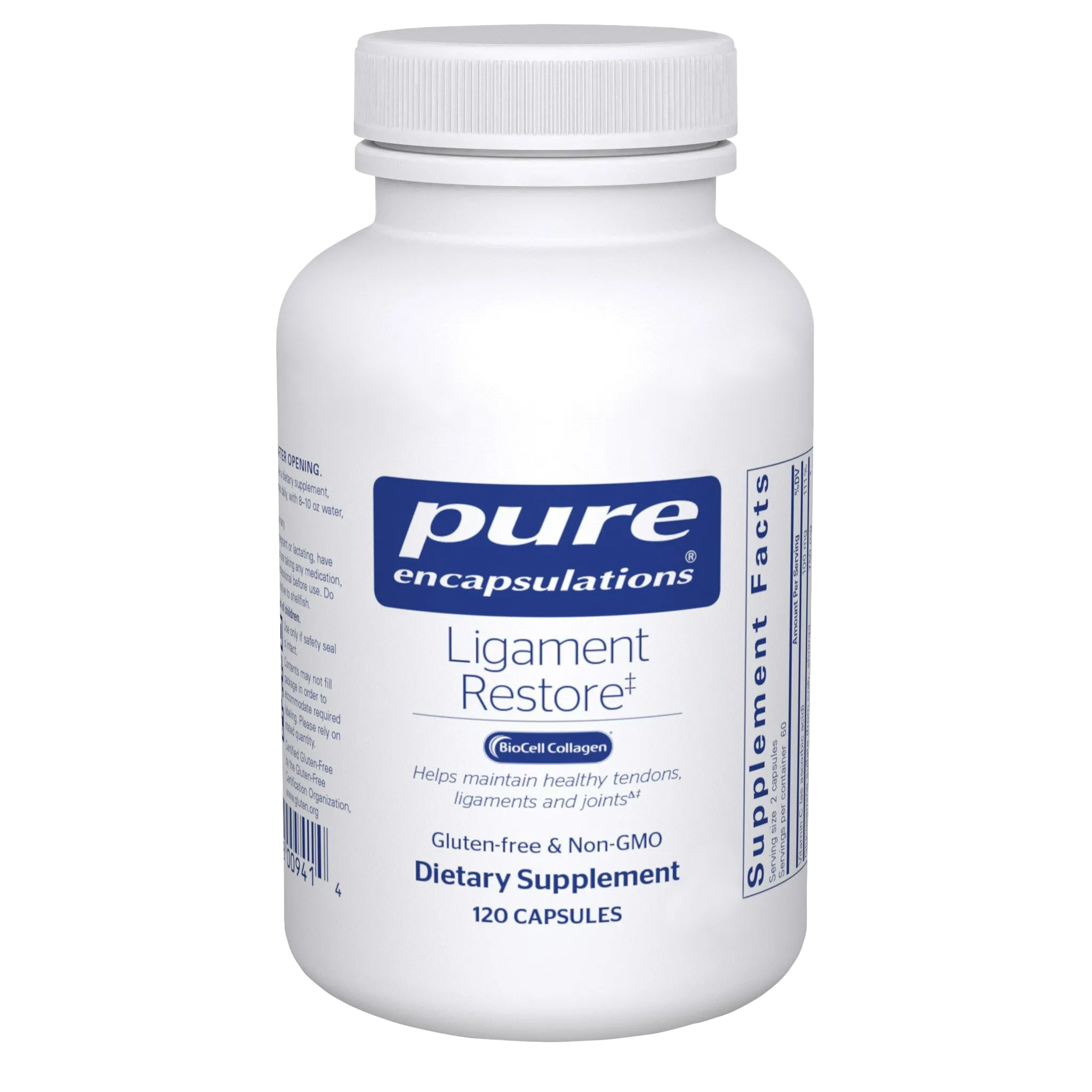
This musculoskeletal burden is not a coincidence, nor is it simply a byproduct of being less active. Emerging research reveals a profound, interconnected web between post-viral inflammation, immune dysregulation, and the physical degradation of our connective tissues. When the body is locked in a state of chronic immune activation, the very structural scaffolding that holds our joints, tendons, and ligaments together can become compromised. Finding ways to support and rebuild this scaffolding is a critical component of comprehensive chronic illness management. This is where targeted nutritional support, such as the comprehensive formula found in Ligament Restore, steps in to provide the essential building blocks and anti-inflammatory botanicals needed to promote joint integrity and connective tissue resilience.
TL;DR
Chronic illness inflammation can degrade connective tissue, worsening joint pain and hypermobility.
Ligament Restore provides essential building blocks like collagen and amino acids to support tissue repair.
Botanicals like curcumin and Devil's claw may help manage joint inflammation and discomfort.
Consistent supplementation over 8-12 weeks is typically needed for structural benefits.
What is Ligament Restore?
The Foundation of Connective Tissue
To understand how Ligament Restore works, we first need to understand the complex biology of connective tissue. Connective tissue is the biological "glue" and scaffolding of the human body. It encompasses tendons (which connect muscle to bone), ligaments (which connect bone to bone), cartilage (the shock-absorbing cushion within joints), and the extracellular matrix that supports our blood vessels and organs. The primary structural component of all these tissues is collagen, a highly rigid, rope-like protein that provides tensile strength and elasticity.
In a healthy body, connective tissue is not static; it is highly dynamic. Specialized cells called fibroblasts (in the skin and tendons) and chondrocytes (in the cartilage) are constantly breaking down old, damaged tissue and synthesizing new collagen and extracellular matrix components. This continuous cycle of degradation and repair ensures that our joints remain lubricated, our ligaments remain taut, and our structural integrity is maintained despite the daily mechanical stress of movement. However, this regenerative process is incredibly nutrient-demanding, requiring a precise combination of amino acids, vitamins, and trace minerals to function optimally.
The Synergistic Matrix of Ingredients
Ligament Restore by Pure Encapsulations is a comprehensive nutraceutical formula specifically designed to supply the exact biochemical building blocks required for this continuous repair process. Rather than relying on a single ingredient, it utilizes a synergistic matrix of compounds that target multiple pathways of joint and connective tissue health simultaneously. The formula is anchored by glucosamine sulfate, a naturally occurring amino-monosaccharide that serves as a fundamental substrate for the biosynthesis of glycosaminoglycans (GAGs)—the molecules that give cartilage its elasticity and ability to withstand compression.
Alongside glucosamine, the formula features BioCell Collagen®, a patented, highly bioavailable complex derived from hydrolyzed chicken sternal cartilage. This specific form of collagen provides a naturally occurring matrix of hydrolyzed Type II collagen peptides, chondroitin sulfate, and hyaluronic acid. These components work together to stimulate chondrocyte activity, draw hydrating fluids into the joint space, and provide the structural backbone necessary for cartilage regeneration. The inclusion of these specific, low-molecular-weight peptides ensures that the building blocks can actually reach the systemic circulation and migrate to the targeted joint tissues.
Beyond Basic Joint Support
What elevates Ligament Restore beyond a standard joint supplement is its inclusion of essential cofactors and botanical modulators. The formula provides L-proline and L-lysine, two amino acids that are absolutely critical for the formation of the collagen triple helix. It also includes Vitamin C and silica (derived from bamboo extract), which act as mandatory enzymatic catalysts in the collagen synthesis pathway. Without these specific cofactors, the body cannot cross-link collagen fibers, resulting in weak, easily damaged tissue.
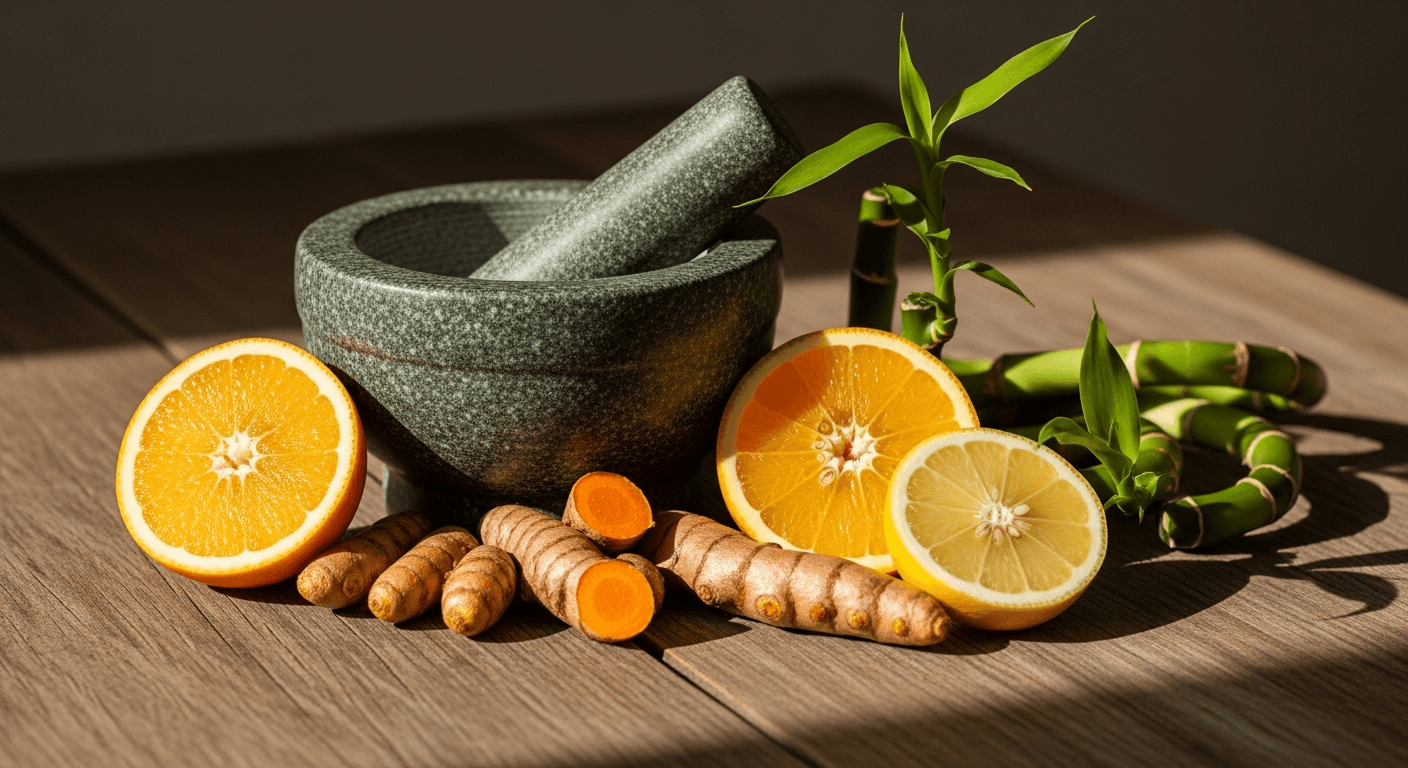
Furthermore, Ligament Restore recognizes that structural repair cannot occur efficiently in a highly inflamed environment. To address this, the formula incorporates standardized extracts of Devil's claw (Harpagophytum procumbens) and curcumin (from turmeric). These potent botanical agents work at the cellular level to downregulate pro-inflammatory cytokines and inhibit the enzymes responsible for cartilage degradation. By combining structural building blocks with enzymatic cofactors and anti-inflammatory botanicals, Ligament Restore offers a multi-mechanistic approach to preserving and rebuilding musculoskeletal health.
How Chronic Illness Impacts Connective Tissue and Joints
The Inflammatory Storm of Long COVID and ME/CFS
For individuals living with Long COVID and ME/CFS, joint pain and structural instability are frequently reported, yet often misunderstood, symptoms. The pathophysiology connecting these post-viral conditions to musculoskeletal breakdown lies in the profound, systemic inflammatory storm triggered by the initial infection. In conditions like Long COVID, the immune system remains locked in a state of chronic activation, continuously pumping out pro-inflammatory cytokines such as Interleukin-1 beta (IL-1β) and Tumor Necrosis Factor-alpha (TNF-α).
These inflammatory cytokines do not just cause systemic fatigue and brain fog; they have a direct, catabolic (destructive) effect on connective tissue. High levels of IL-1β and TNF-α signal the cells within our joints to halt the production of new collagen and instead upregulate the expression of matrix metalloproteinases (MMPs). MMPs are enzymes specifically designed to break down the extracellular matrix and degrade articular cartilage. In a healthy immune response, this is a temporary mechanism used to clear damaged tissue. But in Long COVID and ME/CFS, this process becomes chronic, leading to the ongoing degradation of joint cartilage and the weakening of tendons and ligaments.
Mast Cell Activation and Matrix Degradation
This structural degradation is heavily exacerbated by the presence of mast cell activation syndrome (MCAS), a condition highly comorbid with Long COVID, ME/CFS, and dysautonomia. Mast cells are immune cells embedded deeply within our connective tissues, particularly near blood vessels, nerves, and joints. When mast cells become hypersensitive and activate inappropriately, they degranulate, releasing a massive cascade of biochemical mediators, including histamine, tryptase, and inflammatory prostaglandins.
Crucially, activated mast cells also release specific proteases and MMP-9, which actively digest the surrounding connective tissue matrix. This means that every time a patient experiences a mast cell flare, their structural scaffolding is subjected to microscopic degradation. Over time, this chronic mast cell degranulation can lead to a phenomenon where formerly stable joints become loose, painful, and hypermobile. The persistent inflammation also sensitizes the nerve endings within the joints, amplifying the perception of pain and contributing to the widespread, aching discomfort that characterizes these complex chronic illnesses.
The Hypermobility Connection (EDS/HSD) and Autonomic Dysfunction
The relationship between connective tissue health and chronic illness becomes even more critical when we look at the staggering overlap between these post-viral syndromes and hypermobile Ehlers-Danlos Syndrome (hEDS) or Hypermobility Spectrum Disorders (HSD). Recent large-scale studies have demonstrated that individuals with underlying connective tissue laxity are significantly more likely to develop Long COVID and severe dysautonomia (like POTS) following a viral infection. In hEDS and HSD, genetic or acquired variations in collagen production result in structurally fragile connective tissue, leading to joint hypermobility, frequent subluxations (partial dislocations), and chronic musculoskeletal strain.
When a post-viral inflammatory storm hits a body that already struggles with connective tissue integrity, the results can be devastating. The viral-induced inflammation further degrades the already vulnerable collagen matrix, causing previously asymptomatic hypermobility to become severely symptomatic. Furthermore, because blood vessels are made of connective tissue, this structural laxity impairs the veins' ability to constrict properly when standing. This directly drives the blood pooling and severe tachycardia seen in Postural Orthostatic Tachycardia Syndrome (POTS). Therefore, supporting connective tissue integrity is not just about managing joint pain; it is a foundational strategy for stabilizing the autonomic nervous system and mitigating the cascading symptoms of the Long COVID and ME/CFS pentad.
Ligament Restore: Supporting Structural Integrity and Comfort
Fueling Collagen Synthesis with Amino Acids and Vitamin C
Ligament Restore directly counters the catabolic breakdown of connective tissue by providing the precise biochemical substrates required to force the body back into an anabolic (tissue-building) state. The foundation of this process relies on the formula's inclusion of L-proline, L-lysine, and Vitamin C. Collagen synthesis begins inside the fibroblast cells with the creation of procollagen, a long polypeptide chain composed heavily of proline and lysine. However, for this chain to become strong, stable collagen, these amino acids must undergo a chemical modification called hydroxylation.
This is where Vitamin C becomes absolutely non-negotiable. The enzymes responsible for this modification—prolyl hydroxylase and lysyl hydroxylase—require Vitamin C as an essential electron donor to function. Vitamin C converts the oxidized iron within these enzymes back into its active state. Once hydroxylated, the proline and lysine residues allow the collagen strands to wind together into a highly stable, rigid "triple helix" structure. By supplying high doses of free-form L-proline and L-lysine alongside Vitamin C, Ligament Restore ensures that the fibroblasts have an abundant pool of raw materials and the necessary enzymatic catalysts to continuously spin strong, resilient collagen fibers, supporting the repair of microscopic tears in ligaments and blood vessels.
Cartilage Repair and Synovial Lubrication
While the amino acids build the collagen ropes, the glucosamine sulfate and BioCell Collagen® in Ligament Restore work to rebuild the cartilage and lubricate the joint space. Glucosamine sulfate acts as a biological modifier within the joint. It actively stimulates the chondrocytes to synthesize more proteoglycans—the water-trapping molecules that give cartilage its shock-absorbing properties. Furthermore, high-quality glucosamine sulfate has been shown to block the intracellular signaling cascade of NF-κB, a master regulator of inflammation, thereby helping to halt the production of the very enzymes (MMPs) that destroy cartilage.
The BioCell Collagen® matrix complements this by delivering low-molecular-weight hyaluronic acid (HA) and chondroitin directly to the systemic circulation. Hyaluronic acid is the primary component of synovial fluid, the viscous liquid that lubricates our joints and reduces mechanical friction. By elevating systemic HA levels, the formula helps rehydrate the joint space, easing the grinding, aching pain associated with degraded cartilage. The hydrolyzed Type II collagen peptides in BioCell also migrate to the joint tissues, providing a direct stimulus for chondrocytes to lay down new cartilage matrix, providing a dual-action approach of structural repair and vital lubrication.
Calming Inflammation with Botanical Extracts
Rebuilding connective tissue is futile if the body remains in a state of rampant inflammation that continuously tears it down. To address this, Ligament Restore utilizes two potent botanical agents: Devil's claw and curcumin. Devil's claw (Harpagophytum procumbens) contains active compounds called harpagosides, which have been clinically shown to suppress the production of pro-inflammatory cytokines like TNF-α and IL-6. It also inhibits cyclooxygenase-2 (COX-2), the same inflammatory enzyme targeted by traditional NSAID pain relievers, providing natural, targeted relief for aching joints.
Curcumin, the active curcuminoid extracted from turmeric, acts as a broad-spectrum cellular protectant. Curcumin is a profound inhibitor of the NF-κB pathway, helping to inhibit the inflammatory cascade at the genetic level. By neutralizing reactive oxygen species (ROS) and preventing the apoptosis (cell death) of chondrocytes, curcumin protects the newly synthesized cartilage and collagen from being destroyed by the immune system's overzealous inflammatory response. Together, these botanicals create a calm, anti-catabolic environment within the joint, allowing the structural building blocks (glucosamine, collagen, and amino acids) to successfully integrate and heal the damaged tissues.
The Role of Silica in Matrix Stabilization
Finally, the inclusion of silica (derived from bamboo extract) serves as the ultimate stabilizing force in the formula. Silica is metabolized into orthosilicic acid, which acts as a crucial co-factor for the prolyl hydroxylase enzyme, working in tandem with Vitamin C. Beyond its enzymatic role, silica physically binds to glycosaminoglycans in the extracellular matrix, acting as a molecular "glue" that holds the collagen and elastin fibers together. This ensures that the newly formed connective tissue is not only strong but also possesses the necessary elasticity to withstand the dynamic stretching and mechanical stress of daily movement, which is particularly vital for patients managing hypermobility spectrum disorders.

Symptoms Ligament Restore May Help Manage
Targeted Musculoskeletal Relief
Ligament Restore is formulated to address a wide range of structural and inflammatory symptoms that frequently plague individuals with complex chronic conditions. By targeting the root causes of connective tissue degradation and joint inflammation, this comprehensive supplement may help manage the following specific symptoms:
Chronic Joint Pain and Aching: By inhibiting inflammatory pathways (via curcumin and Devil's claw) and replenishing synovial fluid (via hyaluronic acid), the formula helps reduce the deep, mechanical joint pain common in ME/CFS and Long COVID.
Morning Stiffness and Immobility: The anti-inflammatory botanicals and cartilage-supporting glycosaminoglycans help reduce overnight fluid accumulation and joint swelling, making morning movements less rigid and painful.
Ligament Laxity and Hypermobility: By providing the essential building blocks (L-proline, L-lysine, Vitamin C, and silica) for strong collagen synthesis, the formula supports the tensile strength of ligaments, which is crucial for individuals with hEDS or HSD experiencing frequent subluxations.
Exercise Intolerance and Delayed Recovery: The structural support helps mitigate the micro-trauma to connective tissues that occurs during physical exertion, supporting a more normal recovery process and potentially reducing the musculoskeletal component of Post-Exertional Malaise (PEM).
Systemic Structural Support
Beyond localized joint pain, the systemic enhancement of collagen and extracellular matrix integrity can have far-reaching benefits for the entire body, particularly for those dealing with widespread connective tissue dysfunction.
Blood Vessel Fragility and Easy Bruising: Strengthening the collagen matrix improves the structural integrity of the vascular walls, which may help reduce the easy bruising and capillary fragility often seen in connective tissue disorders.
Autonomic Instability (POTS Support): By reinforcing the connective tissue that makes up the veins, the formula may help improve vascular tone and reduce the lower-body blood pooling that drives the tachycardia and dizziness in POTS.
Cartilage Degradation (Osteoarthritis): Glucosamine sulfate and BioCell Collagen actively stimulate chondrocytes to repair and rebuild degraded articular cartilage, slowing the progression of degenerative joint changes.
Tendonitis and Tendinopathy: The targeted amino acids and enzymatic cofactors accelerate the healing of micro-tears in tendons, alleviating chronic tendon pain and inflammation.
Practical Considerations: Forms, Dosing, and Absorption
Understanding Bioavailability and Absorption
When dealing with complex chronic illnesses, the digestive system is often compromised, making the bioavailability of supplements a critical factor. Ligament Restore is formulated with highly absorbable forms of its key nutrients. The BioCell Collagen® utilizes a patented hydrolysis process that breaks down the Type II collagen into very low-molecular-weight peptides (1.5 to 2.5 kDa). This drastically increases its ability to survive the digestive tract and cross the intestinal barrier into the systemic circulation, ensuring the peptides actually reach the joint tissues.
Similarly, the silica in this formula is derived from bamboo extract, which provides a highly bioavailable, water-soluble form of organic silica. This is significantly more absorbable than older, mineral-based silica sources like horsetail extract. To maximize the absorption of the fat-soluble components, particularly the curcumin extract, it is highly recommended to take Ligament Restore with a meal that contains healthy fats. The presence of dietary fat stimulates bile production, which acts as a natural emulsifier to shuttle the curcuminoids across the intestinal lining.
Optimal Dosing and Administration
The suggested use for Ligament Restore is 2 capsules, taken 2 times daily (for a total of 4 capsules per day), with 8-10 oz of water and meals. Because connective tissue repair is a slow, metabolic process, consistency is paramount. Unlike fast-acting pain relievers, the structural building blocks and botanical modulators in this formula require time to accumulate in the tissues and alter cellular signaling. Patients typically need to take the supplement consistently for 8 to 12 weeks before noticing significant improvements in joint comfort, ligament stability, and overall mobility.
It is also important to note that collagen synthesis is an ongoing, dynamic process. For individuals with genetic connective tissue disorders (like hEDS) or chronic post-viral inflammation, maintaining connective tissue resiliency may require long-term, daily supplementation to continuously offset the heightened rate of tissue degradation. Working with a healthcare provider to monitor your symptom progression and adjust the dosage as needed is always recommended.
Safety, Contraindications, and Interactions
While the ingredients in Ligament Restore are generally well-tolerated, the comprehensive nature of the formula means there are several important safety considerations and potential drug interactions to be aware of. The most critical contraindication involves shellfish allergies. The glucosamine sulfate in this formula is derived from the exoskeletons of crabs and shrimp; therefore, individuals with a known shellfish allergy must strictly avoid this product. Additionally, the BioCell Collagen is derived from chicken sternal cartilage, which may be a concern for those with severe poultry allergies or alpha-gal syndrome.
There are also significant pharmacological interactions to consider, particularly regarding blood clotting. Glucosamine, chondroitin, curcumin, and Devil's claw all possess natural antiplatelet or mild anticoagulant properties. Taking this combination alongside prescription blood thinners (such as Warfarin or Plavix), or daily NSAIDs/Aspirin, can significantly increase the risk of bruising and dangerous bleeding. Furthermore, Devil's claw can increase stomach acid production, making it contraindicated for individuals with active gastric ulcers. Always consult your healthcare provider before starting Ligament Restore, especially if you are on prescription medications, have gallstones, or are managing a complex chronic condition.
Follow the Science
Clinical Efficacy of Glucosamine and BioCell Collagen
The individual components of Ligament Restore have been the subject of extensive clinical research, particularly regarding their efficacy in managing degenerative joint conditions. Glucosamine sulfate is one of the most heavily researched nutraceuticals for joint health. Long-term studies (such as six-year follow-up data from the Osteoarthritis Initiative) have demonstrated that consistent use of glucosamine and chondroitin sulfate can help preserve cartilage volume and slow the progression of structural changes in knee osteoarthritis.
BioCell Collagen® has also demonstrated profound clinical efficacy. In a highly cited 2012 randomized, double-blind, placebo-controlled trial published in the Journal of Agricultural and Food Chemistry, 80 subjects with progressive osteoarthritis were given 2 grams of BioCell Collagen daily for 70 days. The study found that the BioCell group experienced a highly significant reduction in pain scores compared to the placebo group. Furthermore, 40% of the subjects in the BioCell group experienced a pain reduction of at least 30%, compared to just 3% in the placebo group, validating its ability to rapidly improve joint comfort and physical function.
The Biochemical Necessity of Proline, Lysine, and Silica
The inclusion of L-proline, L-lysine, and Vitamin C is grounded in decades of biochemical research regarding collagen synthesis. Research pioneered by the Dr. Rath Research Institute has extensively documented how the synergistic combination of these specific nutrients is biologically mandatory for the stabilization of the connective tissue matrix. Studies show that without adequate Vitamin C to act as an electron donor for the prolyl hydroxylase enzyme, the proline and lysine cannot be hydroxylated, resulting in weak, un-crosslinked collagen that rapidly degrades.
Similarly, the role of silica in connective tissue genesis is well-established. A landmark in vitro study published in the journal Bone evaluated human osteoblast-like cells treated with physiological concentrations of orthosilicic acid (the bioavailable form of silica). The researchers found that silica treatment significantly stimulated Type 1 collagen synthesis, increasing it by up to 1.8-fold. Crucially, when they introduced chemical inhibitors of the prolyl hydroxylase enzyme, the stimulatory effect of the silica was completely abolished, proving that silica operates precisely through this vital enzymatic pathway to harden and stabilize new collagen networks.
Botanical Anti-Inflammatories in Clinical Trials
The botanical extracts in Ligament Restore also boast robust clinical backing. Devil's claw (Harpagophytum procumbens) has been evaluated in numerous trials for its analgesic properties. A review of 14 clinical trials demonstrated that high-quality Devil's claw extracts are highly effective for short-term improvements in osteoarthritis and lower back pain, with efficacy and tolerability profiles that are comparable to, and sometimes superior to, traditional NSAIDs.
Curcumin, the active compound in turmeric, is globally recognized for its potent NF-κB inhibitory effects. A 2016 systematic review and meta-analysis of randomized clinical trials found that curcumin supplementation significantly reduced joint pain and swelling in patients with osteoarthritis, performing as effectively as prescription pain medications like diclofenac and ibuprofen, but with significantly fewer gastrointestinal side effects. By combining these evidence-based botanicals with structural building blocks, Ligament Restore offers a scientifically validated, multi-targeted approach to musculoskeletal health.
The Path Forward
Validating the Musculoskeletal Burden
Living with the deep, aching joint pain and structural instability associated with Long COVID, ME/CFS, POTS, and hypermobility spectrum disorders is an exhausting reality. It is entirely valid to feel frustrated when your physical foundation feels fragile, and when simple movements trigger cascading pain and fatigue. The musculoskeletal burden of these invisible illnesses is real, it is biologically rooted in profound post-viral inflammation and connective tissue degradation, and it deserves comprehensive, targeted care. You are not simply "deconditioned"—your body is fighting a complex battle at the cellular level.
Integrating Structural Support into Your Protocol
While there is no single miracle cure for complex chronic conditions, providing your body with the exact biochemical tools it needs to repair itself is a powerful step forward. Supplements like Ligament Restore offer a sophisticated, multi-mechanistic approach to rebuilding your structural scaffolding. By supplying the essential amino acids, enzymatic cofactors, and anti-inflammatory botanicals required for robust collagen synthesis and cartilage repair, you can actively support your body's innate ability to heal and stabilize its connective tissues.
A Collaborative Approach to Healing
Remember that nutritional supplementation is just one piece of a holistic management puzzle. Rebuilding connective tissue resilience works best when combined with careful energy pacing, targeted physical therapy (especially for hypermobility), mast cell stabilization, and autonomic support. Always consult with your healthcare provider before introducing new supplements, particularly to navigate any potential interactions with your current medications. By taking a comprehensive, scientifically grounded approach to your musculoskeletal health, you can work towards reclaiming your mobility, reducing your pain, and building a stronger, more stable foundation for your recovery journey.