Can L-Methionine Support Detoxification and Liver Health in Long COVID and ME/CFS?
March 5, 2026
L-MethionineLong COVIDME/CFS
Share:
Disclaimer: The information provided here is for educational purposes only and is not intended as medical advice. It should not be used to diagnose, treat, cure, or prevent any medical condition. Instead, use it as a starting point for discussion with your healthcare provider. Always consult with a qualified healthcare provider before starting any new medication, supplement, device, or making changes to your health regimen.
For many individuals living with Long COVID, myalgic encephalomyelitis/chronic fatigue syndrome (ME/CFS), mast cell activation syndrome (MCAS), or dysautonomia, the sensation of being physically "poisoned" or profoundly weighed down is a daily reality. This is not just a metaphor or a psychological manifestation; it often reflects a very real biochemical crisis happening at the cellular level. When the body's natural detoxification pathways and antioxidant defenses become overwhelmed by viral persistence, chronic inflammation, or metabolic dysfunction, the resulting oxidative stress can be debilitating. Patients frequently experience severe brain fog, unrelenting fatigue, and a deep sense of systemic exhaustion that no amount of rest seems to cure, leaving them desperately searching for answers in a medical system that often misunderstands their complex symptoms.
In the search for validating, science-backed answers, researchers and clinicians are increasingly focusing on the fundamental building blocks of our cellular metabolism. One such critical component is L-Methionine, an essential amino acid that serves as a linchpin for the body's detoxification systems. By acting as the primary precursor to glutathione—often called the body's "master antioxidant"—and regulating the complex process of cellular methylation, L-Methionine plays a profound role in maintaining liver health, lipid metabolism, and tissue repair. Understanding how this single amino acid influences our most vital biochemical pathways offers valuable insights into the metabolic roadblocks that characterize complex chronic illnesses, and why targeted nutritional support may help improve quality of life.
TL;DR
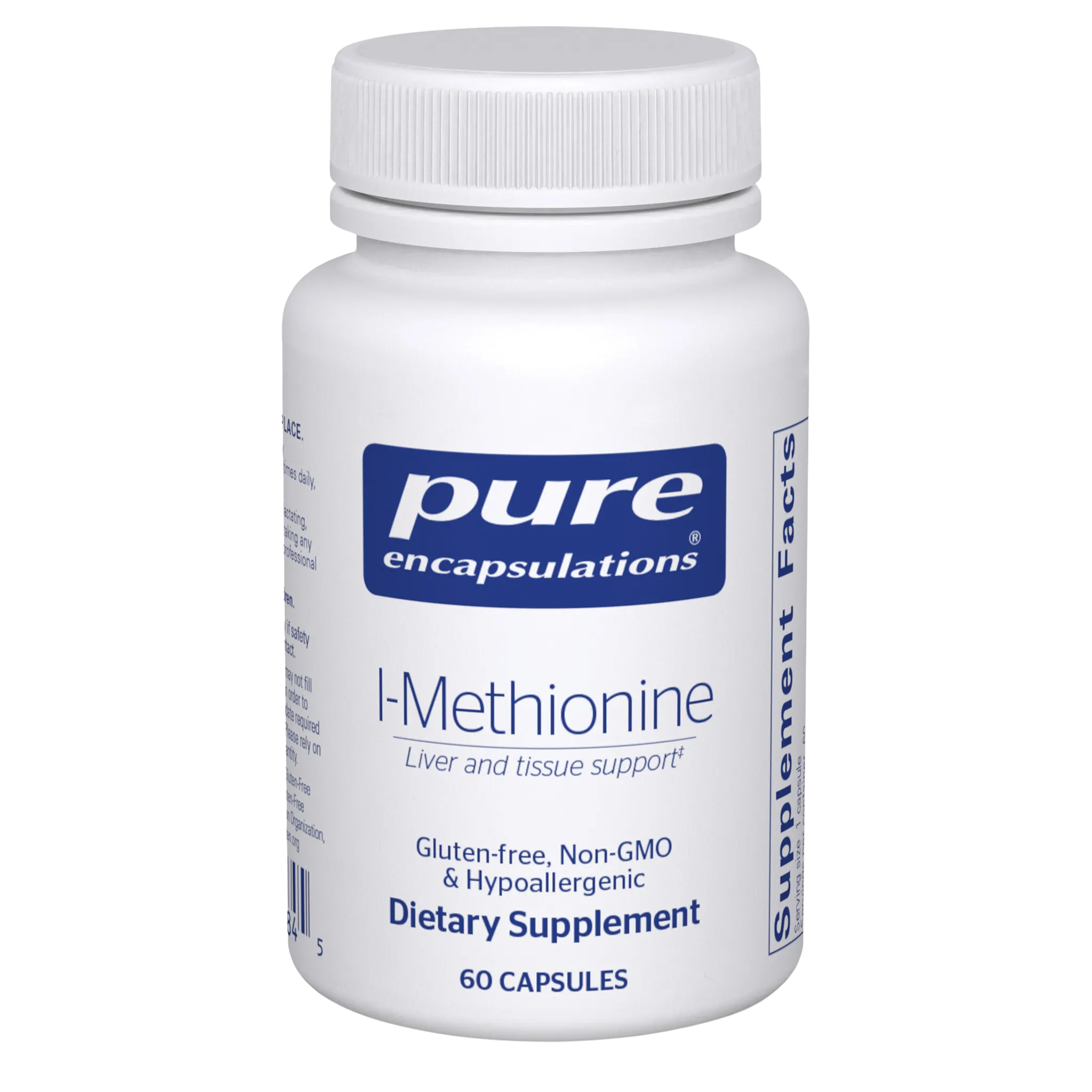
L-Methionine is an essential amino acid that supports detoxification and cellular energy.
It acts as a key precursor to glutathione, the body's master antioxidant.
Targeted nutritional support may help manage brain fog, fatigue, and oxidative stress.
Always consult a healthcare provider to ensure proper dosing and necessary B-vitamin co-factors.
What is L-Methionine?
The Essential Sulfur-Bearing Amino Acid
L-Methionine is an essential, sulfur-containing amino acid, meaning that the human body cannot synthesize it from scratch; it must be obtained through dietary sources or targeted supplementation. In a healthy body, it serves as a foundational pillar for protein synthesis and is a critical component of cartilage building blocks, such as proteoglycans and glycosaminoglycans. These structural proteins are vital for maintaining the integrity of joints, connective tissues, and cellular membranes throughout the body. Beyond its structural role, L-methionine is incorporated into tissue proteins and enzymes, and it acts as a crucial component of active peptides, including l-methionine enkephalin and various endorphins that help regulate pain and mood.
However, the most profound biological importance of L-methionine lies in its ability to drive two tightly interconnected and highly critical biochemical pathways: the Methionine Cycle and the Transsulfuration Pathway. Because it contains a sulfur atom, L-methionine is uniquely equipped to participate in complex electron transfers and molecular donations. Up to 50% of dietary methionine is metabolized directly in the liver, making hepatic function heavily dependent on the availability of this single amino acid. When these pathways are functioning optimally, they ensure that the body can detoxify harmful substances, regulate gene expression, and maintain a delicate balance of cellular energy.
The Methionine Cycle and Cellular Methylation
When L-methionine enters a cell, it is either utilized for immediate protein synthesis or it enters the intricate Methionine Cycle. The first step of this cycle involves the activation of methionine by an enzyme called methionine adenosyltransferase (MAT), which uses cellular energy in the form of adenosine triphosphate (ATP) to convert L-methionine into S-adenosylmethionine (SAMe). SAMe is the principal biological methyl donor in the human body, meaning it carries a specific chemical tag—a methyl group—that it can pass on to other molecules. Through enzymes known as methyltransferases, SAMe donates its methyl group to a vast array of acceptor molecules, facilitating the methylation of DNA, RNA, histones, proteins, phospholipids, and neurotransmitters.
This methylation process is absolutely critical for human survival and daily functioning. It regulates epigenetic gene expression, turning specific genes "on" or "off" in response to environmental stressors. It also maintains cell membrane fluidity through phospholipid biosynthesis and contributes to the formation of myelin, the protective sheath that insulates nerve fibers in the brain and spinal cord. After SAMe donates its methyl group, it is converted into S-adenosylhomocysteine (SAH). Because SAH is a potent competitive inhibitor of further methylation reactions, it must be rapidly broken down by the enzyme SAH hydrolase into homocysteine, a pivotal molecule that sits at a biochemical crossroads.
The Transsulfuration Pathway and Antioxidant Defense
Once homocysteine is generated, the cell must make a critical decision based on its current needs: it can either recycle homocysteine back into methionine (remethylation) to keep the methylation cycle turning, or it can route homocysteine down the Transsulfuration Pathway. If the cell is under significant oxidative stress, or if it needs to clear out toxins, homocysteine is permanently withdrawn from the methylation cycle. It condenses with the amino acid serine in an irreversible reaction catalyzed by cystathionine beta-synthase (CBS), an enzyme that strictly requires Vitamin B6 as a cofactor, to form cystathionine.
Cystathionine is then cleaved by another Vitamin B6-dependent enzyme to release free cysteine. This is the crucial step, as cysteine is a precursor for the synthesis of glutathione (GSH), a tripeptide consisting of cysteine, glutamate, and glycine. Glutathione is the body's master antioxidant, responsible for neutralizing reactive oxygen species (ROS), detoxifying heavy metals, and processing environmental toxins. Through this elegant biochemical network, dietary L-methionine acts as the ultimate upstream precursor to the body’s primary antioxidant defense system, enabling the liver and other tissues to survive immense metabolic stress.
How Long COVID and ME/CFS Impact the Methionine Cycle
Viral Hijacking and the Demands of Infection
In complex chronic illnesses like Long COVID, the delicate balance of the methionine cycle is often thrown into chaos. Emerging research suggests that during the acute phase of infection, SARS-CoV-2 actively "hijacks" the host's folate and one-carbon metabolism. The virus forces the host cell to use these specific pathways for massive de novo purine biosynthesis in order to rapidly replicate viral RNA. This parasitic action severely depletes the host's intracellular stores of L-methionine and other essential amino acids, shifting the sulfur amino acid metabolism away from host antioxidant defenses and directly triggering a severe accumulation of reactive oxygen species (ROS).
This viral hijacking leaves the body in a state of profound metabolic deficit long after the acute infection has cleared. Without adequate L-methionine to fuel the methylation cycle, the body struggles to synthesize neurotransmitters, repair damaged myelin sheaths, and regulate the epigenetic expression of inflammatory genes. This may explain why so many Long COVID patients experience persistent neurological symptoms, severe brain fog, and a hyperactive immune response that refuses to settle down. You can learn more about the complexities of post-viral immune responses in our guide on What Causes Long COVID?.
Metabolic Hibernation and the Dauer State
In the context of ME/CFS, researchers have identified a similar, yet distinct, metabolic crisis. A groundbreaking metabolomics study by Dr. Robert Naviaux discovered that ME/CFS features a highly concerted hypometabolic response similar to a hibernation state called "dauer". This study showed a comprehensive baseline depletion of circulating amino acids in ME/CFS patients, specifically pointing out that the availability of methionine, cysteine, and taurine dictates the balance between cell survival and death under severe environmental stress. The body essentially downregulates its metabolism to protect itself from perceived cellular threats, but in doing so, it severely limits the production of cellular energy (ATP).
Because mitochondria require a constant supply of essential amino acids like L-methionine to function, this "dauer" state leads to profound mitochondrial failure. Patients experience this as post-exertional malaise (PEM) or "crashes," where even minor physical or cognitive exertion leads to a disproportionate exacerbation of symptoms. The lack of available methionine means the body cannot efficiently transport fatty acids into the mitochondria for energy production, forcing cells to rely on inefficient anaerobic metabolism, which generates painful lactic acid buildup in the muscles and brain.
Brain Glutathione Depletion and Oxidative Stress
The most devastating consequence of a disrupted methionine cycle in these conditions is the catastrophic drop in glutathione levels. A landmark neuroimaging study funded by the NIH found a staggering 36% decrease in cortical glutathione in the brains of ME/CFS patients. Because L-methionine is the primary building block for glutathione via the transsulfuration pathway, this finding confirmed theories that a failure in the methionine cycle leads directly to severe neuroinflammation and oxidative stress.
When glutathione is depleted, the brain and liver are left defenseless against the massive amounts of free radicals generated by chronic inflammation and immune dysregulation. This oxidative stress damages cellular membranes, impairs receptor function, and further suppresses mitochondrial energy output. It creates a vicious cycle: inflammation depletes methionine and glutathione, and the lack of glutathione allows inflammation to run rampant. This biochemical reality strongly validates the severe cognitive impairments and physical exhaustion reported by patients, proving that these symptoms are rooted in measurable, physiological dysfunction.
L-Methionine: Supporting Detoxification and Liver Health
Restoring the Master Antioxidant Network
For patients battling the profound oxidative stress of Long COVID and ME/CFS, supporting the body's antioxidant defenses is a primary therapeutic goal. L-Methionine supplementation aims to restore the disrupted biochemical pathways by providing the raw materials necessary to restart the transsulfuration pathway. By ensuring an adequate supply of L-methionine, the body can successfully convert homocysteine into cysteine, which is the highly rate-limiting step for synthesizing new glutathione (GSH). This process is crucial for neutralizing the reactive oxygen species that damage cellular membranes and drive chronic inflammation.
When intracellular glutathione levels are restored, the liver regains its ability to effectively process and eliminate environmental toxins, heavy metals, and metabolic waste products. This is particularly important for patients with mast cell activation syndrome (MCAS) or multiple chemical sensitivities, where the body's detoxification pathways are often overwhelmed, leading to severe systemic reactions. By acting as the upstream precursor to glutathione, L-methionine helps to rebuild the body's resilience against the constant barrage of inflammatory triggers.
Promoting Healthy Lipid Metabolism and Hepatic Function
Beyond its role as an antioxidant precursor, L-methionine is a powerful lipotropic compound, meaning it plays a critical role in the breakdown and metabolism of fats in the liver. In the liver, L-methionine is converted into SAMe, which is required for the synthesis of phosphatidylcholine. This molecule is absolutely essential for the creation of very-low-density lipoproteins (VLDL), the transport vehicles that facilitate the export of fats and triglycerides out of the liver. Without adequate methionine, fats become trapped within hepatic tissues, leading to sluggish liver function and hepatic steatosis (fatty liver).
By supporting lipid metabolism, L-methionine may help prevent the accumulation of fat in the liver, ensuring that this vital organ can focus its energy on detoxification and metabolic regulation rather than managing lipid overload. Preclinical research has shown that L-methionine supplementation can directly activate the hepatic SIRT1/AMPK signaling pathways, which are crucial for regulating cellular energy homeostasis and improving circulating lipid profiles. For patients with complex chronic illnesses who often suffer from metabolic dysregulation, supporting the liver's ability to process fats is a key component of overall recovery.
Epigenetic Regulation and Tissue Repair
Finally, L-methionine supports the body through its role as the ultimate source of methyl groups via its conversion to SAMe. Normal cellular function requires these methyl groups to regulate the epigenetic expression of genes that control inflammation, immune responses, and tissue repair. By providing the necessary methyl donors, L-methionine helps the body "turn off" pro-inflammatory genes that may be stuck in an overactive state following a viral infection, a common issue explored in our article on Can Long COVID Trigger ME/CFS? Unraveling the Connection.
Additionally, because L-methionine contains sulfur, it is a vital component of cartilage building blocks such as proteoglycans and glycosaminoglycans. These structural proteins are necessary for maintaining healthy joints, connective tissues, and the mucosal linings of the gut and respiratory tract. For patients experiencing widespread joint pain, connective tissue laxity, or gut permeability issues, supporting the body's structural integrity with essential sulfur-bearing amino acids can be an important piece of a comprehensive management strategy.
Symptoms L-Methionine May Help Manage
Targeting Systemic Metabolic Dysfunction
Because L-Methionine sits at the intersection of cellular energy, detoxification, and epigenetic regulation, supporting these pathways may help manage a variety of complex symptoms associated with chronic illness. While it is not a cure, targeted nutritional support can help alleviate specific physiological burdens:
Severe Brain Fog and Cognitive Dysfunction: By acting as a precursor to glutathione, L-methionine helps combat the severe neuroinflammation and oxidative stress in the brain that drives cognitive impairment and memory issues.
Post-Exertional Malaise (PEM) and Fatigue: L-methionine supports mitochondrial function by providing the essential amino acids needed for cellular energy production, potentially reducing the severity of metabolic "crashes" after exertion.
Chemical Sensitivities and Toxin Overload: By fueling the transsulfuration pathway, L-methionine enhances the liver's ability to synthesize glutathione, improving the clearance of environmental toxins, medications, and metabolic waste.
Sluggish Liver Function and Lipid Dysregulation: As a lipotropic agent, L-methionine promotes the synthesis of phosphatidylcholine, aiding in the export of fats from the liver and potentially preventing hepatic congestion.
Joint and Connective Tissue Pain: The sulfur provided by L-methionine is a critical building block for proteoglycans and glycosaminoglycans, supporting the structural integrity and repair of cartilage and connective tissues.
Practical Considerations: Forms, Dosing, and Absorption
Bioavailability: L-Methionine vs. DL-Methionine
When considering supplementation, the specific form of the amino acid is crucial for its bioavailability and clinical efficacy. Methionine supplements are generally available in two forms: pure L-Methionine (the naturally occurring form found in human biology) and DL-Methionine (a synthetic 50/50 blend of the L- and D-isomers). Pure L-Methionine is absorbed in the small intestine via active, carrier-mediated transport systems and is considered to have near 100% direct bioavailability because it is the exact form the human body utilizes for protein synthesis and methylation.
Conversely, the D-Methionine found in synthetic blends cannot be used directly by the body. It must undergo a complex, two-step enzymatic conversion in the liver—involving amino acid oxidase and transaminases—to be converted into the usable L-form. This conversion process expends valuable metabolic energy and places an additional burden on the liver. For patients with Long COVID or ME/CFS who already suffer from profound energy deficits and hepatic stress, utilizing the pure, free-form L-Methionine is vastly superior, ensuring immediate absorption without demanding extra cellular resources.
The Critical Role of B-Vitamin Co-Factors
One of the most important practical considerations when taking L-Methionine is the absolute necessity of accompanying co-factors. The biochemical pathways that process methionine—specifically the Methionine Cycle and the Transsulfuration Pathway—are highly dependent on specific vitamins to function correctly. To successfully convert homocysteine into the antioxidant glutathione, the enzyme cystathionine beta-synthase (CBS) strictly requires Vitamin B6. Furthermore, to recycle homocysteine back into methionine and prevent its toxic accumulation, the body requires adequate levels of Vitamin B12 and active Folate (5-MTHF).
If a patient supplements with high doses of L-Methionine while being deficient in these crucial B-vitamins, the metabolic cycle can become "stuck" at the homocysteine stage. Elevated homocysteine (hyperhomocysteinemia) is a known risk factor for cardiovascular disease, endothelial dysfunction, and increased oxidative stress—the exact opposite of the intended therapeutic effect. Therefore, clinicians often recommend taking L-Methionine as part of a comprehensive protocol that includes a high-quality, methylated B-complex to ensure the biochemical pathways flow smoothly from start to finish.
Safety, Contraindications, and Drug Interactions
While L-Methionine is generally recognized as safe when taken at recommended dietary doses (typically ranging from 500 mg to 1,500 mg daily in divided doses), it is not appropriate for everyone. Individuals with known genetic mutations in the MTHFR gene must approach methionine supplementation with extreme caution, as their impaired ability to process folate can lead to dangerous spikes in homocysteine levels. Additionally, patients with severe, advanced liver disease (such as late-stage cirrhosis) should avoid raw L-Methionine, as their livers may lack the MAT enzymes needed to convert it safely, potentially precipitating hepatic encephalopathy.
L-Methionine can also interact with certain medications. For example, it may significantly reduce the effectiveness of Levodopa (L-Dopa), a primary medication used to treat Parkinson's disease, by competing for absorption across the blood-brain barrier. Furthermore, because methionine influences neurotransmitter synthesis via SAMe, combining high doses with serotonergic drugs (like SSRIs or MAOIs) can theoretically increase the risk of adverse neurological effects. As always, it is critical to consult with a knowledgeable healthcare provider before introducing new amino acid therapies, especially when managing complex chronic conditions or taking multiple prescription medications.
Follow the Science
Clinical Evidence in Liver Function and Lipid Metabolism
The scientific literature provides robust evidence for the role of methionine and its active metabolites in supporting liver health. Because the liver mediates over half of the body's methionine metabolism, disruptions in this pathway are central to the progression of conditions like Non-Alcoholic Fatty Liver Disease (NAFLD). A 2023 randomized clinical trial evaluated the efficacy of a high-methionine dietary intervention on 121 patients with NAFLD over 3 months. The findings revealed that nutritional therapy induced NAFLD regression and significantly diminished central fat accumulation, demonstrating methionine's lipotropic ability to clear congested hepatic tissues.
Furthermore, a massive systematic review analyzing 12 randomized controlled trials (covering 705 patients) evaluated the effectiveness of SAMe (the direct active metabolite of L-methionine) on chronic liver disease. The data synthesis revealed that treatment significantly lowered total bilirubin and aspartate transaminase (AST) levels, indicating a protective effect on residual liver function and a reduction in hepatic cellular damage. These studies validate the clinical utility of supporting the methionine cycle to restore liver homeostasis.
Post-Viral Fatigue and Amino Acid Interventions
In the realm of post-viral illnesses, researchers are actively investigating how targeted amino acid therapies can alleviate profound fatigue. A pilot observational case-control study published in MDPI assessed a specific multicomponent nutritional supplement on patients suffering from post-COVID fatigue and muscle loss. The supplement contained 50mg of L-Methionine, alongside L-Tryptophan, Vitamins B1/B6, and TCA cycle acids. The study found significant improvements in muscle mass and a marked reduction in physical fatigue, theorizing that the precise ratio of these amino acids acts as a mitochondrial metabolism modulator to decrease inflammatory status.
This aligns with the long-standing "methylation cycle block hypothesis" in ME/CFS research, which posits that restoring the flow of the methionine cycle is essential for recovery. Clinical reviews consistently note that replacing depleted amino acids, alongside mitochondrial supports like L-carnitine and CoQ10, has significant beneficial effects on profound post-viral fatigue. You can explore more about the medical management of these complex symptoms in our article on What Drugs Are Used for COVID Long Haulers?.
The Epigenetic Landscape of ME/CFS
Recent advancements in epigenetic research have further highlighted the importance of methylation in chronic fatigue conditions. A fascinating longitudinal study tracked the DNA methylation profiling of ME/CFS patients across relapse and recovery cycles. The researchers found 10 to 20-fold greater methylome variability than a matched healthy control, with relapse-associated methylation changes occurring in regulatory regions linked to 157 and 127 downstream genes, respectively.
These epigenetic shifts directly implicated disturbed immune, inflammatory, metabolic, and mitochondrial pathways. Because L-methionine (via SAMe) is the universal methyl donor required for these DNA methylation processes, this research strongly suggests that maintaining a stable and functional methionine cycle is critical for helping to manage the erratic epigenetic changes that drive severe symptom relapses in ME/CFS patients. This provides a profound molecular validation for the fluctuating nature of the illness, a concept we discuss further in Do Long COVID Symptoms Come and Go?.
The Path Forward
A Comprehensive Approach to Metabolic Recovery
Living with Long COVID, ME/CFS, or dysautonomia often feels like navigating a labyrinth without a map. The profound exhaustion, cognitive dysfunction, and systemic inflammation are not simply signs of being "tired"—they are the clinical manifestations of cellular engines that have been starved of their essential fuels and overwhelmed by oxidative stress. Understanding the intricate biochemistry of the methionine cycle and the transsulfuration pathway offers a validating perspective: your symptoms are rooted in measurable, physiological realities, and they require targeted, physiological support.
However, it is vital to remember that there is no single "magic pill" for complex chronic illnesses. Recovering metabolic function requires a comprehensive, multifaceted approach. Supplements like L-Methionine are most effective when integrated into a broader management strategy that includes aggressive pacing to prevent post-exertional malaise, rigorous symptom tracking, nervous system regulation, and addressing underlying viral or environmental triggers. Healing the mitochondria and restoring the body's master antioxidant networks is a marathon, not a sprint, and it requires patience and profound self-compassion.
Integrating Nutritional Support
As you explore targeted nutritional therapies, it is crucial to work collaboratively with a healthcare provider who understands the nuances of complex chronic conditions and metabolic dysfunction. Because amino acids like L-Methionine interact deeply with your body's methylation status, liver function, and B-vitamin levels, personalized medical guidance ensures that your supplementation is both safe and effective. A knowledgeable clinician can help you navigate appropriate dosing, monitor your homocysteine levels, and ensure you have the necessary co-factors to support your unique biochemical needs.
At RTHM, we are dedicated to providing science-backed, comprehensive care for patients navigating the complexities of Long COVID and ME/CFS. By addressing the root causes of cellular dysfunction and supporting the body's innate detoxification pathways, we aim to help you reclaim your energy and improve your quality of life.
Sources
The Logic of the Hepatic Methionine Metabolic Cycle (NIH/PMC)
Viral Hijacking of the Host Folate and One-Carbon Metabolism (MDPI)
The effect of short-term methionine restriction on glutathione synthetic capacity (PubMed)
High-Methionine Dietary Therapy for NAFLD (Archivos Latinoamericanos de Nutrición)
Dynamic Epigenetic Changes during a Relapse and Recovery Cycle in ME/CFS (medRxiv)