Can L-Glutathione Support Energy and Detoxification in Long COVID and ME/CFS?
March 6, 2026
L-GlutathioneLong COVIDME/CFS
Share:
Disclaimer: The information provided here is for educational purposes only and is not intended as medical advice. It should not be used to diagnose, treat, cure, or prevent any medical condition. Instead, use it as a starting point for discussion with your healthcare provider. Always consult with a qualified healthcare provider before starting any new medication, supplement, device, or making changes to your health regimen.
Months or even years after an acute viral infection, many patients find themselves trapped in a relentless cycle of debilitating fatigue, cognitive dysfunction, and autonomic instability. For individuals living with Long COVID, myalgic encephalomyelitis/chronic fatigue syndrome (ME/CFS), dysautonomia, and mast cell activation syndrome (MCAS), the search for answers often leads to the microscopic world of cellular metabolism. Why do the body's energy-producing systems suddenly fail? Why does the immune system remain locked in a state of chronic hyper-reactivity? Recent scientific breakthroughs point to a shared underlying mechanism: profound, systemic oxidative stress and the dysregulation of the body's most critical defense molecule.
Enter glutathione, universally recognized in the medical community as the "master intracellular antioxidant." While healthy bodies naturally synthesize enough of this vital compound to neutralize daily metabolic waste, the immense inflammatory burden of complex chronic illnesses can overwhelm these built-in systems. When glutathione pathways are disrupted, patients experience a cascade of downstream effects, from mitochondrial damage and severe post-exertional malaise (PEM) to impaired liver detoxification and histamine intolerance. This comprehensive guide explores the intricate biochemistry of L-Glutathione, how chronic illness depletes its reserves, and how targeted, clinically proven supplementation with bioavailable forms like Setria® may help restore cellular resilience.
TL;DR
L-Glutathione is a master antioxidant that may help manage severe oxidative stress in complex chronic illnesses.
Chronic conditions like Long COVID and ME/CFS can deplete systemic glutathione, impairing energy and detoxification.
Bioavailable supplementation may support mitochondrial function, liver detoxification, and help reduce post-exertional malaise (PEM).
Always consult your healthcare provider before starting new supplements to ensure safe, personalized dosing.
What is L-Glutathione?
Glutathione (GSH) is a highly specialized, endogenous tripeptide natively synthesized in nearly every cell of the human body. Officially known as $\gamma$-L-glutamyl-L-cysteinyl-glycine, its unique molecular structure is composed of three amino acids: glutamate, cysteine, and glycine. The defining feature of this molecule is the unusual gamma-peptide linkage between glutamate and cysteine, which protects the compound from being rapidly degraded by standard intracellular peptidases. The active functional core of glutathione is the thiol (sulfhydryl, -SH) group located on the cysteine residue, which acts as the primary electron donor. This specific structural arrangement allows glutathione to serve as the ultimate biochemical shield, constantly sacrificing its own electrons to neutralize highly destructive, electron-stealing molecules known as free radicals, as detailed in comprehensive biochemical reviews.
The biosynthesis of glutathione occurs primarily in the cellular cytosol via a strictly regulated, two-step enzymatic pathway that requires adenosine triphosphate (ATP) for energy. The first and rate-limiting step is catalyzed by the enzyme glutamate-cysteine ligase (GCL), which fuses glutamate and cysteine. The expression of GCL is highly sensitive to environmental threats and is upregulated by the Nrf2 transcription factor when the cell detects oxidative stress. The second step involves glutathione synthetase (GS), which adds the final glycine molecule to complete the tripeptide. Because this process demands significant cellular energy, individuals suffering from energy-limiting conditions like Long COVID and ME/CFS often struggle to maintain adequate endogenous production when their mitochondria are compromised.
To understand how glutathione protects the body, one must understand the glutathione redox cycle. When the active, reduced form of glutathione (GSH) encounters a reactive oxygen species (ROS)—such as a superoxide anion or a hydroxyl radical—it donates a reducing equivalent (an electron or hydrogen atom) to neutralize the threat. In doing so, the glutathione molecule itself becomes a reactive thiyl radical, which quickly pairs with another oxidized glutathione molecule to form glutathione disulfide (GSSG). Because high levels of oxidized GSSG are toxic and indicate severe cellular stress, the cell must rapidly recycle it. The enzyme glutathione reductase (GR) uses electrons derived from the pentose phosphate pathway to reduce GSSG back into two functional, active GSH molecules, restoring the cellular defense system.
A healthy, unstressed cell maintains a vast majority of its glutathione pool in the reduced state, typically sustaining a GSH-to-GSSG ratio of greater than 10:1, and often up to 100:1 in the cytosol. This ratio is the primary determinant of the cellular redox state. When the body is overwhelmed by viral infections, chronic inflammation, or environmental toxicants, this ratio plummets. A dropping GSH/GSSG ratio is widely recognized by researchers as the definitive molecular biomarker for oxidative stress, as noted in studies on cellular redox homeostasis. If the ratio falls too low, the highly oxidized environment triggers cell cycle arrest or programmed cell death (apoptosis), leading to widespread tissue damage and profound fatigue.
Beyond its direct role in neutralizing free radicals, glutathione is the indispensable engine driving Phase 2 liver detoxification. The human body is constantly exposed to xenobiotics—foreign chemical substances such as heavy metals, mold mycotoxins, pharmaceutical drugs, and environmental pollutants. In Phase 1 detoxification, liver enzymes (primarily the cytochrome P450 family) process these toxins, often making them even more reactive and dangerous in the short term. Phase 2 detoxification is the critical step where these highly reactive intermediates are neutralized and prepared for safe excretion from the body.
This neutralization is achieved through a process called glutathione conjugation, catalyzed by a superfamily of enzymes known as Glutathione S-Transferases (GSTs). GSTs attach the bulky, water-soluble glutathione molecule directly to the electrophilic centers of these toxic compounds. This conjugation renders the previously fat-soluble toxins completely water-soluble, allowing them to be safely flushed out of the body via bile and urine. Without adequate glutathione stores, Phase 1 toxic intermediates accumulate in the liver and bloodstream, causing severe systemic inflammation and triggering hypersensitivity reactions commonly seen in patients with complex chronic illnesses.
During periods of extreme oxidative stress, the structural proteins and functional enzymes within our cells face the risk of irreversible oxidation, which can permanently destroy their function. Glutathione provides a fascinating fail-safe mechanism known as protein S-glutathionylation. In this process, glutathione forms a reversible mixed disulfide bond with the vulnerable cysteine residues of cellular proteins, effectively shielding them from permanent oxidative destruction. It acts as a temporary molecular cap that protects the protein's delicate architecture while the cellular environment is under attack.
Once the oxidative threat has passed and the cellular redox balance is restored, specialized enzymes such as glutaredoxin (Grx) or thioredoxin (Trx) carefully remove the glutathione cap, returning the protein to its normal, functional state. This reversible regulation is not just a protective measure; it is also a sophisticated signaling mechanism that controls enzyme activity, regulates inflammatory pathways, and modulates the immune response. In conditions characterized by chronic immune dysregulation, such as autoimmunity in Long COVID, the failure of this delicate S-glutathionylation process contributes to sustained tissue damage and cellular miscommunication.
How Chronic Illness Impacts Glutathione Levels
Chronic illnesses like Long COVID and ME/CFS are fundamentally characterized by a severe disruption in cellular energy production, driven by a vicious cycle of oxidative stress and mitochondrial dysfunction. When the body is subjected to a severe biological trigger—such as the SARS-CoV-2 virus, Epstein-Barr Virus (EBV) reactivation, or severe physical trauma—the immune system launches a massive inflammatory response. This acute response generates vast amounts of reactive oxygen species (ROS) designed to destroy the invading pathogens. However, in patients who develop chronic conditions, this oxidative fire is never successfully extinguished, leading to sustained collateral damage to the host’s own tissues.
The primary victims of this relentless oxidative stress are the mitochondria, the microscopic powerhouses responsible for generating ATP. As ROS levels rise, they damage the delicate lipid membranes and mitochondrial DNA, impairing the electron transport chain. Damaged mitochondria become inefficient, leaking even more free radicals into the cell, which in turn causes further structural damage. This self-perpetuating loop drains the cell’s glutathione reserves, as the antioxidant is rapidly consumed in a desperate attempt to neutralize the surging ROS. The resulting energy deficit manifests clinically as debilitating fatigue and post-exertional malaise (PEM), hallmark symptoms of both Long COVID and ME/CFS.
Recent groundbreaking research has revealed a profound paradox regarding glutathione levels in chronic illness. While it was long assumed that patients simply suffered from systemic glutathione depletion, a landmark 2025 study published in the Proceedings of the National Academy of Sciences (PNAS) uncovered a more complex reality. Researchers analyzing the peripheral blood lymphocytes of ME/CFS and Long COVID patients found that their immune cells actually exhibited significantly higher levels of glutathione compared to healthy controls, alongside elevated reactive oxygen species, as detailed in this extensive metabolic analysis.
This elevated intracellular glutathione is not a sign of health, but rather a massive, desperate compensatory response. The immune cells, particularly memory T cells, are trapped in a state of hyperproliferation and chronic activation, generating immense amounts of oxidative waste. To survive this self-inflicted oxidative stress, the immune cells aggressively upregulate glutathione production, hoarding the body’s available amino acid precursors (glutamine, cysteine, and glycine). This localized immune compensation acts as a metabolic parasite, draining the host’s overall energy reserves and depriving other critical systems—such as the brain and skeletal muscles—of the glutathione they desperately need to function normally.
While the peripheral immune cells may be hoarding glutathione, the central nervous system often suffers from severe, localized depletion. The human brain is highly metabolically active, consuming roughly 20% of the body’s oxygen supply despite accounting for only 2% of its total weight. This intense metabolic activity naturally generates high levels of free radicals, making the brain exquisitely dependent on robust glutathione stores for protection. In patients with ME/CFS and Long COVID, advanced neuroimaging studies have consistently demonstrated abnormally low levels of brain glutathione coupled with highly elevated levels of ventricular lactate, a clear indicator of neuroinflammation and mitochondrial distress.
When brain glutathione is depleted, the delicate neuronal lipid membranes undergo lipid peroxidation, and the protective blood-brain barrier becomes compromised. This allows peripheral inflammatory cytokines to infiltrate the central nervous system, triggering the activation of microglia (the brain’s resident immune cells). Activated microglia release even more neurotoxic mediators, perpetuating a state of chronic neuroinflammation. Clinically, this localized oxidative damage in the brain translates into the severe cognitive dysfunction, memory impairment, sensory overload, and profound "brain fog" that so many patients with chronic neuroimmune conditions endure daily.
The depletion of systemic glutathione also plays a central, often overlooked role in the pathogenesis of mast cell activation syndrome (MCAS) and dysautonomia. Mast cells are innate immune cells that release inflammatory mediators, including histamine, when they detect a threat. Oxidative stress is a potent, direct trigger for mast cell degranulation. When cellular glutathione levels drop, the accumulation of unneutralized reactive oxygen species provokes mast cells to become hyper-reactive, inappropriately releasing massive quantities of histamine into the bloodstream.
This creates a catastrophic bottleneck in the liver. Histamine is primarily metabolized via methylation and Phase 2 liver detoxification, both of which are heavily dependent on adequate glutathione availability. If the liver is depleted of glutathione, it cannot efficiently clear the surging histamine levels. The resulting histamine backlog causes widespread vasodilation (expanding of the blood vessels), leading to rapid drops in blood pressure. To compensate for this sudden loss of blood pressure, the autonomic nervous system triggers severe tachycardia (a rapid heart rate), manifesting as Postural Orthostatic Tachycardia Syndrome (POTS) and other forms of dysautonomia. Thus, glutathione depletion acts as the linchpin that locks MCAS and dysautonomia into a mutually reinforcing cycle of systemic inflammation.
L-Glutathione: Supporting Cellular Defense and Detoxification
Supplementing with bioavailable L-Glutathione may provide the body with the direct biochemical support needed to help manage the chronic oxidative stress associated with Long COVID, ME/CFS, and dysautonomia. At the molecular level, the thiol group of the supplemented glutathione acts as a highly efficient electron donor. It rapidly interacts with and neutralizes a wide spectrum of reactive oxygen species (ROS) and reactive nitrogen species (RNS), including superoxide anions, destructive hydroxyl radicals, and peroxynitrite. By directly quenching these free radicals, glutathione helps prevent them from stealing electrons from healthy cellular structures, thereby helping to halt the chain reaction of oxidative damage that leads to cellular exhaustion and tissue degradation.
This direct scavenging is particularly crucial for patients experiencing severe post-exertional malaise (PEM). During physical or cognitive exertion, the metabolic demand increases, naturally generating more ROS. In a healthy body, adequate glutathione stores instantly neutralize this exercise-induced oxidative stress. In a depleted body, the ROS accumulate, which can cause immediate mitochondrial damage and trigger the severe, delayed symptom flares characteristic of PEM. By restoring systemic glutathione levels, patients can improve their cellular redox buffer, potentially increasing their tolerance for daily activities and reducing the severity of exertion-induced crashes.
Beyond direct scavenging, L-Glutathione is the essential cofactor for a family of highly specialized antioxidant enzymes known as Glutathione Peroxidases (GPx). One specific enzyme, GPx4, plays a vital, non-redundant role in protecting the mitochondria. The mitochondrial membranes are rich in polyunsaturated fatty acids, making them highly susceptible to a specific type of oxidative damage known as lipid peroxidation. If left unchecked, lipid peroxidation destroys the structural integrity of the mitochondria and triggers a highly inflammatory form of programmed cell death known as ferroptosis, a mechanism heavily implicated in the pathophysiology of ME/CFS.
GPx4 uses the reducing power of glutathione to convert highly toxic lipid hydroperoxides into harmless, non-toxic lipid alcohols. This enzymatic reaction helps repair the oxidative damage inflicted upon the mitochondrial membranes, preserving the structural integrity required for the electron transport chain to function efficiently. By supporting GPx4 activity, L-Glutathione supplementation may help protect the mitochondria from structural collapse, supporting efficient ATP production. This restoration of cellular energy is a foundational step in overcoming the profound, paralyzing fatigue associated with complex chronic illnesses.
For patients battling the overlapping symptoms of immune dysregulation and MCAS, L-Glutathione serves as a critical therapeutic tool for supporting liver detoxification pathways. As previously established, the liver relies heavily on glutathione conjugation (via Glutathione S-Transferases) to neutralize and excrete toxic intermediates, including excess inflammatory mediators and circulating histamine. When systemic glutathione levels are supported through supplementation, the liver’s Phase 2 detoxification capacity may be enhanced, helping it to clear the backlog of mast cell mediators from the bloodstream.
By facilitating the rapid clearance of histamine and other vasodilating chemicals, glutathione helps to stabilize the vascular system. This reduction in circulating histamine may help mitigate the inappropriate vasodilation that drives severe blood pooling and orthostatic intolerance. Consequently, the autonomic nervous system may not be forced to trigger compensatory tachycardia, potentially leading to a stabilization of heart rate and blood pressure. In this way, supporting liver detoxification with glutathione may help break the chemical feedback loop that drives the debilitating symptoms of POTS and dysautonomia.
The benefits of L-Glutathione extend deep into the regulation of the autonomic nervous system itself. Chronic oxidative stress in the brainstem and peripheral nerves keeps the autonomic nervous system locked in a state of sympathetic dominance (the "fight-or-flight" response). This chronic sympathetic activation not only causes anxiety, insomnia, and rapid heart rate, but it also signals to the innate immune system that the body is under constant threat, further provoking mast cell degranulation. By helping to lower systemic oxidative stress, glutathione may help quiet this neuroinflammatory alarm.
As the oxidative burden on the nervous system decreases, the autonomic nervous system can begin to shift back toward parasympathetic dominance (the "rest-and-digest" state). This neurological shift is essential for deep healing, as it allows the body to redirect cellular energy away from constant immune defense and toward tissue repair, digestion, and restorative sleep. Furthermore, by protecting the delicate myelin sheaths of peripheral nerves from oxidative damage, glutathione supports healthy nerve conduction, potentially alleviating the neuropathic pain and tingling frequently reported by patients with Long COVID and ME/CFS.
Symptoms L-Glutathione May Help Manage
Post-Exertional Malaise (PEM) and Severe Fatigue: By protecting mitochondrial membranes from lipid peroxidation and supporting efficient ATP production, glutathione helps restore cellular energy reserves, potentially reducing the severity and duration of exertion-induced crashes.
Brain Fog and Cognitive Dysfunction: Glutathione crosses the blood-brain barrier to neutralize neuroinflammation and lower ventricular lactate levels, helping to protect delicate neurons and improve mental clarity, focus, and memory retrieval.
POTS and Orthostatic Intolerance: By facilitating the liver’s clearance of circulating histamine, glutathione reduces inappropriate vasodilation and blood pooling, helping to stabilize blood pressure and reduce the compensatory rapid heart rate associated with dysautonomia.
Mast Cell Hyper-Reactivity (MCAS): As a potent antioxidant, glutathione neutralizes the reactive oxygen species that directly trigger mast cell degranulation, helping to stabilize these immune cells and reduce the systemic release of inflammatory mediators.
Chemical Sensitivities and Toxin Overload: By driving Phase 2 liver detoxification via Glutathione S-Transferase enzymes, supplementation enhances the body’s ability to safely conjugate and excrete environmental toxins, mold mycotoxins, and metabolic waste products.
Neuropathic Pain and Tingling: Glutathione protects the myelin sheaths of peripheral nerves from oxidative destruction, supporting healthy nerve conduction and potentially alleviating the burning, tingling, and nerve pain common in chronic neuroimmune conditions.
Immune Dysregulation and Frequent Infections: By optimizing the cellular redox environment, glutathione supports the proliferation and activity of Natural Killer (NK) cells and other vital immune components, enhancing the body’s ability to fight off latent viral reactivations.
Practical Considerations: Forms, Dosing, and Absorption
For decades, the medical community heavily debated the efficacy of oral glutathione supplementation. Early pharmacokinetic studies suggested that when standard, unprotected glutathione was ingested, it was rapidly cleaved into its constituent amino acids (glutamate, cysteine, and glycine) by digestive enzymes like $\gamma$-glutamyltransferase and harsh stomach acids. Because of this rapid degradation, it was widely believed that oral glutathione had extremely poor bioavailability (often estimated at less than 5%) and could not effectively raise systemic intracellular stores. This led to a heavy reliance on expensive, invasive intravenous (IV) glutathione therapies for clinical treatment.
However, modern advancements in bio-fermentation have fundamentally challenged this dogma. Setria® Glutathione, the specific form utilized in high-quality supplements like Ortho Molecular’s L-Glutathione, is a patented, branded form of reduced L-glutathione manufactured via a proprietary fermentation process. This highly purified, stable tripeptide structure has been clinically proven to survive the digestive tract far better than generic forms. While a portion is inevitably broken down and re-synthesized by the liver, extensive clinical data demonstrates that Setria® is successfully absorbed intact through the intestinal epithelium, leading to significant, sustained increases in systemic glutathione blood levels when taken consistently.
Understanding the pharmacokinetics of oral L-Glutathione is crucial for managing patient expectations. Unlike intravenous glutathione, which provides an immediate, massive spike in plasma levels that fades within a few days, oral supplementation with Setria® is designed for long-term, cumulative cellular uptake. The absorption process is gradual; the tripeptide is absorbed into the bloodstream and slowly transported into various tissue compartments, including erythrocytes (red blood cells), lymphocytes (white blood cells), and mucosal tissues.
Because the uptake is cumulative, patients will not typically experience an overnight miraculous recovery. Instead, the benefits build steadily over weeks and months of consistent daily use. Clinical trials indicate that it takes approximately one to three months of continuous supplementation to achieve statistically significant elevations in deep tissue stores and to observe measurable improvements in immune cell cytotoxicity. Furthermore, studies show a distinct "washout" effect; if supplementation is stopped, cellular glutathione levels gradually decline back to baseline within a month, underscoring the need for consistent, ongoing support in chronic illness management.
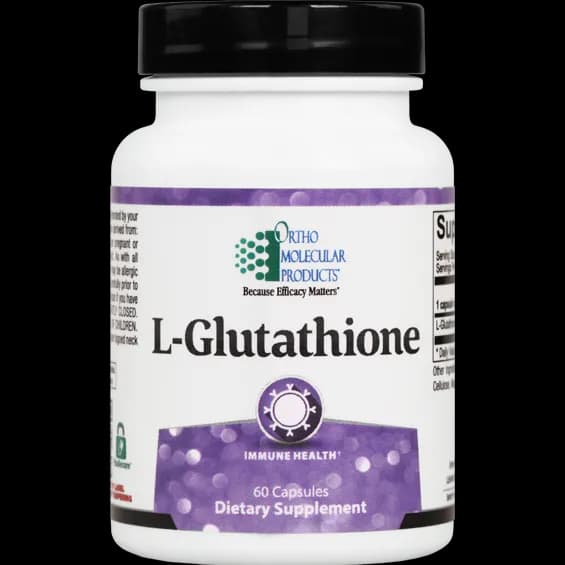
The suggested use for Ortho Molecular’s L-Glutathione is typically one 250 mg capsule per day, or as recommended by a healthcare professional. For optimal absorption, oral glutathione is generally best taken on an empty stomach, either first thing in the morning or between meals. Taking it away from dietary proteins prevents the glutathione tripeptide from competing with other amino acids for intestinal transport mechanisms, thereby maximizing its systemic absorption.
While 250 mg serves as an excellent foundational dose for daily maintenance and gradual cellular repletion, healthcare providers managing severe cases of Long COVID, ME/CFS, or acute mold toxicity may recommend titrating up to higher dosages (such as 500 mg to 1000 mg daily) based on individual clinical presentation and tolerability. It is essential to start low and go slow; introducing high doses of glutathione too rapidly can occasionally trigger a "Herxheimer" or detoxification reaction, where the sudden mobilization of stored toxins temporarily exacerbates symptoms like fatigue, brain fog, or mild nausea.
To maximize the efficacy of L-Glutathione, it is often utilized alongside synergistic nutrients that support the broader redox cycle. N-Acetyl-L-Cysteine (NAC) is frequently paired with glutathione, as NAC provides the rate-limiting amino acid (cysteine) required for the body to synthesize its own endogenous glutathione, creating a powerful two-pronged approach to antioxidant support. Additionally, Vitamin C plays a crucial role in maintaining glutathione in its active, reduced state, while adequate levels of B-vitamins (particularly unmethylated B12 and folate) are necessary to support the methylation cycle that drives natural glutathione production.
L-Glutathione is generally very well tolerated with a high safety profile and no listed allergens in the Ortho Molecular formulation. However, patients with severe sulfur sensitivities or specific genetic mutations affecting sulfur metabolism (such as CBS gene upregulations) should consult their healthcare provider before initiating supplementation, as they may need to process sulfur pathways carefully. As always, supplements should be integrated into a comprehensive care plan under medical supervision to ensure they align with individual health needs and do not interact with existing pharmaceutical regimens.
Follow the Science
The turning point in the scientific consensus regarding oral glutathione absorption came from a premier, long-term, randomized, double-blind, placebo-controlled trial led by Dr. John P. Richie at Penn State University. Published in the European Journal of Nutrition in 2015, this landmark study definitively proved that Setria® Glutathione effectively increases systemic body stores. The trial followed 54 healthy adults over six months, dividing them into a placebo group, a low-dose group (250 mg/day), and a high-dose group (1000 mg/day), meticulously tracking glutathione levels across multiple cellular compartments, as detailed in the published clinical trial.
The results were highly significant and dose-dependent. At the six-month mark, the low-dose group (250 mg/day) demonstrated a 17% increase in whole blood glutathione and a 29% increase in erythrocytes (red blood cells). The high-dose group (1000 mg/day) achieved a 31% increase in whole blood and a 35% increase in erythrocytes. Most staggeringly, the high-dose group exhibited a massive 250% to 260% increase in exfoliated buccal mucosal (cheek) cells. This specific metric was revolutionary, as it proved beyond a doubt that the orally consumed capsule not only survived digestion but was actively transported into deep epithelial tissues throughout the body.
Beyond merely raising blood levels, the Penn State study also evaluated the functional impact of Setria® Glutathione on the immune system. Natural Killer (NK) cells are a critical component of the innate immune system, responsible for identifying and destroying virally infected cells and early-stage malignancies. In patients with ME/CFS and Long COVID, NK cell function is notoriously impaired, leaving the body vulnerable to latent viral reactivations (such as Epstein-Barr Virus) and chronic immune dysfunction.
The clinical data revealed that after just three months of supplementation, the high-dose Setria® group experienced a remarkable two-fold (greater than 200%) increase in Natural Killer cell cytotoxicity compared to baseline. This profound enhancement of immune function highlights glutathione’s role not just as a passive antioxidant, but as an active immunomodulator capable of restoring the aggressive defensive capabilities of white blood cells. This finding is particularly relevant for patients seeking to rebuild their immune resilience after a debilitating viral infection, supporting the therapeutic strategies discussed in Long COVID diagnostic protocols.
Recent high-level research has further illuminated the critical role of glutathione in the specific pathology of chronic neuroimmune diseases. A highly anticipated July 2025 study published in the Proceedings of the National Academy of Sciences (PNAS) conducted a deep systems chemistry analysis of peripheral blood lymphocytes in ME/CFS and Long COVID patients. The researchers utilized advanced mass spectrometry and RNA-sequencing to map the exact metabolic dysfunctions driving these conditions, uncovering striking evidence of severe oxidative stress and mitochondrial lipid oxidative damage mediated by glutathione peroxidase 4, as documented in the PNAS metabolic study.
Crucially, this study identified profound sex-specific differences in how this oxidative stress manifests. Female patients exhibited dramatically higher total reactive oxygen species (ROS) and mitochondrial calcium levels, correlating with the hyperproliferation of memory T cells. Male patients, conversely, showed more pronounced peroxisome dysfunction and severe mitochondrial lipid oxidative damage. Despite these divergent pathways, both sexes converged on the same endpoint: a desperate, compensatory upregulation of intracellular glutathione in immune cells that ultimately drains the host’s systemic energy. These findings underscore the urgent need for targeted antioxidant therapies capable of quenching this systemic ROS burden and restoring metabolic homeostasis.
The clinical efficacy of glutathione is also supported by large-scale patient-reported outcomes among people managing the overlapping triad of Long COVID, ME/CFS, and POTS/dysautonomia, where glutathione therapies are frequently rated among the more helpful interventions for this complex neuroimmune symptom cluster.
These real-world clinical observations align perfectly with the known biochemical mechanisms of glutathione. By facilitating Phase 2 liver detoxification, neutralizing the ROS that trigger mast cell degranulation, and protecting the autonomic nervous system from neuroinflammation, glutathione addresses the root metabolic dysfunctions driving these interconnected conditions. While more large-scale, double-blind clinical trials specific to Long COVID and ME/CFS cohorts are urgently needed, the existing combination of rigorous pharmacokinetic data and compelling patient outcomes solidifies L-Glutathione as a premier therapeutic tool in chronic illness management.
The Path Forward
Living with a complex chronic illness like Long COVID, ME/CFS, dysautonomia, or MCAS is an exhausting, invisible battle. The profound fatigue, cognitive impairment, and autonomic instability you experience are not psychological; they are the direct result of measurable, systemic metabolic dysfunction. The science is clear: your cells are fighting a relentless war against oxidative stress, your mitochondria are struggling to produce energy, and your detoxification pathways are overwhelmed. Understanding the central role that glutathione plays in this biochemical struggle provides not only validation for your symptoms but also a clear, scientifically grounded target for therapeutic intervention.
While there is no single miracle cure for these deeply entrenched conditions, restoring your body’s foundational defense systems is a critical step toward reclaiming your health. By providing your cells with bioavailable L-Glutathione, you may be directly supporting mitochondrial repair, enhancing liver detoxification, and helping to calm a hyper-reactive immune system. It is a process of slowly rebuilding cellular resilience from the inside out, giving your body the biochemical tools required to help break the vicious cycle of chronic inflammation and energy depletion.
Supplementation with high-quality, clinically proven forms like Setria® L-Glutathione should be viewed as one vital component of a comprehensive, multi-disciplinary management strategy. True recovery requires a holistic approach that includes aggressive pacing to prevent post-exertional malaise, targeted nervous system regulation, environmental detoxification, and personalized medical care. Because the absorption of oral glutathione is cumulative, patience and consistency are key; the goal is to steadily replenish deep tissue stores over weeks and months, slowly shifting the cellular environment from a state of emergency to a state of repair.
Always consult with a knowledgeable healthcare provider before introducing new supplements into your regimen, especially if you are navigating severe chemical sensitivities, genetic methylation mutations, or complex medication protocols. A skilled practitioner can help you determine the optimal dosage, identify necessary synergistic co-factors, and monitor your progress to ensure that your treatment plan is safely tailored to your unique biochemical needs.