Can L-Glutathione Support Energy and Detoxification in Long COVID and ME/CFS?
March 5, 2026
L-GlutathioneLong COVIDME/CFS
Share:
Disclaimer: The information provided here is for educational purposes only and is not intended as medical advice. It should not be used to diagnose, treat, cure, or prevent any medical condition. Instead, use it as a starting point for discussion with your healthcare provider. Always consult with a qualified healthcare provider before starting any new medication, supplement, device, or making changes to your health regimen.
Months after recovering from a viral infection, many people find themselves trapped in a relentless cycle of debilitating fatigue, brain fog, and unpredictable symptom flares. This is the reality for millions living with Long COVID symptoms, myalgic encephalomyelitis/chronic fatigue syndrome (ME/CFS), and complex chronic conditions like dysautonomia and mast cell activation syndrome (MCAS). But what drives this persistent exhaustion? Why does the body seem unable to heal? Emerging research points to a critical underlying mechanism: profound, systemic oxidative stress and the depletion of the body's master antioxidant, glutathione.
In a healthy body, glutathione acts as the ultimate cellular protector, neutralizing the toxic byproducts of energy production and defending against environmental stressors. However, during a severe viral infection or prolonged periods of chronic inflammation, this vital defense system can become overwhelmed and depleted. This depletion leaves the mitochondria—the powerhouses of our cells—vulnerable to damage, effectively starving the brain and muscles of the energy they need to function. In this comprehensive guide, we will explore the intricate biochemistry of L-Glutathione Power™, how its depletion drives the symptoms of Long COVID and ME/CFS, and how targeted supplementation can support cellular repair, detoxification, and a return to baseline health.
TL;DR
Viral infections can deplete glutathione, driving oxidative stress and mitochondrial dysfunction in Long COVID and ME/CFS.
Supplementing with L-Glutathione may help restore cellular energy, support detoxification, and manage brain fog.
Orobuccal absorption bypasses the gut, offering a highly effective way to raise systemic glutathione levels.
What is L-Glutathione?
The Body's Master Antioxidant and Tripeptide Structure
Glutathione (GSH) is widely recognized in the medical and scientific communities as the body's most abundant and critical endogenous antioxidant. Unlike vitamins C or E, which must be obtained through the diet, glutathione is synthesized directly within our cells. It is a simple but powerful tripeptide, composed of three amino acid building blocks: glutamate, cysteine, and glycine. In a healthy human body, glutathione is present in the cytosol (the fluid inside cells) at remarkably high concentrations, typically ranging from 1 to 10 millimolar (mM). This high concentration is a testament to its absolute necessity for cellular survival, as it mirrors the cellular concentrations of essential nutrients like glucose, potassium, and cholesterol.
The secret to glutathione's protective power lies in the sulfhydryl (-SH) group attached to its cysteine residue. This specific chemical structure is highly reactive, allowing glutathione to act as a potent electron donor. When volatile, destructive molecules known as reactive oxygen species (ROS) or "free radicals"—such as hydroxyl radicals (HO•) and peroxynitrite—threaten to damage cellular DNA, lipids, or proteins, glutathione steps in. It directly donates a reducing equivalent (a hydrogen electron) to these unstable molecules, neutralizing them into harmless water and oxygen before they can wreak havoc on the cell's delicate machinery.
Direct Scavenging and The Redox Couple
To understand how glutathione protects the body, it is essential to understand the concept of the GSH/GSSG redox couple. In a healthy, unstressed cell, more than 90% of total glutathione exists in its active, "reduced" state, known as GSH. When a molecule of GSH neutralizes a free radical by donating its electron, it becomes oxidized. To stabilize itself, this newly oxidized molecule immediately binds with another oxidized glutathione molecule, forming a disulfide bond and creating GSSG (oxidized glutathione).
The ratio of active GSH to oxidized GSSG is one of the most critical biomarkers scientists use to measure intracellular oxidative stress. A high ratio indicates a healthy, protected cell. However, when a cell is under severe stress—such as during a viral infection or a severe inflammatory flare—the ratio drops precipitously. If the cell cannot recycle GSSG back into GSH fast enough using an enzyme called glutathione reductase, the cell enters a state of toxic oxidative stress, leading to mitochondrial damage and, eventually, programmed cell death (apoptosis).
Enzymatic Cofactor and Protein Protection
Beyond its role as a direct free radical scavenger, glutathione serves as an indispensable cofactor for a family of powerful detoxifying enzymes. One of the most important is Glutathione Peroxidase (GPx). This enzyme relies entirely on a steady supply of GSH to catalyze the reduction of hydrogen peroxide (H2O2) and lipid peroxides into water and harmless alcohols. Without GSH, these peroxides would rapidly destroy the lipid membranes that encase our cells and our mitochondria, leading to catastrophic cellular failure.
Furthermore, under conditions of oxidative stress, glutathione engages in a brilliant protective mechanism known as S-glutathionylation. In this process, GSH covalently binds to the vulnerable cysteine residues of various cellular proteins. This reversible modification acts like a protective shield, preventing these proteins from undergoing irreversible oxidation and permanent destruction. Once the cellular stress has passed, the glutathione detaches, and the protein resumes its normal function. This mechanism also acts as a vital "on/off" switch for cellular signaling, modulating enzyme activity and controlling how DNA binds to transcription factors during an immune response.
How Chronic Illness Impacts the Glutathione System
The Viral Trigger and the Cytokine Storm
The pathophysiology of Long COVID, myalgic encephalomyelitis/chronic fatigue syndrome (ME/CFS), and related dysautonomias shares a striking commonality: severe, persistent post-viral metabolic dysfunction. Understanding what causes Long COVID often begins with the initial trigger—an acute viral infection, such as SARS-CoV-2 (the virus that causes COVID-19) or the Epstein-Barr Virus (EBV). When the body detects these pathogens, the immune system launches a massive defensive response, releasing pro-inflammatory cytokines like IL-6 and TNF-α in what is sometimes called a "cytokine storm."
While this inflammatory response is necessary to destroy the virus, it comes at a steep metabolic cost. The immune system generates massive amounts of reactive oxygen species (ROS) as chemical weapons against the invading pathogen. To protect the host's own tissues from this friendly fire, the body rapidly consumes its stores of reduced glutathione (GSH). In severe acute infections, this systemic consumption can completely drain the body's antioxidant reserves. Research indicates that in severe acute COVID-19, systemic glutathione deficiency is highly correlated with worse outcomes, severe tissue damage, and delayed recovery.
The Glutathione Depletion-Methylation Cycle Block
For most people, once the acute infection clears, the body replenishes its glutathione stores and returns to homeostasis. However, for individuals who develop Long COVID or ME/CFS, the body remains trapped in a vicious cycle of chronic depletion. This phenomenon is often explained by the Glutathione Depletion-Methylation Cycle Block (GD-MCB) hypothesis, originally proposed to explain how Long COVID can trigger ME/CFS. According to this model, the massive oxidative stress of the initial infection not only depletes glutathione but also partially blocks the body's methylation cycle and folate metabolism.
Because a fully functioning methylation cycle is required to synthesize new glutathione, the body becomes biochemically incapable of restoring its antioxidant defenses. This creates a devastating feedback loop: the lack of glutathione allows oxidative stress to run rampant, which further impairs the methylation cycle, which in turn prevents the production of more glutathione. This chronic, systemic depletion allows environmental toxins and latent, dormant infections (such as EBV or human herpesviruses) to reactivate and accumulate, continuously driving immune dysfunction, mast cell activation syndrome (MCAS), and unrelenting fatigue.
The "Energy Sink" and Mitochondrial Damage
The most debilitating consequence of chronic glutathione depletion is its impact on the mitochondria. Mitochondria consume oxygen to produce adenosine triphosphate (ATP), the primary energy currency of the cell. Because they handle so much oxygen, mitochondria naturally generate ROS as a byproduct of energy production. Mitochondrial GSH (which makes up 10–15% of total cellular GSH) is the primary defense line protecting mitochondrial DNA and the electron transport chain from radical-induced degradation. Without adequate glutathione, the mitochondria sustain heavy oxidative damage and lose their ability to produce ATP.
A landmark 2025 study utilizing flow cytometry and mass spectrometry investigated the bioenergetic characteristics of peripheral blood lymphocytes (immune cells) in ME/CFS and Long COVID patients. The researchers discovered that the ratio of mitochondrial calcium (a driver of ROS) to Superoxide Dismutase 2 (an antioxidant enzyme) was highly elevated by 1.75x in ME/CFS and 1.67x in Long COVID compared to healthy controls. Strikingly, the study revealed that the immune cells of these patients act as an "energy sink." In a desperate attempt to survive the overwhelming oxidative stress, the immune cells upregulate their own intracellular glutathione production. Because creating glutathione and fighting ROS is highly energy-dependent, the immune system consumes massive amounts of the host's ATP. This "energy sink" literally starves the brain, heart, and skeletal muscles of energy, directly causing the hallmark symptom of post-exertional malaise (PEM) and the severe exercise intolerance seen in these conditions.
L-Glutathione Power™: Supporting Cellular Repair and Detoxification
Restoring Mitochondrial ATP Production
Supplementing with a high-quality, bioavailable form of glutathione, such as L-Glutathione Power™, aims to break the vicious cycle of oxidative stress and restore cellular energy production. By providing the body with a direct supply of reduced L-glutathione, supplementation helps to bypass the blocked methylation cycle that prevents endogenous production. Once absorbed into the bloodstream and taken up by the cells, this exogenous glutathione immediately goes to work neutralizing the rampant reactive oxygen species (ROS) that are damaging the mitochondria.
At the molecular level, glutathione protects the delicate protein complexes of the mitochondrial electron transport chain (ETC). The ETC is a series of four protein complexes that transfer electrons to generate the proton gradient required for ATP synthesis. When these complexes are damaged by lipid peroxidation (the oxidative degradation of lipids in the mitochondrial membrane), ATP production grinds to a halt. By neutralizing lipid peroxides via the enzyme Glutathione Peroxidase 4 (GPx4), L-glutathione preserves the structural integrity of the mitochondrial membrane, allowing the ETC to resume efficient ATP production. This restoration of cellular energy is critical for alleviating the profound physical fatigue and post-exertional malaise (PEM) that characterize Long COVID and ME/CFS.
Phase II Detoxification and Liver Health
Beyond energy production, glutathione is the absolute linchpin of the body's detoxification system, particularly within the liver. The liver processes toxins, heavy metals, metabolic waste, and pharmaceutical drugs through two primary phases. Phase I detoxification uses cytochrome P450 enzymes to break down toxins, but this process often creates highly reactive, intermediate metabolites that are actually more toxic than the original substance.
This is where Phase II detoxification comes in, and it relies heavily on glutathione. Through a process catalyzed by the enzyme Glutathione S-Transferase (GST), glutathione physically attaches (conjugates) itself to these dangerous electrophilic xenobiotics and intermediate metabolites. This conjugation neutralizes the toxins and transforms them into highly water-soluble compounds. Once water-soluble, these neutralized toxins can be safely and efficiently excreted from the body through bile and urine. For patients with complex chronic illnesses who often suffer from chemical sensitivities, mold toxicity, or a high allostatic load, supporting this Phase II detoxification pathway with L-glutathione is essential for reducing systemic toxic burden and lowering overall inflammation.
Modulating Neuroinflammation and Brain Fog
Cognitive dysfunction, commonly referred to as "brain fog," is one of the most distressing symptoms of Long COVID and ME/CFS. This symptom is heavily driven by neuroinflammation and a breakdown of the blood-brain barrier. The brain consumes roughly 20% of the body's total oxygen supply, making it incredibly susceptible to oxidative stress. Research utilizing proton magnetic resonance spectroscopy (MRS) has demonstrated that patients with ME/CFS have significantly depleted levels of glutathione in their cerebrospinal fluid (CSF) and cerebral cortex.
Without adequate glutathione in the brain, reactive nitrogen species, particularly peroxynitrite, accumulate rapidly. Peroxynitrite is highly toxic to neurons and causes hyper-excitability of the central nervous system, a process known as "kindling." This leads to autonomic nervous system dysfunction (dysautonomia), sensory overload, and severe cognitive deficits. Supplementing with L-glutathione helps to clear these reactive nitrogen species, quench neuroinflammation, and protect the delicate endothelial cells that make up the blood-brain barrier, thereby supporting clearer cognition, improved memory retrieval, and a calmer nervous system.
Inhibiting Immunothrombosis and Microclots
A major, emerging feature of Long COVID pathophysiology is the presence of amyloid microclots—fibrin-rich blood clots that block the tiny capillaries of the circulatory system. These microclots prevent oxygen and vital nutrients from reaching the skeletal muscles and organs, contributing heavily to fatigue and tissue hypoxia.
Interestingly, glutathione naturally functions as an inhibitor of platelet aggregation and immunothrombosis. Systemic glutathione depletion, combined with elevated ROS, damages the endothelial lining of the blood vessels. This endothelial damage exposes underlying collagen, which triggers platelet hyperactivation and the persistent formation of these microclots. By restoring systemic antioxidant status, L-glutathione helps to heal the endothelial lining, soothe vascular inflammation, and reduce the hyperactive clotting cascade, improving microcirculation and oxygen delivery throughout the body.

Symptoms L-Glutathione May Help Manage
Systemic and Cognitive Symptoms
Because glutathione operates at the foundational, cellular level, its depletion—and subsequent restoration—can impact a wide array of multi-system symptoms. For patients navigating the complexities of post-viral syndromes, L-Glutathione Power™ may help manage the following systemic and cognitive issues:
Post-Exertional Malaise (PEM): By protecting the mitochondrial electron transport chain from oxidative damage, glutathione supports the cellular ATP production required to recover from physical or cognitive exertion, potentially reducing the severity and duration of "crashes," which helps explain why Long COVID symptoms come and go.
Profound, Unrelenting Fatigue: By reducing the "energy sink" effect where immune cells hoard ATP to fight rampant oxidative stress, systemic glutathione supplementation helps free up energy for the brain and skeletal muscles.
Brain Fog and Cognitive Dysfunction: By clearing highly toxic peroxynitrite and reactive nitrogen species from the central nervous system, glutathione helps lower neuroinflammation, supporting improved focus, memory retrieval, and mental clarity.
Muscle Pain and Weakness: By neutralizing lipid peroxides and improving microcirculation (through the reduction of endothelial inflammation and microclotting), glutathione helps deliver oxygen to starved muscle tissues, alleviating hypoxic pain.
Immune and Autonomic Symptoms
The immune and autonomic nervous systems are highly sensitive to redox imbalances. Restoring the GSH/GSSG ratio can have profound stabilizing effects on these systems:
Dysautonomia and POTS Flares: Neuroinflammation in the brainstem and hypothalamus can drive the autonomic dysfunction seen in Postural Orthostatic Tachycardia Syndrome (POTS). By quenching central nervous system oxidative stress, glutathione supports a calmer, more regulated autonomic response.
Mast Cell Activation Syndrome (MCAS): Mast cells are highly reactive to environmental toxins and oxidative stress. By supporting Phase II liver detoxification and neutralizing systemic free radicals, glutathione helps lower the overall toxic burden that frequently triggers mast cell degranulation and allergic-type flares.
Frequent Infections and Immune Dysregulation: Glutathione is essential for the proper proliferation and function of Natural Killer (NK) cells and T-lymphocytes. Supplementation supports a more robust, coordinated immune response against latent viral reactivations (like EBV) without triggering excessive, damaging inflammation.
Chemical and Environmental Sensitivities: By upregulating the Glutathione S-Transferase (GST) enzyme pathway in the liver, glutathione enhances the body's ability to conjugate and excrete everyday environmental toxins, heavy metals, and mold mycotoxins, reducing hypersensitivity reactions.
Practical Considerations: Forms, Dosing, and Absorption
The Bioavailability Challenge
Historically, oral glutathione supplementation has been a subject of intense debate within the medical community due to significant bioavailability challenges. When standard glutathione pills or capsules are swallowed, they enter the harsh environment of the gastrointestinal (GI) tract. Here, an intestinal enzyme known as γ-glutamyltransferase rapidly hydrolyzes (breaks down) the tripeptide structure of glutathione into its constituent amino acids before it can be absorbed intact.
Furthermore, any intact glutathione that does manage to cross the intestinal wall is immediately routed to the liver via the portal vein, where it is subjected to heavy "first-pass metabolism." Because of this rigorous digestive and hepatic breakdown, early pharmacokinetic studies demonstrated that standard oral glutathione often fails to significantly boost serum or intracellular levels, rendering many traditional, over-the-counter supplements highly ineffective for chronic illness management.
The Orobuccal (Transmucosal) Advantage
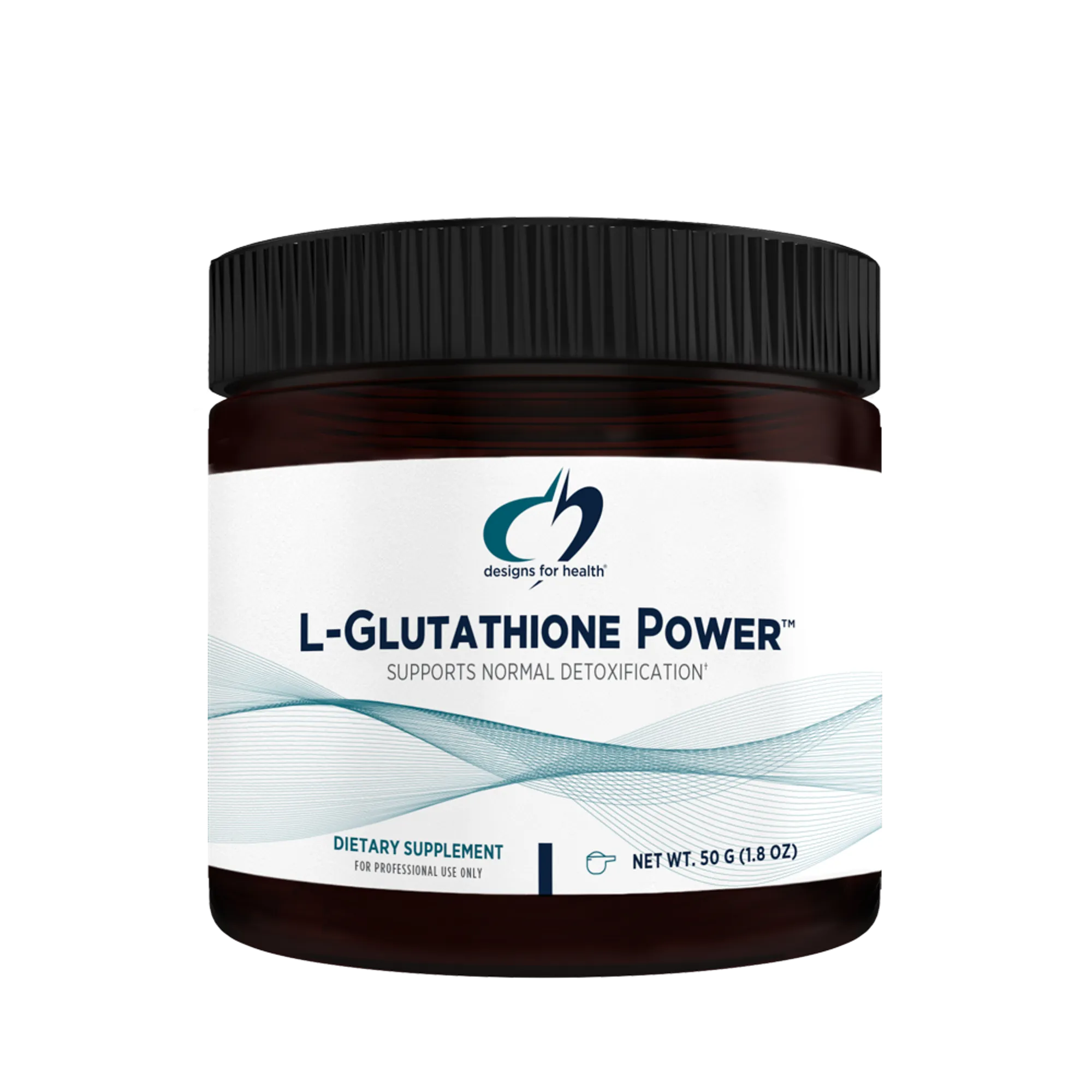
To overcome the destruction of glutathione in the gut, Designs for Health formulated L-Glutathione Power™ as a pure, unflavored powder designed for a specific administration technique: orobuccal (transmucosal) absorption. Rather than mixing the powder into a large glass of water and swallowing it immediately, the manufacturer and functional medicine practitioners recommend placing the powder directly in the mouth (or mixing it with a tiny sip of water) and holding it under the tongue or against the cheeks for 30 to 90 seconds before swallowing.
This method is highly effective because the oral mucosa—the delicate lining of the mouth, cheeks, and sublingual area—features a rich, dense network of capillaries and lymphatic drainage. When the L-Glutathione Power™ powder dissolves in the mouth, the reduced glutathione molecules absorb directly through this mucosal tissue, entering the systemic blood circulation immediately. Clinical reviews have shown that this transmucosal route successfully bypasses the destructive enzymes of the GI tract and the liver's first-pass metabolism, resulting in a rapid and statistically significant increase in blood GSH concentrations.
Dosing Protocols, Co-factors, and Safety
L-Glutathione Power™ provides a substantial, clinical-grade dose of 1 gram (1,000 mg) of reduced L-glutathione per serving (approximately one scoop or 1/2 teaspoon). This high dosage is specifically supported by long-term clinical trials demonstrating its efficacy in raising cellular stores over time. For patients with Long COVID or ME/CFS, practitioners often recommend starting with a smaller dose (e.g., 1/4 or 1/2 scoop) to assess tolerance, as rapid detoxification can sometimes cause a temporary exacerbation of symptoms (a Herxheimer reaction) as toxins are mobilized.
To maximize the efficacy of L-glutathione, it is often beneficial to pair it with specific antioxidant co-factors. Alpha-Lipoic Acid (ALA) and Vitamin C are highly synergistic with glutathione; they act as "redox recyclers," helping to convert oxidized GSSG back into active, reduced GSH, thereby extending the lifespan and protective power of the supplement in the body. Additionally, supporting the methylation cycle with active B-vitamins (like methylfolate and methylcobalamin) can help the body eventually resume its own endogenous production of glutathione.
Regarding safety, L-glutathione is generally very well tolerated, as it is a naturally occurring compound in the body. However, individuals with a known sensitivity to sulfur or those with severe sulfite oxidase deficiency should consult their healthcare provider before initiating high-dose glutathione therapy. As always, because chronic illnesses are highly complex and individualized, it is crucial to work with a knowledgeable practitioner to determine the optimal dosing strategy and ensure it does not interact with other medications or detoxification protocols.

Follow the Science
Long-Term Oral Efficacy Trials
While early studies questioned the efficacy of oral glutathione, more recent, rigorous clinical trials have proven that high-dose, long-term supplementation can profoundly impact cellular health. A landmark 6-month randomized, double-blinded, placebo-controlled trial conducted at Penn State University and published in the European Journal of Nutrition tested the exact 1,000 mg/day dose found in L-Glutathione Power™. The researchers evaluated 54 non-smoking adults, measuring their intracellular glutathione levels across multiple tissue compartments.
The findings were groundbreaking: at the 6-month mark, subjects taking the 1,000 mg daily dose experienced a 30% to 35% increase in glutathione levels within their erythrocytes (red blood cells), plasma, and lymphocytes. Even more impressively, they saw a massive 260% increase in exfoliated buccal (inner cheek) cells. Furthermore, the study evaluated a battery of immune markers as secondary outcomes to assess its broader effects. This data strongly supports the use of high-dose, transmucosally absorbed glutathione for restoring systemic antioxidant defenses and supporting immune function.
Brain Imaging and ME/CFS Deficits
The connection between glutathione depletion and the neurological symptoms of chronic fatigue is heavily supported by advanced neuroimaging studies. Researchers at Weill Cornell Medical College utilized proton magnetic resonance spectroscopy (MRS)—a specialized MRI technique that can measure the chemical composition of living tissue—to evaluate the brains of patients with ME/CFS. Their clinical trials (NCT04542161) conclusively demonstrated that ME/CFS patients suffer from a significant, localized deficit of glutathione in the cerebral cortex, directly correlating with the severity of their neuroinflammation and cognitive dysfunction.
Preliminary findings from these ongoing trials have shown that utilizing glutathione precursors (like high-dose N-acetylcysteine) successfully restores these brain glutathione levels, reduces markers of central nervous system oxidative stress, and significantly ameliorates the clinical symptoms of ME/CFS. This neuroimaging data provides objective, biological validation for the "brain fog" experienced by patients and underscores the critical importance of replenishing central nervous system GSH.
Recent Long COVID and Cellular Data
The most recent data from 2025 continues to solidify oxidative stress as the shared mechanistic basis for post-viral syndromes. A comprehensive study analyzing peripheral blood lymphocytes in ME/CFS and Long COVID patients utilized advanced flow cytometry and mass spectrometry to observe aberrations in reactive oxygen species (ROS) clearance pathways. The researchers confirmed that both patient cohorts exhibit profound signs of elevated oxidative stress, particularly in memory T-cells, alongside severe decreases in mitochondrial superoxide dismutase protein levels and elevated lipid oxidative damage.
Furthermore, recent in vitro studies investigating the effects of the SARS-CoV-2 spike protein on human peripheral blood mononuclear cells (PBMCs) have shown that the introduction of bioavailable glutathione significantly reduces malondialdehyde (MDA), a primary, destructive biomarker for lipid peroxidation and oxidative stress. Together, these clinical and cellular studies paint a clear picture: restoring the glutathione redox balance is not merely a supportive measure, but a targeted intervention addressing the core pathophysiology of Long COVID and ME/CFS.
The Path Forward
A Pillar of Comprehensive Care
Living with a complex chronic illness like Long COVID, ME/CFS, or dysautonomia is an incredibly challenging journey. The profound fatigue, the unpredictable crashes, and the cognitive fog are not just "in your head"—they are the result of measurable, biological dysfunctions, deeply rooted in mitochondrial impairment and systemic oxidative stress. Understanding the role that glutathione depletion plays in these conditions is a validating step forward when learning how you can live with long-term COVID. It provides a clear, scientific explanation for why your body feels starved of energy and why recovery has been so difficult to achieve.
While there is no single "cure" for these complex post-viral syndromes, restoring your cellular antioxidant defenses is a powerful, foundational strategy. Supplementing with a high-quality, bioavailable form of glutathione can help break the vicious cycle of oxidative stress, protect your mitochondria, and support your liver's ability to clear inflammatory toxins. However, it is important to remember that supplements are just one piece of a comprehensive management puzzle. True recovery requires a multi-system approach that includes aggressive rest, meticulous symptom tracking, pacing to avoid post-exertional malaise, and targeted medical care to address co-occurring conditions like POTS and MCAS.
Taking the Next Step
If you are struggling with unrelenting fatigue, brain fog, or signs of toxic burden, L-Glutathione Power™ offers a clinical-grade, transmucosally absorbable solution to help replenish your body's master antioxidant. By delivering 1 gram of reduced L-glutathione per serving, it provides the robust support your cells need to begin repairing mitochondrial damage and neutralizing systemic inflammation.
Disclaimer: The information provided in this blog is for educational purposes only and is not intended as a substitute for professional medical advice, diagnosis, or treatment. Always consult your healthcare provider before starting any new supplement, especially if you have a complex chronic condition, are pregnant, or are taking other medications.
Sources
Redox imbalance links COVID-19 and myalgic encephalomyelitis/chronic fatigue syndrome (PNAS)
Oxidative stress is a shared characteristic of ME/CFS and Long COVID (PubMed)
Augmented Glutathione Absorption from Oral Mucosa (Journal of Clinical Medicine)
The Role of Glutathione in Prevention of COVID-19 Immunothrombosis: A Review (PMC)
Efficacy of N-Acetylcysteine in ME/CFS (ClinicalTrials.gov NCT04542161)