Can L-Glutamine Heal the Gut and Reduce Fatigue in Long COVID and ME/CFS?
March 5, 2026
L-GlutamineLong COVIDME/CFS
Share:
Disclaimer: The information provided here is for educational purposes only and is not intended as medical advice. It should not be used to diagnose, treat, cure, or prevent any medical condition. Instead, use it as a starting point for discussion with your healthcare provider. Always consult with a qualified healthcare provider before starting any new medication, supplement, device, or making changes to your health regimen.
The journey through complex chronic illnesses like Long COVID, myalgic encephalomyelitis/chronic fatigue syndrome (ME/CFS), and dysautonomia often feels like navigating a maze with no clear exit. You might find yourself battling profound exhaustion, unpredictable gastrointestinal distress, and a pervasive "brain fog" that makes even simple tasks feel insurmountable. For many patients, these systemic symptoms are not just isolated issues; they are deeply interconnected, often tracing back to a central hub of health: the gut microbiome and the intestinal barrier. When the gut is compromised, the entire body feels the impact, leading to a cascade of inflammatory responses that can exacerbate every other symptom you experience.
In the search for validating, science-backed management strategies, one conditionally essential amino acid has emerged as a cornerstone of gut rehabilitation and immune support: L-Glutamine. While often associated with sports nutrition and muscle recovery, L-Glutamine plays a far more critical role in clinical immunology and gastroenterology. It serves as the primary fuel source for the cells lining your intestinal tract and is heavily utilized by your immune system during times of severe metabolic stress or viral infection. By understanding how L-Glutamine interacts with cellular pathways to repair tight junctions and modulate inflammation, we can better appreciate its potential role in a comprehensive recovery protocol for complex chronic conditions.
TL;DR
L-Glutamine supports gut barrier repair and may help manage "leaky gut" in chronic conditions.
It fuels immune cells and aids in clearing fatigue-inducing metabolic waste like ammonia.
Supplementation may help reduce systemic inflammation, brain fog, and post-exertional malaise (PEM).
High-quality, free-form L-Glutamine taken on an empty stomach maximizes absorption and efficacy.
What is L-Glutamine?
The Body's Most Abundant Amino Acid
L-Glutamine is the most abundant free amino acid found in the human bloodstream and skeletal muscle tissue. In a healthy, unstressed body, it is classified as a "non-essential" amino acid, meaning that your body can synthesize enough of it on its own without needing to obtain it strictly from dietary sources. It is produced primarily in the muscles and lungs, and then transported through the blood to the organs that need it most. However, this classification changes dramatically during periods of severe physical stress, trauma, chronic infection, or prolonged inflammation. Under these demanding conditions, L-Glutamine becomes "conditionally essential." This means the body's demand for the amino acid rapidly outpaces its ability to produce it, leading to a state of depletion that can severely compromise various physiological systems if not addressed through targeted supplementation or specific dietary interventions.
At the molecular level, L-Glutamine acts as a crucial nitrogen and carbon donor. It is involved in the synthesis of other amino acids, proteins, nucleotides (the building blocks of DNA and RNA), and glucose. Because it carries two amine groups, it acts as a primary non-toxic transporter of ammonia in the blood, safely moving this metabolic waste product from peripheral tissues to the liver and kidneys for processing and excretion. This ammonia-scavenging role is particularly vital for helping to prevent neurotoxicity and reducing the muscular fatigue that often accompanies elevated ammonia levels. By facilitating these foundational biochemical processes, L-Glutamine ensures that rapidly dividing cells have the raw materials they need to function, replicate, and repair damaged tissues across the body.
Fueling the Gut and Immune System
One of the most critical roles of L-Glutamine is serving as the primary metabolic fuel source for enterocytes, which are the specialized epithelial cells that line the entire gastrointestinal tract. Unlike most other cells in the body that rely primarily on glucose for energy, enterocytes preferentially consume L-Glutamine. They rapidly metabolize it to produce adenosine triphosphate (ATP), the cellular energy currency required to maintain the structural integrity of the intestinal mucosa. This constant supply of energy is necessary because the gut lining has one of the highest cellular turnover rates in the body, constantly shedding and replacing cells to maintain a robust barrier against pathogens, toxins, and undigested food particles. Without adequate L-Glutamine, the enterocytes literally starve, leading to the rapid degradation of the intestinal barrier.
Beyond the gut, L-Glutamine is absolutely indispensable for the proper functioning of the immune system. Lymphocytes (a type of white blood cell that includes T-cells and B-cells), neutrophils, and macrophages all rely heavily on L-Glutamine for their proliferation and pathogen-destroying activities. During an active infection or a state of chronic immune activation—such as that seen in Long COVID or ME/CFS—the immune system's consumption of L-Glutamine skyrockets. Macrophages use it to fuel phagocytosis (the process of engulfing and destroying cellular debris and pathogens), while lymphocytes require it to rapidly divide and mount an effective antibody response. If blood levels of L-Glutamine drop below a critical threshold, immune cell function is severely impaired, leaving the body vulnerable to opportunistic infections and unable to resolve ongoing inflammatory cascades.
The Precursor to Master Antioxidants
In addition to its roles in energy production and immune fueling, L-Glutamine is a direct and necessary precursor to the synthesis of glutathione, widely considered the body's "master antioxidant." Glutathione is a tripeptide composed of three amino acids: glutamine, cysteine, and glycine. Inside the cells, L-Glutamine is converted into glutamate, which then combines with cysteine and glycine to form glutathione. This powerful antioxidant is concentrated in the liver, lungs, and gastrointestinal tract, where it plays a vital role in neutralizing reactive oxygen species (ROS) and mitigating oxidative stress. Oxidative stress occurs when there is an imbalance between the production of cell-damaging free radicals and the body's ability to neutralize them, a state that is heavily implicated in the pathophysiology of complex chronic illnesses.
By supporting the continuous production of glutathione, L-Glutamine helps protect cellular structures, including mitochondrial membranes and DNA, from oxidative damage. In the gut specifically, this antioxidant defense is crucial for protecting the delicate tight junction proteins from being destroyed by localized inflammation. Furthermore, adequate glutathione levels are necessary for proper detoxification processes in the liver, helping the body clear out metabolic waste, environmental toxins, and the byproducts of chronic viral infections. Therefore, a deficiency in L-Glutamine not only starves the gut and immune cells but also severely cripples the body's primary defense mechanism against systemic oxidative damage, creating a vicious cycle of cellular injury and fatigue.
How Long COVID and ME/CFS Impact Gut Health
Viral Persistence and Microbiome Dysbiosis
To understand why L-Glutamine is so highly regarded in the management of complex chronic conditions, we must first examine how illnesses like Long COVID and ME/CFS fundamentally disrupt the gastrointestinal system. SARS-CoV-2, the virus responsible for COVID-19, is not exclusively a respiratory pathogen; it heavily targets the gastrointestinal tract due to the high concentration of ACE2 receptors found on the surface of intestinal enterocytes. Research has shown that even months or years after the initial acute infection, many Long COVID patients harbor viral reservoirs or viral RNA fragments within their gut tissue. This persistent viral presence triggers an ongoing, localized immune response that chronically alters the gut environment, leading to a profound state of microbiome dysbiosis—a severe imbalance between beneficial and harmful gut bacteria.
Clinical studies analyzing the stool of Long COVID and ME/CFS patients consistently reveal a marked depletion of beneficial, immunomodulatory bacteria, such as Faecalibacterium prausnitzii and Bifidobacterium. These keystone species are responsible for producing short-chain fatty acids (SCFAs) like butyrate, which help keep the gut lining healthy and suppress inflammation. Simultaneously, there is often an overgrowth of opportunistic, pro-inflammatory pathogens like Streptococcus and Actinomyces. This shift in the microbial landscape increases the Firmicutes-to-Bacteroidetes ratio, creating a highly toxic and inflammatory environment within the intestines. The loss of beneficial bacteria means the gut loses its natural ability to regulate the local immune system, setting the stage for widespread structural damage to the intestinal wall.
The "Leaky Gut" and Systemic Inflammation
The combination of viral persistence, microbiome dysbiosis, and localized inflammation inevitably leads to the degradation of the intestinal barrier, a condition clinically known as intestinal hyperpermeability, or "leaky gut." The intestinal lining is only one cell thick, and these cells are glued together by complex protein structures called tight junctions. When the gut is inflamed, the body releases pro-inflammatory cytokines (like TNF-α and IL-6) that actively dismantle these tight junctions. As the spaces between the enterocytes widen, the gut loses its selective filtering ability. Instead of only allowing fully digested nutrients to pass through, the compromised barrier allows endotoxins (such as lipopolysaccharides, or LPS, from the cell walls of gram-negative bacteria), undigested food proteins, and microbial fragments to "leak" directly into the bloodstream.
Once these foreign substances enter systemic circulation, they trigger a massive, full-body immune response. The immune system identifies these translocated particles as dangerous invaders, launching an aggressive attack that results in systemic inflammation. This systemic inflammation is not confined to the body; it can cross the blood-brain barrier, leading to neuroinflammation. Functional medicine experts and neurologists increasingly point to this gut-driven neuroinflammatory cascade as a primary physiological mechanism behind the debilitating "brain fog," cognitive dysfunction, and severe fatigue experienced by patients with Long COVID and ME/CFS. Furthermore, this constant state of immune hypervigilance drains cellular energy reserves, exacerbating mitochondrial dysfunction and contributing heavily to post-exertional malaise (PEM).
The Glutamine Depletion Crisis
In the face of this chronic gastrointestinal and systemic warfare, the body's demand for L-Glutamine skyrockets. The rapidly dividing immune cells require massive amounts of glutamine to sustain their attack on translocated toxins, while the damaged enterocytes desperately need it to produce the ATP required for cellular repair. However, because patients with Long COVID and ME/CFS are often trapped in a prolonged catabolic state—where the body breaks down its own tissues for energy—their natural ability to synthesize L-Glutamine is severely impaired. Metabolic analyses of severe COVID-19 patients have revealed profound deficiencies in circulating glutamine, which strongly correlates with increased disease severity, elevated C-reactive protein (CRP) levels, and immune cell exhaustion.
This glutamine depletion creates a devastating vicious cycle. The gut needs L-Glutamine to heal the tight junctions and stop the leakage of toxins. But because the gut is leaking toxins, the immune system is hyperactivated, consuming all available L-Glutamine in the bloodstream. With no L-Glutamine left for the enterocytes, the gut barrier continues to degrade, allowing more toxins to leak, which further drives immune activation and glutamine consumption. Over time, this chronic depletion also forces the body to break down skeletal muscle tissue to harvest stored glutamine, leading to the muscle wasting, profound weakness, and exercise intolerance frequently observed in complex chronic illnesses. Breaking this cycle requires targeted, high-dose L-Glutamine supplementation to meet the body's overwhelming metabolic demands.
L-Glutamine: Supporting Intestinal Integrity and Energy
Repairing Tight Junctions at the Molecular Level
The primary therapeutic application of L-Glutamine in chronic illness is its remarkable ability to repair and maintain the integrity of the intestinal epithelial barrier. It achieves this through several highly specific, interconnected molecular pathways that directly regulate tight junction proteins. Tight junctions are composed of transmembrane proteins, primarily Claudins, Occludin, and Junctional Adhesion Molecules (JAMs), which are anchored to the cell's internal cytoskeleton by scaffolding proteins like Zonula Occludens (ZO-1, ZO-2, and ZO-3). When L-Glutamine is introduced to damaged enterocytes, it induces the transactivation of the Epidermal Growth Factor Receptor (EGFR). This activation initiates a signaling cascade that turns on Protein Kinase C (PKC) and Mitogen-Activated Protein Kinases (MAPKs), which dynamically stabilize the actomyosin ring, pulling the tight junction proteins firmly back into place and sealing the paracellular gaps.
Furthermore, L-Glutamine actively modulates the PI3K/Akt and AMPK signaling pathways. Glutamine deprivation rapidly activates the PI3K/Akt pathway, which drastically reduces the expression of Claudin-1, leading to a leaky barrier. Restoring L-Glutamine reverses this process, directly stimulating the synthesis and correct membrane localization of both Claudin-1 and Occludin. Simultaneously, L-Glutamine activates the Calcium/calmodulin-dependent protein kinase kinase 2 (CaMKK2)—AMP-activated protein kinase (AMPK) pathway. AMPK acts as a master regulator of cellular energy and polarity, actively promoting the assembly of new tight junctions and increasing the localized density of ZO-1 proteins. By engaging these multiple genetic and structural pathways, L-Glutamine acts as a master architect, rebuilding the compromised gut wall from the ground up.
Calming the Hyperactive Immune Response
By effectively sealing the leaky gut, L-Glutamine addresses one of the root causes of systemic immune hyperactivation. When endotoxins like lipopolysaccharides (LPS) are no longer able to freely translocate from the intestinal lumen into the bloodstream, the systemic immune system is finally allowed to stand down. This reduction in circulating toxins leads to a corresponding decrease in the production of pro-inflammatory cytokines, such as TNF-α, IL-1β, and IL-6. This mechanism is particularly vital for patients with mast cell activation syndrome (MCAS) and Long COVID, where the immune system is locked in a state of chronic, inappropriate reactivity. By cutting off the steady supply of inflammatory triggers at the source, L-Glutamine helps lower the overall inflammatory burden on the body.
In addition to its barrier-sealing effects, L-Glutamine directly influences immune cell behavior. Under physiological stress, L-Glutamine activates Heat Shock Factor-1 (HSF-1), leading to the robust expression of Heat Shock Protein 70 (HSP70). HSP70 acts as a cellular chaperone that not only stabilizes tight junction proteins but also actively inhibits the NF-κB inflammatory signaling pathway. NF-κB is a master genetic switch that controls the production of inflammatory mediators. By inhibiting NF-κB, L-Glutamine helps prevent immune cells from releasing excessive cytokines, thereby mitigating the "cytokine storms" and chronic low-grade inflammation that drive the debilitating symptoms of ME/CFS and dysautonomia. It also supports the production of Secretory Immunoglobulin A (SIgA), a crucial antibody that neutralizes pathogens directly within the mucosal lining before they can breach the barrier.
Ammonia Clearance and Muscle Recovery
Beyond the gut-immune axis, L-Glutamine plays a pivotal role in managing metabolic waste products that contribute to profound physical fatigue and post-exertional malaise (PEM). During periods of physical exertion or metabolic stress, the body produces ammonia as a byproduct of protein breakdown and cellular metabolism. In patients with ME/CFS and Long COVID, mitochondrial dysfunction often leads to an accelerated accumulation of ammonia in the blood and skeletal muscles. Elevated ammonia levels are highly neurotoxic; they cross the blood-brain barrier, altering neurotransmitter balance and contributing significantly to the sensation of "brain fog" and central nervous system fatigue. In the muscles, accumulated ammonia interferes with energy production, leading to premature exhaustion, heavy limbs, and deep muscle aching.
L-Glutamine acts as the body's primary vehicle for safely transporting and neutralizing this toxic ammonia. The enzyme glutamine synthetase binds ammonia to glutamate to form L-Glutamine, effectively trapping the toxic nitrogen. The L-Glutamine is then transported through the bloodstream to the liver and kidneys, where the ammonia is safely detached and excreted as urea in the urine. By facilitating this crucial detoxification process, L-Glutamine supplementation helps prevent the rapid accumulation of ammonia during physical activity or stress. Studies on strenuous exercise have shown that L-Glutamine supplementation decreases markers of muscle damage, such as creatine kinase and lactate dehydrogenase, and reduces the severity of the inflammatory response. For patients navigating the delicate balance of pacing, supporting ammonia clearance can be a valuable tool in reducing the severity of PEM crashes.

Symptoms L-Glutamine May Help Manage
While L-Glutamine is not a cure for complex chronic illnesses, its ability to repair the gut barrier, support immune function, and clear metabolic waste makes it a powerful tool for managing a wide array of interconnected symptoms. Patients incorporating L-Glutamine into their protocols often report improvements in the following areas:
Gastrointestinal Distress (Bloating, Diarrhea, Pain): By repairing the tight junctions and reducing intestinal hyperpermeability, L-Glutamine helps calm the localized inflammation that drives irritable bowel syndrome (IBS)-like symptoms, leading to more regular bowel movements and reduced abdominal discomfort.
Severe "Brain Fog" and Cognitive Dysfunction: By sealing the gut barrier, L-Glutamine helps prevent neurotoxic endotoxins (like LPS) from entering the bloodstream and crossing the blood-brain barrier, thereby reducing the neuroinflammation that impairs focus, memory, and cognitive processing.
Post-Exertional Malaise (PEM) and Muscle Aching: L-Glutamine acts as a primary transporter for toxic ammonia, clearing this fatigue-inducing metabolic waste product from skeletal muscles and the central nervous system, which may help reduce the severity of crashes and muscle pain following physical or cognitive exertion.
Chronic Fatigue and Low Energy: Enterocytes and immune cells rely on L-Glutamine for ATP production. Supplementation provides these highly active cells with their preferred fuel source, helping to prevent the body from cannibalizing its own muscle tissue for energy and helping to stabilize overall systemic energy levels.
Food Sensitivities and MCAS Triggers: A leaky gut allows undigested food proteins to enter the bloodstream, where they are flagged as foreign invaders by mast cells and the immune system. By restoring the intestinal barrier, L-Glutamine helps prevent these inappropriate immune reactions, potentially reducing the frequency and severity of food-triggered symptom flares.
Frequent Infections and Immune Exhaustion: Lymphocytes and macrophages require massive amounts of L-Glutamine to proliferate and function. Supplementing helps replenish depleted reserves, supporting a more resilient and balanced immune response against opportunistic pathogens.
Practical Considerations: Forms, Dosing, and Absorption
Optimal Forms and Bioavailability
When selecting an L-Glutamine supplement, the form and quality of the amino acid are paramount for ensuring maximum bioavailability and therapeutic efficacy. The most widely researched and clinically utilized form is free-form L-Glutamine. "Free-form" means that the amino acid is not bound to other proteins or peptides; it is in its singular, isolated state. This is crucial because it requires zero digestion. When you ingest free-form L-Glutamine, it is immediately available for uptake by the enterocytes lining your stomach and intestines. For patients with Long COVID, ME/CFS, or dysautonomia who often suffer from compromised digestion, low stomach acid, or pancreatic enzyme insufficiency, bypassing the need for complex protein breakdown ensures that the therapeutic compound actually reaches the damaged tissues it is meant to heal.
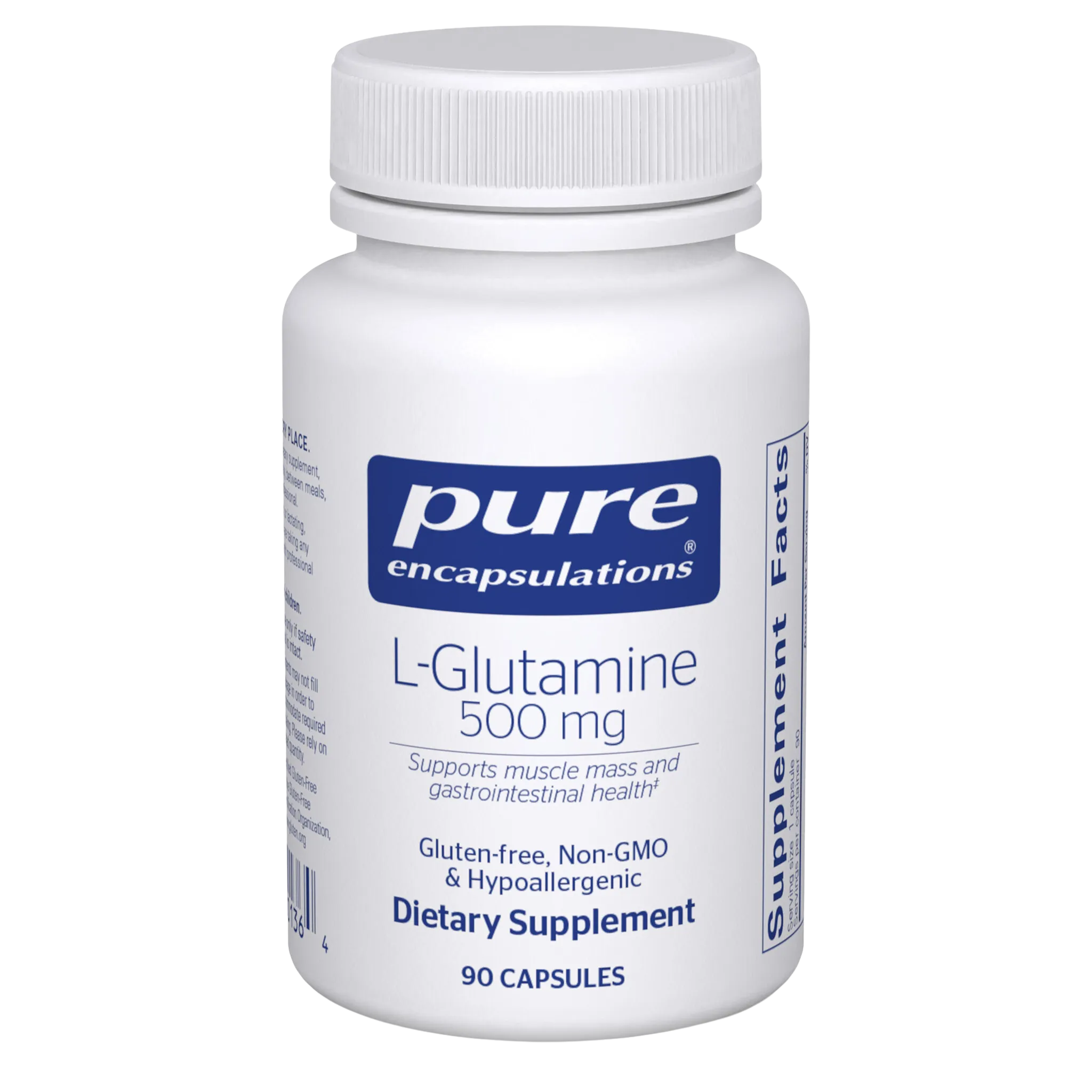
Pure Encapsulations L-Glutamine provides exactly this highly bioavailable, free-form version. It is also essential to choose a product that is certified vegetarian and Non-GMO, as lower-quality amino acid supplements can sometimes be synthesized using harsh chemical processes or derived from questionable sources. Furthermore, because patients with mast cell activation syndrome (MCAS) and severe gut dysbiosis are often highly sensitive to excipients, fillers, and artificial additives, selecting a hypoallergenic, pure formulation minimizes the risk of triggering a localized mast cell reaction in the highly reactive gut mucosa. The purity of the supplement directly impacts how well the delicate intestinal lining can tolerate and utilize the amino acid.
Clinical Dosing Strategies and Timing
The efficacy of L-Glutamine is highly dose-dependent, and the optimal dosage varies significantly based on the severity of the intestinal permeability and the specific goals of the patient. For general gut health maintenance and mild gastrointestinal support, standard doses typically range from 1,500 mg to 5,000 mg (1.5 to 5 grams) per day. The Pure Encapsulations product offers 500 mg capsules, making it easy to titrate the dose slowly. A common starting protocol is 1 capsule (500 mg) taken 1 to 4 times daily. However, for patients actively trying to repair severe "leaky gut" or managing post-infectious IBS, clinical trials often utilize much higher doses. Studies have shown high success rates using 5 grams of L-Glutamine taken three times daily (15 grams total per day) to normalize intestinal permeability.
Timing and administration are just as important as the dose itself. L-Glutamine should ideally be taken on an empty stomach, between meals. If taken alongside a heavy meal containing other dietary proteins, the L-Glutamine will have to compete with other amino acids for absorption across the intestinal wall, significantly reducing its targeted therapeutic effect on the enterocytes. Furthermore, L-Glutamine is highly sensitive to heat. It should never be mixed into hot beverages like tea or coffee, as high temperatures will denature the amino acid and destroy its efficacy. Instead, capsules should be taken with room-temperature or cool water. For those utilizing larger doses of powder, it should be mixed into cold water or a cool smoothie and consumed immediately, as it can degrade if left sitting in liquid for prolonged periods.
Safety, Tolerability, and Potential Interactions
L-Glutamine is generally recognized as highly safe, given that it is a naturally occurring compound already present in large quantities within the human body. The U.S. FDA has even approved L-Glutamine at massive doses of up to 30 grams per day for specific medical conditions like Sickle Cell Disease. However, because the metabolism of glutamine produces ammonia as a byproduct, taking excessively large single doses can overwhelm the liver's ability to process the nitrogen, leading to transient nausea, upper GI discomfort, or belching. Clinical pilot studies indicate that single boluses exceeding 0.5 grams per kilogram of body weight can induce gastrointestinal side effects. Therefore, if you and your healthcare provider decide to utilize higher daily doses (e.g., 10 to 15 grams), it is imperative to divide that total amount into smaller, 3 to 5-gram increments spread evenly throughout the day to ensure optimal tolerance and help prevent ammonia spikes.
There are specific populations who should exercise extreme caution or avoid L-Glutamine supplementation altogether. Individuals with severe liver disease (such as cirrhosis or hepatic encephalopathy) or severe kidney disease should not take L-Glutamine, as their organs may be unable to effectively clear the resulting ammonia, leading to dangerous neurotoxicity. Additionally, some patients with bipolar disorder or a history of seizures may be sensitive to glutamine, as it is a precursor to the excitatory neurotransmitter glutamate; excess glutamate can theoretically lower the seizure threshold or trigger manic episodes in susceptible individuals. Always consult with a knowledgeable healthcare provider before introducing L-Glutamine, especially if you are taking anticonvulsant medications or have a history of severe hepatic or renal impairment.
Follow the Science
L-Glutamine in Post-Infectious IBS
The scientific literature provides robust evidence for L-Glutamine's ability to repair intestinal permeability, particularly in the context of post-infectious gastrointestinal disorders. A landmark randomized, double-blind, placebo-controlled trial published in Gut investigated the use of L-Glutamine in patients who developed diarrhea-predominant Irritable Bowel Syndrome (IBS-D) following an acute enteric infection. In this study, 106 subjects were divided into two groups, with the intervention group receiving 5 grams of L-Glutamine three times daily for 8 weeks. The results were striking: 79.6% of the patients receiving L-Glutamine achieved the primary endpoint of a significant reduction in IBS severity scores, compared to just 5.8% in the placebo group. Furthermore, objective testing showed that intestinal permeability (measured by urinary lactulose/mannitol ratios) was completely normalized in the glutamine group, proving its direct barrier-healing capabilities.
Meta-Analyses on Intestinal Permeability
Recent comprehensive reviews have further clarified the dose-dependent nature of L-Glutamine's efficacy. A 2024 systematic review and meta-analysis published in Amino Acids evaluated 12 randomized placebo-controlled clinical trials comprising 352 participants to determine the overall effect of oral glutamine on gut permeability across various conditions. While the overarching analysis found mixed results when grouping all doses together, a targeted subgroup analysis revealed a highly significant finding: glutamine supplementation significantly reduced intestinal permeability when administered at high doses (exceeding 30 grams per day) for short durations of less than two weeks. This data suggests that while lower doses (5-15g) are excellent for maintenance and mild IBS, repairing severe, pathological "leaky gut" may require transient, high-dose interventions under medical supervision to rapidly force the reassembly of tight junction proteins.
Emerging Trials for Long COVID and ME/CFS
The application of L-Glutamine for viral-induced chronic fatigue and Long COVID is an rapidly expanding frontier in medical research. Early metabolic analyses have confirmed that severe COVID-19 patients exhibit profound deficiencies in circulating glutamine, which correlates directly with immune exhaustion and endothelial dysfunction. Building on this, researchers are now actively testing amino acid recovery therapies for post-acute sequelae. For example, the ongoing ViTAL-SCAN19 Trial (registered under ClinicalTrials.gov NCT06967428) is evaluating a metabolic modulator protocol for Long COVID cohorts that includes a massive daily dose of 14 grams of L-Glutamine, combined with N-acetylcysteine (NAC) and other amino acids. The goal of these emerging trials is to definitively prove that correcting cellular energy deficits and repairing the gut-immune axis with high-dose L-Glutamine can help manage the chronic fatigue, neuroinflammation, and exercise intolerance that plague Long COVID and ME/CFS patients.
The Path Forward
A Holistic Approach to Gut Healing
Living with conditions like Long COVID, ME/CFS, and dysautonomia is an exhausting daily reality. When your body is locked in a constant state of immune activation and energy depletion, finding therapies that address the root physiological causes—rather than just masking symptoms—is crucial. L-Glutamine offers a scientifically grounded, targeted approach to rehabilitating the gut microbiome and sealing the intestinal barrier. By providing your enterocytes and immune cells with the specific fuel they need to repair tight junctions and neutralize toxins, you are actively working to shut down the systemic inflammatory feedback loop that drives brain fog, gastrointestinal distress, and profound fatigue. However, it is important to remember that L-Glutamine is just one piece of a comprehensive puzzle.
Empowering Your Recovery Journey
True recovery requires a holistic, multi-system approach. Healing the gut with L-Glutamine works best when combined with other foundational strategies, such as aggressive pacing to manage your energy envelope, identifying and removing dietary triggers, and utilizing targeted prebiotics and probiotics to rebuild a diverse microbiome. As you navigate the complexities of chronic illness, learning How to Maintain Your Independence with Chronic Illness and finding practical ways to manage stress—like these 5 Tips for Surviving the Holidays with a Chronic Illness—are just as important as your supplement regimen. Always consult with your healthcare provider before starting any new supplement, especially to determine the optimal, safe dosage for your specific medical history and current medications.
Sources
Effect of oral L-glutamine supplementation on Covid-19 treatment (Clinical Nutrition Experimental)
Long COVID and gut microbiome: insights into pathogenesis and therapeutics (Taylor & Francis)
Glutamine Deficiency Promotes Immune and Endothelial Cell Dysfunction in COVID-19 (MDPI)
Glutamine as an Anti-Fatigue Amino Acid in Sports Nutrition (Nutrients)
ClinicalTrials.gov (NCT06967428) - Effect of Metabolic Modulation on Post-Acute COVID Cohorts