Can l-Glutamine Powder Support Gut Health and Muscle Recovery in Long COVID and ME/CFS?
March 5, 2026
l-GlutamineLong COVIDME/CFS
Share:
Disclaimer: The information provided here is for educational purposes only and is not intended as medical advice. It should not be used to diagnose, treat, cure, or prevent any medical condition. Instead, use it as a starting point for discussion with your healthcare provider. Always consult with a qualified healthcare provider before starting any new medication, supplement, device, or making changes to your health regimen.
Living with a complex chronic illness like Long COVID, myalgic encephalomyelitis/chronic fatigue syndrome (ME/CFS), or dysautonomia often feels like fighting a relentless war on multiple fronts. One day you might be battling profound, unyielding fatigue that makes simply sitting upright feel impossible; the next, you are navigating severe gastrointestinal distress, impenetrable brain fog, or a sudden, terrifying flare of postural orthostatic tachycardia syndrome (POTS). For many patients, the sheer unpredictability of these intersecting symptoms is incredibly invalidating and emotionally exhausting. When your body is trapped in a state of chronic metabolic stress and systemic inflammation, the foundational biological building blocks required for cellular repair, immune regulation, and energy production are rapidly and continuously depleted. This systemic depletion leaves you highly vulnerable to a vicious cycle of mucosal inflammation, gut permeability, and severe muscle wasting that makes meaningful recovery feel entirely out of reach.
However, emerging clinical research is shedding light on the critical role of specific, targeted amino acids in breaking this devastating cycle of chronic depletion. Among these vital nutrients, l-glutamine stands out as a foundational compound for restoring physiological resilience and cellular integrity. As the most abundant free amino acid in the human body, l-glutamine serves as the primary, indispensable metabolic fuel for the rapidly dividing cells of your gastrointestinal lining and your intricate immune system network. While it is often narrowly associated with sports nutrition and bodybuilding, its true, profound clinical value lies in its documented ability to seal the gut barrier, preserve lean muscle mass during metabolic crises, and support the body's master antioxidant defenses. In this comprehensive, science-backed guide, we will explore the intricate biochemistry of l-glutamine, examine how post-viral syndromes aggressively drain your natural stores, and discuss how targeted supplementation may help you rebuild your health from the cellular level up.
TL;DR
L-glutamine is a conditionally essential amino acid rapidly depleted during chronic illness and post-viral syndromes.
It fuels the gut lining and immune cells, supporting barrier integrity and immune regulation.
Supplementation may help manage leaky gut, preserve muscle mass, and support antioxidant defenses.
Always consult a healthcare provider before starting high-dose l-glutamine, especially with kidney or liver issues.
What is l-Glutamine?
To deeply understand the therapeutic potential of l-glutamine, we must first look at its fundamental role in human biochemistry and cellular metabolism. Amino acids are the essential organic compounds that combine to form proteins, acting as the structural, enzymatic, and functional building blocks of every single cell and tissue in your body. L-glutamine is officially classified by nutritionists as a "non-essential" amino acid, which simply means that under normal, perfectly healthy conditions, your body possesses the enzymatic machinery to synthesize adequate amounts of it from other circulating amino acids, such as glutamate and branched-chain amino acids (BCAAs). The vast majority of this intricate synthesis occurs within your skeletal muscle tissue, which acts as a massive biological reservoir, storing roughly 60% of the body's total glutamine supply. The lungs, brain, and liver also actively contribute to synthesizing and releasing glutamine to maintain highly stable circulating levels in the bloodstream.
However, the "non-essential" label is highly misleading and often entirely inaccurate when it comes to the realities of chronic illness. In the specialized fields of clinical nutrition, critical care, and immunology, l-glutamine is universally recognized as a conditionally essential amino acid. This critical distinction means that during periods of extreme physiological stress—such as severe viral infections, physical trauma, prolonged fasting, or the unrelenting systemic inflammation seen in conditions like Long COVID and ME/CFS—your body's demand for glutamine drastically and rapidly outpaces its ability to produce it endogenously. When this severe metabolic crisis occurs, the body is forced to aggressively break down its own skeletal muscle tissue to release stored glutamine into the bloodstream, leading to rapid muscle wasting and profound physical weakness. Without exogenous (supplemental) support to halt this catabolic process, this continuous drain severely compromises the body's ability to heal damaged tissues and properly regulate its hyperactive immune responses.
The Primary Fuel for Enterocytes and Immune Cells
While skeletal muscle is the primary producer and storage facility of l-glutamine, the gastrointestinal tract is by far its greatest and most demanding consumer. The delicate lining of your small and large intestines is composed of a single, continuous layer of specialized epithelial cells known as enterocytes. Unlike the vast majority of cells in your body, which rely primarily on circulating glucose for their energy needs, enterocytes heavily prefer L-glutamine as their primary respiratory fuel. Through a highly specific metabolic pathway called glutaminolysis, enterocytes absorb and convert glutamine into alpha-ketoglutarate, which then directly enters the mitochondria to produce adenosine triphosphate (ATP)—the universal energy currency of the cell. This massive, continuous energy supply is absolutely required because the intestinal lining has one of the highest cellular turnover rates in the entire human body, completely renewing and replacing itself every four to five days to maintain a robust, impenetrable physical barrier against environmental toxins, undigested food particles, and pathogenic bacteria.
Beyond the physical barrier of the gut lining lies the Gut-Associated Lymphoid Tissue (GALT), a massive, highly complex network that houses roughly 70% of your body's entire immune system. The rapidly dividing immune cells residing within the GALT, particularly macrophages, neutrophils, and lymphocytes, are entirely dependent on a continuous, uninterrupted supply of l-glutamine to function and survive. When a localized immune response is triggered by a pathogen or an inflammatory signal, these specialized cells must rapidly proliferate (multiply) to neutralize the threat and help prevent systemic infection. L-glutamine not only provides the massive amounts of ATP required for this cellular expansion but also supplies the crucial nitrogen and carbon atoms needed to synthesize entirely new strands of DNA and RNA. Without sufficient circulating glutamine, immune cell proliferation simply grinds to a halt, leaving the body trapped in a dangerous state of immune exhaustion and chronic vulnerability to secondary infections.
The Glutamate-Glutamine Cycle and Cellular Hydration
In addition to fueling the demanding environments of the gut and immune system, l-glutamine plays a vital, highly specialized role in neurological health and cellular hydration across the body. Within the central nervous system, glutamine is a critical, irreplaceable component of the glutamate-glutamine cycle, a complex biochemical loop that meticulously regulates neurotransmitter balance and helps prevent neurological damage. Astrocytes, which are specialized glial cells in the brain, actively absorb excess glutamate (a highly excitatory neurotransmitter that can cause severe nerve damage and excitotoxicity if left unchecked in the synaptic cleft) and safely convert it into inert, harmless glutamine. This newly formed glutamine is then carefully shuttled back to the neurons, where it can be converted back into glutamate or GABA (an inhibitory, calming neurotransmitter) precisely as needed by the nervous system.
Furthermore, at the microscopic cellular level throughout the entire body, the active transport of glutamine into cells naturally pulls water molecules along with it due to osmotic pressure. This fascinating physiological process, known as cellular swelling or cell volumization, acts as a powerful, independent anabolic signal. When a cell swells with hydration, it instructs the cellular machinery to immediately initiate protein synthesis and simultaneously inhibit protein breakdown. By maintaining this optimal intracellular hydration, l-glutamine actively preserves the structural integrity of the cell during times of severe metabolic stress, helping to prevent the cellular collapse and tissue degradation that so frequently accompany chronic, debilitating illnesses.
How Post-Viral Illness Impacts Glutamine Stores
The Metabolic Drain of Viral Infections and Long COVID
The sudden onset of a severe viral infection, such as SARS-CoV-2, acts as a massive, unprecedented metabolic shock to the human body, triggering a rapid cascade of physiological responses that aggressively deplete the body's nutritional and antioxidant reserves. During the acute phase of COVID-19, the immune system launches a highly aggressive, systemic inflammatory response to neutralize the replicating virus, releasing a dangerous storm of pro-inflammatory cytokines and highly reactive oxygen species (ROS). To protect your own healthy tissues, organs, and vascular endothelium from this intense, destructive oxidative stress, the body must immediately produce massive quantities of glutathione, the master intracellular antioxidant. Because l-glutamine is a direct, rate-limiting precursor required for glutathione synthesis, the body aggressively drains its systemic glutamine stores to keep up with the overwhelming demand. Clinical studies conducted during the acute phase of COVID-19 have clearly demonstrated that patients with pre-existing low glutamine levels are at a significantly higher risk for severe disease progression, massive inflammatory complications, and prolonged hospitalization.
As the acute viral infection transitions into the chronic, debilitating phase known as Long COVID, this severe metabolic drain does not simply resolve or correct itself. Instead, the persistent immune activation, the potential presence of hidden viral reservoirs, and ongoing endothelial damage keep the body trapped in a relentless state of chronic oxidative stress. The continuous, unyielding demand for glutathione and immune cell fuel means that systemic l-glutamine stores are never given the opportunity to fully replenish. This chronic, systemic depletion leaves the immune system profoundly exhausted and unable to properly regulate its own inflammatory responses, directly contributing to the persistent systemic inflammation, profound physical fatigue, and heightened susceptibility to secondary infections that characterize the daily Long COVID experience. The body remains locked in a destructive catabolic state, constantly breaking down precious muscle tissue to harvest whatever trace amounts of glutamine it can find to survive.
ME/CFS, Hypometabolism, and Amino Acid Shunting
Myalgic encephalomyelitis/chronic fatigue syndrome (ME/CFS) is increasingly recognized by leading medical researchers as a profound, complex metabolic disorder characterized by severe mitochondrial dysfunction and a devastating shift toward a hypometabolic (low-energy) survival state. In a healthy, functioning body, the mitochondria seamlessly utilize glucose and fatty acids through the tricarboxylic acid (TCA) cycle to generate abundant, sustainable ATP. However, in patients suffering from ME/CFS, this primary energy production pathway is fundamentally broken, bottlenecked, or enzymatically blocked. To survive this energetic crisis, the body is forced to rely on alternative, highly inefficient fuel sources to keep the cells alive and functioning. Multiple advanced metabolomics studies of ME/CFS patients have revealed significant, widespread decreases in circulating amino acids in the blood serum, with l-glutamine consistently identified as one of the most profoundly and dangerously depleted.
This severe systemic depletion occurs because the body is actively "shunting" or redirecting amino acids away from their normal structural, immunological, and regulatory roles, forcing them directly into the broken TCA cycle in a desperate, inefficient attempt to generate cellular energy. This destructive metabolic process, known in biochemistry as anaplerosis, effectively starves the rest of the body of the vital glutamine it desperately needs to maintain the gut barrier, regulate delicate neurotransmitters, and preserve lean muscle mass. Furthermore, emerging research indicates that the gut microbiomes of ME/CFS patients often exhibit highly abnormal microbial fermentation patterns that rapidly consume local amino acids within the gut lumen, further exacerbating the systemic deficit. This chronic, unyielding starvation at the cellular level is a primary, driving physiological factor behind post-exertional malaise (PEM), the hallmark, defining symptom of ME/CFS where even minor physical or cognitive exertion triggers a devastating, prolonged crash in energy and a severe exacerbation of all systemic symptoms.
The "Double-Leak" Phenomenon in Dysautonomia and POTS
The severe systemic depletion of l-glutamine has profound, cascading downstream consequences for the autonomic nervous system, particularly playing a central role in the development and exacerbation of dysautonomia and postural orthostatic tachycardia syndrome (POTS). A staggering, highly disproportionate percentage of patients living with post-viral dysautonomia suffer concurrently from severe functional gastrointestinal disorders, profound gut dysbiosis, and severe intestinal permeability, commonly referred to in functional medicine as "leaky gut." Leading autonomic specialists and gastroenterologists have identified a complex, highly destructive "double-leak" phenomenon that frequently occurs following a severe viral infection. The first leak is often driven by opportunistic bacterial overgrowth, such as Small Intestinal Bacterial Overgrowth (SIBO), which actively damages and degrades the protective mucosal lining. The second, more insidious leak is caused directly by the viral infection itself, which triggers a pathological process called apoptotic permeability—meaning the virus causes large clusters of enterocytes to undergo sudden, programmed cell death, leaving microscopic, highly inflammatory gaps directly in the intestinal wall.
Because l-glutamine is the absolute primary fuel required for enterocyte regeneration and repair, a systemic deficiency means these microscopic gaps cannot be healed or closed. As a direct result, undigested food particles, highly reactive bacterial endotoxins (such as lipopolysaccharides), and inflammatory cytokines continuously leak from the gut lumen directly into the systemic bloodstream. This constant, unregulated influx of toxins triggers a massive, unyielding systemic inflammatory response throughout the entire body. The autonomic nervous system, which is exquisitely sensitive to circulating inflammatory mediators, quickly becomes overwhelmed, hyperactive, and deeply dysregulated. This resulting neuroinflammation directly impairs the brainstem's ability to properly regulate heart rate, blood pressure, and vascular tone, directly leading to the severe tachycardia, debilitating dizziness, and painful blood pooling characteristic of POTS. Healing this "leaky gut" is therefore not just a digestive goal, but a critical, foundational step in calming the autonomic nervous system and restoring physiological stability.
l-Glutamine: Supporting Gut Barrier Integrity and Muscle Preservation
Sealing the Gut Barrier via Tight Junction Regulation
The true therapeutic power of l-glutamine supplementation lies in its profound, scientifically documented ability to restore and maintain the structural integrity of the intestinal epithelium. The gut barrier is not a solid, impenetrable wall; rather, it is a highly dynamic, selectively permeable filter composed of a single, delicate layer of enterocytes. The microscopic spaces between these individual cells are tightly sealed by complex, highly regulated protein structures known as tight junctions (TJs), which include specific proteins like claudins, occludin, and Zonula Occludens (ZO-1, ZO-2). Extensive pharmacological research has conclusively demonstrated that l-glutamine actively regulates these crucial tight junctions through highly specific, complex intracellular signaling pathways. When systemic glutamine levels are sufficient, the amino acid directly activates the calcium/calmodulin-dependent kinase 2 (CaMKK2)–AMP-activated protein kinase (AMPK) signaling pathway. This vital activation directly upregulates the genetic synthesis of tight junction proteins and ensures they are properly and firmly distributed to the plasma membrane, physically "zipping" the gaps between cells tightly shut.
Conversely, when the body is severely deprived of glutamine due to chronic illness, metabolic stress, or viral infection, a highly destructive signaling cascade known as the phosphatidylinositol 3-kinase (PI3K)/Akt pathway is abnormally and aggressively activated. Studies utilizing advanced human intestinal cell models have definitively proven that this PI3K/Akt activation triggers a severe, rapid reduction in the expression of the critical claudin-1 protein, causing the tight junctions to physically collapse and resulting in massive paracellular permeability (leaky gut). By providing high, therapeutic doses of exogenous l-glutamine, patients can effectively shut down this destructive PI3K/Akt pathway, stimulate the rapid, healthy regeneration of enterocytes, and successfully rebuild a robust, impenetrable gut barrier that keeps highly inflammatory endotoxins safely out of the systemic bloodstream.
Fueling the Gut-Associated Lymphoid Tissue (GALT)
Beyond its critical role in physical barrier repair, l-glutamine is a highly potent immunomodulator that directly supports and regulates the Gut-Associated Lymphoid Tissue (GALT). Chronic illness is almost universally characterized by a hyperactive, deeply dysregulated immune response that causes massive, ongoing collateral damage to healthy tissues and organs. L-glutamine helps to actively calm this immunological storm by directly inhibiting the activation of Nuclear Factor-kappa B (NF-κB), a primary, highly aggressive transcription factor that drives the massive production of highly destructive pro-inflammatory cytokines like Interleukin-6 (IL-6) and Tumor Necrosis Factor-alpha (TNF-α). By physically preventing NF-κB from entering the cell nucleus and triggering transcription, glutamine effectively quenches the severe mucosal inflammation that drives chronic gastrointestinal distress and systemic pain.
Simultaneously, l-glutamine actively enhances the adaptive immune system's critical first line of defense. It directly stimulates B-lymphocytes residing within the GALT to rapidly differentiate into mature plasma cells, significantly increasing the localized secretion of Secretory Immunoglobulin A (sIgA). sIgA is a highly specialized, protective antibody that continuously bathes the mucosal lining of the gut, respiratory tract, and urogenital system. It acts as a powerful biological shield, actively binding to pathogenic bacteria, invasive viruses, and harmful toxins in the gut lumen and neutralizing them completely before they can adhere to the vulnerable epithelial cells or trigger a systemic inflammatory response. This profound dual action—aggressively suppressing destructive inflammation while simultaneously boosting targeted, protective mucosal immunity—makes l-glutamine an absolutely invaluable therapeutic tool for patients battling complex, systemic immune dysregulation.
Activating mTORC1 for Muscle Protein Synthesis
For patients living with ME/CFS, Long COVID, and severe dysautonomia, the profound, visible loss of lean muscle mass and the debilitating, terrifying physical weakness that accompanies it are among the most distressing and life-altering symptoms. This rapid muscle wasting is directly driven by the body's desperate, catabolic need to harvest stored amino acids for immediate energy and critical immune function during periods of chronic metabolic stress. L-glutamine supplementation acts as a powerful, highly effective anti-catabolic agent, sending a strong biochemical signal to the body to immediately halt the destruction of skeletal muscle tissue. At the intricate molecular level, l-glutamine serves as an independent, direct activator of the Mammalian Target of Rapamycin Complex 1 (mTORC1) pathway, which is universally recognized as the master genetic regulator of muscle protein synthesis. When glutamine successfully enters the muscle cell, it triggers a complex cascade of phosphorylation events that explicitly instruct the cell's machinery to begin building new, resilient structural proteins.
Furthermore, l-glutamine actively and aggressively suppresses the ubiquitin-proteasome system (UPS), which is the primary, highly destructive cellular mechanism responsible for breaking down muscle tissue during periods of starvation, prolonged bed rest, or severe illness. Groundbreaking research published in PLOS One has conclusively shown that targeted glutamine supplementation significantly downregulates the genetic expression of specific, highly destructive markers of muscle degradation, such as MuRF-1 and atrogin-1. By simultaneously activating the mTORC1 muscle-building pathway and aggressively shutting down the UPS muscle-destroying pathway, high-dose l-glutamine helps vulnerable patients preserve their hard-earned lean body mass, maintain their crucial physical independence, and significantly reduce the profound, deep muscular aching and weakness so frequently associated with chronic fatigue syndromes.
Glutathione Production and Antioxidant Defense
The final, and perhaps most clinically critical, mechanism by which l-glutamine supports chronic illness recovery is through its indispensable role in systemic antioxidant defense. The severe, widespread mitochondrial dysfunction seen in ME/CFS and Long COVID directly results in the massive, uncontrolled overproduction of reactive oxygen species (ROS)—highly unstable, destructive molecules that cause severe oxidative damage to delicate cellular membranes, vital proteins, and mitochondrial DNA. To safely neutralize these dangerous free radicals, the body relies entirely on glutathione, a complex tripeptide composed of cysteine, glycine, and glutamine. Because glutamine is a direct, absolute rate-limiting precursor, a systemic deficiency severely and dangerously bottlenecks the body's ability to produce this master antioxidant, leaving cells entirely unprotected.
By supplementing with therapeutic doses of l-glutamine, patients directly provide the essential raw materials necessary to rapidly and effectively elevate intracellular glutathione levels. This robust, restored antioxidant defense is particularly and urgently crucial for protecting the delicate, highly vulnerable mitochondria from irreversible oxidative destruction. When the mitochondria are finally shielded from relentless ROS damage, they can begin the slow process of repairing their broken respiratory chains and safely resume efficient, sustainable ATP production. This critical restoration of cellular energy is a vital, non-negotiable component in reducing the severe intensity and prolonged duration of post-exertional malaise (PEM) crashes, ultimately allowing patients to slowly, safely expand their energy envelopes and meaningfully improve their overall quality of life.

Symptoms l-Glutamine May Help Manage
Gastrointestinal and Autonomic Symptoms
Because l-glutamine acts directly and powerfully on the mucosal lining and systemic inflammatory pathways, it is uniquely positioned to address a wide, interconnected array of debilitating symptoms that frequently co-occur in post-viral syndromes.
Leaky Gut and Food Sensitivities: By directly upregulating tight junction proteins and physically sealing the paracellular gaps between enterocytes, l-glutamine actively helps prevent undigested proteins and toxins from entering the bloodstream, which can significantly reduce the severity of acquired food intolerances, chronic bloating, and systemic allergic responses.
POTS and Tachycardia: Healing the compromised gut barrier successfully halts the continuous, highly inflammatory leakage of bacterial endotoxins into the blood. This crucial reduction in systemic inflammation helps calm the hyperactive autonomic nervous system, which may help stabilize erratic heart rates and reduce the severity of postural orthostatic tachycardia syndrome (POTS) flares.
Nausea and Abdominal Pain: By powerfully inhibiting the NF-κB inflammatory pathway at the cellular level, glutamine actively reduces the localized, painful mucosal inflammation that drives the chronic nausea, severe cramping, and functional dyspepsia so often seen in post-viral dysautonomia and MCAS.
Musculoskeletal and Fatigue Symptoms
The profound metabolic and anabolic properties of l-glutamine extend far beyond the digestive tract, providing critical, systemic support for the highly stressed muscular and neurological systems.
Muscle Wasting and Weakness: By directly activating the mTORC1 pathway and aggressively suppressing the destructive ubiquitin-proteasome system, glutamine halts the catabolic breakdown of skeletal muscle, helping patients preserve their physical strength, mobility, and independence during prolonged periods of bedbound rest or severe metabolic stress.
Post-Exertional Malaise (PEM): As a direct, rate-limiting precursor to glutathione, glutamine significantly boosts the body's master antioxidant defenses. This crucial action protects the vulnerable mitochondria from the severe oxidative damage that directly triggers devastating energy crashes and delayed recovery following even minor physical or cognitive exertion.
Brain Fog and Neuroinflammation: By actively supporting the delicate glutamate-glutamine cycle in the brain and significantly reducing the systemic inflammatory cytokines that frequently cross the blood-brain barrier, glutamine may help alleviate the profound cognitive dysfunction, severe memory issues, and neurological hyperarousal associated with chronic fatigue syndromes.
Practical Considerations: Forms, Dosing, and Absorption
Understanding Bioavailability and the Gut's "First Pass"
When carefully incorporating l-glutamine into a comprehensive chronic illness management plan, deeply understanding its unique pharmacokinetic profile is absolutely essential for achieving meaningful therapeutic results. Because l-glutamine is the primary, preferred fuel source for the entire gastrointestinal tract, the gut itself acts as a massive, highly efficient sponge, immediately extracting a highly significant portion of orally ingested glutamine for its own immediate energy and repair needs. Pharmacological studies indicate that the splanchnic bed (comprising the gut and liver) consumes between 57% and 84% of free-form l-glutamine during its initial "first pass" through the digestive system. While this localized absorption is incredibly beneficial and exactly what is needed for repairing a leaky gut and fueling the GALT, it means that a relatively small percentage of the amino acid actually reaches the systemic bloodstream to support skeletal muscle and neurological function.
Furthermore, the intestinal absorption of l-glutamine is a highly saturable, capacity-limited process. This means that taking massive, single doses (e.g., 20 grams all at once) does not proportionally increase blood plasma concentrations, as the specific intestinal transporters simply become overwhelmed and cannot process the excess. Blood plasma concentrations typically peak (a metric known as Tmax) between 30 and 60 minutes after ingestion, and because the body utilizes it so rapidly, it has a very short terminal half-life of approximately 1 to 2 hours. Therefore, understanding how to properly dose and time this supplement is critical to bypassing these biological limitations and achieving systemic benefits.
Navigating Supplement Forms and Optimal Timing
To successfully navigate these strict absorption limits, selecting the right form of glutamine and timing your doses correctly is crucial. Free-form l-glutamine powder is the most widely available, cost-effective, and commonly utilized option. It is highly recommended for patients whose primary, urgent goal is healing intestinal permeability and soothing severe gastrointestinal distress, as the enterocytes readily absorb and utilize it directly from the gut lumen. Because of its incredibly rapid terminal half-life, taking one massive dose a day is highly inefficient for systemic support. Instead, functional medicine practitioners often recommend dividing the total daily dose (which can range anywhere from 5 to 15 grams depending on strict clinical guidance) into three or four smaller doses taken throughout the day to maintain highly stable, elevated blood levels.
It is also absolutely critical to note that l-glutamine is highly sensitive to heat degradation; its molecular structure breaks down rapidly when exposed to high temperatures. Therefore, the powder should only ever be mixed into cold or room-temperature water, juice, or smoothies, and must never be added to hot tea, coffee, or warm foods. Some practitioners also recommend taking it between meals, rather than with heavy protein, to avoid direct competition with other amino acids for the limited intestinal transporters, ensuring maximum absorption and utilization.
Safety, Contraindications, and the Ammonia Factor
While l-glutamine is an endogenous amino acid naturally produced by the body and is generally considered highly safe for most individuals, high-dose supplementation requires careful, informed medical supervision, particularly for patients managing complex chronic conditions. The primary safety consideration revolves around its natural metabolic breakdown. When the body utilizes and breaks down l-glutamine for energy, it produces ammonia as a natural, unavoidable byproduct. In a healthy body, the liver and kidneys effortlessly filter, process, and excrete this ammonia through the urea cycle. However, individuals with severe liver disease (such as cirrhosis) or highly compromised kidney function must strictly and absolutely avoid high-dose glutamine, as their damaged organs cannot process the excess ammonia, potentially leading to dangerous toxicity and severe hepatic encephalopathy.
Additionally, patients with a documented history of severe bipolar disorder, mania, or extreme neurological hyperarousal should approach glutamine supplementation with extreme caution. Because glutamine is readily and easily converted into glutamate (a highly excitatory neurotransmitter) in the brain, excessive supplementation in highly susceptible individuals can sometimes trigger or severely exacerbate anxiety, agitation, or manic episodes. Always consult directly with a knowledgeable healthcare provider before introducing high-dose amino acids into your regimen, ensuring it aligns safely and perfectly with your unique metabolic, renal, and neurological profile.

Follow the Science
Clinical Trials on Gut Permeability and Exercise Stress
The profound therapeutic efficacy of l-glutamine is strongly supported by a robust, rapidly growing body of peer-reviewed clinical literature, particularly regarding its unique ability to repair the gut barrier and mitigate severe metabolic stress. A landmark, highly detailed 2016 study published in The Journal of Nutrition utilizing advanced porcine enterocyte models provided exact, measurable data points on glutamine's barrier-healing capabilities. The researchers conclusively demonstrated that targeted l-glutamine administration increased Transepithelial Electrical Resistance (TEER)—a direct, highly reliable measurable indicator of gut barrier tightness—by an impressive 32.2% within just 60 hours. Even more impressively, the cellular abundance of critical, structural tight junction proteins, including occludin and ZO-1, increased by 1.8 to 6 times compared directly to a glutamine-deprived state, proving its direct genetic influence on barrier repair.
Furthermore, in vivo human studies have strongly validated glutamine's ability to protect the body from severe physical and metabolic stress, which is highly relevant to post-exertional malaise. A rigorous crossover study involving professional athletes subjected to exhaustive, highly muscle-damaging exercise found that supplementing with just 6 grams of L-glutamine per day significantly and measurably blunted the release of adrenocorticotropic hormone (ACTH). This crucial action helped prevent the massive, destructive spike in cortisol (the primary stress hormone) typically seen after intense exertion. The glutamine-supplemented group also exhibited significantly lower blood levels of creatine kinase and myoglobin, definitively proving its powerful anti-catabolic and muscle-preserving effects during periods of extreme physiological demand and oxidative stress.
Emerging Research in Long COVID and Neuroinflammation
As the global medical community races to understand and manage the devastating long-term impacts of SARS-CoV-2, l-glutamine has rapidly emerged as a critical, highly promising focal point in post-viral research. Advanced, high-resolution neuroimaging studies, such as those recently funded by ME Research UK, have identified profound, highly concerning alterations in neurometabolites within the brains of patients suffering from ME/CFS and Long COVID. These groundbreaking studies reveal severely disrupted glutamine/glutamate concentrations, pointing directly to active, ongoing neuroinflammation, dangerous excitotoxicity, and abnormal cellular membrane turnover as primary, driving factors of post-viral cognitive dysfunction and impenetrable brain fog.
Recognizing the profound, systemic metabolic deficit caused by these conditions, major clinical trials are now actively investigating high-dose amino acid therapy as a primary intervention. For example, a highly anticipated current clinical trial (NCT06967428) evaluating novel treatments for Post-Acute COVID-19 Syndrome and severe post-viral chronic fatigue is utilizing a potent metabolic modulator that includes a massive 14 grams of daily L-glutamine, carefully paired with N-acetylcysteine (NAC) and other supportive amino acids. The explicit, primary goal of this intensive intervention is to rescue broken energy metabolism, fully restore mitochondrial function, and drastically reduce systemic inflammatory markers like CRP. These emerging, highly focused trials underscore the vital, non-negotiable importance of replenishing depleted amino acid stores to successfully rebuild the physiological foundation required for true post-viral recovery.
The Path Forward
Rebuilding the Foundation of Health
Navigating the daily, unpredictable realities of Long COVID, ME/CFS, and dysautonomia is an incredibly complex, deeply exhausting, and often overwhelming journey. When your body is trapped in a relentless, unforgiving cycle of metabolic stress, systemic inflammation, and profound cellular energy depletion, it is incredibly easy to feel entirely disconnected from the vibrant, active life you once knew. It is absolutely crucial to validate that the severe fatigue, debilitating gastrointestinal distress, and terrifying muscle weakness you are experiencing are not simply in your head, nor are they a result of deconditioning; they are the direct, measurable result of profound biochemical disruptions and severe cellular starvation. Healing from these complex conditions requires a highly comprehensive, multi-faceted approach that directly addresses the root causes of this systemic dysfunction, rather than just masking the surface symptoms.
By focusing intensely on foundational, cellular-level interventions—such as actively repairing the compromised gut barrier, supporting mitochondrial antioxidant defenses, and preserving precious lean muscle mass—you can begin to slowly, safely rebuild your physiological resilience. Remember that targeted supplements are just one important piece of a much larger puzzle; they must be carefully integrated alongside rigorous, disciplined pacing, careful daily symptom tracking, and highly compassionate, specialized medical care. If you are struggling to manage the daily, compounding challenges of chronic illness, we strongly encourage you to explore our comprehensive guide on How to Maintain Your Independence with Chronic Illness, as well as our practical advice on 5 Tips for Surviving the Holidays with a Chronic Illness for validating, actionable support strategies.
Integrating L-Glutamine into Your Routine
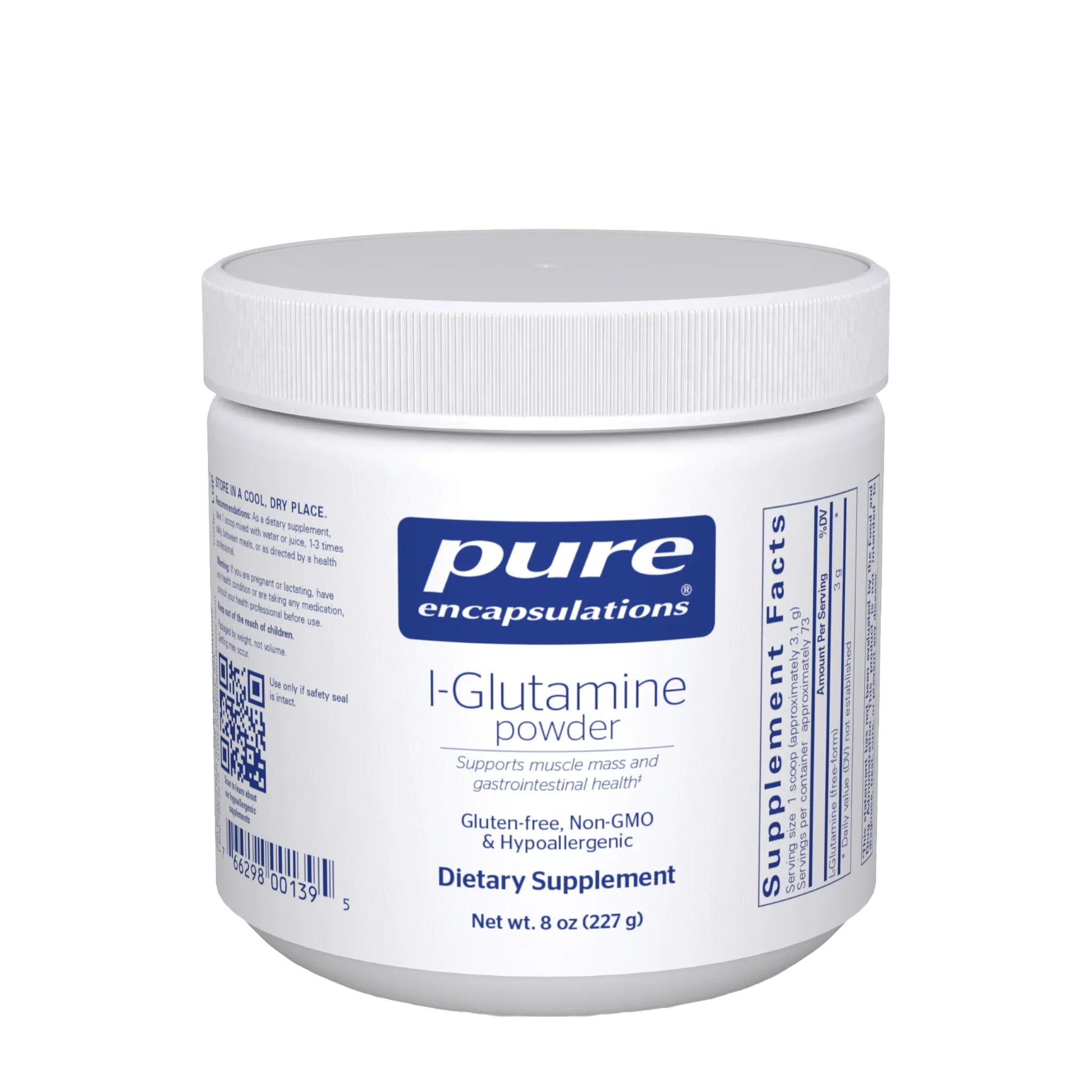
L-glutamine powder offers a highly versatile, clinically grounded, and scientifically validated tool for directly addressing the profound metabolic deficits that drive post-viral syndromes. By providing the essential, life-sustaining fuel your enterocytes and immune cells so desperately need, you can actively help seal the leaky gut that continuously drives autonomic dysfunction and systemic inflammation. Because free-form powder allows for highly flexible, customized dosing, it can be seamlessly and easily integrated into your daily routine by simply mixing it into cold water or a soothing, nutrient-dense smoothie.
As always, it is absolutely imperative to consult directly with your primary healthcare provider or a highly knowledgeable functional medicine specialist before introducing high-dose amino acids into your regimen, ensuring it is perfectly safe and appropriate for your unique medical history and current medications. If you and your trusted medical team determine that targeted gut barrier and muscle preservation support is the right, strategic next step for your complex recovery journey, you can Explore l-Glutamine Powder to learn more about incorporating this foundational, restorative nutrient into your daily protocol.