Can L-Carnosine Support Cellular Health and Brain Fog in Long COVID and ME/CFS?
March 5, 2026
L-CarnosineLong COVIDME/CFS
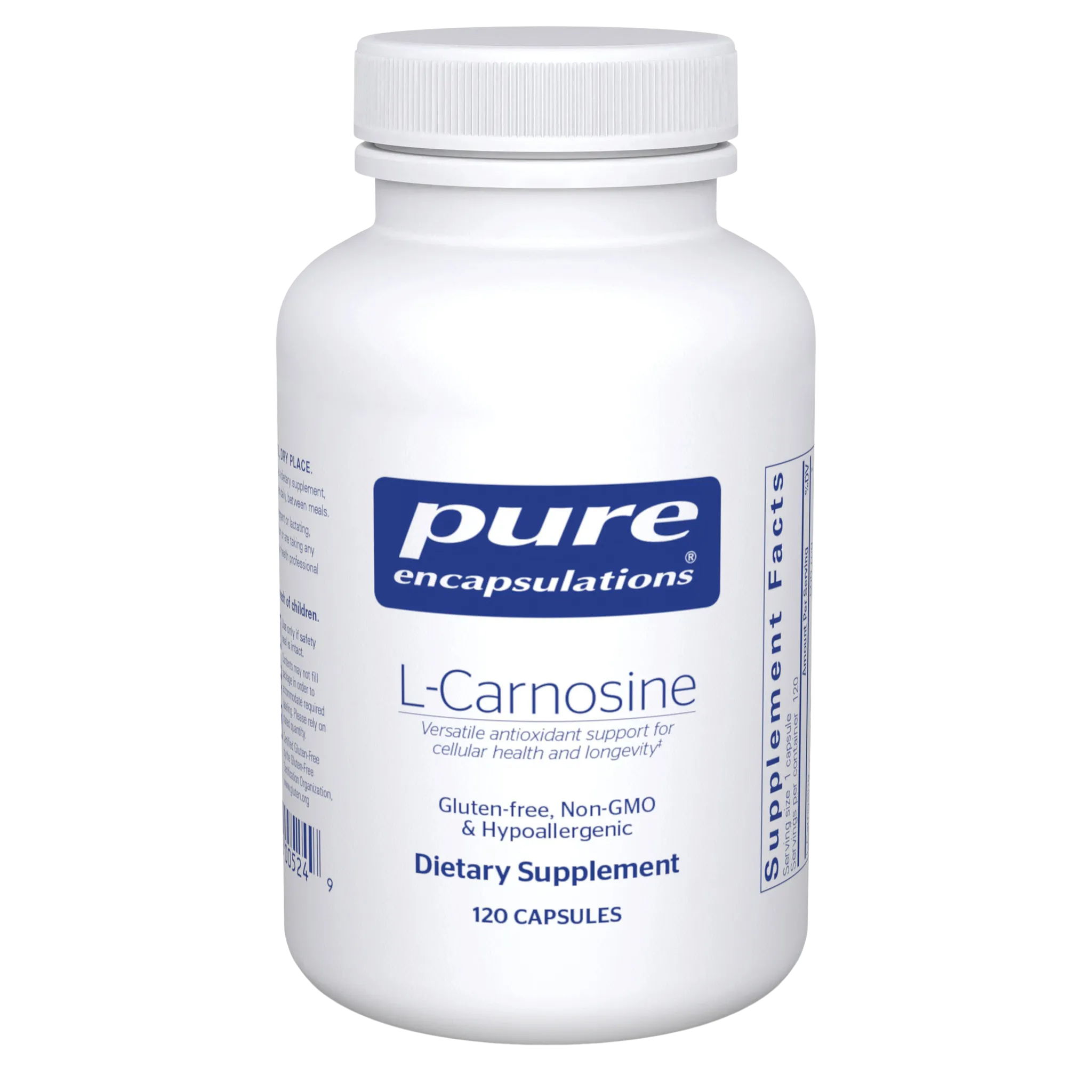
Share:
Disclaimer: The information provided here is for educational purposes only and is not intended as medical advice. It should not be used to diagnose, treat, cure, or prevent any medical condition. Instead, use it as a starting point for discussion with your healthcare provider. Always consult with a qualified healthcare provider before starting any new medication, supplement, device, or making changes to your health regimen.
Living with complex chronic conditions like Long COVID, myalgic encephalomyelitis/chronic fatigue syndrome (ME/CFS), and dysautonomia often feels like navigating a labyrinth without a map. The symptoms—debilitating brain fog, profound post-exertional malaise (PEM), unpredictable heart rates, and relentless fatigue—are not just exhausting; they are deeply disruptive to your sense of self and your daily life. If you have been told that your lab results are "normal" while you continue to struggle to get out of bed, know that your experience is valid. The medical community is increasingly recognizing that the root causes of these conditions lie deep within the body's cellular machinery, involving complex processes like oxidative stress, neuroinflammation, and endothelial dysfunction.
As researchers dive deeper into the microscopic world of cellular health, certain naturally occurring compounds are emerging as powerful allies in the management of chronic illness. One such compound is L-carnosine, a multifaceted dipeptide that plays a critical role in antioxidant defense, cellular longevity, and neurological function. While it is not a cure, a growing body of scientific literature suggests that L-carnosine may help support the body's natural healing pathways, protect blood vessels from damage, and preserve cognitive clarity. In this comprehensive guide, we will explore the intricate biochemistry of L-carnosine, how chronic illness disrupts the systems it supports, and how targeted supplementation might offer a supportive bridge toward improved quality of life.
TL;DR
L-carnosine is a natural antioxidant that may help protect cells and support neurological function in chronic illness.
It supports vascular health by neutralizing harmful compounds that cause blood vessel stiffness and poor circulation.
Zinc L-carnosine specifically targets gastrointestinal healing, while standard L-carnosine offers systemic and cognitive support.
Always consult your healthcare provider to determine the right form and dosage for your specific symptoms.
What is L-Carnosine?
A Naturally Occurring Cellular Protector
L-Carnosine (chemically known as beta-alanyl-L-histidine) is a naturally occurring dipeptide, meaning it is a compound formed by the linkage of two amino acids: beta-alanine and L-histidine. Discovered in Russia in the early 1900s, this remarkable molecule is found in highly metabolically active tissues throughout the human body, with the highest concentrations located in skeletal muscle, the heart, and the brain (particularly in the olfactory bulb and cerebral cortex). In a healthy body, L-carnosine acts as a frontline defender against various forms of cellular stress. However, research indicates that tissue levels of L-carnosine naturally decline with age, and chronic illness can further deplete these vital reserves, leaving cells vulnerable to accelerated damage and premature aging.
At the molecular level, L-carnosine is a highly versatile molecule that performs multiple protective functions simultaneously. It operates as a potent intracellular pH buffer, helping to neutralize the rapid buildup of lactic acid that occurs during physical exertion, which is crucial for maintaining muscle endurance and helping to delay premature fatigue. Beyond its buffering capacity, L-carnosine is a heavy metal chelator, meaning it can bind to toxic metal ions like copper and zinc when they are present in excess, helping to protect against neurological toxicity. This multifaceted nature makes L-carnosine a unique and essential component of the body's innate cellular defense system, promoting overall cellular health and longevity.
The Master Antioxidant and Nrf2 Activator
One of the most critical roles of L-carnosine is its function as a master antioxidant. Oxidative stress occurs when there is an imbalance between the production of reactive oxygen species (ROS)—often referred to as free radicals—and the body's ability to neutralize them. These free radicals are unstable molecules that can damage cellular membranes, lipids, and DNA. The L-histidine residue in carnosine contains an imidazole ring, a specific chemical structure that actively scavenges and neutralizes both reactive oxygen species and reactive nitrogen species (RNS). By intercepting these destructive molecules, L-carnosine helps protect against the lipid peroxidation of cell membranes, thereby maintaining the structural integrity of cells across various tissues.
Furthermore, L-carnosine does not just fight free radicals directly; it also acts as a signaling molecule that upregulates the body's endogenous (internal) antioxidant defense systems. Recent pharmacological research demonstrates that L-carnosine activates the Nrf2 signaling pathway. The Nrf2 (Nuclear factor erythroid 2-related factor 2) protein is often described as the "master regulator" of antioxidant genes. When activated by L-carnosine, Nrf2 travels to the cell nucleus and binds to Antioxidant Response Elements (ARE), triggering the production of powerful protective enzymes like superoxide dismutase (SOD), glutathione peroxidase, and catalase. This profound amplification of the body's natural defenses is a key reason why L-carnosine is highly valued in the context of cellular longevity.
The Ultimate Anti-Glycation Agent
Perhaps the most unique and scientifically celebrated property of L-carnosine is its ability to inhibit the formation of Advanced Glycation End-products (AGEs). Glycation is a non-enzymatic process—often referred to as the Maillard reaction—where excess sugar molecules in the bloodstream inappropriately bind to proteins, lipids, or DNA. Over time, these sugar-protein bonds form irreversible cross-links, creating toxic compounds known as AGEs. The accumulation of AGEs is a primary driver of biological aging, causing tissues to lose their elasticity. This process leads to stiffened blood vessels, wrinkled skin, and the degradation of neurological pathways, and it is heavily implicated in the complications of diabetes and neurodegenerative diseases.
L-carnosine combats this destructive process through a mechanism known as carbonyl scavenging. Highly reactive carbonyl species, such as methylglyoxal (MGO) and glyoxal, are the toxic precursors that initiate the formation of AGEs. Systematic reviews confirm that L-carnosine acts as a sacrificial target, structurally mimicking the amino acids (like lysine and arginine) that these sugars typically attack. By binding directly to MGO and other reactive carbonyls, L-carnosine forms inert, harmless adducts that the body can easily excrete through the kidneys. This extraordinary ability to detoxify glycation precursors before they can cross-link with healthy, long-lived proteins makes L-carnosine a premier therapeutic agent for preserving tissue flexibility and systemic health.
How Chronic Illness Impacts Cellular Health and Glycation
Oxidative Stress and the Cytokine Storm
To understand why L-carnosine is so relevant to conditions like Long COVID, ME/CFS, and dysautonomia, we must first examine how these illnesses disrupt the body's cellular environment. In the wake of a viral infection like SARS-CoV-2, many patients experience a prolonged state of immune hyperactivity, often referred to as a "cytokine storm." This chronic inflammatory state triggers a massive overproduction of reactive oxygen species (ROS) by immune cells. While ROS are necessary in short bursts to fight off acute infections, their chronic presence overwhelms the body's natural antioxidant reserves. This relentless oxidative stress damages mitochondrial membranes, impairing the cells' ability to produce adenosine triphosphate (ATP)—the fundamental currency of cellular energy.
This severe mitochondrial dysfunction is a central feature of myalgic encephalomyelitis/chronic fatigue syndrome (ME/CFS), driving the profound exhaustion and post-exertional malaise (PEM) that patients experience after even minor physical or cognitive exertion. When the mitochondria cannot meet the energy demands of the body, cells are forced to rely on anaerobic metabolism, leading to a rapid buildup of lactic acid and cellular debris. The depletion of endogenous antioxidants like glutathione and L-carnosine during this chronic inflammatory state leaves the nervous system and musculature entirely unprotected, creating a vicious cycle of fatigue, inflammation, and cellular damage that is incredibly difficult to break without targeted intervention.
Hypercoagulability and Endothelial Damage
Another hallmark of complex chronic illness, particularly Long COVID and dysautonomia, is widespread damage to the endothelium—the delicate inner lining of the blood vessels. The endothelium is responsible for regulating vascular tone, blood pressure, and immune cell trafficking. In Long COVID, viral persistence and systemic inflammation cause endothelial cells to become dysfunctional. This dysfunction is heavily exacerbated by the accumulation of reactive carbonyl species like methylglyoxal (MGO), which drive the formation of Advanced Glycation End-products (AGEs) in the vascular walls. As AGEs accumulate, the blood vessels become stiff and lose their ability to dilate properly, contributing to the erratic heart rates and blood pressure fluctuations seen in Postural Orthostatic Tachycardia Syndrome (POTS).
Furthermore, this endothelial damage promotes a state of hypercoagulability. Research into Long COVID has highlighted the presence of amyloid fibrin microclots—microscopic blood clots that trap inflammatory molecules and block the tiny capillaries responsible for delivering oxygen to tissues. The glycation of blood proteins plays a significant role in making these clots resistant to the body's natural breakdown processes (fibrinolysis). When the microvasculature is blocked by these stubborn clots, tissues are starved of oxygen (hypoxia), which further amplifies the signals of pain, fatigue, and systemic distress that characterize the daily reality of living with Long COVID.
Neuroinflammation and the Compromised Blood-Brain Barrier
The impact of chronic illness is perhaps most devastating when it reaches the central nervous system. The blood-brain barrier (BBB) is a highly selective semipermeable border of endothelial cells that protects the brain from circulating toxins and pathogens. However, chronic systemic inflammation and oxidative stress can degrade the tight junctions that hold the BBB together, increasing its permeability. When inflammatory cytokines and reactive carbonyls cross into the brain, they activate microglia—the brain's resident immune cells. This microglial activation triggers a state of chronic neuroinflammation.
Neuroinflammation disrupts healthy peptide metabolism in the brain and impairs the transmission of neurotransmitters. For patients, this microscopic chaos manifests as debilitating brain fog, memory deficits, difficulty concentrating, and sensory overload. The brain, which consumes roughly 20% of the body's energy despite accounting for only 2% of its weight, is highly susceptible to both oxidative damage and glycation. When natural neuroprotectants like L-carnosine are depleted by the prolonged demands of Long COVID, the brain loses its ability to clear toxic byproducts, leading to the sustained cognitive fatigue that so many patients desperately seek to alleviate.
L-Carnosine: Supporting Cellular Longevity and Neurological Function
Neutralizing Reactive Carbonyls and Protecting Blood Vessels
Supplementing with L-carnosine offers a multifaceted approach to interrupting the vicious cycles of chronic illness. One of its most profound therapeutic mechanisms is its ability to protect the cardiovascular system from the devastating effects of glycation and endothelial dysfunction. By acting as a powerful scavenger of methylglyoxal (MGO) and other reactive carbonyl species, L-carnosine may help protect against the structural stiffening of blood vessels that is so prevalent in metabolic and post-viral conditions. By intercepting these toxic molecules before they can cross-link with vascular proteins, L-carnosine helps maintain the elasticity and healthy function of the endothelial lining.
Moreover, L-carnosine actively intervenes in pathological cellular signaling. A 2023 study published in Theranostics revealed that L-carnosine inhibits Endothelial-to-Mesenchymal Transition (EndoMT). EndoMT is a harmful process where endothelial cells lose their typical function and transform into scar-tissue-like cells, driving vascular stiffness and plaque formation. L-carnosine blocks this transition by inhibiting the phosphorylation of Smad2/3, effectively shutting down the harmful TGF-β signaling pathway. By preserving endothelial integrity and helping to protect against the glycation of blood proteins, L-carnosine may help mitigate the hypercoagulability and microvascular damage that restrict oxygen delivery in Long COVID patients.
Neuroprotection and Cognitive Support
For patients battling severe brain fog and cognitive fatigue, L-carnosine offers significant neuroprotective benefits. Because it is a water-soluble dipeptide, L-carnosine is capable of crossing the blood-brain barrier, allowing it to exert its antioxidant and anti-glycation effects directly within the central nervous system. Once inside the brain, it works to maintain healthy peptide metabolism and protect neurons from the oxidative damage caused by hyperactive microglia. By neutralizing reactive oxygen species and buffering the localized buildup of acidic byproducts, L-carnosine helps to preserve brain metabolism and stabilize neural networks.
Additionally, L-carnosine plays a vital role in maintaining DNA integrity within brain cells. Extensive reviews highlight its ability to help protect against the carbonylation of brain proteins, a process that otherwise leads to the accumulation of toxic protein aggregates associated with cognitive decline. By clearing these reactive species and supporting the activity of endogenous enzymes like superoxide dismutase (SOD) in the brain, L-carnosine acts as a molecular "street sweeper," clearing away the inflammatory debris that contributes to the disorientation, memory loss, and mental exhaustion characteristic of ME/CFS and Long COVID.
Cardiovascular and Autonomic Nervous System Support
Beyond protecting the blood vessels, L-carnosine exerts direct, powerful effects on the heart muscle and the autonomic nervous system, making it highly relevant for patients managing dysautonomia and POTS. L-carnosine acts as a natural vasodilator by generating cyclic guanosine monophosphate (cGMP) and increasing soluble guanylate cyclase activity in vascular smooth muscle cells. This cGMP-mediated pathway helps blood vessels relax, improving systemic circulation and helping to stabilize erratic blood pressure fluctuations without the harsh side effects associated with synthetic vasodilators.
In the heart itself, L-carnosine dramatically supports myocardial contractility—the physical pumping strength of the heart muscle. Physiological studies demonstrate that L-carnosine binds directly to ryanodine receptors, which are specialized calcium release channels located in the sarcoplasmic reticulum of cardiac cells. By increasing the "open state" probability of these receptors, L-carnosine triggers an optimal release of intracellular calcium, substantially enhancing the heart's contractile force. This mechanism improves coronary blood flow and cardiac output, providing crucial support for patients whose autonomic nervous systems struggle to regulate heart rate and blood distribution upon standing.

Symptoms L-Carnosine May Help Manage
Because L-carnosine operates at the foundational level of cellular health, antioxidant defense, and vascular integrity, its benefits can ripple outward to alleviate a wide range of systemic symptoms. While it is not a standalone cure, patients incorporating L-carnosine into a comprehensive management plan may experience support in managing the following symptoms:
Brain Fog and Cognitive Fatigue: By crossing the blood-brain barrier, neutralizing reactive oxygen species, and helping to protect against the glycation of neural proteins, L-carnosine helps clear the inflammatory debris that impairs memory, focus, and mental clarity.
Post-Exertional Malaise (PEM): As a potent intracellular pH buffer, L-carnosine helps neutralize the rapid buildup of lactic acid in muscle tissues during exertion, potentially raising the threshold for muscular fatigue and supporting mitochondrial energy production.
Vascular Stiffness and Poor Circulation: Through the inhibition of Endothelial-to-Mesenchymal Transition (EndoMT) and the scavenging of toxic methylglyoxal (MGO), L-carnosine protects the elasticity of blood vessels, promoting better oxygen delivery to starved tissues.
Heart Palpitations and Autonomic Dysfunction: By interacting with ryanodine receptors to improve myocardial contractility and promoting cGMP-mediated vasodilation, L-carnosine supports the cardiovascular system's ability to regulate blood flow, which is crucial for managing POTS and dysautonomia.
Systemic Inflammation and Joint Pain: By activating the Nrf2 signaling pathway and upregulating the body's master antioxidant enzymes (like superoxide dismutase), L-carnosine helps quell the widespread oxidative stress that drives chronic pain and immune hyperactivity.
Gastrointestinal Distress (Leaky Gut): When taken in its chelated form (Zinc L-carnosine), it adheres to the stomach lining, promoting the healing of mucosal tissues, reducing intestinal permeability, and calming the gut-driven inflammation that often exacerbates systemic crashes.
Practical Considerations: Forms, Dosing, and Absorption
The Carnosinase Challenge and Bioavailability
When considering L-carnosine supplementation, understanding its bioavailability is crucial for achieving therapeutic results. In the human body, oral L-carnosine faces a significant physiological hurdle: an enzyme in the blood plasma known as serum carnosinase (encoded by the CNDP1 gene). This enzyme is highly active in humans and rapidly cleaves circulating L-carnosine back into its constituent amino acids, beta-alanine and L-histidine. Pharmacokinetic studies show that when L-carnosine is ingested, peak plasma concentrations occur within the first hour, and brain concentrations notably increase shortly after. However, due to the aggressive action of carnosinase, circulating levels typically revert to baseline within 4 to 5 hours. Because of this rapid half-life, a single daily dose is often insufficient for chronic illness management; practitioners generally recommend splitting the daily dosage into two or three smaller administrations to maintain consistent therapeutic levels in the blood and tissues.
Standard L-Carnosine vs. Zinc L-Carnosine
It is also important to distinguish between standard free-form L-carnosine and its highly specialized derivative, Zinc L-carnosine (often sold under the brand name Polaprezinc or PepZin GI). Standard L-carnosine is a water-soluble supplement designed for systemic absorption, making it the preferred choice for targeting brain fog, cardiovascular health, mitochondrial support, and systemic anti-glycation. In contrast, Zinc L-carnosine is a patented, chelated complex developed in Japan specifically for gastrointestinal healing. This chelated form has a delayed dissociation rate and very low systemic absorption (only about 11% of the zinc enters the bloodstream). Instead of circulating through the body, it adheres directly to the gastric mucosa, where it slowly releases zinc and carnosine to heal stomach ulcers, repair tight junctions, and support the management of "leaky gut"—a common driver of immune crashes in ME/CFS. Patients must choose the form that aligns with their specific primary symptoms.
Dosing Guidelines, Safety, and Interactions
For systemic and cognitive benefits, the standard clinical dosage of free-form L-carnosine ranges from 500 mg to 1,000 mg per day, typically taken as one 500 mg capsule once or twice daily between meals to avoid competition with dietary amino acids. L-carnosine is widely recognized as highly safe and tolerable. In clinical dose-escalation studies, adverse effects were incredibly rare at standard doses. However, at extraordinarily high, non-standard doses (such as 15 grams per day), participants reported headaches, nausea, and paresthesia (a harmless but uncomfortable tingling sensation in the skin).
While L-carnosine has no major black-box warnings, there are a few practical considerations. Because it acts as a mild vasodilator and can lower blood pressure via the cGMP pathway, patients who are already taking prescription antihypertensive medications or who suffer from severe baseline hypotension (low blood pressure) should monitor their readings closely and consult their doctor. Additionally, for those utilizing Zinc L-carnosine for gut health (typically dosed at 75 mg twice daily), it is important to be aware that long-term use (beyond 8-12 weeks) can cause the elemental zinc to compete with copper for absorption, potentially leading to a copper deficiency. In such cases, monitoring trace mineral levels with a healthcare provider is advised.
Follow the Science
Clinical Trials on Cognitive Function and Gulf War Illness
The scientific investigation into L-carnosine for complex, multi-systemic illnesses has yielded highly promising data, particularly regarding cognitive function and fatigue. Because Gulf War Illness (GWI) shares immense clinical and pathophysiological overlap with ME/CFS—including profound fatigue, cognitive impairment, and autonomic dysfunction—researchers have looked to GWI trials for insights. A landmark randomized, double-blind, placebo-controlled trial by Baraniuk et al. (2013) investigated L-carnosine in 100 GWI subjects. Patients received escalating oral doses of 500 mg, 1,000 mg, and 1,500 mg daily at 4-week intervals over a 12-week period. While the primary subjective fatigue scores did not completely resolve, the carnosine group demonstrated statistically significant improvements in cognitive function, specifically measured by the WAIS-R digit symbol substitution test. Furthermore, the treatment group experienced a significant decrease in diarrhea associated with Irritable Bowel Syndrome (IBS), highlighting carnosine's dual role in neurological and gastrointestinal support.
Meta-Analyses on Metabolic Health and Glycation
Beyond fatigue syndromes, L-carnosine's ability to halt the formation of Advanced Glycation End-products (AGEs) has been rigorously quantified in metabolic studies. A rigorous 2023 systematic review and meta-analysis of 14 randomized controlled trials involving 794 adults assessed L-carnosine's impact on age-related and metabolic diseases. The pooled data revealed that carnosine supplementation significantly lowered overall fasting blood sugar (with a mean difference of -12.44 mg/dL) and overall HbA1c (mean difference of -1.25%). Crucially for neurocognitive health, this same meta-analysis reported statistically significant improvements in delayed recall memory (measured by the Wechsler Memory Scale) and a significant reduction in depressive symptoms among participants.
These metabolic findings are further supported by a highly specific 2018 double-blind, placebo-controlled trial published in Nutrition Research. In this 12-week study, 54 patients with Type 2 diabetes were given 1,000 mg of L-carnosine daily. The researchers tracked specific biomarkers of glycation and inflammation. The findings were striking: serum levels of carboxymethyl lysine (CML), a notoriously damaging AGE, were reduced by 91.8 ng/mL, and pentosidine dropped by 2.8 ng/mL. Additionally, levels of Tumor Necrosis Factor-alpha (TNF-α), a primary inflammatory cytokine involved in the Long COVID cytokine storm, significantly decreased, proving L-carnosine's profound systemic anti-inflammatory capabilities.
Emerging Research in Neurodegeneration and Dysautonomia
Emerging clinical case studies are also beginning to map L-carnosine's benefits for severe dysautonomia and neurodegeneration. A 2023 clinical case trial by Stojanović et al. investigated L-carnosine in patients with Multiple Sclerosis (MS), a disease characterized by profound neuroinflammation, severe central fatigue, and autonomic dysfunction. Patients were administered 2,000 mg of L-carnosine per day for 8 weeks. The results showed that general fatigue was reduced across all cases. Visual Analog Scale scores for numbness, weakness, pain, and depression all decreased. Most notably, neuromuscular endurance and walking distance to exhaustion improved drastically, with patients showing a 2.1% to 51.1% improvement in physical capacity, suggesting that L-carnosine's protection of the neuromuscular junction and mitochondrial buffering can translate into tangible real-world physical improvements.
The Path Forward
Integrating L-Carnosine into Your Protocol
Navigating the daily realities of living with Long-Term COVID or ME/CFS requires immense resilience and a multi-tiered approach to symptom management. While L-carnosine presents a compelling, science-backed mechanism for supporting cellular longevity, neutralizing oxidative stress, and protecting the brain and blood vessels from glycation, it is important to view it as one piece of a much larger puzzle. True management of complex chronic illness requires foundational strategies like aggressive pacing, continuous symptom tracking, nervous system regulation, and restorative rest. Supplements like L-carnosine act as biological scaffolding—they provide the necessary raw materials to help your cells defend themselves and repair damage, but they work best when your overall lifestyle supports energy conservation.
A Collaborative Approach to Healing
Because chronic conditions affect every system in the body differently, there is no universal protocol that works for everyone. The decision to introduce a powerful antioxidant and anti-glycation agent like L-carnosine into your regimen should be made thoughtfully and collaboratively. We strongly encourage you to discuss L-carnosine, its specific forms, and appropriate dosing with a knowledgeable healthcare provider who understands the nuances of dysautonomia, neuroinflammation, and post-viral illness. By combining targeted, high-quality nutritional support with compassionate, individualized medical care, you can take proactive steps toward stabilizing your cellular health and reclaiming your quality of life.
Sources
Mechanism of Action of Carnosine (2022) - Encyclopedia / MDPI
Carnosine and advanced glycation end products: a systematic review (2018) - Amino Acids / Springer
Nutritional Interventions for COVID-19: A Role for Carnosine? (2021) - Nutrients
The Potential of Carnosine in Brain-Related Disorders: A Comprehensive Review (2019) - MDPI
Carnosine Treatment for Gulf War Illness: A Randomized Controlled Trial (2013) - J. Health Sciences
L-carnosine inhibits Endothelial-to-Mesenchymal Transition (EndoMT) (2023) - Theranostics
Zinc L-carnosine for gastrointestinal healing and mucosal repair - NIH