Can Potassium Support Blood Pressure and Heart Rate in Long COVID and POTS?
March 6, 2026
PotassiumLong COVIDDysautonomia
Share:
Disclaimer: The information provided here is for educational purposes only and is not intended as medical advice. It should not be used to diagnose, treat, cure, or prevent any medical condition. Instead, use it as a starting point for discussion with your healthcare provider. Always consult with a qualified healthcare provider before starting any new medication, supplement, device, or making changes to your health regimen.
Months or even years after a mild viral infection, many patients find themselves trapped in a bewildering cycle of racing heart rates, debilitating fatigue, and dizzy spells. When you are living with complex chronic conditions like Long COVID or dysautonomia, even standing up can feel like running a marathon. For patients diagnosed with postural orthostatic tachycardia syndrome (POTS), the standard medical advice is almost always the same: drink more water and dramatically increase your sodium intake. However, this hyper-focus on sodium often overshadows the critical other half of the electrolyte equation.
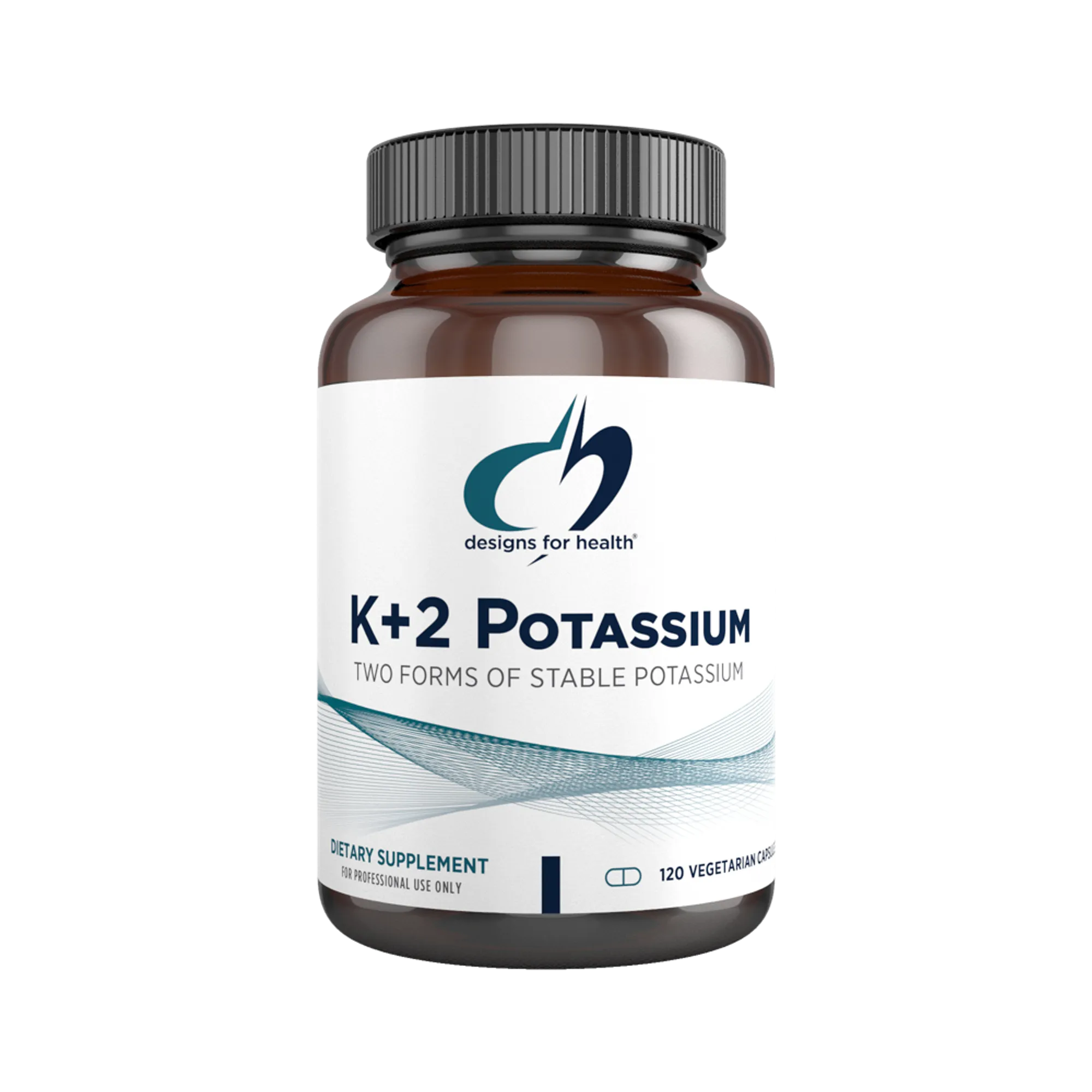
Potassium is the unsung hero of autonomic nervous system regulation and cardiovascular health. When the delicate balance between sodium and potassium is disrupted—whether by viral injury, chronic inflammation, or high-salt diets—the body's electrical system begins to misfire. In this article, we will explore the profound mechanisms of potassium, how post-viral illness depletes this vital mineral, and why a specialized formulation like K+2 Potassium (combining potassium bicarbonate and potassium glycinate) may be a missing piece in your symptom management puzzle.
TL;DR
Potassium is essential for cellular energy and balancing the high-sodium diets often recommended for POTS.
Viral infections like COVID-19 can deplete potassium, worsening fatigue, rapid heart rates, and muscle weakness.
K+2 Potassium combines potassium bicarbonate and glycinate to support heart health without stomach irritation.
Always consult your doctor before starting potassium, especially if you take blood pressure medications.
What is Potassium?
The Foundation of Cellular Electricity
Potassium ($K^+$) is the most abundant intracellular cation (positively charged ion) in the human body, playing a foundational role in cellular physiology and electrical signaling. In a healthy adult, approximately 98% of the body's potassium is sequestered strictly inside the cells, maintaining a high intracellular concentration of roughly 140 to 150 mmol/L. Only a tiny fraction, about 2%, circulates in the extracellular fluid and blood plasma, where it is tightly regulated by the kidneys to stay between 3.5 and 5.3 mmol/L. This steep concentration gradient between the inside and outside of the cell is not an accident; it is the primary driving force behind the electrical charge of your cell membranes, allowing your nervous system to communicate and your muscles to contract.
The distribution of potassium is so critical that even minor fluctuations in extracellular levels can have profound, immediate effects on cardiovascular and neurological function. The body goes to extraordinary lengths to maintain this balance, utilizing complex hormonal feedback loops involving insulin, aldosterone, and catecholamines to shift potassium in and out of cells as needed. When this system is functioning optimally, it provides the stable electrochemical foundation required for every heartbeat, every thought, and every physical movement you make.
The Sodium-Potassium Pump
To maintain this extreme concentration gradient, every animal cell relies on a microscopic, energy-intensive engine known as the sodium-potassium pump ($Na^+/K^+$-ATPase). This electrogenic transmembrane enzyme acts as a biological turnstile, constantly moving ions against their natural flow. For every molecule of cellular energy (ATP) it consumes, the pump binds three intracellular sodium ions, changes its shape, and pushes them out into the extracellular space. It then grabs two extracellular potassium ions and pulls them back inside the cell. Because it exports more positive charges than it imports, it creates a net negative resting membrane potential, typically sitting around -70 mV in healthy neurons.
This process is so vital to human survival that the sodium-potassium pump consumes up to 50% of a cell's total generated energy at any given time. In conditions characterized by severe mitochondrial dysfunction and energy deficits, such as ME/CFS and Long COVID, the cells may struggle to produce enough ATP to keep these pumps running at full capacity. When the pumps slow down, sodium begins to accumulate inside the cell, and potassium leaks out, causing the cell to lose its negative resting charge. This state of chronic depolarization leaves the cell highly irritable and prone to misfiring, which manifests clinically as muscle twitches, nerve pain, and profound fatigue.
Action Potentials and Muscle Contraction
In excitable tissues like the brain, heart, and skeletal muscles, potassium is the key to resolving electrical signals known as action potentials. When a nerve or muscle cell is stimulated, voltage-gated sodium channels open, allowing sodium to rush in and create a positive electrical spike that triggers a heartbeat or muscle contraction. Immediately following this spike, voltage-gated potassium channels open, allowing potassium to rapidly flow out of the cell down its concentration gradient. This outward rush of positively charged potassium repolarizes the cell, resetting the electrical baseline so the muscle can relax and prepare for the exact next signal.
Without adequate intracellular potassium, this electrical reset is delayed, erratic, or entirely dysfunctional. If the cell cannot properly repolarize, the muscle cannot fully relax, leading to sustained contractions, severe cramping, and muscular exhaustion. In the heart, delayed repolarization can cause dangerous arrhythmias and palpitations. This is why maintaining optimal potassium levels is non-negotiable for anyone experiencing the unpredictable cardiovascular and muscular symptoms associated with complex chronic illness.
How Long COVID and Dysautonomia Impact Electrolyte Balance
Viral Disruption of the RAAS Pathway
The intersection of Long COVID, dysautonomia, and electrolyte imbalance is a rapidly developing area of medical research. Emerging evidence shows that the SARS-CoV-2 virus uniquely disrupts potassium balance through its interaction with the ACE2 receptor. When the virus binds to and degrades ACE2 receptors throughout the body, it severely dysregulates the renin-angiotensin-aldosterone system (RAAS). This disruption leads to elevated levels of the hormone aldosterone, which acts directly on the kidneys. Aldosterone forces the renal tubules to aggressively reabsorb sodium and water while simultaneously excreting precious potassium into the urine. Over time, this virally induced potassium wasting can lead to a state of chronic, low-grade hypokalemia (low potassium) that exacerbates cardiovascular symptoms.
Furthermore, the virus can cause direct injury to the renal tubules, leading to conditions akin to post-COVID Fanconi syndrome. In these scenarios, the kidneys lose their ability to properly filter and retain essential minerals, causing them to "leak" potassium, magnesium, and phosphorus into the urine. For patients wondering how does a doctor diagnose Long COVID, comprehensive metabolic panels that check for these subtle intracellular mineral deficiencies are becoming an increasingly important part of the diagnostic workup.
The Salt Myth in POTS Management
For patients navigating dysautonomia and POTS, standard management protocols heavily emphasize increasing blood volume through massive sodium consumption—often upwards of 10 to 12 grams of salt daily. While sodium is absolutely necessary for maintaining blood volume and managing orthostatic hypotension, increasing sodium intake without proportionally increasing potassium can inadvertently worsen autonomic dysfunction. Sodium and potassium operate on a physiological seesaw; a high-sodium diet naturally drives down systemic potassium stores by encouraging renal excretion.
When POTS patients consume massive amounts of salt without adequate potassium buffering, they risk inducing a secondary potassium deficiency. This paradoxically triggers the exact symptoms they are trying to manage: bounding palpitations, muscle weakness, and profound fatigue. The body requires a delicate ratio of both minerals to maintain fluid balance inside and outside the cells. Ignoring potassium while hyper-focusing on sodium leaves the intracellular space dehydrated and electrically unstable, making orthostatic intolerance even more severe.
Hyperadrenergic States and Potassium Shifts
Many individuals with complex chronic illness experience a specific subtype of autonomic dysfunction known as hyperadrenergic POTS, characterized by an overactive sympathetic nervous system and high levels of stress hormones. Elevated adrenaline (epinephrine) directly impacts cellular ion channels, driving circulating potassium out of the bloodstream and hiding it inside the cells, or forcing the kidneys to excrete it. This constant "fight or flight" state creates a functional potassium deficiency in the blood plasma, leading to worsened tachycardia and anxiety-like physical symptoms.
Additionally, common pharmacological interventions used to retain sodium and boost blood pressure—such as fludrocortisone—carry a well-documented side effect of inducing hypokalemia. Understanding what drugs are used for COVID long haulers is critical, as many of these medications require diligent electrolyte monitoring to prevent severe potassium depletion. Patients on these medications often require dedicated potassium supplementation to counteract the drug's potassium-wasting effects and maintain cardiovascular stability.
K+2 Potassium: Supporting Cardiovascular and Autonomic Function
Restoring the Electrochemical Gradient
Supplementing with a highly bioavailable formula like K+2 Potassium provides the raw materials necessary to restore the body's depleted intracellular potassium stores. By replenishing these reserves, the supplement directly supports the efficiency of the sodium-potassium pump, allowing cells to maintain their proper resting membrane potential. In the context of dysautonomia and inappropriate tachycardia, adequate potassium ensures that the heart's pacemaker cells can repolarize smoothly after every beat. This helps stabilize erratic electrical signals, potentially reducing the frequency and severity of the bounding heart rates and palpitations that plague patients upon standing.
Furthermore, restoring this electrochemical gradient is vital for combating the profound muscular fatigue seen in ME/CFS and Long COVID. When muscle cells have adequate potassium, they can contract and relax with less energy expenditure. This improved cellular efficiency may help raise the threshold for post-exertional malaise (PEM), allowing patients to engage in daily activities with a slightly larger energy envelope before experiencing a crash.
Bicarbonate and Acid-Base Balance
What sets K+2 Potassium apart from standard over-the-counter potassium chloride is its inclusion of potassium bicarbonate. Chronic illness, systemic inflammation, and modern diets often induce a state of low-grade metabolic acidosis, where the body's pH becomes slightly too acidic. Potassium bicarbonate acts as a powerful systemic buffer, neutralizing this dietary and metabolic acid load. By providing an alkaline environment, potassium bicarbonate helps keep the body from pulling calcium out of the bones to act as an emergency buffer.
This dual-action mechanism not only supports cardiovascular health but also protects bone density and reduces the inflammatory stress placed on the vascular system. Metabolic acidosis is known to trigger the release of endothelin, a potent vasoconstrictor that stiffens blood vessels and raises blood pressure. By neutralizing systemic acidity, potassium bicarbonate helps suppress endothelin release, promoting a more relaxed, compliant vascular system that can better adapt to postural changes.
Endothelial Function and Nitric Oxide
The health of the vascular endothelium—the inner lining of your blood vessels—is severely compromised in Long COVID and ME/CFS, leading to microvascular clotting and poor blood flow. Potassium plays a direct role in hyperpolarizing endothelial cells, which facilitates smooth muscle relaxation and promotes vasodilation (the widening of blood vessels). This hyperpolarization makes the blood vessels more responsive to the body's natural regulatory signals, improving overall circulation.
Furthermore, correcting the body's acid-base balance with potassium bicarbonate provides an optimized, low-stress environment for endothelial cells to produce nitric oxide. Nitric oxide is the master regulator of blood vessel flexibility, meaning that targeted potassium supplementation can help improve systemic circulation, deliver more oxygen to oxygen-starved tissues, and support healthy blood pressure already within the normal range. For patients dealing with the vascular complications of Long COVID, supporting endothelial health is a paramount therapeutic goal.

Symptoms Potassium May Help Manage
Targeted Relief for Autonomic Dysfunction
Tachycardia and Palpitations: By supporting the repolarization phase of the cardiac action potential, potassium helps stabilize the heart's electrical rhythm. This can alleviate the sensation of a racing, pounding, or fluttering heart that frequently occurs when transitioning from sitting to standing in POTS patients.
Muscle Weakness and Cramping: Potassium is non-negotiable for proper skeletal muscle contraction and relaxation. Replenishing depleted potassium stores can reduce the frequency of painful muscle spasms, heavy limbs, and the profound muscular weakness often experienced during post-exertional malaise (PEM).
Blood Pressure Fluctuations: Potassium naturally encourages the kidneys to excrete excess sodium and promotes the relaxation of blood vessel walls. This helps smooth out erratic blood pressure spikes and supports the maintenance of healthy blood pressure levels already within the normal range, combating the vascular stiffness seen in dysautonomia.
Brain Fog and Neurological Fatigue: Neurons rely on the sodium-potassium pump to fire electrical signals and communicate efficiently. By restoring the brain's electrochemical gradients, potassium supports faster neuronal transmission, which may help lift the cognitive sluggishness and brain fog associated with chronic neuroinflammation.
Exercise Intolerance: During physical exertion, potassium is lost through sweat and cellular shifts. Maintaining optimal potassium levels helps ensure that muscles can sustain repeated contractions without prematurely fatiguing, potentially improving overall orthostatic tolerance and daily stamina.
Practical Considerations: Forms, Dosing, and Absorption
The Power of Potassium Glycinate
Standard potassium supplements, such as potassium chloride, are notorious for their poor tolerability; they rapidly dissociate in the acidic environment of the stomach, releasing free reactive ions that can cause severe gastric irritation, nausea, and cramping. In some cases, high doses of standard potassium salts can even cause micro-ulcerations in the intestinal lining. K+2 Potassium bypasses this issue entirely by utilizing potassium glycinate, a chelated form where the potassium ion is chemically bound to the amino acid glycine.
Because of its low molecular weight and incredibly stable structure, potassium glycinate does not easily dissociate in the stomach, meaning it does not act as a direct irritant to the gastric mucosa. Instead, it is absorbed through specialized amino acid transport pathways in the intestines rather than relying on passive mineral diffusion. This results in exceptional bioavailability and a drastically reduced risk of gastrointestinal discomfort, making it an ideal choice for patients with sensitive digestive systems, gastroparesis, or mast cell activation syndrome (MCAS).
The Alkalinizing Benefit of Bicarbonate
The inclusion of potassium bicarbonate in this formulation provides a unique alkalinizing benefit that standard potassium salts lack. While potassium chloride adds to the body's chloride load—which can sometimes counteract blood pressure benefits in salt-sensitive individuals by elevating kidney hormones—potassium bicarbonate delivers the mineral alongside a systemic buffer. This makes it an excellent choice for individuals looking to simultaneously support their cardiovascular system and optimize their body's pH balance.
For patients wondering how they can live with long-term COVID, optimizing these foundational biochemical pathways is a crucial step in daily symptom management. By reducing the metabolic acid load, potassium bicarbonate helps lower systemic inflammation and preserves vital minerals like calcium and magnesium that would otherwise be sacrificed to buffer the blood.
Safety, Dosing, and Interactions
K+2 Potassium provides 300 mg of elemental potassium per capsule, offering a potent but safe dosage for daily maintenance when used as directed by a healthcare practitioner. While the US FDA generally limits over-the-counter solid oral potassium salts to 99 mg per dose due to the risk of intestinal lesions from rapid-release chloride forms, the unique amino acid chelation and bicarbonate buffering in this formula allow for a higher, safer delivery of the mineral without the associated gastric risks.
However, because potassium profoundly impacts cardiac rhythm, it must be respected and monitored. Individuals with compromised kidney function (chronic kidney disease) should never take potassium supplements without direct medical supervision, as their bodies cannot efficiently filter out excess minerals, leading to dangerous hyperkalemia. Additionally, potassium supplements can interact dangerously with medications that cause potassium retention, including ACE inhibitors, Angiotensin Receptor Blockers (ARBs), and potassium-sparing diuretics. Always consult your healthcare provider before adding a high-dose potassium supplement to your regimen.

Follow the Science
Clinical Trials on Potassium Bicarbonate
The cardiovascular benefits of potassium bicarbonate are exceptionally well-documented in clinical literature. A landmark 12-week randomized, double-blind crossover trial published in the journal Hypertension directly compared the effects of potassium chloride and potassium bicarbonate in 42 individuals. The researchers demonstrated that potassium bicarbonate significantly improved vascular endothelial function (measured by flow-mediated dilatation) and increased arterial compliance, effectively reducing arterial stiffness.
Furthermore, the study highlighted a unique advantage of the bicarbonate form: it significantly decreased 24-hour urinary calcium excretion and lowered markers of bone resorption. This proved its dual efficacy in supporting both the vascular system and skeletal health by neutralizing systemic acid loads, a benefit not seen with standard potassium chloride supplementation.
Hypokalemia in Post-Viral Dysautonomia
Recent case studies are shedding light on the severe prevalence of electrolyte wasting in post-viral syndromes. A 2024 clinical case series published in Clinical Medical Journals reviewed patients suffering from severe post-COVID autonomic dysfunction who presented with recurrent symptoms. The researchers found that an astonishing 71.4% of the patients exhibited clinical hypokalemia (low potassium), alongside profound hyponatremia.
These findings validate the clinical observation that viral disruption of the RAAS pathway leads to significant renal potassium wasting. This cellular depletion directly contributes to the orthostatic intolerance, muscle weakness, and tachycardia seen in Long COVID patients. Addressing this deficiency with targeted, bioavailable potassium is becoming a cornerstone of integrative dysautonomia management.
Blood Pressure Meta-Analyses
The broader scientific consensus strongly supports potassium's role in cardiovascular regulation. A massive dose-response meta-analysis of 32 randomized controlled trials published in the Journal of the American Heart Association confirmed that increased potassium intake significantly reduces systolic and diastolic blood pressure, particularly in individuals consuming high-sodium diets. By counteracting the vasoconstrictive effects of sodium and promoting endothelial nitric oxide release, potassium serves as a foundational, non-pharmacological tool for maintaining a healthy, resilient cardiovascular system.
The Path Forward
A Balanced Approach to Recovery
Living with the unpredictable, fluctuating nature of chronic illness can be incredibly disheartening. If you frequently wonder do Long COVID symptoms come and go, know that the physiological stress of electrolyte imbalances often drives these frustrating symptom flares. Validating the physical root of your symptoms—like cellular potassium depletion and autonomic dysfunction—is the first step toward reclaiming your quality of life. While no single supplement is a cure for complex conditions like dysautonomia or Long COVID, restoring your body's foundational electrochemical balance can provide your nervous system with the stability it desperately needs.
Managing chronic illness requires a comprehensive, multi-faceted approach that includes pacing, diligent symptom tracking, adequate hydration, and targeted nutritional support. By addressing the often-overlooked half of the electrolyte equation with a highly bioavailable, gentle formulation, you can better support your heart, muscles, and blood vessels. As always, work closely with your medical team to ensure that your electrolyte strategy aligns with your specific lab results and prescription medications.
Next Steps
If you are struggling with orthostatic intolerance, bounding heart rates, or muscle fatigue, optimizing your potassium intake may be a crucial step forward. Consult your healthcare provider to see if a specialized, alkalinizing potassium formula is right for your unique health profile.
Sources
A New Understanding of Potassium's Influence Upon Human Health and Renal Physiology
Effect of Potassium Supplementation on Endothelial Function and Cardiovascular Risk Factors
A clinical case study of seven patients of autonomic dysfunction in post COVID-19 conditions
Potassium Homeostasis: The Knowns, the Unknowns, and the Health Benefits
Dose-Response Relationship Between Dietary Potassium Intake and Blood Pressure